
Series

Ancient Ruins

The catalogue's archaeology strand: Greek, Roman and Byzantine cities, Nabataean desert towns, tells and necropolises of the Holy Land, Javanese candis, Maya sites and Sardinian megaliths.

46 programs

Apollonia: A Greek City on the Illyrian Coast
ArchaeologyAlbania

Apollonia: A Greek City on the Illyrian Coast

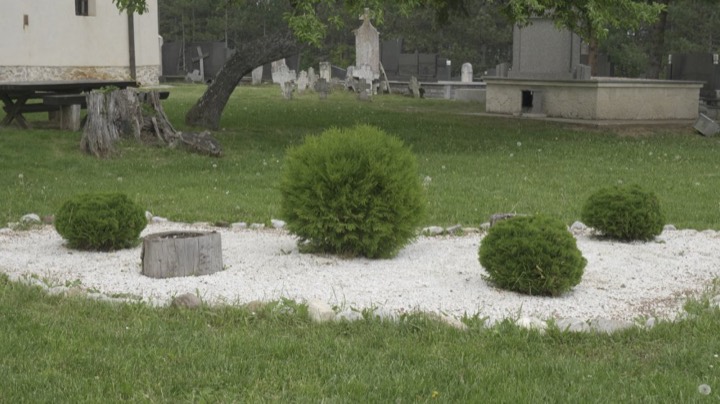
Set on low hills above the Albanian coastal plain, Apollonia was founded by Greek settlers in ancient Illyria and prospered under Rome. Its excavated centre, dominated by a restored colonnaded facade, adjoins a medieval monastery church that now shelters the site museum.

View details →
Kaleto and the Vrachanski Balkan Nature Park
ArchaeologyBulgaria

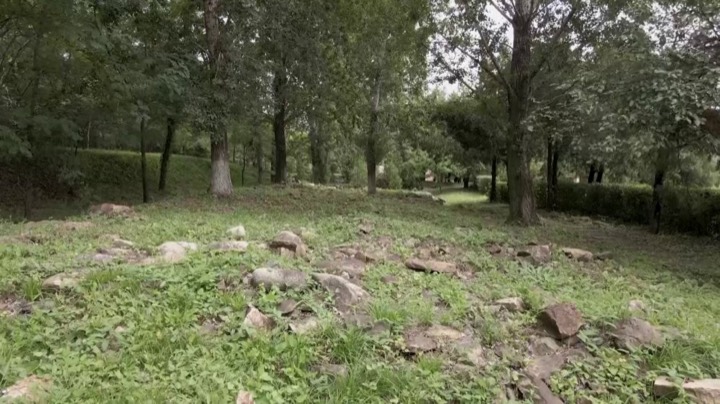
Kaleto and the Vrachanski Balkan Nature Park

This programme pairs the fortified archaeological complex of Kaleto with the Vrachanski Balkan Nature Park, a limestone massif of gorges, caves, waterfalls and cliffs. Together they show how a defensive site and its landscape were always one and the same thing.

View details →
Capital Cities and Tombs of the Ancient Koguryo Kingdom
ArchaeologyChina

Capital Cities and Tombs of the Ancient Koguryo Kingdom

Mountain fortresses, city walls, stone pyramids and burial chambers covered in murals: the archaeological legacy of the Koguryo kingdom in north-east China, inscribed on the World Heritage List.

View details →
Tauric Chersonesos
ArchaeologyCrimea

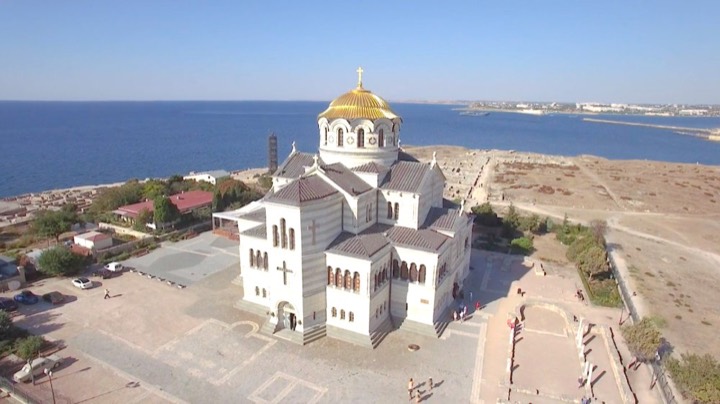
Tauric Chersonesos

Founded by Greek settlers and inhabited for close to two millennia, Tauric Chersonesos preserves streets, walls, a theatre and basilica columns above the sea. A World Heritage site.

View details →
The Giza Pyramid Complex
ArchaeologyEgypt

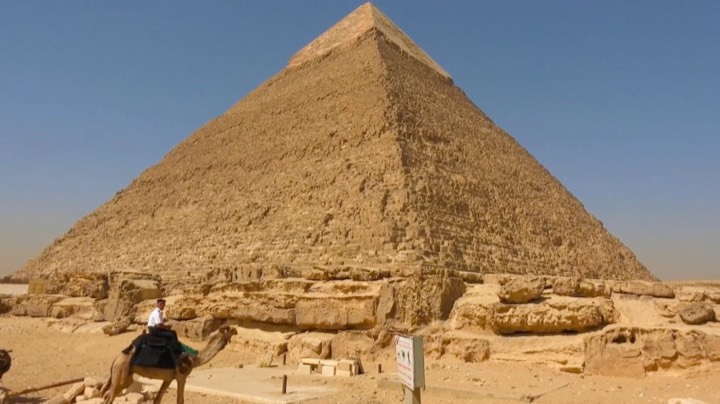
The Giza Pyramid Complex

Three pyramids, the Sphinx, temples and causeways: the Giza plateau remains the most ambitious funerary landscape ever built, and a World Heritage site of unmatched recognition.

View details →
The Tower of Agia Triada, Arkesine
ArchaeologyGreece

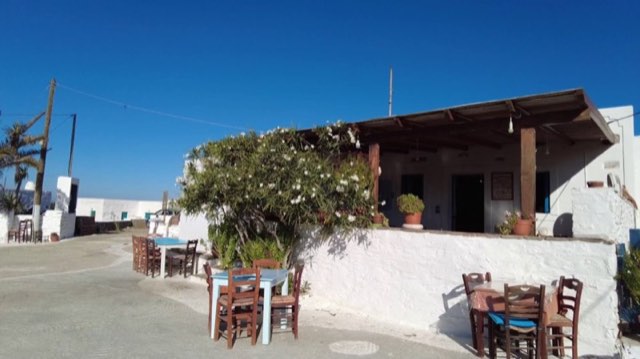
The Tower of Agia Triada, Arkesine

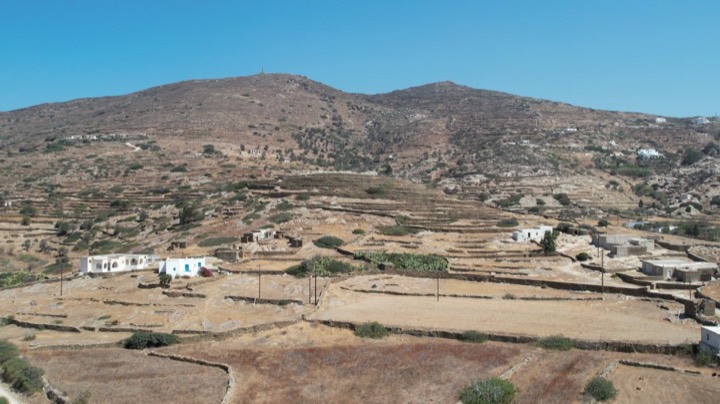
Standing among dry-stone terraces near ancient Arkesine, this well-preserved tower is one of the most substantial ancient structures on Amorgos, built of large fitted blocks with a commanding view of the sea.

View details →
Candi Blandongan and Candi Jiwa
ArchaeologyIndonesia

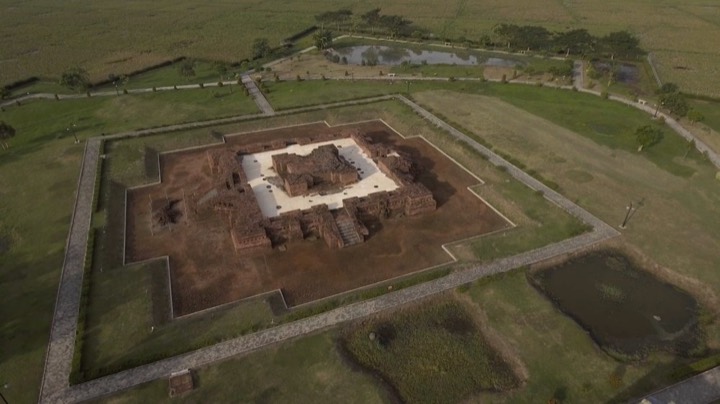
Candi Blandongan and Candi Jiwa

Excavated from the alluvial plain of West Java, Candi Blandongan and Candi Jiwa are brick structures counted among the oldest religious buildings known on the island, and a key site for the study of early Javanese Buddhism.

View details →
Apollonia: A Crusader Fortress Above the Sea
ArchaeologyIsrael

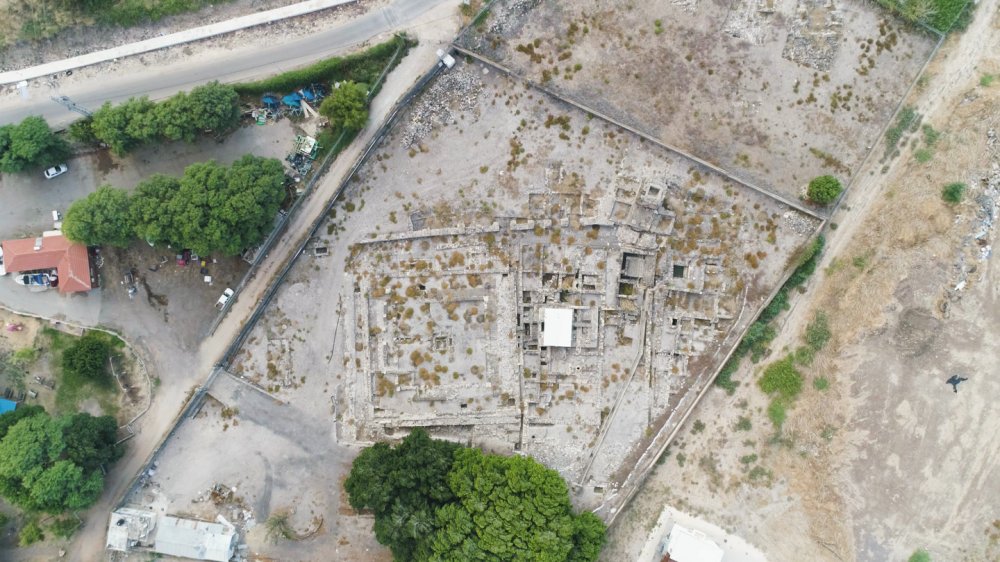
Apollonia: A Crusader Fortress Above the Sea

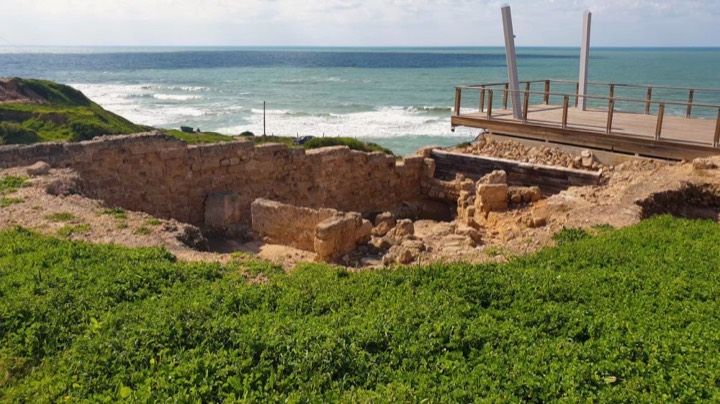
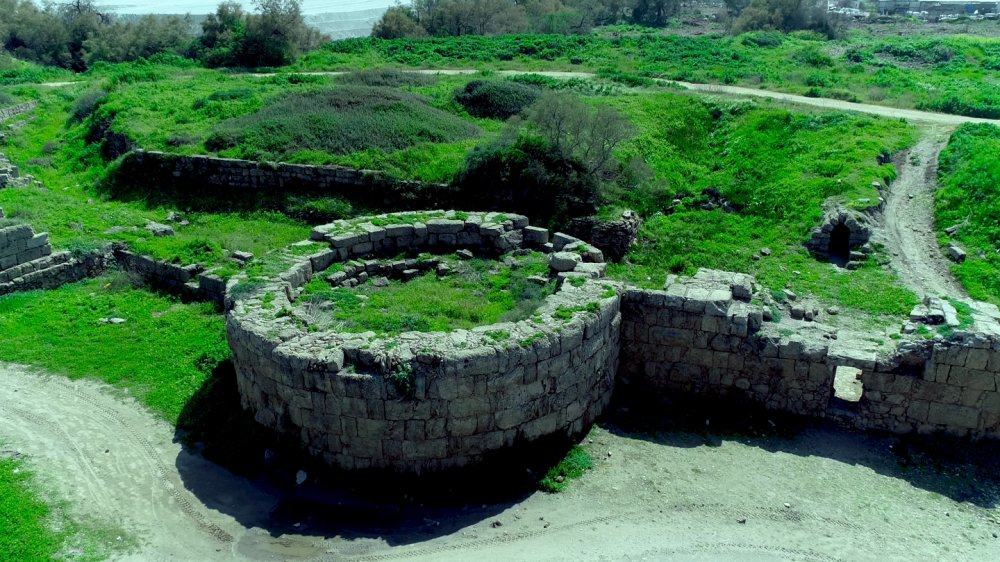
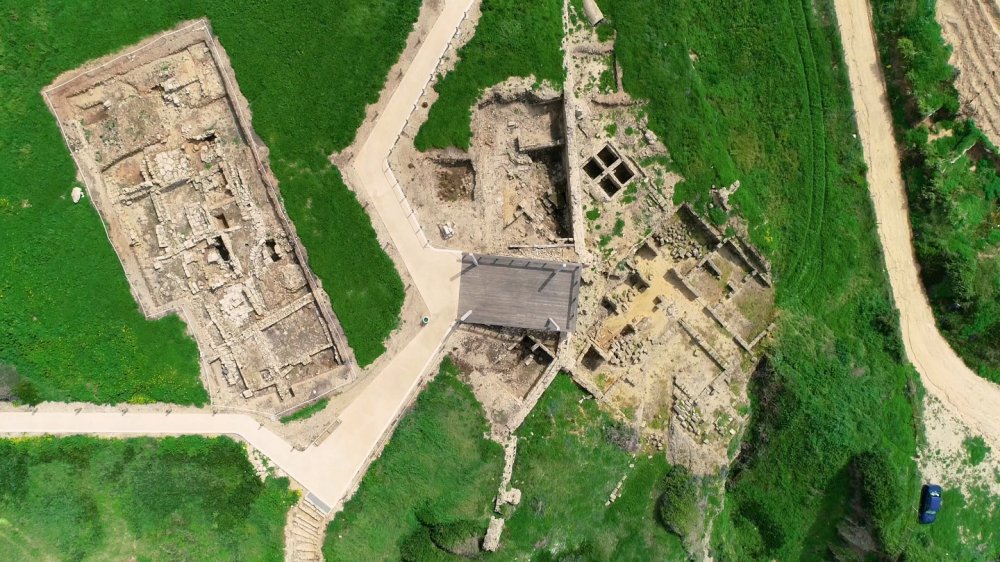
On a sandstone cliff north of Tel Aviv, the ruins of Apollonia-Arsuf overlook the Mediterranean. The site was a coastal town in antiquity and later a Crusader stronghold, whose moat and towers were carved directly out of the rock.

View details →
Ashkelon: A City on the Sea
ArchaeologyIsrael

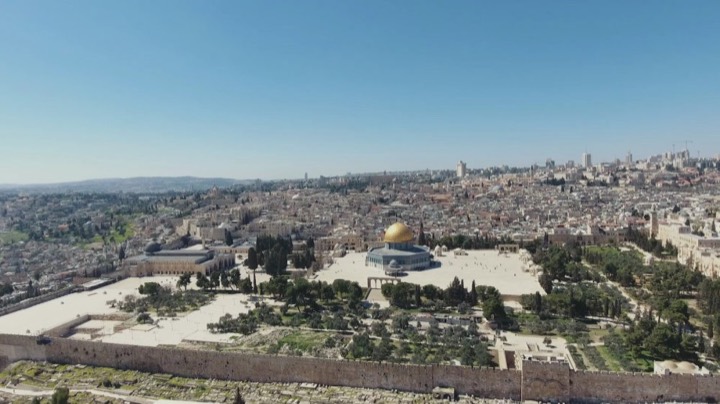
Ashkelon: A City on the Sea

The archaeological park of Ashkelon gathers thousands of years of occupation on a single stretch of coast: a Canaanite rampart and its arched gateway, a Philistine and later Roman city, and medieval walls collapsing towards the beach.

View details →
Avdat, Nabataean City of the Negev
ArchaeologyIsrael

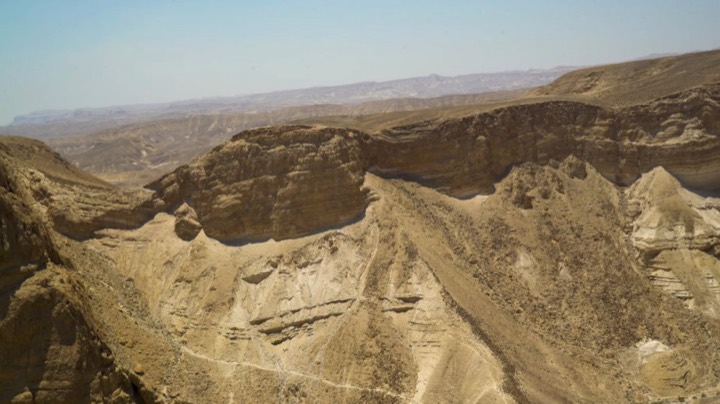
Avdat, Nabataean City of the Negev

Rising on a spur above the Negev desert, Avdat was one of the staging cities of the Nabataean incense route and later a Roman and Byzantine town. Its acropolis, churches, wine press and terraced fields are inscribed on the World Heritage List.

View details →
Bar'am: The Synagogue in the Galilee Hills
ArchaeologyIsrael

Bar'am: The Synagogue in the Galilee Hills

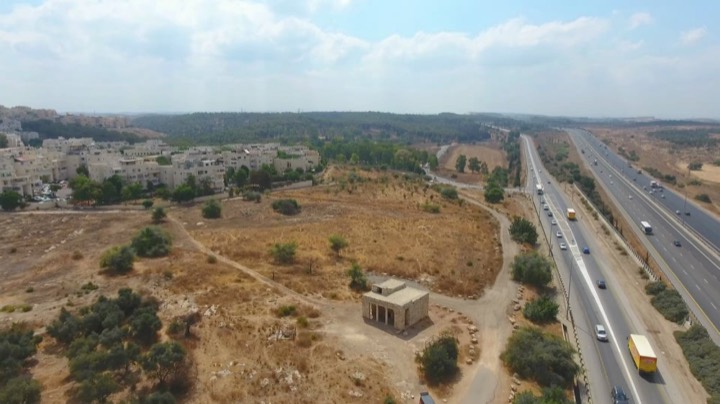
In the wooded hills of the Upper Galilee, the ancient synagogue of Bar'am preserves one of the finest carved facades of its kind: three doorways framed by columns and sculpted lintels, still standing among the ruins of the surrounding village.

View details →
Beit Guvrin: The Land of a Thousand Caves
ArchaeologyIsrael

Beit Guvrin: The Land of a Thousand Caves

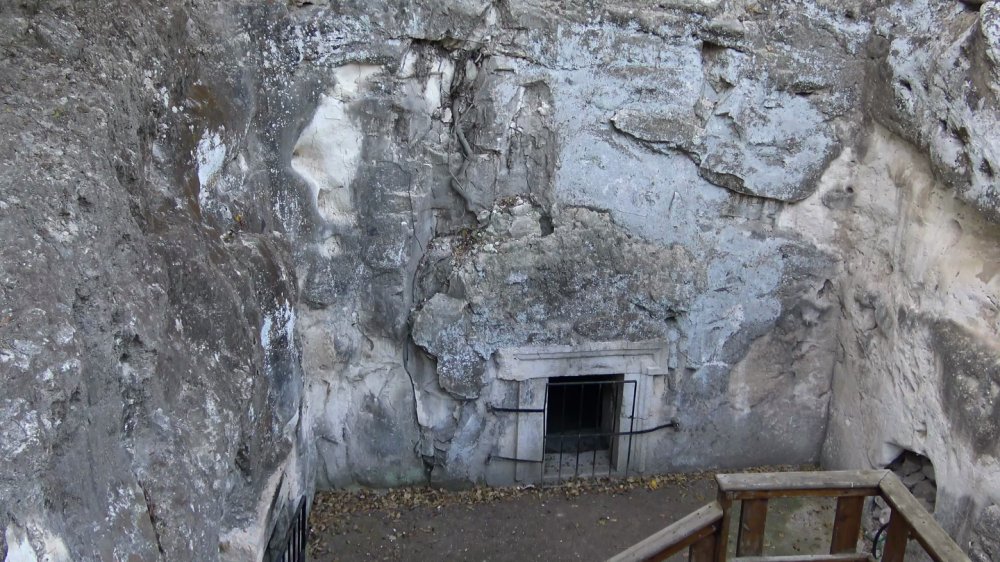
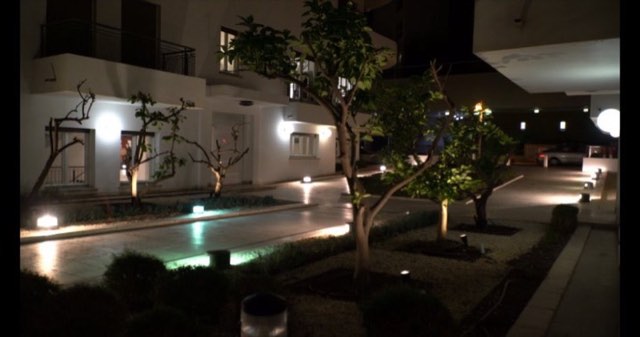
Beneath the soft chalk hills of the Judean lowlands lies a honeycomb of man-made caves: quarries with domed ceilings, columbaria, oil presses, cisterns and painted burial chambers. The site is inscribed on the World Heritage List.

View details →
Beit She'an: The Roman City of Scythopolis
ArchaeologyIsrael

Beit She'an: The Roman City of Scythopolis

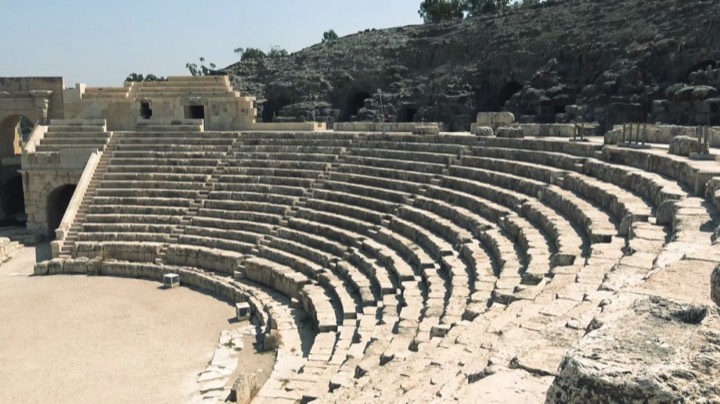
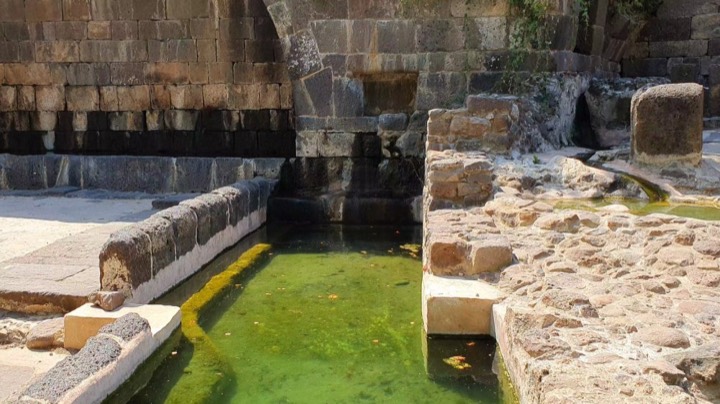
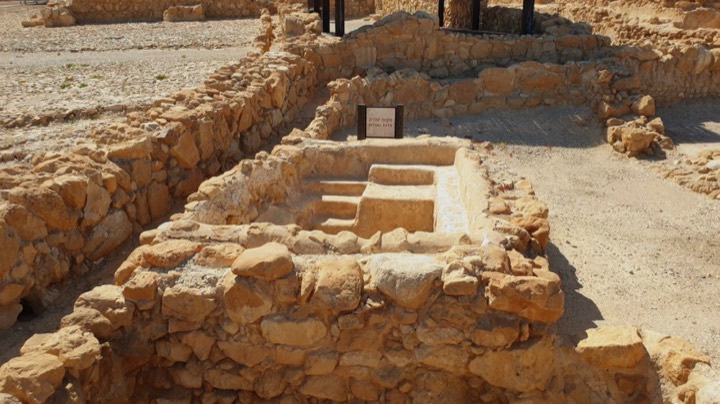
At the foot of an ancient tell, the excavated centre of Scythopolis spreads over several hectares: paved streets lined with columns, a large theatre, bath complexes and public fountains, left as an eighth-century earthquake brought them down.

View details →
Beit She'arim: A Necropolis of Jewish Renewal
ArchaeologyIsrael

Beit She'arim: A Necropolis of Jewish Renewal

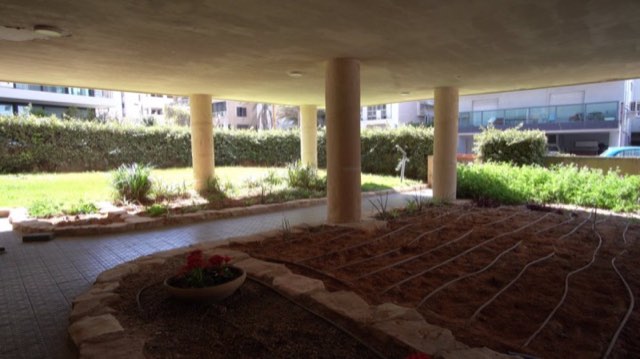
Carved into the limestone of the Lower Galilee, the burial caves of Beit She'arim hold hundreds of sarcophagi and inscriptions in Hebrew, Aramaic and Greek. The necropolis is inscribed on the World Heritage List as a landmark of Jewish renewal.

View details →
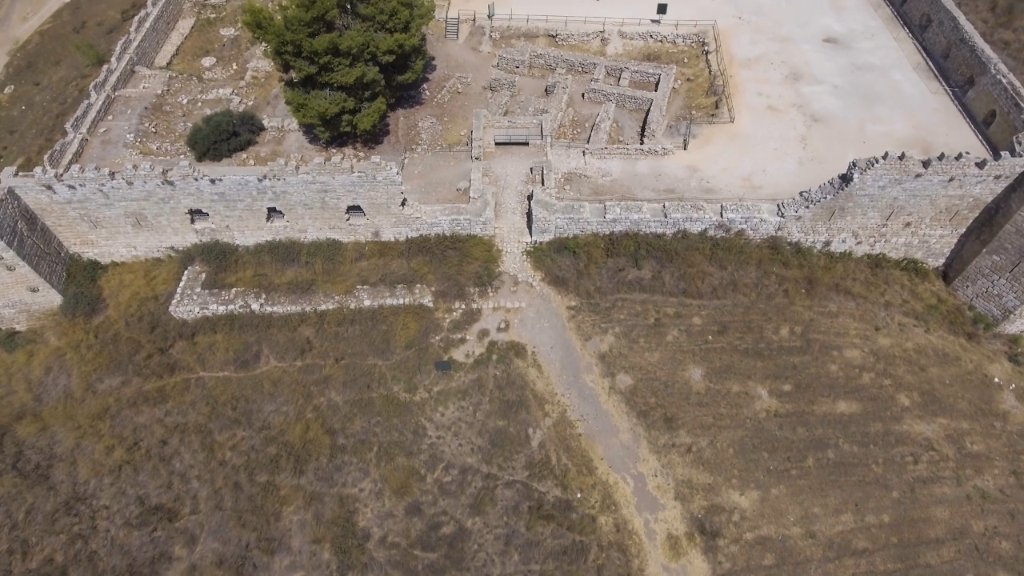
Bethsaida: In Search of a Gospel Village
ArchaeologyIsrael

Bethsaida: In Search of a Gospel Village

In the plain where the Jordan enters the Sea of Galilee, excavation has uncovered a fortified town with a monumental gateway. Whether this is the Bethsaida of the Gospels, home of several apostles, remains a matter of debate between rival sites.

View details →
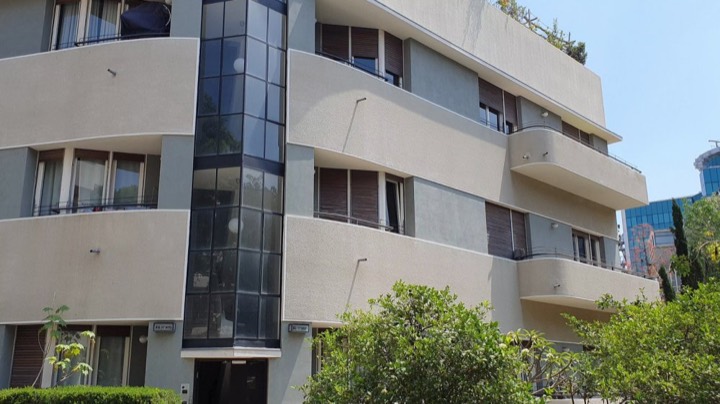
Caesarea Maritima
ArchaeologyIsrael

Caesarea Maritima

Caesarea was raised by Herod on a shore with no natural anchorage, and given an artificial harbour of unprecedented scale. Its theatre, hippodrome, aqueduct and later Crusader fortifications line one of the most spectacular coastal sites in the region.

View details →
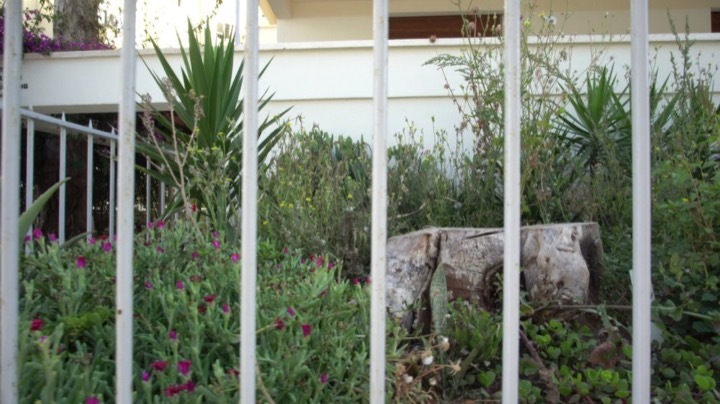
The Caesarea Museum and Its Coastal Setting
ArchaeologyIsrael

The Caesarea Museum and Its Coastal Setting

Beside the ancient city, a museum brings together objects recovered from Caesarea and its submerged harbour: statuary, architectural fragments, coins and everyday items that put faces and names to the ruins along the shore.

View details →
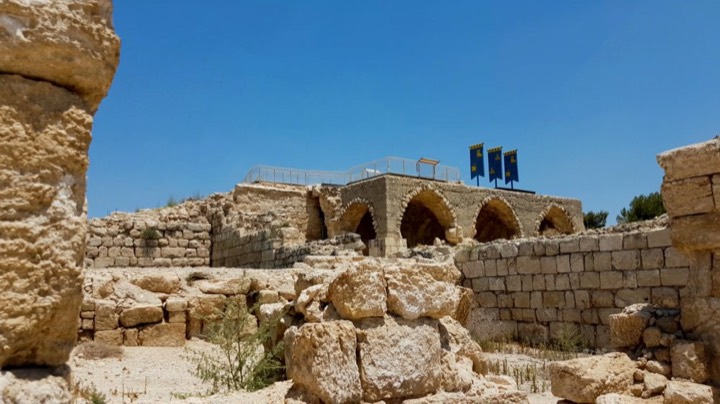
The City of David
ArchaeologyIsrael

The City of David

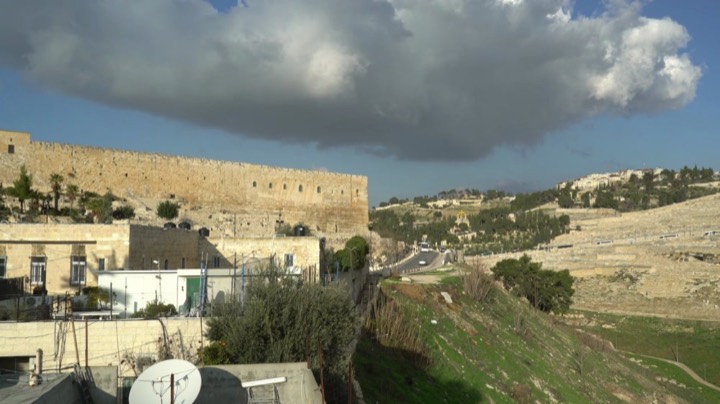
South of the Temple Mount lies the spur where ancient Jerusalem began: the Gihon Spring, rock-cut water systems, a tunnel still flowing through the hill, and excavation fronts that have been active for well over a century.

View details →
Ein Kshatot: The Synagogue Rebuilt Stone by Stone
ArchaeologyIsrael

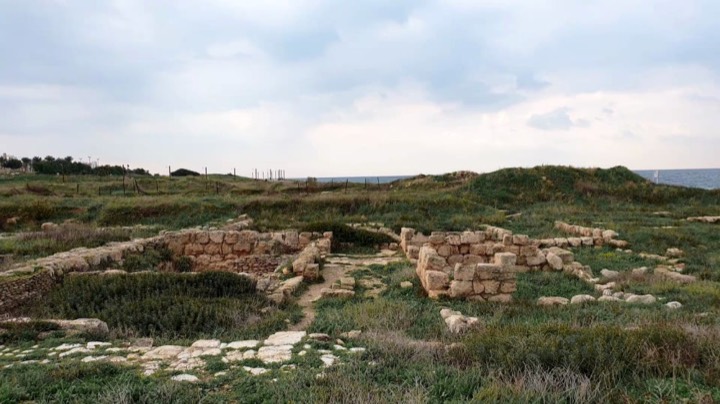
Ein Kshatot: The Synagogue Rebuilt Stone by Stone

Beside a spring in the Golan Heights, the remains of an ancient Jewish village have yielded one of the most ambitious reconstruction projects in the country: a synagogue re-erected from its own fallen stones, catalogued and repositioned one by one.

View details →
Gamla: The Fortress on the Ridge
ArchaeologyIsrael

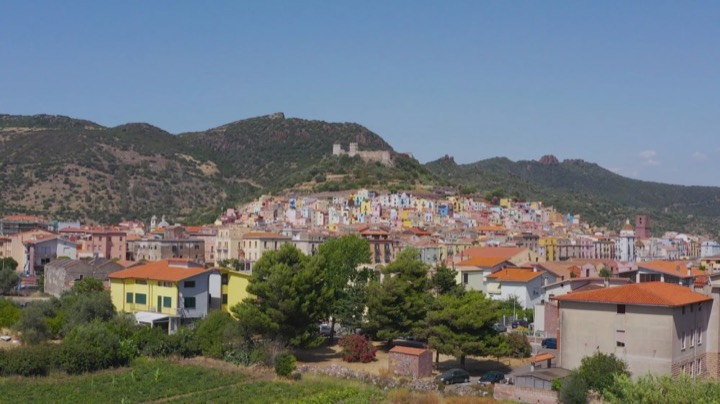
Gamla: The Fortress on the Ridge

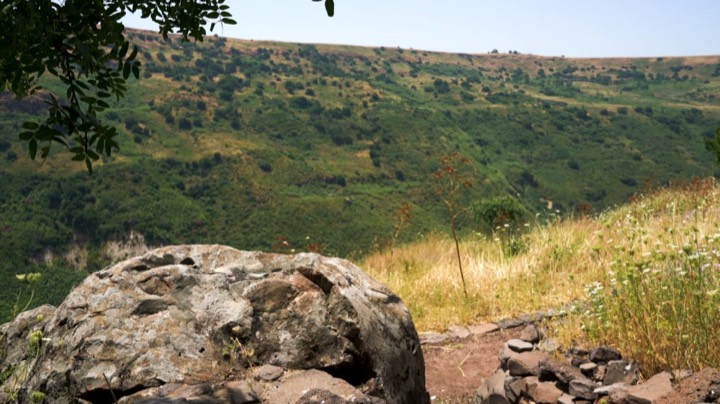
Gamla occupies a steep spur in the Golan, shaped like the hump that gave it its name. A Jewish town destroyed during the revolt against Rome, it holds one of the oldest known synagogues and today shelters a colony of griffon vultures.

View details →
Herodion: Herod's Mountain Palace
ArchaeologyIsrael

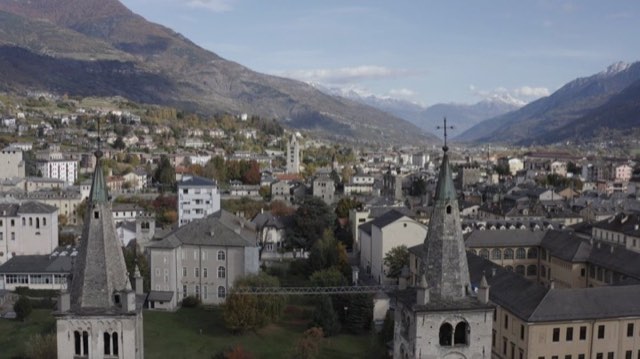
Herodion: Herod's Mountain Palace

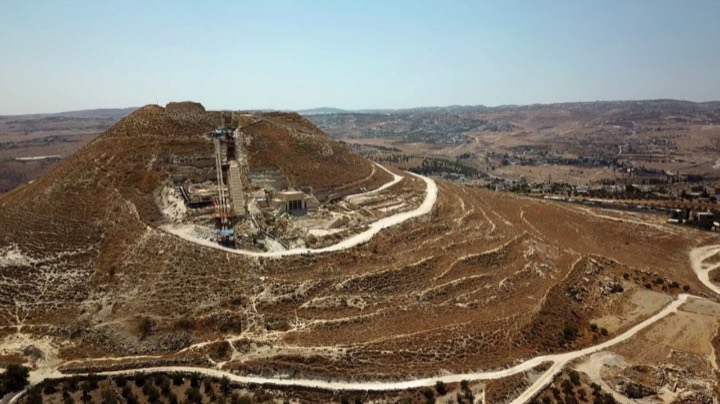
Visible for miles across the Judean hills, the truncated cone of Herodion conceals the palace-fortress raised by Herod the Great: round towers, cisterns, a bathhouse, and tunnels cut by rebels generations later.

View details →
Hippos: A Greek City Above the Sea of Galilee
ArchaeologyIsrael

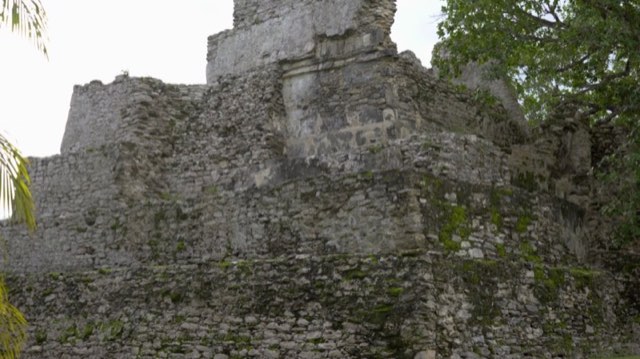
Hippos: A Greek City Above the Sea of Galilee

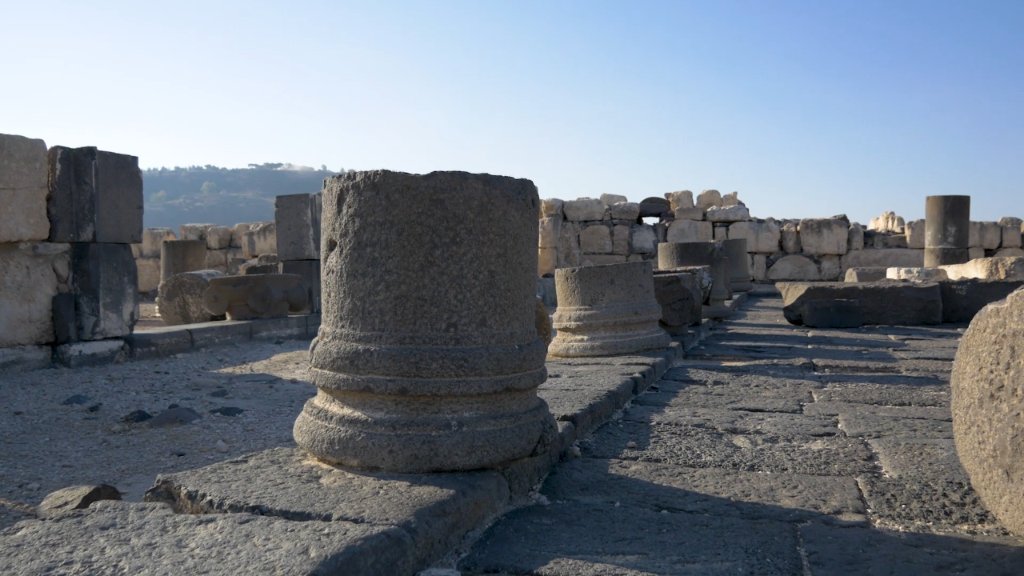
On a steep, flat-topped hill above the eastern shore of the Sea of Galilee, the Greco-Roman city of Hippos-Sussita reveals its colonnaded street, its Byzantine churches and the fallen columns left by the earthquake that ended it.

View details →
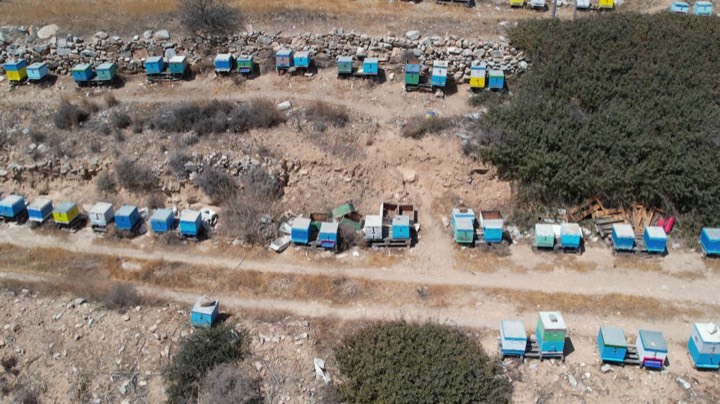
Hisham's Palace
ArchaeologyIsrael

Hisham's Palace

In the oasis of Jericho stand the remains of an Umayyad palace complex: carved stucco, a monumental bathhouse, a stone rosette window, and the celebrated Tree of Life mosaic, among the finest of the early Islamic period.

View details →
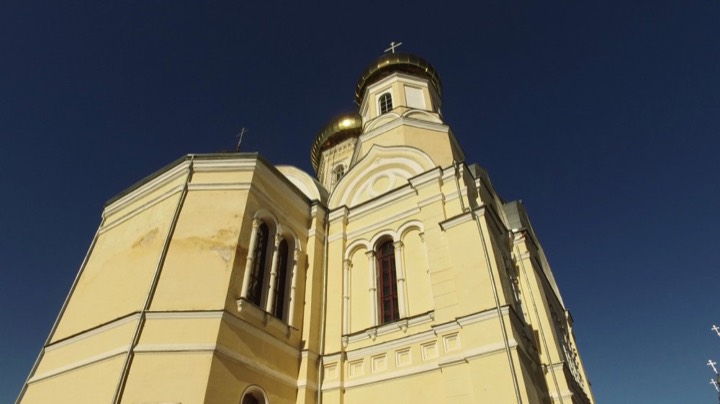
Khirbet Minim
ArchaeologyIsrael

Khirbet Minim

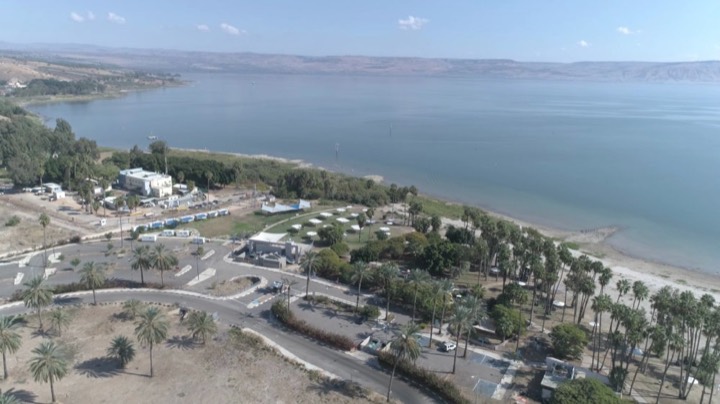
Close to the northwestern shore of the Sea of Galilee lie the remains of an early Islamic palatial complex: a walled enclosure with corner towers, a mosque, mosaic floors and the outline of courtyards facing the lake.

View details →
Magdala
ArchaeologyIsrael

Magdala

Excavations on the western shore of the Sea of Galilee have uncovered a first-century town with its synagogue, streets, ritual baths and harbour installations — the Magdala associated with Mary Magdalene.

View details →
Mamshit: A Nabataean City in the Negev
ArchaeologyIsrael

Mamshit: A Nabataean City in the Negev

Among the best-preserved of the Negev desert towns, Mamshit shows the Nabataean city in detail: stairways, arched houses, painted rooms, Byzantine churches with mosaics, and the dams that captured the winter floods.

View details →
Masada: The Palace of King Herod
ArchaeologyIsrael

Masada: The Palace of King Herod

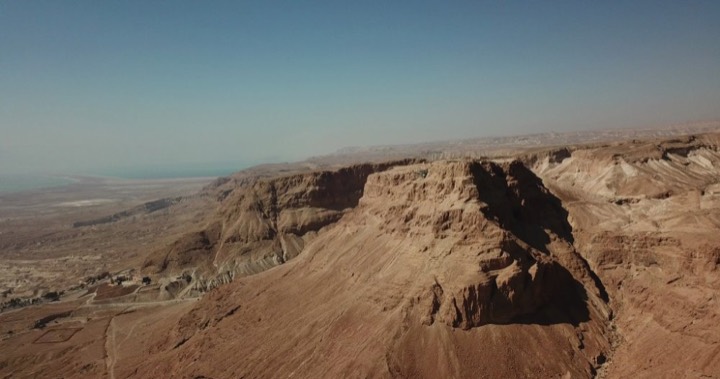
On an isolated plateau above the Dead Sea, Herod's fortified palace descends the cliff in three terraces. Below, the Roman camps and siege ramp remain visible — one of the most complete battlefields of antiquity.

View details →
The Mazor Mausoleum
ArchaeologyIsrael

The Mazor Mausoleum

Rare among the country's Roman remains, the Mazor mausoleum survives to its full height: a small columned funerary building of the imperial period, later adapted for Muslim prayer and preserved by that reuse.

View details →
Nitzana: A Desert Town on the Negev Routes
ArchaeologyIsrael

Nitzana: A Desert Town on the Negev Routes

Set on a low hill in the western Negev, Nitzana is one of the desert towns that grew along the trade and pilgrimage routes crossing the arid south. Its ruined churches, cisterns and dwellings, and the celebrated cache of papyri found here, document daily life at the edge of the desert.

View details →
Qumran and the Dead Sea Scrolls
ArchaeologyIsrael

Qumran and the Dead Sea Scrolls

On a marl terrace above the Dead Sea, Qumran combines a ruined settlement of cisterns, ritual baths and workrooms with the cliff caves where ancient scrolls were found in the mid-twentieth century — a discovery that transformed the study of biblical texts.

View details →
Shivta: A Byzantine City in the Negev
ArchaeologyIsrael

Shivta: A Byzantine City in the Negev

Standing alone in the Negev, Shivta preserves the plan of a desert town with its churches, streets, houses and remarkable water systems. Part of the World Heritage landscape of the Negev desert cities, it shows how life was engineered in an arid land.

View details →
Tel Afek: The Fortress of Antipatris
ArchaeologyIsrael

Tel Afek: The Fortress of Antipatris

Set at the sources of the Yarkon river, Tel Afek carries thousands of years of occupation. A Roman city stood here, and above it a later fortress still raises its square walls and corner towers over water, reeds and open parkland.

View details →
Tel Arad
ArchaeologyIsrael

Tel Arad

Tel Arad joins two sites in one: a large fortified city of the Early Bronze Age spread across the plain, and above it an Iron Age citadel containing a sanctuary — a rare and much-studied find in the archaeology of ancient Israel.

View details →
Tel Be'er Sheva
ArchaeologyIsrael

Tel Be'er Sheva

Overlooking the Negev, Tel Be'er Sheva preserves the plan of an Iron Age town built to a deliberate design: a ring of houses inside the wall, a gate, storehouses and a remarkable underground water system. It belongs to the World Heritage Biblical Tels.

View details →
Tel Megiddo: The Hill of Armageddon
ArchaeologyIsrael

Tel Megiddo: The Hill of Armageddon

Guarding the pass into the Jezreel Valley, Megiddo piled city upon city over millennia. Its gates, palaces, grain silo and rock-cut water tunnel make it one of the key archaeological sites of the Near East — and the origin of the name Armageddon.

View details →
Tel Shiqmona
ArchaeologyIsrael

Tel Shiqmona

On the Haifa shoreline at the foot of Mount Carmel, Tel Shiqmona is an ancient mound washed by the Mediterranean. Excavation has revealed buildings, installations and floors from successive periods on a site inseparable from the sea beside it.

View details →
Arzachena: Sardinia's Megalithic Landscape
ArchaeologyItaly

Arzachena: Sardinia's Megalithic Landscape

Behind the beaches of the Costa Smeralda, the granite hills of Arzachena hold one of Sardinia's densest concentrations of prehistoric monuments: giants' tombs with their curved forecourts, megalithic burial circles and the dry-stone tower of a nuraghe.

View details →
The Cryptoporticus of Roman Aosta
ArchaeologyItaly

The Cryptoporticus of Roman Aosta

Aosta was founded as Augusta Praetoria, a Roman colony controlling the routes to the Alpine passes. Of its forum there survives a remarkable structure: a semi-underground double gallery, barrel-vaulted and lit by narrow openings, running around the sacred precinct.

View details →
The Archaeological Sites of Cancun
ArchaeologyMexico

The Archaeological Sites of Cancun

The sandbar and lagoon of Cancun preserve several Maya archaeological sites. Modest in scale but revealing, they document a coastline organised around maritime trade long before the modern resort city existed.

View details →
El Rey Archaeological Zone, Cancun
ArchaeologyMexico

El Rey Archaeological Zone, Cancun

El Rey is the most extensive archaeological site on the Cancun sandbar: platforms, plazas and a small temple aligned along a central avenue, occupied in the late pre-Hispanic period and named after a sculpted figure found there.

View details →
Tanais, the Greek City on the Don
ArchaeologyRussia

Tanais, the Greek City on the Don

Founded by Greek colonists near the mouth of the Don, Tanais was the northernmost outpost of the Hellenic world and a trading point with the nomads of the steppe. Its excavated streets and defences form one of Russia's major archaeological reserves.

View details →
Bolgar, Capital of the Volga Bulgars
ArchaeologyRussia

Bolgar, Capital of the Volga Bulgars

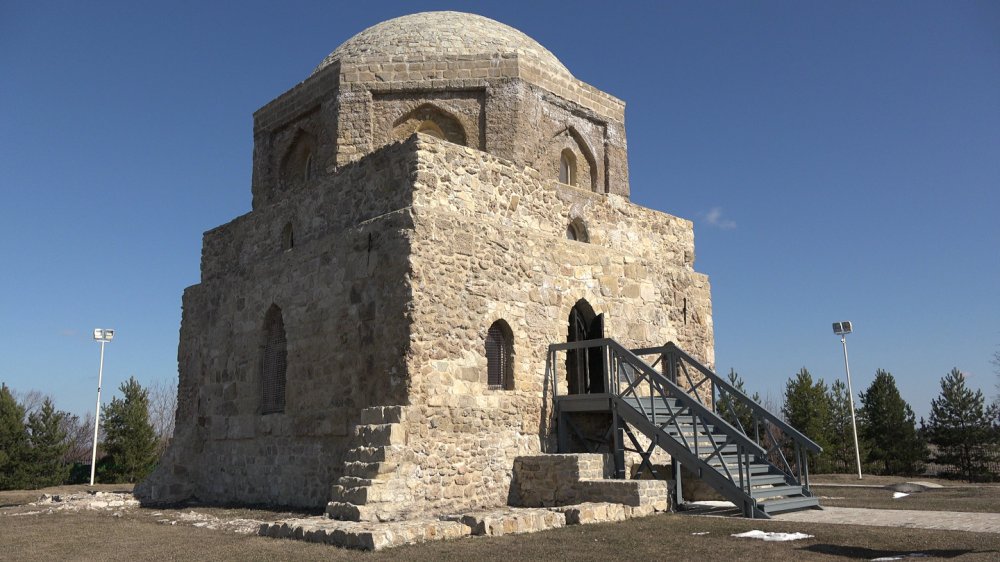
On the banks of the Volga in Tatarstan, the archaeological complex of Bolgar preserves the remains of the capital of Volga Bulgaria, whose rulers adopted Islam in the tenth century. The site is inscribed on the UNESCO World Heritage List.

View details →
Caričin Grad: Justiniana Prima
ArchaeologySerbia

Caričin Grad: Justiniana Prima

Justiniana Prima was founded by Emperor Justinian near his birthplace and raised to an archbishopric. Fortified, colonnaded and lavishly furnished with churches, it was abandoned barely a lifetime later and lay buried until modern excavation.

View details →
Felix Romuliana: The Palace of Galerius
ArchaeologySerbia

Felix Romuliana: The Palace of Galerius

Galerius raised this fortified palace near his birthplace and gave it his mother's name. Temples, baths and mosaic halls stand within the walls, while the hill above holds the mausolea where mother and son were consecrated.

View details →
Mramorje: The Stećci of Perućac
ArchaeologySerbia

Mramorje: The Stećci of Perućac

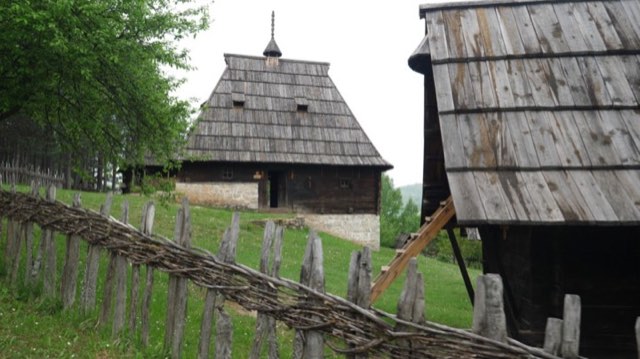
The stećci are monumental medieval tombstones carved with rosettes, arcades and dancing figures. At Perućac, above the Drina, one of the finest necropolises survives - part of a group inscribed as World Heritage by four countries together.

View details →
Perge, the Roman City of Pamphylia
ArchaeologyTurkey

Perge, the Roman City of Pamphylia

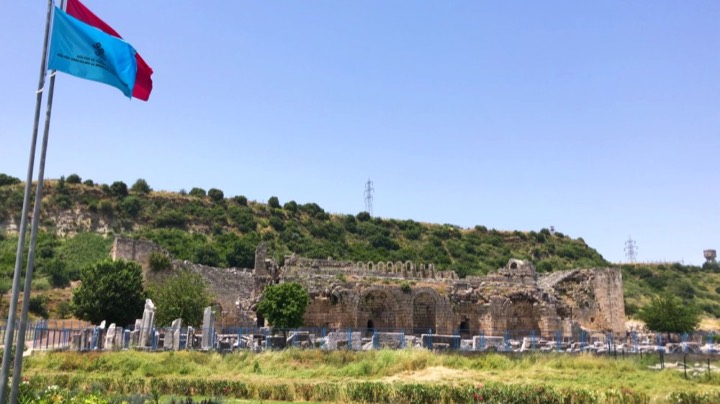
A short drive from Antalya, Perge preserves one of the most complete urban plans of Roman Anatolia: a colonnaded avenue with its water channel, a theatre, one of the best preserved stadiums in the region and a Hellenistic gate with round towers.

View details →

Put our catalog on your screens

Tell us about your platform and your territories. Our sales team replies within one business day, with screeners and a proposal.

Contact