
Series

Italian Heritage

Italy from the Alps to the south: the castles and forts of the Aosta Valley, Venice, Sardinia, the walled towns of the Marche, Milan, Matera and the trulli of Alberobello.

37 programs

Alberobello: The Trulli of Puglia
ArchitectureItaly

Alberobello: The Trulli of Puglia

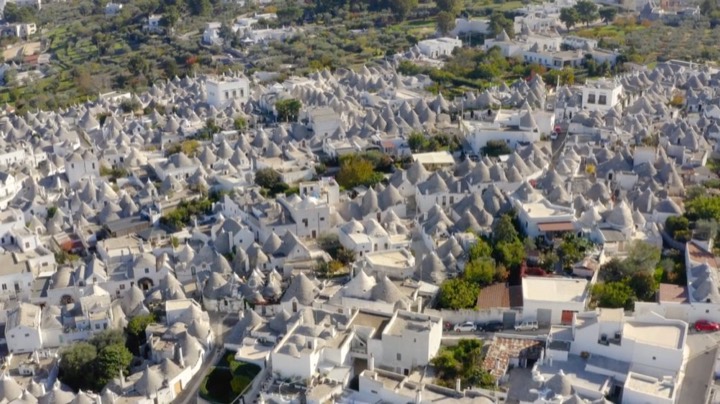
In the Itria Valley of Puglia, Alberobello preserves entire districts of trulli — whitewashed dwellings roofed with corbelled cones of dry-laid limestone. Listed by UNESCO, the town is the most complete survival of a vernacular building technique.

View details →
Arzachena: Sardinia's Megalithic Landscape
ArchaeologyItaly

Arzachena: Sardinia's Megalithic Landscape

Behind the beaches of the Costa Smeralda, the granite hills of Arzachena hold one of Sardinia's densest concentrations of prehistoric monuments: giants' tombs with their curved forecourts, megalithic burial circles and the dry-stone tower of a nuraghe.

View details →
Arnad, Aosta Valley
HistoryItaly

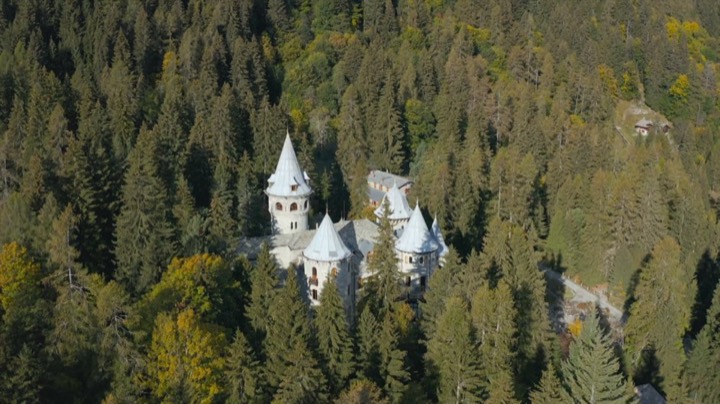
Arnad, Aosta Valley

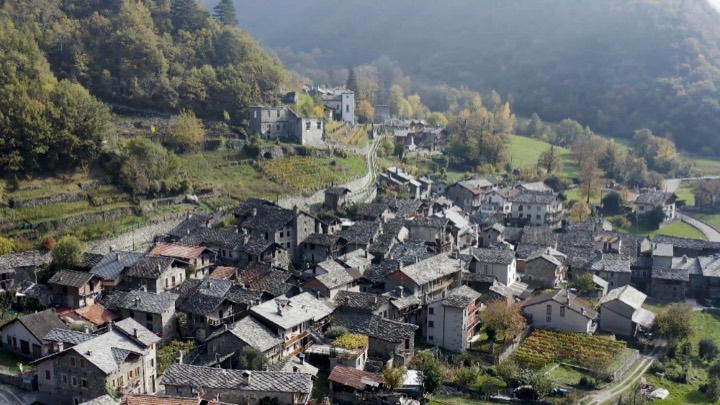
In the lower Aosta Valley, Arnad spreads between the Dora Baltea and the terraced slopes above. Stone houses, a Romanesque parish church and the seats of old valley families frame a village known for one of the region's protected specialities.

View details →
Atzara, Sardinia
HistoryItaly

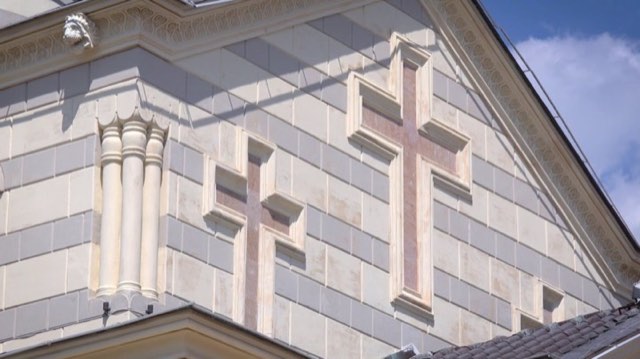
Atzara, Sardinia

Atzara stands in the inland hills of central Sardinia, in the Mandrolisai wine country. Narrow lanes of dark stone houses, carved doorways and small squares preserve the scale and rhythm of a village of vine-growers and shepherds.

View details →
Bosa: The Coloured Town on the Temo
HistoryItaly

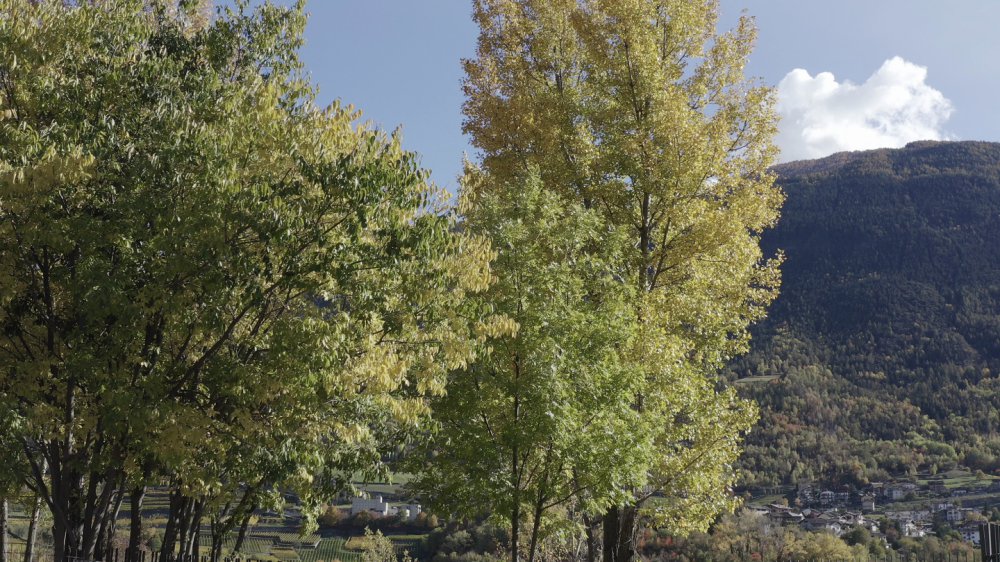
Bosa: The Coloured Town on the Temo

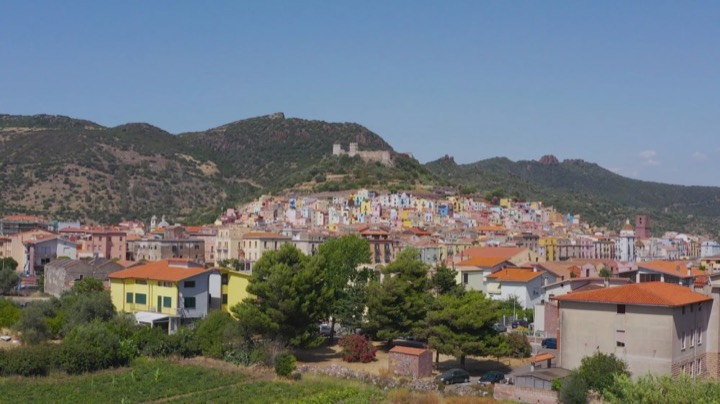
On Sardinia's western coast, Bosa rises in tiers of pastel houses above the Temo, the island's only navigable river. The medieval Malaspina castle crowns the hill, while a long row of former tanneries lines the far bank.

View details →
Burano: Colour in the Venetian Lagoon
CultureItaly

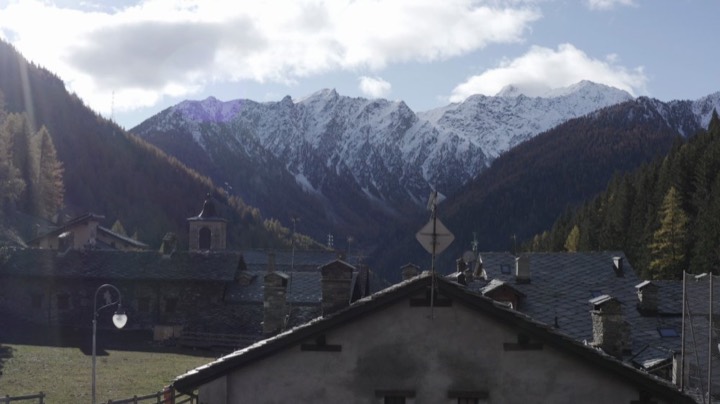
Burano: Colour in the Venetian Lagoon

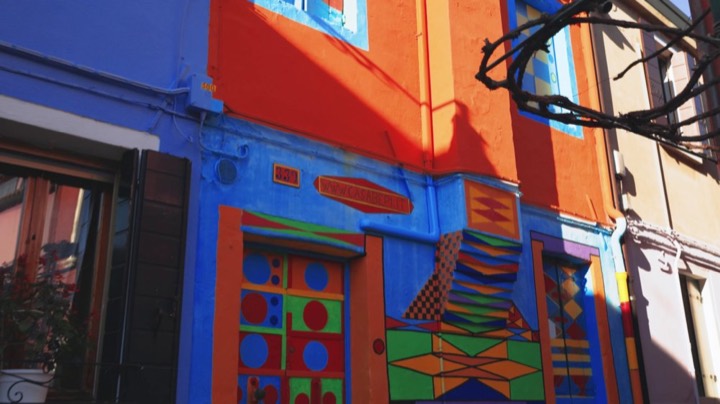
Half an hour by boat from Venice, Burano is a fishing island where every house is painted a different colour and the bell tower of San Martino leans over the canal. Its other inheritance is needle lace, worked here for centuries.

View details →
Carloforte: A Ligurian Town in Sardinia
HistoryItaly

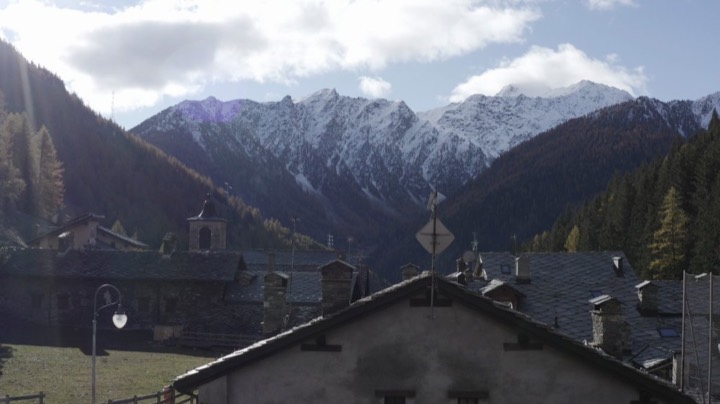
Carloforte: A Ligurian Town in Sardinia

Carloforte is the only town on the island of San Pietro, founded in the eighteenth century by Ligurian families who had long lived on the Tunisian island of Tabarka. Its pastel waterfront, its dialect and its tuna traditions set it apart from Sardinia.

View details →
The Royal Castle of Sarre — Part 1
HistoryItaly

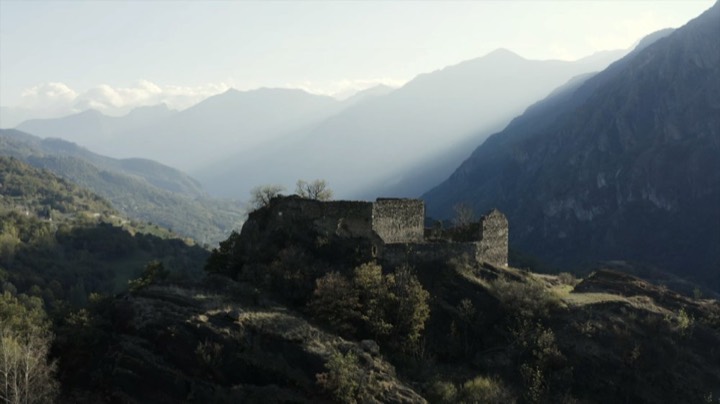
The Royal Castle of Sarre — Part 1

On a terrace overlooking the Aosta Valley, the Royal Castle of Sarre owes its present form to Victor Emmanuel II, who made it the base for his hunting expeditions in the mountains that later became the Gran Paradiso National Park.

View details →
The Royal Castle of Sarre — Part 2
HistoryItaly

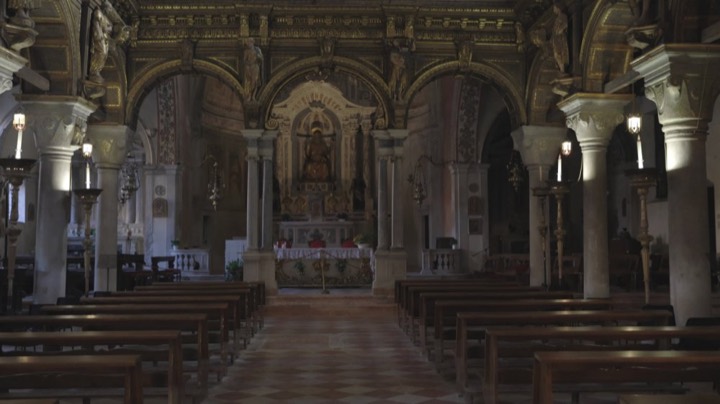
The Royal Castle of Sarre — Part 2

The interiors of the Royal Castle of Sarre are unlike any other Savoy residence: whole galleries decorated with ibex horns and chamois trophies, alongside apartments, portraits and furnishings that recount the dynasty's alpine life.

View details →
Introd Castle, Aosta Valley
HistoryItaly

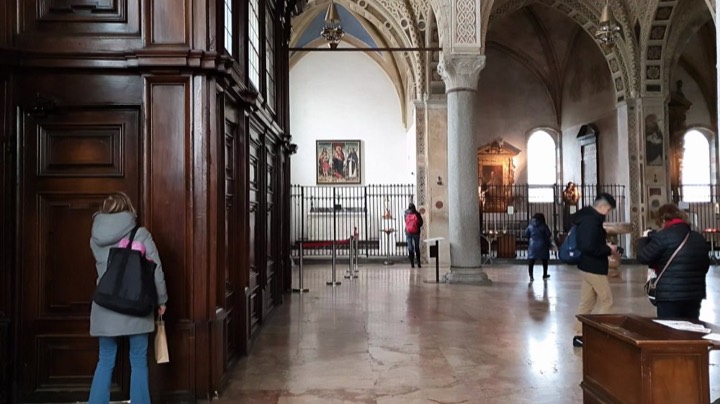
Introd Castle, Aosta Valley

Introd stands where the Val di Rhêmes and the Valsavarenche open off the main Aosta Valley. Its castle, rebuilt over the centuries around an irregular, almost circular plan, watches over the meadows and larch woods at the gateway to the Gran Paradiso.

View details →
La Mothe Castle and Its Village, Aosta Valley
HistoryItaly

La Mothe Castle and Its Village, Aosta Valley

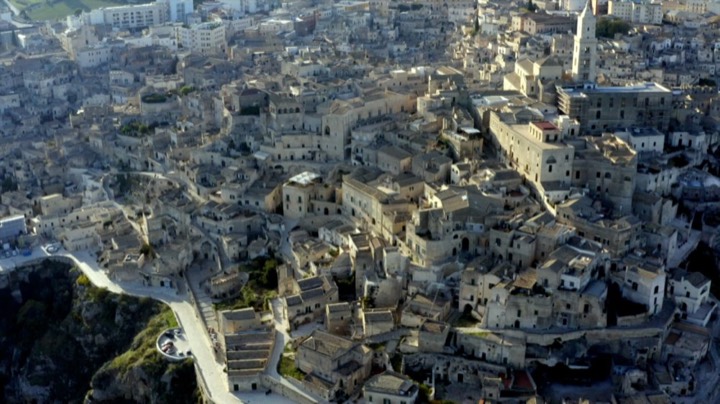
In the Aosta Valley, where almost every rocky spur carries a tower, the castle of La Mothe overlooks the village that grew in its shadow. Stone walls, narrow lanes and high pastures compose a picture of alpine life shaped by the fortress above.

View details →
Montmayeur Castle, Aosta Valley
HistoryItaly

Montmayeur Castle, Aosta Valley

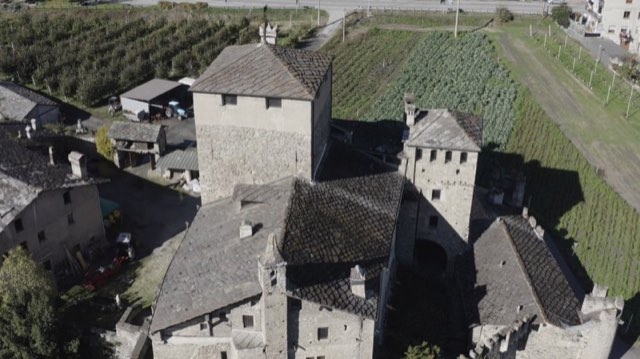
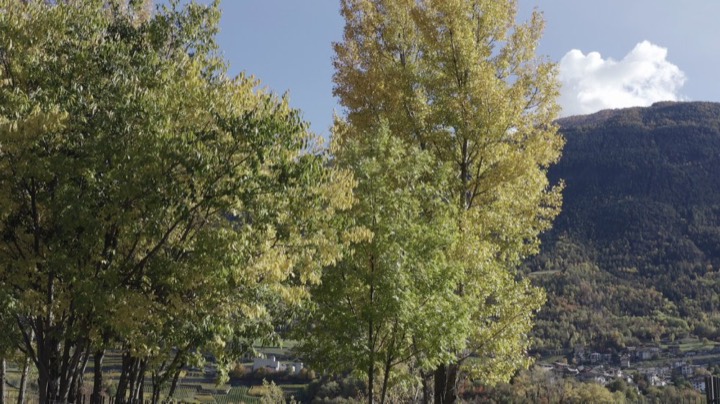
Set apart from the main road, Montmayeur belongs to the chain of castles that guard the Aosta Valley. Reached through woods and pasture, it presents a strong silhouette against the mountains and a landscape of great cinematic quality.

View details →
Ussel Castle, Aosta Valley
HistoryItaly

Ussel Castle, Aosta Valley

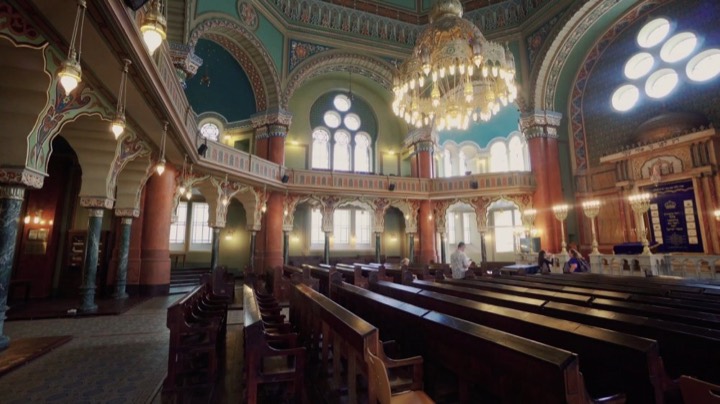
Perched on a rocky shelf above Châtillon, Ussel belongs to the family of monobloc castles: a compact rectangular mass with corner towers, closer to a fortified residence than to a walled enclosure. Long abandoned, it has been consolidated and reopened.

View details →
The Collegiate Church of Sant'Orso, Aosta
Sacred SitesItaly

The Collegiate Church of Sant'Orso, Aosta

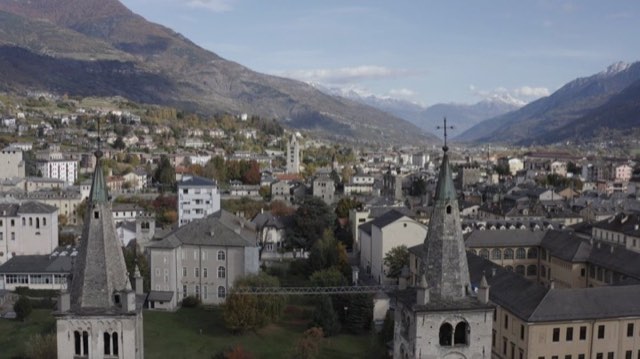
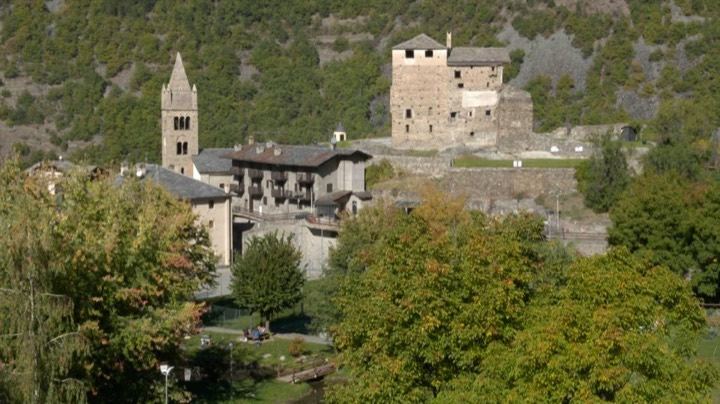
At the heart of Aosta, the collegiate church of Sant'Orso gathers a thousand years of building: a Romanesque bell tower and cloister whose historiated capitals are among the finest in the Alps, a Gothic nave, and early frescoes preserved in the roof space.

View details →
San Maurizio al Monastero Maggiore, Milan
Sacred SitesItaly

San Maurizio al Monastero Maggiore, Milan

Once the church of Milan's largest Benedictine convent, San Maurizio is divided in two by a partition wall: a hall for the faithful and, behind it, the nuns' choir. Every surface is frescoed, much of it by Bernardino Luini and his circle.

View details →
Venice — Part 1
HistoryItaly

Venice — Part 1

No city has been more filmed and fewer are better understood. This first part looks at how Venice came to exist: a settlement on the islands of a lagoon, built on forests of wooden piles, whose geography dictated its architecture and its power.

View details →
Venice — Part 2
HistoryItaly

Venice — Part 2

The second part turns to the Serenissima: the republic that ruled the eastern Mediterranean for centuries, and the palaces, churches and public buildings in which its wealth, its institutions and its taste took visible form.

View details →
Venice — Part 3
HistoryItaly

Venice — Part 3

The third part leaves the main routes for the quieter Venice: working canals, neighbourhood squares, artisans' workshops and the lagoon islands — together with the pressures of high water, depopulation and mass tourism that the city faces today.

View details →
Corinaldo: The Walled Town of the Marche
HistoryItaly

Corinaldo: The Walled Town of the Marche

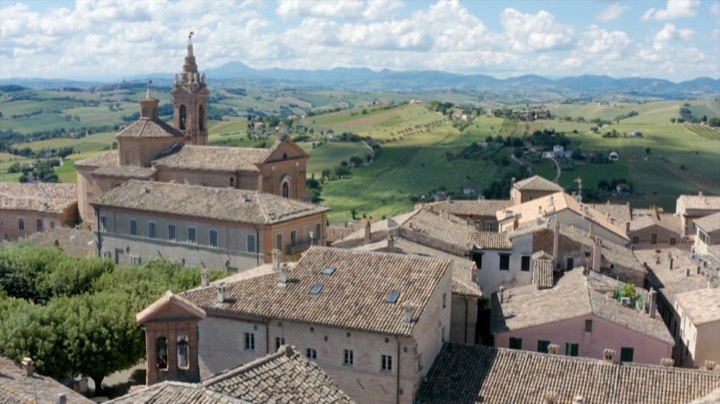
In the hills behind Senigallia, Corinaldo is still enclosed by its brick walls, towers and gates. Inside, a long stairway climbs the slope past the well of the Polenta, subject of the town's best-known legend, towards squares and churches.

View details →
The Cryptoporticus of Roman Aosta
ArchaeologyItaly

The Cryptoporticus of Roman Aosta

Aosta was founded as Augusta Praetoria, a Roman colony controlling the routes to the Alpine passes. Of its forum there survives a remarkable structure: a semi-underground double gallery, barrel-vaulted and lit by narrow openings, running around the sacred precinct.

View details →
Fort Bard, Aosta Valley — Part 1
HistoryItaly

Fort Bard, Aosta Valley — Part 1

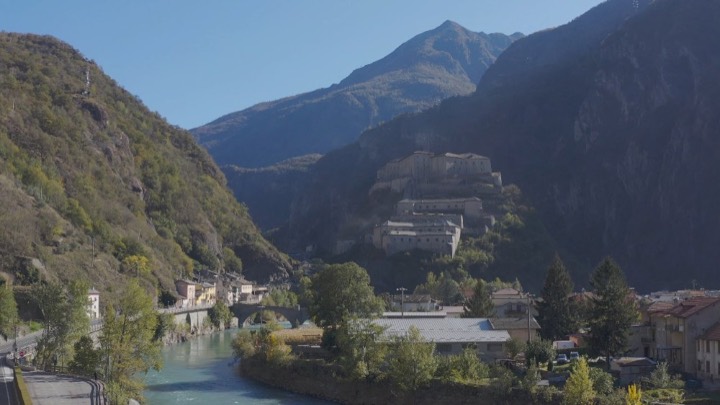
At the narrowest point of the lower Aosta Valley, a rocky outcrop blocks the passage. The stronghold built on it delayed Napoleon's army during its crossing of the Alps in 1800 — and was demolished on his orders soon afterwards.

View details →
Fort Bard, Aosta Valley — Part 2
HistoryItaly

Fort Bard, Aosta Valley — Part 2

Rebuilt by the House of Savoy in the nineteenth century, Fort Bard is a complete system of stepped works climbing the rock. Restored after long abandonment, it now houses museums and exhibition spaces within its casemates and courtyards.

View details →
Graines Castle, Val d'Ayas
HistoryItaly

Graines Castle, Val d'Ayas

Graines occupies a rocky knoll above Brusson, in the Val d'Ayas. What survives is a ring of curtain walls enclosing the remains of a keep and a small chapel — the archaic type of alpine castle, built for control of a valley rather than for comfort.

View details →
The Towers of Aosta: The Leper's Tower and Bramafam
HistoryItaly

The Towers of Aosta: The Leper's Tower and Bramafam

The Roman walls of Aosta still carry a series of towers reworked in the Middle Ages. Two have become emblems of the city: the Leper's Tower, named after the recluse whose story inspired a famous novella, and the massive Bramafam on the enceinte's angle.

View details →
The Rocca of Mondavio
HistoryItaly

The Rocca of Mondavio

Built for the della Rovere on designs by Francesco di Giorgio Martini, the Rocca of Mondavio is a textbook of early modern military architecture: sloping walls, a polygonal keep and firing galleries conceived against artillery. It survives essentially intact.

View details →
Orgosolo: The Painted Village
CultureItaly

Orgosolo: The Painted Village

Orgosolo sits high in the Barbagia, the mountainous interior of Sardinia. Since the 1960s its houses have been covered with murals — hundreds of painted walls addressing land, labour, war and island identity, turning ordinary streets into an open-air gallery.

View details →
The Ducal Palace of Urbino
ArchitectureItaly

The Ducal Palace of Urbino

Raised for Federico da Montefeltro, the Ducal Palace of Urbino is a defining building of the Italian Renaissance: the twin-turreted façade, the luminous courtyard, and the studiolo lined with trompe-l'œil marquetry. It now houses the Galleria Nazionale delle Marche.

View details →
Saint-Germain Castle, Aosta Valley
HistoryItaly

Saint-Germain Castle, Aosta Valley

Saint-Germain belongs to the long line of fortified sites that guard the Aosta Valley. Set above the valley floor, its walls and the rock beneath them have merged into a single form, in a landscape of vineyards, woods and high summits.

View details →
Saint-Rhémy, on the Road to the Great St Bernard
HistoryItaly

Saint-Rhémy, on the Road to the Great St Bernard

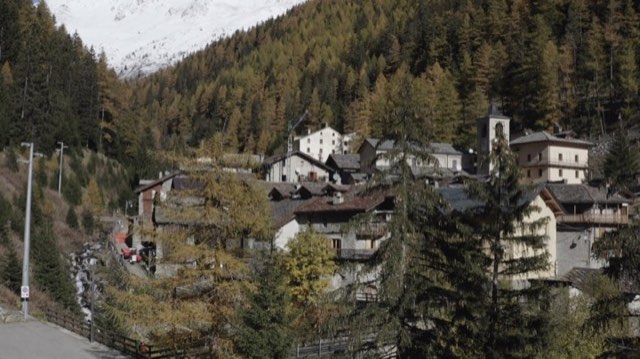
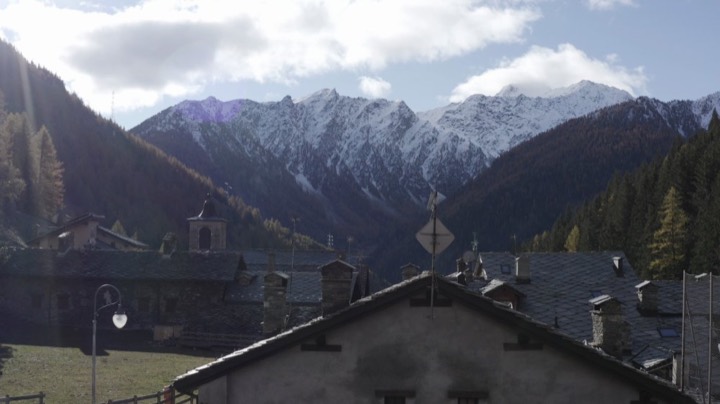
Saint-Rhémy-en-Bosses lies at the head of the valley that climbs to the Great St Bernard Pass, a route used since antiquity and travelled by pilgrims bound for Rome. Stone houses, high pastures and a cured ham with protected status form its inheritance.

View details →
San Leo: The Fortress on the Rock
HistoryItaly

San Leo: The Fortress on the Rock

San Leo stands on a sheer block of rock in the Montefeltro, reached by a single road cut into the cliff. Below the fortress lie two of the region's great early churches, while the citadel is remembered as the prison of the adventurer Cagliostro.

View details →
San Nicolò dei Mendicoli, Venice
Sacred SitesItaly

San Nicolò dei Mendicoli, Venice

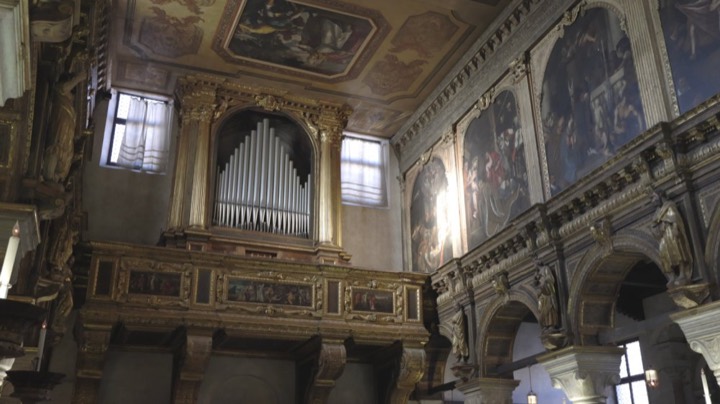
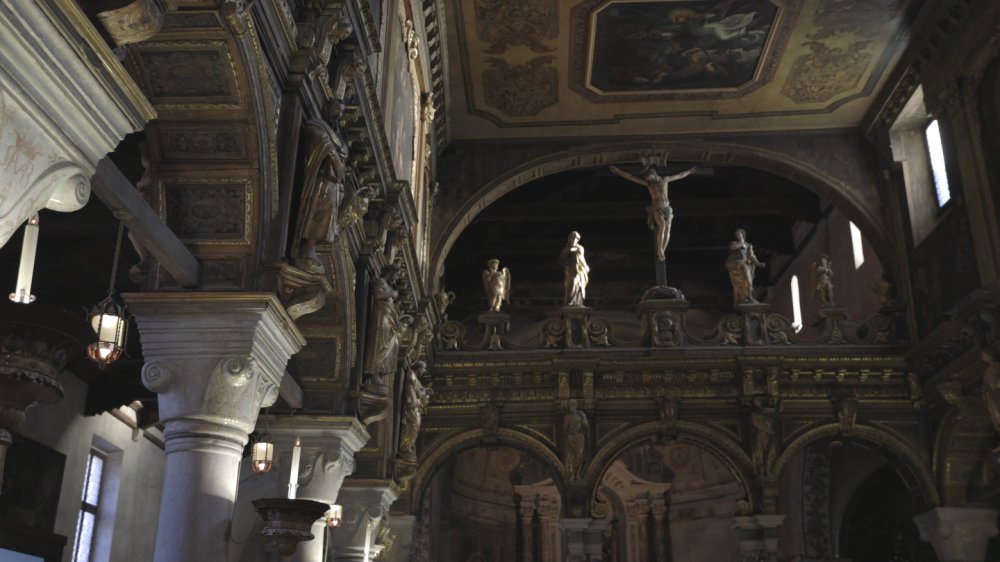
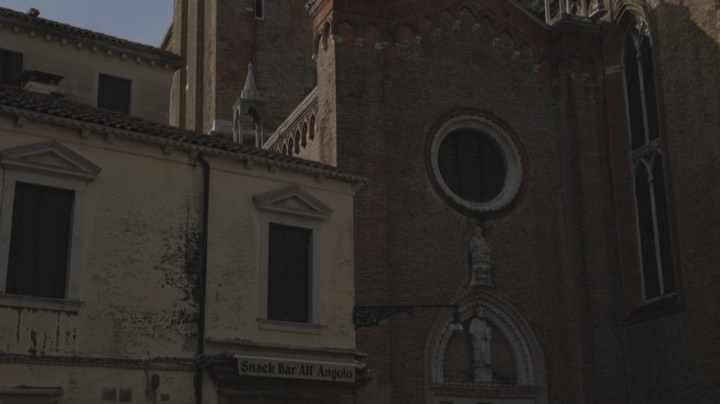
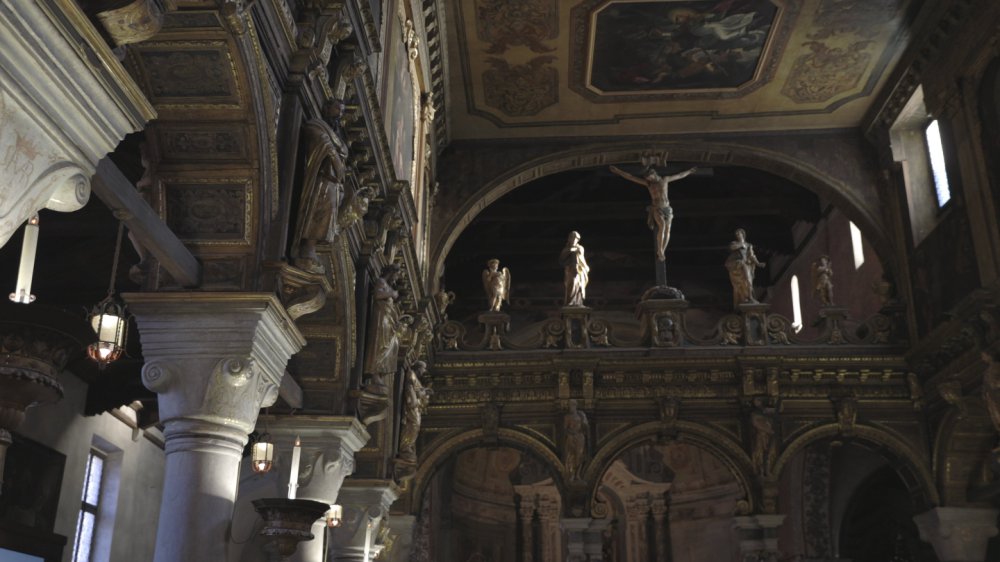
Far from the tourist routes, in the western corner of Dorsoduro, San Nicolò dei Mendicoli is among the oldest church foundations in Venice. Its portico, gilded wooden interior and painted ceiling belong to a parish of fishermen and boatmen.

View details →
Santa Maria delle Grazie, Milan
Sacred SitesItaly

Santa Maria delle Grazie, Milan

The Dominican church of Santa Maria delle Grazie combines a Gothic nave with the vast domed tribune attributed to Bramante. In the adjoining refectory, Leonardo da Vinci painted the Last Supper — together, a UNESCO World Heritage site at the heart of Milan.

View details →
The Sassi of Matera
HistoryItaly

The Sassi of Matera

Matera's Sassi are two districts of dwellings cut into the limestone of a ravine in Basilicata, inhabited for millennia. Emptied by law in the twentieth century after the poverty of its cave houses became a national scandal, the site is now a rebuilt city.

View details →
Castel Savoia, Aosta Valley
HistoryItaly

Castel Savoia, Aosta Valley

Built as a summer residence for Queen Margherita of Savoy at Gressoney, Castel Savoia is an eclectic composition of turrets and gables set in an alpine garden, looking out towards the Monte Rosa massif at the head of the Lys valley.

View details →
The Synagogue of Pesaro
Sacred SitesItaly

The Synagogue of Pesaro

In the historic centre of Pesaro, in the Marche, a synagogue bears witness to a Jewish presence long woven into the life of the port town. The film explores its interior, its liturgical furnishings and the community that once gathered here.

View details →
Gradara Castle and Its Medieval Town
HistoryItaly

Gradara Castle and Its Medieval Town

Ringed by two circuits of walls, Gradara commands the hills between the Marche and Romagna. A Malatesta stronghold and a coveted prize among rival houses, it is also the setting tradition assigns to Paolo and Francesca, the lovers of Dante's Inferno.

View details →
Verrès Castle, Aosta Valley
HistoryItaly

Verrès Castle, Aosta Valley

Above the town of Verrès, in Italy's Aosta Valley, a castle built as a single monolithic cube dominates a strategic alpine corridor. Held by the Challant family, it fuses fortress and residence in one uncompromising block of stone.

View details →

Put our catalog on your screens

Tell us about your platform and your territories. Our sales team replies within one business day, with screeners and a proposal.

Contact