
Series

ON BUDDHISM'S TRAIL

Ancient temples, monasteries, sacred caves and spiritual landmarks across Thailand, Indonesia, Vietnam, Laos, Sri Lanka, Mongolia, Russia, Malaysia and Nepal.

51 programs

Capital Cities and Tombs of the Ancient Koguryo Kingdom
ArchaeologyChina

Capital Cities and Tombs of the Ancient Koguryo Kingdom

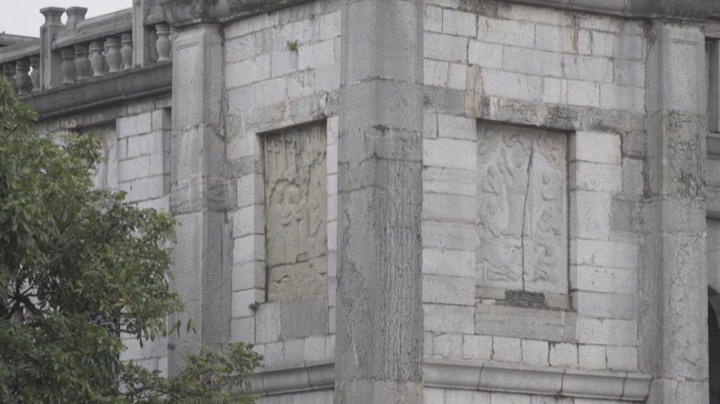
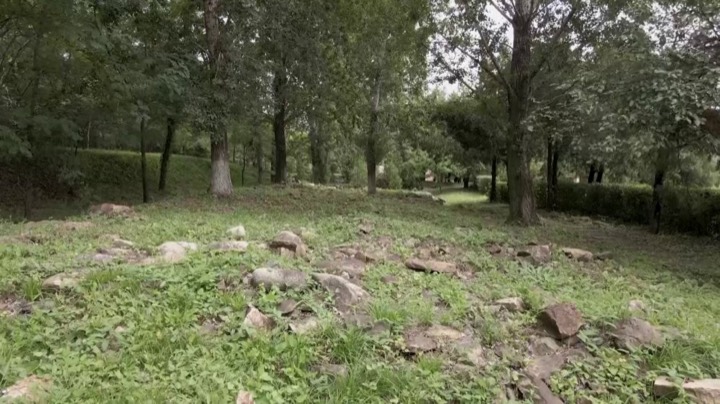
Mountain fortresses, city walls, stone pyramids and burial chambers covered in murals: the archaeological legacy of the Koguryo kingdom in north-east China, inscribed on the World Heritage List.

View details →
Fengguo Monastery
Sacred SitesChina

Fengguo Monastery

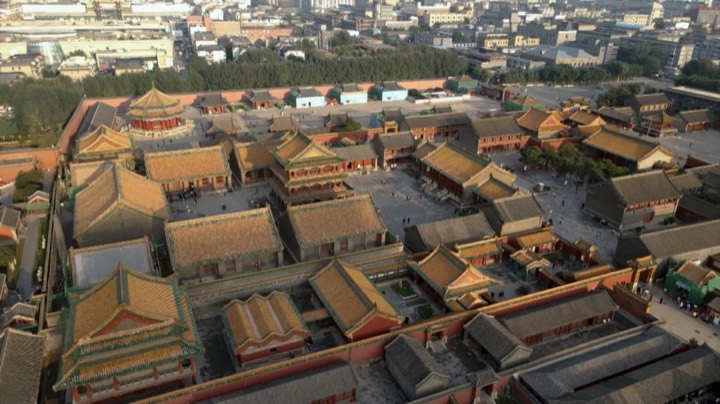
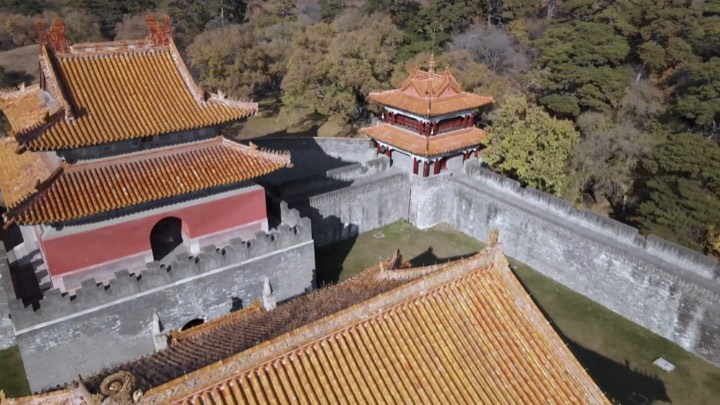
Fengguo Monastery preserves a great wooden hall whose row of colossal Buddha figures has been receiving worshippers for centuries. The film examines the carpentry, the sculpture and the painted surfaces.

View details →
The Fuling Mausoleum
HistoryChina

The Fuling Mausoleum

At Shenyang, the Fuling Mausoleum holds the tomb of Nurhaci, founder of the Qing house. Spirit way, stairways, gates and burial mound compose a funerary landscape inscribed on the World Heritage List.

View details →
The Mukden Palace
HistoryChina

The Mukden Palace

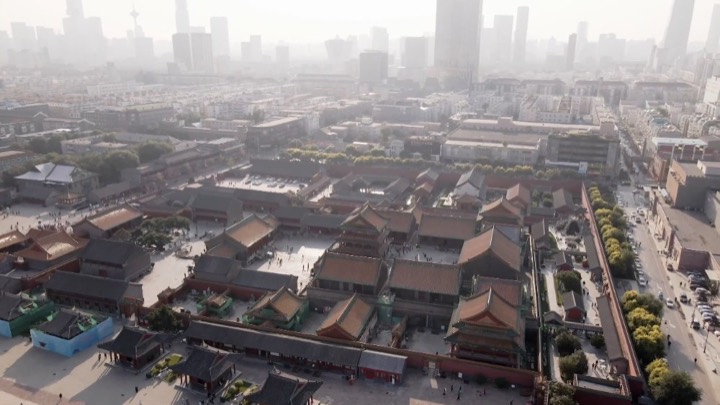
Before the Forbidden City, there was Shenyang. The Mukden Palace preserves the ceremonial architecture of the early Qing rulers, a blend of Manchu, Han and Mongol traditions listed as World Heritage.

View details →
The Forbidden City — Part 1
HistoryChina

The Forbidden City — Part 1

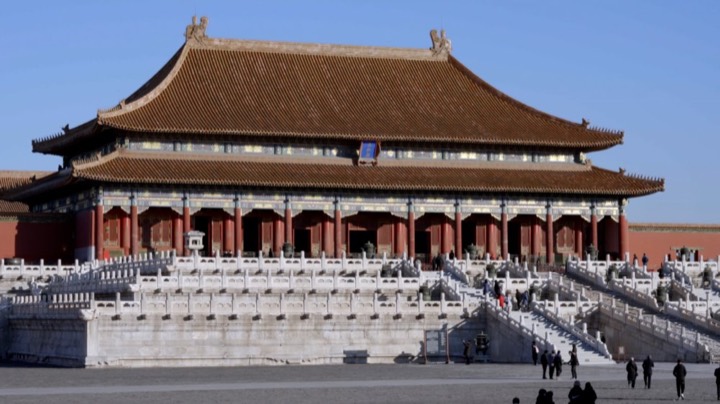
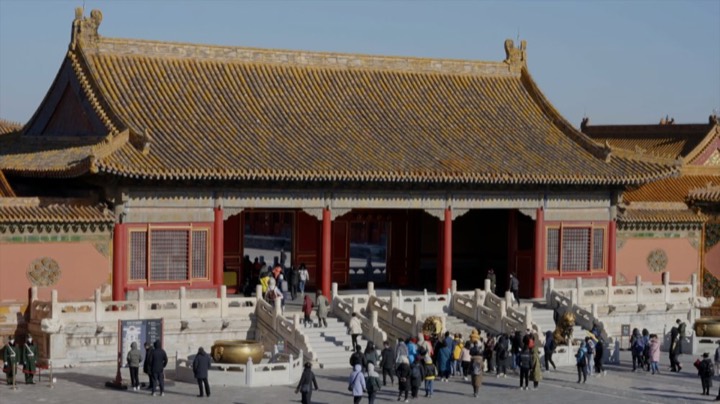
Moat, gates, marble terraces and the great ceremonial halls: the first part follows the Forbidden City along its imperial axis, from the outer defences to the throne of the Hall of Supreme Harmony.

View details →
The Forbidden City — Part 2
HistoryChina

The Forbidden City — Part 2

The second part moves past the ceremonial halls into the inner court, the residential palaces, the gardens and the collections, where the daily life of the imperial household comes into focus.

View details →
The Avalokitesvara Pagoda
Sacred SitesIndonesia

The Avalokitesvara Pagoda

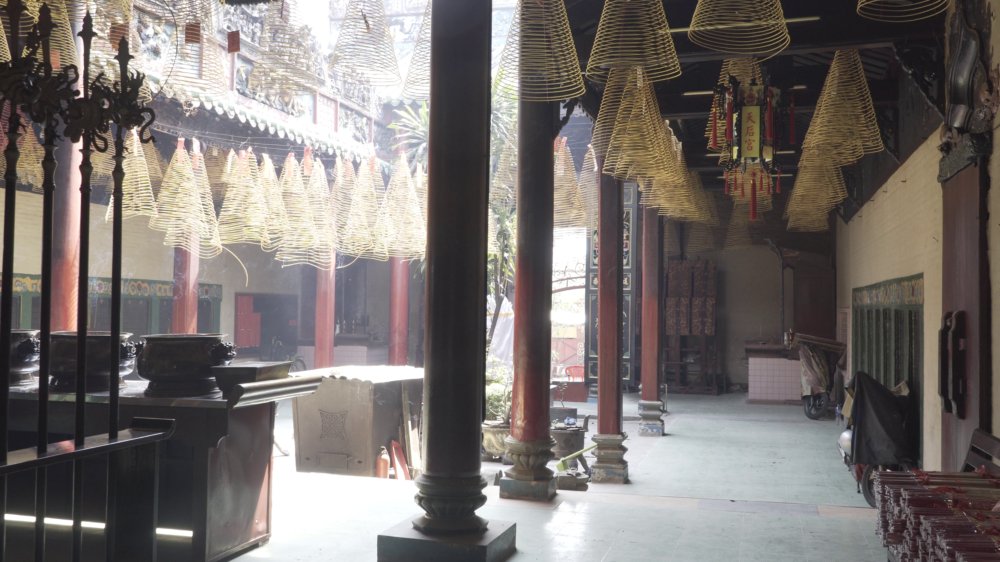
Dedicated to Avalokitesvara, the bodhisattva of compassion venerated across Buddhist Asia, this Indonesian pagoda rises in diminishing tiers. Incense, offerings and chanting mark the daily rhythm of the sanctuary.

View details →
Candi Blandongan and Candi Jiwa
ArchaeologyIndonesia

Candi Blandongan and Candi Jiwa

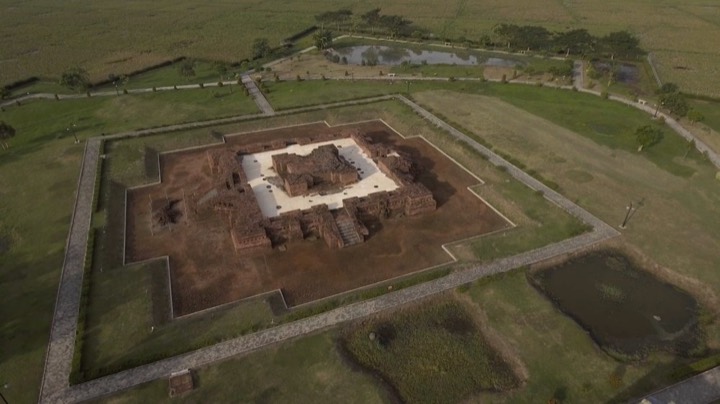
Excavated from the alluvial plain of West Java, Candi Blandongan and Candi Jiwa are brick structures counted among the oldest religious buildings known on the island, and a key site for the study of early Javanese Buddhism.

View details →
Candi Brahu
Sacred SitesIndonesia

Candi Brahu

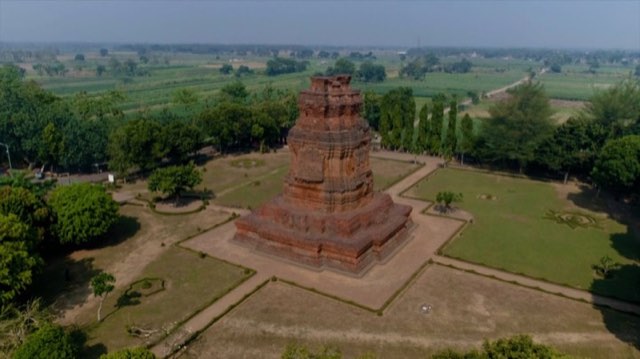
Rising from open ground at Trowulan, Candi Brahu is one of the largest brick temples of East Java. It stands in the area long identified with the capital of the Majapahit kingdom.

View details →
Candi Jabung
Sacred SitesIndonesia

Candi Jabung

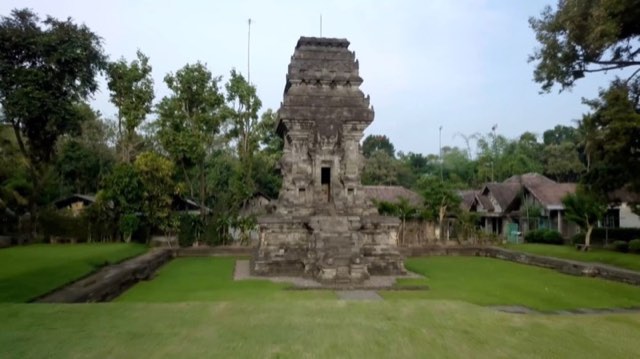
Near the north coast of East Java, Candi Jabung is unusual among Javanese temples: a cylindrical brick body raised on a square terraced base, finely moulded and remarkably well preserved.

View details →
Jabung, Surowono and Jawi: Three East Javanese Temples
Sacred SitesIndonesia

Jabung, Surowono and Jawi: Three East Javanese Temples

Candi Jabung, Candi Surowono and Candi Jawi belong to the same East Javanese tradition of brick temple building. Compared in a single programme, they reveal the range of forms, reliefs and functions of the period.

View details →
Candi Penataran
Sacred SitesIndonesia

Candi Penataran

Spread over a series of terraces on the slopes below a volcano near Blitar, Penataran is the most extensive temple complex in East Java, built and enlarged over a long period and carved with narrative reliefs.

View details →
Candi Surowono
Sacred SitesIndonesia

Candi Surowono

Modest in size and missing its upper structure, Candi Surowono is prized for the quality of its carving: dense narrative panels illustrating fables and epic tales, cut into stone with exceptional inventiveness.

View details →
Candi Tikus
Sacred SitesIndonesia

Candi Tikus

Excavated below ground level at Trowulan, Candi Tikus is a brick water structure with basins, channels and spouts. It documents the sophisticated hydraulic architecture of an East Javanese capital.

View details →
Prambanan Temple
Sacred SitesIndonesia

Prambanan Temple

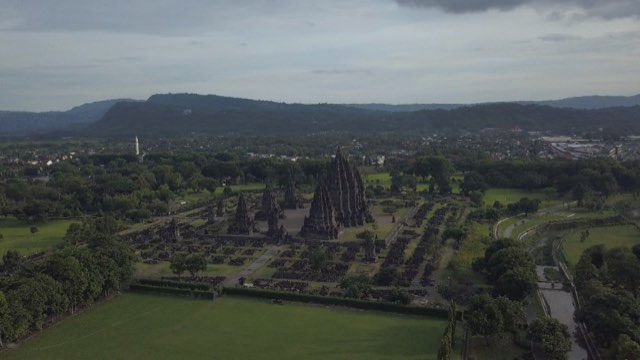
Built in the ninth century in central Java, Prambanan is the largest Hindu temple compound in Indonesia. Its soaring shrines to Shiva, Vishnu and Brahma are carved with a full narrative cycle of the Ramayana.

View details →
Pura Taman Ayun
Sacred SitesIndonesia

Pura Taman Ayun

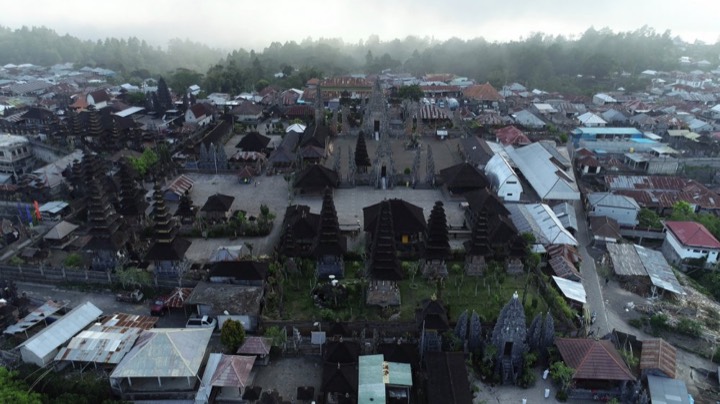
Surrounded by a wide moat and formal gardens, Pura Taman Ayun was the state temple of the kingdom of Mengwi. Its rows of tiered meru towers belong to Bali's system of temples and irrigated rice terraces.

View details →
Tirta Empul, the Sacred Spring of Bali
Sacred SitesIndonesia

Tirta Empul, the Sacred Spring of Bali

In the highlands near Tampaksiring, the temple of Tirta Empul is built around a natural spring feeding long stone bathing pools. Worshippers move from spout to spout in the melukat purification rite, in a sanctuary Balinese tradition dates to the tenth century.

View details →
Ulun Danu Beratan, the Temple on the Lake
Sacred SitesIndonesia

Ulun Danu Beratan, the Temple on the Lake

On the shore of Lake Beratan, in the volcanic highlands of Bedugul, the pagoda-like shrines of Ulun Danu appear to float on the surface. The temple honours the goddess of the lakes, source of the water that irrigates the terraces below.

View details →
Kencho-ji, First Zen Monastery of Kamakura
Sacred SitesJapan

Kencho-ji, First Zen Monastery of Kamakura

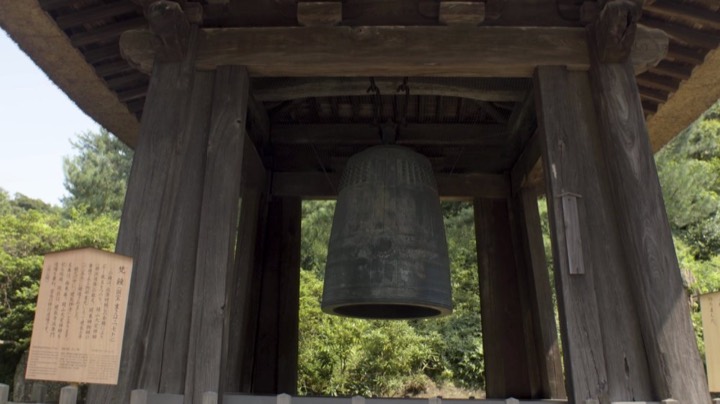
Founded in Kamakura under the patronage of the Hojo regents and led by a Chinese Chan master, Kencho-ji was conceived as a full monastic training centre. First of the city's Five Mountains, it remains an active Rinzai monastery.

View details →
Luang Prabang, the Royal Town
CultureLaos

Luang Prabang, the Royal Town

Set on a peninsula where the Nam Khan meets the Mekong, Luang Prabang was the royal capital of Laos. Its inscription on the World Heritage List recognises a rare fusion of Lao monastic architecture and French colonial urbanism.

View details →
Wat Aham, Luang Prabang
Sacred SitesLaos

Wat Aham, Luang Prabang

In the historic heart of Luang Prabang, Wat Aham stands beside its larger neighbour under the shade of enormous banyans. The site is closely associated with the guardian spirits of the town, whose cult continues alongside Buddhist practice.

View details →
Wat Choum Khong and the Morning Market
Sacred SitesLaos

Wat Choum Khong and the Morning Market

Wat Choum Khong is a small, garden-filled monastery on the Luang Prabang peninsula. A short walk away, the morning market fills the streets at first light. Together they compose a portrait of how the town begins its day.

View details →
Wat Hosian Voravihane, Luang Prabang
Sacred SitesLaos

Wat Hosian Voravihane, Luang Prabang

In Luang Prabang, a monastery opens its courtyard, its ordination hall and its everyday routine to the camera. An unhurried observation of Lao Buddhist architecture and of the community that maintains it.

View details →
Wat Sensoukaram, Luang Prabang
Sacred SitesLaos

Wat Sensoukaram, Luang Prabang

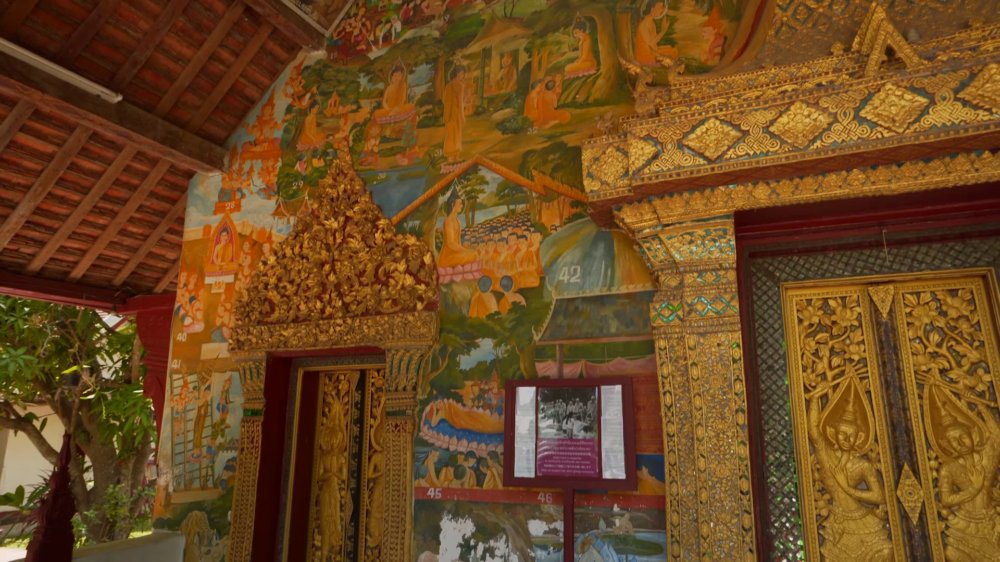
On the main street of the Luang Prabang peninsula, Wat Sensoukaram presents a facade of deep red and gold that stops every passer-by. Behind it lies an active monastery in the heart of the World Heritage town.

View details →
Ling Sen Tong Temple, Ipoh
Sacred SitesMalaysia

Ling Sen Tong Temple, Ipoh

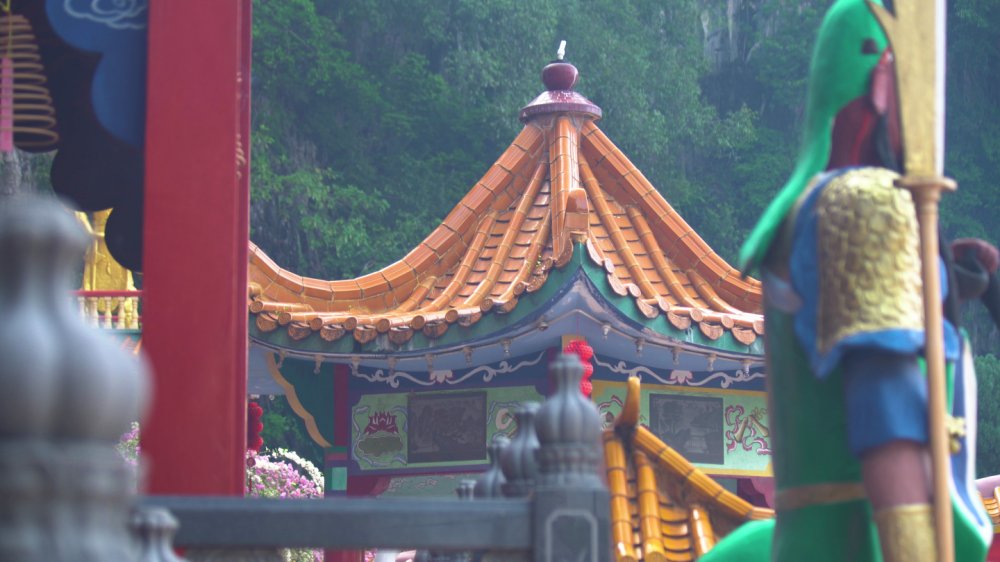
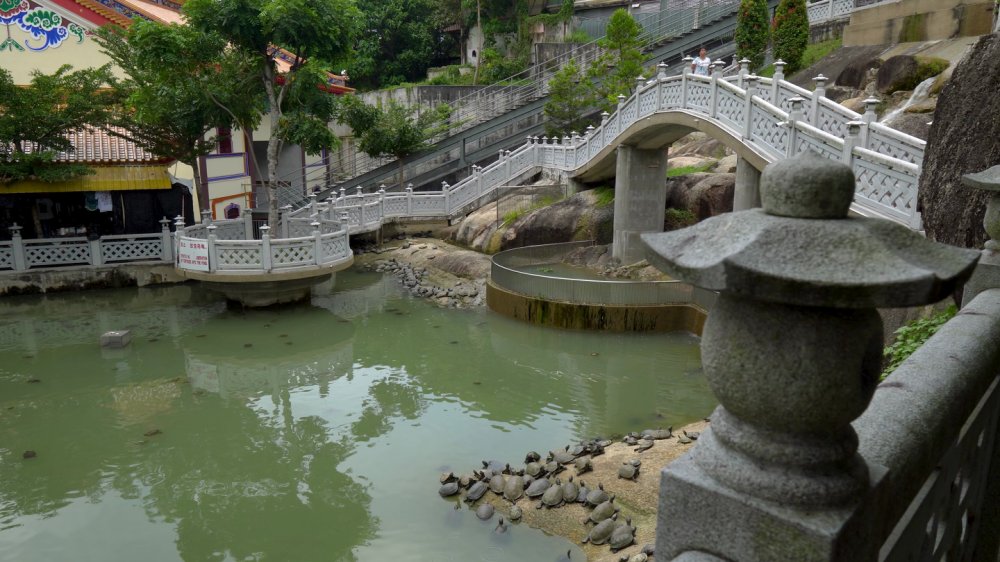
Set against the limestone karst near Ipoh, in Perak, Ling Sen Tong is one of the Chinese temples built where the cliffs meet the plain. Its garden of brightly painted figures brings the deities and legends of popular belief into the open air.

View details →
Penang, Crossroads of the Straits
CultureMalaysia

Penang, Crossroads of the Straits

On Malaysia's north-west coast, Penang and its historic capital George Town form a World Heritage site. Chinese clan houses, mosques, Hindu temples and British colonial buildings stand within minutes of one another.

View details →
Gandantegchinlen Monastery, Ulaanbaatar
Sacred SitesMongolia

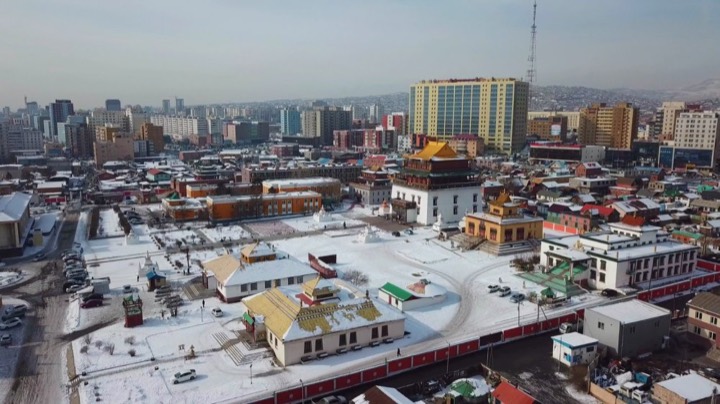
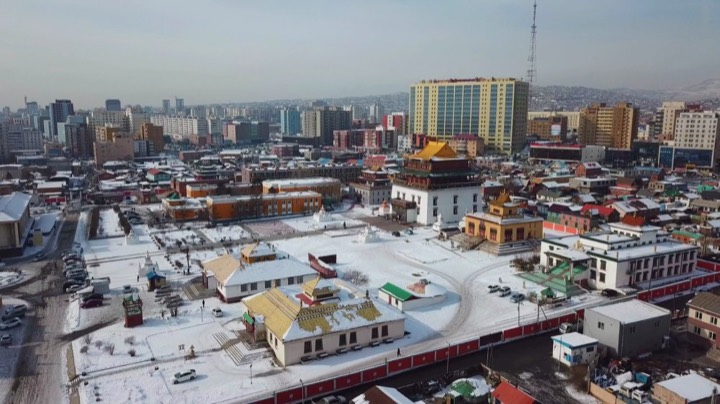
Gandantegchinlen Monastery, Ulaanbaatar

Gandantegchinlen is the principal monastery of Mongolian Buddhism and the spiritual centre of Ulaanbaatar. Its great hall shelters a colossal gilded statue of the Bodhisattva of Compassion, rebuilt after the destruction of the socialist era.

View details →
Manzushir Monastery
Sacred SitesMongolia

Manzushir Monastery

South of Ulaanbaatar, in a forested valley of the Bogd Khan mountain, Manzushir Monastery was destroyed during the political purges of the socialist era. Foundations and rock inscriptions remain, with a single restored temple.

View details →
Boudhanath Stupa
Sacred SitesNepal

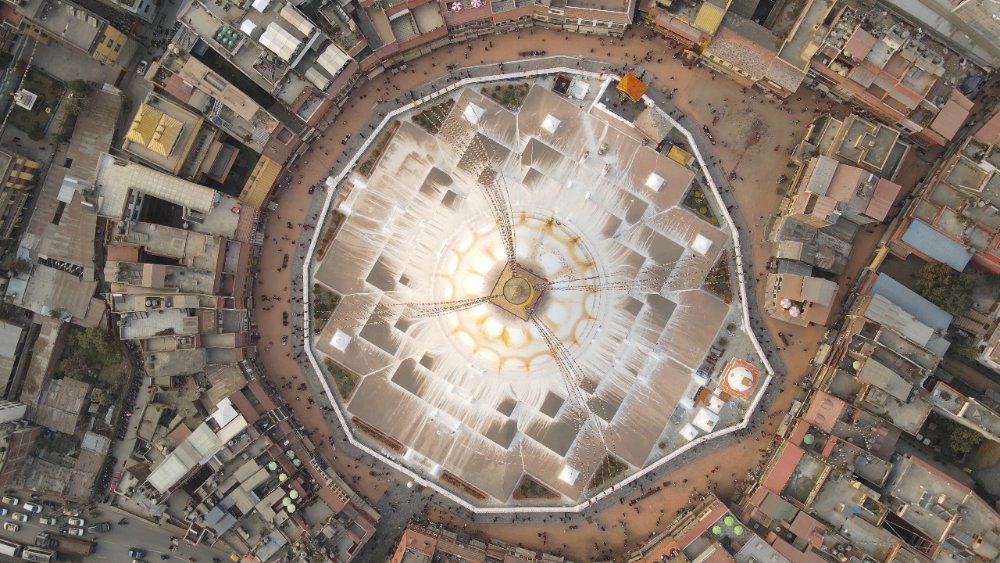
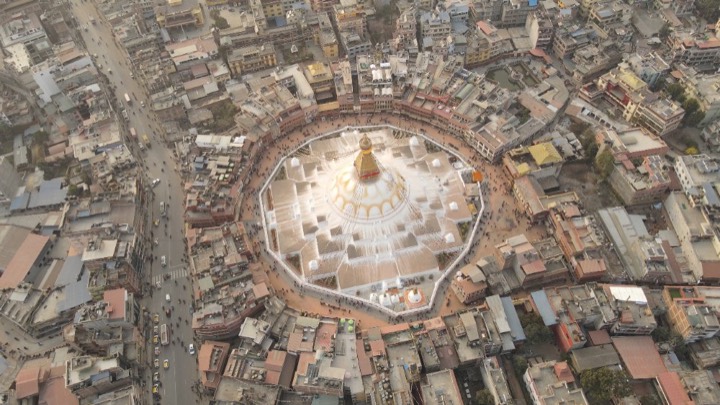
Boudhanath Stupa

One of the largest stupas in the world, Boudhanath is the centre of Tibetan Buddhist life in Kathmandu. Pilgrims circle its white dome day and night beneath the painted eyes of the tower, in a World Heritage valley.

View details →
Swayambhunath
Sacred SitesNepal

Swayambhunath

Crowning a hill west of Kathmandu, Swayambhunath is among the oldest and most venerated sanctuaries in Nepal. Reached by a long stairway, its stupa is a place of Buddhist and Hindu worship alike, within a World Heritage valley.

View details →
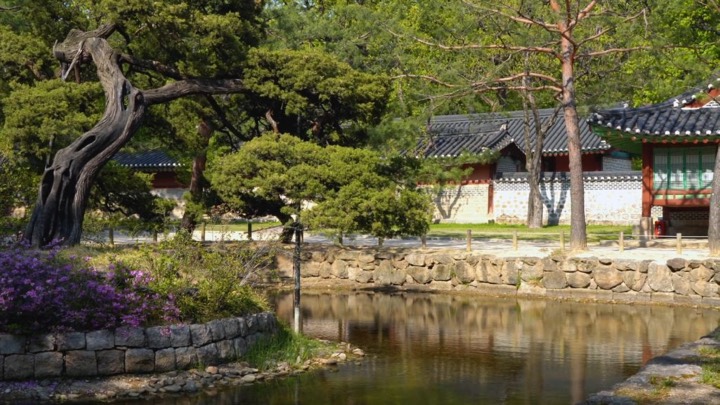
Jongmyo Shrine
Sacred SitesSouth Korea

Jongmyo Shrine

Jongmyo is the Confucian royal ancestral shrine of the Joseon dynasty. Its austere main hall, extended over generations into an immense colonnade, still hosts the ancestral rite with its music and dance.

View details →
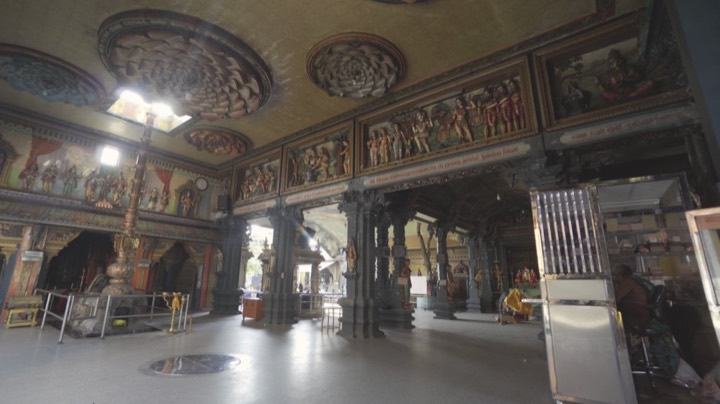
Sri Kailawasanathan Swami Devasthanam, Colombo
Sacred SitesSri Lanka

Sri Kailawasanathan Swami Devasthanam, Colombo

In the crowded Pettah district of Colombo stands one of the city's principal Hindu temples, dedicated to Shiva. Its sculpted gopuram and daily rituals bring South Indian temple tradition into a Sri Lankan port city.

View details →
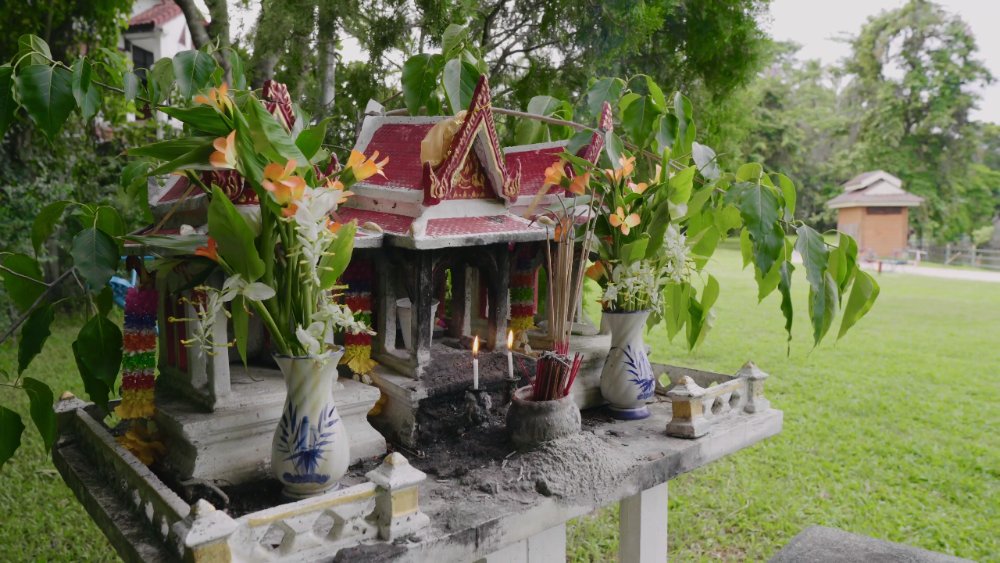
Chiang Mai: The Old City
HistoryThailand

Chiang Mai: The Old City

Founded as the capital of the Lan Na kingdom, Chiang Mai's old city remains a perfect square defined by moat and brick walls. Inside, dozens of temples share the grid with markets, workshops and daily life.

View details →
The Big Buddha of Koh Samui
Sacred SitesThailand

The Big Buddha of Koh Samui

Seated on a small island linked to Koh Samui by a causeway, the temple's colossal gilded Buddha is the island's best-known landmark, and a working place of worship as much as a viewpoint.

View details →
Tiger Cave Temple, Krabi
Sacred SitesThailand

Tiger Cave Temple, Krabi

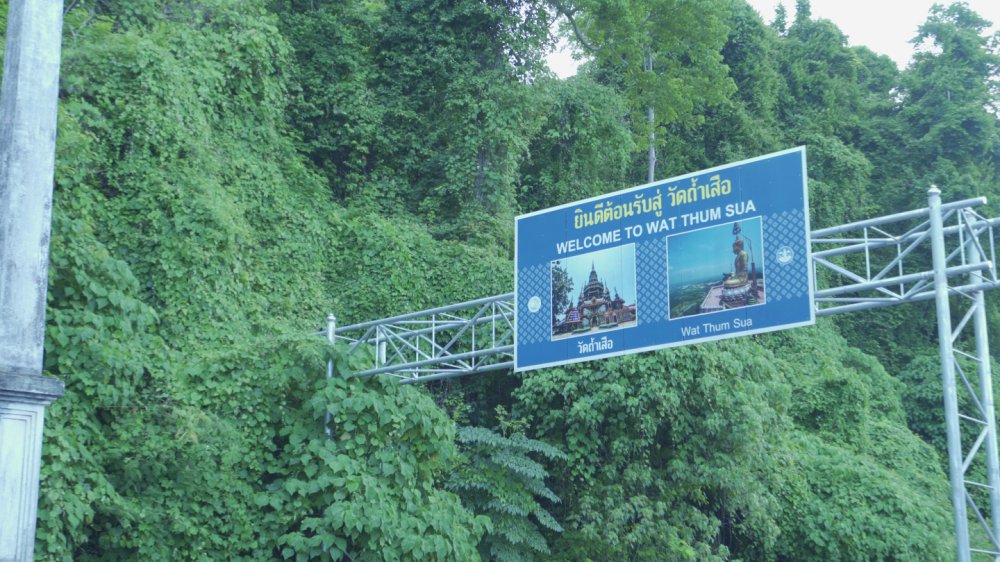
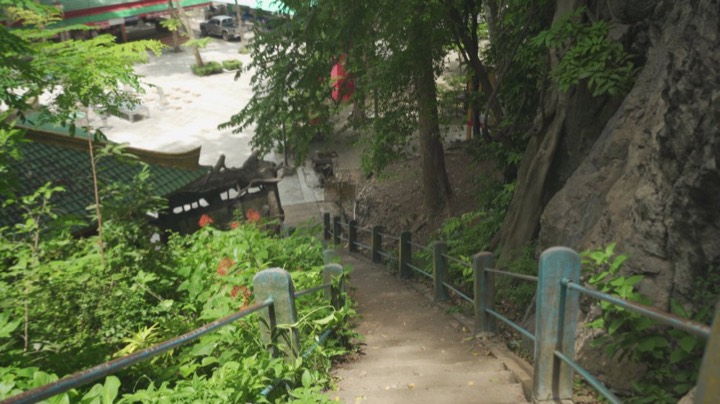
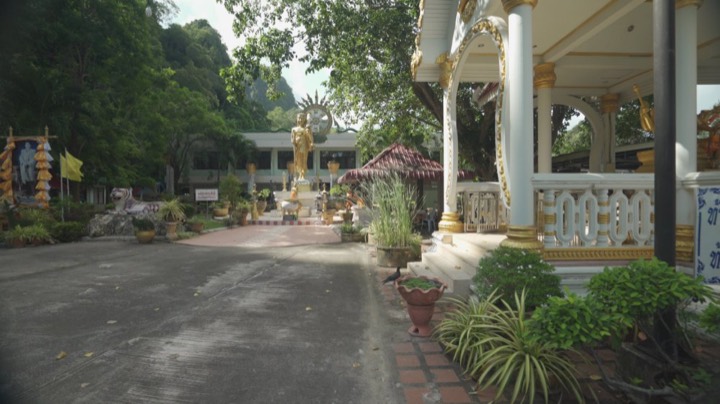
Wat Tham Suea is a forest monastery set among the limestone karst of Krabi, with meditation caves at its base and a summit shrine reached by a punishing staircase carved into the rock.

View details →
Wat Chedi Luang, Chiang Mai
Sacred SitesThailand

Wat Chedi Luang, Chiang Mai

Once the tallest structure in Chiang Mai and briefly home to the Emerald Buddha, the great chedi of Wat Chedi Luang stands partly ruined at the heart of the old city, beside the shrine of the city pillar.

View details →
Wat Lok Molee, Chiang Mai
Sacred SitesThailand

Wat Lok Molee, Chiang Mai

A short walk north of Chiang Mai's moat, Wat Lok Molee combines a massive brick chedi with a dark teak assembly hall. Long linked to the Lan Na ruling house, it remains a quiet, deeply atmospheric temple.

View details →
Wat Phra That Doi Kong Mu
Sacred SitesThailand

Wat Phra That Doi Kong Mu

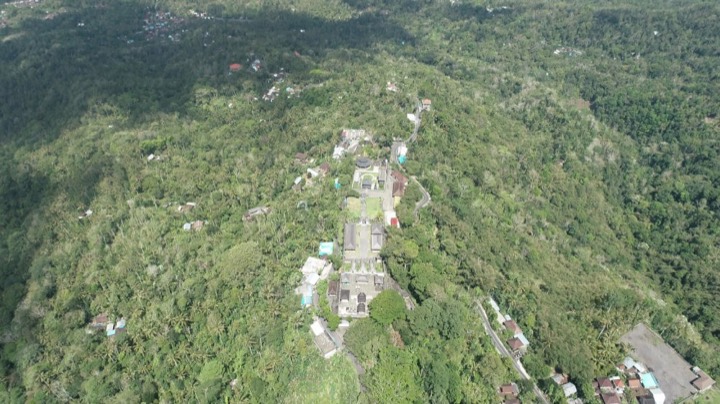
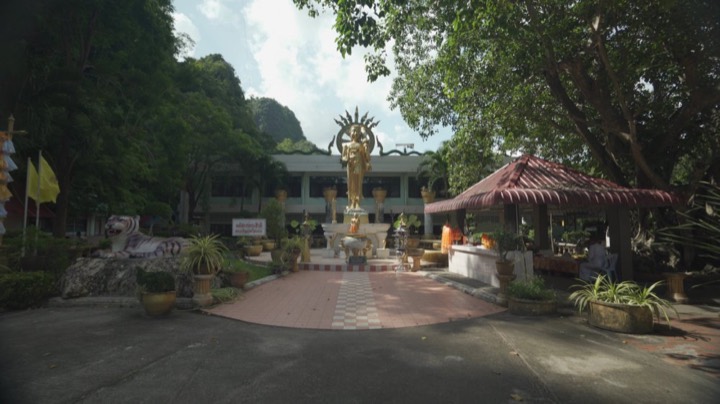
On the ridge overlooking Mae Hong Son, this hilltop temple's two whitewashed chedis in Shan style command the valley. At dawn the town below often disappears entirely beneath cloud.

View details →
Wat Plai Laem, Koh Samui
Sacred SitesThailand

Wat Plai Laem, Koh Samui

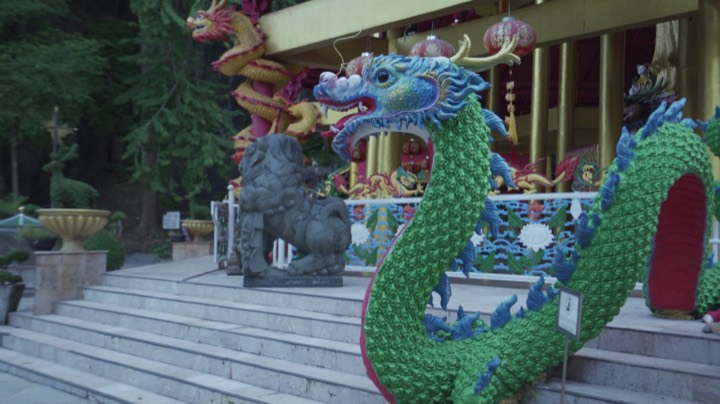
Built out over a man-made lake on the north-east coast of Koh Samui, Wat Plai Laem is among the most striking contemporary temples in Thailand. Its towering white Guanyin and saturated colour palette draw worshippers and visitors in equal measure.

View details →
Wat Prasat
Sacred SitesThailand

Wat Prasat

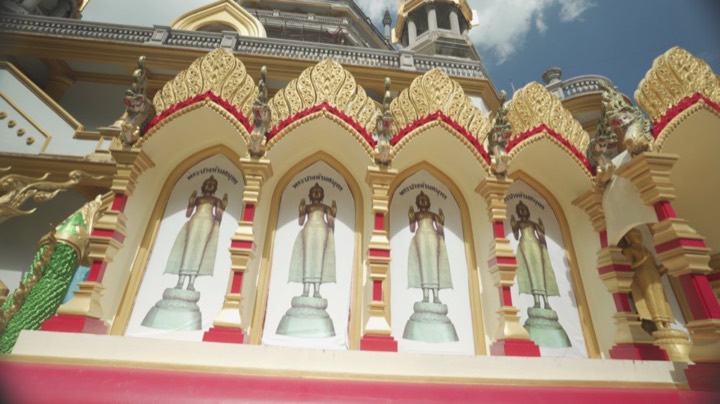
Wat Prasat belongs to the everyday religious landscape of Thailand: a walled compound where the working life of a monastic community and the vocabulary of Thai temple architecture meet. The film observes rather than explains.

View details →
Wat Ratchathammaram, the Red Temple of Koh Samui
Sacred SitesThailand

Wat Ratchathammaram, the Red Temple of Koh Samui

Known locally as the red temple, Wat Ratchathammaram stands apart from the gilded sanctuaries of southern Thailand. Its deep red stonework, covered in carved narrative relief, faces the sea on the south-eastern coast of Koh Samui.

View details →
Wat Samret
Sacred SitesThailand

Wat Samret

Wat Samret is one of the modest monastic compounds that carry religious life in Thailand outside the great pilgrimage centres. The film approaches it patiently, through its enclosure, its images and the people who come to sit with them.

View details →
Wat Suan Dok, Chiang Mai
Sacred SitesThailand

Wat Suan Dok, Chiang Mai

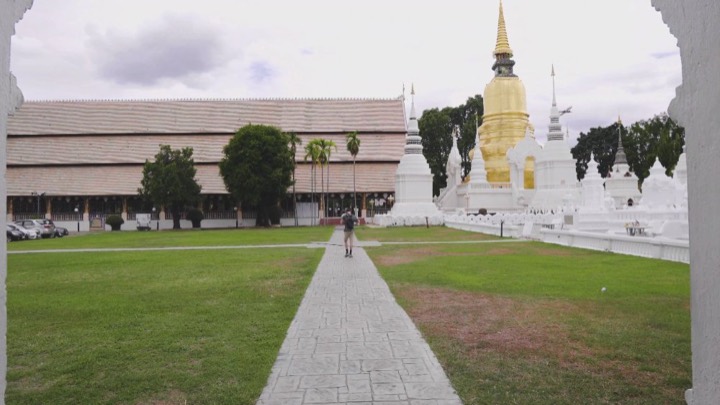
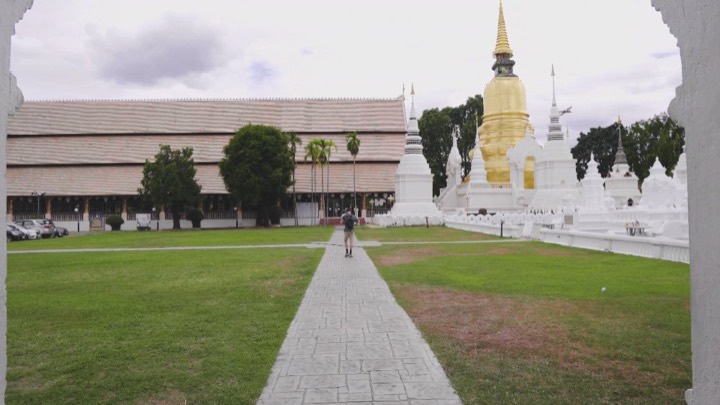
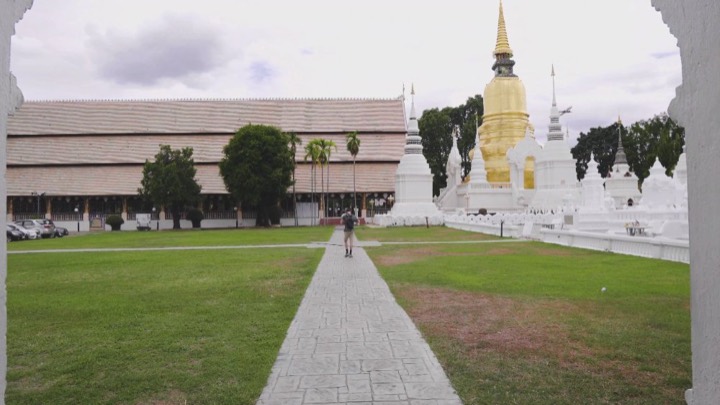
On the western edge of Chiang Mai's old city, Wat Suan Dok combines a great gilded stupa, an open-sided assembly hall and a field of white funerary chedis holding the ashes of the city's royal line. It remains a major centre of monastic study.

View details →
Buu Long Pagoda, Ho Chi Minh City
Sacred SitesVietnam

Buu Long Pagoda, Ho Chi Minh City

On a wooded hill on the eastern edge of Ho Chi Minh City, Buu Long Pagoda rises above a jade-green pond. Its gilded stupa and white galleries follow a Theravada idiom rarely seen in a country of Mahayana temples.

View details →
Dai Tong Lam Pagoda
Sacred SitesVietnam

Dai Tong Lam Pagoda

Dai Tong Lam is one of the largest Mahayana monastic complexes in southern Vietnam: a place of formation for monks and nuns, with wide open courtyards, great halls and long ranks of statuary set out under the sky.

View details →
Dong Xuan Market, Hanoi
CultureVietnam

Dong Xuan Market, Hanoi

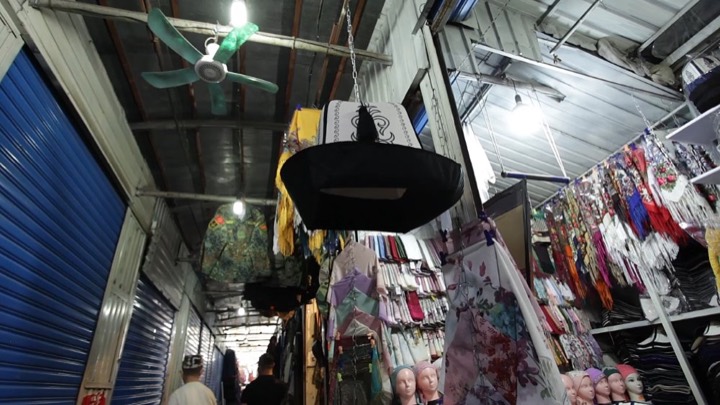
At the northern end of Hanoi's Old Quarter stands Dong Xuan, the city's largest covered market. Founded in the French colonial period and rebuilt after fire, it remains the wholesale heart of the capital's street trade.

View details →
Two Pagodas of Vietnam: Hau and Xa Loi
Sacred SitesVietnam

Two Pagodas of Vietnam: Hau and Xa Loi

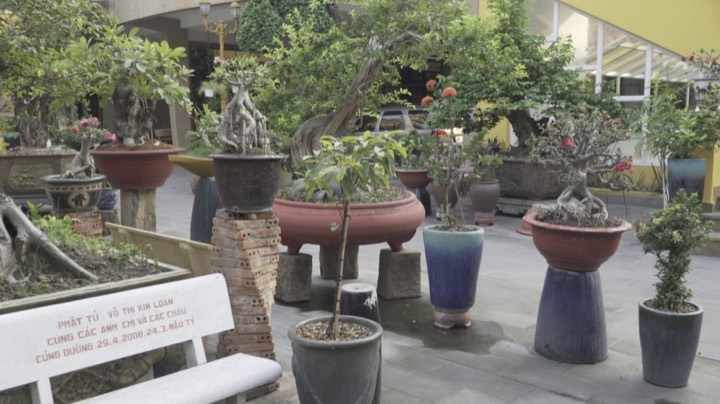
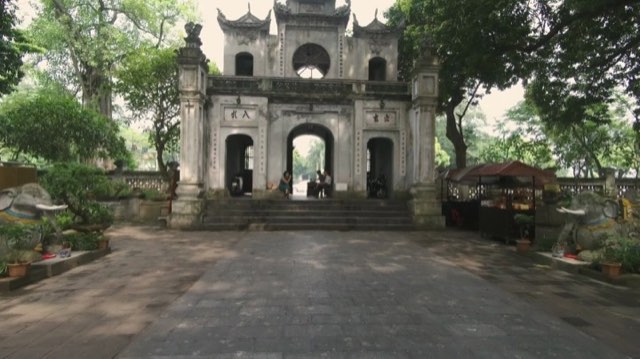
This programme pairs two Vietnamese pagodas in a single film, moving between their courtyards, halls and daily observances to show how the same devotional tradition takes on distinct forms from one community to another.

View details →
Quanh Than
Sacred SitesVietnam

Quanh Than

This short film observes a Vietnamese place of worship without commentary, following the light across its thresholds, altars and courtyards and the quiet succession of people who come to make an offering.

View details →
Viet Nam Quoc Tu, the National Pagoda
Sacred SitesVietnam

Viet Nam Quoc Tu, the National Pagoda

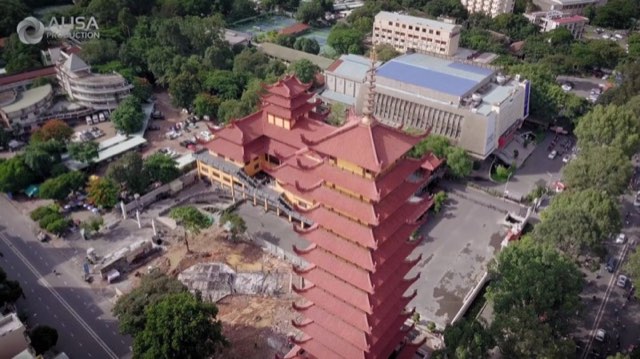
Viet Nam Quoc Tu, the National Pagoda, is one of the principal Buddhist institutions of Ho Chi Minh City. Its tiered tower rises above District 10 and serves as a centre of administration, teaching and large-scale ceremony.

View details →
Vinh Trang Temple, Mekong Delta
Sacred SitesVietnam

Vinh Trang Temple, Mekong Delta

Near My Tho in the Mekong Delta, Vinh Trang Temple is celebrated for its eclectic architecture. Its gateway and facade combine Khmer, Chinese, Vietnamese and European motifs, while monumental Buddha figures stand in the surrounding gardens.

View details →
Xa Loi Pagoda, Ho Chi Minh City
Sacred SitesVietnam

Xa Loi Pagoda, Ho Chi Minh City

Xa Loi, whose name means relic, is one of the principal pagodas of Ho Chi Minh City. Modern in design, with a tall bell tower and a spacious upper hall, it became the epicentre of the Buddhist protest movement of 1963.

View details →

Put our catalog on your screens

Tell us about your platform and your territories. Our sales team replies within one business day, with screeners and a proposal.

Contact