
Series

Balkan Heritage

Serbia, Bulgaria, Albania, Bosnia and Herzegovina, Montenegro, North Macedonia and Kosovo: Danube fortresses, Orthodox monasteries, synagogues, mosques, Roman palaces and old towns.

45 programs

Apollonia: A Greek City on the Illyrian Coast
ArchaeologyAlbania

Apollonia: A Greek City on the Illyrian Coast

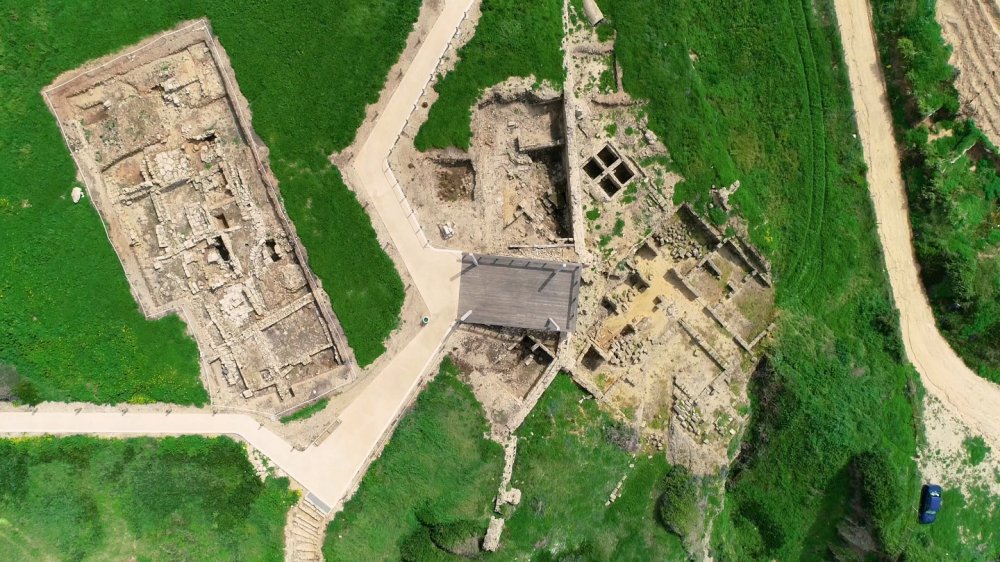
Set on low hills above the Albanian coastal plain, Apollonia was founded by Greek settlers in ancient Illyria and prospered under Rome. Its excavated centre, dominated by a restored colonnaded facade, adjoins a medieval monastery church that now shelters the site museum.

View details →
Preza Castle and the Mosque Within Its Walls
HistoryAlbania

Preza Castle and the Mosque Within Its Walls

Perched on a hill above the plain not far from Tirana, the castle of Preza keeps its walls and its tower, and shelters within them a small mosque with a slender minaret. Fortress and place of prayer share a single enclosure, and a commanding view of the country below.

View details →
Saint Demetrius Cathedral
Sacred SitesAlbania

Saint Demetrius Cathedral

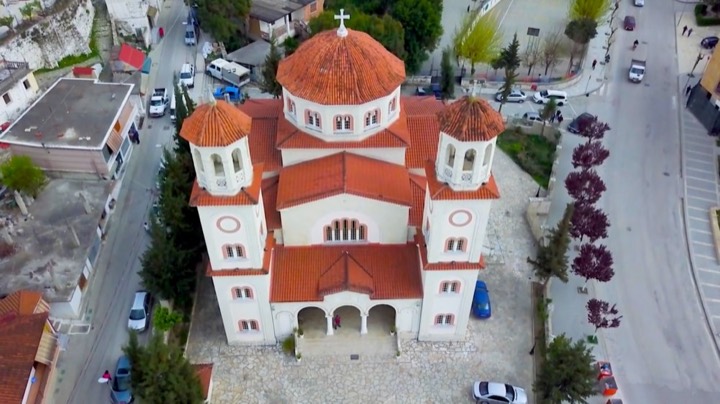
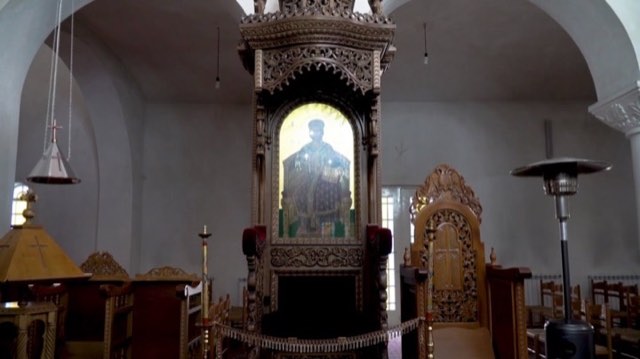
Dedicated to Saint Demetrius, a martyr honoured throughout the Orthodox world, this cathedral gathers the whole vocabulary of Eastern Christian building: a domed volume, an iconostasis separating nave from sanctuary, painted walls, and the slow choreography of the liturgy.

View details →
Bascarsija: The Old Bazaar of Sarajevo
CultureBosnia and Herzegovina

Bascarsija: The Old Bazaar of Sarajevo

Founded in the Ottoman period as the commercial core of Sarajevo, Bascarsija is a grid of low workshops, courtyards and alleys where crafts are still practised. Around the Sebilj fountain, mosques, caravanserais and coffee houses hold the city's oldest daily rhythms.

View details →
Ljubacke Doline: An Ethno Village Museum
CultureBosnia and Herzegovina

Ljubacke Doline: An Ethno Village Museum

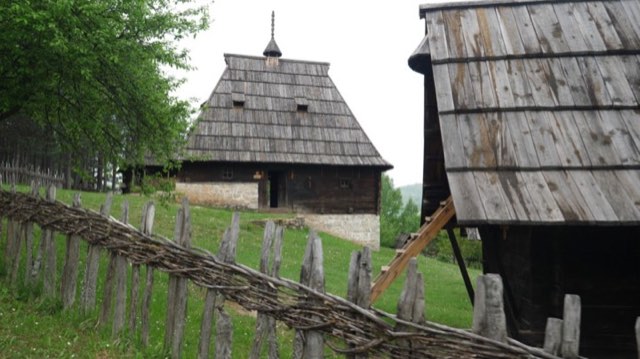
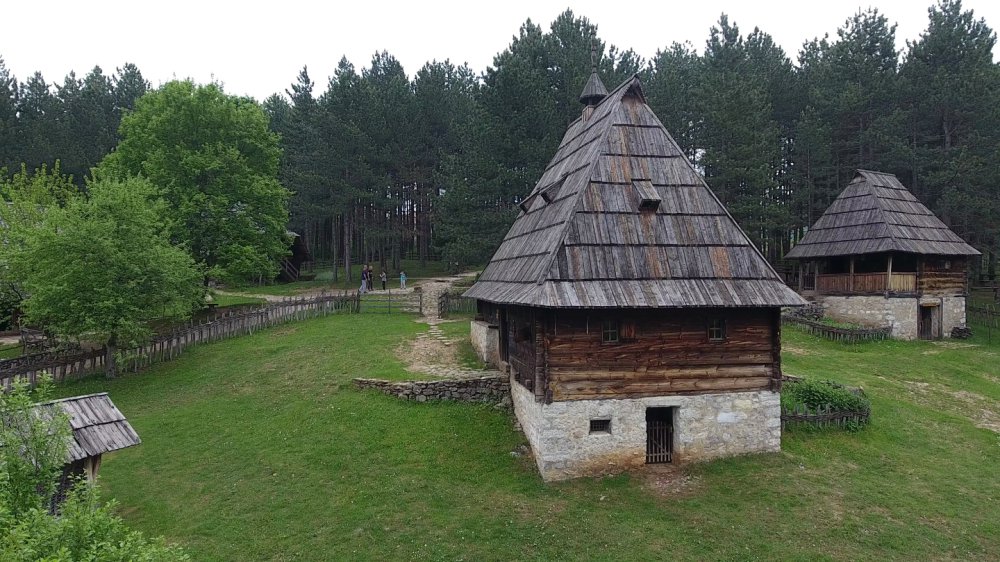
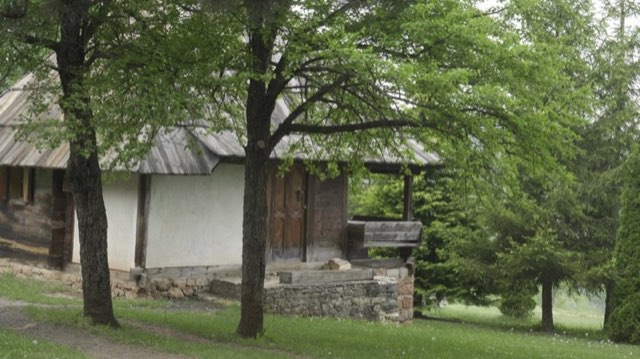
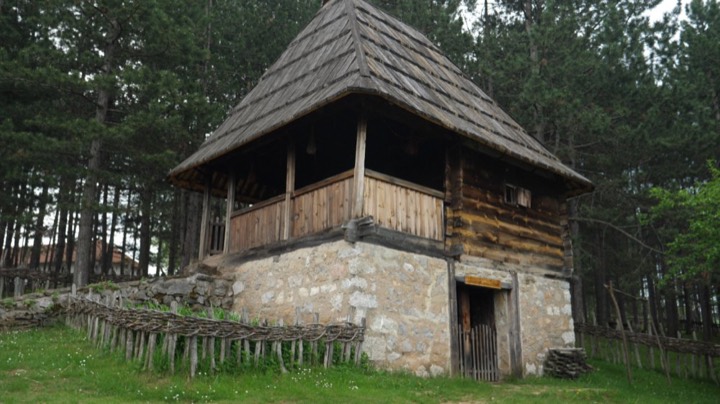
In the hills of Bosnia and Herzegovina, this open-air ethno village gathers traditional houses, workshops, tools and household objects on a single site. It presents rural life not as a display case but as a set of gestures, materials and skills that can still be demonstrated.

View details →
Mostar: The Old City and Its Bridge
HistoryBosnia and Herzegovina

Mostar: The Old City and Its Bridge

The old city of Mostar is organised around a single arch of stone thrown across the Neretva in the sixteenth century, destroyed in 1993 and rebuilt using traditional methods. Reopened in 2004, the bridge and its quarter are inscribed on the World Heritage List.

View details →
Baba Vida and Castra Martis: Fortresses of the Danube
HistoryBulgaria

Baba Vida and Castra Martis: Fortresses of the Danube

On the Danube at Vidin stands Baba Vida, the best-preserved medieval fortress in Bulgaria. Inland at Kula, the remains of Castra Martis mark a late Roman fort. Together they show how the same frontier was defended by two empires, many centuries apart.

View details →
Alexander Nevsky Cathedral, Sofia
Sacred SitesBulgaria

Alexander Nevsky Cathedral, Sofia

The cathedral of Saint Alexander Nevsky dominates central Sofia with its gilded and green domes. Built in the neo-Byzantine manner in memory of the soldiers fallen in the war that led to Bulgaria's liberation, it also holds one of the country's finest collections of icons.

View details →
Baba Vida: The Fortress of Vidin
HistoryBulgaria

Baba Vida: The Fortress of Vidin

Rising straight from the Danube at Vidin, Baba Vida is the best-preserved medieval fortress in Bulgaria. Its walls, towers, moat and courtyards can still be walked from end to end, on a site that had already been fortified in Roman times.

View details →
Baba Vida and Castra Martis: Fortresses of the Danube
HistoryBulgaria

Baba Vida and Castra Martis: Fortresses of the Danube

This programme pairs two fortified sites of north-western Bulgaria: Castra Martis, a late Roman fort at Kula, and Baba Vida, the medieval castle on the Danube at Vidin. Read together, they trace the long defence of a frontier region across successive empires.

View details →
The Russian Church of Sofia
Sacred SitesBulgaria

The Russian Church of Sofia

Small, richly coloured and unmistakably Russian, the church of Saint Nicholas the Miracle-Maker stands in central Sofia with its gilded onion domes and tiled facades. In its crypt lies a venerated tomb where visitors leave handwritten petitions.

View details →
The Dzhumaya Mosque
Sacred SitesBulgaria

The Dzhumaya Mosque

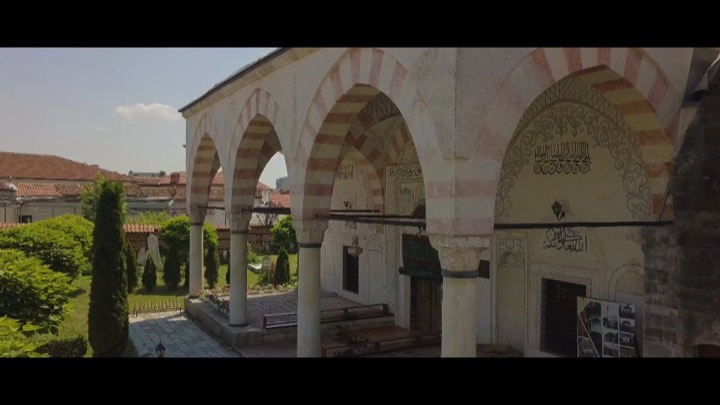
Standing in the heart of Plovdiv, the Dzhumaya Mosque is among the oldest Ottoman religious buildings in the Balkans. Its lead-covered domes, painted interior and single minaret rise directly from a pedestrian square built over the remains of a Roman stadium.

View details →
Plovdiv and the Dzhumaya Mosque
Sacred SitesBulgaria

Plovdiv and the Dzhumaya Mosque

Plovdiv is among the oldest continuously inhabited cities in Europe, and it wears its history in layers. At its centre, the Dzhumaya Mosque, one of the oldest Ottoman mosques in the Balkans, stands a few steps from the excavated end of a Roman stadium.

View details →
The Kaleto Archaeological Complex
ArchaeologyBulgaria

The Kaleto Archaeological Complex

Set on high ground in north-western Bulgaria, the Kaleto complex preserves the traces of a fortified settlement occupied across many periods. Walls, gates and foundations, partly reconstructed, allow visitors to read the successive lives of a single defensive site.

View details →
Kaleto and the Vrachanski Balkan Nature Park
ArchaeologyBulgaria

Kaleto and the Vrachanski Balkan Nature Park

This programme pairs the fortified archaeological complex of Kaleto with the Vrachanski Balkan Nature Park, a limestone massif of gorges, caves, waterfalls and cliffs. Together they show how a defensive site and its landscape were always one and the same thing.

View details →
Kaleto and the Vrachanski Balkan Nature Park
ArchaeologyBulgaria

Kaleto and the Vrachanski Balkan Nature Park

The Vrachanski Balkan Nature Park protects a karst massif of caves, gorges and vertical cliffs in north-western Bulgaria. Within the same landscape, the Kaleto archaeological complex preserves the fortifications of a site whose position was determined by the rock.

View details →
Sofia Synagogue
Sacred SitesBulgaria

Sofia Synagogue

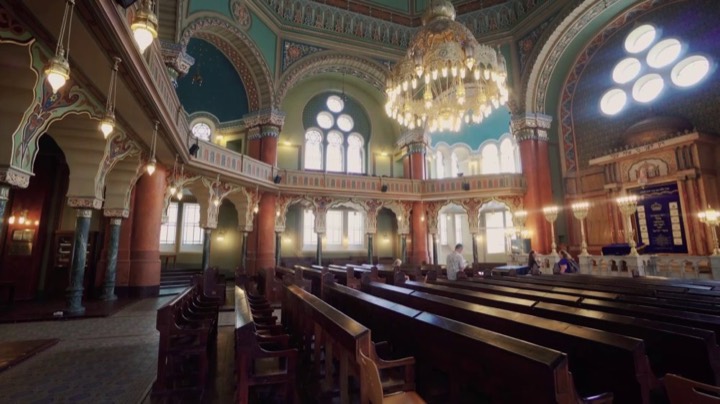
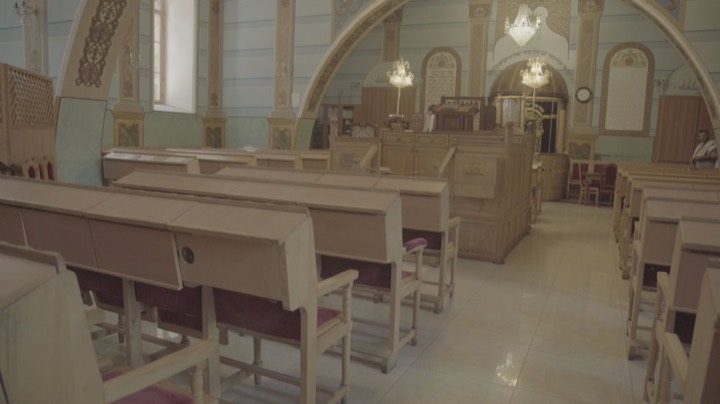
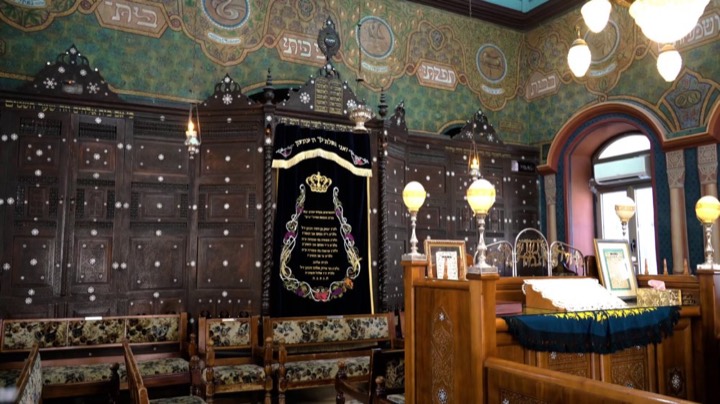
In central Sofia stands one of the largest Sephardic synagogues in Europe: horseshoe arches, patterned brickwork and an interior washed in coloured light. The film reads the building as architecture and as the record of a community.

View details →
The Cathedral of the Dormition of the Mother of God, Varna
Sacred SitesBulgaria

The Cathedral of the Dormition of the Mother of God, Varna

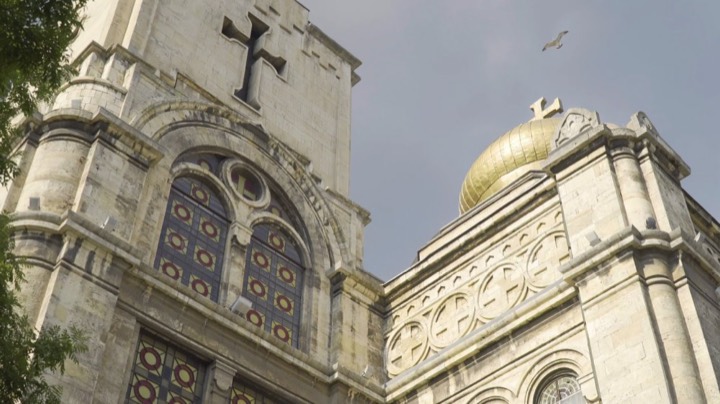
Varna's Orthodox cathedral rises above the Black Sea port with domes, a bell tower and a painted interior. The film follows its silhouette, its icons and its place in the life of the city.

View details →
The Hadum Mosque, Gjakova
Sacred SitesKosovo

The Hadum Mosque, Gjakova

The Hadum Mosque stands at the centre of Gjakova's historic bazaar quarter, one of the landmarks of Ottoman-era Kosovo. Damaged during the conflict of the late twentieth century, it has since been restored and returned to worship.

View details →
Stari Bar, the Old Town
HistoryMontenegro

Stari Bar, the Old Town

Below the slopes of Mount Rumija, the old town of Bar was abandoned after conflict and lies in ruins. Churches, a mosque, an aqueduct and a clock tower record the successive powers that ruled this stretch of the Adriatic.

View details →
Kotor Cathedral
Sacred SitesMontenegro

Kotor Cathedral

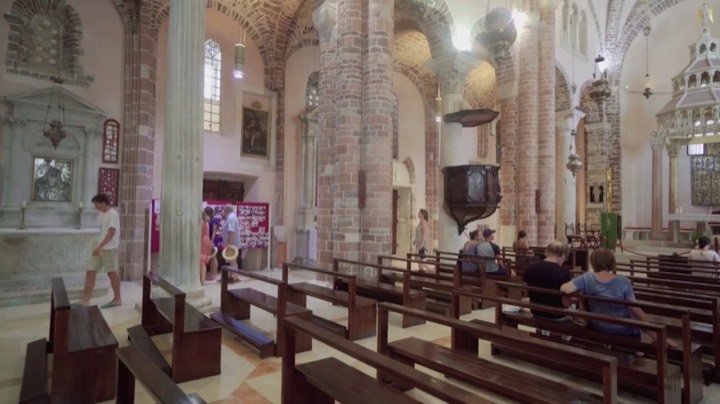
Dedicated to Saint Tryphon, patron of Kotor, the cathedral stands at the heart of the walled city on the Bay of Kotor. Its twin bell towers, Romanesque interior and treasury make it the principal monument of the old town.

View details →
Saint George's Island, Perast and Risan
HistoryMontenegro

Saint George's Island, Perast and Risan

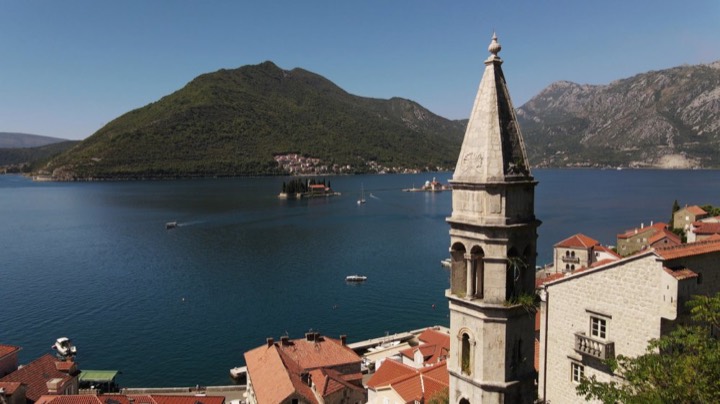
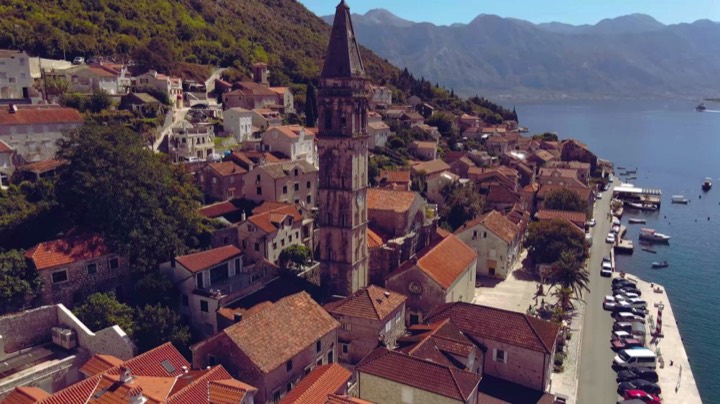
On the Bay of Kotor, the island of Saint George faces its celebrated neighbour offshore from Perast, a town of Baroque palaces built by sea captains. Nearby Risan preserves Roman mosaics from a much older settlement.

View details →
Ohrid, Lake of the Saints - Part Two
CultureNorth Macedonia

Ohrid, Lake of the Saints - Part Two

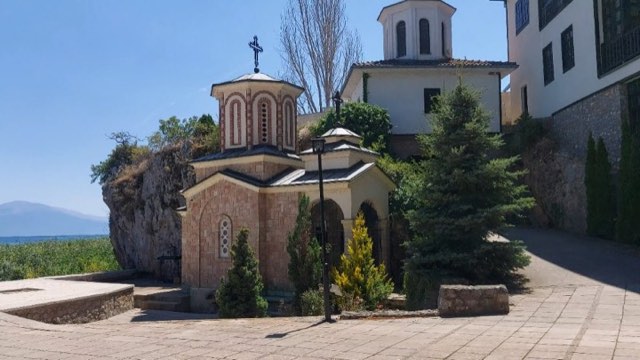
The Ohrid region, in North Macedonia, is inscribed on the World Heritage List for both its natural and its cultural value. This second film continues the exploration of its churches, monasteries, fortress and shoreline.

View details →
Skopje, a City of Layers
CultureNorth Macedonia

Skopje, a City of Layers

Skopje carries its history in visibly distinct layers: an Ottoman quarter of bazaar, hammams and caravanserais, a stone bridge over the Vardar, a modernist city rebuilt after a devastating earthquake, and a recent monumental building campaign.

View details →

Bač Fortress
HistorySerbia

Bač Fortress

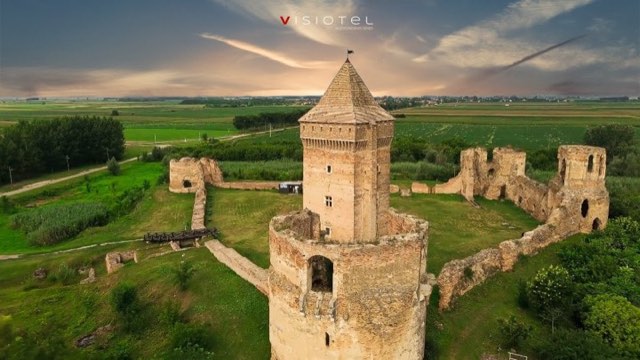
Ringed by water and marshland in the flat north of Serbia, Bač is among the best-preserved medieval fortresses of the Danube plain. Its brick curtain walls and tall keep record a frontier held, lost and held again.

View details →
Caričin Grad: Justiniana Prima
ArchaeologySerbia

Caričin Grad: Justiniana Prima

Justiniana Prima was founded by Emperor Justinian near his birthplace and raised to an archbishopric. Fortified, colonnaded and lavishly furnished with churches, it was abandoned barely a lifetime later and lay buried until modern excavation.

View details →
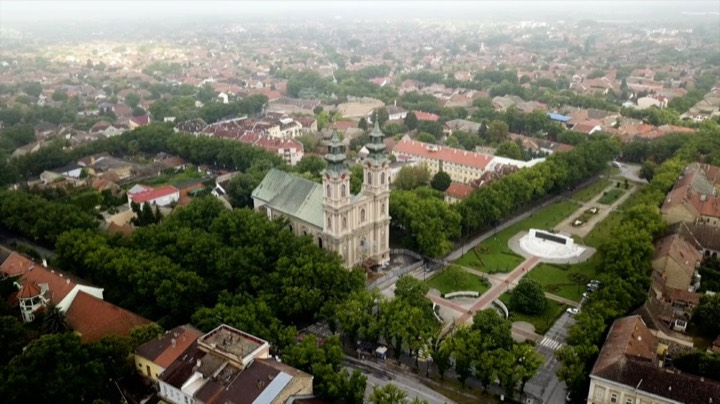
The Church of St Mark, Belgrade
Sacred SitesSerbia

The Church of St Mark, Belgrade

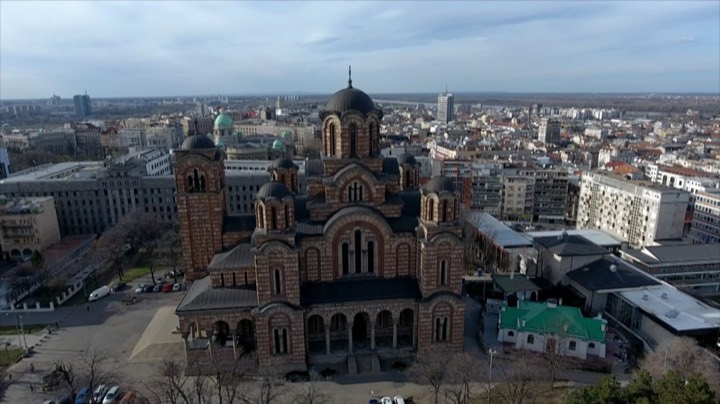
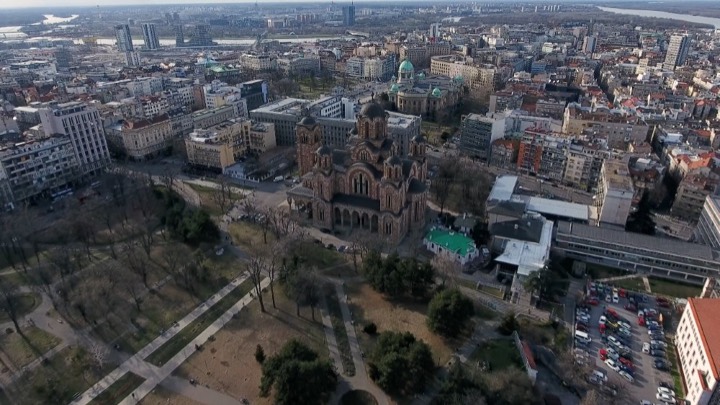
Modelled on the medieval monastery church of Gračanica, St Mark's rises in the heart of Belgrade as a deliberate act of architectural memory. Inside, beneath its high vaults, lies the sarcophagus of Emperor Dušan.

View details →
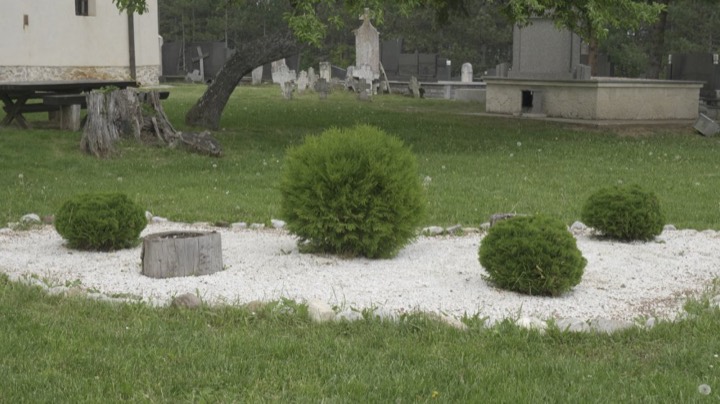
Gamzigrad: A Roman Palace in Eastern Serbia
ArchaeologySerbia

Gamzigrad: A Roman Palace in Eastern Serbia

Behind massive fortified walls in the hills of eastern Serbia lies a late Roman imperial residence, complete with mosaic floors, baths and temples. Excavation has turned a farmer's field into one of the region's key ancient sites.

View details →
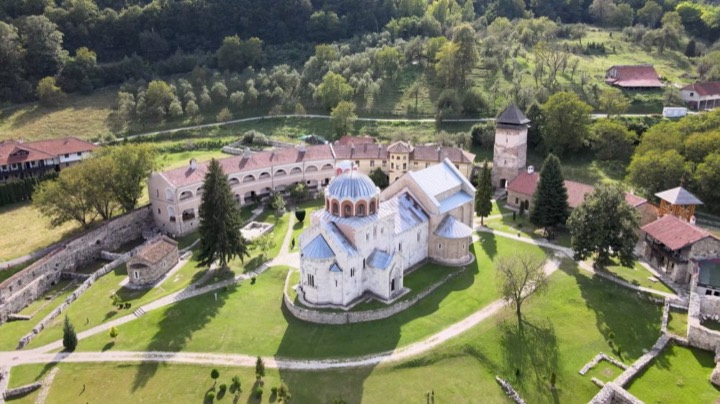
Felix Romuliana: The Palace of Galerius
ArchaeologySerbia

Felix Romuliana: The Palace of Galerius

Galerius raised this fortified palace near his birthplace and gave it his mother's name. Temples, baths and mosaic halls stand within the walls, while the hill above holds the mausolea where mother and son were consecrated.

View details →
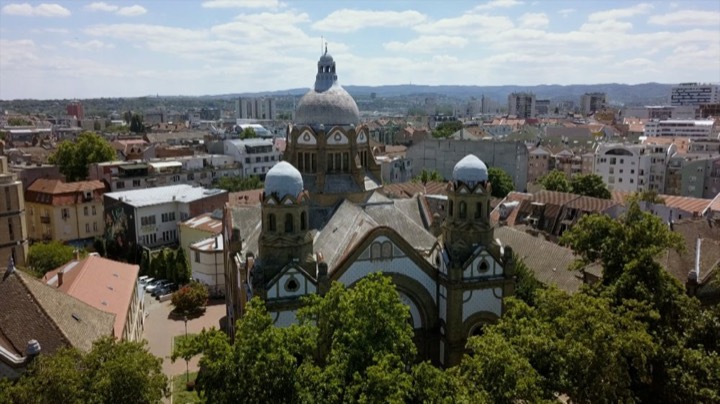
Kalemegdan: The Belgrade Fortress
HistorySerbia

Kalemegdan: The Belgrade Fortress

Standing on the ridge where the Sava joins the Danube, Belgrade Fortress has been rebuilt by Romans, Byzantines, Serbian rulers, Ottomans and Habsburgs. Today its ramparts enclose the city's most popular park.

View details →
Niš: City of Constantine
CultureSerbia

Niš: City of Constantine

Niš was the birthplace of Constantine the Great and remained a strategic crossroads for every power that followed. Roman Mediana, an Ottoman fortress and stark memorials of later conflicts stand within a few kilometres of one another.

View details →
Niš Fortress and the Bali-beg Mosque
HistorySerbia

Niš Fortress and the Bali-beg Mosque

The walls of Niš Fortress date from the Ottoman centuries but rest on far older foundations. Within the enclosure stands the Bali-beg Mosque, one of the city's oldest surviving Ottoman buildings, long used as an exhibition space.

View details →
The Novi Sad Synagogue
Sacred SitesSerbia

The Novi Sad Synagogue

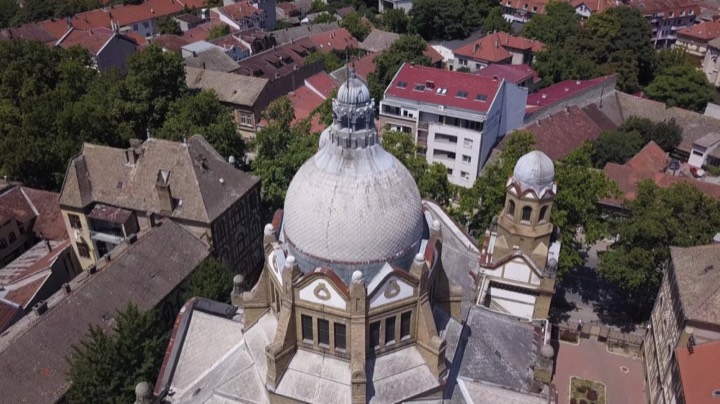
Built in the early twentieth century to designs by Lipót Baumhorn, the Novi Sad Synagogue is a major work of Hungarian Secession architecture. Its great dome and stained glass now shelter a concert hall as much as a memory.

View details →
Petrovaradin: The Gibraltar of the Danube
HistorySerbia

Petrovaradin: The Gibraltar of the Danube

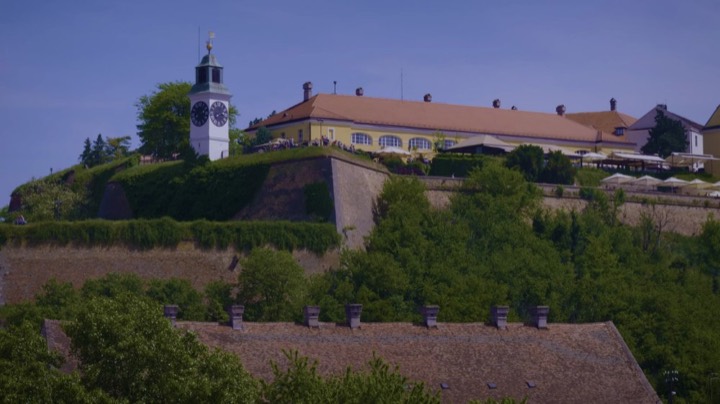
Facing Novi Sad across the Danube, Petrovaradin is one of Europe's great bastioned fortresses. Its ramparts, clock tower and vast underground galleries were designed to hold the river against any attacker.

View details →
Rajačke Pimnice: The Wine Cellars of Rajac
CultureSerbia

Rajačke Pimnice: The Wine Cellars of Rajac

In the vineyards of eastern Serbia, the growers of Rajac built a settlement of stone cellars set apart from their homes. Lanes, gables and heavy timber doors form a village where only the wine ever lived.

View details →
The Name of Mary Church, Novi Sad
Sacred SitesSerbia

The Name of Mary Church, Novi Sad

Rising above Liberty Square, the Catholic parish church of the Name of Mary gives Novi Sad its most recognisable silhouette. Neo-Gothic in style, it is crowned by a steep roof of glazed and patterned tiles.

View details →
Smederevo Fortress
HistorySerbia

Smederevo Fortress

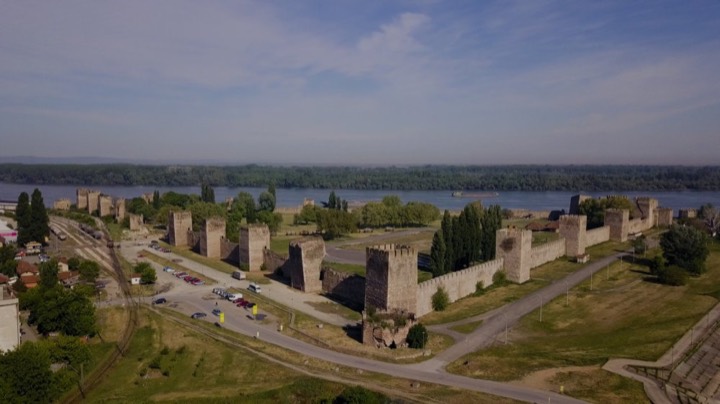
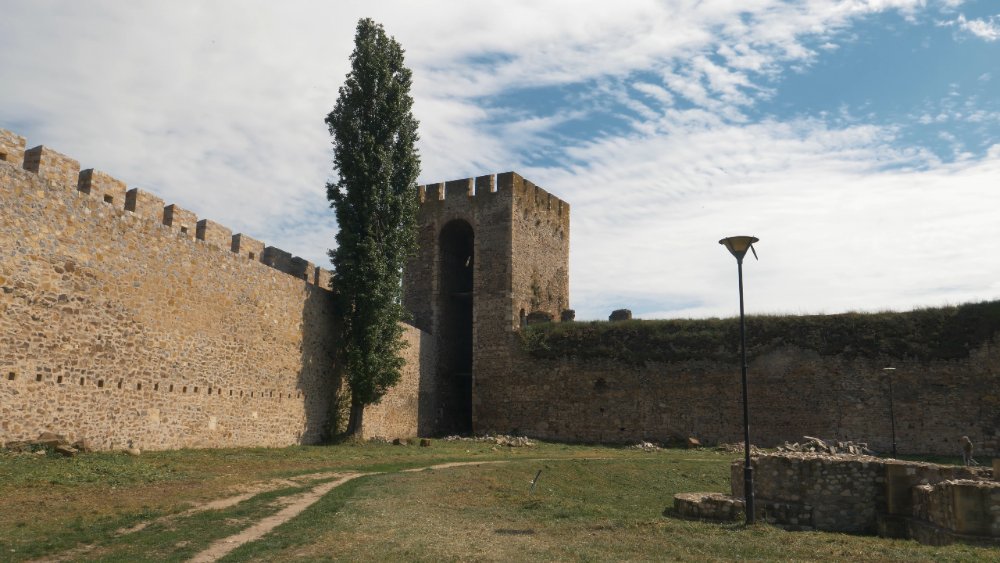
Raised in the fifteenth century as the capital of the Serbian Despotate, Smederevo is one of the largest lowland fortresses in Europe. Its triangular plan and twenty-odd towers still command the confluence with the Danube.

View details →
St Theresa of Ávila Cathedral, Subotica
Sacred SitesSerbia

St Theresa of Ávila Cathedral, Subotica

With its twin towers and restrained baroque façade, the church of St Theresa of Ávila is the oldest major monument of Subotica and the seat of its Catholic diocese - a sober counterpoint to the city's later architecture.

View details →
Mramorje: The Stećci of Perućac
ArchaeologySerbia

Mramorje: The Stećci of Perućac

The stećci are monumental medieval tombstones carved with rosettes, arcades and dancing figures. At Perućac, above the Drina, one of the finest necropolises survives - part of a group inscribed as World Heritage by four countries together.

View details →
Studenica Monastery
Sacred SitesSerbia

Studenica Monastery

Founded by Stefan Nemanja, Studenica is the most important monastic ensemble of medieval Serbia. Behind its circular walls stand marble churches whose thirteenth and fourteenth-century frescoes rank among the finest in Byzantine art.

View details →
Subotica City Hall
ArchitectureSerbia

Subotica City Hall

Designed by Marcell Komor and Dezső Jakab, Subotica City Hall is a landmark of Hungarian Art Nouveau. Glazed ceramics, stained glass and folk-derived ornament cover a building that still runs the city.

View details →
The Subotica Synagogue
Sacred SitesSerbia

The Subotica Synagogue

Built to designs by Komor and Jakab, the Subotica Synagogue is a rare complete expression of the Hungarian Secession applied to a house of worship. A long restoration campaign has returned its colour and light.

View details →
The Temple of Saint Sava
Sacred SitesSerbia

The Temple of Saint Sava

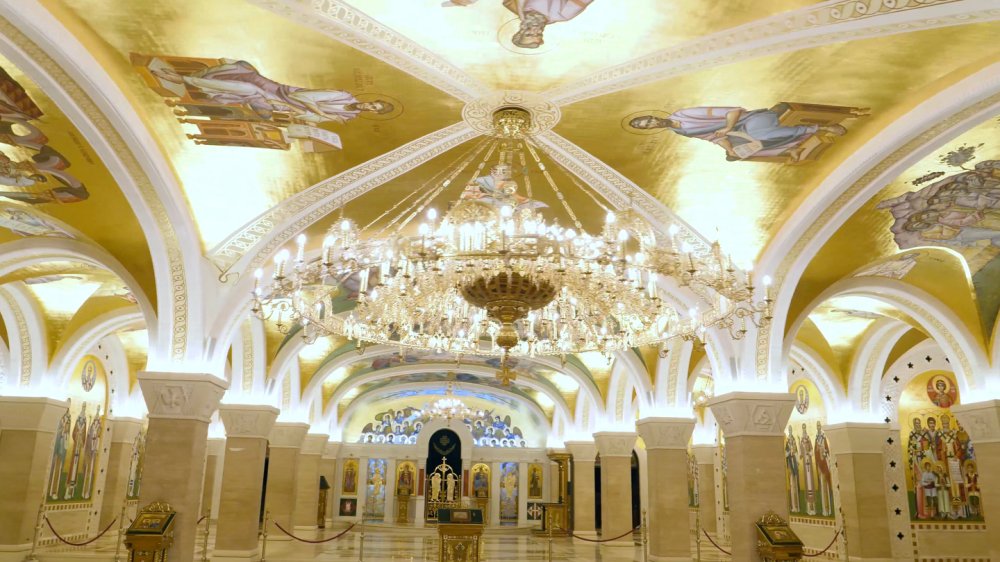
One of the largest Orthodox churches in the world, the Temple of Saint Sava stands on the Vračar plateau, where the relics of Serbia's first archbishop were burned. Its dome and new mosaic interior dominate the capital.

View details →
Devil's Town
NatureSerbia

Devil's Town

In southern Serbia, erosion has left a hillside covered with slender earth pyramids, each capped by a stone. Two extremely acidic springs and a well-known legend complete one of the country's strangest landscapes.

View details →
Vršac
CultureSerbia

Vršac

Where the Banat plain finally rises, Vršac spreads beneath vine-covered slopes and a solitary medieval tower. Baroque streets, churches of two confessions and a long winemaking tradition define the town.

View details →

Put our catalog on your screens

Tell us about your platform and your territories. Our sales team replies within one business day, with screeners and a proposal.

Contact