
Series

UNESCO World Heritage

Every programme in the catalogue filmed at a site identified as UNESCO World Heritage, from Meteora, Petra, Machu Picchu and Angkor Wat to Kizhi, Studenica, Quito and the Old City of Jerusalem.

91 programs

Haghpat: The Monastery of the Lori Plateau
Sacred SitesArmenia

Haghpat: The Monastery of the Lori Plateau

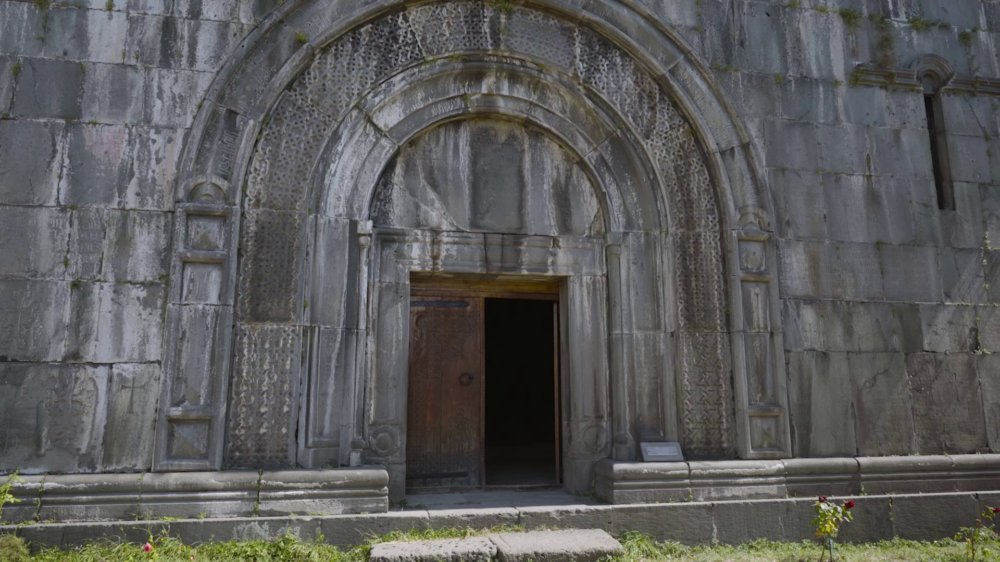
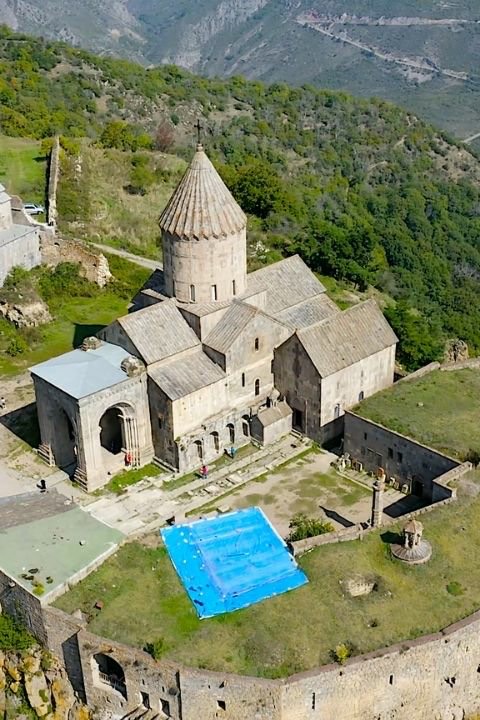
Founded in the tenth century on the Lori plateau, Haghpat grew into a monastery, a school and a scriptorium. Its churches, vaulted porches, bell tower and carved cross-stones are inscribed on the World Heritage List alongside its neighbour, Sanahin.

View details →
Saint Gayane: A Seventh-Century Church at Echmiadzin
Sacred SitesArmenia

Saint Gayane: A Seventh-Century Church at Echmiadzin

Built in the seventh century at Vagharshapat, beside the mother see of the Armenian Church, Saint Gayane is a domed basilica of striking clarity. It stands over the tomb of the abbess Gayane and is inscribed on the World Heritage List with the churches of Echmiadzin.

View details →
Sanahin: A Medieval Academy in Stone
Sacred SitesArmenia

Sanahin: A Medieval Academy in Stone

Founded in the tenth century above the Debed gorge, Sanahin was a monastery, a school and a scriptorium. Its churches, porch-halls, library and covered gallery form a dense stone ensemble inscribed on the World Heritage List with nearby Haghpat.

View details →
Yereruyk: The Oldest Stones of Armenian Christianity
Sacred SitesArmenia

Yereruyk: The Oldest Stones of Armenian Christianity

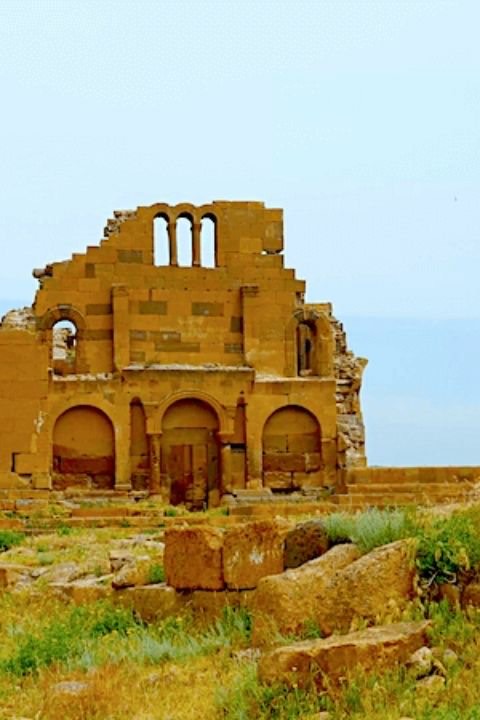
Standing alone on a bare plateau in the province of Shirak, Yereruyk is the ruin of an early Christian basilica raised on a stepped platform. Its colonnades, carved doorways and open arcades make it one of the oldest and most singular monuments in Armenia.

View details →
Mostar: The Old City and Its Bridge
HistoryBosnia and Herzegovina

Mostar: The Old City and Its Bridge

The old city of Mostar is organised around a single arch of stone thrown across the Neretva in the sixteenth century, destroyed in 1993 and rebuilt using traditional methods. Reopened in 2004, the bridge and its quarter are inscribed on the World Heritage List.

View details →
Angkor Wat
Sacred SitesCambodia

Angkor Wat

Moat, causeway, galleries of bas-reliefs and five lotus towers: Angkor Wat is the culminating work of Khmer architecture. The film follows its geometry, its carved narratives and the daily life that continues within it.

View details →
Capital Cities and Tombs of the Ancient Koguryo Kingdom
ArchaeologyChina

Capital Cities and Tombs of the Ancient Koguryo Kingdom

Mountain fortresses, city walls, stone pyramids and burial chambers covered in murals: the archaeological legacy of the Koguryo kingdom in north-east China, inscribed on the World Heritage List.

View details →
The Fuling Mausoleum
HistoryChina

The Fuling Mausoleum

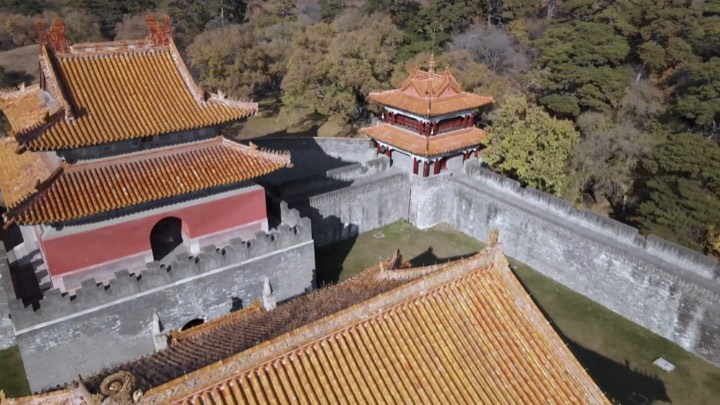
At Shenyang, the Fuling Mausoleum holds the tomb of Nurhaci, founder of the Qing house. Spirit way, stairways, gates and burial mound compose a funerary landscape inscribed on the World Heritage List.

View details →
The Mukden Palace
HistoryChina

The Mukden Palace

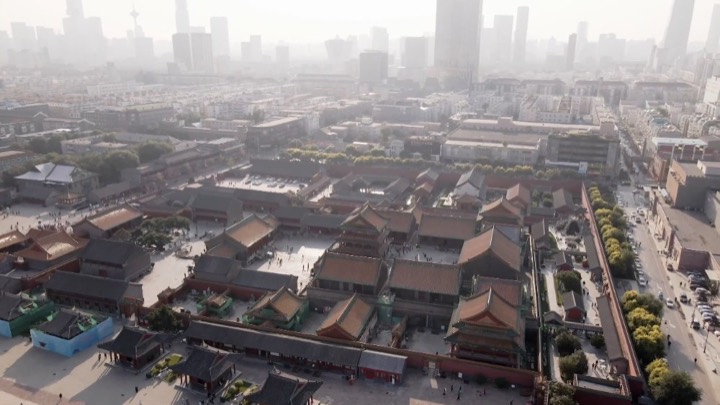
Before the Forbidden City, there was Shenyang. The Mukden Palace preserves the ceremonial architecture of the early Qing rulers, a blend of Manchu, Han and Mongol traditions listed as World Heritage.

View details →
The Forbidden City — Part 1
HistoryChina

The Forbidden City — Part 1

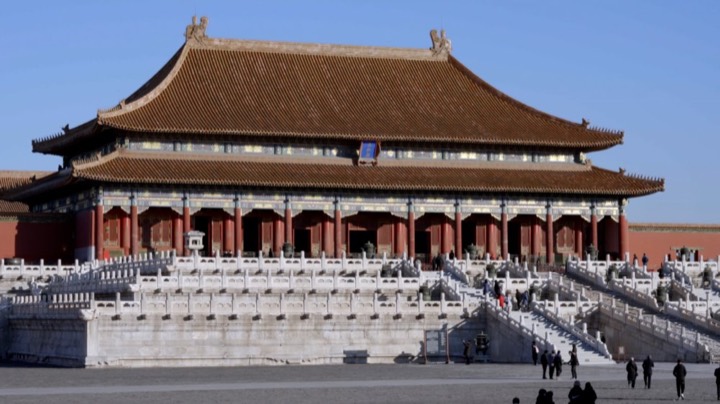
Moat, gates, marble terraces and the great ceremonial halls: the first part follows the Forbidden City along its imperial axis, from the outer defences to the throne of the Hall of Supreme Harmony.

View details →
The Forbidden City — Part 2
HistoryChina

The Forbidden City — Part 2

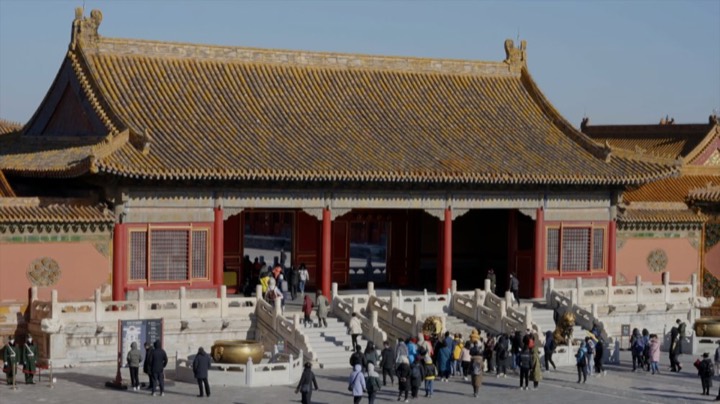
The second part moves past the ceremonial halls into the inner court, the residential palaces, the gardens and the collections, where the daily life of the imperial household comes into focus.

View details →
Cartagena de Indias
HistoryColombia

Cartagena de Indias

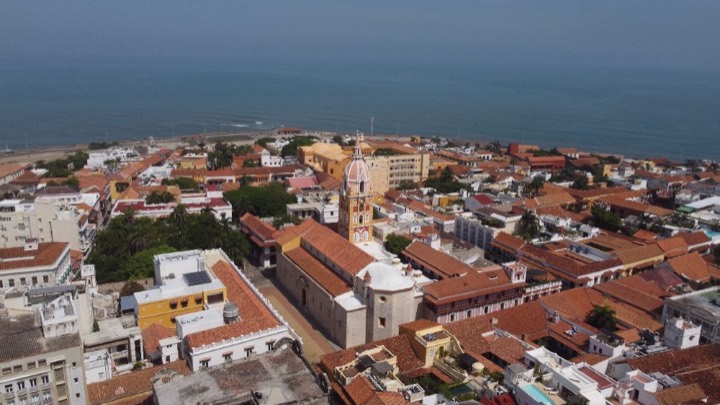
Walls, bastions and a fortress on the hill protect a colonial city of balconies, plazas and churches. Cartagena de Indias, inscribed on the World Heritage List, is filmed as port, stronghold and living town.

View details →
Tauric Chersonesos
ArchaeologyCrimea

Tauric Chersonesos

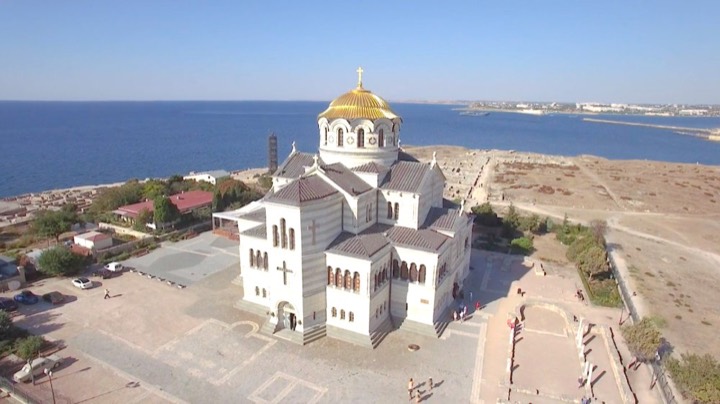
Founded by Greek settlers and inhabited for close to two millennia, Tauric Chersonesos preserves streets, walls, a theatre and basilica columns above the sea. A World Heritage site.

View details →
Prague, the Historic City
HistoryCzechia

Prague, the Historic City

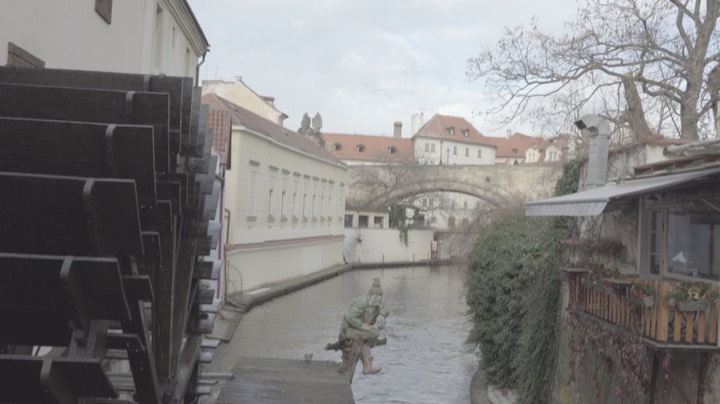
From the castle above the Vltava to the Charles Bridge and the Old Town Square, Prague offers a thousand years of European architecture in a single walk. A World Heritage centre.

View details →
The Church of El Carmen Alto
Sacred SitesEcuador

The Church of El Carmen Alto

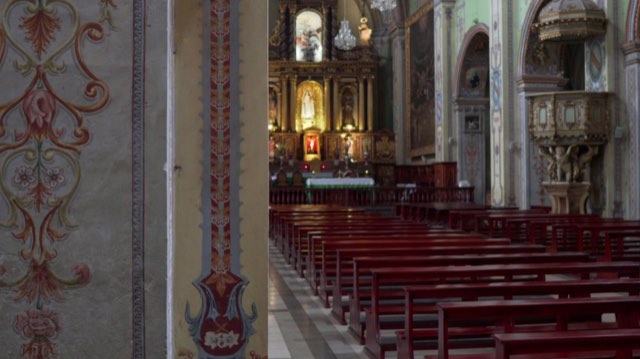
A Carmelite church and convent in Quito's old city, where enclosed religious life left behind altarpieces, painted images and the discreet architecture of separation.

View details →
The Church and Convent of Saint Augustine
Sacred SitesEcuador

The Church and Convent of Saint Augustine

An Augustinian church and cloister in the World Heritage centre of Quito, whose chapter house is remembered as the room where Ecuador's act of independence was signed.

View details →
The Church and Monastery of Saint Francis
Sacred SitesEcuador

The Church and Monastery of Saint Francis

Begun soon after the Spanish founding of Quito, San Francisco covers an entire quarter: church, cloisters, chapels and a great atrium, filled with the art of the Quito school.

View details →
The Church of the Society of Jesus
Sacred SitesEcuador

The Church of the Society of Jesus

A carved volcanic-stone facade with twisted columns, and an interior of gilded vaults and altarpieces: La Compania is the most spectacular Baroque church of the Andes.

View details →
The Metropolitan Cathedral of Quito
Sacred SitesEcuador

The Metropolitan Cathedral of Quito

Facing the Plaza Grande, the Metropolitan Cathedral is one of the oldest in South America, a layered building of chapels, altarpieces and tombs at the centre of Ecuadorian history.

View details →
Quito, the Historic City — Part 1
CultureEcuador

Quito, the Historic City — Part 1

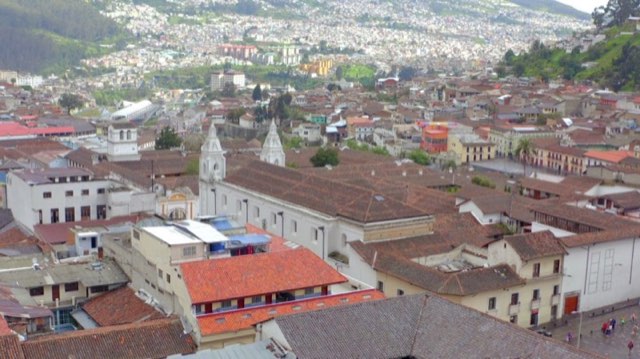
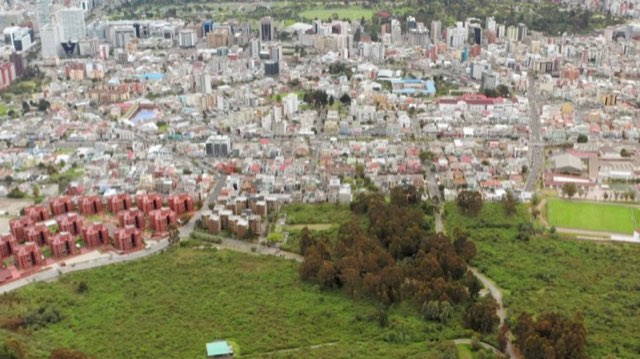
Set high in the Andes, Quito's historic core is one of the first sites ever inscribed on the World Heritage List. Part one follows its squares, churches and monumental architecture.

View details →
Quito, the Historic City — Part 2
CultureEcuador

Quito, the Historic City — Part 2

Part two leaves the great squares for the working city: stepped streets, markets, workshops, festivals and the neighbourhoods that keep Quito's historic centre inhabited.

View details →
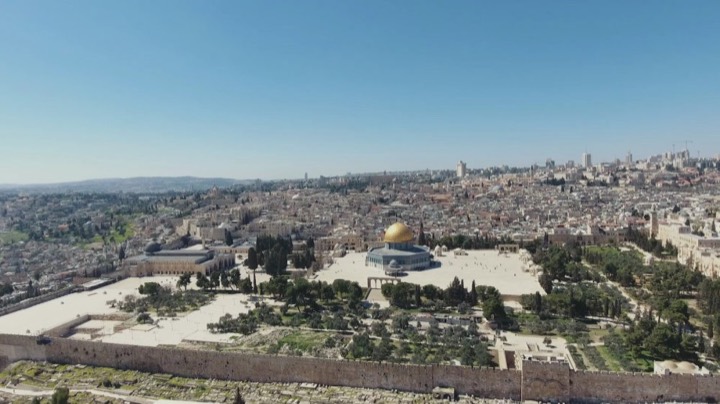
The Giza Pyramid Complex
ArchaeologyEgypt

The Giza Pyramid Complex

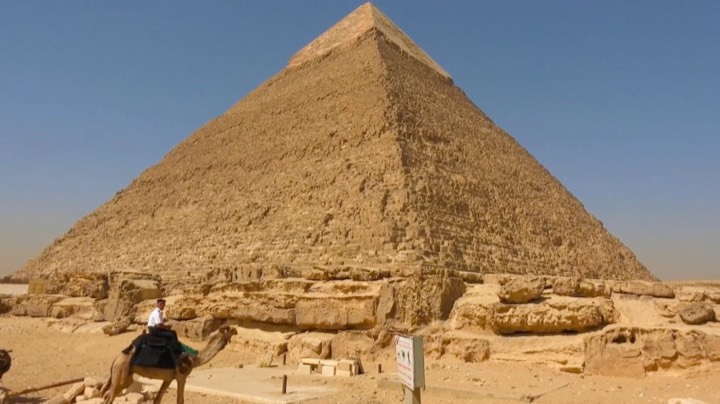
Three pyramids, the Sphinx, temples and causeways: the Giza plateau remains the most ambitious funerary landscape ever built, and a World Heritage site of unmatched recognition.

View details →
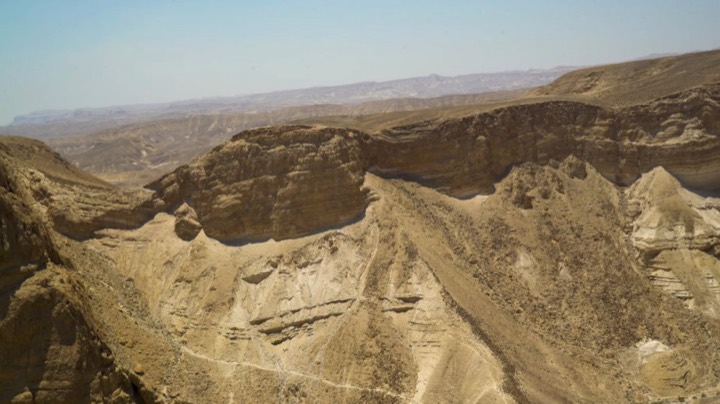
Gelati Monastery
Sacred SitesGeorgia

Gelati Monastery

Founded by King David the Builder, Gelati was conceived as both a monastery and a centre of learning. Its mosaics and wall paintings survive as one of the outstanding ensembles of medieval Georgian art, on the World Heritage List.

View details →
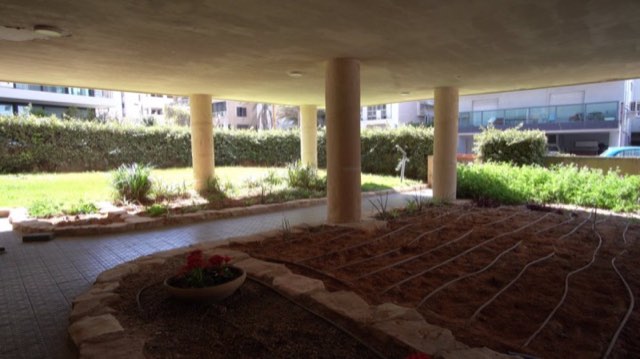
Jvari Monastery, Mtskheta
Sacred SitesGeorgia

Jvari Monastery, Mtskheta

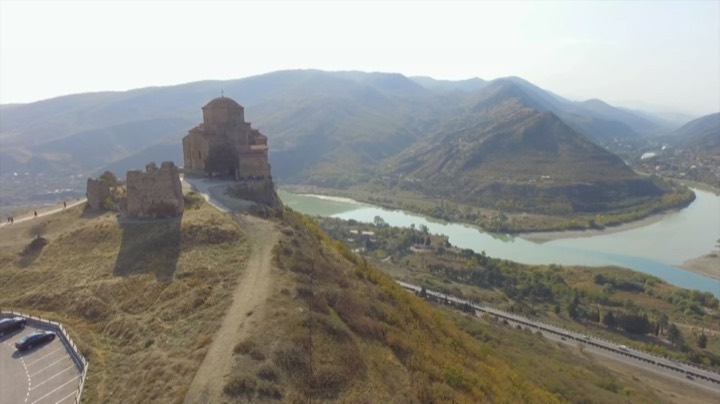
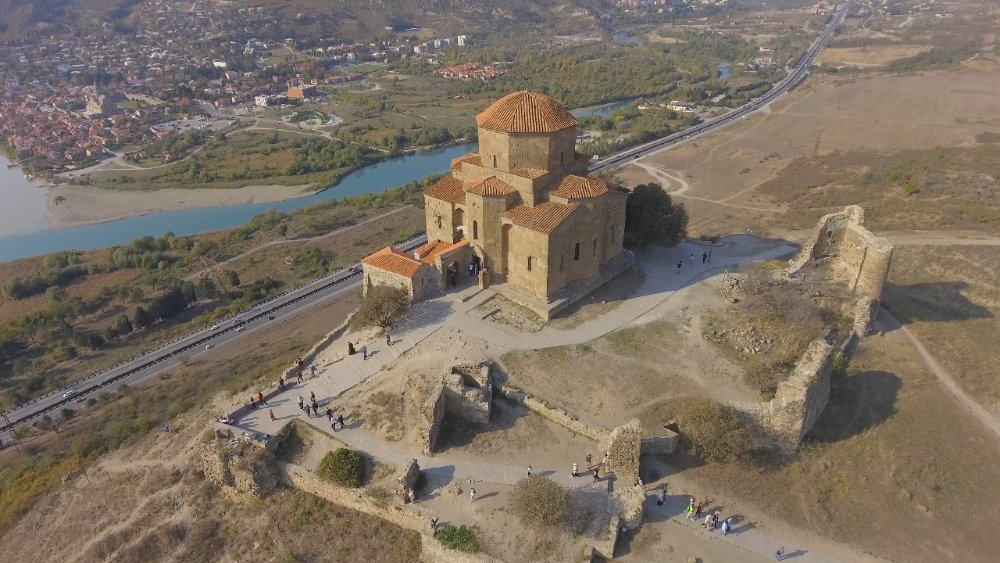
Set on a rocky ridge above the confluence of the Kura and Aragvi, Jvari is one of the earliest surviving Georgian churches and a model for those that followed. It belongs to the World Heritage site of Mtskheta.

View details →
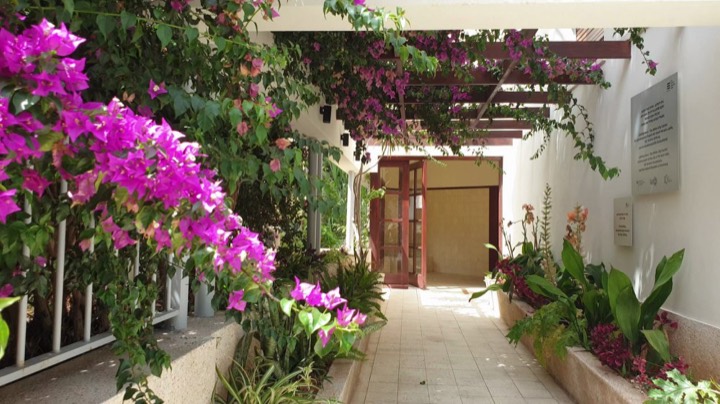
Arkadi Monastery
Sacred SitesGreece

Arkadi Monastery

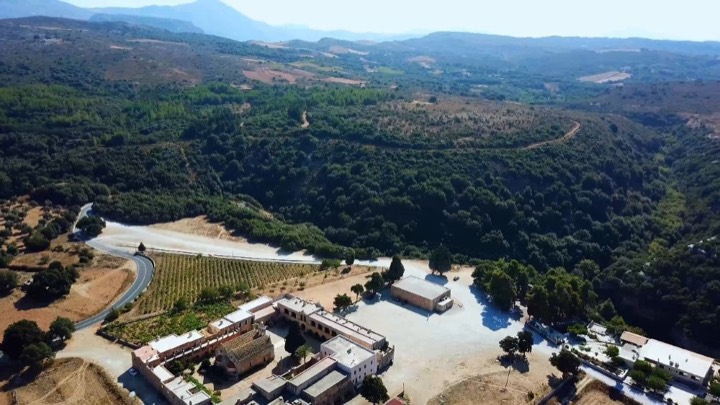
On a plateau south of Rethymno, Arkadi is known for two things: the Venetian Renaissance facade of its church, and the events of 1866, when the monastery became the emblem of the Cretan struggle against Ottoman rule.

View details →
The Cave of the Apocalypse, Patmos
Sacred SitesGreece

The Cave of the Apocalypse, Patmos

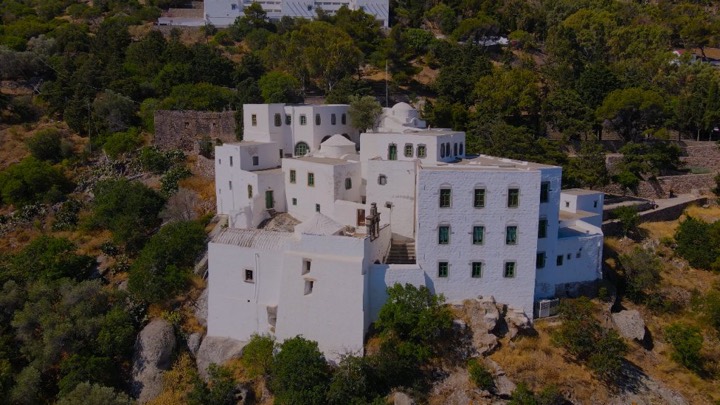
On the slope between the harbour and the hilltop monastery, a small grotto is venerated as the place where John received the visions of the Book of Revelation. It lies at the heart of the World Heritage site of Patmos.

View details →
Prambanan Temple
Sacred SitesIndonesia

Prambanan Temple

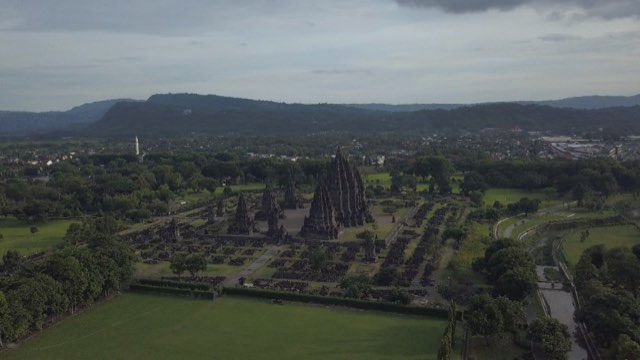
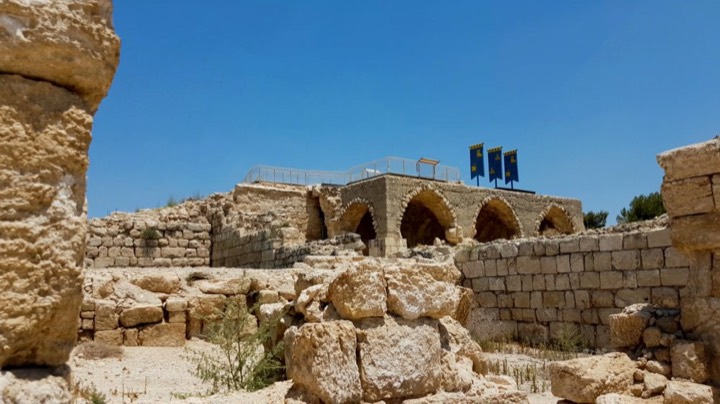
Built in the ninth century in central Java, Prambanan is the largest Hindu temple compound in Indonesia. Its soaring shrines to Shiva, Vishnu and Brahma are carved with a full narrative cycle of the Ramayana.

View details →
Acre: Six Thousand Years of History
HistoryIsrael

Acre: Six Thousand Years of History

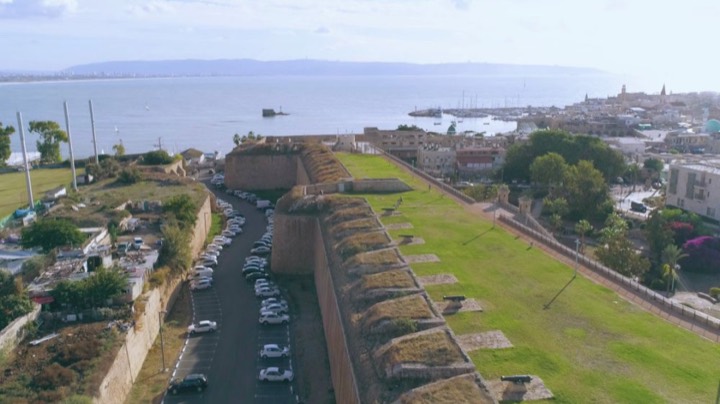
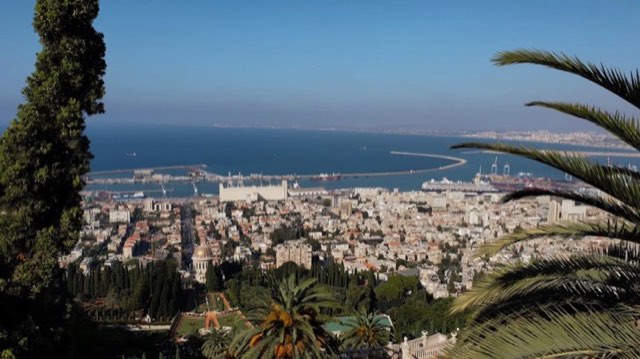
Acre is one of the rare places where a medieval city survives almost intact beneath a later one. Below the Ottoman streets and mosques of the walled town lie the vaulted halls of the Crusader capital, rediscovered and excavated over the last century.

View details →
Avdat, Nabataean City of the Negev
ArchaeologyIsrael

Avdat, Nabataean City of the Negev

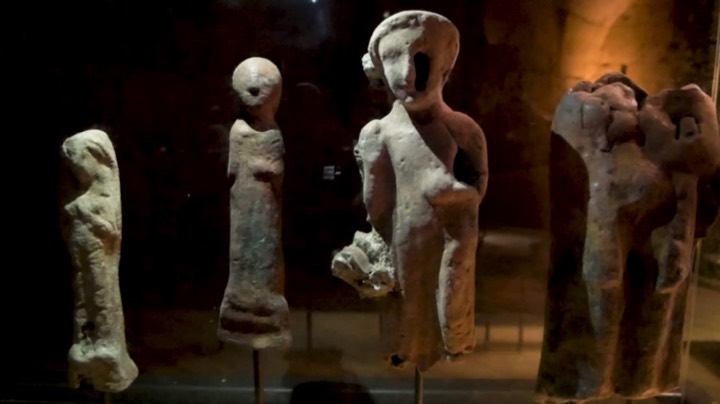
Rising on a spur above the Negev desert, Avdat was one of the staging cities of the Nabataean incense route and later a Roman and Byzantine town. Its acropolis, churches, wine press and terraced fields are inscribed on the World Heritage List.

View details →
Beit Guvrin: The Land of a Thousand Caves
ArchaeologyIsrael

Beit Guvrin: The Land of a Thousand Caves

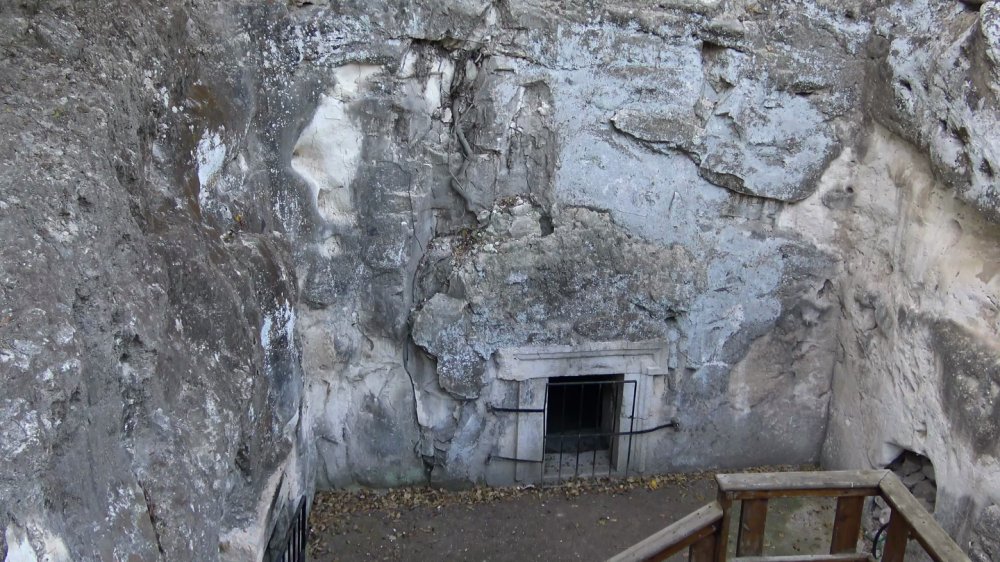
Beneath the soft chalk hills of the Judean lowlands lies a honeycomb of man-made caves: quarries with domed ceilings, columbaria, oil presses, cisterns and painted burial chambers. The site is inscribed on the World Heritage List.

View details →
Beit She'arim: A Necropolis of Jewish Renewal
ArchaeologyIsrael

Beit She'arim: A Necropolis of Jewish Renewal

Carved into the limestone of the Lower Galilee, the burial caves of Beit She'arim hold hundreds of sarcophagi and inscriptions in Hebrew, Aramaic and Greek. The necropolis is inscribed on the World Heritage List as a landmark of Jewish renewal.

View details →
The Church of the Holy Sepulchre
Sacred SitesIsrael

The Church of the Holy Sepulchre

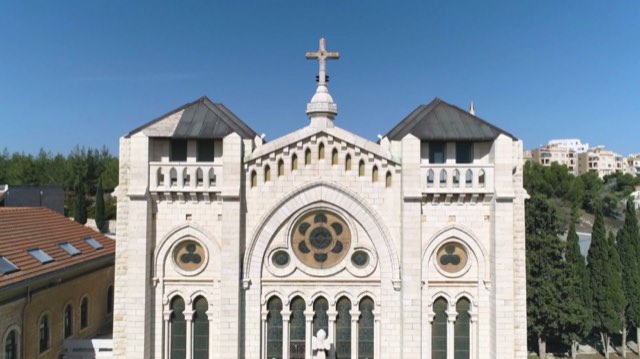
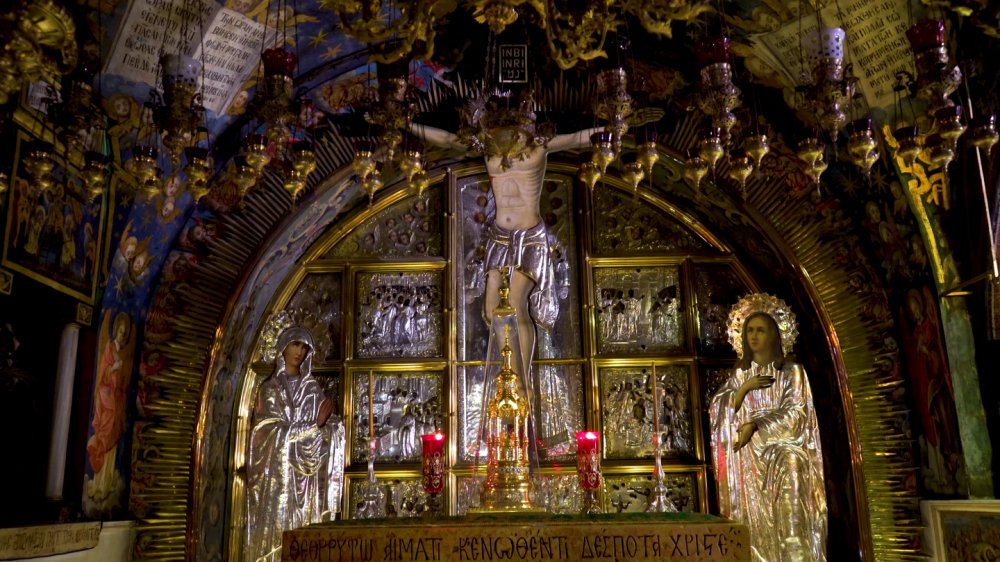
In the heart of Jerusalem's Old City, the Holy Sepulchre encloses both the rock of Golgotha and the tomb venerated as that of Christ. Six Christian communities share the building under an arrangement that fixes every stone and every hour.

View details →
The Church of the Nativity, Bethlehem
Sacred SitesIsrael

The Church of the Nativity, Bethlehem

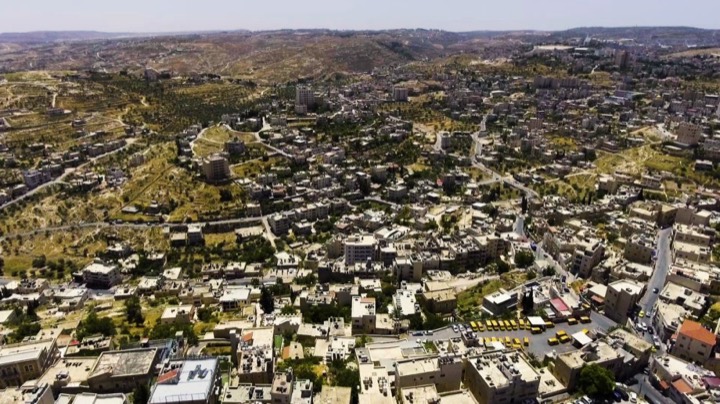
One of the oldest churches still in use, the Basilica of the Nativity in Bethlehem stands over the grotto venerated as the birthplace of Jesus. Entered through a door barely a metre and a half high, it is inscribed on the World Heritage List.

View details →
El-Jazzar: The White Mosque of Acre
ArchitectureIsrael

El-Jazzar: The White Mosque of Acre

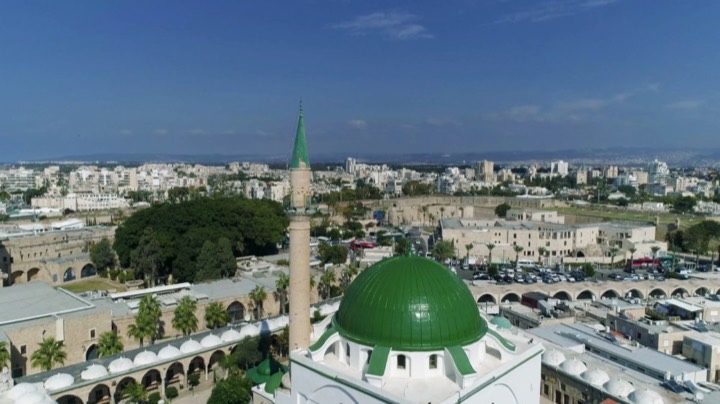
Rising above the roofs of old Acre, the mosque built by Ahmed Pasha al-Jazzar is the largest in the country outside Jerusalem. Its arcaded courtyard, fountains and reused antique columns anchor a walled city inscribed on the UNESCO World Heritage List.

View details →
Mamshit: A Nabataean City in the Negev
ArchaeologyIsrael

Mamshit: A Nabataean City in the Negev

Among the best-preserved of the Negev desert towns, Mamshit shows the Nabataean city in detail: stairways, arched houses, painted rooms, Byzantine churches with mosaics, and the dams that captured the winter floods.

View details →
Masada: The Palace of King Herod
ArchaeologyIsrael

Masada: The Palace of King Herod

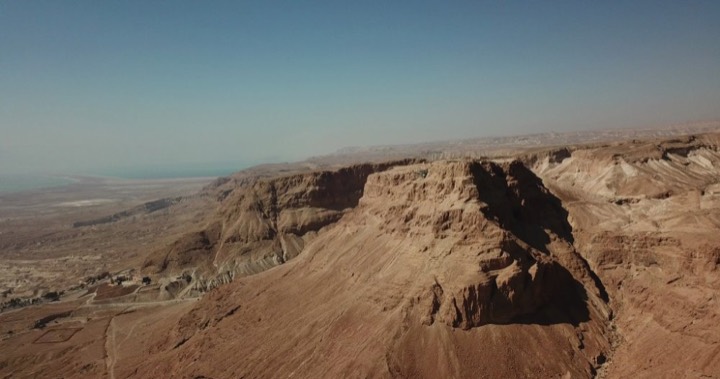
On an isolated plateau above the Dead Sea, Herod's fortified palace descends the cliff in three terraces. Below, the Roman camps and siege ramp remain visible — one of the most complete battlefields of antiquity.

View details →
Shivta: A Byzantine City in the Negev
ArchaeologyIsrael

Shivta: A Byzantine City in the Negev

Standing alone in the Negev, Shivta preserves the plan of a desert town with its churches, streets, houses and remarkable water systems. Part of the World Heritage landscape of the Negev desert cities, it shows how life was engineered in an arid land.

View details →
The White City of Tel Aviv: Bauhaus on the Mediterranean
ArchitectureIsrael

The White City of Tel Aviv: Bauhaus on the Mediterranean

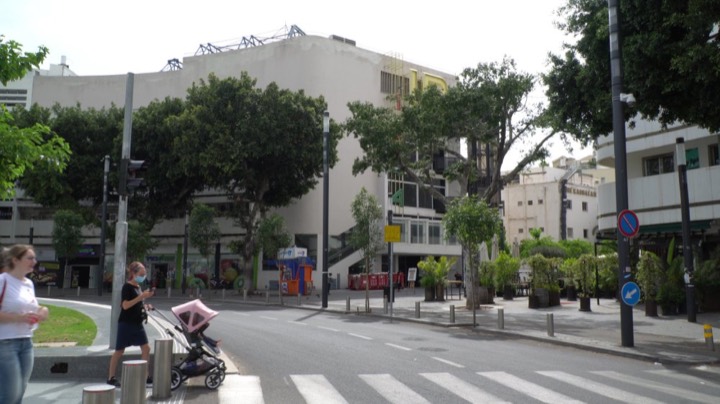
Tel Aviv holds one of the largest concentrations of International Style architecture in the world. Balconies, ribbon windows, curved corners and raised pilotis form a coherent modernist city, recognised as a World Heritage site.

View details →
Tel Be'er Sheva
ArchaeologyIsrael

Tel Be'er Sheva

Overlooking the Negev, Tel Be'er Sheva preserves the plan of an Iron Age town built to a deliberate design: a ring of houses inside the wall, a gate, storehouses and a remarkable underground water system. It belongs to the World Heritage Biblical Tels.

View details →
Tel Megiddo: The Hill of Armageddon
ArchaeologyIsrael

Tel Megiddo: The Hill of Armageddon

Guarding the pass into the Jezreel Valley, Megiddo piled city upon city over millennia. Its gates, palaces, grain silo and rock-cut water tunnel make it one of the key archaeological sites of the Near East — and the origin of the name Armageddon.

View details →
The Bahá'í Gardens of Haifa
Sacred SitesIsrael

The Bahá'í Gardens of Haifa

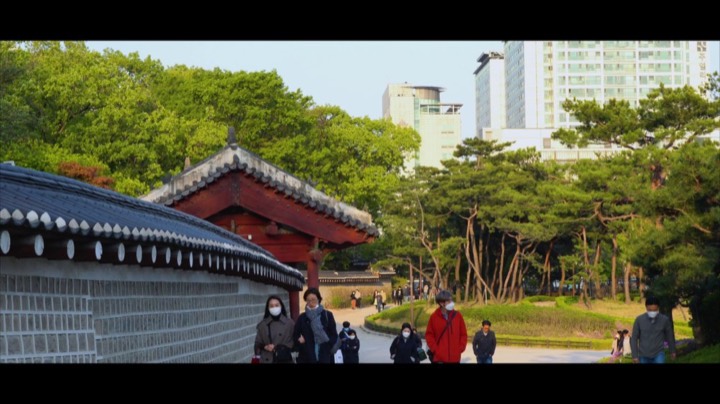
Descending the slope of Mount Carmel in nineteen terraces, the Bahá'í Gardens frame the golden-domed Shrine of the Báb above the bay of Haifa. A World Heritage site and one of the most rigorously composed designed landscapes in the world.

View details →
The Hospitaller Fortress of Acre
HistoryIsrael

The Hospitaller Fortress of Acre

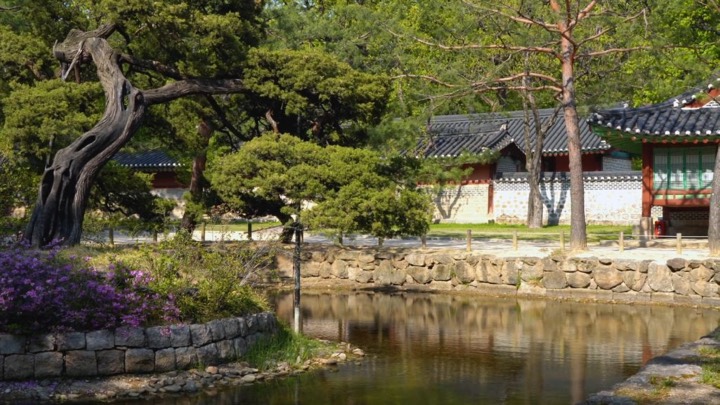
Under the streets of Acre lies the fortress of the Knights Hospitaller: a complex of vaulted halls, courtyards and passages buried when the Ottoman city was built above it, and now excavated. It is a highlight of the World Heritage old city.

View details →
The Via Dolorosa: Jerusalem's Way of the Cross
Sacred SitesIsrael

The Via Dolorosa: Jerusalem's Way of the Cross

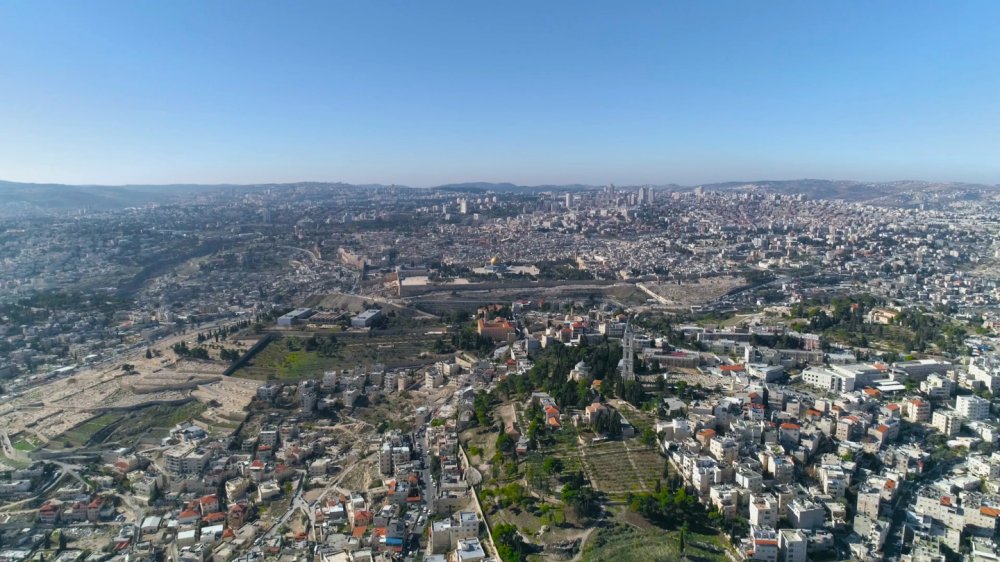
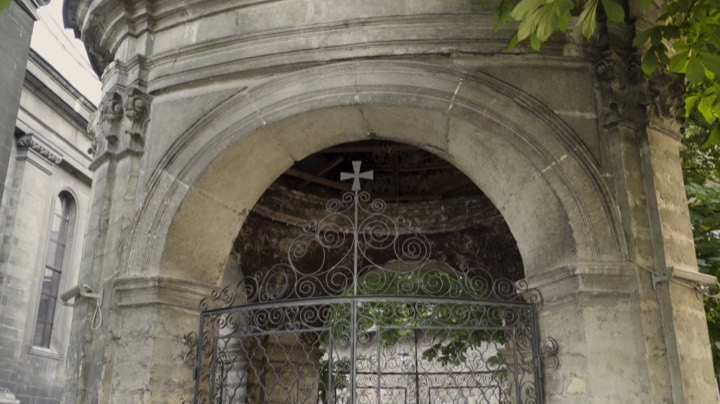
From the Lions' Gate to the Church of the Holy Sepulchre, the Via Dolorosa threads the covered souks and stone lanes of the Old City of Jerusalem. Marked by fourteen Stations of the Cross, it is walked by pilgrims from every continent.

View details →
Alberobello: The Trulli of Puglia
ArchitectureItaly

Alberobello: The Trulli of Puglia

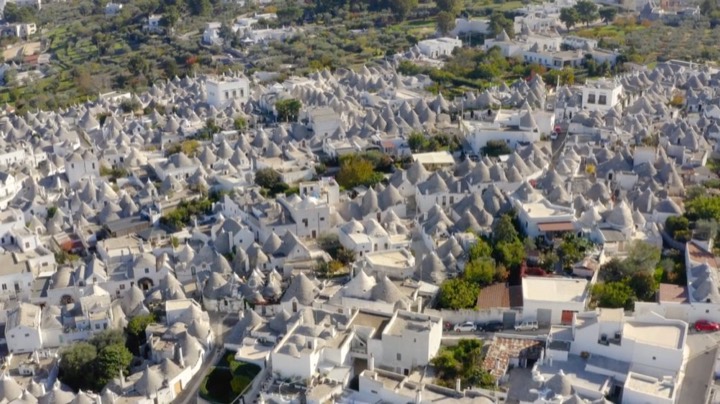
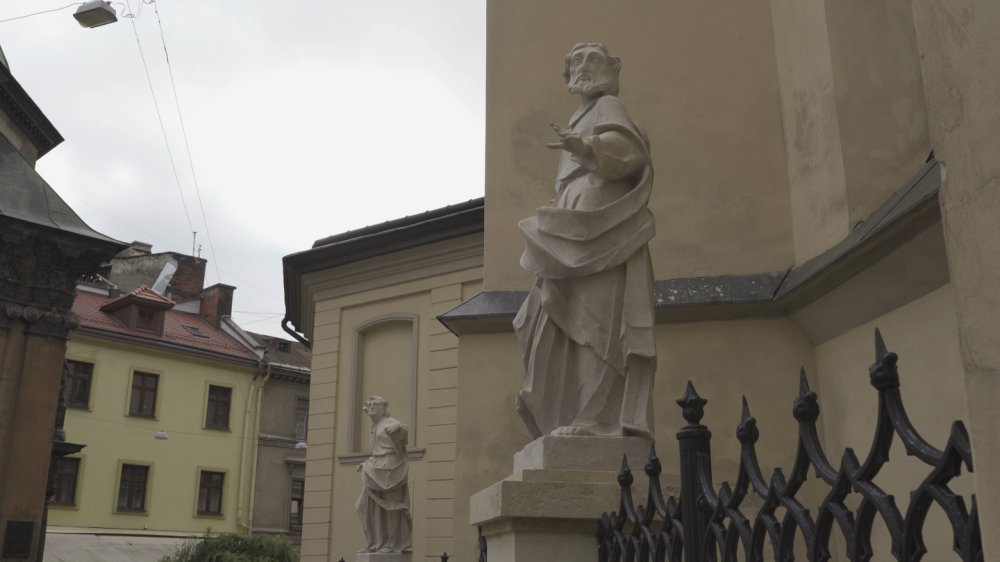
In the Itria Valley of Puglia, Alberobello preserves entire districts of trulli — whitewashed dwellings roofed with corbelled cones of dry-laid limestone. Listed by UNESCO, the town is the most complete survival of a vernacular building technique.

View details →
Venice — Part 1
HistoryItaly

Venice — Part 1

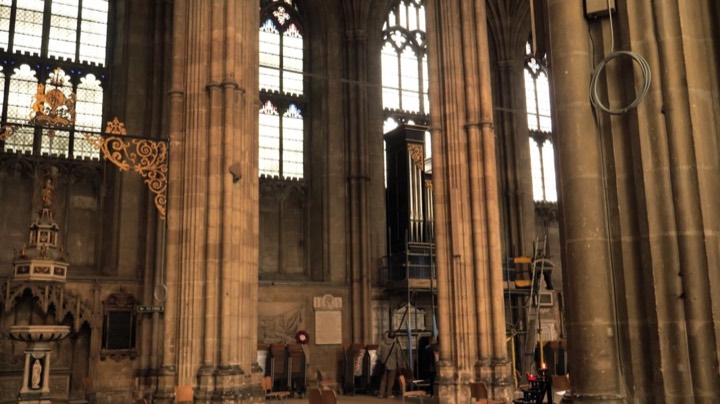
No city has been more filmed and fewer are better understood. This first part looks at how Venice came to exist: a settlement on the islands of a lagoon, built on forests of wooden piles, whose geography dictated its architecture and its power.

View details →
Venice — Part 2
HistoryItaly

Venice — Part 2

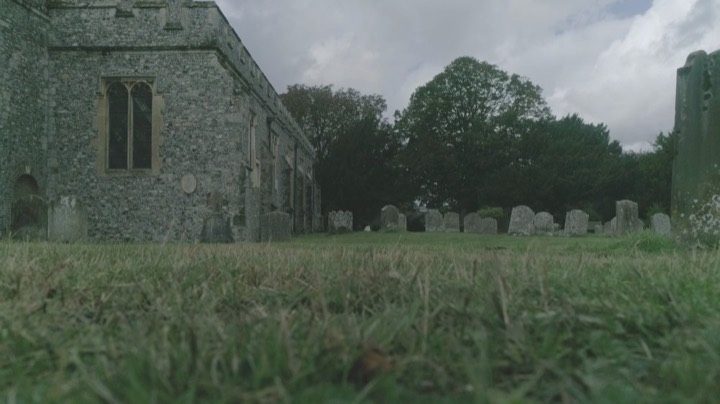
The second part turns to the Serenissima: the republic that ruled the eastern Mediterranean for centuries, and the palaces, churches and public buildings in which its wealth, its institutions and its taste took visible form.

View details →
Venice — Part 3
HistoryItaly

Venice — Part 3

The third part leaves the main routes for the quieter Venice: working canals, neighbourhood squares, artisans' workshops and the lagoon islands — together with the pressures of high water, depopulation and mass tourism that the city faces today.

View details →
The Ducal Palace of Urbino
ArchitectureItaly

The Ducal Palace of Urbino

Raised for Federico da Montefeltro, the Ducal Palace of Urbino is a defining building of the Italian Renaissance: the twin-turreted façade, the luminous courtyard, and the studiolo lined with trompe-l'œil marquetry. It now houses the Galleria Nazionale delle Marche.

View details →
Santa Maria delle Grazie, Milan
Sacred SitesItaly

Santa Maria delle Grazie, Milan

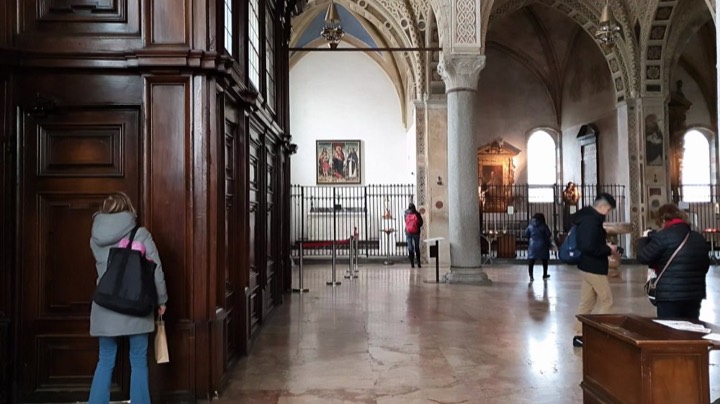
The Dominican church of Santa Maria delle Grazie combines a Gothic nave with the vast domed tribune attributed to Bramante. In the adjoining refectory, Leonardo da Vinci painted the Last Supper — together, a UNESCO World Heritage site at the heart of Milan.

View details →
The Sassi of Matera
HistoryItaly

The Sassi of Matera

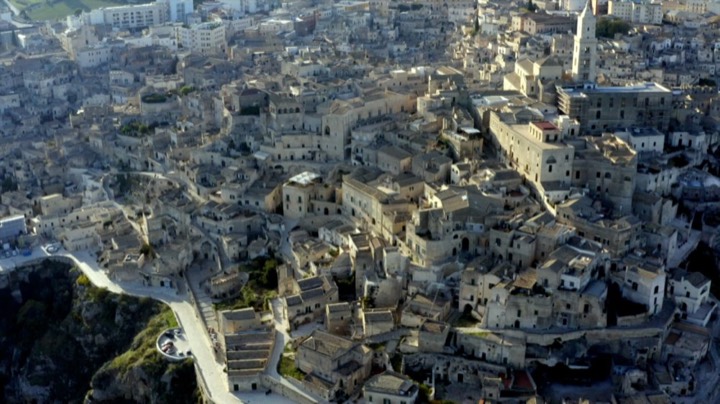
Matera's Sassi are two districts of dwellings cut into the limestone of a ravine in Basilicata, inhabited for millennia. Emptied by law in the twentieth century after the poverty of its cave houses became a national scandal, the site is now a rebuilt city.

View details →
Luang Prabang, the Royal Town
CultureLaos

Luang Prabang, the Royal Town

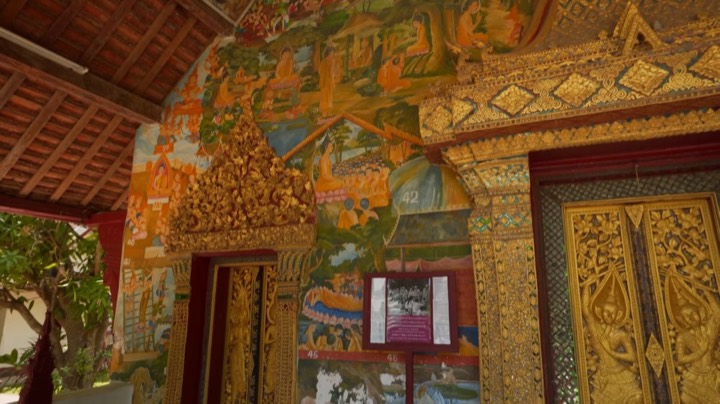
Set on a peninsula where the Nam Khan meets the Mekong, Luang Prabang was the royal capital of Laos. Its inscription on the World Heritage List recognises a rare fusion of Lao monastic architecture and French colonial urbanism.

View details →
Wat Aham, Luang Prabang
Sacred SitesLaos

Wat Aham, Luang Prabang

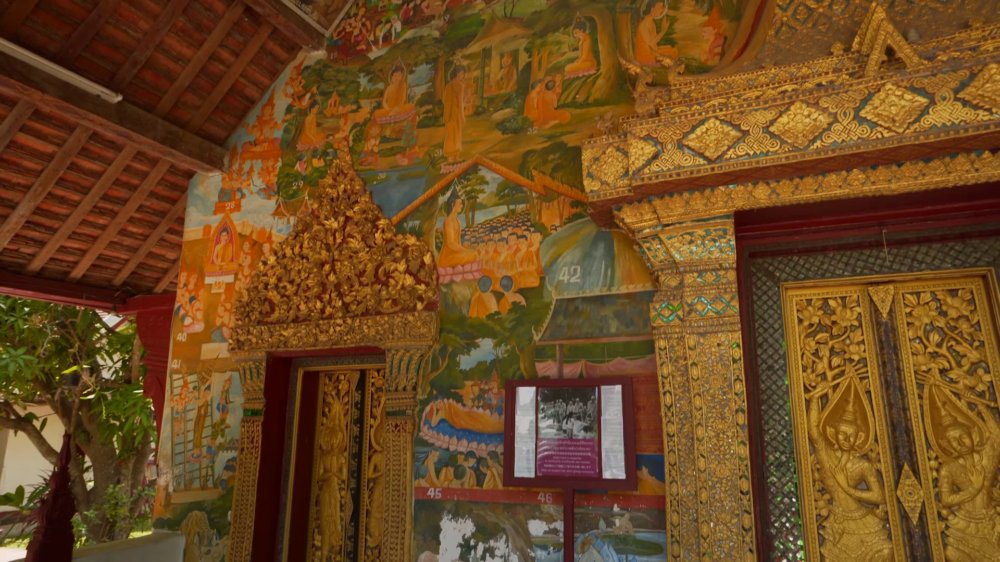
In the historic heart of Luang Prabang, Wat Aham stands beside its larger neighbour under the shade of enormous banyans. The site is closely associated with the guardian spirits of the town, whose cult continues alongside Buddhist practice.

View details →
Wat Choum Khong and the Morning Market
Sacred SitesLaos

Wat Choum Khong and the Morning Market

Wat Choum Khong is a small, garden-filled monastery on the Luang Prabang peninsula. A short walk away, the morning market fills the streets at first light. Together they compose a portrait of how the town begins its day.

View details →
Wat Hosian Voravihane, Luang Prabang
Sacred SitesLaos

Wat Hosian Voravihane, Luang Prabang

In Luang Prabang, a monastery opens its courtyard, its ordination hall and its everyday routine to the camera. An unhurried observation of Lao Buddhist architecture and of the community that maintains it.

View details →
Wat Sensoukaram, Luang Prabang
Sacred SitesLaos

Wat Sensoukaram, Luang Prabang

On the main street of the Luang Prabang peninsula, Wat Sensoukaram presents a facade of deep red and gold that stops every passer-by. Behind it lies an active monastery in the heart of the World Heritage town.

View details →
Penang, Crossroads of the Straits
CultureMalaysia

Penang, Crossroads of the Straits

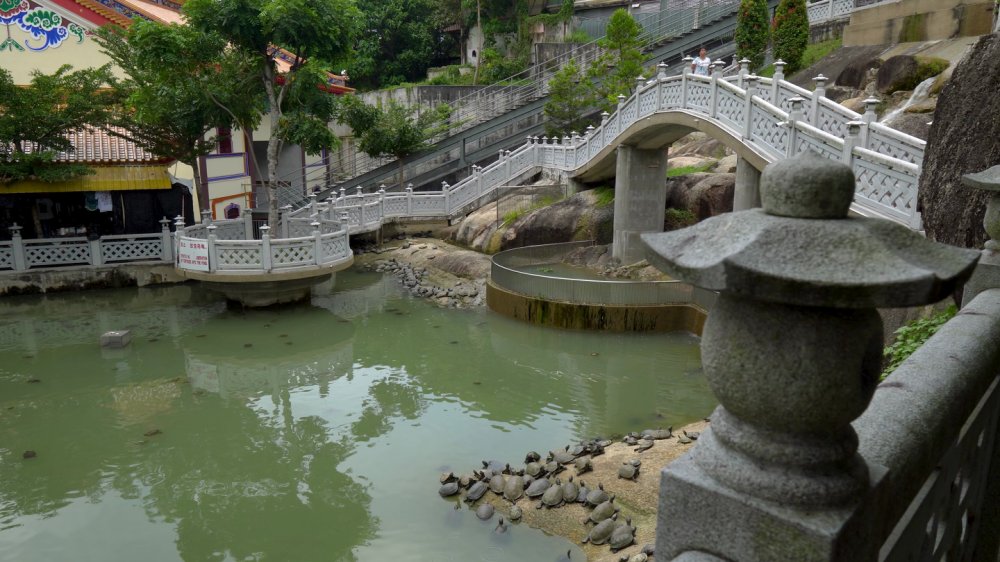
On Malaysia's north-west coast, Penang and its historic capital George Town form a World Heritage site. Chinese clan houses, mosques, Hindu temples and British colonial buildings stand within minutes of one another.

View details →
Saint George's Island, Perast and Risan
HistoryMontenegro

Saint George's Island, Perast and Risan

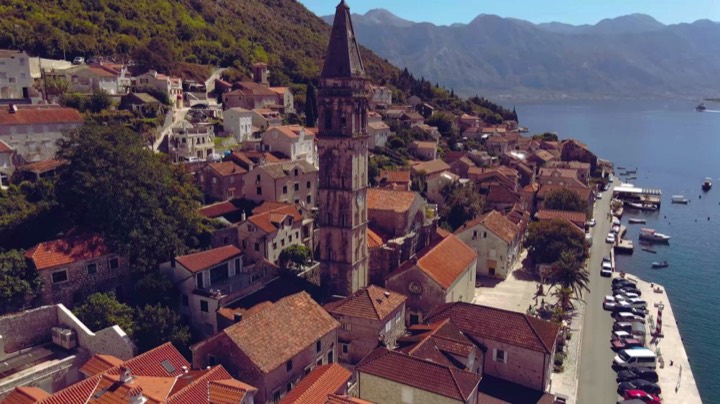
On the Bay of Kotor, the island of Saint George faces its celebrated neighbour offshore from Perast, a town of Baroque palaces built by sea captains. Nearby Risan preserves Roman mosaics from a much older settlement.

View details →
Boudhanath Stupa
Sacred SitesNepal

Boudhanath Stupa

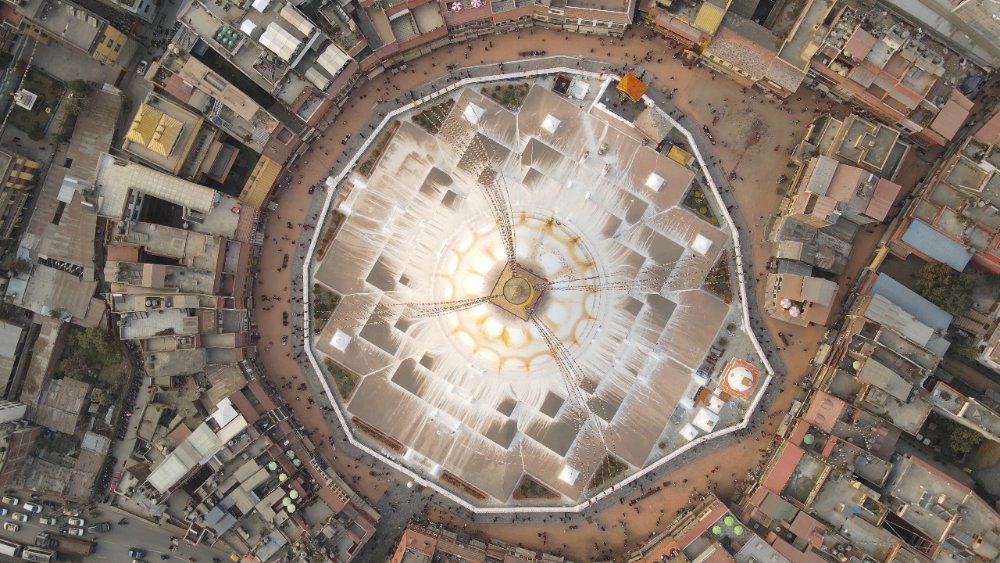
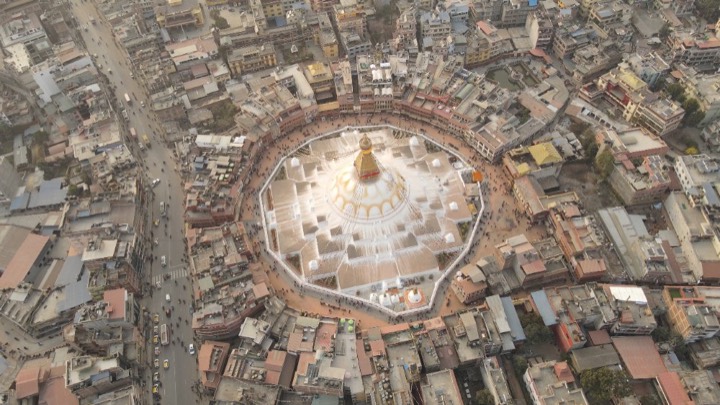
One of the largest stupas in the world, Boudhanath is the centre of Tibetan Buddhist life in Kathmandu. Pilgrims circle its white dome day and night beneath the painted eyes of the tower, in a World Heritage valley.

View details →
Swayambhunath
Sacred SitesNepal

Swayambhunath

Crowning a hill west of Kathmandu, Swayambhunath is among the oldest and most venerated sanctuaries in Nepal. Reached by a long stairway, its stupa is a place of Buddhist and Hindu worship alike, within a World Heritage valley.

View details →
Ohrid, Lake of the Saints - Part Two
CultureNorth Macedonia

Ohrid, Lake of the Saints - Part Two

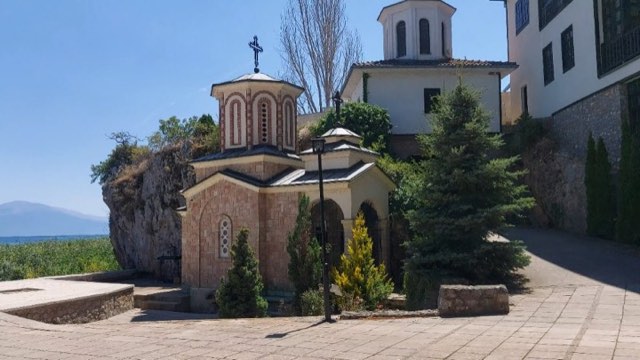
The Ohrid region, in North Macedonia, is inscribed on the World Heritage List for both its natural and its cultural value. This second film continues the exploration of its churches, monasteries, fortress and shoreline.

View details →
Lahore Fort
HistoryPakistan

Lahore Fort

Rebuilt by Akbar and enlarged by three of his successors, Lahore Fort gathers audience halls, marble pavilions and mirrored chambers behind monumental walls. Four centuries of Mughal ambition, craftsmanship and conquest remain legible across a single citadel.

View details →
Lima Cathedral and the Plaza Mayor
Sacred SitesPeru

Lima Cathedral and the Plaza Mayor

Lima's Plaza Mayor was traced out when the city was founded in 1535, and its cathedral has been rebuilt again and again after the earthquakes that punctuate Peruvian history. Together they form the ceremonial heart of the capital's historic centre.

View details →
Corpus Christi Basilica, Krakow
Sacred SitesPoland

Corpus Christi Basilica, Krakow

Founded in the fourteenth century by Casimir the Great in the town that bears his name, Corpus Christi Basilica dominates Krakow's Kazimierz district with its tall Gothic brick nave and its later Baroque furnishings.

View details →
Krakow, the Royal City - Part One
CulturePoland

Krakow, the Royal City - Part One

First part of a portrait of Krakow, Poland's former royal capital. From Wawel hill to the largest medieval square in Europe, the film follows a city whose historic centre was among the earliest sites inscribed on the UNESCO World Heritage List.

View details →
Krakow, the Royal City - Part Two
CulturePoland

Krakow, the Royal City - Part Two

Second part of the Krakow portrait. Beyond the Main Market Square, the film explores Kazimierz, the university quarter and the churches, palaces and courtyards that make the old city one of Europe's most complete historic ensembles.

View details →
The Old Synagogue, Krakow
Sacred SitesPoland

The Old Synagogue, Krakow

In Krakow's Kazimierz district stands the oldest synagogue building preserved in Poland. Medieval in origin and remodelled in the Renaissance, it now houses a museum devoted to the history and ritual life of the city's Jewish community.

View details →
The Church of Saints Peter and Paul, Krakow
Sacred SitesPoland

The Church of Saints Peter and Paul, Krakow

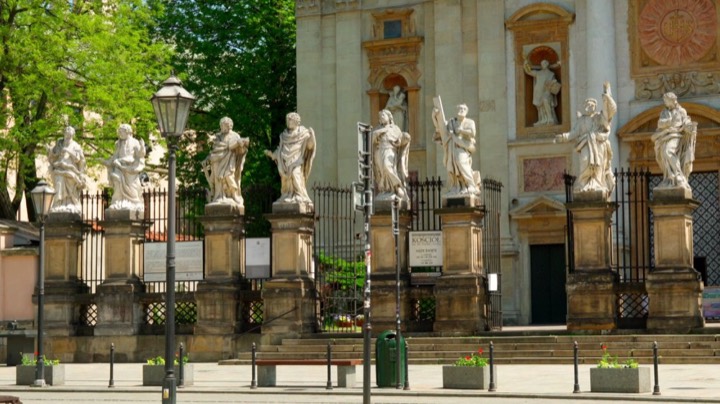
Built for the Jesuits on Grodzka Street, Saints Peter and Paul introduced Baroque architecture to Krakow. Behind the twelve apostle figures lining its forecourt railing lie a domed crossing and an interior of austere white stucco.

View details →
The Church of Saint Andrew, Krakow
Sacred SitesPoland

The Church of Saint Andrew, Krakow

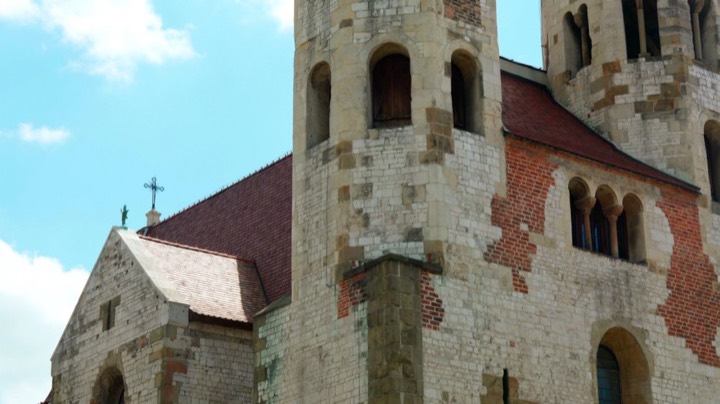
One of the oldest buildings in Krakow, Saint Andrew's rises on Grodzka Street with the thick walls, narrow openings and twin towers of a church built to be defended. Its severe exterior conceals a lavish later interior.

View details →
The Krakow Cloth Hall
ArchitecturePoland

The Krakow Cloth Hall

The Sukiennice has stood at the centre of Krakow's Main Market Square since the Middle Ages, first as a covered cloth market, later crowned with a Renaissance parapet and neo-Gothic arcades. Above the stalls hangs a major collection of Polish painting.

View details →
The Royal Castle of Warsaw
HistoryPoland

The Royal Castle of Warsaw

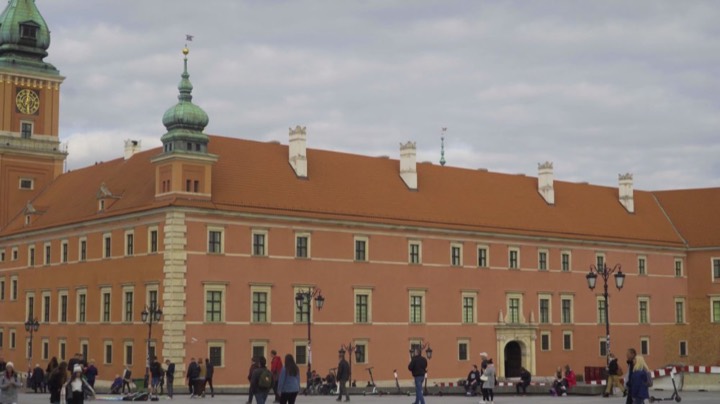
Seat of kings and of the Polish parliament, the Royal Castle saw the adoption of the Constitution of 3 May 1791. Destroyed by German forces during the war, it was reconstructed decades later and now anchors Warsaw's UNESCO-listed old town.

View details →
Warsaw, the City Rebuilt
CulturePoland

Warsaw, the City Rebuilt

Reduced to ruins at the end of the Second World War, Warsaw rebuilt its old town street by street from archives and old paintings. The result is a European capital whose historic heart is at once medieval in form and entirely twentieth-century in fabric.

View details →
The Palacio da Bolsa, Porto
ArchitecturePortugal

The Palacio da Bolsa, Porto

Built by the merchants of Porto as their stock exchange, the Palacio da Bolsa combines a glass-roofed neoclassical courtyard with the extraordinary Arab Room, a Moorish revival hall of carved and gilded arabesques.

View details →
Porto Cathedral
Sacred SitesPortugal

Porto Cathedral

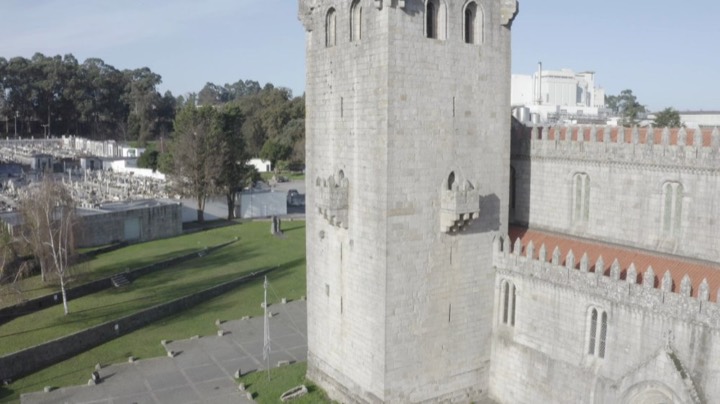
Massive, crenellated and set on the highest point of the old city, Porto Cathedral began as a Romanesque fortress-church in the twelfth century. Its Gothic cloister, tiled walls and silver altarpiece trace eight centuries of additions.

View details →
Bolgar, Capital of the Volga Bulgars
ArchaeologyRussia

Bolgar, Capital of the Volga Bulgars

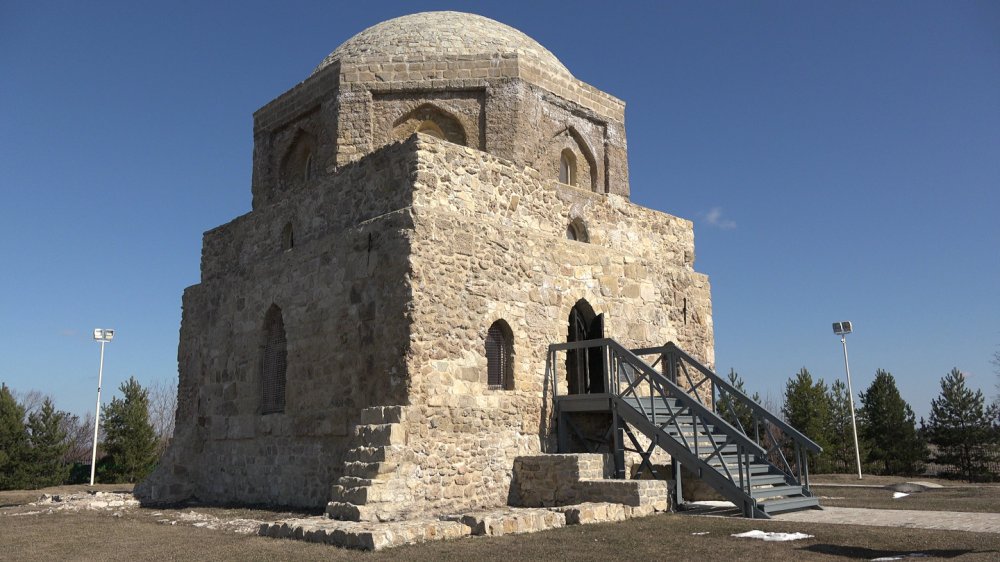
On the banks of the Volga in Tatarstan, the archaeological complex of Bolgar preserves the remains of the capital of Volga Bulgaria, whose rulers adopted Islam in the tenth century. The site is inscribed on the UNESCO World Heritage List.

View details →
The Church of the Ascension at Kolomenskoye
Sacred SitesRussia

The Church of the Ascension at Kolomenskoye

Built in 1532 in the royal estate of Kolomenskoye, this white church was the first masonry building in Russia crowned with a tented roof. Its soaring silhouette above the Moskva River is inscribed on the UNESCO World Heritage List.

View details →
The Kazan Kremlin
HistoryRussia

The Kazan Kremlin

Capital citadel of Tatarstan, the Kazan Kremlin encloses within its white limestone walls the Qol Sharif Mosque, the Annunciation Cathedral and the leaning Söyembikä Tower. A UNESCO World Heritage site where two civilisations occupy one enclosure.

View details →
Kizhi, the Wooden Churches of Lake Onega
Sacred SitesRussia

Kizhi, the Wooden Churches of Lake Onega

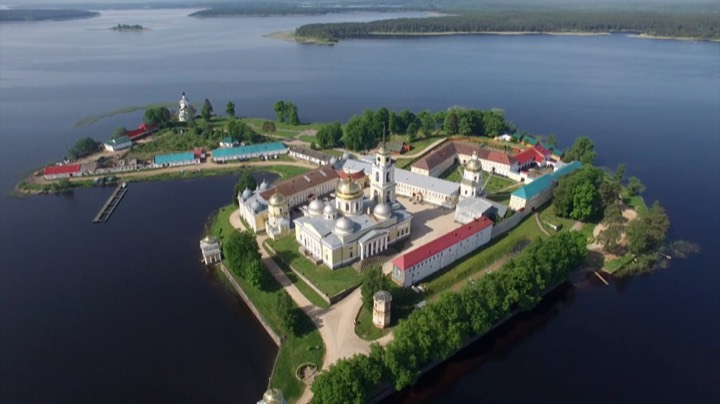
On an island in Lake Onega, the Kizhi Pogost brings together the Church of the Transfiguration and its twenty-two aspen-shingled domes, the Church of the Intercession and a bell tower. A UNESCO World Heritage masterpiece of Russian carpentry.

View details →
Pskov, City of Churches
CultureRussia

Pskov, City of Churches

On the Velikaya River, Pskov is one of the oldest cities in Russia and the home of a distinctive architectural school. Its whitewashed churches with their squat domes and open belfries are inscribed on the UNESCO World Heritage List.

View details →
The Solovetsky Monastery
Sacred SitesRussia

The Solovetsky Monastery

On the Solovetsky Islands in the White Sea, a monastery founded in the 15th century built walls of colossal boulders against the Arctic light. A UNESCO World Heritage site whose 20th-century history as a labour camp remains inseparable from it.

View details →
The Moscow Kremlin
HistoryRussia

The Moscow Kremlin

Behind its red brick walls and towers, rebuilt in the late 15th century by Italian architects, the Moscow Kremlin encloses Cathedral Square, the Ivan the Great Bell Tower and the palaces of Russian power. A UNESCO World Heritage site.

View details →
Gamzigrad: A Roman Palace in Eastern Serbia
ArchaeologySerbia

Gamzigrad: A Roman Palace in Eastern Serbia

Behind massive fortified walls in the hills of eastern Serbia lies a late Roman imperial residence, complete with mosaic floors, baths and temples. Excavation has turned a farmer's field into one of the region's key ancient sites.

View details →
Felix Romuliana: The Palace of Galerius
ArchaeologySerbia

Felix Romuliana: The Palace of Galerius

Galerius raised this fortified palace near his birthplace and gave it his mother's name. Temples, baths and mosaic halls stand within the walls, while the hill above holds the mausolea where mother and son were consecrated.

View details →
Mramorje: The Stećci of Perućac
ArchaeologySerbia

Mramorje: The Stećci of Perućac

The stećci are monumental medieval tombstones carved with rosettes, arcades and dancing figures. At Perućac, above the Drina, one of the finest necropolises survives - part of a group inscribed as World Heritage by four countries together.

View details →
Studenica Monastery
Sacred SitesSerbia

Studenica Monastery

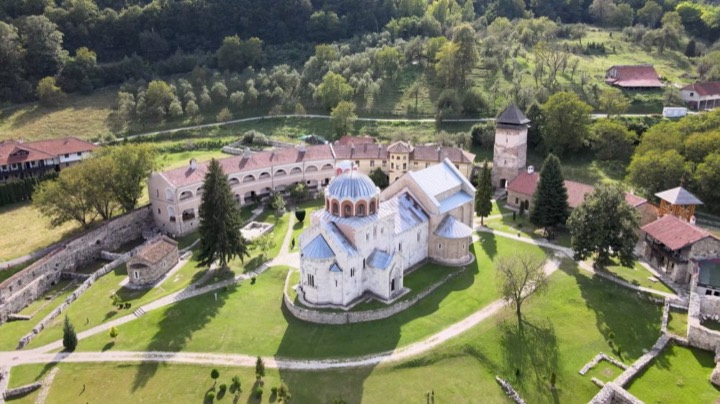
Founded by Stefan Nemanja, Studenica is the most important monastic ensemble of medieval Serbia. Behind its circular walls stand marble churches whose thirteenth and fourteenth-century frescoes rank among the finest in Byzantine art.

View details →
The Franja Partisan Hospital
HistorySlovenia

The Franja Partisan Hospital

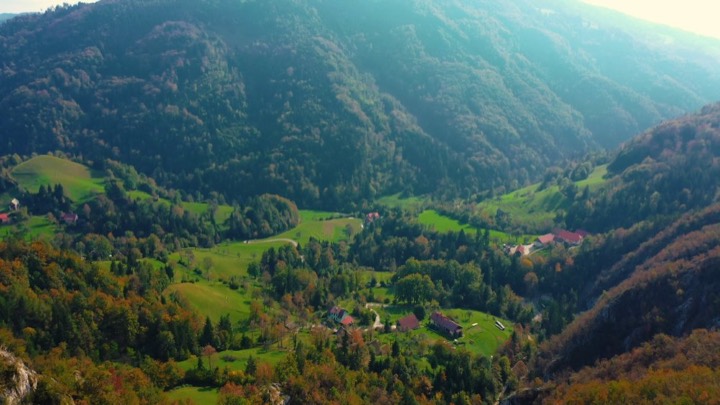
Concealed in a narrow ravine near Cerkno, this wartime partisan hospital treated the wounded of many nationalities under German occupation. Swept away by a flash flood, it has since been faithfully reconstructed.

View details →
Hwaseong Fortress
HistorySouth Korea

Hwaseong Fortress

Built at Suwon in the late eighteenth century by King Jeongjo, Hwaseong combines Korean and imported military engineering. Documented in exhaustive detail at the time, it could be restored precisely after wartime damage.

View details →
Jongmyo Shrine
Sacred SitesSouth Korea

Jongmyo Shrine

Jongmyo is the Confucian royal ancestral shrine of the Joseon dynasty. Its austere main hall, extended over generations into an immense colonnade, still hosts the ancestral rite with its music and dance.

View details →
The Bernardine Church and Monastery, Lviv
Sacred SitesUkraine

The Bernardine Church and Monastery, Lviv

Standing within the World Heritage-listed historic centre of Lviv, the Bernardine church and monastery form a fortified complex whose sober Renaissance-Mannerist facade rises to an exuberantly Baroque gable, with a free-standing bell tower alongside.

View details →
The Latin Cathedral of Lviv
Sacred SitesUkraine

The Latin Cathedral of Lviv

The Cathedral Basilica of the Assumption, known to everyone in Lviv as the Latin Cathedral, is the Gothic heart of a World Heritage city. Begun in the fourteenth century, it carries centuries of Baroque additions over its medieval frame.

View details →
Canterbury Cathedral
Sacred SitesUnited Kingdom

Canterbury Cathedral

Seat of the Archbishop of Canterbury and mother church of the Anglican Communion, Canterbury Cathedral has drawn pilgrims since the murder of Thomas Becket in 1170. Its Gothic quire and medieval glass anchor a World Heritage site.

View details →
St Martin's Church, Canterbury
Sacred SitesUnited Kingdom

St Martin's Church, Canterbury

Small, plain and astonishingly old, St Martin's is where a Frankish queen worshipped before the conversion of Anglo-Saxon Kent. Recognised as the oldest parish church in continuous use in the English-speaking world, it forms part of Canterbury's World Heritage Site.

View details →

Put our catalog on your screens

Tell us about your platform and your territories. Our sales team replies within one business day, with screeners and a proposal.

Contact