
Series

Castles and Fortresses

Fortified architecture across the catalogue: the castles of the Aosta Valley and Slovakia, the kremlins and frontier fortresses of Russia, the Danube strongholds of Serbia and Bulgaria, Lahore Fort and Hwaseong.

63 programs

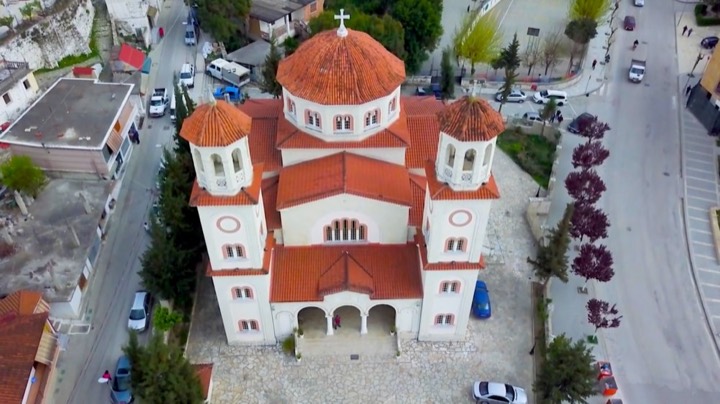
Preza Castle and the Mosque Within Its Walls
HistoryAlbania

Preza Castle and the Mosque Within Its Walls

Perched on a hill above the plain not far from Tirana, the castle of Preza keeps its walls and its tower, and shelters within them a small mosque with a slender minaret. Fortress and place of prayer share a single enclosure, and a commanding view of the country below.

View details →
Baba Vida and Castra Martis: Fortresses of the Danube
HistoryBulgaria

Baba Vida and Castra Martis: Fortresses of the Danube

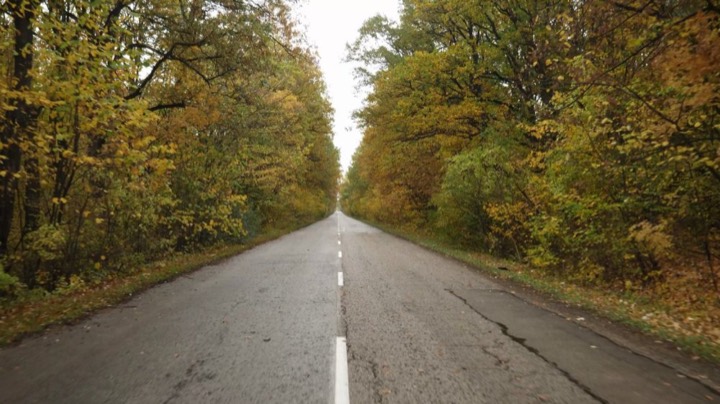
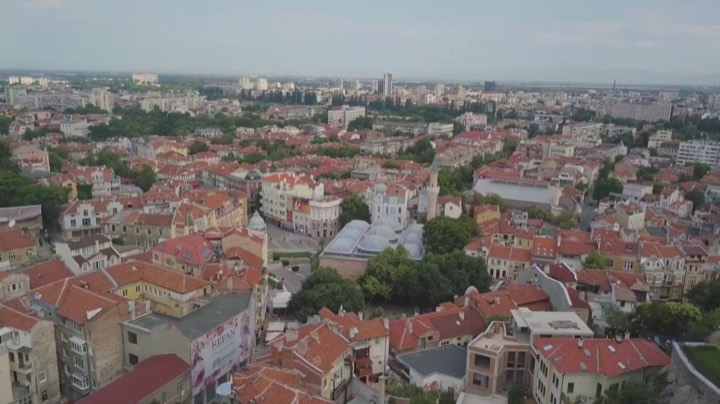
On the Danube at Vidin stands Baba Vida, the best-preserved medieval fortress in Bulgaria. Inland at Kula, the remains of Castra Martis mark a late Roman fort. Together they show how the same frontier was defended by two empires, many centuries apart.

View details →
Baba Vida: The Fortress of Vidin
HistoryBulgaria

Baba Vida: The Fortress of Vidin

Rising straight from the Danube at Vidin, Baba Vida is the best-preserved medieval fortress in Bulgaria. Its walls, towers, moat and courtyards can still be walked from end to end, on a site that had already been fortified in Roman times.

View details →
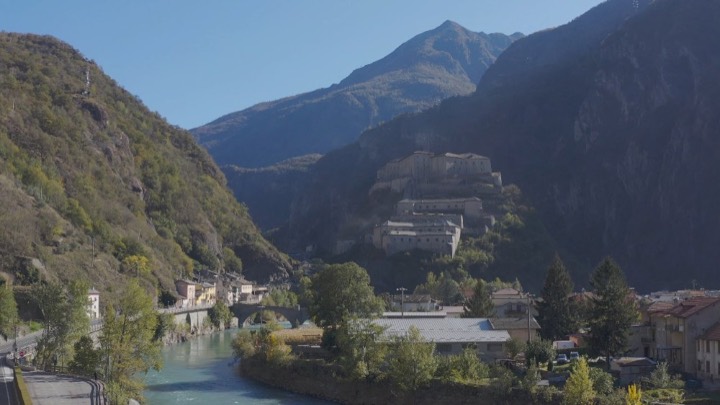
Baba Vida and Castra Martis: Fortresses of the Danube
HistoryBulgaria

Baba Vida and Castra Martis: Fortresses of the Danube

This programme pairs two fortified sites of north-western Bulgaria: Castra Martis, a late Roman fort at Kula, and Baba Vida, the medieval castle on the Danube at Vidin. Read together, they trace the long defence of a frontier region across successive empires.

View details →
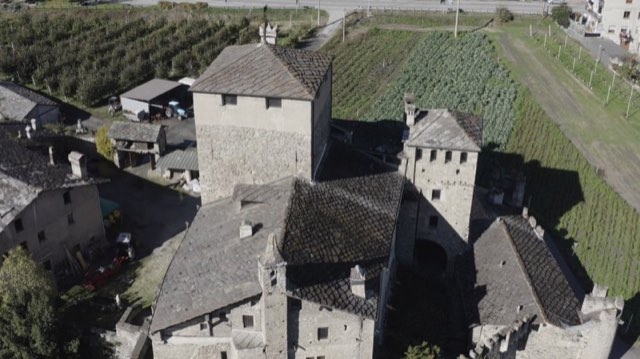
Chufut-Kale, the Cave Town
HistoryCrimea

Chufut-Kale, the Cave Town

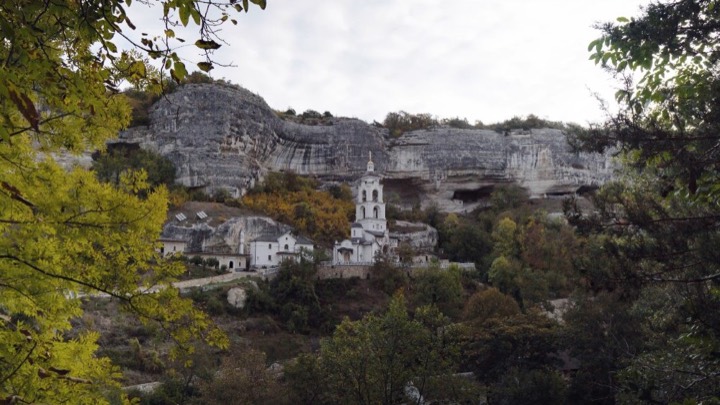
Perched on a limestone plateau, Chufut-Kale is a cave town of rock-hewn rooms, cisterns and defensive walls, long associated with the Karaite community of Crimea.

View details →
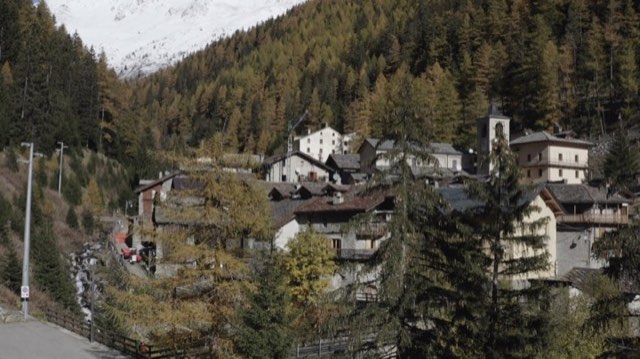
Krivoklat and Karlstejn Castles
HistoryCzechia

Krivoklat and Karlstejn Castles

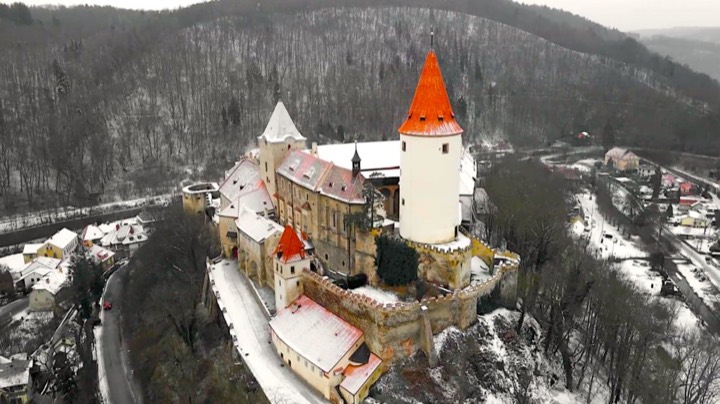
In the forests west of Prague, Krivoklat and Karlstejn stand as complementary faces of medieval Bohemia: a Gothic hunting residence and a hilltop castle raised to shelter the imperial regalia.

View details →
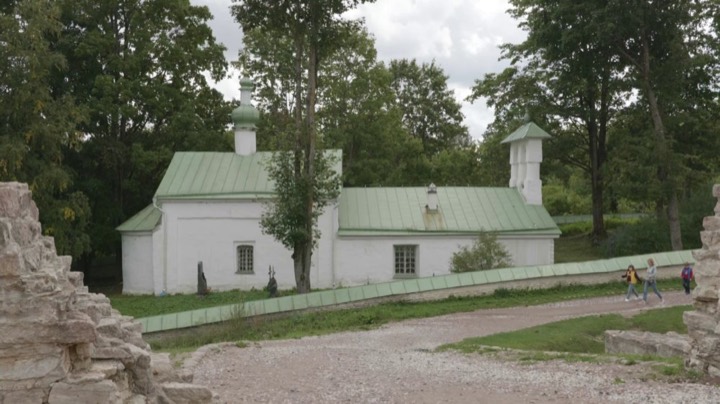
The Walls of Tallinn
HistoryEstonia

The Walls of Tallinn

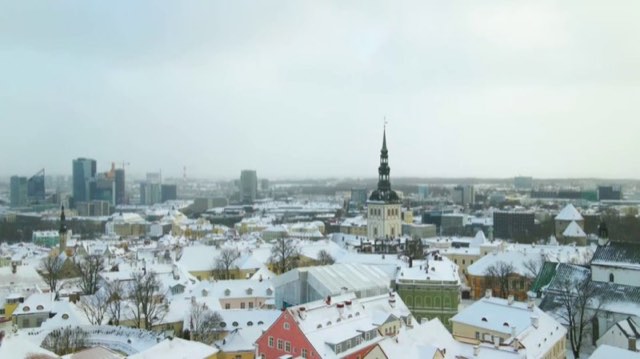
Round towers with red conical roofs, wall-walks and fortified gates: Tallinn's medieval enceinte survives in exceptional measure and still frames the city it once protected.

View details →
Aguilar Castle
HistoryFrance

Aguilar Castle

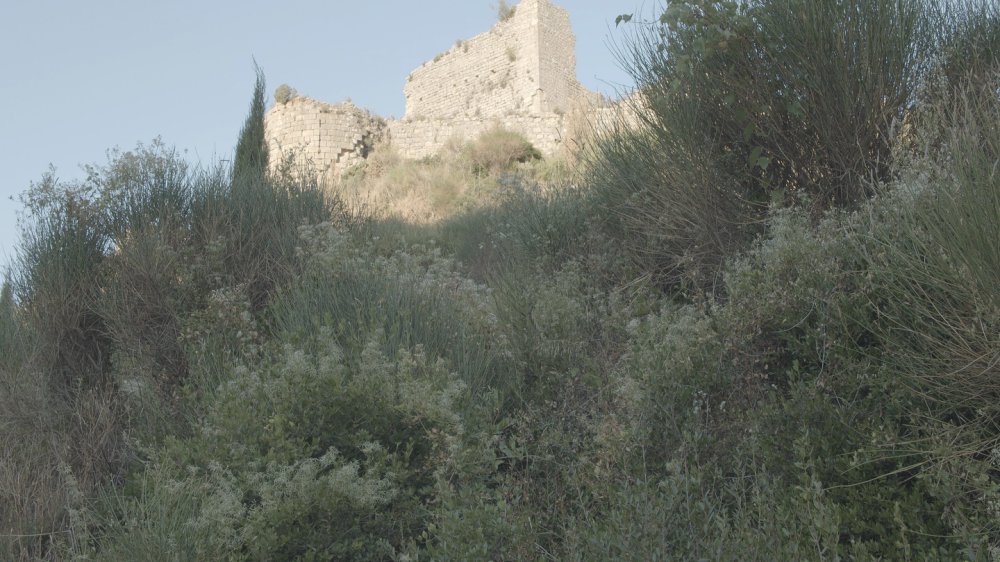
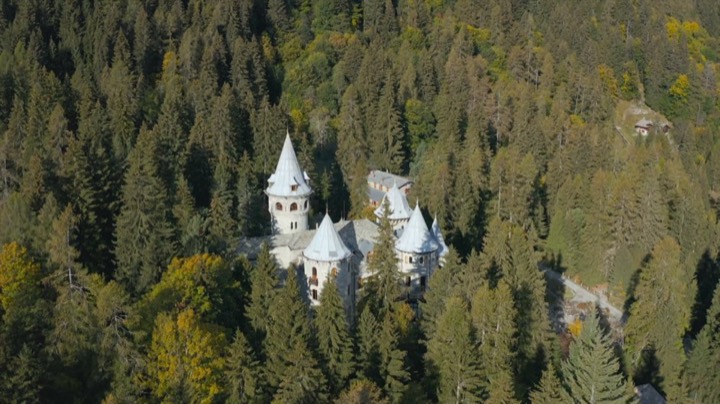
Perched on a rocky spur above the vineyards of the Corbières, Aguilar is one of the fortresses known as the Cathar castles. Its concentric walls and towers were built to hold a medieval frontier between two kingdoms.

View details →
Alaverdi Monastery and Fortress
Sacred SitesGeorgia

Alaverdi Monastery and Fortress

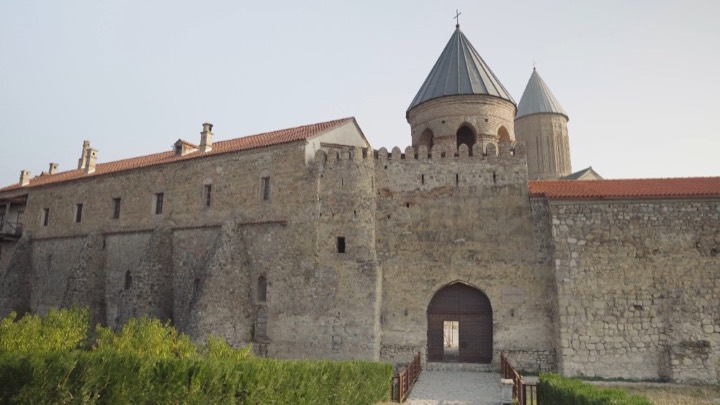
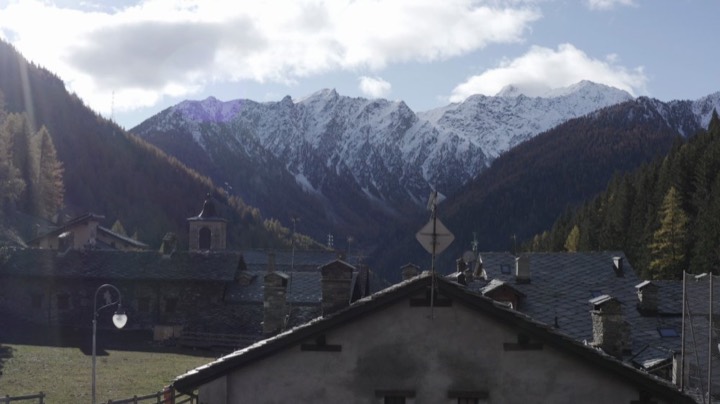
In the wine country of eastern Georgia, the cathedral of Alaverdi rises above its enclosure walls and the Alazani valley. One of the tallest medieval churches in the country, it remains a working monastery.

View details →
Ananuri Fortress
HistoryGeorgia

Ananuri Fortress

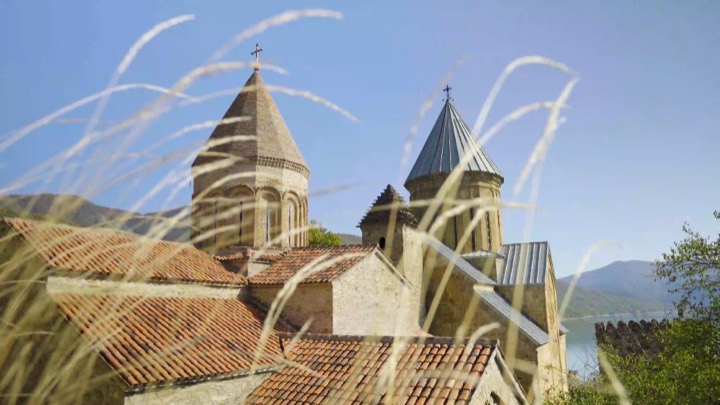
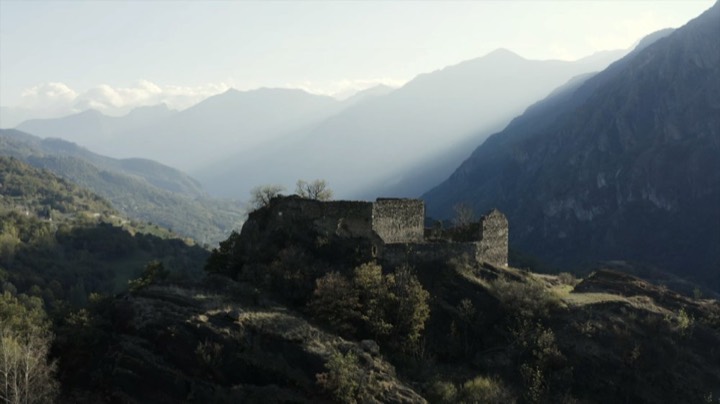
Above a reservoir on the Georgian Military Highway, the towers and churches of Ananuri form one of the country's most photogenic fortified ensembles, built by a dynasty that controlled the route into the mountains.

View details →
Fort van den Bosch
HistoryIndonesia

Fort van den Bosch

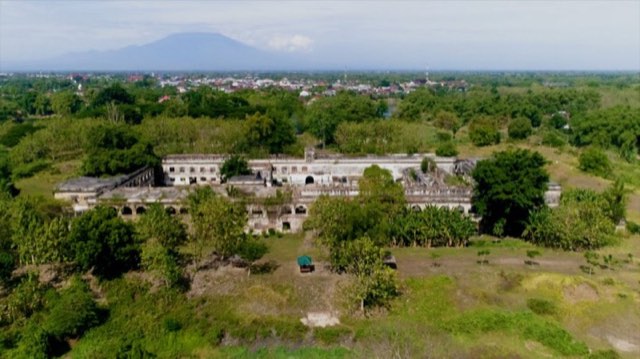
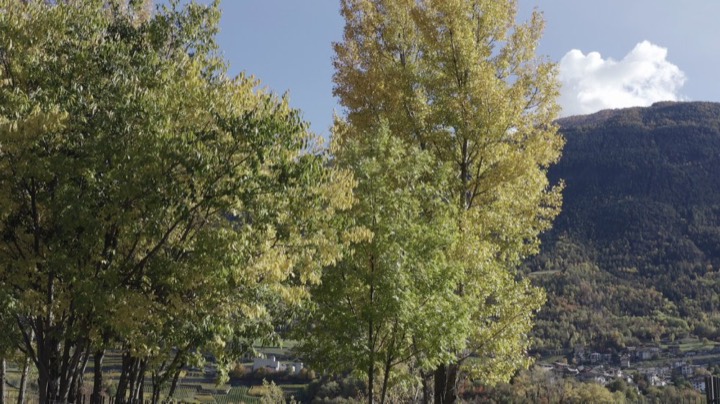
Known locally as the buried fort, Benteng van den Bosch was built by the Dutch colonial administration in East Java. Its low ramparts, brick galleries and inner courtyard survive on the riverbank at Ngawi.

View details →
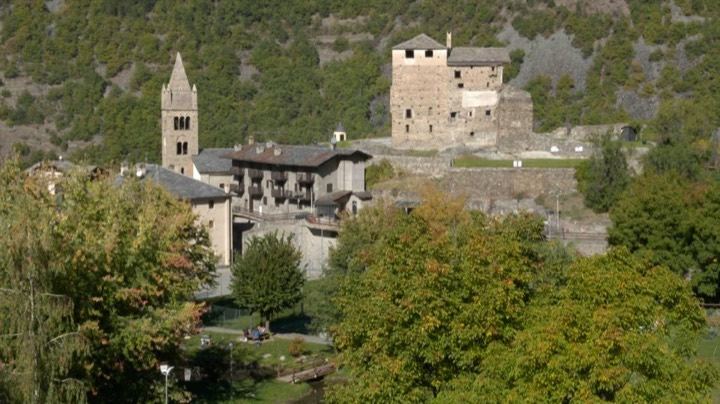
Apollonia: A Crusader Fortress Above the Sea
ArchaeologyIsrael

Apollonia: A Crusader Fortress Above the Sea

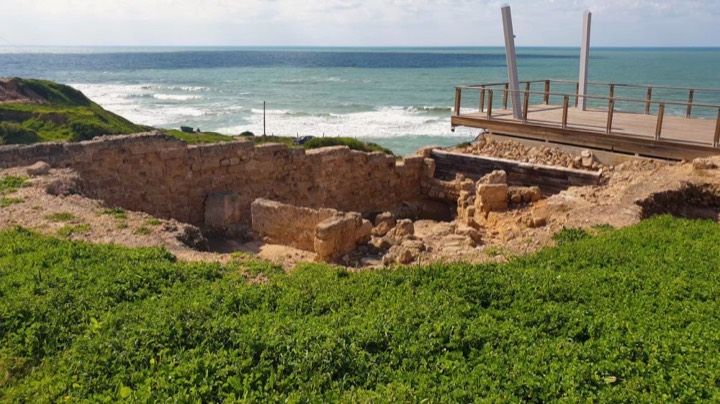
On a sandstone cliff north of Tel Aviv, the ruins of Apollonia-Arsuf overlook the Mediterranean. The site was a coastal town in antiquity and later a Crusader stronghold, whose moat and towers were carved directly out of the rock.

View details →
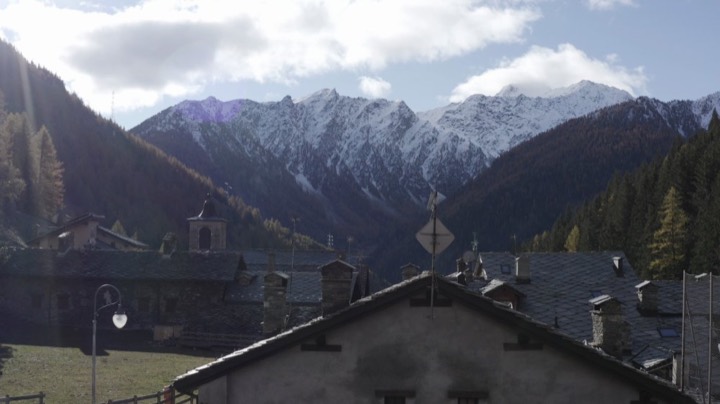
The Citadel of Ashdod-Yam
HistoryIsrael

The Citadel of Ashdod-Yam

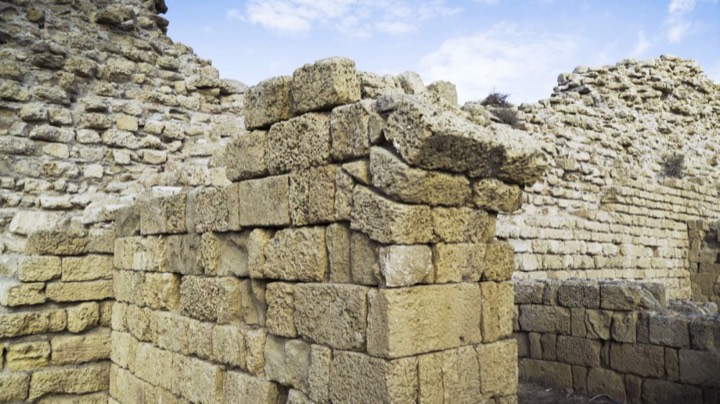
On the beach at Ashdod stand the remains of a fortress long known as Qal'at al-Mina. Its sandstone walls, round towers and gateways belong to the chain of strongholds that once watched over this stretch of the Mediterranean coast.

View details →
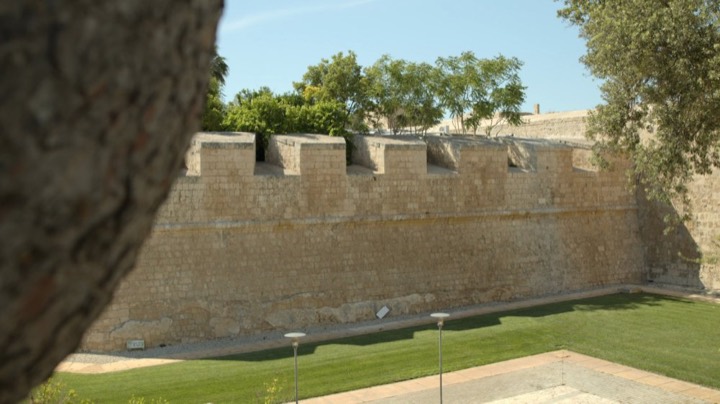
Belvoir: The Crusader Fortress Above the Jordan
HistoryIsrael

Belvoir: The Crusader Fortress Above the Jordan

Perched on the lip of the escarpment high above the Jordan valley, Belvoir is one of the best-preserved Crusader castles in the region. Built by the Hospitaller order on a concentric plan, it resisted a long siege before falling.

View details →
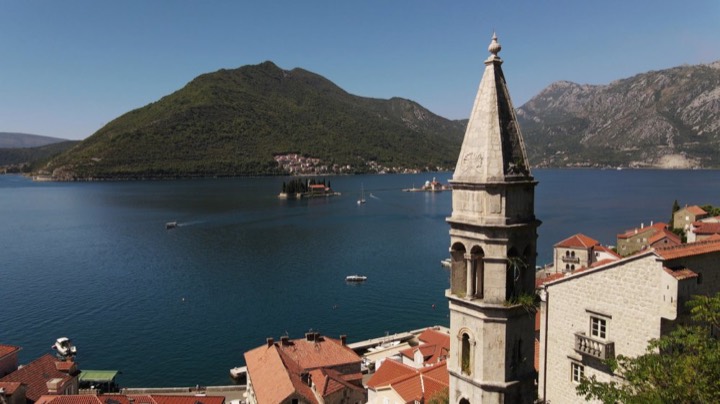
Gamla: The Fortress on the Ridge
ArchaeologyIsrael

Gamla: The Fortress on the Ridge

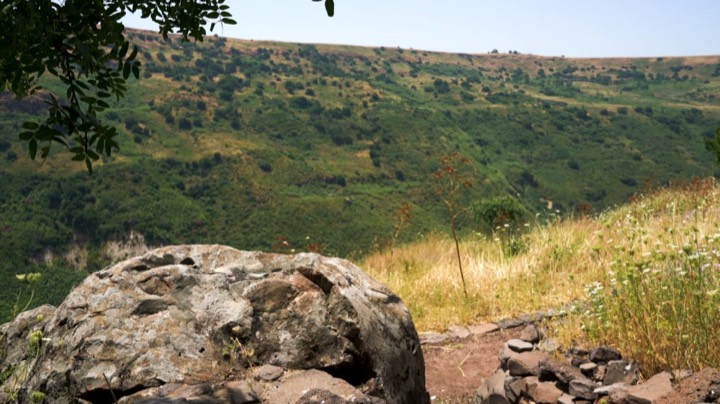
Gamla occupies a steep spur in the Golan, shaped like the hump that gave it its name. A Jewish town destroyed during the revolt against Rome, it holds one of the oldest known synagogues and today shelters a colony of griffon vultures.

View details →
The Fortress of Kypros
HistoryIsrael

The Fortress of Kypros

Perched on a hill above Jericho, the fortress of Kypros commanded the route from the Jordan valley up to Jerusalem. Its cisterns, bath installations and terraces survive on a steep, wind-exposed summit.

View details →
Qaqun Fortress
HistoryIsrael

Qaqun Fortress

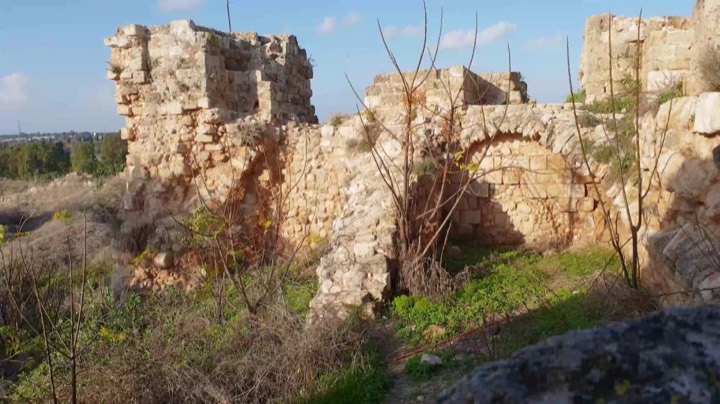
Rising from the flat farmland of the Sharon plain, the mound of Qaqun carries the remains of a fortress that commanded the routes between the coast and the interior. Crusader and later Islamic-period building phases are still legible in its weathered masonry.

View details →
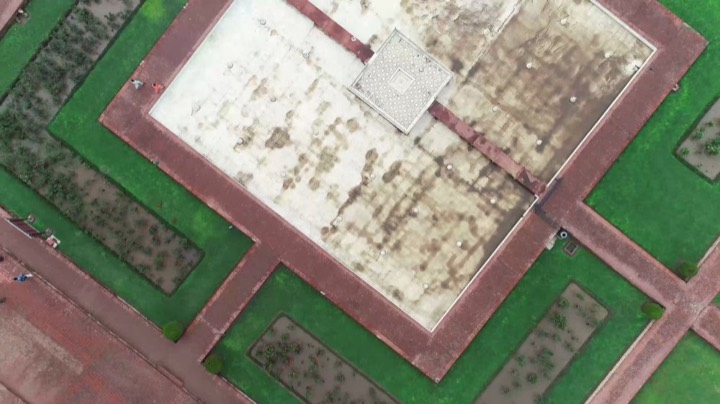
Tel Afek: The Fortress of Antipatris
ArchaeologyIsrael

Tel Afek: The Fortress of Antipatris

Set at the sources of the Yarkon river, Tel Afek carries thousands of years of occupation. A Roman city stood here, and above it a later fortress still raises its square walls and corner towers over water, reeds and open parkland.

View details →
The Hospitaller Fortress of Acre
HistoryIsrael

The Hospitaller Fortress of Acre

Under the streets of Acre lies the fortress of the Knights Hospitaller: a complex of vaulted halls, courtyards and passages buried when the Ottoman city was built above it, and now excavated. It is a highlight of the World Heritage old city.

View details →
The Crusader Fortress of Tiberias
HistoryIsrael

The Crusader Fortress of Tiberias

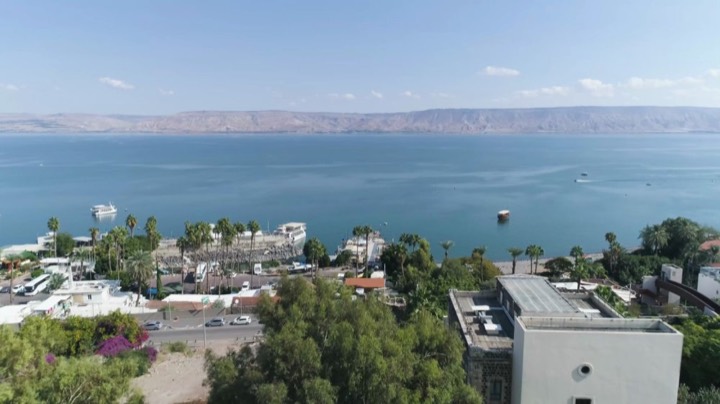
Beside the Sea of Galilee, the fortress of Tiberias raises walls of dark basalt above the waterfront. Founded in the Crusader period and rebuilt under Ottoman rule, it stands as a compact record of the town's contested history.

View details →
The Royal Castle of Sarre — Part 1
HistoryItaly

The Royal Castle of Sarre — Part 1

On a terrace overlooking the Aosta Valley, the Royal Castle of Sarre owes its present form to Victor Emmanuel II, who made it the base for his hunting expeditions in the mountains that later became the Gran Paradiso National Park.

View details →
The Royal Castle of Sarre — Part 2
HistoryItaly

The Royal Castle of Sarre — Part 2

The interiors of the Royal Castle of Sarre are unlike any other Savoy residence: whole galleries decorated with ibex horns and chamois trophies, alongside apartments, portraits and furnishings that recount the dynasty's alpine life.

View details →
Introd Castle, Aosta Valley
HistoryItaly

Introd Castle, Aosta Valley

Introd stands where the Val di Rhêmes and the Valsavarenche open off the main Aosta Valley. Its castle, rebuilt over the centuries around an irregular, almost circular plan, watches over the meadows and larch woods at the gateway to the Gran Paradiso.

View details →
La Mothe Castle and Its Village, Aosta Valley
HistoryItaly

La Mothe Castle and Its Village, Aosta Valley

In the Aosta Valley, where almost every rocky spur carries a tower, the castle of La Mothe overlooks the village that grew in its shadow. Stone walls, narrow lanes and high pastures compose a picture of alpine life shaped by the fortress above.

View details →
Montmayeur Castle, Aosta Valley
HistoryItaly

Montmayeur Castle, Aosta Valley

Set apart from the main road, Montmayeur belongs to the chain of castles that guard the Aosta Valley. Reached through woods and pasture, it presents a strong silhouette against the mountains and a landscape of great cinematic quality.

View details →
Ussel Castle, Aosta Valley
HistoryItaly

Ussel Castle, Aosta Valley

Perched on a rocky shelf above Châtillon, Ussel belongs to the family of monobloc castles: a compact rectangular mass with corner towers, closer to a fortified residence than to a walled enclosure. Long abandoned, it has been consolidated and reopened.

View details →
Fort Bard, Aosta Valley — Part 1
HistoryItaly

Fort Bard, Aosta Valley — Part 1

At the narrowest point of the lower Aosta Valley, a rocky outcrop blocks the passage. The stronghold built on it delayed Napoleon's army during its crossing of the Alps in 1800 — and was demolished on his orders soon afterwards.

View details →
Fort Bard, Aosta Valley — Part 2
HistoryItaly

Fort Bard, Aosta Valley — Part 2

Rebuilt by the House of Savoy in the nineteenth century, Fort Bard is a complete system of stepped works climbing the rock. Restored after long abandonment, it now houses museums and exhibition spaces within its casemates and courtyards.

View details →
Graines Castle, Val d'Ayas
HistoryItaly

Graines Castle, Val d'Ayas

Graines occupies a rocky knoll above Brusson, in the Val d'Ayas. What survives is a ring of curtain walls enclosing the remains of a keep and a small chapel — the archaic type of alpine castle, built for control of a valley rather than for comfort.

View details →
The Towers of Aosta: The Leper's Tower and Bramafam
HistoryItaly

The Towers of Aosta: The Leper's Tower and Bramafam

The Roman walls of Aosta still carry a series of towers reworked in the Middle Ages. Two have become emblems of the city: the Leper's Tower, named after the recluse whose story inspired a famous novella, and the massive Bramafam on the enceinte's angle.

View details →
The Rocca of Mondavio
HistoryItaly

The Rocca of Mondavio

Built for the della Rovere on designs by Francesco di Giorgio Martini, the Rocca of Mondavio is a textbook of early modern military architecture: sloping walls, a polygonal keep and firing galleries conceived against artillery. It survives essentially intact.

View details →
Saint-Germain Castle, Aosta Valley
HistoryItaly

Saint-Germain Castle, Aosta Valley

Saint-Germain belongs to the long line of fortified sites that guard the Aosta Valley. Set above the valley floor, its walls and the rock beneath them have merged into a single form, in a landscape of vineyards, woods and high summits.

View details →
San Leo: The Fortress on the Rock
HistoryItaly

San Leo: The Fortress on the Rock

San Leo stands on a sheer block of rock in the Montefeltro, reached by a single road cut into the cliff. Below the fortress lie two of the region's great early churches, while the citadel is remembered as the prison of the adventurer Cagliostro.

View details →
Castel Savoia, Aosta Valley
HistoryItaly

Castel Savoia, Aosta Valley

Built as a summer residence for Queen Margherita of Savoy at Gressoney, Castel Savoia is an eclectic composition of turrets and gables set in an alpine garden, looking out towards the Monte Rosa massif at the head of the Lys valley.

View details →
Gradara Castle and Its Medieval Town
HistoryItaly

Gradara Castle and Its Medieval Town

Ringed by two circuits of walls, Gradara commands the hills between the Marche and Romagna. A Malatesta stronghold and a coveted prize among rival houses, it is also the setting tradition assigns to Paolo and Francesca, the lovers of Dante's Inferno.

View details →
Verrès Castle, Aosta Valley
HistoryItaly

Verrès Castle, Aosta Valley

Above the town of Verrès, in Italy's Aosta Valley, a castle built as a single monolithic cube dominates a strategic alpine corridor. Held by the Challant family, it fuses fortress and residence in one uncompromising block of stone.

View details →
Mdina, the Silent City
HistoryMalta

Mdina, the Silent City

Perched on a hilltop in the centre of Malta, Mdina was the island's capital for centuries. Enclosed by bastions, its narrow shaded lanes, noble palaces and cathedral have earned it the name of the Silent City.

View details →
Stari Bar, the Old Town
HistoryMontenegro

Stari Bar, the Old Town

Below the slopes of Mount Rumija, the old town of Bar was abandoned after conflict and lies in ruins. Churches, a mosque, an aqueduct and a clock tower record the successive powers that ruled this stretch of the Adriatic.

View details →
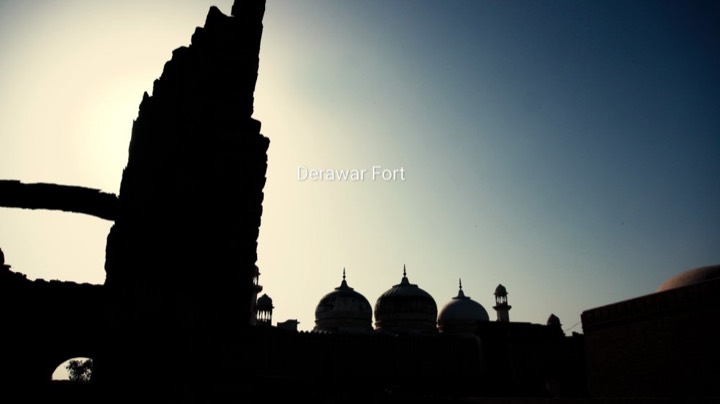
Derawar Fort
HistoryPakistan

Derawar Fort

Rising from the sands of the Cholistan desert in southern Punjab, Derawar Fort presents an immense square enclosure ringed by dozens of towering bastions in patterned brick, with a royal mosque and necropolis alongside.

View details →
Lahore Fort
HistoryPakistan

Lahore Fort

Rebuilt by Akbar and enlarged by three of his successors, Lahore Fort gathers audience halls, marble pavilions and mirrored chambers behind monumental walls. Four centuries of Mughal ambition, craftsmanship and conquest remain legible across a single citadel.

View details →
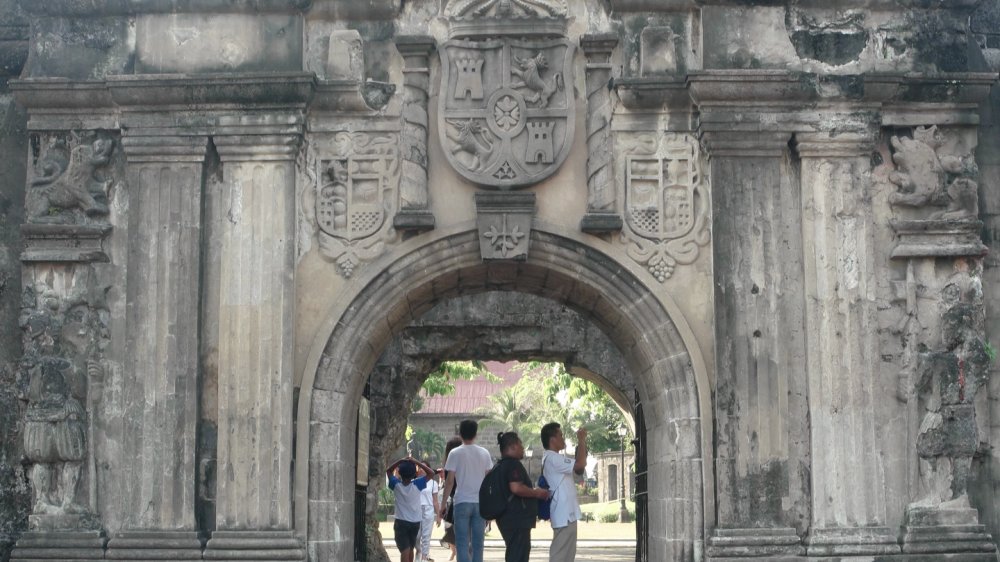
Fort Santiago, Manila
HistoryPhilippines

Fort Santiago, Manila

Built by the Spanish at the mouth of the Pasig river, Fort Santiago anchors the walled city of Intramuros. Bastions, gates and dungeons recount three centuries of colonial rule, the imprisonment of José Rizal and the devastation of 1945.

View details →
The Royal Castle of Warsaw
HistoryPoland

The Royal Castle of Warsaw

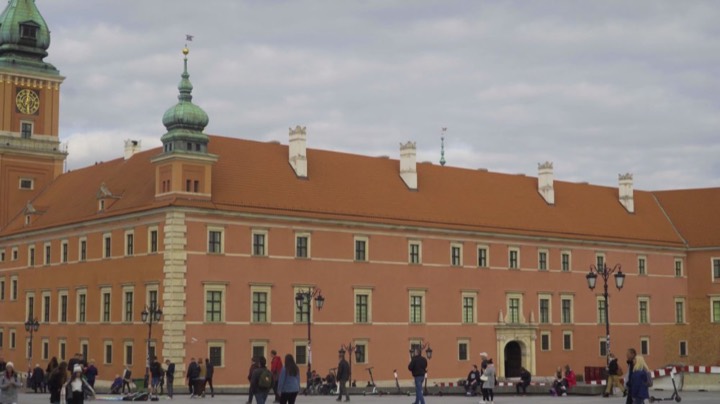
Seat of kings and of the Polish parliament, the Royal Castle saw the adoption of the Constitution of 3 May 1791. Destroyed by German forces during the war, it was reconstructed decades later and now anchors Warsaw's UNESCO-listed old town.

View details →
The Fort of Ponta da Bandeira, Lagos
HistoryPortugal

The Fort of Ponta da Bandeira, Lagos

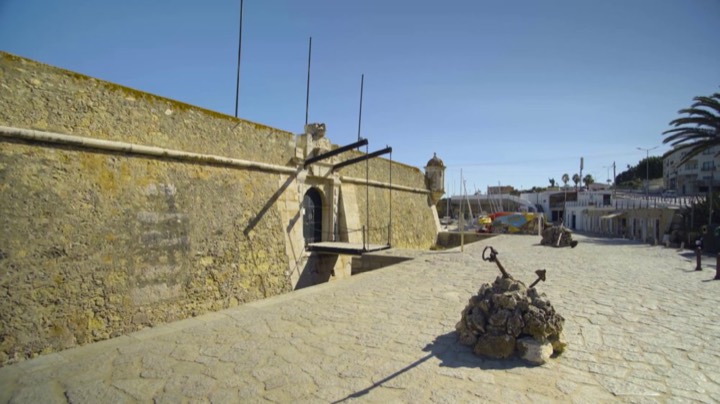
Built to defend the entrance of Lagos harbour, this small seventeenth-century fort is reached by a drawbridge over a moat. Its ramparts, tiled chapel and sea batteries recall the Atlantic ambitions and vulnerabilities of southern Portugal.

View details →
The Kazan Kremlin
HistoryRussia

The Kazan Kremlin

Capital citadel of Tatarstan, the Kazan Kremlin encloses within its white limestone walls the Qol Sharif Mosque, the Annunciation Cathedral and the leaning Söyembikä Tower. A UNESCO World Heritage site where two civilisations occupy one enclosure.

View details →
Koporye Fortress
HistoryRussia

Koporye Fortress

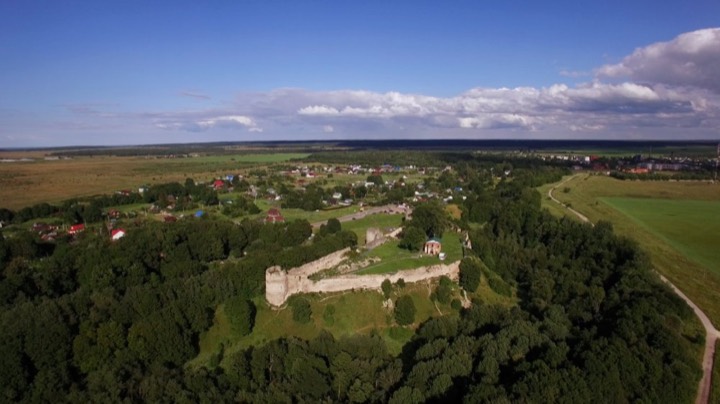
West of Saint Petersburg, the stone fortress of Koporye rises on a rocky outcrop above a ravine. Founded by the Teutonic Knights in the 13th century and long held by Novgorod, its towers and curtain walls survive as a striking ruin.

View details →
Ivangorod Fortress
HistoryRussia

Ivangorod Fortress

Built in 1492 on the orders of Ivan III, Ivangorod Fortress faces the castle of Narva across the river. Nowhere else in Europe do two medieval strongholds confront each other so directly, one on each side of a modern border.

View details →
The Towers of Izborsk Fortress
HistoryRussia

The Towers of Izborsk Fortress

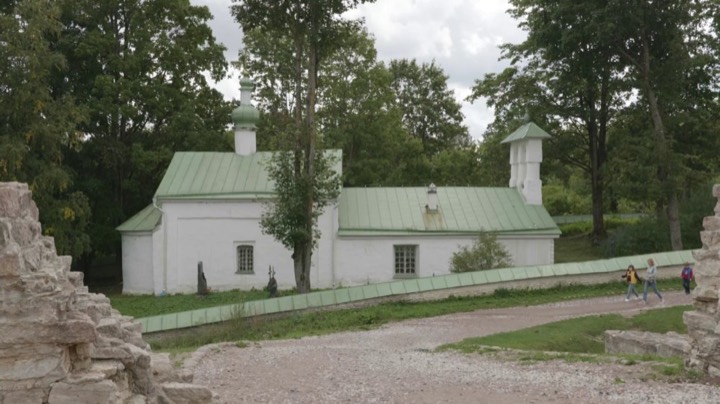
In the Pskov region, the medieval stone fortress of Izborsk crowns a hill above a valley of springs and lakes. Its massive towers and walls, blackened by weather, mark one of the earliest recorded settlements in the Russian north-west.

View details →
Korela Fortress
HistoryRussia

Korela Fortress

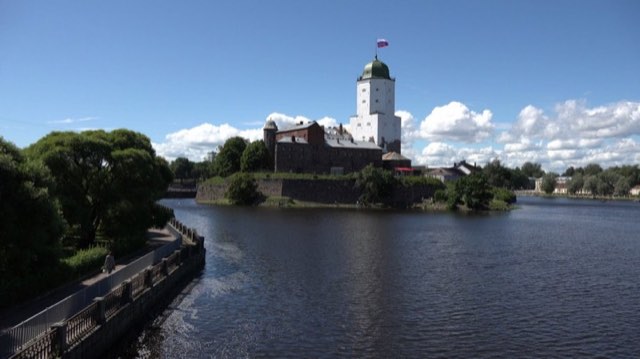
On an island in the Vuoksi River at Priozersk, Korela Fortress guarded the route between the Gulf of Finland and Lake Ladoga. Swedish, Finnish and Russian in turn, it is now a museum within its earth and stone defences.

View details →
The Pskov Krom
HistoryRussia

The Pskov Krom

At the confluence of the Velikaya and the Pskova, the Krom is the fortified heart of Pskov. Behind its long white walls rises the Trinity Cathedral, seat of authority in a city that governed itself for centuries.

View details →
The Remains of the Serpukhov Kremlin
HistoryRussia

The Remains of the Serpukhov Kremlin

South of Moscow, only fragments remain of the white-stone kremlin of Serpukhov. On its cathedral hill, a stretch of wall and the surviving churches recall a fortress that once guarded the southern approach to the capital.

View details →
The Moscow Kremlin
HistoryRussia

The Moscow Kremlin

Behind its red brick walls and towers, rebuilt in the late 15th century by Italian architects, the Moscow Kremlin encloses Cathedral Square, the Ivan the Great Bell Tower and the palaces of Russian power. A UNESCO World Heritage site.

View details →
Bač Fortress
HistorySerbia

Bač Fortress

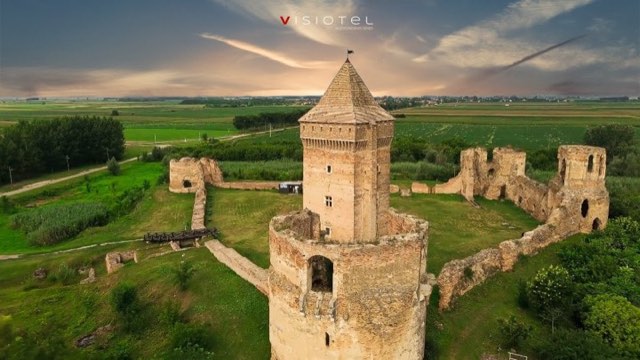
Ringed by water and marshland in the flat north of Serbia, Bač is among the best-preserved medieval fortresses of the Danube plain. Its brick curtain walls and tall keep record a frontier held, lost and held again.

View details →
Kalemegdan: The Belgrade Fortress
HistorySerbia

Kalemegdan: The Belgrade Fortress

Standing on the ridge where the Sava joins the Danube, Belgrade Fortress has been rebuilt by Romans, Byzantines, Serbian rulers, Ottomans and Habsburgs. Today its ramparts enclose the city's most popular park.

View details →
Niš Fortress and the Bali-beg Mosque
HistorySerbia

Niš Fortress and the Bali-beg Mosque

The walls of Niš Fortress date from the Ottoman centuries but rest on far older foundations. Within the enclosure stands the Bali-beg Mosque, one of the city's oldest surviving Ottoman buildings, long used as an exhibition space.

View details →
Petrovaradin: The Gibraltar of the Danube
HistorySerbia

Petrovaradin: The Gibraltar of the Danube

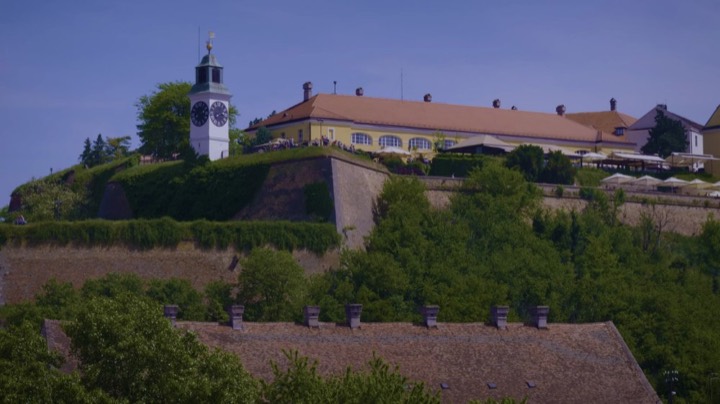
Facing Novi Sad across the Danube, Petrovaradin is one of Europe's great bastioned fortresses. Its ramparts, clock tower and vast underground galleries were designed to hold the river against any attacker.

View details →
Smederevo Fortress
HistorySerbia

Smederevo Fortress

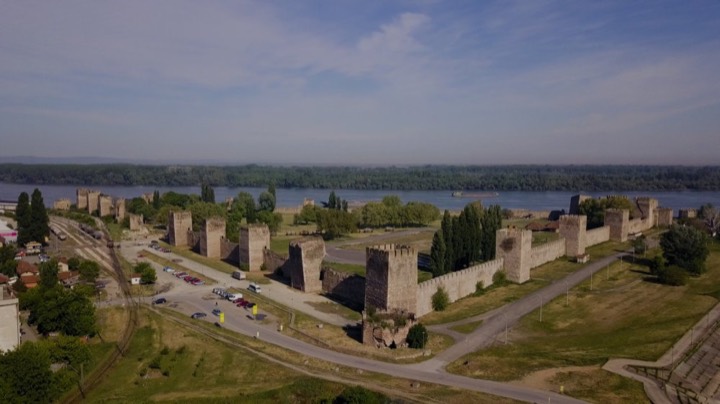
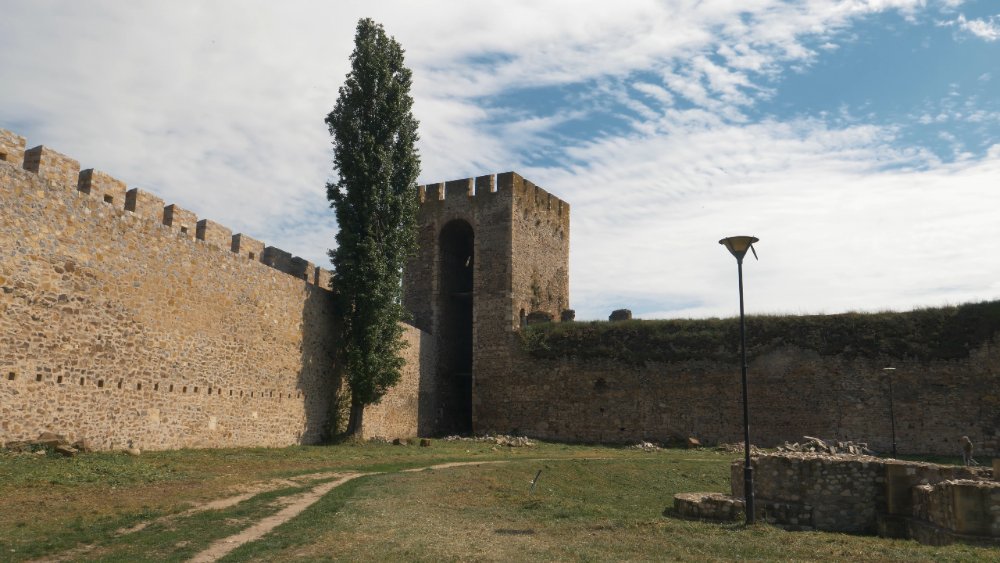
Raised in the fifteenth century as the capital of the Serbian Despotate, Smederevo is one of the largest lowland fortresses in Europe. Its triangular plan and twenty-odd towers still command the confluence with the Danube.

View details →
Kežmarok Castle
HistorySlovakia

Kežmarok Castle

Unusually, Kežmarok Castle stands within the town rather than above it. Built in the late Middle Ages and later remodelled as a noble residence, it now houses the museum of this historic Spiš town.

View details →
Stará Ľubovňa Castle
HistorySlovakia

Stará Ľubovňa Castle

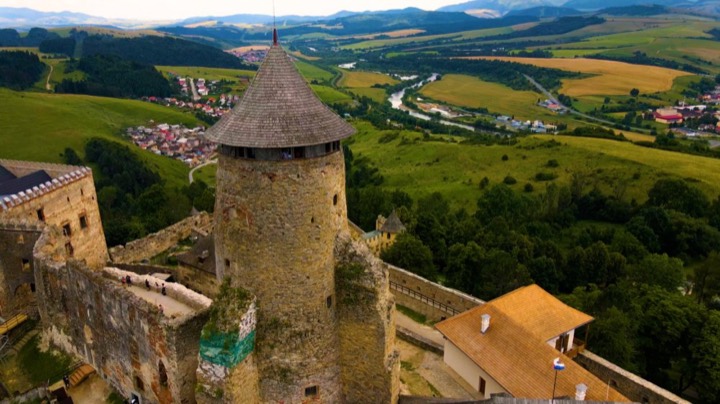
Guarding the route between Hungary and Poland, Stará Ľubovňa Castle grew from medieval stronghold to aristocratic residence. Its walls kept watch over the Spiš towns pledged to the Polish crown for centuries.

View details →
Zborov Castle
HistorySlovakia

Zborov Castle

Above the village of Zborov in north-eastern Slovakia, the ruins of a medieval castle command the wooded ridges of the Šariš region. Consolidation work has made the site accessible again.

View details →
Hwaseong Fortress
HistorySouth Korea

Hwaseong Fortress

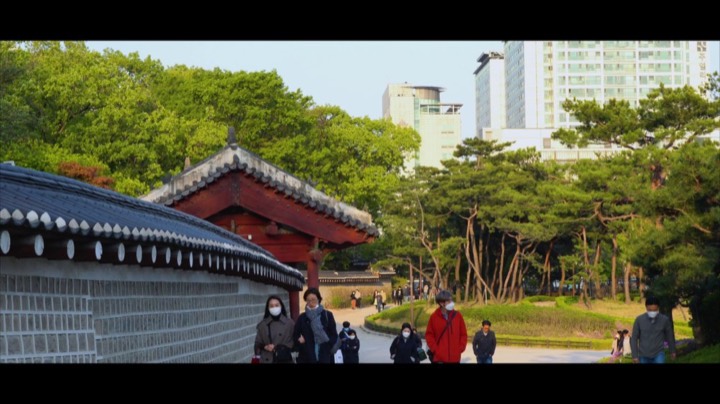
Built at Suwon in the late eighteenth century by King Jeongjo, Hwaseong combines Korean and imported military engineering. Documented in exhaustive detail at the time, it could be restored precisely after wartime damage.

View details →
Lympne Castle, Kent
HistoryUnited Kingdom

Lympne Castle, Kent

Perched on the escarpment above Romney Marsh in Kent, Lympne Castle looks out over ground that was open water in Roman times. Below its walls lie the collapsed remains of a Roman fort of the Saxon Shore.

View details →
Piria Castle, Uruguay
HistoryUruguay

Piria Castle, Uruguay

Built for Francisco Piria, the entrepreneur who created the resort town of Piriapolis, this hillside residence combines Italianate grandeur with the esoteric interests of its owner. It is now a museum open to the public.

View details →
Pittamiglio Castle, Montevideo
HistoryUruguay

Pittamiglio Castle, Montevideo

On the Rambla in Montevideo stands the strangest building in the city: the labyrinthine residence of Humberto Pittamiglio, architect and student of alchemy, whose eclectic facade and symbol-laden interiors are now open as a cultural centre.

View details →

Put our catalog on your screens

Tell us about your platform and your territories. Our sales team replies within one business day, with screeners and a proposal.

Contact