
Series

WORLD HERITAGE SITES

Irreplaceable treasures embodying humanity's cultural, historical and natural legacy — UNESCO-listed sites and those on the tentative list.

149 programs

Tigre and the Puerto de Frutos
CultureArgentina

Tigre and the Puerto de Frutos

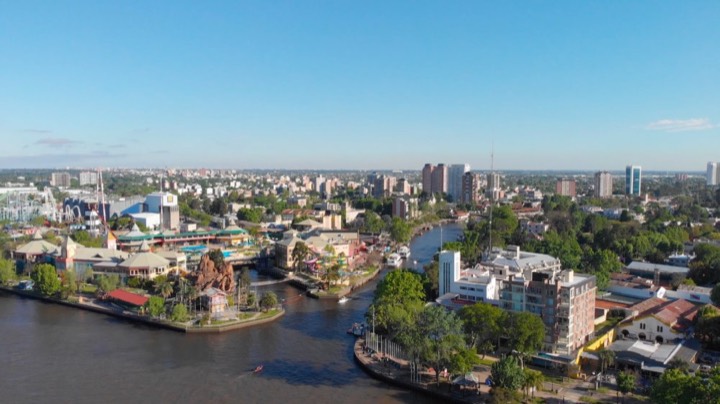
North of Buenos Aires, the Parana delta breaks into a maze of brown channels reached only by boat. At its edge, Tigre and its Puerto de Frutos, once a landing for fruit, timber and wicker from the islands, has become one of the region's liveliest markets.

View details →
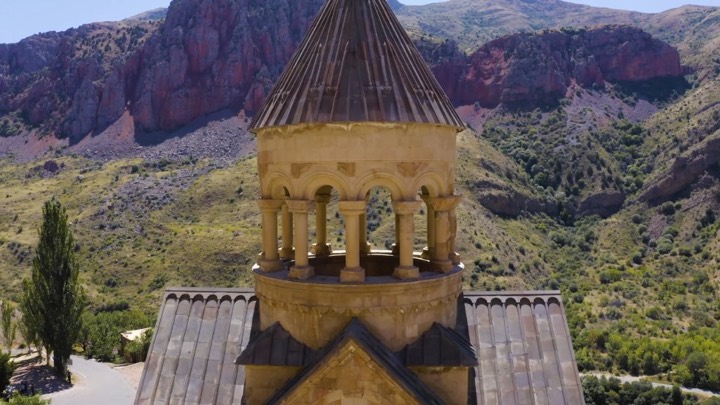
Haghpat: The Monastery of the Lori Plateau
Sacred SitesArmenia

Haghpat: The Monastery of the Lori Plateau

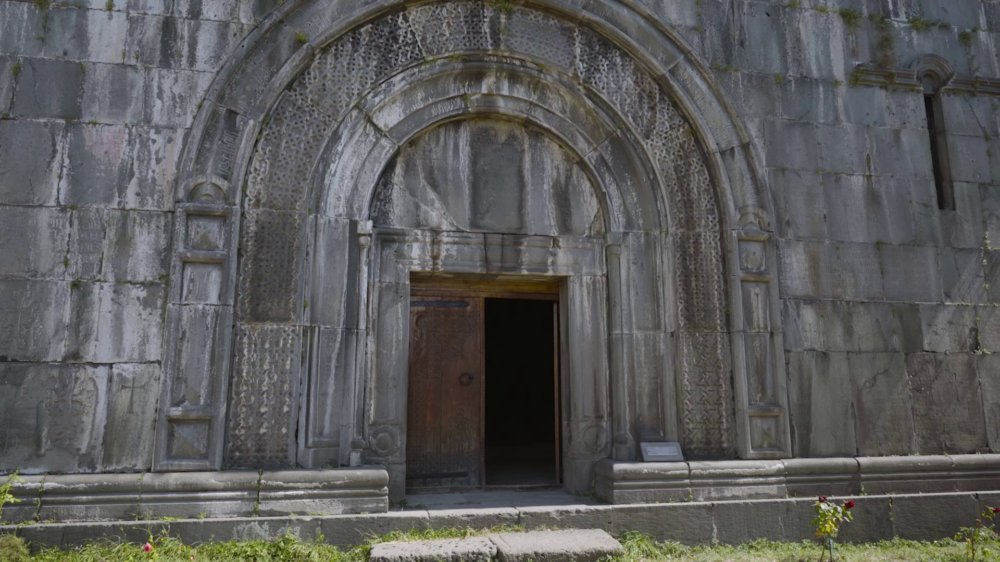
Founded in the tenth century on the Lori plateau, Haghpat grew into a monastery, a school and a scriptorium. Its churches, vaulted porches, bell tower and carved cross-stones are inscribed on the World Heritage List alongside its neighbour, Sanahin.

View details →
Noravank: The Monastery of the Red Cliffs
Sacred SitesArmenia

Noravank: The Monastery of the Red Cliffs

At the end of a gorge of red cliffs in southern Armenia, Noravank is celebrated for its two-storey church of the Holy Mother of God, reached by two flights of narrow steps projecting from the facade, and for the sculpted tympana attributed to the master Momik.

View details →
Saint Gayane: A Seventh-Century Church at Echmiadzin
Sacred SitesArmenia

Saint Gayane: A Seventh-Century Church at Echmiadzin

Built in the seventh century at Vagharshapat, beside the mother see of the Armenian Church, Saint Gayane is a domed basilica of striking clarity. It stands over the tomb of the abbess Gayane and is inscribed on the World Heritage List with the churches of Echmiadzin.

View details →
Sanahin: A Medieval Academy in Stone
Sacred SitesArmenia

Sanahin: A Medieval Academy in Stone

Founded in the tenth century above the Debed gorge, Sanahin was a monastery, a school and a scriptorium. Its churches, porch-halls, library and covered gallery form a dense stone ensemble inscribed on the World Heritage List with nearby Haghpat.

View details →
Tatev: The Monastery Above the Void
Sacred SitesArmenia

Tatev: The Monastery Above the Void

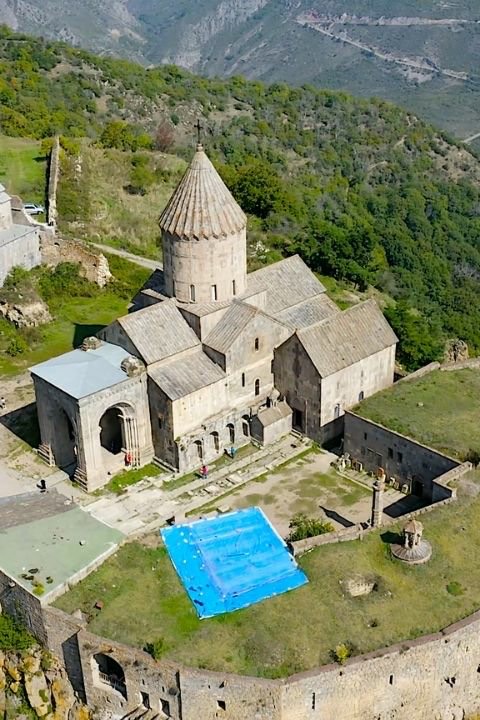
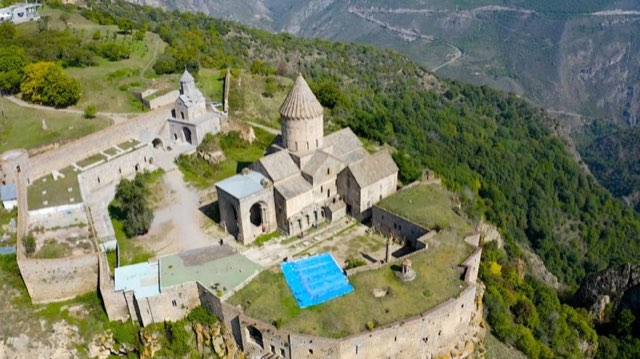
Perched on a basalt promontory above the Vorotan gorge, in southern Armenia, Tatev was a fortified monastery and one of the great universities of the medieval Armenian world. It is now reached by a cable car that crosses the canyon in a single span.

View details →
Yereruyk: The Oldest Stones of Armenian Christianity
Sacred SitesArmenia

Yereruyk: The Oldest Stones of Armenian Christianity

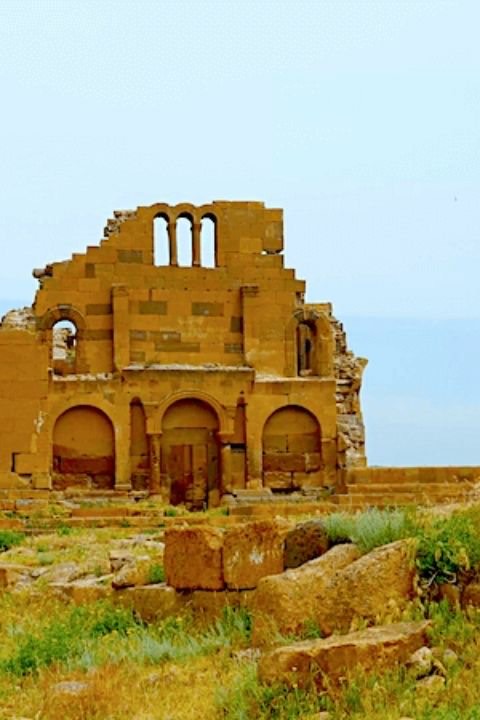
Standing alone on a bare plateau in the province of Shirak, Yereruyk is the ruin of an early Christian basilica raised on a stepped platform. Its colonnades, carved doorways and open arcades make it one of the oldest and most singular monuments in Armenia.

View details →
Mostar: The Old City and Its Bridge
HistoryBosnia and Herzegovina

Mostar: The Old City and Its Bridge

The old city of Mostar is organised around a single arch of stone thrown across the Neretva in the sixteenth century, destroyed in 1993 and rebuilt using traditional methods. Reopened in 2004, the bridge and its quarter are inscribed on the World Heritage List.

View details →
Plovdiv and the Dzhumaya Mosque
Sacred SitesBulgaria

Plovdiv and the Dzhumaya Mosque

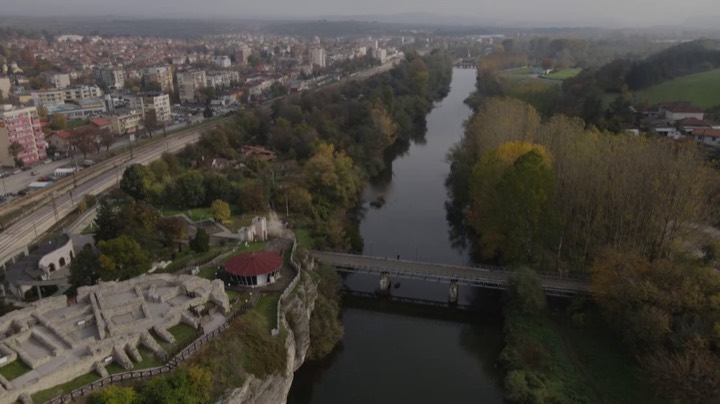
Plovdiv is among the oldest continuously inhabited cities in Europe, and it wears its history in layers. At its centre, the Dzhumaya Mosque, one of the oldest Ottoman mosques in the Balkans, stands a few steps from the excavated end of a Roman stadium.

View details →
Kaleto and the Vrachanski Balkan Nature Park
ArchaeologyBulgaria

Kaleto and the Vrachanski Balkan Nature Park

This programme pairs the fortified archaeological complex of Kaleto with the Vrachanski Balkan Nature Park, a limestone massif of gorges, caves, waterfalls and cliffs. Together they show how a defensive site and its landscape were always one and the same thing.

View details →
Kaleto and the Vrachanski Balkan Nature Park
ArchaeologyBulgaria

Kaleto and the Vrachanski Balkan Nature Park

The Vrachanski Balkan Nature Park protects a karst massif of caves, gorges and vertical cliffs in north-western Bulgaria. Within the same landscape, the Kaleto archaeological complex preserves the fortifications of a site whose position was determined by the rock.

View details →
Capital Cities and Tombs of the Ancient Koguryo Kingdom
ArchaeologyChina

Capital Cities and Tombs of the Ancient Koguryo Kingdom

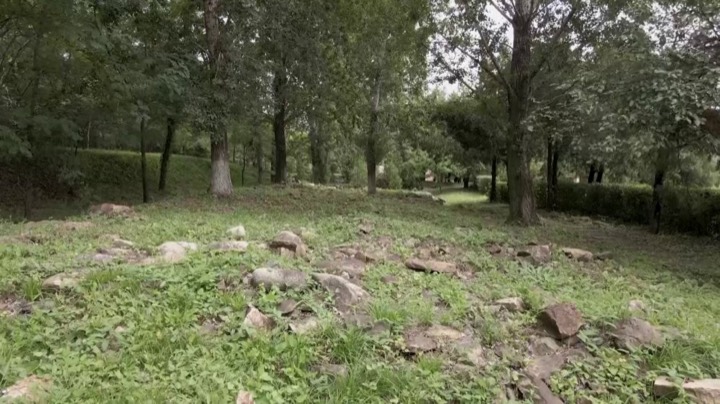
Mountain fortresses, city walls, stone pyramids and burial chambers covered in murals: the archaeological legacy of the Koguryo kingdom in north-east China, inscribed on the World Heritage List.

View details →
The Mukden Palace
HistoryChina

The Mukden Palace

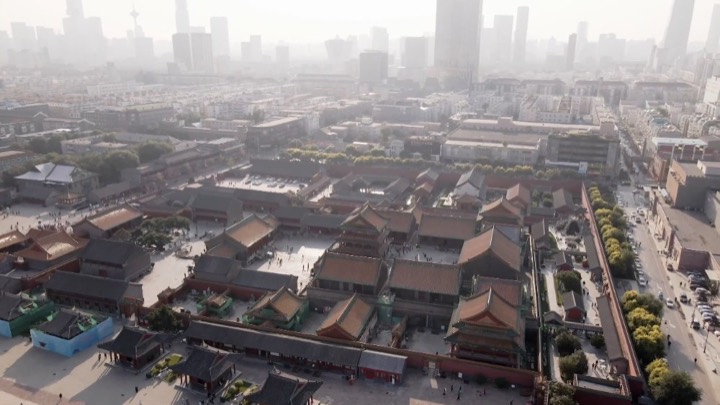
Before the Forbidden City, there was Shenyang. The Mukden Palace preserves the ceremonial architecture of the early Qing rulers, a blend of Manchu, Han and Mongol traditions listed as World Heritage.

View details →
The Forbidden City — Part 1
HistoryChina

The Forbidden City — Part 1

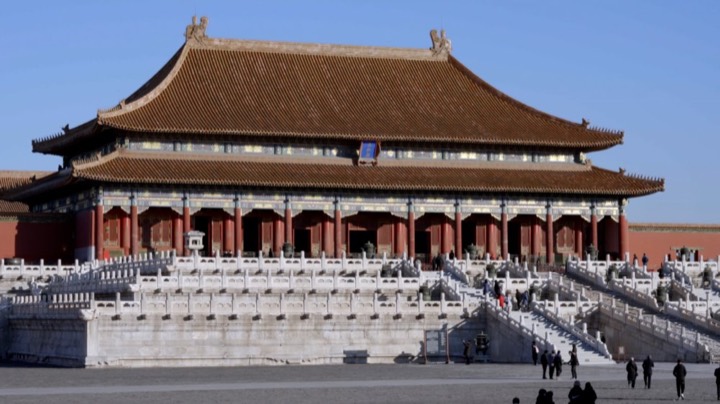
Moat, gates, marble terraces and the great ceremonial halls: the first part follows the Forbidden City along its imperial axis, from the outer defences to the throne of the Hall of Supreme Harmony.

View details →
The Forbidden City — Part 2
HistoryChina

The Forbidden City — Part 2

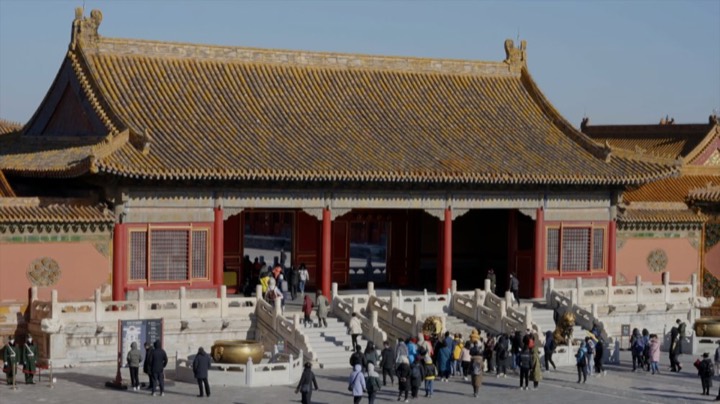
The second part moves past the ceremonial halls into the inner court, the residential palaces, the gardens and the collections, where the daily life of the imperial household comes into focus.

View details →
Cartagena de Indias
HistoryColombia

Cartagena de Indias

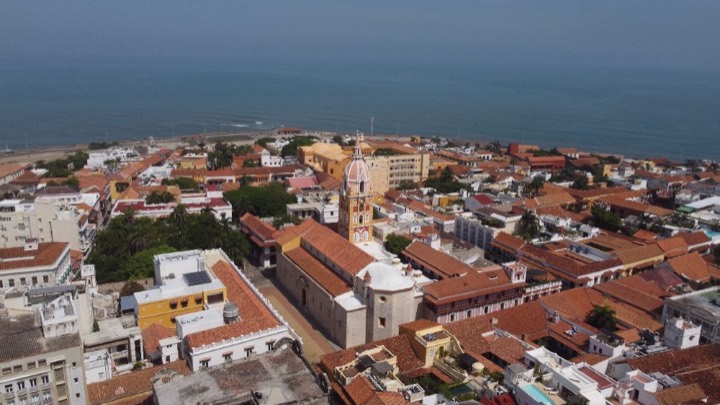
Walls, bastions and a fortress on the hill protect a colonial city of balconies, plazas and churches. Cartagena de Indias, inscribed on the World Heritage List, is filmed as port, stronghold and living town.

View details →
Tauric Chersonesos
ArchaeologyCrimea

Tauric Chersonesos

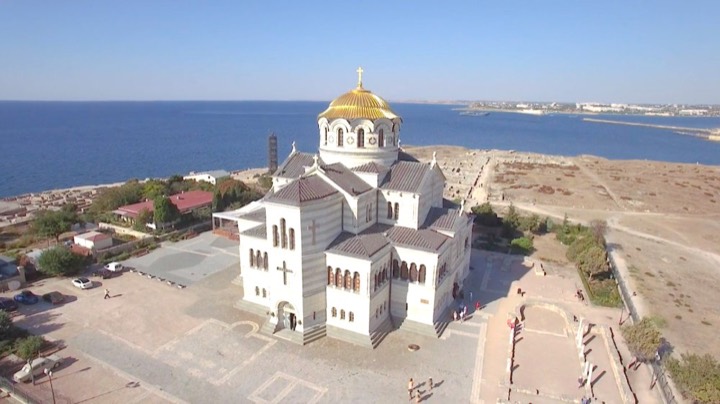
Founded by Greek settlers and inhabited for close to two millennia, Tauric Chersonesos preserves streets, walls, a theatre and basilica columns above the sea. A World Heritage site.

View details →
Krivoklat and Karlstejn Castles
HistoryCzechia

Krivoklat and Karlstejn Castles

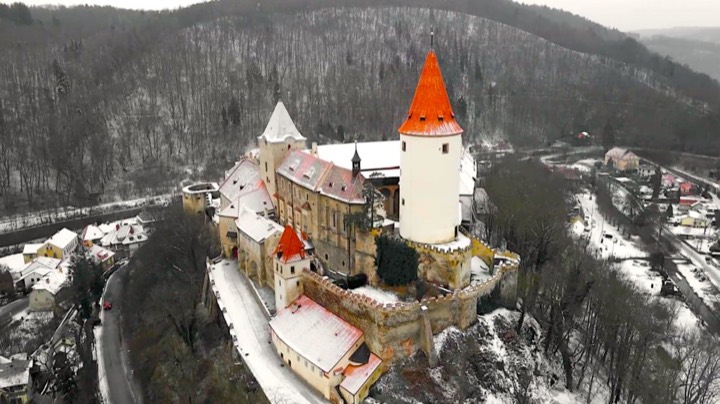
In the forests west of Prague, Krivoklat and Karlstejn stand as complementary faces of medieval Bohemia: a Gothic hunting residence and a hilltop castle raised to shelter the imperial regalia.

View details →
Prague, the Historic City
HistoryCzechia

Prague, the Historic City

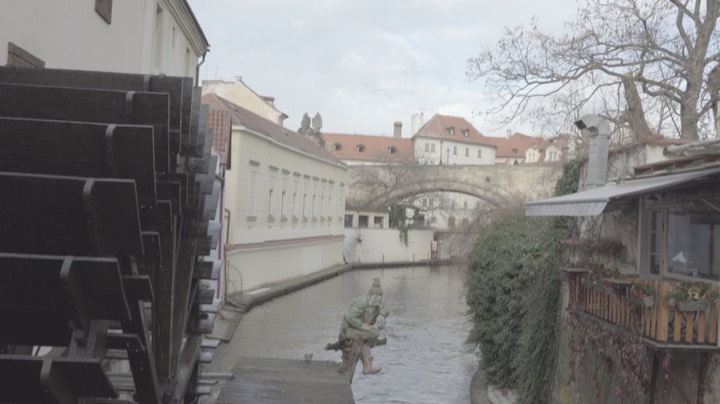
From the castle above the Vltava to the Charles Bridge and the Old Town Square, Prague offers a thousand years of European architecture in a single walk. A World Heritage centre.

View details →
Quito, the Historic City — Part 1
CultureEcuador

Quito, the Historic City — Part 1

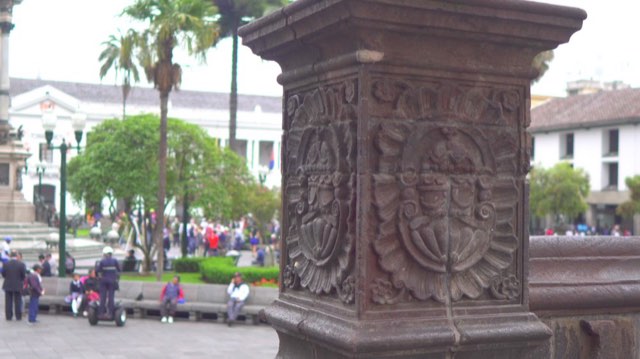
Set high in the Andes, Quito's historic core is one of the first sites ever inscribed on the World Heritage List. Part one follows its squares, churches and monumental architecture.

View details →
Quito, the Historic City — Part 2
CultureEcuador

Quito, the Historic City — Part 2

Part two leaves the great squares for the working city: stepped streets, markets, workshops, festivals and the neighbourhoods that keep Quito's historic centre inhabited.

View details →
The Giza Pyramid Complex
ArchaeologyEgypt

The Giza Pyramid Complex

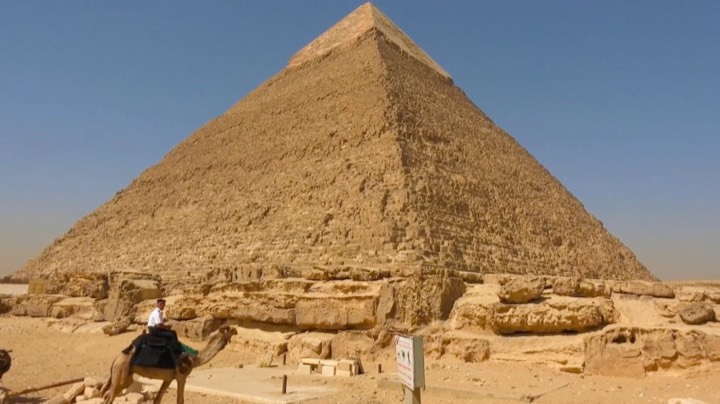
Three pyramids, the Sphinx, temples and causeways: the Giza plateau remains the most ambitious funerary landscape ever built, and a World Heritage site of unmatched recognition.

View details →
Tallinn, the Old Town
CultureEstonia

Tallinn, the Old Town

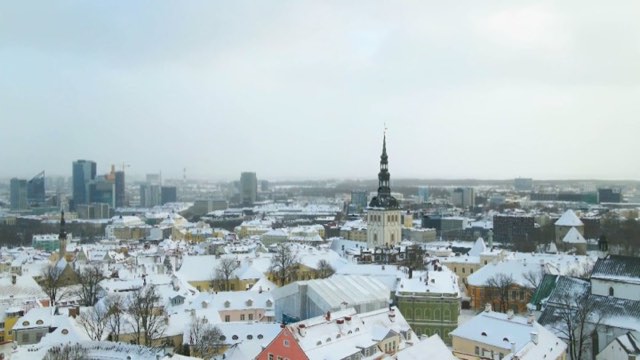
Divided between the upper town of the rulers and the lower town of the merchants, Tallinn's old quarter preserves one of the most complete medieval townscapes in northern Europe.

View details →
The Walls of Tallinn
HistoryEstonia

The Walls of Tallinn

Round towers with red conical roofs, wall-walks and fortified gates: Tallinn's medieval enceinte survives in exceptional measure and still frames the city it once protected.

View details →
Alaverdi Monastery and Fortress
Sacred SitesGeorgia

Alaverdi Monastery and Fortress

In the wine country of eastern Georgia, the cathedral of Alaverdi rises above its enclosure walls and the Alazani valley. One of the tallest medieval churches in the country, it remains a working monastery.

View details →
Ananuri Fortress
HistoryGeorgia

Ananuri Fortress

Above a reservoir on the Georgian Military Highway, the towers and churches of Ananuri form one of the country's most photogenic fortified ensembles, built by a dynasty that controlled the route into the mountains.

View details →
Gelati Monastery
Sacred SitesGeorgia

Gelati Monastery

Founded by King David the Builder, Gelati was conceived as both a monastery and a centre of learning. Its mosaics and wall paintings survive as one of the outstanding ensembles of medieval Georgian art, on the World Heritage List.

View details →
Jvari Monastery, Mtskheta
Sacred SitesGeorgia

Jvari Monastery, Mtskheta

Set on a rocky ridge above the confluence of the Kura and Aragvi, Jvari is one of the earliest surviving Georgian churches and a model for those that followed. It belongs to the World Heritage site of Mtskheta.

View details →
Arkadi Monastery
Sacred SitesGreece

Arkadi Monastery

On a plateau south of Rethymno, Arkadi is known for two things: the Venetian Renaissance facade of its church, and the events of 1866, when the monastery became the emblem of the Cretan struggle against Ottoman rule.

View details →
The Cave of the Apocalypse, Patmos
Sacred SitesGreece

The Cave of the Apocalypse, Patmos

On the slope between the harbour and the hilltop monastery, a small grotto is venerated as the place where John received the visions of the Book of Revelation. It lies at the heart of the World Heritage site of Patmos.

View details →
Budapest: A City in Layers
HistoryHungary

Budapest: A City in Layers

Budapest can be read as a section through Central European history: a Roman provincial town, a medieval royal seat, an Ottoman frontier city, then the imperial capital whose boulevards, bridges and baths still define it.

View details →
Candi Brahu
Sacred SitesIndonesia

Candi Brahu

Rising from open ground at Trowulan, Candi Brahu is one of the largest brick temples of East Java. It stands in the area long identified with the capital of the Majapahit kingdom.

View details →
Candi Tikus
Sacred SitesIndonesia

Candi Tikus

Excavated below ground level at Trowulan, Candi Tikus is a brick water structure with basins, channels and spouts. It documents the sophisticated hydraulic architecture of an East Javanese capital.

View details →
Jakarta Old Town
HistoryIndonesia

Jakarta Old Town

Around Fatahillah Square, the old town of Jakarta preserves the colonial city of Batavia: Dutch administrative buildings, warehouses, a drawbridge and canals, now surrounded by one of Asia's largest urban regions.

View details →
Prambanan Temple
Sacred SitesIndonesia

Prambanan Temple

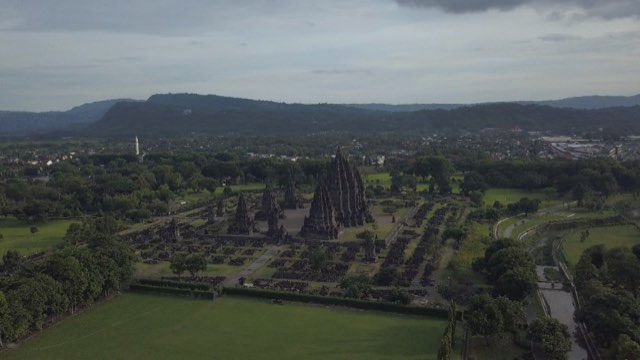
Built in the ninth century in central Java, Prambanan is the largest Hindu temple compound in Indonesia. Its soaring shrines to Shiva, Vishnu and Brahma are carved with a full narrative cycle of the Ramayana.

View details →
The Agha Bozorg Mosque, Kashan
Sacred SitesIran

The Agha Bozorg Mosque, Kashan

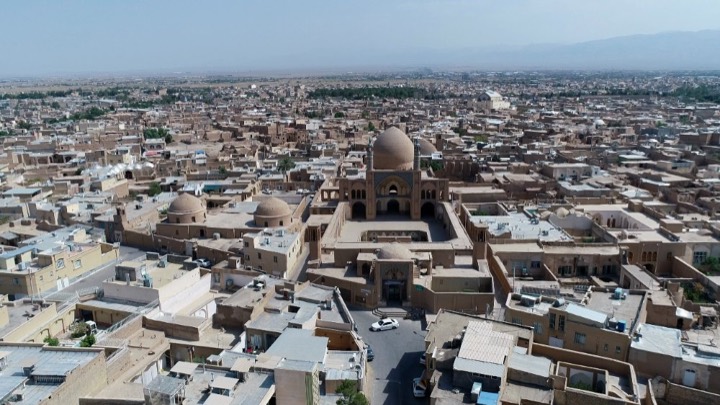
In the old quarter of Kashan, the Agha Bozorg complex combines a mosque and a madrasa on two levels, arranged around a courtyard sunk below street level. Built in the late eighteenth century, it is one of the most rigorously composed buildings in central Iran.

View details →
The Abbey of the Dormition, Mount Zion
Sacred SitesIsrael

The Abbey of the Dormition, Mount Zion

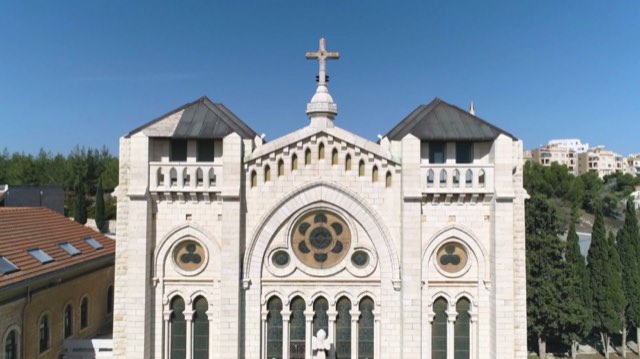
Just outside the walls of Jerusalem's Old City, the Abbey of the Dormition marks the place where tradition holds that the Virgin Mary fell asleep. Built for a German Benedictine community in the early twentieth century, it is one of the landmarks of Mount Zion.

View details →
Acre: Six Thousand Years of History
HistoryIsrael

Acre: Six Thousand Years of History

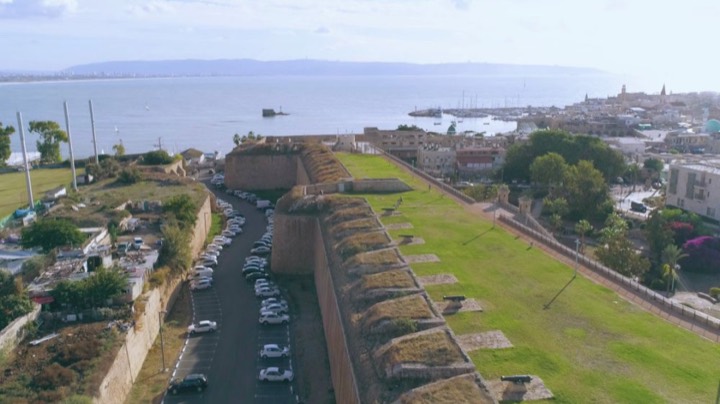
Acre is one of the rare places where a medieval city survives almost intact beneath a later one. Below the Ottoman streets and mosques of the walled town lie the vaulted halls of the Crusader capital, rediscovered and excavated over the last century.

View details →
Avdat, Nabataean City of the Negev
ArchaeologyIsrael

Avdat, Nabataean City of the Negev

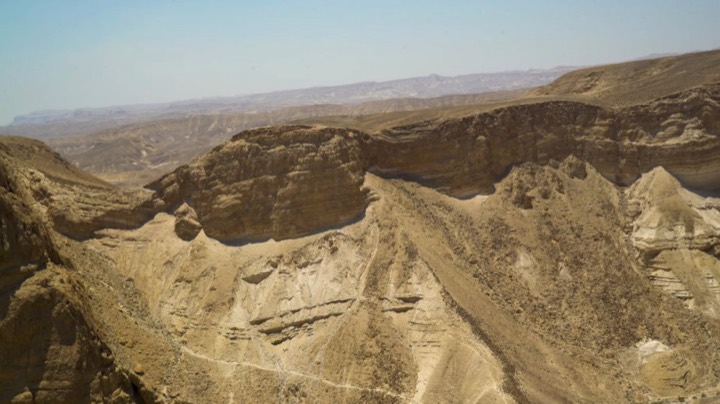
Rising on a spur above the Negev desert, Avdat was one of the staging cities of the Nabataean incense route and later a Roman and Byzantine town. Its acropolis, churches, wine press and terraced fields are inscribed on the World Heritage List.

View details →
Beit Guvrin: The Land of a Thousand Caves
ArchaeologyIsrael

Beit Guvrin: The Land of a Thousand Caves

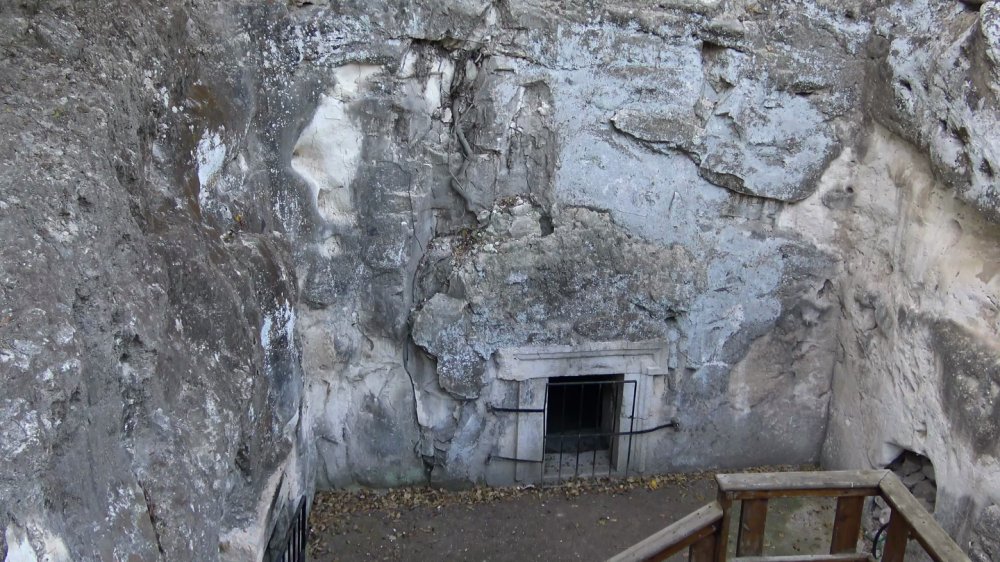
Beneath the soft chalk hills of the Judean lowlands lies a honeycomb of man-made caves: quarries with domed ceilings, columbaria, oil presses, cisterns and painted burial chambers. The site is inscribed on the World Heritage List.

View details →
Beit She'an: The Roman City of Scythopolis
ArchaeologyIsrael

Beit She'an: The Roman City of Scythopolis

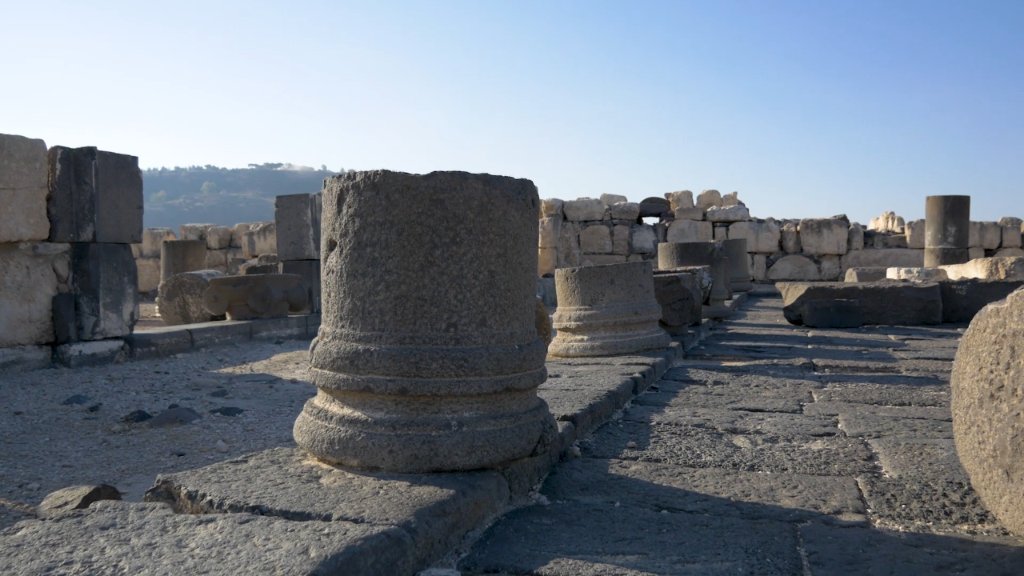
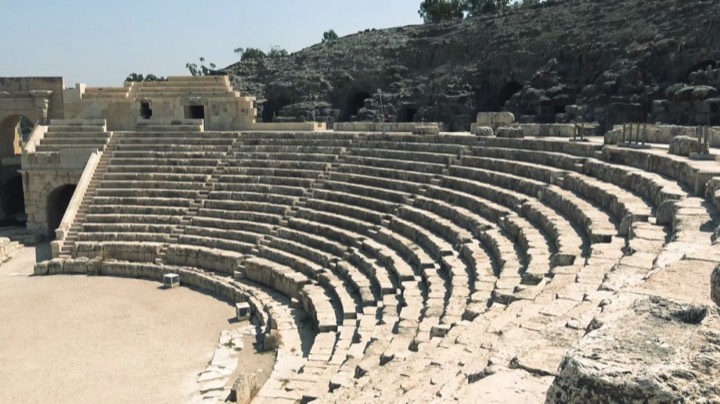
At the foot of an ancient tell, the excavated centre of Scythopolis spreads over several hectares: paved streets lined with columns, a large theatre, bath complexes and public fountains, left as an eighth-century earthquake brought them down.

View details →
Beit She'arim: A Necropolis of Jewish Renewal
ArchaeologyIsrael

Beit She'arim: A Necropolis of Jewish Renewal

Carved into the limestone of the Lower Galilee, the burial caves of Beit She'arim hold hundreds of sarcophagi and inscriptions in Hebrew, Aramaic and Greek. The necropolis is inscribed on the World Heritage List as a landmark of Jewish renewal.

View details →
Belvoir: The Crusader Fortress Above the Jordan
HistoryIsrael

Belvoir: The Crusader Fortress Above the Jordan

Perched on the lip of the escarpment high above the Jordan valley, Belvoir is one of the best-preserved Crusader castles in the region. Built by the Hospitaller order on a concentric plan, it resisted a long siege before falling.

View details →
Caesarea Maritima
ArchaeologyIsrael

Caesarea Maritima

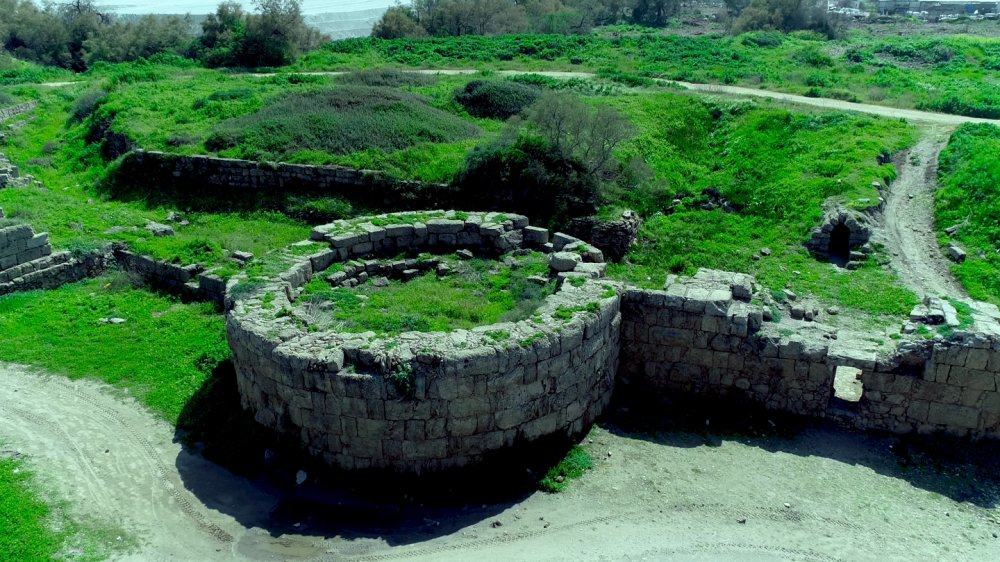
Caesarea was raised by Herod on a shore with no natural anchorage, and given an artificial harbour of unprecedented scale. Its theatre, hippodrome, aqueduct and later Crusader fortifications line one of the most spectacular coastal sites in the region.

View details →
The Caesarea Museum and Its Coastal Setting
ArchaeologyIsrael

The Caesarea Museum and Its Coastal Setting

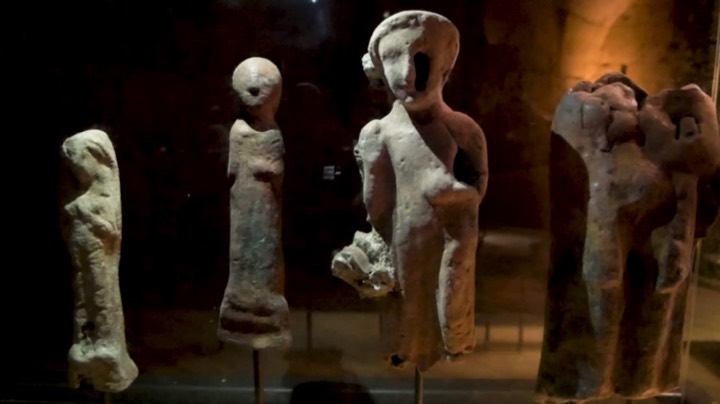
Beside the ancient city, a museum brings together objects recovered from Caesarea and its submerged harbour: statuary, architectural fragments, coins and everyday items that put faces and names to the ruins along the shore.

View details →
Ecce Homo: The Arch and the Pavement
Sacred SitesIsrael

Ecce Homo: The Arch and the Pavement

On the Via Dolorosa, an ancient arch spans the street and continues inside the convent of the Sisters of Zion. Below lie the great flagstones of the Lithostrotos and a vast Roman cistern cut into the rock.

View details →
Saint Peter in Gallicantu
Sacred SitesIsrael

Saint Peter in Gallicantu

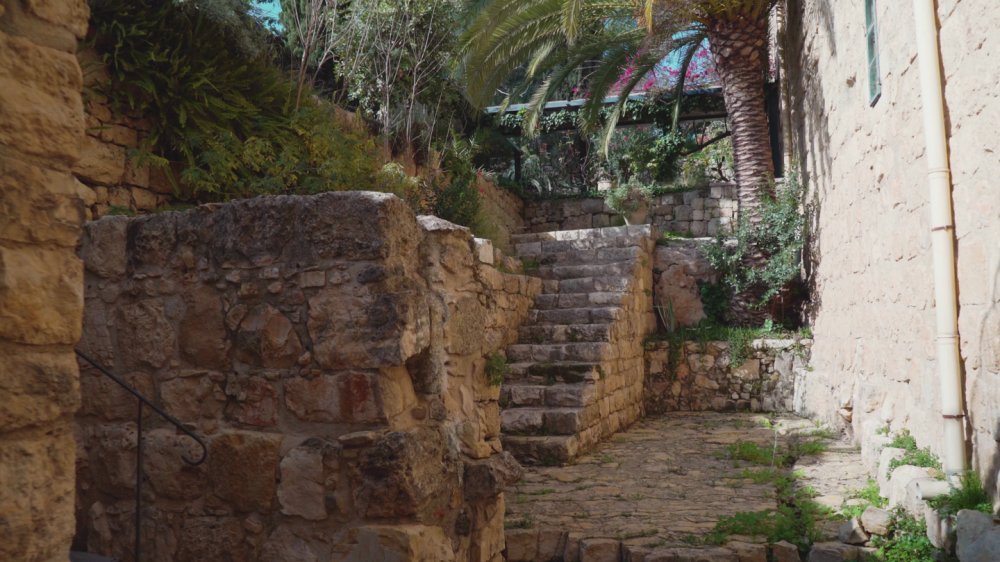
On the eastern slope of Mount Zion, this sanctuary commemorates Peter's denial of Christ before the cock crowed. A golden rooster crowns its roof; beneath the church lie rock-cut chambers and cisterns, and outside, an ancient stepped street.

View details →
Saint John and Terra Sancta, Acre
Sacred SitesIsrael

Saint John and Terra Sancta, Acre

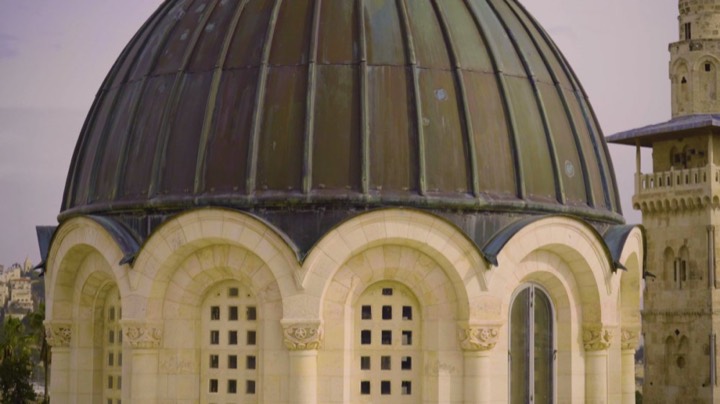
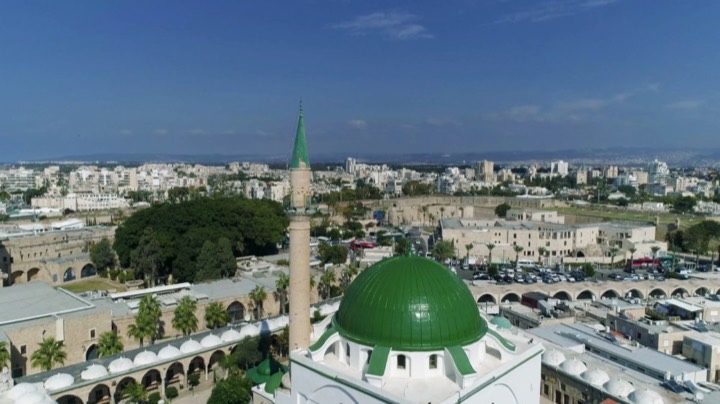
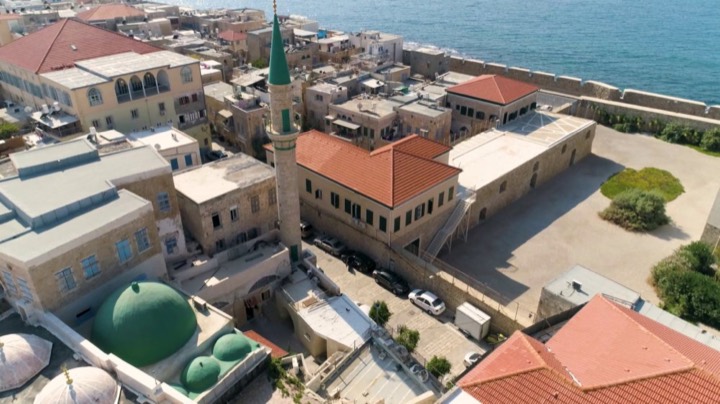
Close to the old harbour of Acre, the Franciscan church of Saint John and the adjoining Terra Sancta buildings serve the Latin community of the walled city. Their green dome is one of the markers of the seafront skyline.

View details →
The Church of the Holy Sepulchre
Sacred SitesIsrael

The Church of the Holy Sepulchre

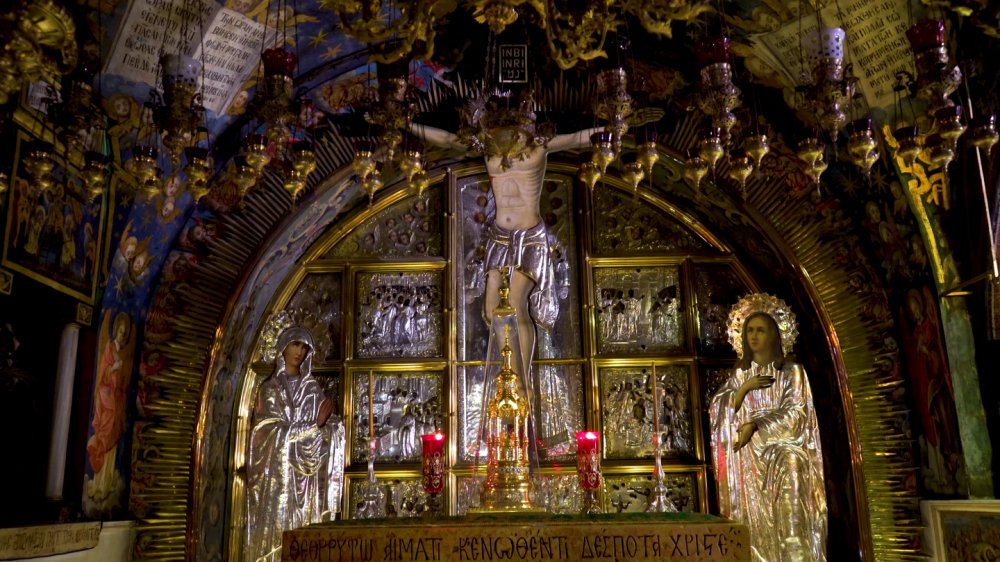
In the heart of Jerusalem's Old City, the Holy Sepulchre encloses both the rock of Golgotha and the tomb venerated as that of Christ. Six Christian communities share the building under an arrangement that fixes every stone and every hour.

View details →
The Church of the Nativity, Bethlehem
Sacred SitesIsrael

The Church of the Nativity, Bethlehem

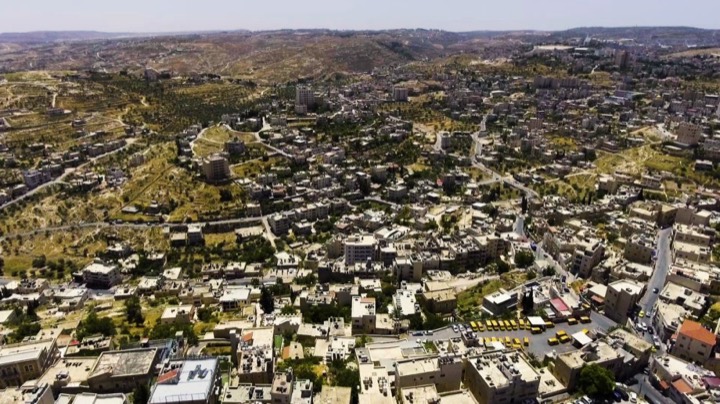
One of the oldest churches still in use, the Basilica of the Nativity in Bethlehem stands over the grotto venerated as the birthplace of Jesus. Entered through a door barely a metre and a half high, it is inscribed on the World Heritage List.

View details →
Ein Kerem: A Village of Revelation
Sacred SitesIsrael

Ein Kerem: A Village of Revelation

On the western edge of Jerusalem, Ein Kerem gathers churches, convents and a spring in a single narrow valley. Tradition places here the birth of John the Baptist and the meeting of Mary and Elizabeth.

View details →
El-Jazzar: The White Mosque of Acre
ArchitectureIsrael

El-Jazzar: The White Mosque of Acre

Rising above the roofs of old Acre, the mosque built by Ahmed Pasha al-Jazzar is the largest in the country outside Jerusalem. Its arcaded courtyard, fountains and reused antique columns anchor a walled city inscribed on the UNESCO World Heritage List.

View details →
Hippos: A Greek City Above the Sea of Galilee
ArchaeologyIsrael

Hippos: A Greek City Above the Sea of Galilee

On a steep, flat-topped hill above the eastern shore of the Sea of Galilee, the Greco-Roman city of Hippos-Sussita reveals its colonnaded street, its Byzantine churches and the fallen columns left by the earthquake that ended it.

View details →
Hisham's Palace
ArchaeologyIsrael

Hisham's Palace

In the oasis of Jericho stand the remains of an Umayyad palace complex: carved stucco, a monumental bathhouse, a stone rosette window, and the celebrated Tree of Life mosaic, among the finest of the early Islamic period.

View details →
Kursi and the Miracle of the Swine
Sacred SitesIsrael

Kursi and the Miracle of the Swine

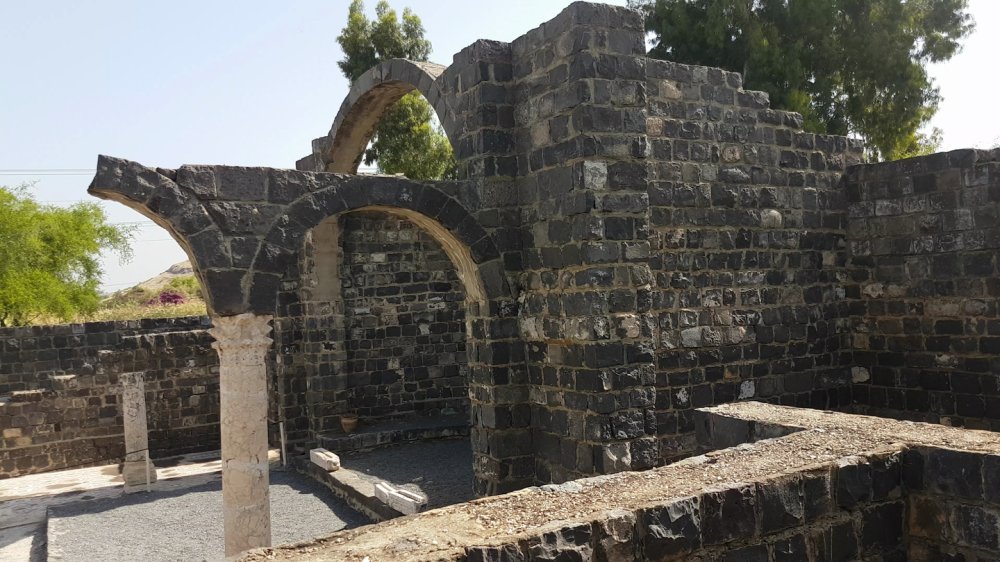
At Kursi, on the eastern shore of the Sea of Galilee, the excavated remains of a large Byzantine monastery and basilica mark the traditional site of the healing of the possessed man and the herd of swine.

View details →
Mamshit: A Nabataean City in the Negev
ArchaeologyIsrael

Mamshit: A Nabataean City in the Negev

Among the best-preserved of the Negev desert towns, Mamshit shows the Nabataean city in detail: stairways, arched houses, painted rooms, Byzantine churches with mosaics, and the dams that captured the winter floods.

View details →
Masada: The Palace of King Herod
ArchaeologyIsrael

Masada: The Palace of King Herod

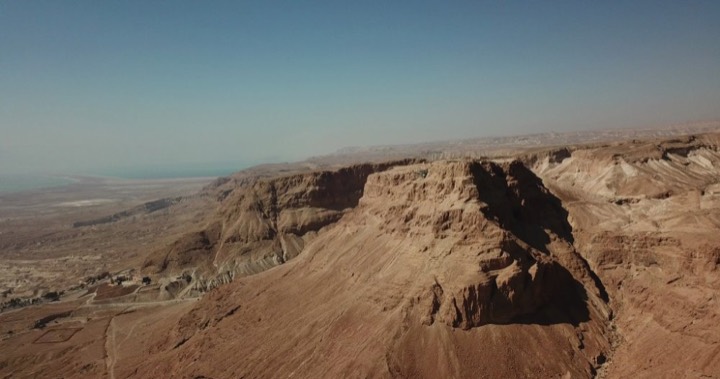
On an isolated plateau above the Dead Sea, Herod's fortified palace descends the cliff in three terraces. Below, the Roman camps and siege ramp remain visible — one of the most complete battlefields of antiquity.

View details →
The Monastery of the Flagellation and Condemnation
Sacred SitesIsrael

The Monastery of the Flagellation and Condemnation

At the start of the Via Dolorosa, the Franciscan complex of the Flagellation and Condemnation combines two chapels, a courtyard, and an archaeological collection assembled by scholars who have excavated the Holy Land for generations.

View details →
The Mount of Olives
Sacred SitesIsrael

The Mount of Olives

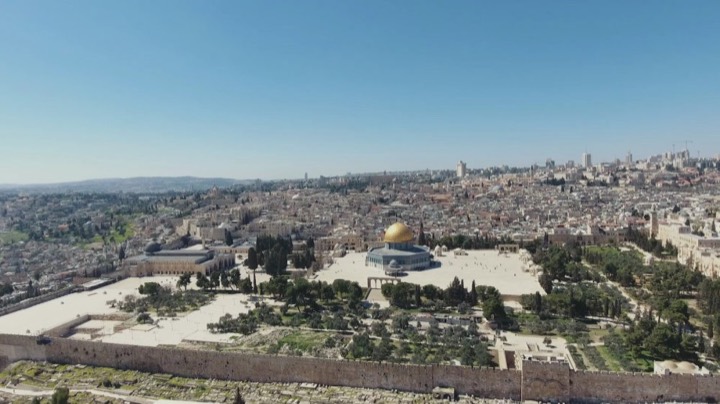
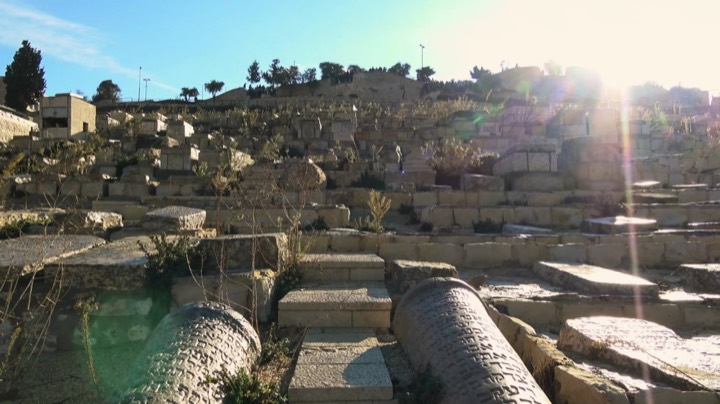
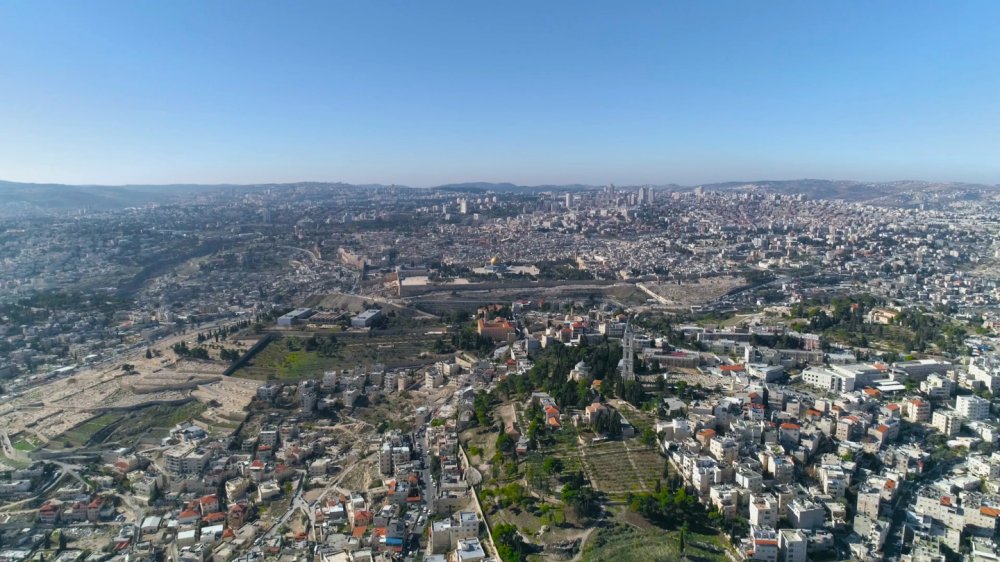
East of the Old City, the Mount of Olives rises above the Kidron Valley in a slope of white tombs, olive groves and churches. It offers the defining view of Jerusalem and gathers, on a single hillside, some of the most charged sites of Jewish, Christian and Muslim tradition.

View details →
Nitzana: A Desert Town on the Negev Routes
ArchaeologyIsrael

Nitzana: A Desert Town on the Negev Routes

Set on a low hill in the western Negev, Nitzana is one of the desert towns that grew along the trade and pilgrimage routes crossing the arid south. Its ruined churches, cisterns and dwellings, and the celebrated cache of papyri found here, document daily life at the edge of the desert.

View details →
Shivta: A Byzantine City in the Negev
ArchaeologyIsrael

Shivta: A Byzantine City in the Negev

Standing alone in the Negev, Shivta preserves the plan of a desert town with its churches, streets, houses and remarkable water systems. Part of the World Heritage landscape of the Negev desert cities, it shows how life was engineered in an arid land.

View details →
Tel Arad
ArchaeologyIsrael

Tel Arad

Tel Arad joins two sites in one: a large fortified city of the Early Bronze Age spread across the plain, and above it an Iron Age citadel containing a sanctuary — a rare and much-studied find in the archaeology of ancient Israel.

View details →
The White City of Tel Aviv: Bauhaus on the Mediterranean
ArchitectureIsrael

The White City of Tel Aviv: Bauhaus on the Mediterranean

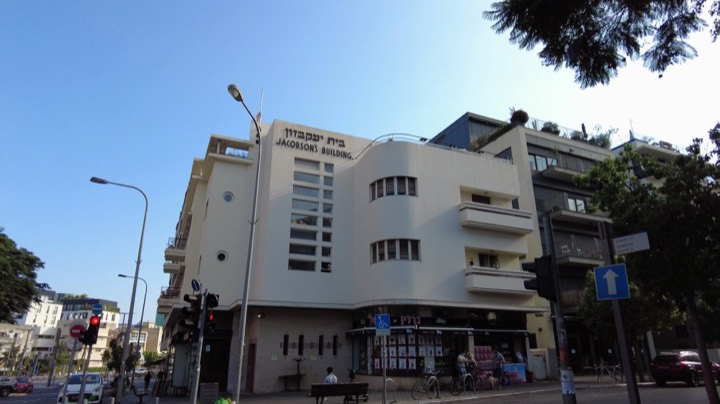
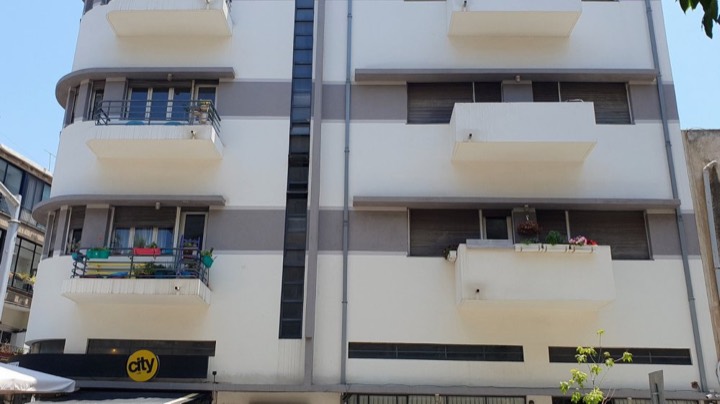
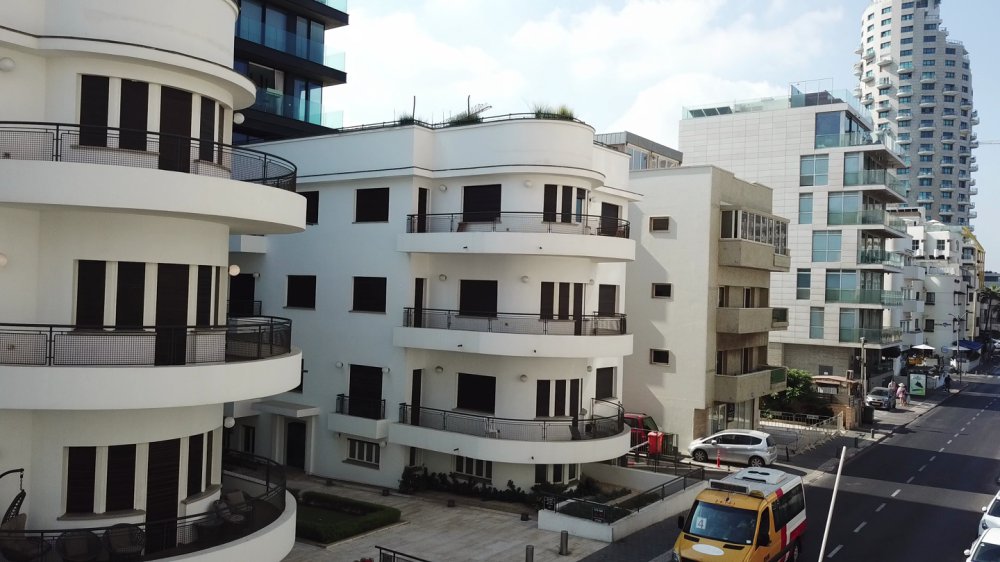
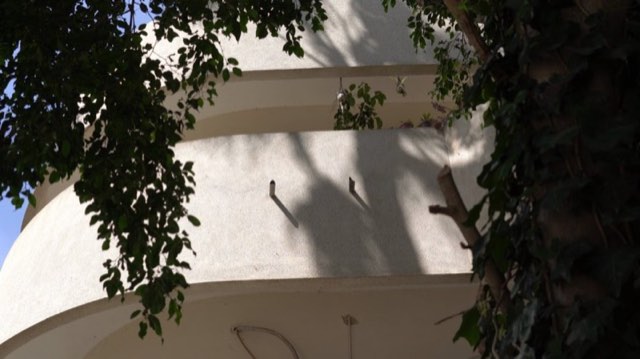
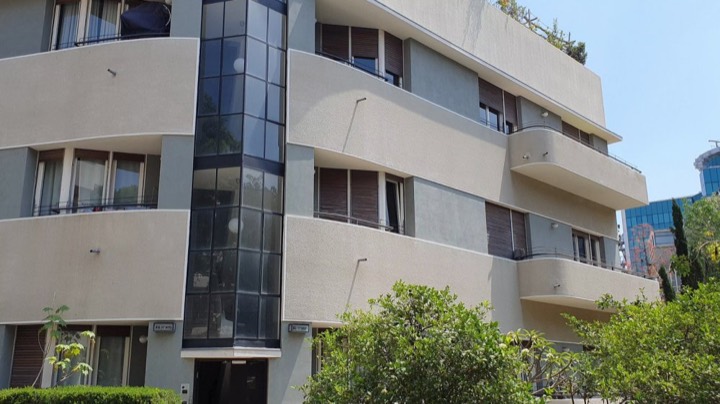
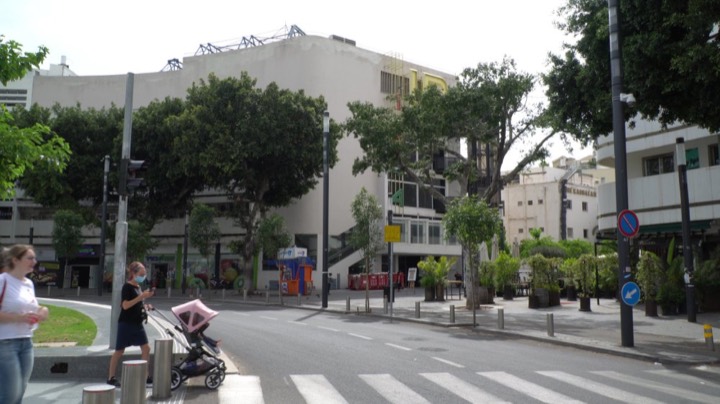
Tel Aviv holds one of the largest concentrations of International Style architecture in the world. Balconies, ribbon windows, curved corners and raised pilotis form a coherent modernist city, recognised as a World Heritage site.

View details →
Tel Be'er Sheva
ArchaeologyIsrael

Tel Be'er Sheva

Overlooking the Negev, Tel Be'er Sheva preserves the plan of an Iron Age town built to a deliberate design: a ring of houses inside the wall, a gate, storehouses and a remarkable underground water system. It belongs to the World Heritage Biblical Tels.

View details →
Tel Megiddo: The Hill of Armageddon
ArchaeologyIsrael

Tel Megiddo: The Hill of Armageddon

Guarding the pass into the Jezreel Valley, Megiddo piled city upon city over millennia. Its gates, palaces, grain silo and rock-cut water tunnel make it one of the key archaeological sites of the Near East — and the origin of the name Armageddon.

View details →
The Hospitaller Fortress of Acre
HistoryIsrael

The Hospitaller Fortress of Acre

Under the streets of Acre lies the fortress of the Knights Hospitaller: a complex of vaulted halls, courtyards and passages buried when the Ottoman city was built above it, and now excavated. It is a highlight of the World Heritage old city.

View details →
The Monastery of Saint Mary Magdalene
Sacred SitesIsrael

The Monastery of Saint Mary Magdalene

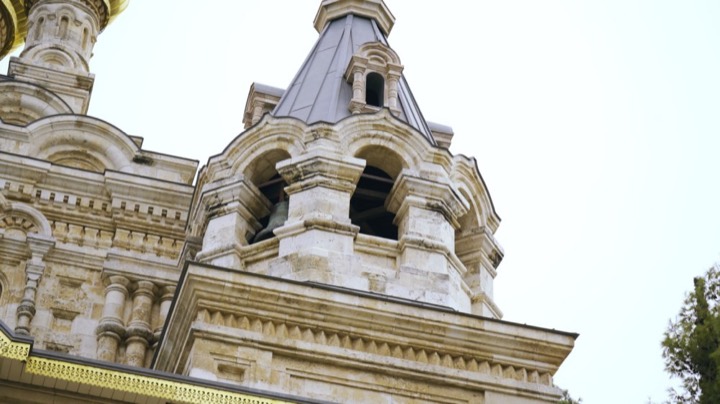
On the slope of the Mount of Olives above Gethsemane, the Russian Orthodox monastery of Saint Mary Magdalene raises its gilded onion domes among the olive trees. Built by the Russian imperial family, it is one of the most photographed silhouettes in Jerusalem.

View details →
The Sea of Galilee
NatureIsrael

The Sea of Galilee

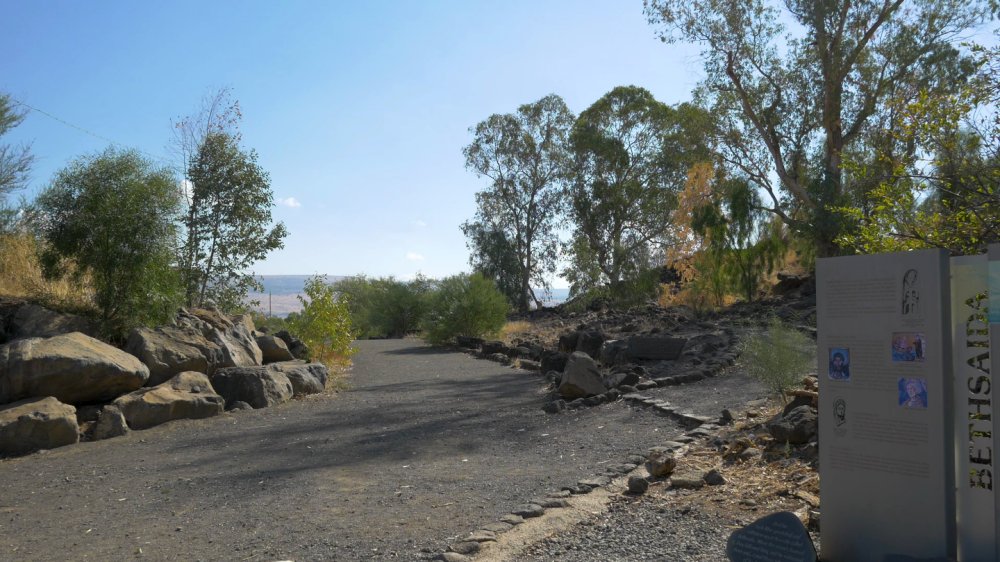
Set well below sea level between basalt hills and the Golan escarpment, the Sea of Galilee is a freshwater lake, a fishing ground and one of the central landscapes of the Gospels. Its shoreline strings together sanctuaries, ancient sites and working harbours.

View details →
The Via Dolorosa: Jerusalem's Way of the Cross
Sacred SitesIsrael

The Via Dolorosa: Jerusalem's Way of the Cross

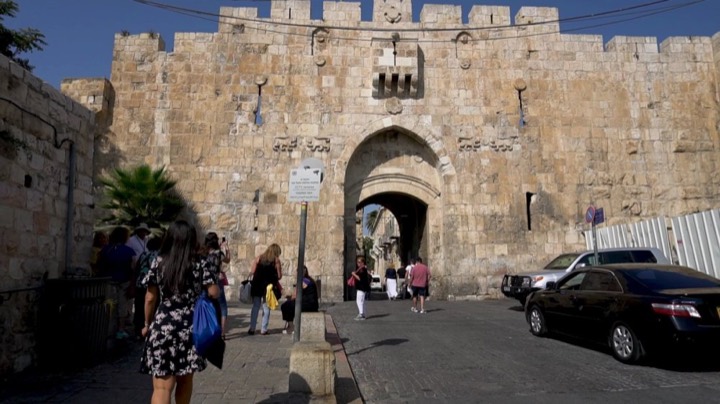
From the Lions' Gate to the Church of the Holy Sepulchre, the Via Dolorosa threads the covered souks and stone lanes of the Old City of Jerusalem. Marked by fourteen Stations of the Cross, it is walked by pilgrims from every continent.

View details →
The Shadhiliyya Zawiya of Acre
Sacred SitesIsrael

The Shadhiliyya Zawiya of Acre

In the old city of Acre, one of the Mediterranean's great walled ports, the Zawiyat al-Shadhiliyya serves as mosque and lodge for a community of the Shadhili Sufi tradition. Its courtyard opens onto a quarter of vaulted lanes and sea ramparts.

View details →
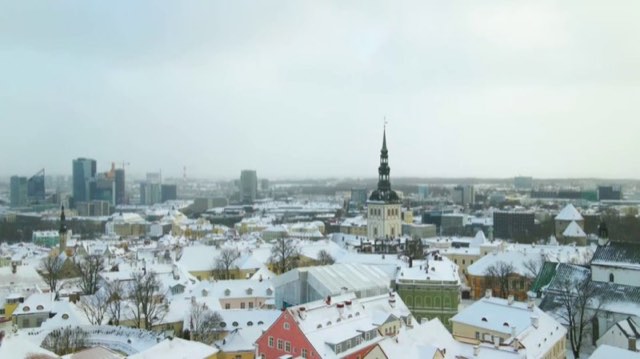
Alberobello: The Trulli of Puglia
ArchitectureItaly

Alberobello: The Trulli of Puglia

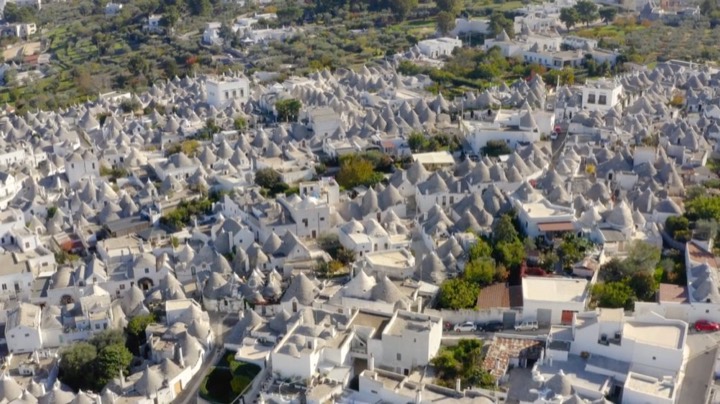
In the Itria Valley of Puglia, Alberobello preserves entire districts of trulli — whitewashed dwellings roofed with corbelled cones of dry-laid limestone. Listed by UNESCO, the town is the most complete survival of a vernacular building technique.

View details →
Arzachena: Sardinia's Megalithic Landscape
ArchaeologyItaly

Arzachena: Sardinia's Megalithic Landscape

Behind the beaches of the Costa Smeralda, the granite hills of Arzachena hold one of Sardinia's densest concentrations of prehistoric monuments: giants' tombs with their curved forecourts, megalithic burial circles and the dry-stone tower of a nuraghe.

View details →
Burano: Colour in the Venetian Lagoon
CultureItaly

Burano: Colour in the Venetian Lagoon

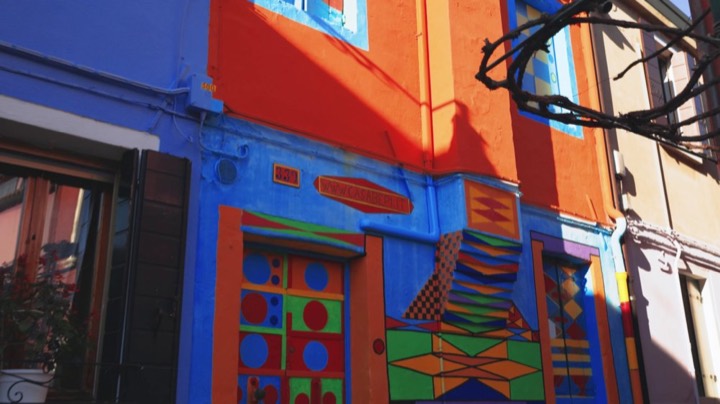
Half an hour by boat from Venice, Burano is a fishing island where every house is painted a different colour and the bell tower of San Martino leans over the canal. Its other inheritance is needle lace, worked here for centuries.

View details →
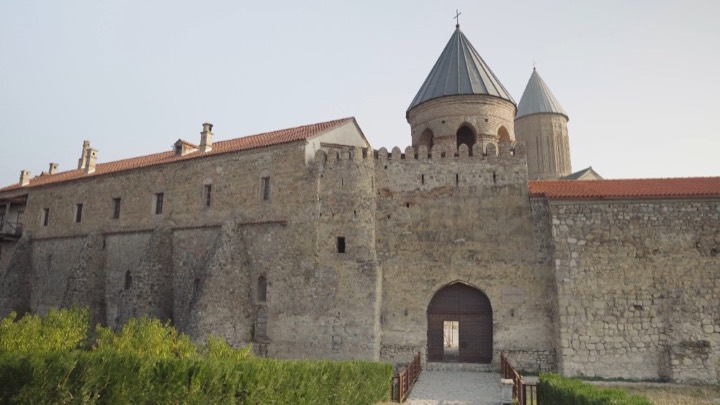
The Royal Castle of Sarre — Part 1
HistoryItaly

The Royal Castle of Sarre — Part 1

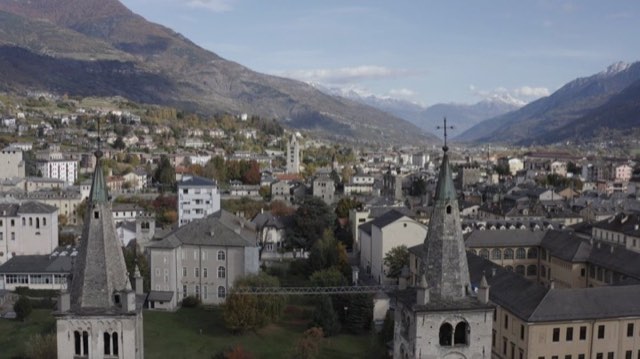
On a terrace overlooking the Aosta Valley, the Royal Castle of Sarre owes its present form to Victor Emmanuel II, who made it the base for his hunting expeditions in the mountains that later became the Gran Paradiso National Park.

View details →
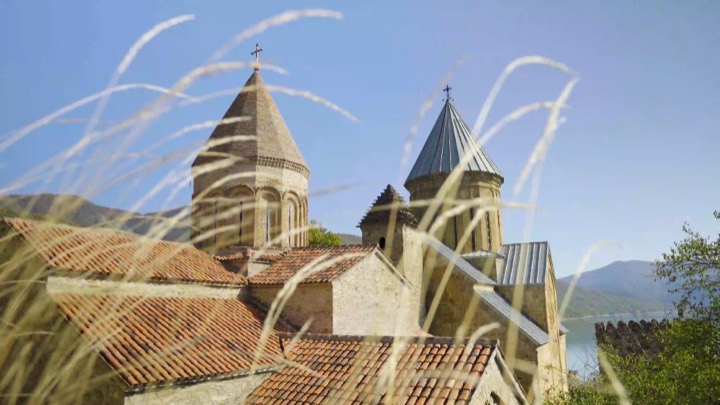
The Royal Castle of Sarre — Part 2
HistoryItaly

The Royal Castle of Sarre — Part 2

The interiors of the Royal Castle of Sarre are unlike any other Savoy residence: whole galleries decorated with ibex horns and chamois trophies, alongside apartments, portraits and furnishings that recount the dynasty's alpine life.

View details →
Introd Castle, Aosta Valley
HistoryItaly

Introd Castle, Aosta Valley

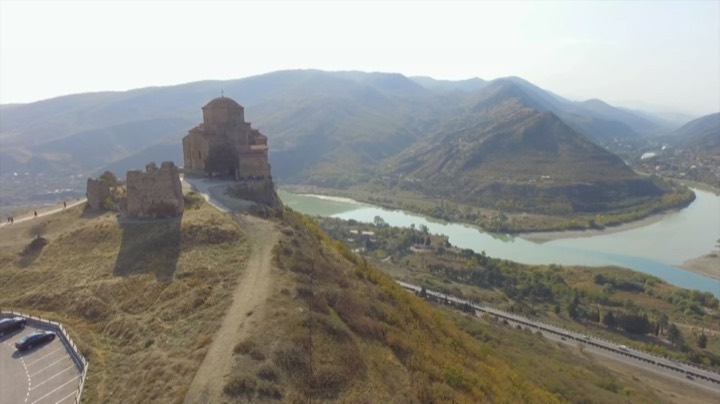
Introd stands where the Val di Rhêmes and the Valsavarenche open off the main Aosta Valley. Its castle, rebuilt over the centuries around an irregular, almost circular plan, watches over the meadows and larch woods at the gateway to the Gran Paradiso.

View details →
La Mothe Castle and Its Village, Aosta Valley
HistoryItaly

La Mothe Castle and Its Village, Aosta Valley

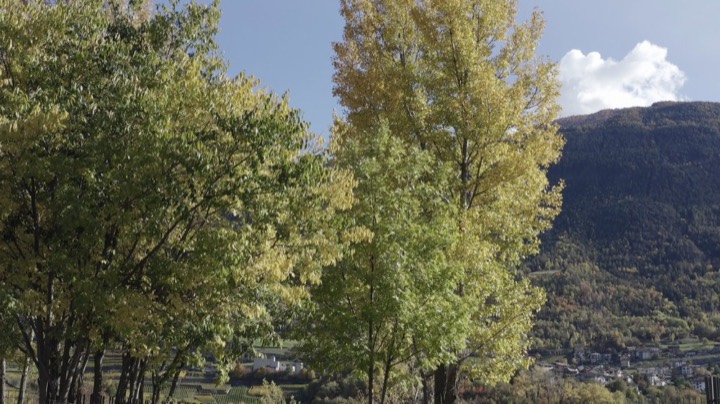
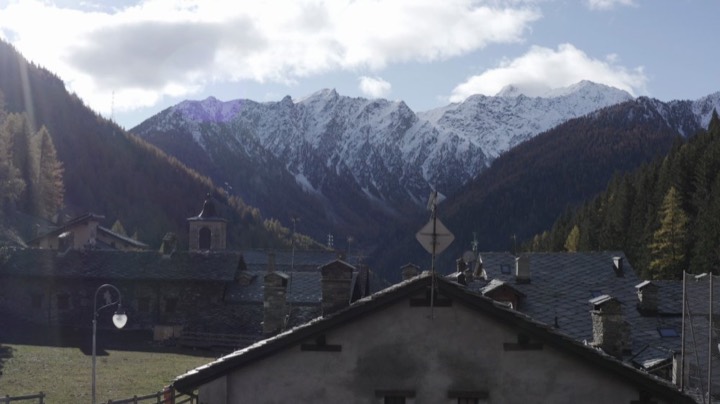
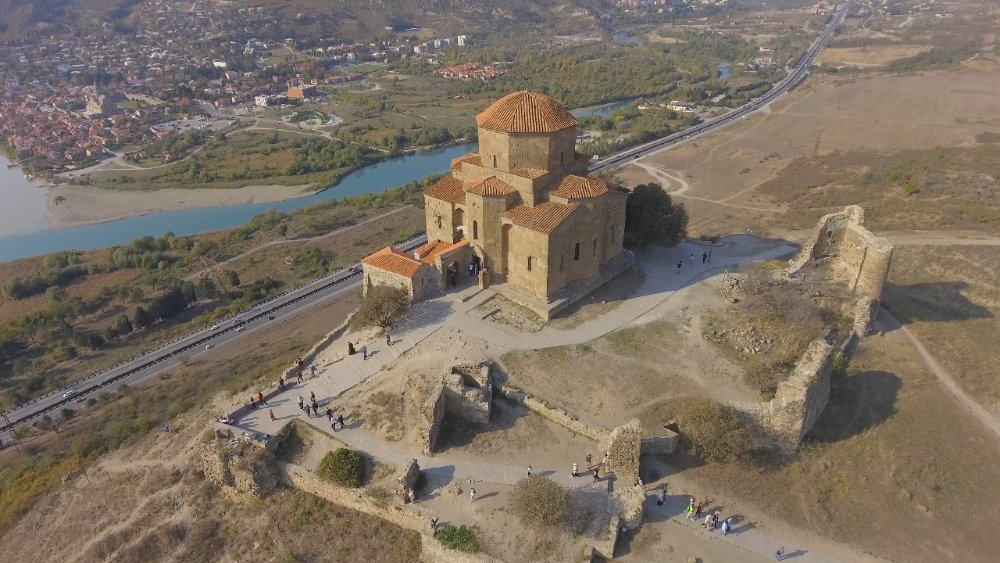
In the Aosta Valley, where almost every rocky spur carries a tower, the castle of La Mothe overlooks the village that grew in its shadow. Stone walls, narrow lanes and high pastures compose a picture of alpine life shaped by the fortress above.

View details →
Montmayeur Castle, Aosta Valley
HistoryItaly

Montmayeur Castle, Aosta Valley

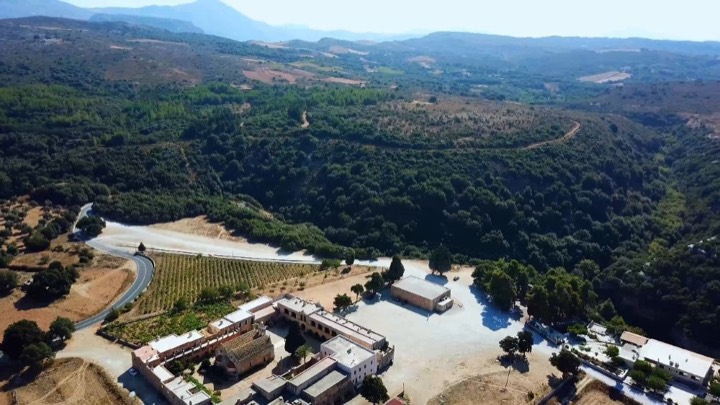
Set apart from the main road, Montmayeur belongs to the chain of castles that guard the Aosta Valley. Reached through woods and pasture, it presents a strong silhouette against the mountains and a landscape of great cinematic quality.

View details →
The Collegiate Church of Sant'Orso, Aosta
Sacred SitesItaly

The Collegiate Church of Sant'Orso, Aosta

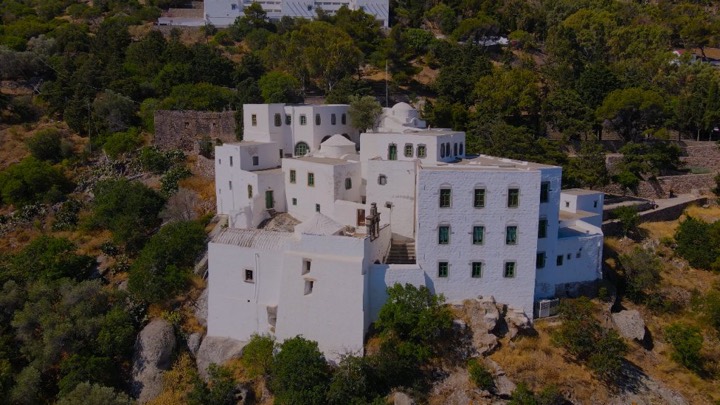
At the heart of Aosta, the collegiate church of Sant'Orso gathers a thousand years of building: a Romanesque bell tower and cloister whose historiated capitals are among the finest in the Alps, a Gothic nave, and early frescoes preserved in the roof space.

View details →
Venice — Part 1
HistoryItaly

Venice — Part 1

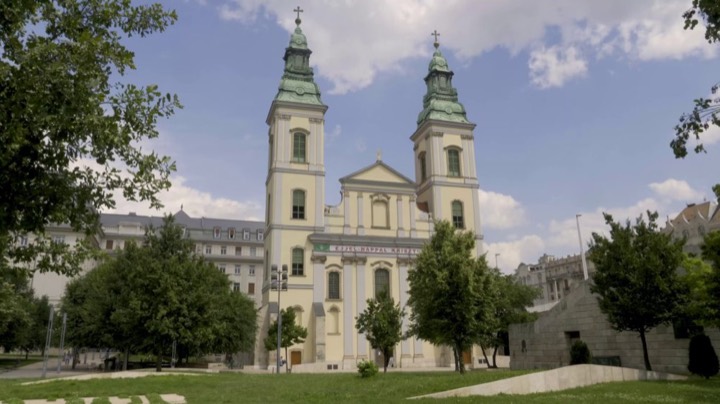
No city has been more filmed and fewer are better understood. This first part looks at how Venice came to exist: a settlement on the islands of a lagoon, built on forests of wooden piles, whose geography dictated its architecture and its power.

View details →
Venice — Part 2
HistoryItaly

Venice — Part 2

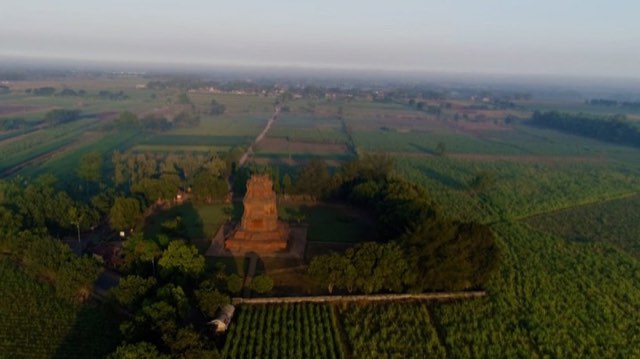
The second part turns to the Serenissima: the republic that ruled the eastern Mediterranean for centuries, and the palaces, churches and public buildings in which its wealth, its institutions and its taste took visible form.

View details →
Venice — Part 3
HistoryItaly

Venice — Part 3

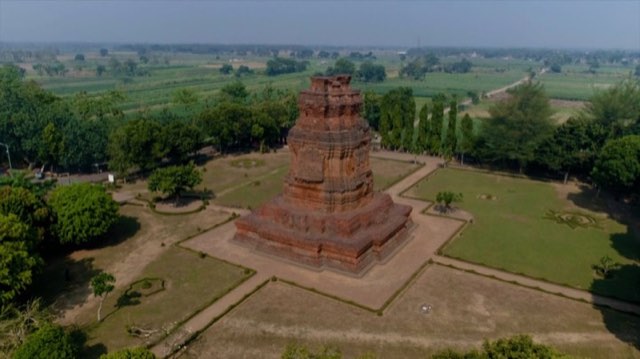
The third part leaves the main routes for the quieter Venice: working canals, neighbourhood squares, artisans' workshops and the lagoon islands — together with the pressures of high water, depopulation and mass tourism that the city faces today.

View details →
The Cryptoporticus of Roman Aosta
ArchaeologyItaly

The Cryptoporticus of Roman Aosta

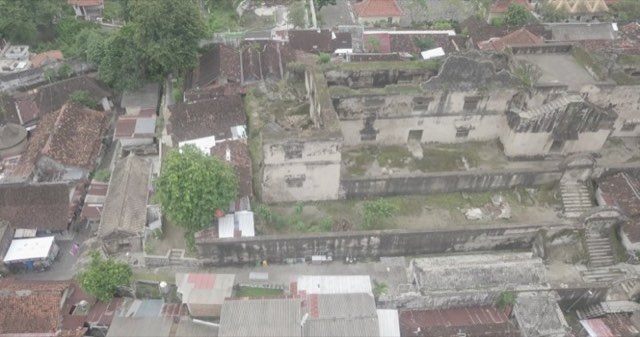
Aosta was founded as Augusta Praetoria, a Roman colony controlling the routes to the Alpine passes. Of its forum there survives a remarkable structure: a semi-underground double gallery, barrel-vaulted and lit by narrow openings, running around the sacred precinct.

View details →
Fort Bard, Aosta Valley — Part 1
HistoryItaly

Fort Bard, Aosta Valley — Part 1

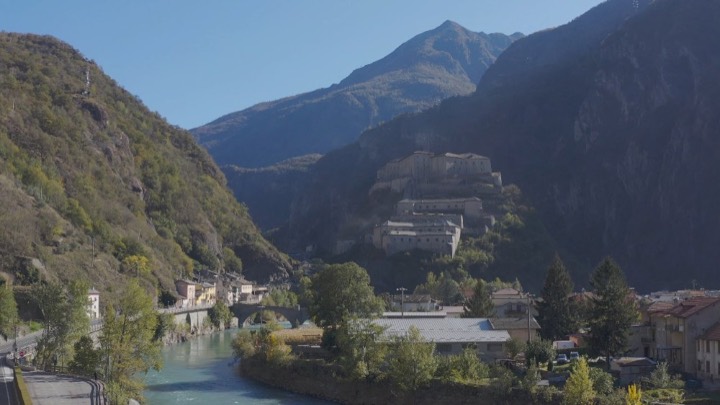
At the narrowest point of the lower Aosta Valley, a rocky outcrop blocks the passage. The stronghold built on it delayed Napoleon's army during its crossing of the Alps in 1800 — and was demolished on his orders soon afterwards.

View details →
Fort Bard, Aosta Valley — Part 2
HistoryItaly

Fort Bard, Aosta Valley — Part 2

Rebuilt by the House of Savoy in the nineteenth century, Fort Bard is a complete system of stepped works climbing the rock. Restored after long abandonment, it now houses museums and exhibition spaces within its casemates and courtyards.

View details →
Graines Castle, Val d'Ayas
HistoryItaly

Graines Castle, Val d'Ayas

Graines occupies a rocky knoll above Brusson, in the Val d'Ayas. What survives is a ring of curtain walls enclosing the remains of a keep and a small chapel — the archaic type of alpine castle, built for control of a valley rather than for comfort.

View details →
The Towers of Aosta: The Leper's Tower and Bramafam
HistoryItaly

The Towers of Aosta: The Leper's Tower and Bramafam

The Roman walls of Aosta still carry a series of towers reworked in the Middle Ages. Two have become emblems of the city: the Leper's Tower, named after the recluse whose story inspired a famous novella, and the massive Bramafam on the enceinte's angle.

View details →
The Rocca of Mondavio
HistoryItaly

The Rocca of Mondavio

Built for the della Rovere on designs by Francesco di Giorgio Martini, the Rocca of Mondavio is a textbook of early modern military architecture: sloping walls, a polygonal keep and firing galleries conceived against artillery. It survives essentially intact.

View details →
The Ducal Palace of Urbino
ArchitectureItaly

The Ducal Palace of Urbino

Raised for Federico da Montefeltro, the Ducal Palace of Urbino is a defining building of the Italian Renaissance: the twin-turreted façade, the luminous courtyard, and the studiolo lined with trompe-l'œil marquetry. It now houses the Galleria Nazionale delle Marche.

View details →
Saint-Germain Castle, Aosta Valley
HistoryItaly

Saint-Germain Castle, Aosta Valley

Saint-Germain belongs to the long line of fortified sites that guard the Aosta Valley. Set above the valley floor, its walls and the rock beneath them have merged into a single form, in a landscape of vineyards, woods and high summits.

View details →
Saint-Rhémy, on the Road to the Great St Bernard
HistoryItaly

Saint-Rhémy, on the Road to the Great St Bernard

Saint-Rhémy-en-Bosses lies at the head of the valley that climbs to the Great St Bernard Pass, a route used since antiquity and travelled by pilgrims bound for Rome. Stone houses, high pastures and a cured ham with protected status form its inheritance.

View details →
San Nicolò dei Mendicoli, Venice
Sacred SitesItaly

San Nicolò dei Mendicoli, Venice

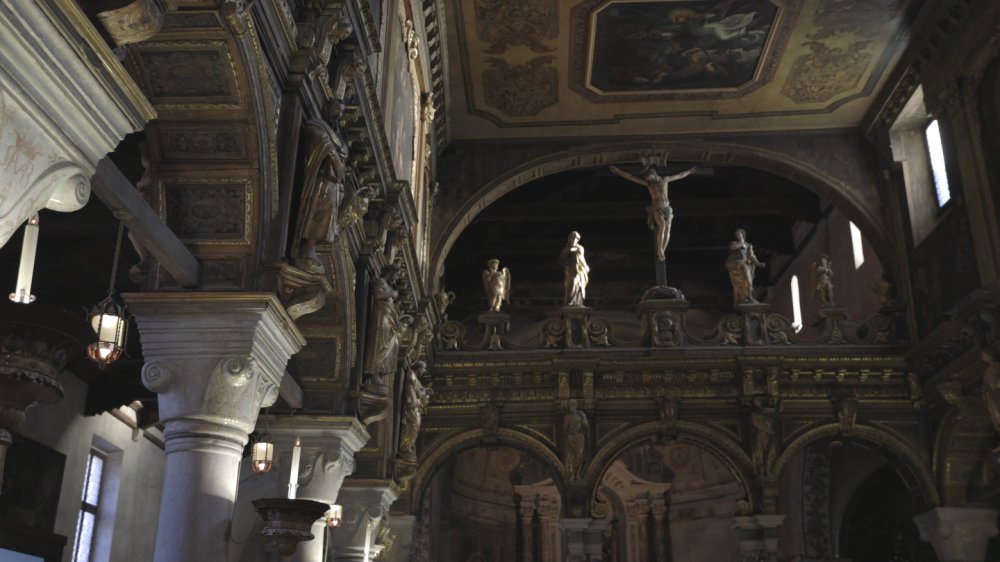
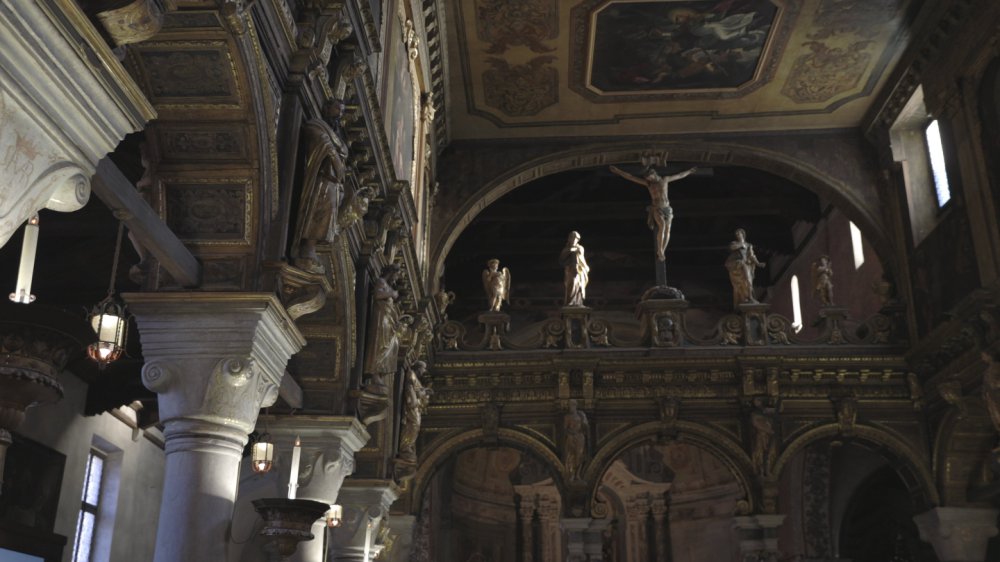
Far from the tourist routes, in the western corner of Dorsoduro, San Nicolò dei Mendicoli is among the oldest church foundations in Venice. Its portico, gilded wooden interior and painted ceiling belong to a parish of fishermen and boatmen.

View details →
The Sassi of Matera
HistoryItaly

The Sassi of Matera

Matera's Sassi are two districts of dwellings cut into the limestone of a ravine in Basilicata, inhabited for millennia. Emptied by law in the twentieth century after the poverty of its cave houses became a national scandal, the site is now a rebuilt city.

View details →
Castel Savoia, Aosta Valley
HistoryItaly

Castel Savoia, Aosta Valley

Built as a summer residence for Queen Margherita of Savoy at Gressoney, Castel Savoia is an eclectic composition of turrets and gables set in an alpine garden, looking out towards the Monte Rosa massif at the head of the Lys valley.

View details →
Verrès Castle, Aosta Valley
HistoryItaly

Verrès Castle, Aosta Valley

Above the town of Verrès, in Italy's Aosta Valley, a castle built as a single monolithic cube dominates a strategic alpine corridor. Held by the Challant family, it fuses fortress and residence in one uncompromising block of stone.

View details →
Kencho-ji, First Zen Monastery of Kamakura
Sacred SitesJapan

Kencho-ji, First Zen Monastery of Kamakura

Founded in Kamakura under the patronage of the Hojo regents and led by a Chinese Chan master, Kencho-ji was conceived as a full monastic training centre. First of the city's Five Mountains, it remains an active Rinzai monastery.

View details →
Luang Prabang, the Royal Town
CultureLaos

Luang Prabang, the Royal Town

Set on a peninsula where the Nam Khan meets the Mekong, Luang Prabang was the royal capital of Laos. Its inscription on the World Heritage List recognises a rare fusion of Lao monastic architecture and French colonial urbanism.

View details →
Penang, Crossroads of the Straits
CultureMalaysia

Penang, Crossroads of the Straits

On Malaysia's north-west coast, Penang and its historic capital George Town form a World Heritage site. Chinese clan houses, mosques, Hindu temples and British colonial buildings stand within minutes of one another.

View details →
Mdina, the Silent City
HistoryMalta

Mdina, the Silent City

Perched on a hilltop in the centre of Malta, Mdina was the island's capital for centuries. Enclosed by bastions, its narrow shaded lanes, noble palaces and cathedral have earned it the name of the Silent City.

View details →
Orheiul Vechi, the Cave Monastery
Sacred SitesMoldova

Orheiul Vechi, the Cave Monastery

Above the Raut river, in a limestone gorge, monks hollowed a monastery directly out of the rock. Orheiul Vechi combines a cave church, a hilltop chapel and an archaeological landscape occupied since antiquity.

View details →
Stari Bar, the Old Town
HistoryMontenegro

Stari Bar, the Old Town

Below the slopes of Mount Rumija, the old town of Bar was abandoned after conflict and lies in ruins. Churches, a mosque, an aqueduct and a clock tower record the successive powers that ruled this stretch of the Adriatic.

View details →
Kotor Cathedral
Sacred SitesMontenegro

Kotor Cathedral

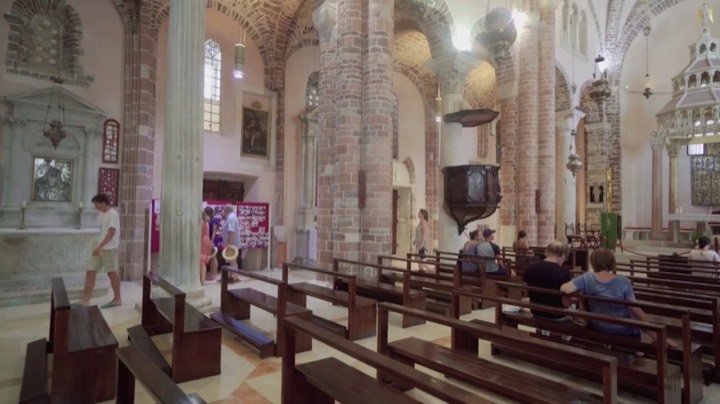
Dedicated to Saint Tryphon, patron of Kotor, the cathedral stands at the heart of the walled city on the Bay of Kotor. Its twin bell towers, Romanesque interior and treasury make it the principal monument of the old town.

View details →
Saint George's Island, Perast and Risan
HistoryMontenegro

Saint George's Island, Perast and Risan

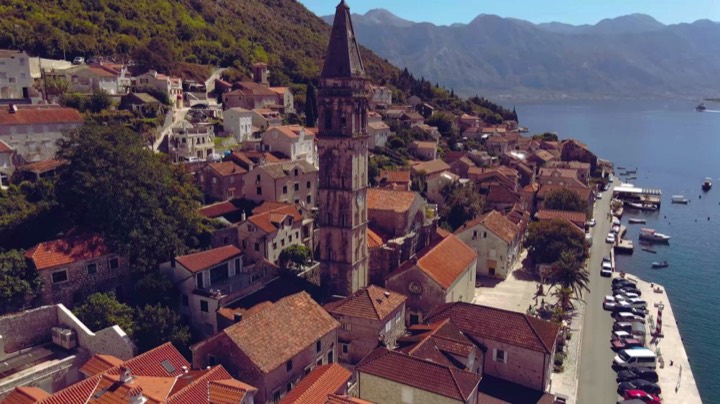
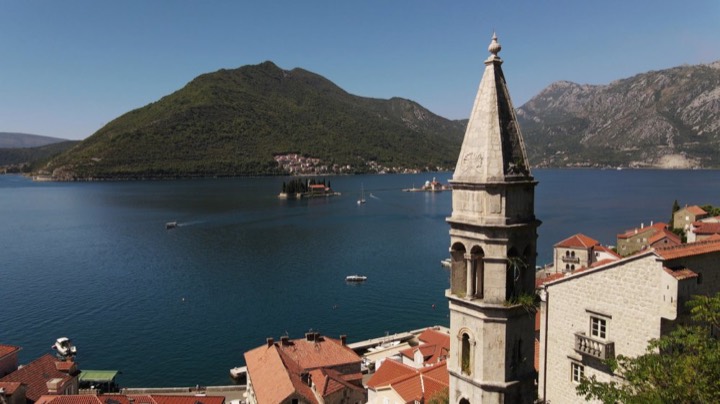
On the Bay of Kotor, the island of Saint George faces its celebrated neighbour offshore from Perast, a town of Baroque palaces built by sea captains. Nearby Risan preserves Roman mosaics from a much older settlement.

View details →
Boudhanath Stupa
Sacred SitesNepal

Boudhanath Stupa

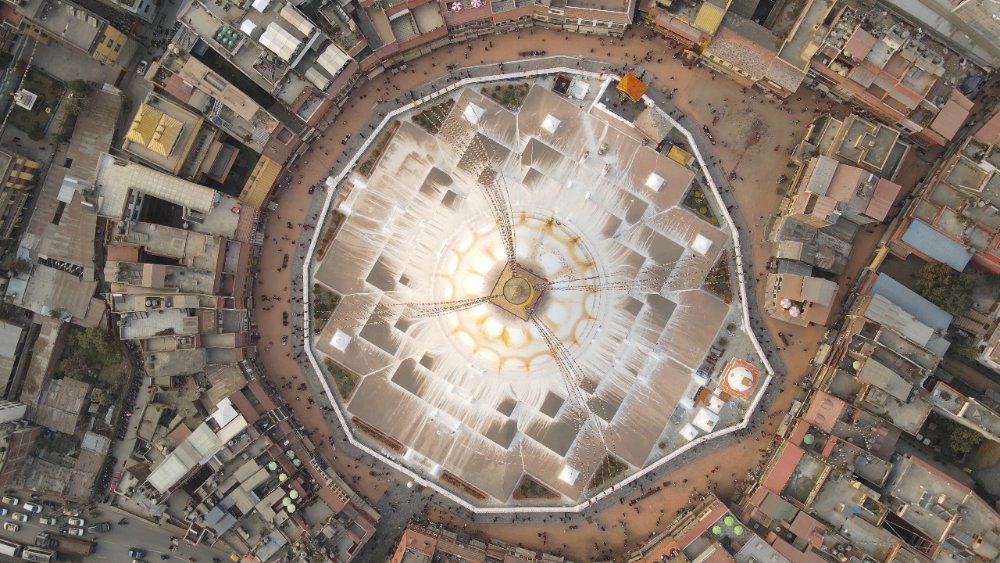
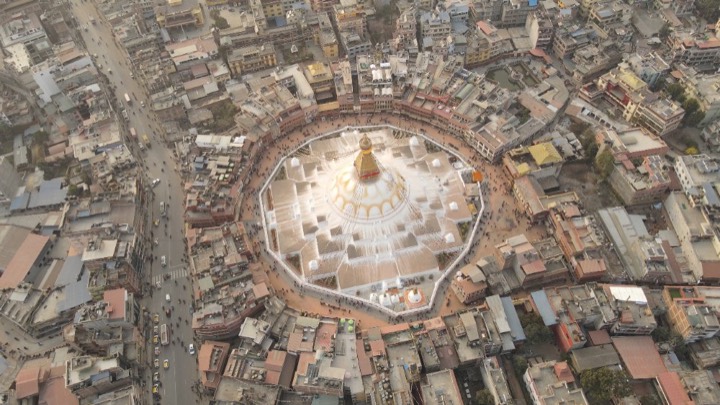
One of the largest stupas in the world, Boudhanath is the centre of Tibetan Buddhist life in Kathmandu. Pilgrims circle its white dome day and night beneath the painted eyes of the tower, in a World Heritage valley.

View details →
Swayambhunath
Sacred SitesNepal

Swayambhunath

Crowning a hill west of Kathmandu, Swayambhunath is among the oldest and most venerated sanctuaries in Nepal. Reached by a long stairway, its stupa is a place of Buddhist and Hindu worship alike, within a World Heritage valley.

View details →
Ohrid, Lake of the Saints - Part Two
CultureNorth Macedonia

Ohrid, Lake of the Saints - Part Two

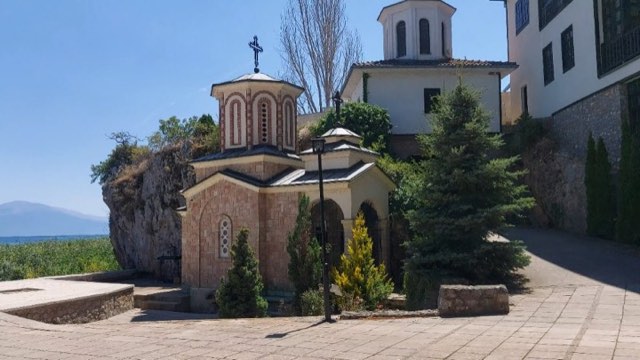
The Ohrid region, in North Macedonia, is inscribed on the World Heritage List for both its natural and its cultural value. This second film continues the exploration of its churches, monasteries, fortress and shoreline.

View details →
Derawar Fort
HistoryPakistan

Derawar Fort

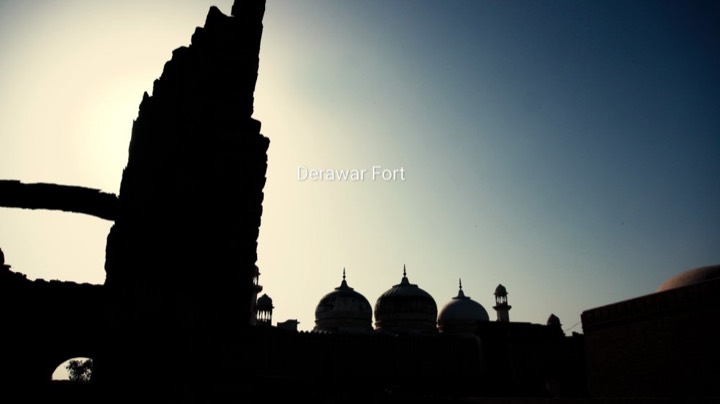
Rising from the sands of the Cholistan desert in southern Punjab, Derawar Fort presents an immense square enclosure ringed by dozens of towering bastions in patterned brick, with a royal mosque and necropolis alongside.

View details →
Lima Cathedral and the Plaza Mayor
Sacred SitesPeru

Lima Cathedral and the Plaza Mayor

Lima's Plaza Mayor was traced out when the city was founded in 1535, and its cathedral has been rebuilt again and again after the earthquakes that punctuate Peruvian history. Together they form the ceremonial heart of the capital's historic centre.

View details →
Krakow, the Royal City - Part One
CulturePoland

Krakow, the Royal City - Part One

First part of a portrait of Krakow, Poland's former royal capital. From Wawel hill to the largest medieval square in Europe, the film follows a city whose historic centre was among the earliest sites inscribed on the UNESCO World Heritage List.

View details →
Krakow, the Royal City - Part Two
CulturePoland

Krakow, the Royal City - Part Two

Second part of the Krakow portrait. Beyond the Main Market Square, the film explores Kazimierz, the university quarter and the churches, palaces and courtyards that make the old city one of Europe's most complete historic ensembles.

View details →
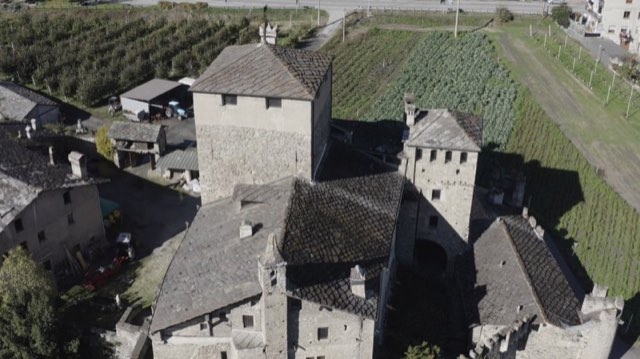
The Palacio da Bolsa, Porto
ArchitecturePortugal

The Palacio da Bolsa, Porto

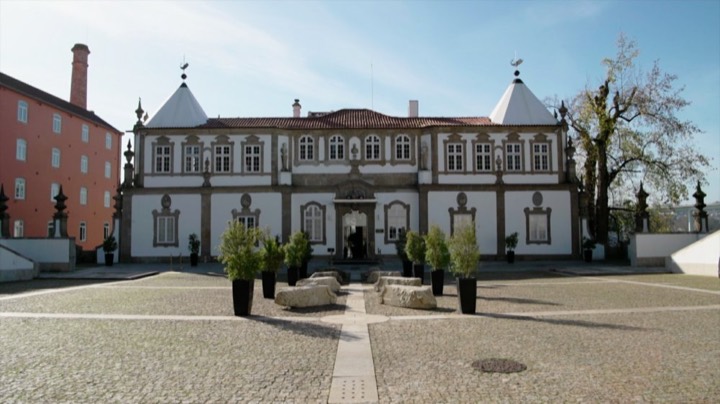
Built by the merchants of Porto as their stock exchange, the Palacio da Bolsa combines a glass-roofed neoclassical courtyard with the extraordinary Arab Room, a Moorish revival hall of carved and gilded arabesques.

View details →
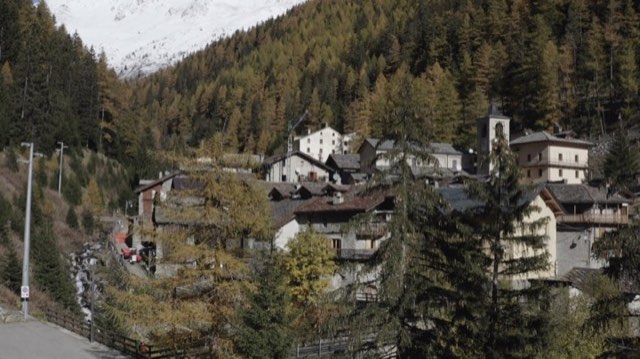
Lisbon Cathedral
Sacred SitesPortugal

Lisbon Cathedral

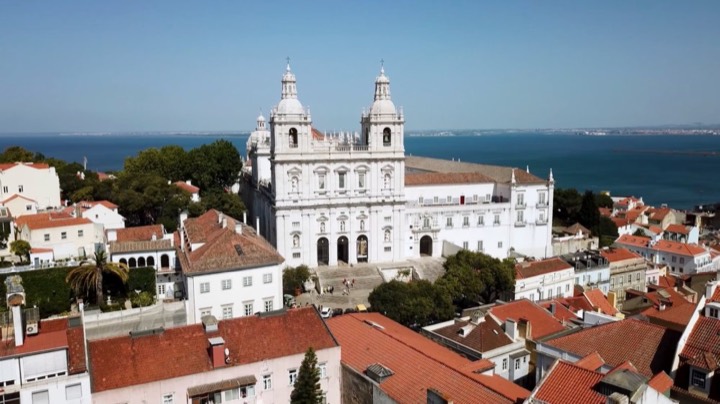
Founded in the twelfth century after the capture of Lisbon, the cathedral presents a Romanesque facade flanked by two towers. Its Gothic cloister covers excavations that have uncovered Roman, Islamic and medieval layers of the city.

View details →
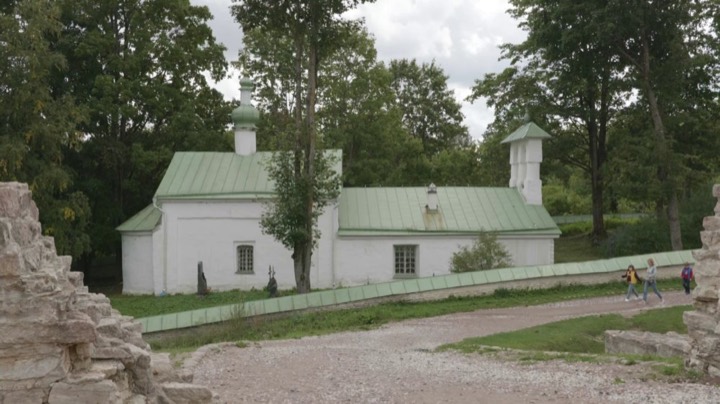
The Historic Centre of Lisbon - Part One
CulturePortugal

The Historic Centre of Lisbon - Part One

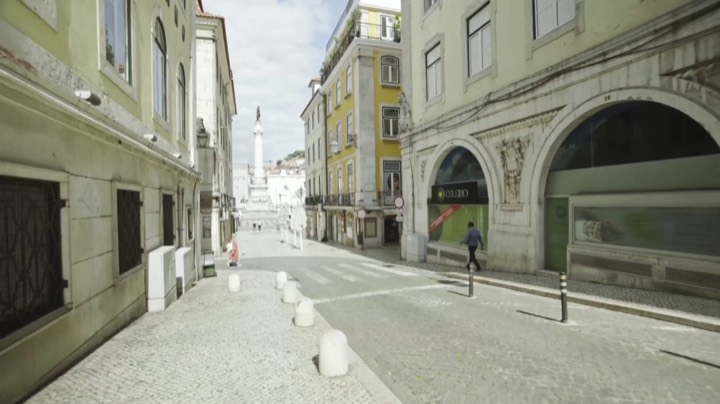
First part of a portrait of historic Lisbon. From the hillside alleys of the Alfama to the grid of the Baixa laid out after the earthquake of 1755, the film follows a city shaped by the Tagus, by trade and by catastrophe.

View details →
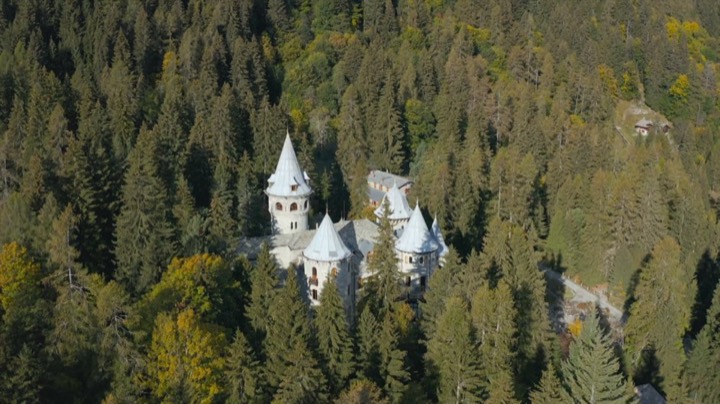
The Historic Centre of Lisbon - Part Two
CulturePortugal

The Historic Centre of Lisbon - Part Two

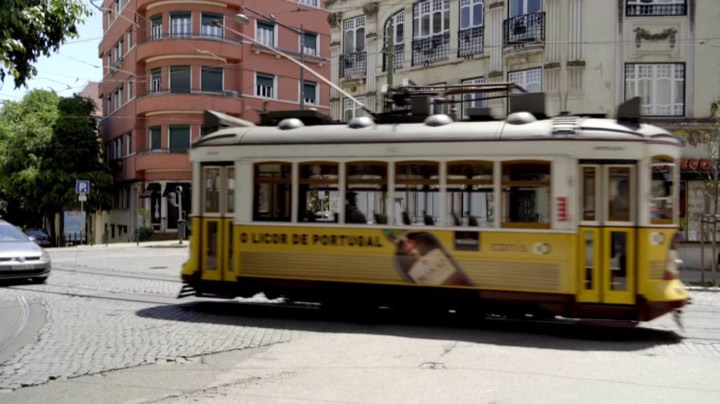
Second part of the Lisbon portrait. The film continues through the great riverside squares, the hillside quarters and the churches, palaces and tiled facades that give the Portuguese capital its distinctive texture.

View details →
Porto Cathedral
Sacred SitesPortugal

Porto Cathedral

Massive, crenellated and set on the highest point of the old city, Porto Cathedral began as a Romanesque fortress-church in the twelfth century. Its Gothic cloister, tiled walls and silver altarpiece trace eight centuries of additions.

View details →
The Palace of Freixo, Porto
ArchitecturePortugal

The Palace of Freixo, Porto

Designed by the Italian architect Nicolau Nasoni, the Palace of Freixo stands on the bank of the Douro east of Porto. Its curved facades, carved granite and decorated interiors represent Portuguese Baroque at its most refined.

View details →
Vorona Monastery
Sacred SitesRomania

Vorona Monastery

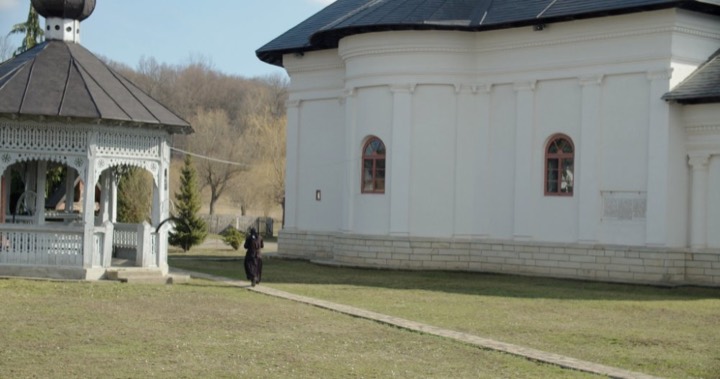
Set among the woods of north-eastern Romania, Vorona Monastery gathers church, bell tower and monastic quarters within a walled enclosure. A place shaped by the enduring rhythms of Orthodox monastic life.

View details →
The Alexander Nevsky Lavra, Saint Petersburg
Sacred SitesRussia

The Alexander Nevsky Lavra, Saint Petersburg

Founded by Peter the Great in 1710, the Alexander Nevsky Lavra holds the relics of the prince who defended Novgorod, a neoclassical cathedral and the cemeteries where Dostoevsky, Tchaikovsky and Glinka are buried.

View details →
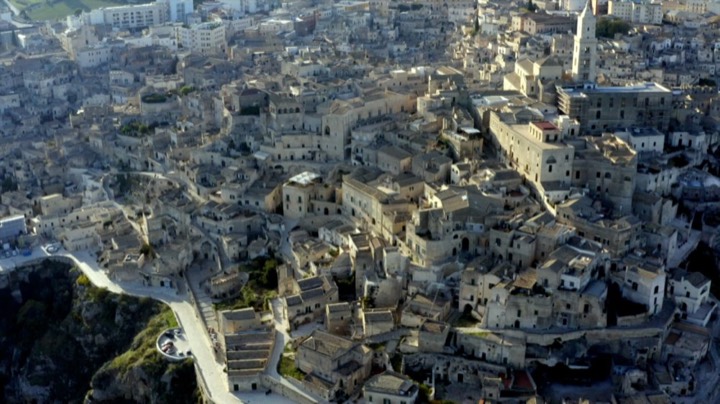
Bolgar, Capital of the Volga Bulgars
ArchaeologyRussia

Bolgar, Capital of the Volga Bulgars

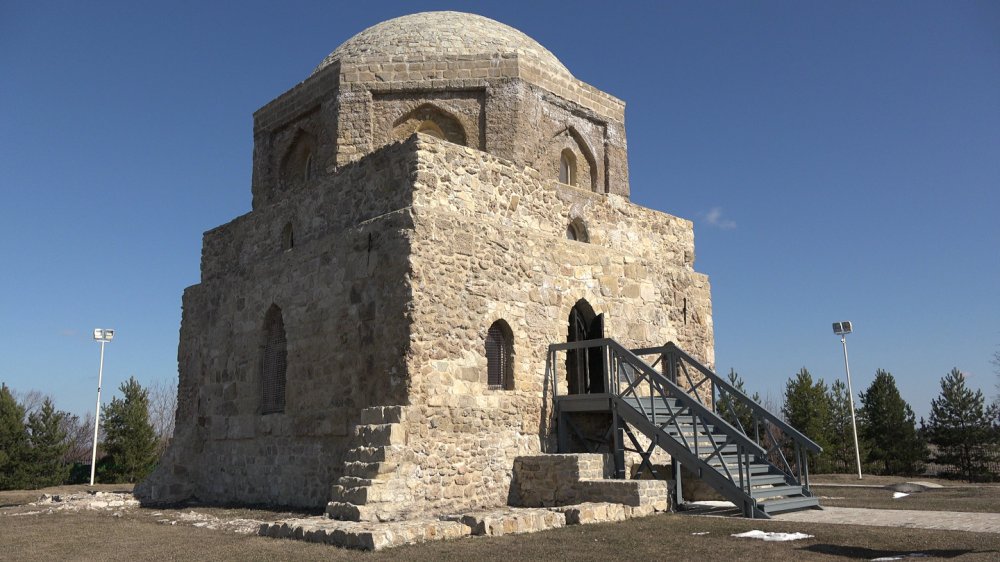
On the banks of the Volga in Tatarstan, the archaeological complex of Bolgar preserves the remains of the capital of Volga Bulgaria, whose rulers adopted Islam in the tenth century. The site is inscribed on the UNESCO World Heritage List.

View details →
The Cathedral of Saint Catherine
Sacred SitesRussia

The Cathedral of Saint Catherine

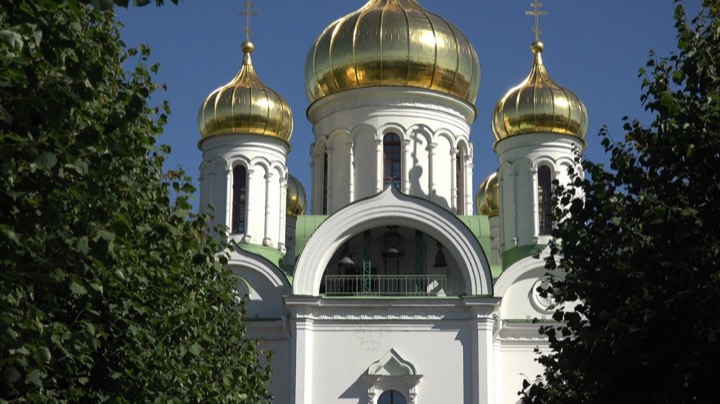
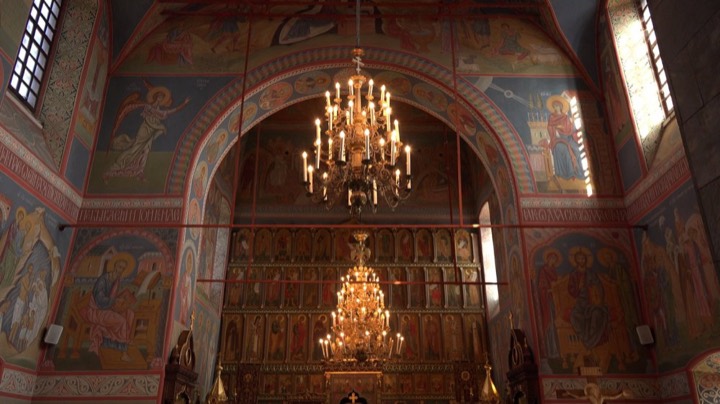
Dedicated to Saint Catherine, this Russian cathedral gathers the elements of a working place of worship: a marked facade in the streetscape, a nave shaped for liturgy, icons, candlelight and the daily rhythm of a congregation.

View details →
The Church of the Ascension at Kolomenskoye
Sacred SitesRussia

The Church of the Ascension at Kolomenskoye

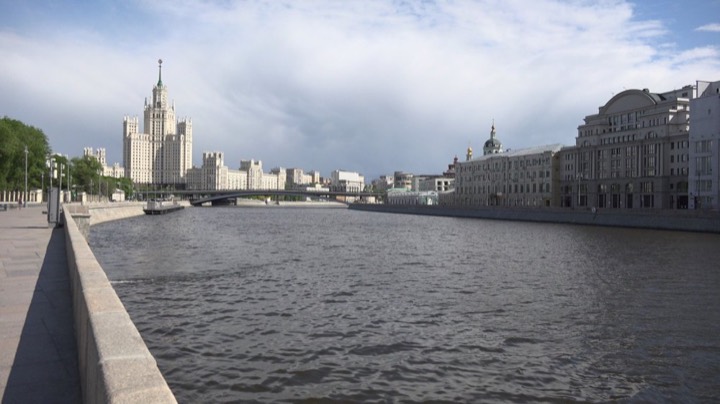
Built in 1532 in the royal estate of Kolomenskoye, this white church was the first masonry building in Russia crowned with a tented roof. Its soaring silhouette above the Moskva River is inscribed on the UNESCO World Heritage List.

View details →
The Kazan Kremlin
HistoryRussia

The Kazan Kremlin

Capital citadel of Tatarstan, the Kazan Kremlin encloses within its white limestone walls the Qol Sharif Mosque, the Annunciation Cathedral and the leaning Söyembikä Tower. A UNESCO World Heritage site where two civilisations occupy one enclosure.

View details →
Kazan Cathedral
Sacred SitesRussia

Kazan Cathedral

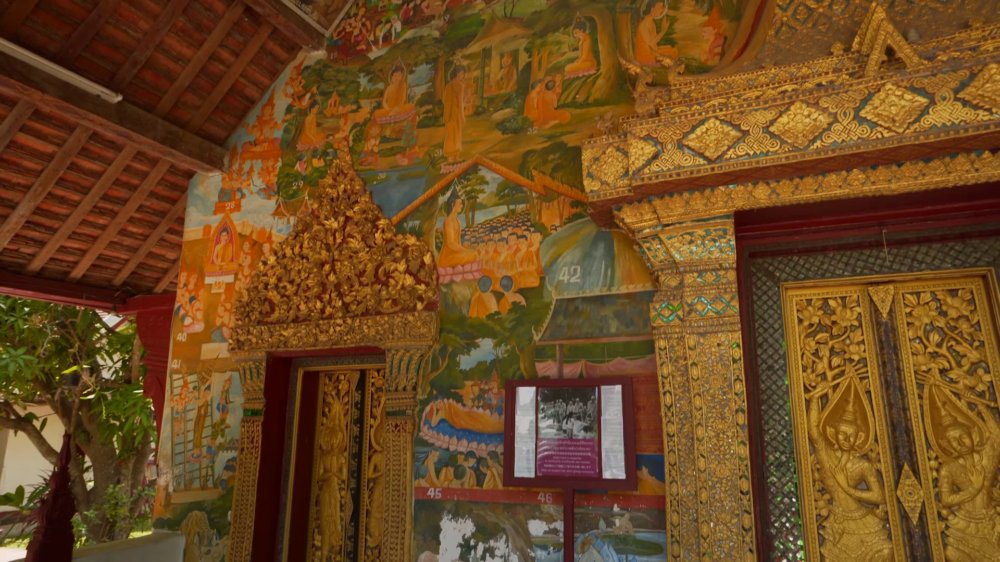
Dedicated to the Kazan icon of the Mother of God, among the most venerated images in Russian Orthodoxy, this cathedral is filmed as architecture and as living devotion: facade and colonnade, nave and side chapels, candlelight and the movement of the faithful.

View details →
Khutyn Monastery of the Transfiguration
Sacred SitesRussia

Khutyn Monastery of the Transfiguration

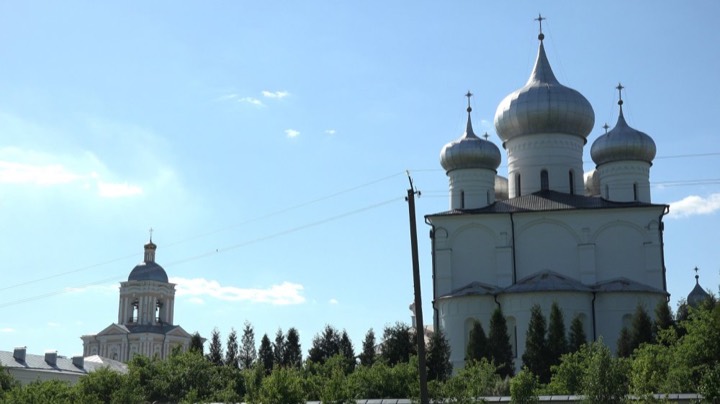
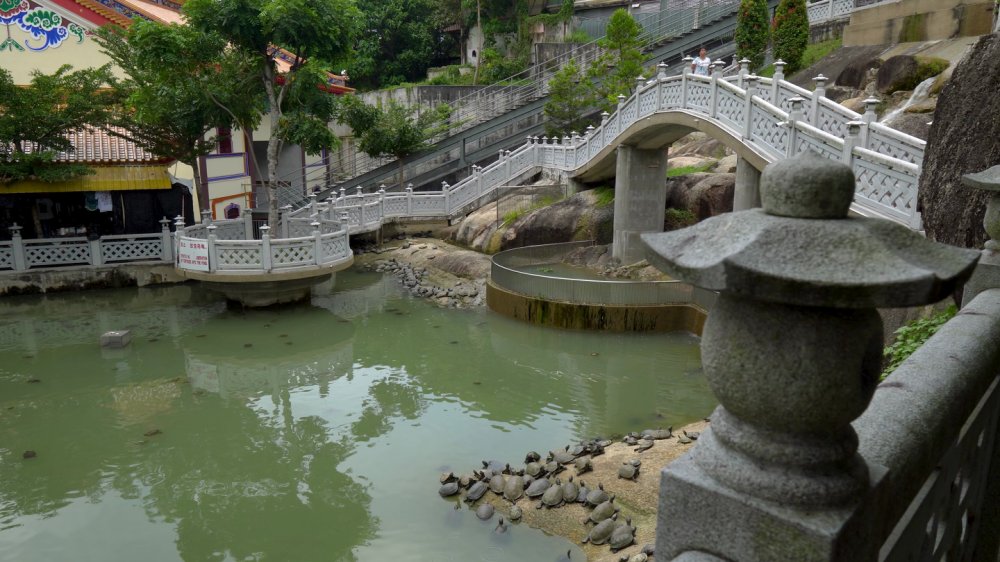
Founded by Varlaam of Khutyn near Veliky Novgorod, this monastery of the Saviour's Transfiguration stands above the Volkhov River. Its white churches and belfry mark one of the great pilgrimage sites of the Russian north-west.

View details →
Kizhi, the Wooden Churches of Lake Onega
Sacred SitesRussia

Kizhi, the Wooden Churches of Lake Onega

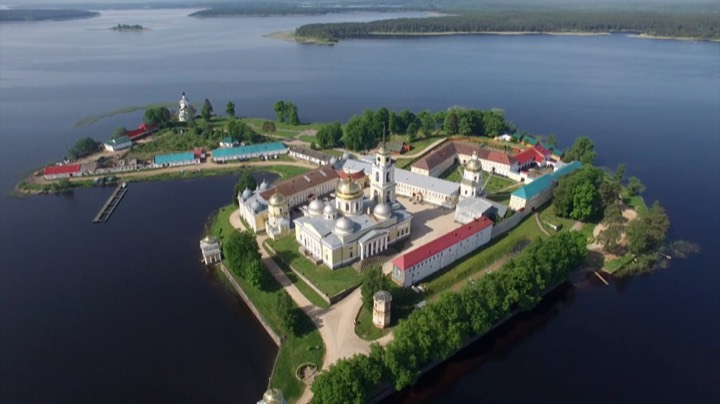
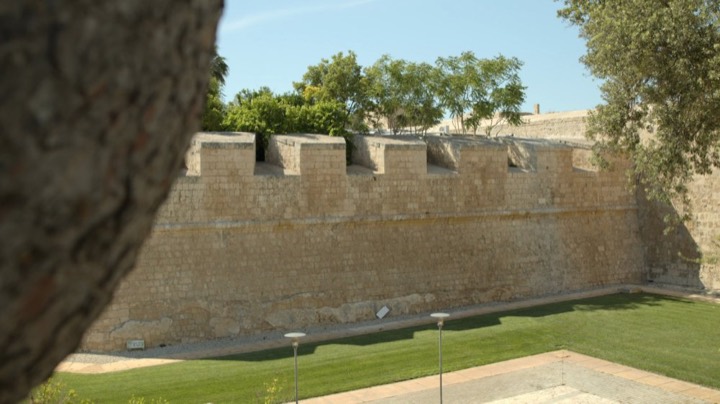
On an island in Lake Onega, the Kizhi Pogost brings together the Church of the Transfiguration and its twenty-two aspen-shingled domes, the Church of the Intercession and a bell tower. A UNESCO World Heritage masterpiece of Russian carpentry.

View details →
Pskov, City of Churches
CultureRussia

Pskov, City of Churches

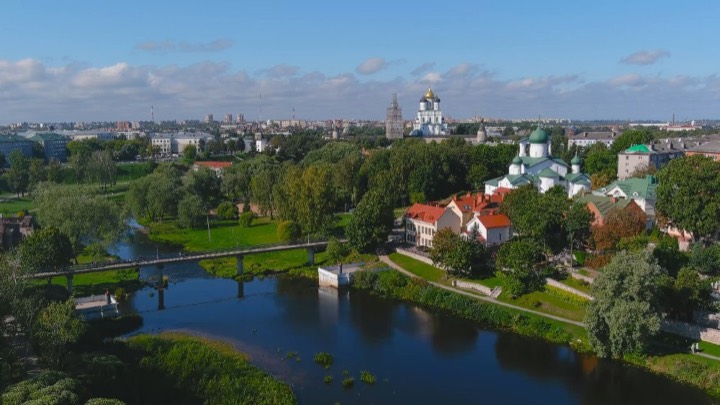
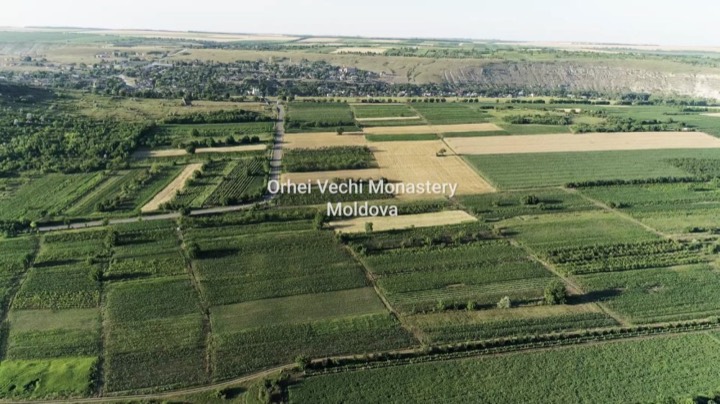
On the Velikaya River, Pskov is one of the oldest cities in Russia and the home of a distinctive architectural school. Its whitewashed churches with their squat domes and open belfries are inscribed on the UNESCO World Heritage List.

View details →
The Pskov Krom
HistoryRussia

The Pskov Krom

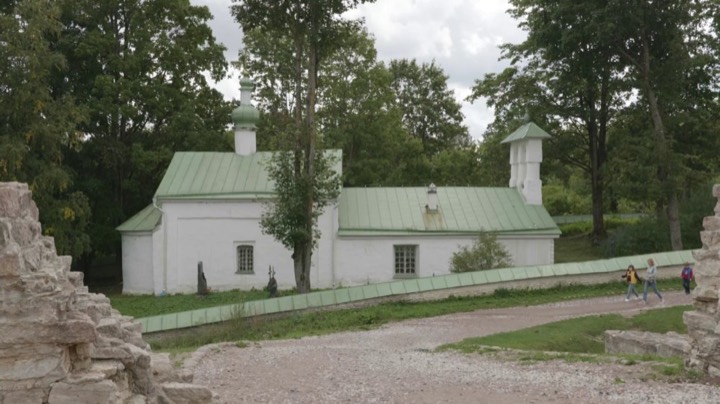
At the confluence of the Velikaya and the Pskova, the Krom is the fortified heart of Pskov. Behind its long white walls rises the Trinity Cathedral, seat of authority in a city that governed itself for centuries.

View details →
Saint Isaac's Cathedral, Saint Petersburg
Sacred SitesRussia

Saint Isaac's Cathedral, Saint Petersburg

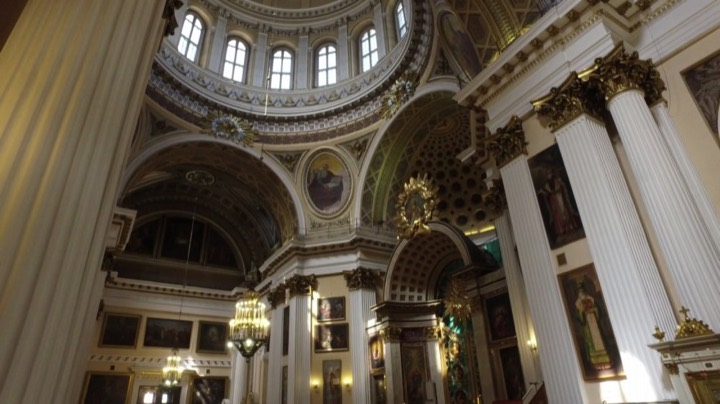
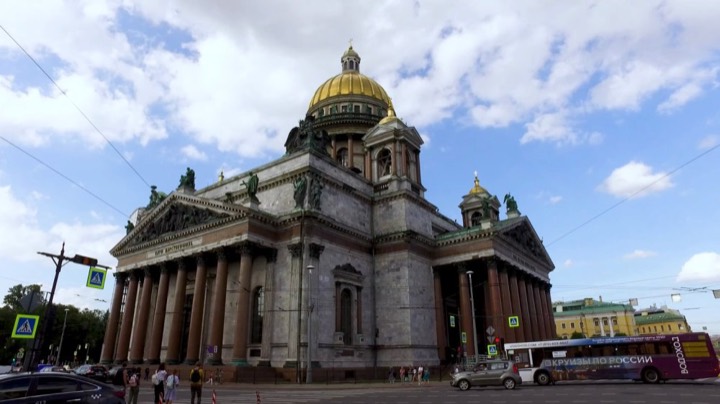
Designed by Auguste de Montferrand and built between 1818 and 1858, Saint Isaac's Cathedral is the largest church in Saint Petersburg. Its granite colonnades, malachite and lapis columns and gilded dome make it a landmark of imperial ambition.

View details →
The Solovetsky Monastery
Sacred SitesRussia

The Solovetsky Monastery

On the Solovetsky Islands in the White Sea, a monastery founded in the 15th century built walls of colossal boulders against the Arctic light. A UNESCO World Heritage site whose 20th-century history as a labour camp remains inseparable from it.

View details →
Saint George's Monastery, Novgorod
Sacred SitesRussia

Saint George's Monastery, Novgorod

On the Volkhov near Veliky Novgorod, the Yuriev Monastery is among the oldest in Russia. Its Saint George's Cathedral, built in the 12th century, rises in austere white masses over the water meadows toward Lake Ilmen.

View details →
The Ascension Cathedral
Sacred SitesRussia

The Ascension Cathedral

Dedicated to the Ascension, this Russian cathedral is filmed as architecture and as living liturgy: the vertical drive of the exterior, the ordering of the nave, the icon screen, and the light that shapes the interior through the day.

View details →
The Moscow Kremlin
HistoryRussia

The Moscow Kremlin

Behind its red brick walls and towers, rebuilt in the late 15th century by Italian architects, the Moscow Kremlin encloses Cathedral Square, the Ivan the Great Bell Tower and the palaces of Russian power. A UNESCO World Heritage site.

View details →
The Trinity Cathedral, Saint Petersburg
Sacred SitesRussia

The Trinity Cathedral, Saint Petersburg

One of the great neoclassical cathedrals of Saint Petersburg, the Trinity Cathedral is instantly recognisable by its deep blue domes strewn with gilded stars, rising above a quarter long associated with the imperial guard.

View details →
Caričin Grad: Justiniana Prima
ArchaeologySerbia

Caričin Grad: Justiniana Prima

Justiniana Prima was founded by Emperor Justinian near his birthplace and raised to an archbishopric. Fortified, colonnaded and lavishly furnished with churches, it was abandoned barely a lifetime later and lay buried until modern excavation.

View details →
Gamzigrad: A Roman Palace in Eastern Serbia
ArchaeologySerbia

Gamzigrad: A Roman Palace in Eastern Serbia

Behind massive fortified walls in the hills of eastern Serbia lies a late Roman imperial residence, complete with mosaic floors, baths and temples. Excavation has turned a farmer's field into one of the region's key ancient sites.

View details →
Smederevo Fortress
HistorySerbia

Smederevo Fortress

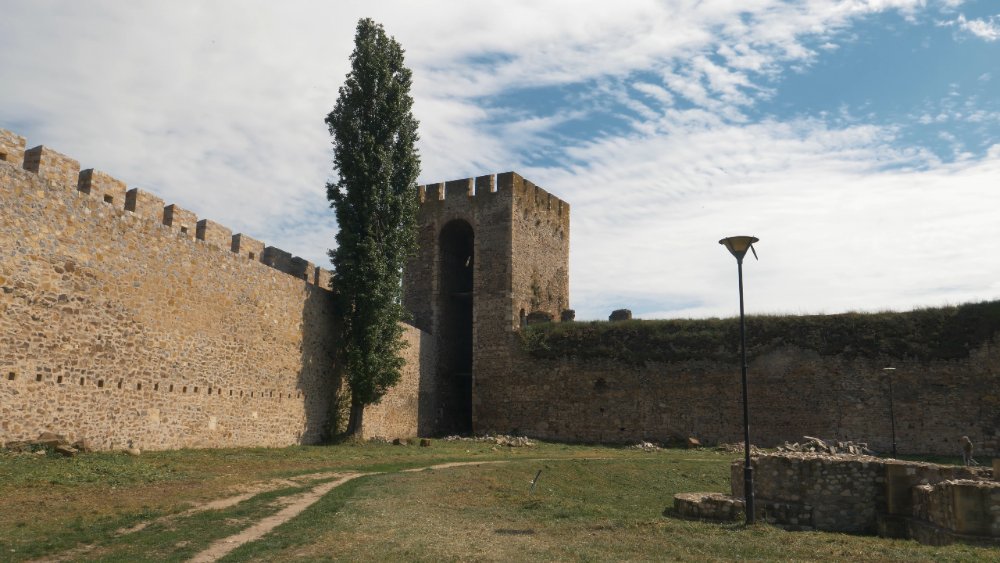
Raised in the fifteenth century as the capital of the Serbian Despotate, Smederevo is one of the largest lowland fortresses in Europe. Its triangular plan and twenty-odd towers still command the confluence with the Danube.

View details →
Mramorje: The Stećci of Perućac
ArchaeologySerbia

Mramorje: The Stećci of Perućac

The stećci are monumental medieval tombstones carved with rosettes, arcades and dancing figures. At Perućac, above the Drina, one of the finest necropolises survives - part of a group inscribed as World Heritage by four countries together.

View details →
Studenica Monastery
Sacred SitesSerbia

Studenica Monastery

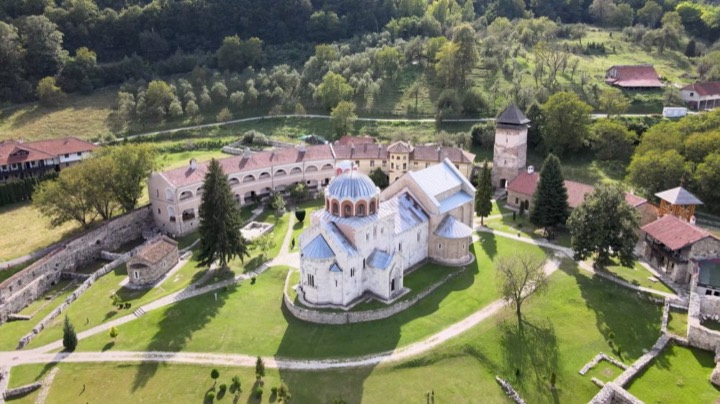
Founded by Stefan Nemanja, Studenica is the most important monastic ensemble of medieval Serbia. Behind its circular walls stand marble churches whose thirteenth and fourteenth-century frescoes rank among the finest in Byzantine art.

View details →
Devil's Town
NatureSerbia

Devil's Town

In southern Serbia, erosion has left a hillside covered with slender earth pyramids, each capped by a stone. Two extremely acidic springs and a well-known legend complete one of the country's strangest landscapes.

View details →
Košice: The Old Town (Part 1)
HistorySlovakia

Košice: The Old Town (Part 1)

Košice grew rich on trade routes, and its old town shows it: a long spindle-shaped square lined with palaces and churches, dominated by St Elisabeth's Cathedral, the largest church in Slovakia.

View details →
The Franja Partisan Hospital
HistorySlovenia

The Franja Partisan Hospital

Concealed in a narrow ravine near Cerkno, this wartime partisan hospital treated the wounded of many nationalities under German occupation. Swept away by a flash flood, it has since been faithfully reconstructed.

View details →
Hwaseong Fortress
HistorySouth Korea

Hwaseong Fortress

Built at Suwon in the late eighteenth century by King Jeongjo, Hwaseong combines Korean and imported military engineering. Documented in exhaustive detail at the time, it could be restored precisely after wartime damage.

View details →
Jongmyo Shrine
Sacred SitesSouth Korea

Jongmyo Shrine

Jongmyo is the Confucian royal ancestral shrine of the Joseon dynasty. Its austere main hall, extended over generations into an immense colonnade, still hosts the ancestral rite with its music and dance.

View details →
Chiang Mai: The Old City
HistoryThailand

Chiang Mai: The Old City

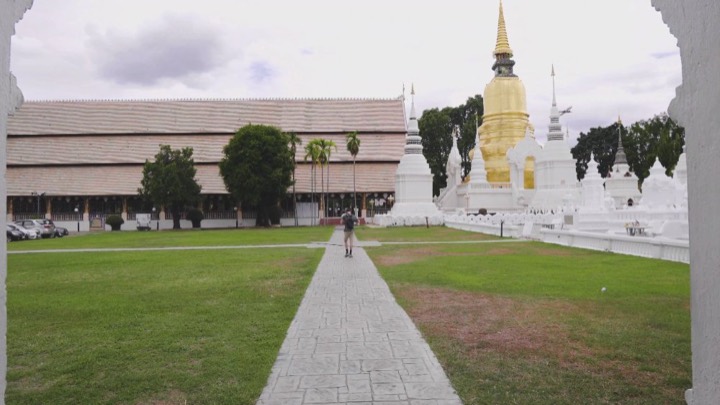
Founded as the capital of the Lan Na kingdom, Chiang Mai's old city remains a perfect square defined by moat and brick walls. Inside, dozens of temples share the grid with markets, workshops and daily life.

View details →
Wat Lok Molee, Chiang Mai
Sacred SitesThailand

Wat Lok Molee, Chiang Mai

A short walk north of Chiang Mai's moat, Wat Lok Molee combines a massive brick chedi with a dark teak assembly hall. Long linked to the Lan Na ruling house, it remains a quiet, deeply atmospheric temple.

View details →
Wat Prasat
Sacred SitesThailand

Wat Prasat

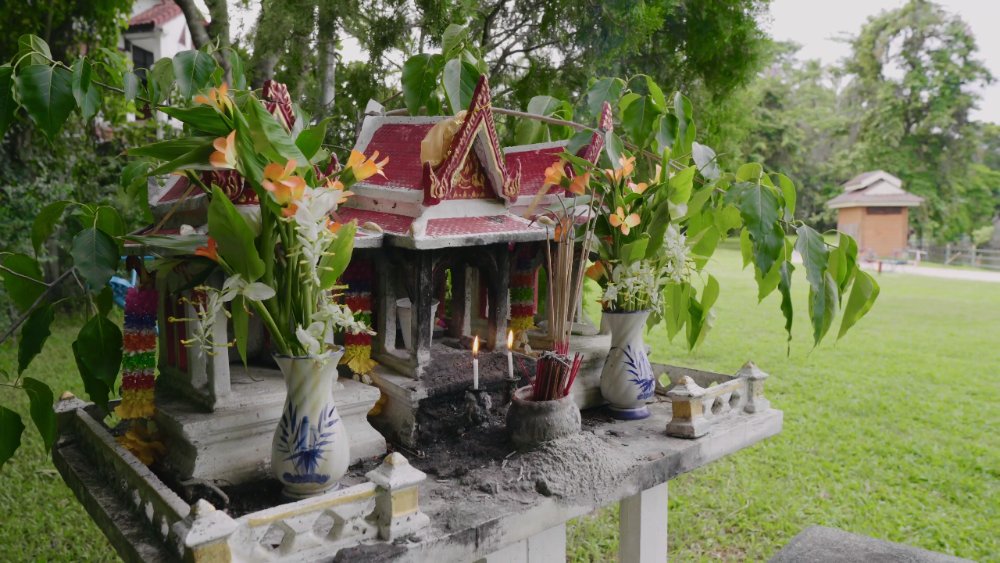
Wat Prasat belongs to the everyday religious landscape of Thailand: a walled compound where the working life of a monastic community and the vocabulary of Thai temple architecture meet. The film observes rather than explains.

View details →
Antalya, Gateway to the Turquoise Coast
CultureTurkey

Antalya, Gateway to the Turquoise Coast

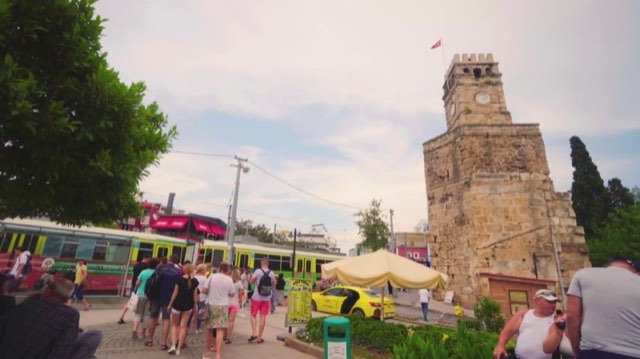
Antalya holds the Mediterranean coast of Turkey where the Taurus Mountains meet the sea. Its old quarter, Kaleiçi, wraps around a Roman harbour and preserves in a few hundred metres the marks of Rome, Byzantium, the Seljuks and the Ottomans.

View details →
Perge, the Roman City of Pamphylia
ArchaeologyTurkey

Perge, the Roman City of Pamphylia

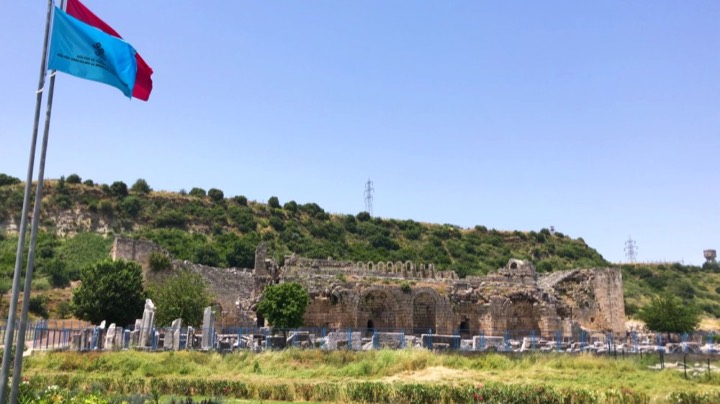
A short drive from Antalya, Perge preserves one of the most complete urban plans of Roman Anatolia: a colonnaded avenue with its water channel, a theatre, one of the best preserved stadiums in the region and a Hellenistic gate with round towers.

View details →
Canterbury Cathedral
Sacred SitesUnited Kingdom

Canterbury Cathedral

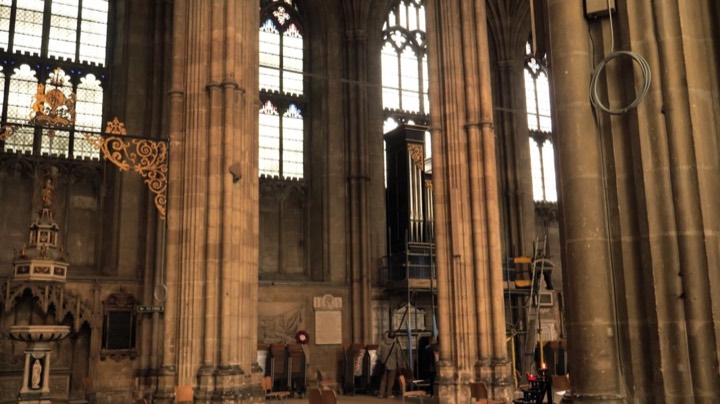
Seat of the Archbishop of Canterbury and mother church of the Anglican Communion, Canterbury Cathedral has drawn pilgrims since the murder of Thomas Becket in 1170. Its Gothic quire and medieval glass anchor a World Heritage site.

View details →

Put our catalog on your screens

Tell us about your platform and your territories. Our sales team replies within one business day, with screeners and a proposal.

Contact