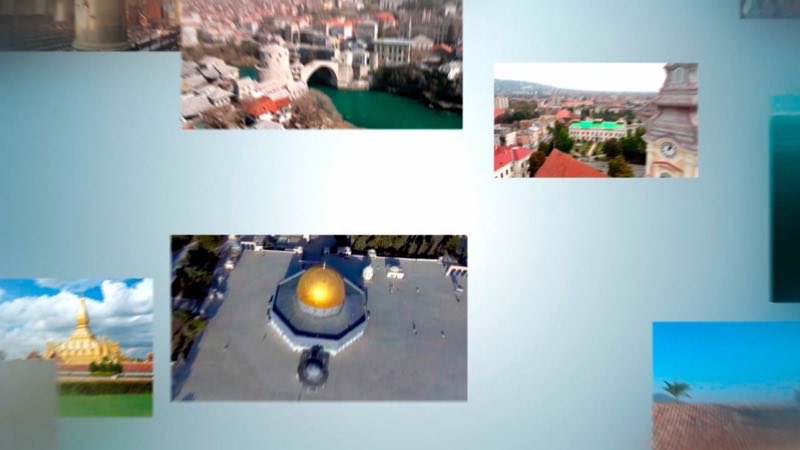
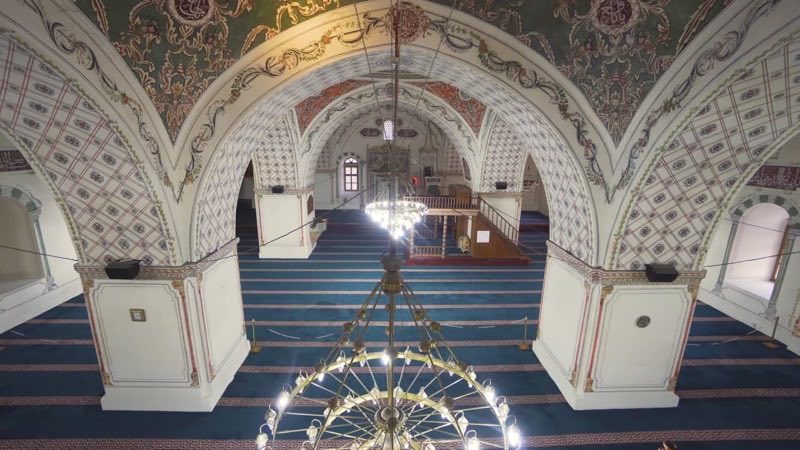
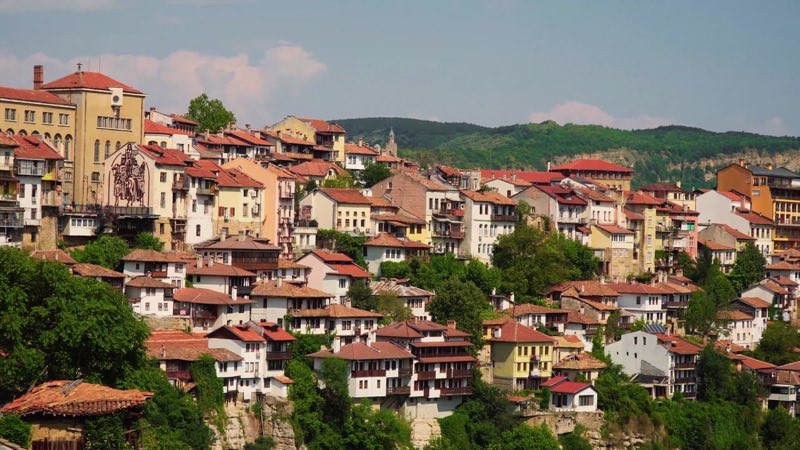
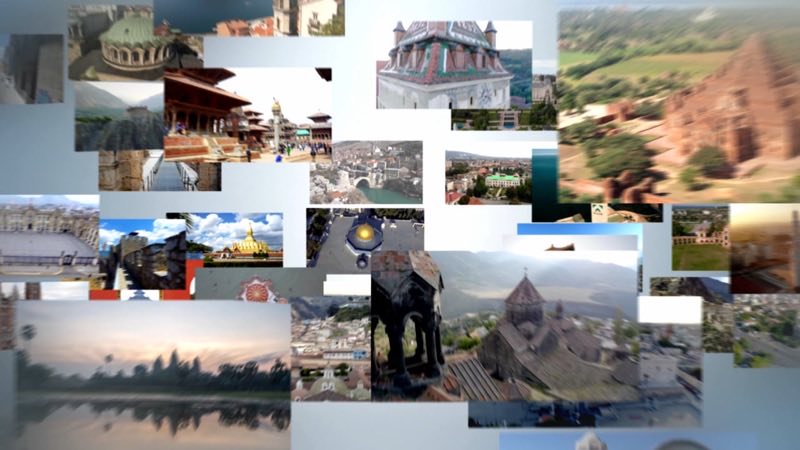
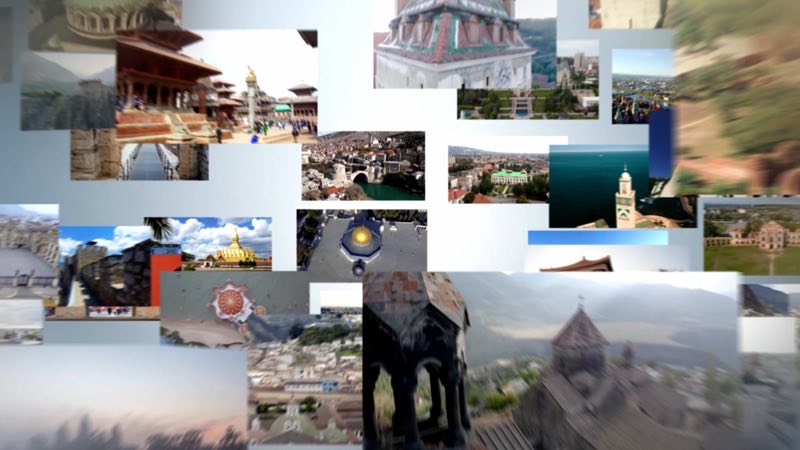
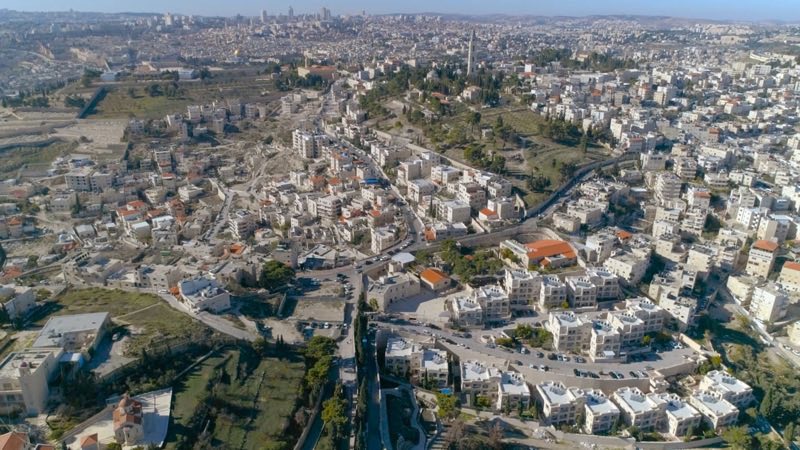
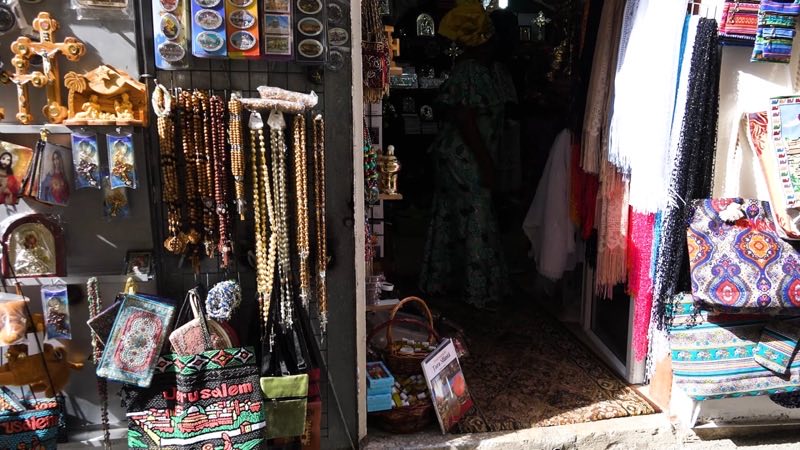
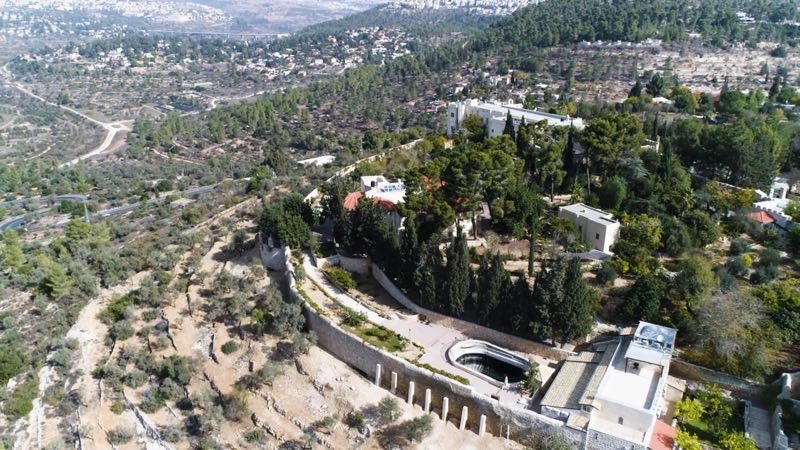
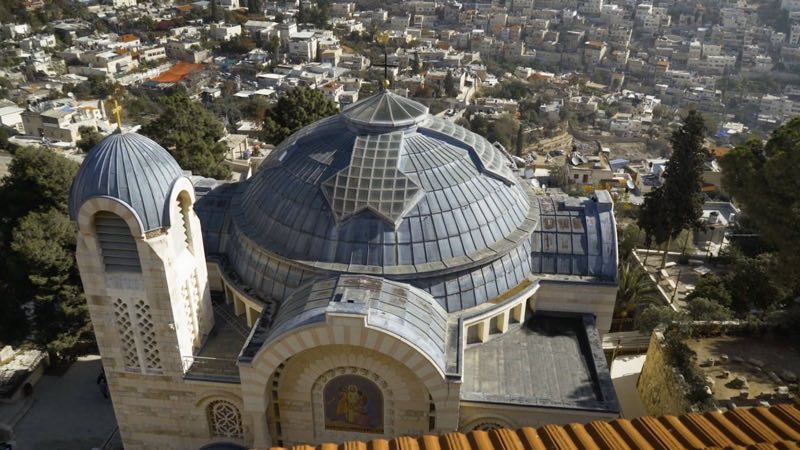
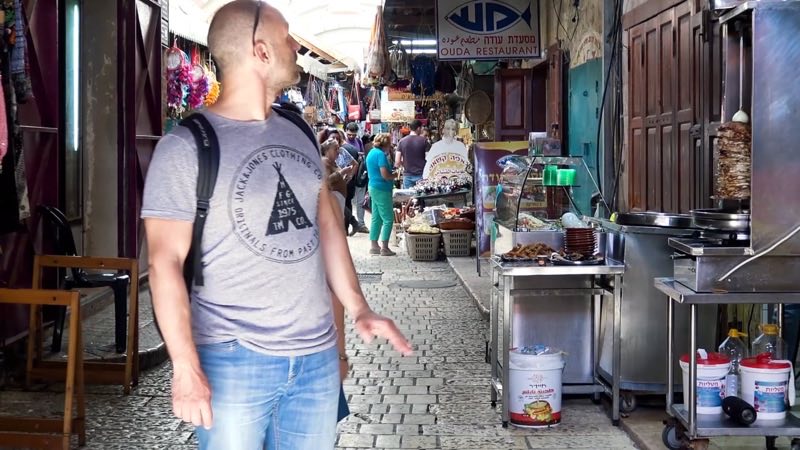
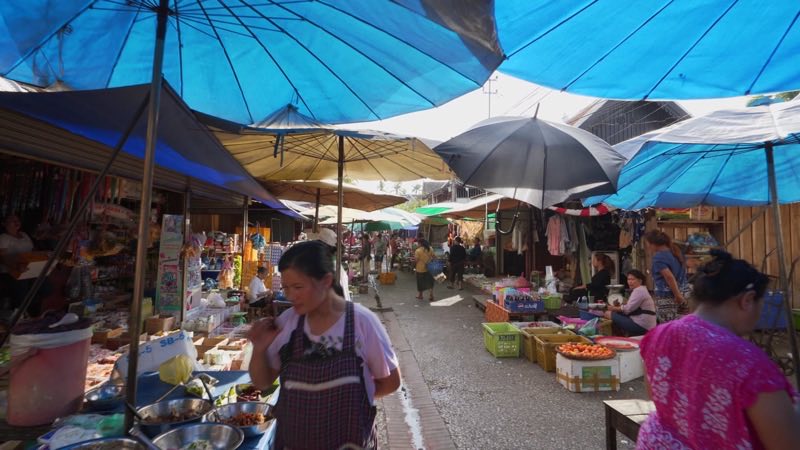
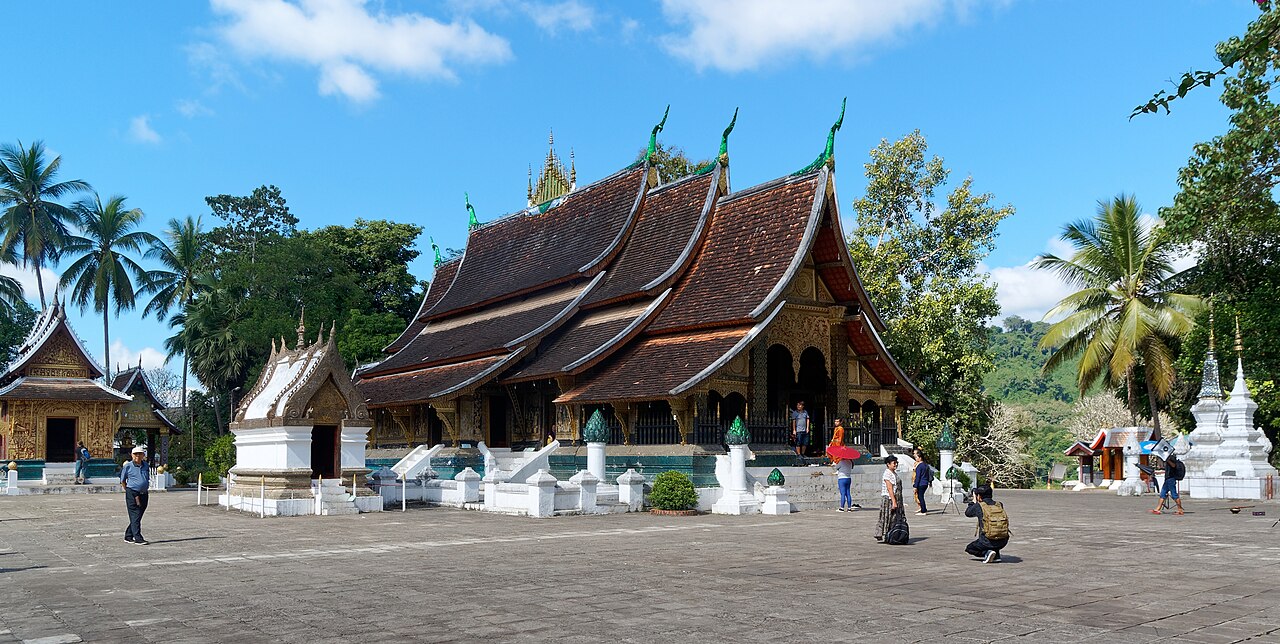
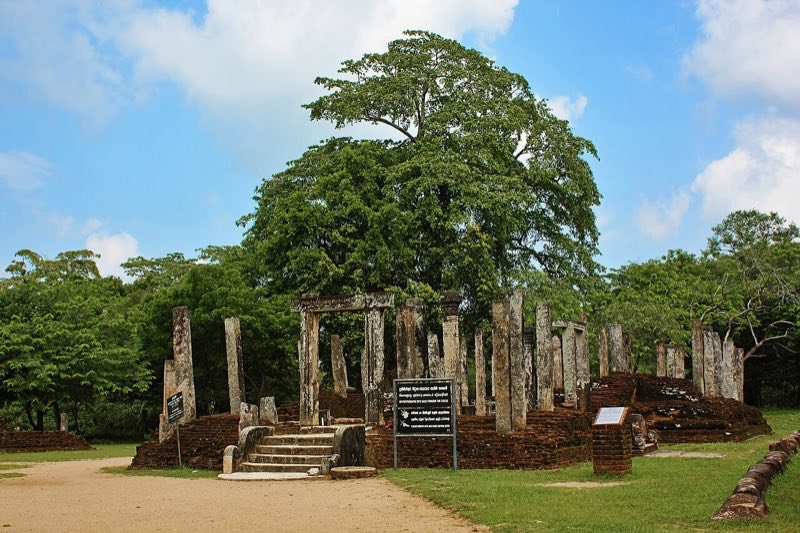
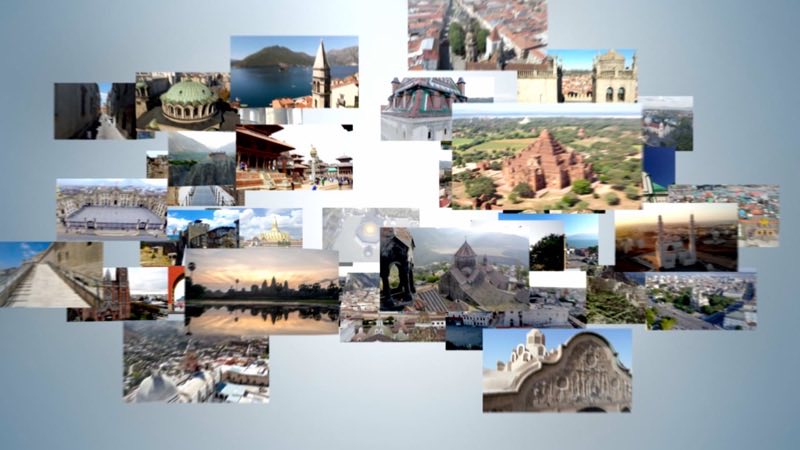
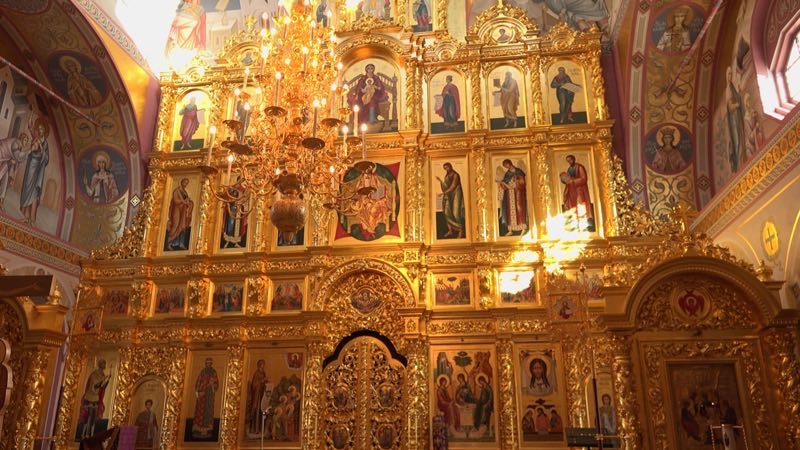
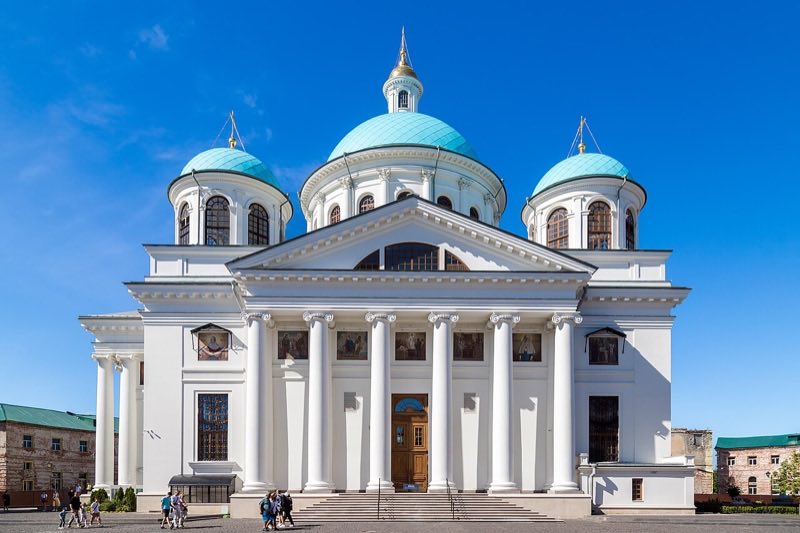
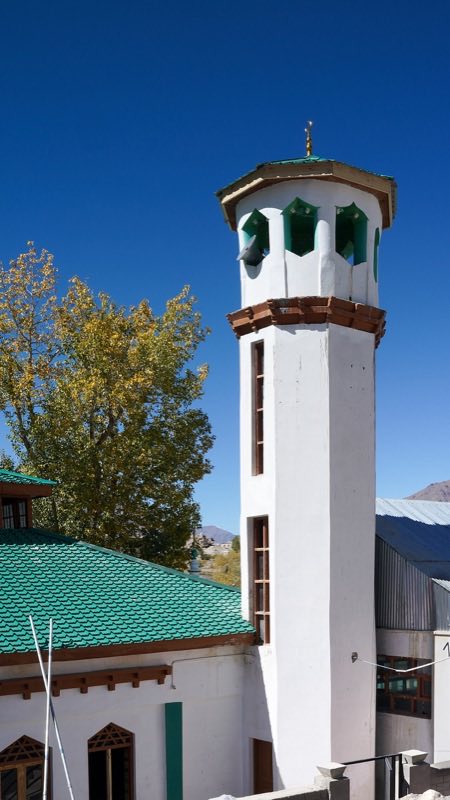
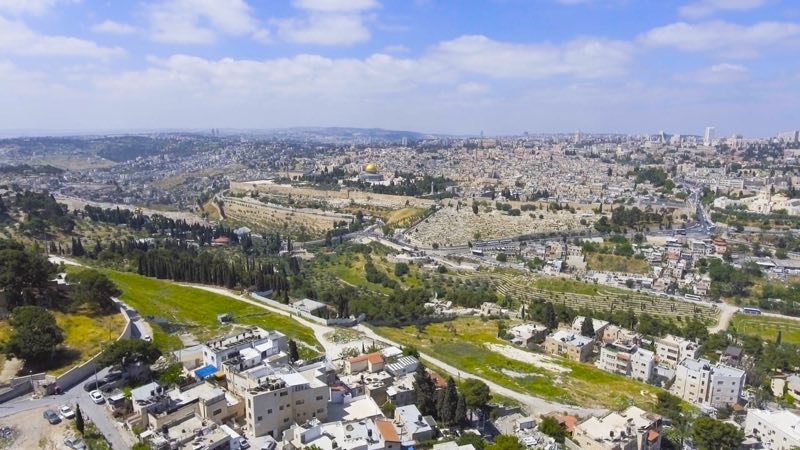
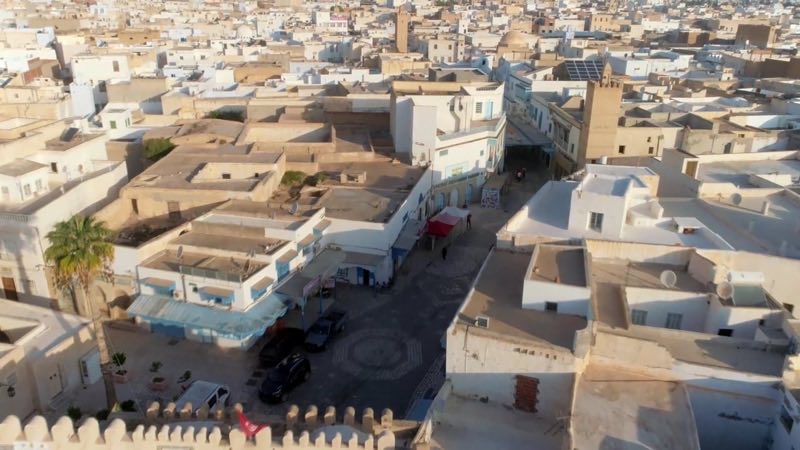
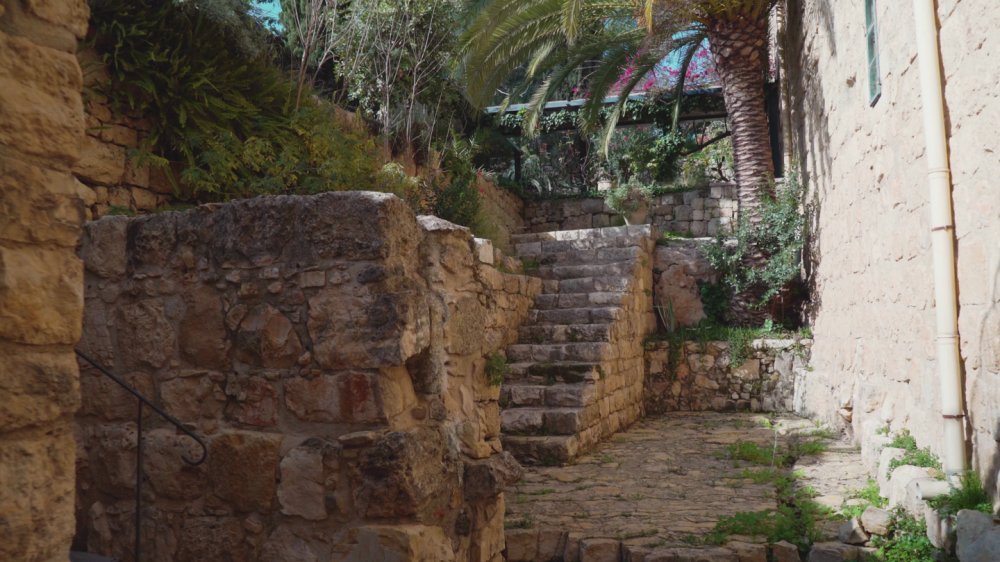
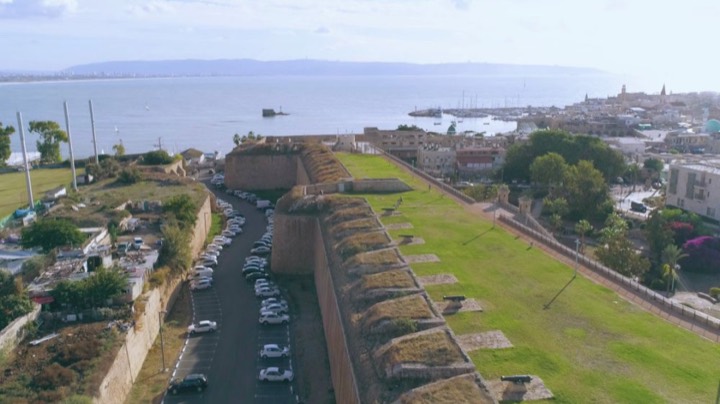
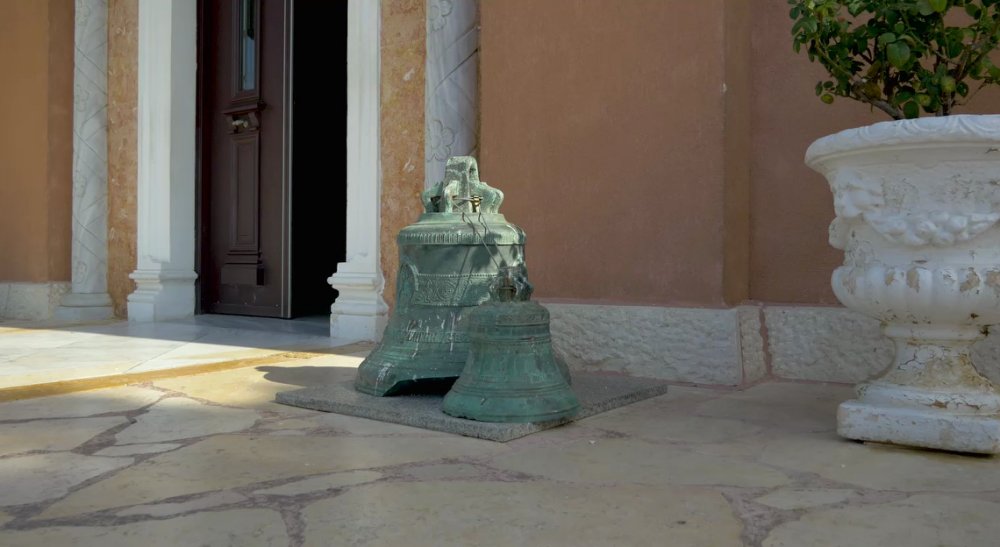
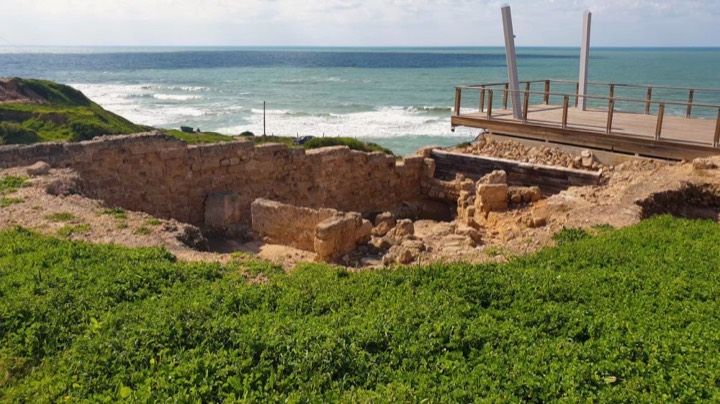
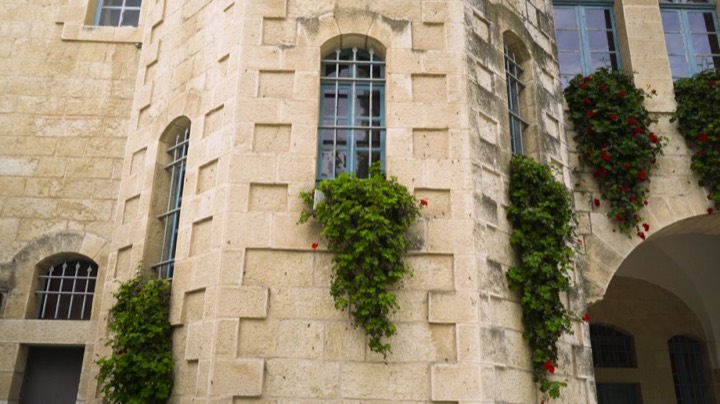
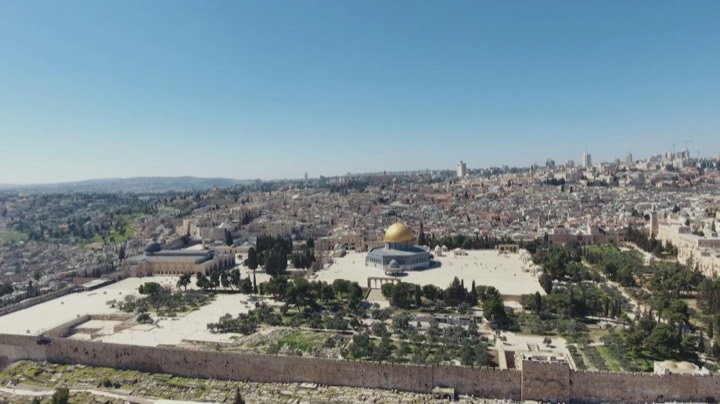
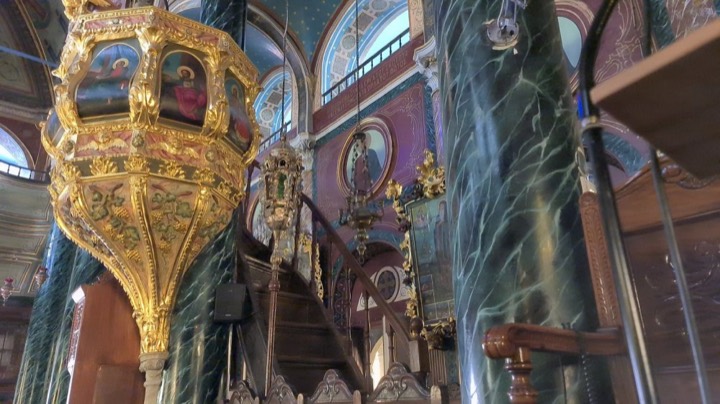
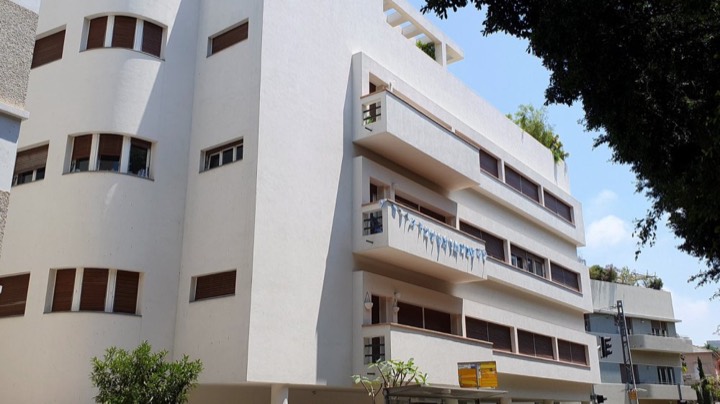
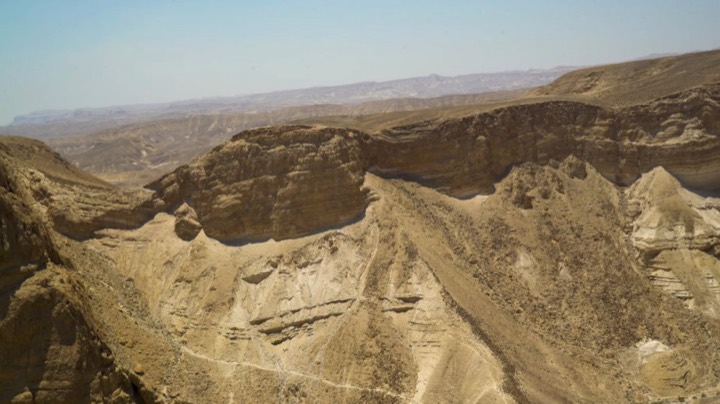
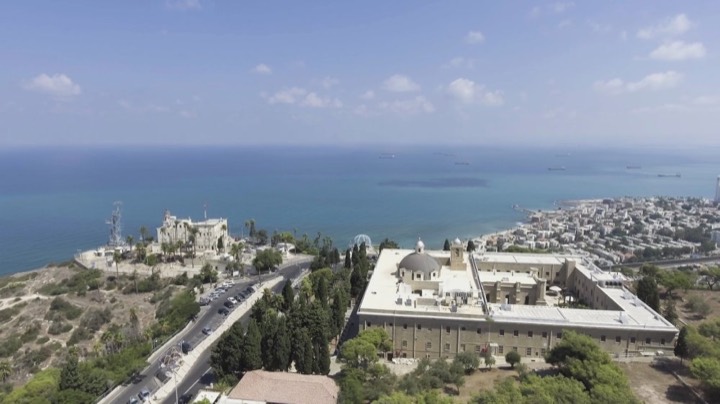
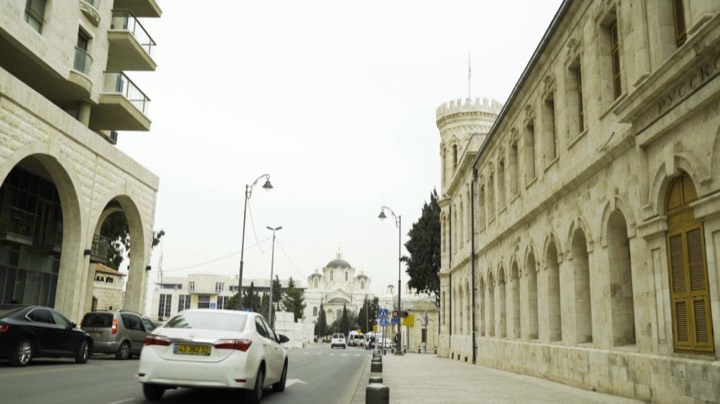
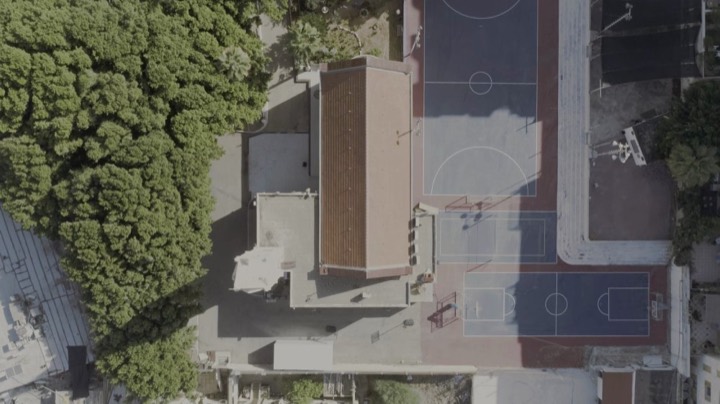
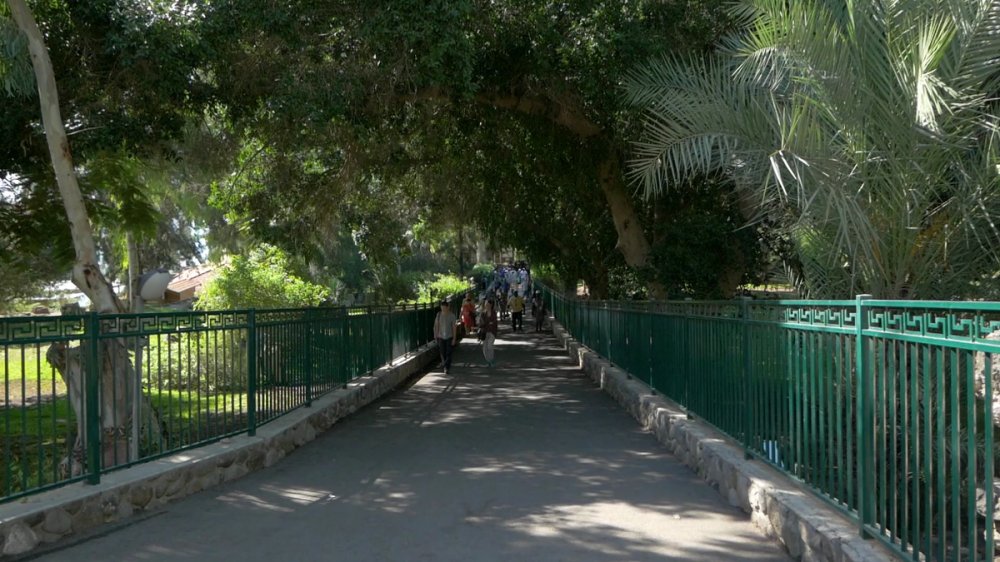
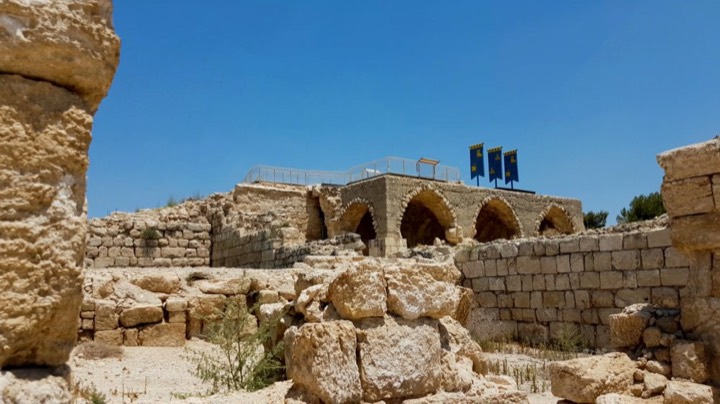
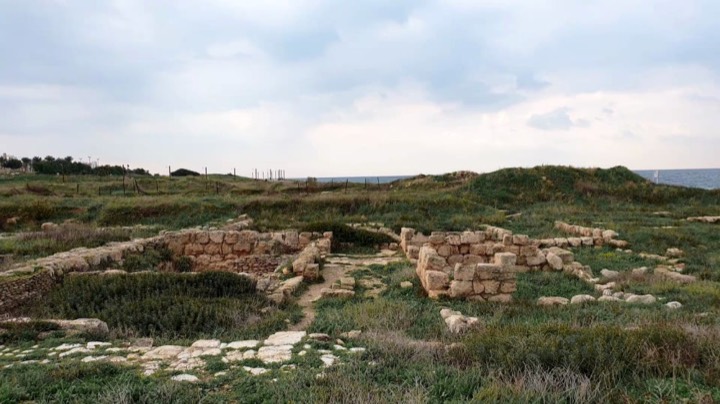
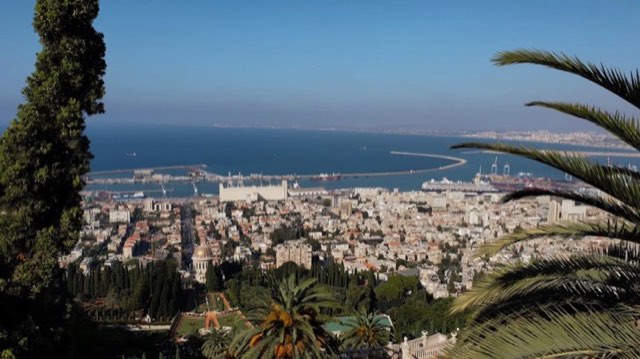
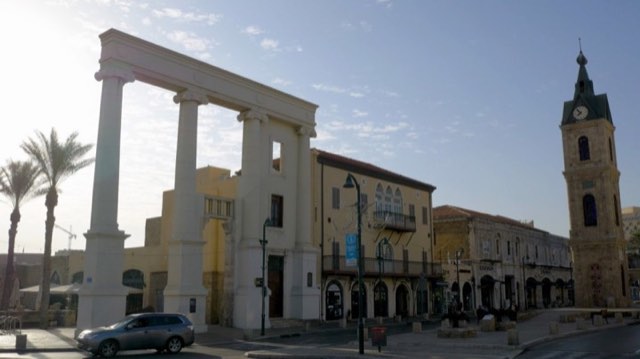
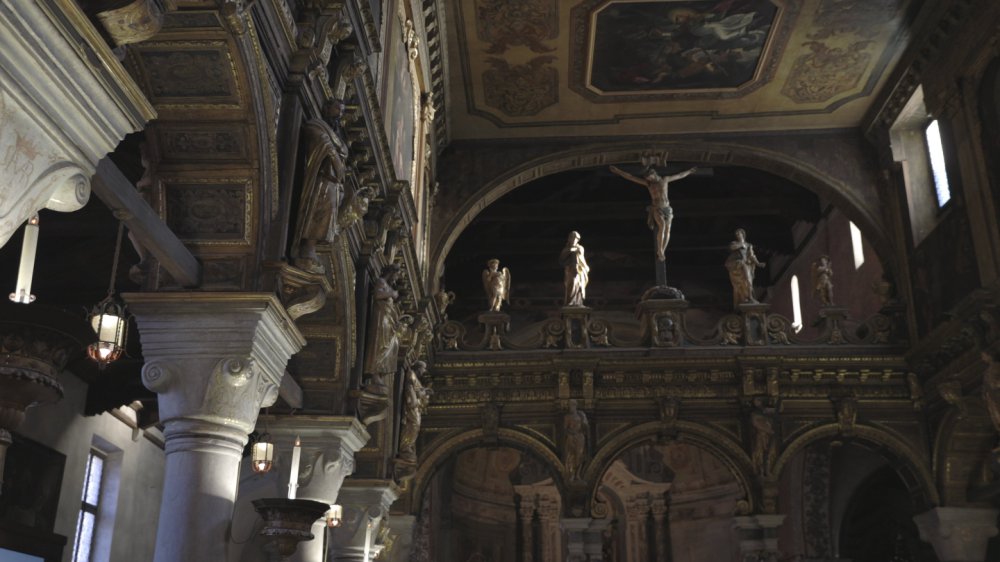
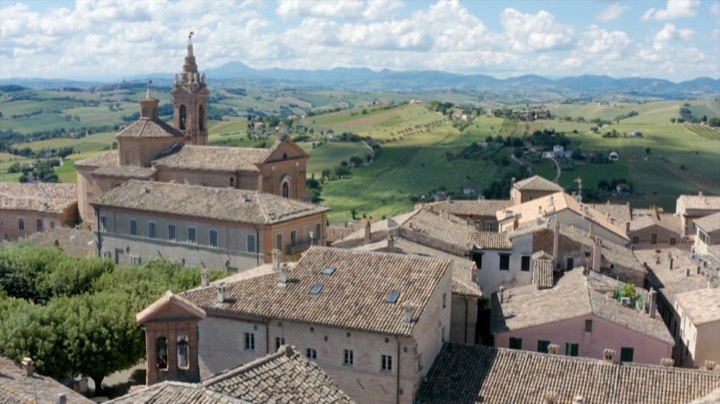
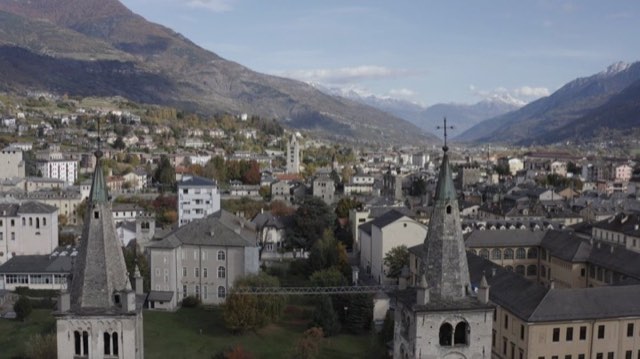
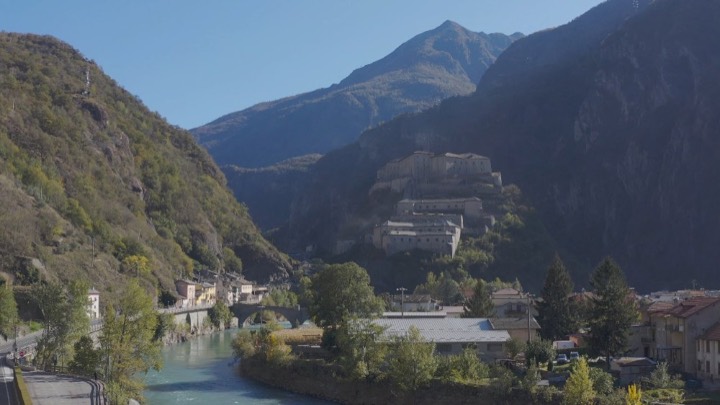
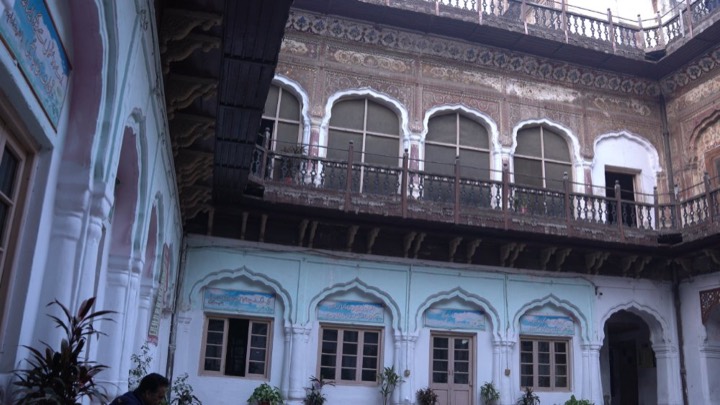
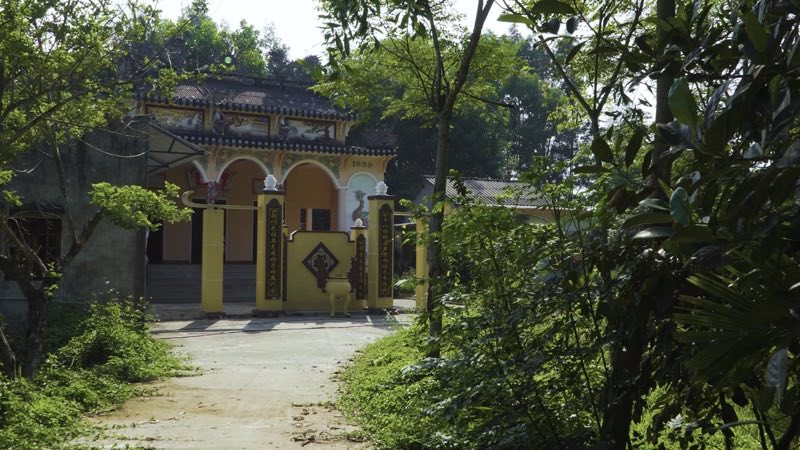
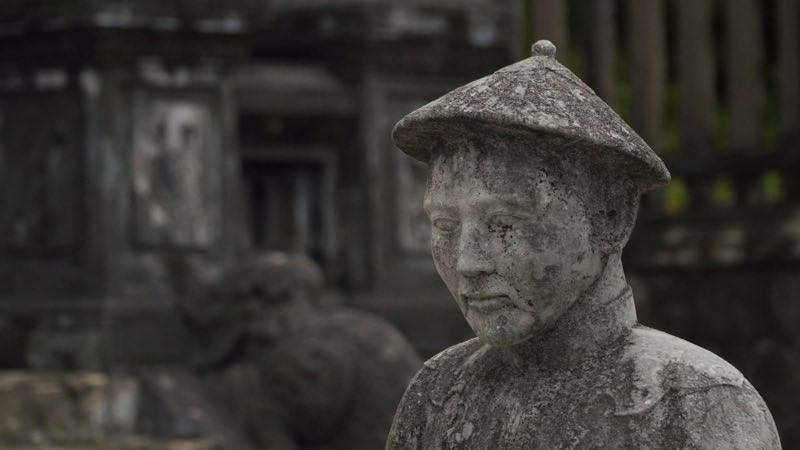
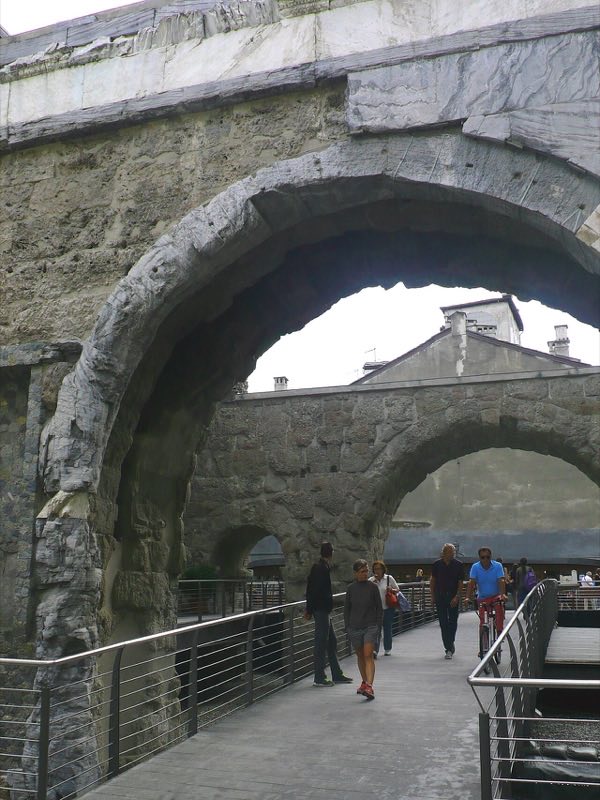
Beyond its skyline of soaring skyscrapers lies a very different side of Dubai. This film traces the city's origins through its historic district, wandering past Middle Eastern markets, traditional courtyard houses and the narrow lanes of the old town where the emirate's story began. The quarter grew up along the banks of Dubai Creek, the tidal inlet that made the settlement a trading port between Arabia, Persia and India long before oil. Its houses, built of coral stone and gypsum, are crowned by wind towers that channel the breeze downward for natural cooling, while the souks still deal in gold and spices and wooden abras ferry passengers from bank to bank. Al Fahidi Fort, the oldest surviving building in the city, anchors the district.
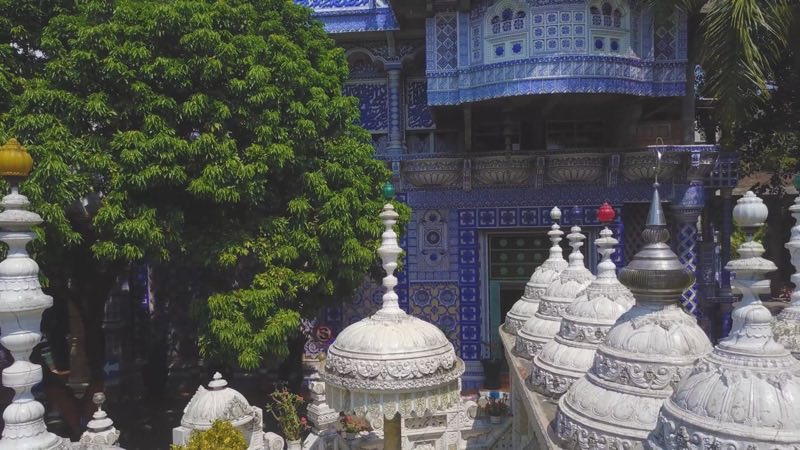
Sheikh Zayed bin Sultan Al Nahyan envisioned a grand mosque for Abu Dhabi, his capital, meant to stand as a national symbol and a lasting testament to Islam's tolerance and openness to the world. Though he did not live to see it finished, his son and successor, Khalifa bin Zayed Al Nahyan, completed the project and named it in his father's honor. Opened in 2007, it is among the largest mosques in the world and among the few open to non-Muslim visitors. Its design draws deliberately on Mughal, Moorish and Ottoman traditions: white marble cladding inlaid with floral motifs in colored stone, a crowd of domes, arcades whose columns are set in reflecting pools, and a prayer hall laid with an immense hand-knotted carpet. Sheikh Zayed is buried in the adjoining courtyard.
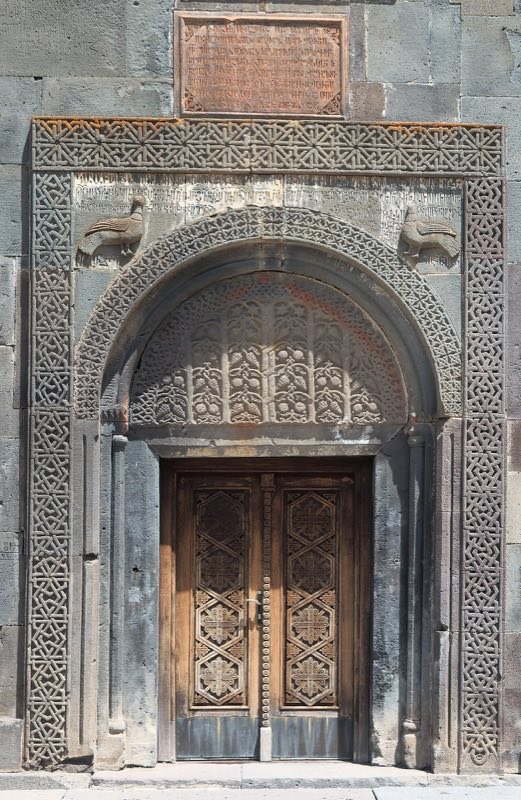
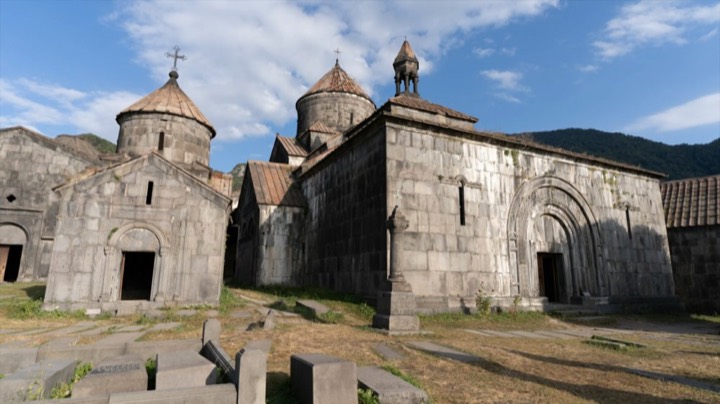
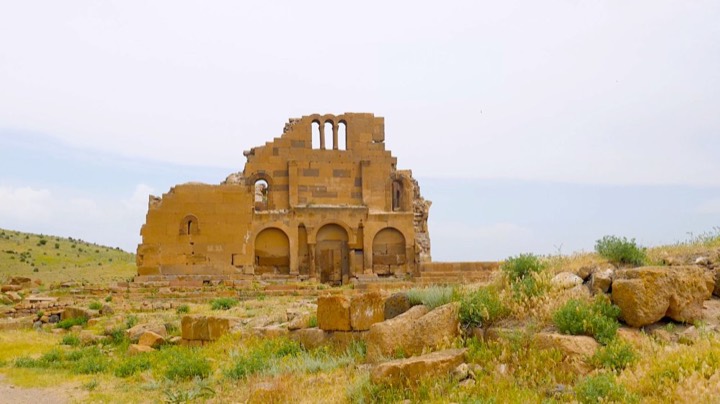
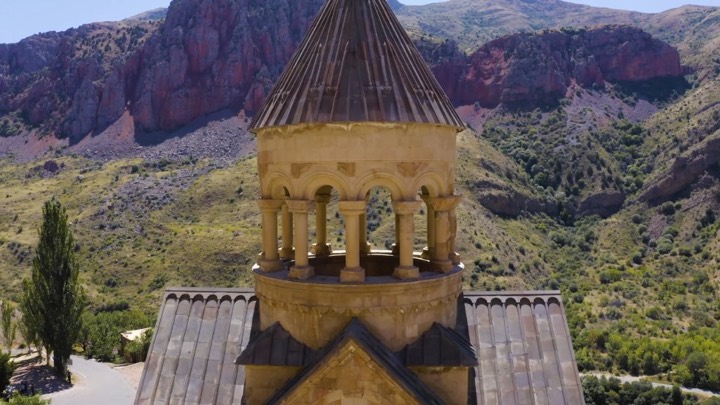
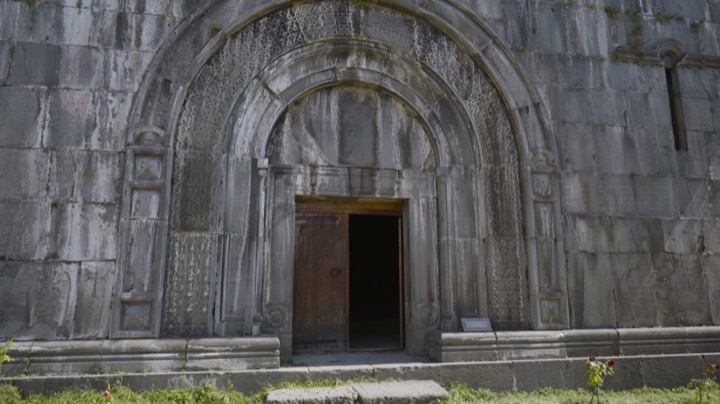
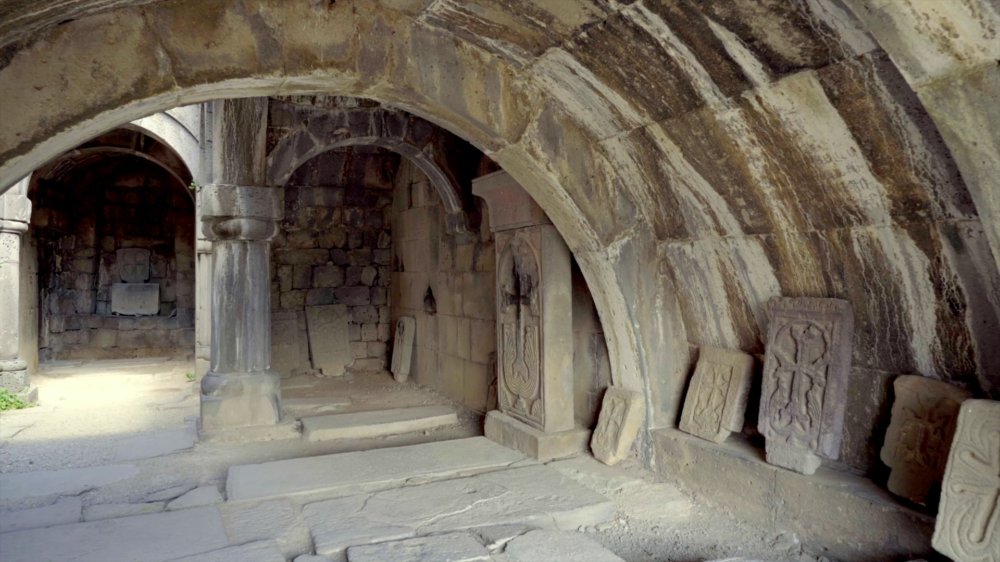
Partially carved out of the mountain rock itself, the medieval Geghard Monastery is a UNESCO World Heritage site nestled within Armenia's lush Kotayk province, its cave-hewn chapels standing as a remarkable feat of engineering and faith. The inscription covers the monastery together with the upper Azat valley whose cliffs enclose it. Its full name, Geghardavank, means monastery of the spear, after the relic of the Holy Lance long kept here. Tradition places the site's foundation at a sacred spring inside a cave; the main church was built in the early 13th century, and the chambers beyond it were cut directly into the rock face by carving downward from above, complete with columns, vaults and khachkars. The interiors are renowned for their acoustics.
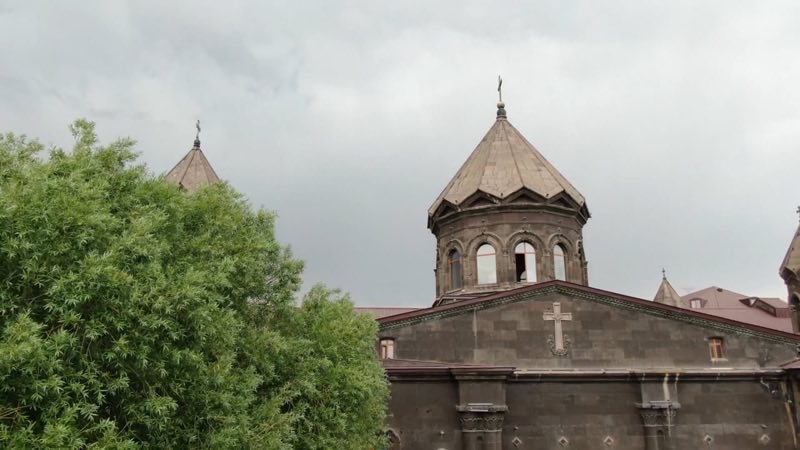
In Gyumri, Armenia's second-largest city and administrative center of the Shirak province, stands a striking 19th-century cathedral dedicated to the Holy Mother of God, better known by its affectionate nicknames: Yot Verk, or the Seven Wounds Church. The name refers to an icon of the Virgin pierced by seven sorrows, long venerated here. The building belongs to Gyumri's remarkable 19th-century townscape, raised in the local black and orange tufa by masons who gave the city its distinctive urban character under Russian imperial rule. Like much of central Gyumri it was badly damaged by the 1988 earthquake that devastated the region, and its restoration has been part of the city's long recovery.
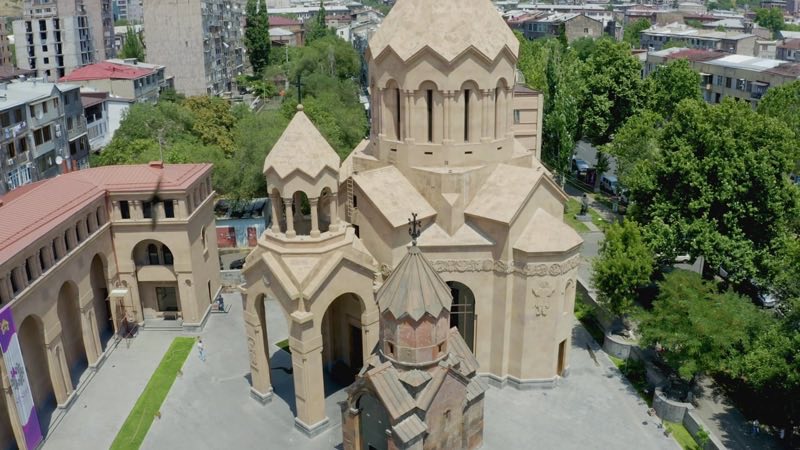
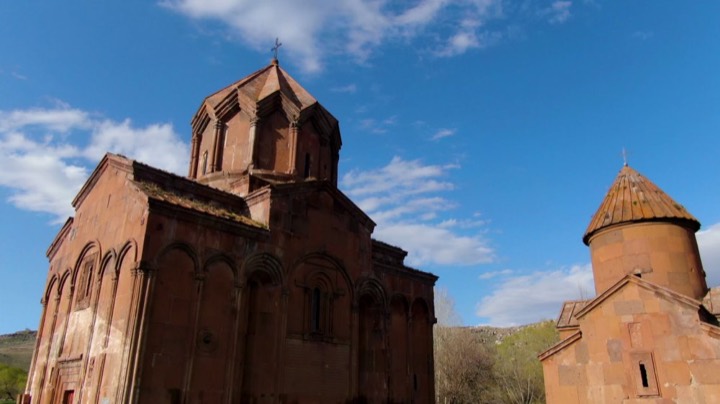
At the intersection of Abovyan and Sayat-Nova streets in the heart of Yerevan stand two churches forming a unique religious ensemble: the Church of the Holy Mother of God Katoghike and the Church of St Anne, both central to the Armenian capital's spiritual life. The smaller of the two is the older survivor of a much larger church demolished in the 1930s; when the walls came down, a compact medieval chapel was found embedded inside them, and public pressure saved it. Barely larger than a room, it is the oldest standing church in the city. The neighboring St Anne, completed far more recently in a traditional Armenian idiom, was built to give the site a full-scale church again and adjoins the residence of the Catholicos in Yerevan.
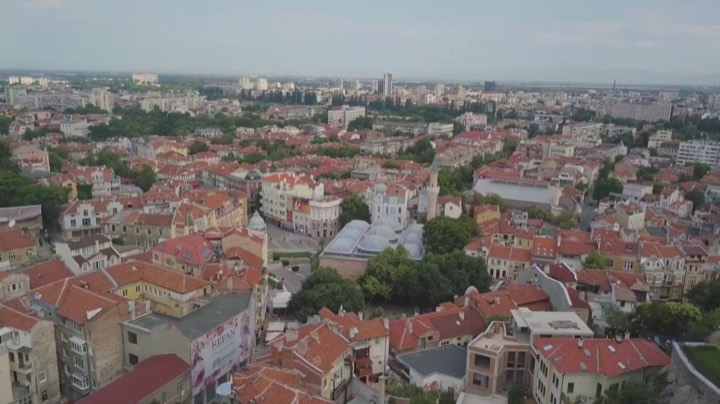
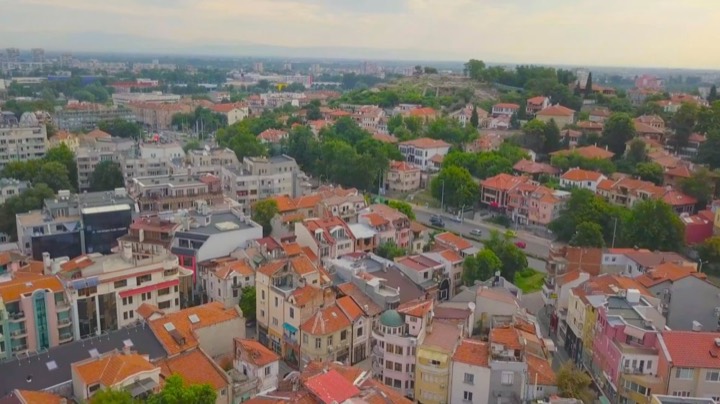
Few cities carry a history as layered as Plovdiv's. Its hilltop landscape bears the imprint of the ancient Thracians, Greeks, Persians, Romans, the Bulgarian Empire, the Ottomans and even Tsarist Russia, making it one of the oldest continuously inhabited cities in Europe. Known as Philippopolis in antiquity, it preserves that sequence in visible form: a Roman theater still in use for performances, a stadium buried beneath the main shopping street, Ottoman mosques and baths, and the painted timber mansions of the National Revival climbing the cobbled lanes of the Old Town. Below them, the Kapana district of former craft workshops has become the city's creative quarter, a shift confirmed when Plovdiv served as European Capital of Culture in 2019.
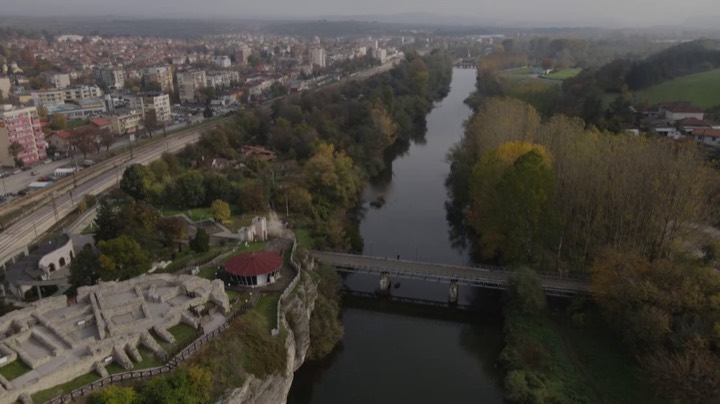
Built in the 13th century, the fortress on Trapezitsa Hill once housed the main church buildings of the capital of the Second Bulgarian Kingdom, including the Patriarchate and the Patriarch's residence. Its towering walls once rose dramatically atop the site's steep rocky slopes. The hill stands within a loop of the Yantra at Veliko Tarnovo, facing the larger royal citadel of Tsarevets across the river, the two together forming the fortified core of the medieval capital. Trapezitsa was the aristocratic and clerical quarter: excavation has traced the foundations of some twenty churches within its walls, many of them once painted, along with houses of the boyar families. Long ruined, the site has been progressively excavated and partly reconstructed.
Santo Antônio de Lisboa, Santa Catarina Island, Brazil
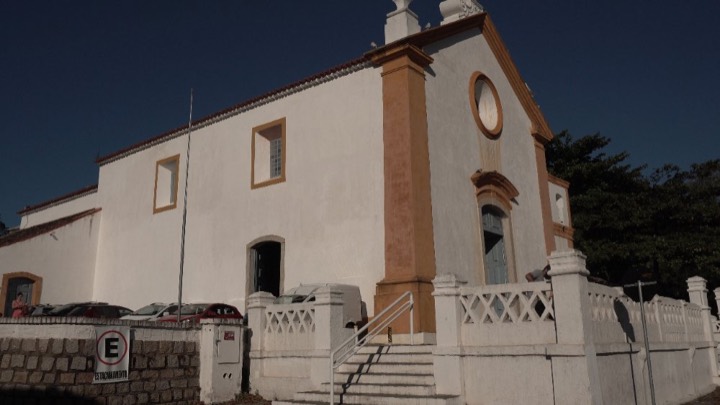
The legacy of Portuguese and Azorean settlers runs deep on Santa Catarina Island, shaping the architecture, cuisine and cultural and religious traditions of Floripa, as locals affectionately call the city. Santo Antônio de Lisboa, one of the island's oldest parishes, welcomed its first inhabitants in the 17th century. The village sits on the sheltered north-western shore, facing the mainland across a bay whose calm water made it a natural landing place and now supports the oyster beds that supply its restaurants. Its lanes are lined with low colonial houses, whitewashed and trimmed in blue, gathered around the parish church of Nossa Senhora das Necessidades on a rise above the waterfront. The bay is known for its sunsets.
Belarus's gateway to Western Europe, the city of Brest is home to one of the great Slavic heritage sites: the Brest Fortress. Widely regarded as the grandest and most visually striking memorial complex anywhere in the former Soviet Union, it stands as a powerful symbol of the region's history. The fortress was built in the 19th century at the confluence of the Bug and Mukhavets rivers as a bastion of the Russian Empire's western frontier, its citadel ringed by earthworks and water. Its place in memory was fixed in June 1941, when the garrison held out against the German invasion far longer than expected. The site was given the title of Hero Fortress and laid out as a memorial around colossal concrete sculptures and the shell-scarred ruins.
On the banks of the Neman River, the historic city of Grodno in Belarus has witnessed a turbulent and eventful past, leaving behind a rich heritage of culture, commerce, architecture and conflict that continues to define the city today. Long a frontier town of the Grand Duchy of Lithuania and later of the Polish-Lithuanian Commonwealth, it served as a royal residence and hosted sessions of the Commonwealth's parliament. Two castles stand side by side above the river: the Old Castle, rebuilt as a Renaissance residence for King Stefan Batory, and the Baroque New Castle beside it. Below them the streets keep an unusually intact prewar fabric, with a Jesuit cathedral, a synagogue and merchant houses around the market square.
The picturesque city of Lida in Belarus carries a compelling history, having emerged in the 13th century as a fortified settlement. Over the centuries that followed, from the 18th to the 20th century, it passed through the hands of various powers, including Poland and Russia, enriching its historical legacy. Its castle was raised by the grand dukes of Lithuania in the 14th century as one of a chain of strongholds built to hold off the Teutonic Knights, and it belongs to a distinctive regional type: a simple quadrangle of high stone and brick curtain walls, without a keep, with towers at opposing corners and a single gate. Besieged repeatedly over the following centuries, it fell into ruin and has since been substantially rebuilt.
At the heart of its namesake town, Mir Castle stands as one of the earliest and most essential surviving monuments in the region, its centuries-old walls reflected magnificently in an adjoining pond like something from a fairy tale. Its name, meaning "peace", reflects its historic role as a site for signing treaties meant to bring harmony to the region. Begun in the early 16th century by the Ilinich family and completed by the Radziwills, the castle is a UNESCO World Heritage site valued precisely for its hybrid character: a Gothic fortified quadrangle with tall corner towers and decorative brickwork, extended by a Renaissance palace range and later Baroque work. Beyond the walls lie a landscape park and the domed chapel-mausoleum of its owners.
Sacred Sites, World Heritage, History, Architecture,Belarus
Church of the Nativity of the Virgin, Belarus
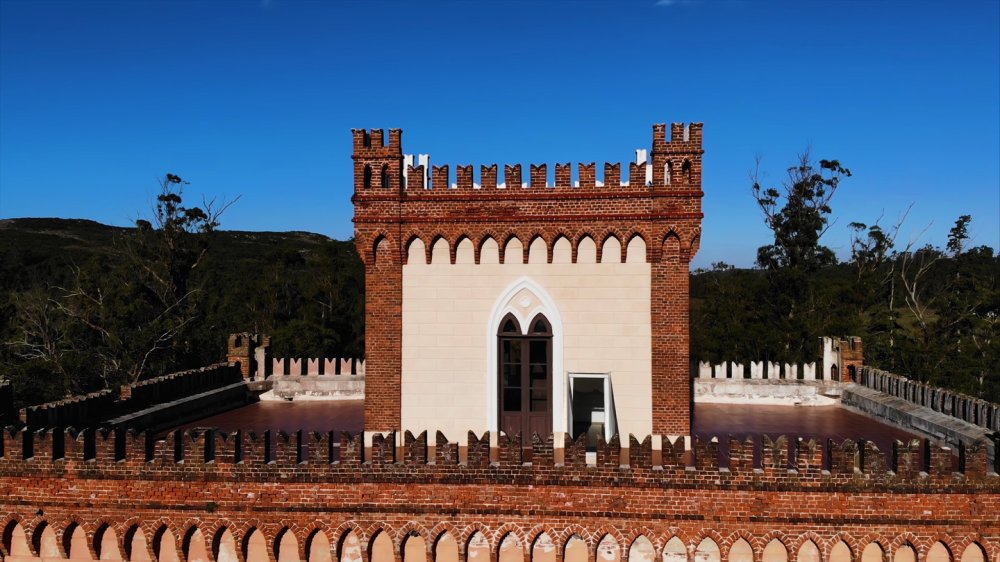
In the quiet village of Murovanka, in Belarus's Shchuchyn District, stands the fortified Church of the Nativity of the Blessed Virgin Mary, a rare and striking example of early 16th-century defensive religious architecture. Churches of this kind were built along the eastern marches of the Grand Duchy of Lithuania to serve as strongholds as well as places of worship, and the type has almost entirely disappeared. Here the plan is a compact rectangle with a massive round tower at each of the four corners, thick walls pierced by loopholes, and a defensive gallery under the roof, all executed in brick with the arched niches and stepped gables of the Gothic tradition. The building is commonly known simply as the Murovanka church.
Among Belarus's most spectacular structures, Nesvizh Castle stands as a magnificent palace within the Niasviž Estate, ranking among the country's most famous and exquisite historic landmarks. It was the seat of the Radziwills, the most powerful magnate family of the Polish-Lithuanian Commonwealth, who rebuilt an earlier fortress into a residence from the end of the 16th century and went on extending it for three hundred years. The result, inscribed on the UNESCO World Heritage List, is a courtyard palace whose ranges combine Renaissance, Baroque and later work behind earth bastions and a moat, set in a landscape park of lakes and avenues. In the town below, the family's Corpus Christi Church holds their dynastic crypt.
In the small settlement of Ruzhany, in Belarus's Pruzhany district, stands an architectural monument of the Sapieha dynasty: Ruzhany Palace. Nicknamed the "Belarusian Versailles", it blends Baroque and classicist styles into one striking design. The Sapiehas were among the greatest magnate families of the Polish-Lithuanian Commonwealth, and Ruzhany was their principal residence, a place where state business and diplomacy were conducted as much as a country seat; the complex included a theater alongside the state apartments. Its signature element is the monumental entrance gate flanked by curving colonnaded arcades that sweep out to enclose the forecourt. Ruined by war and neglect, the gateway and side wings have since been restored.
In Grodno, one of Belarus's most beautiful cities, stands a unique example of Eastern Orthodox architecture and a hallmark of the Grodno School: the Church of Saints Boris and Gleb, a cherished piece of the country's historical and architectural heritage. Also known as the Kalozha church, it dates from the 12th century and is among the oldest surviving buildings in the country. Its walls are the school's signature: brickwork inset with polished field boulders and glazed majolica tiles arranged in crosses, with ceramic acoustic vessels built into the masonry to lighten the vaults and carry sound. Perched on a bluff above the Neman, it lost part of its south wall to a landslide in the 19th century, and the scar is still visible.
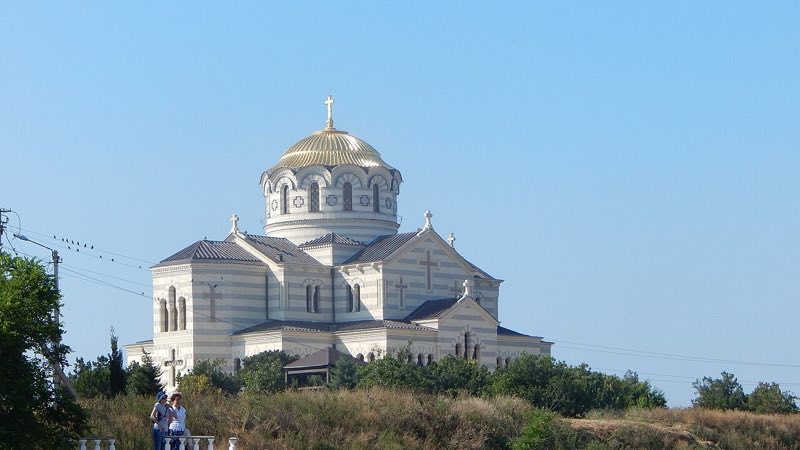
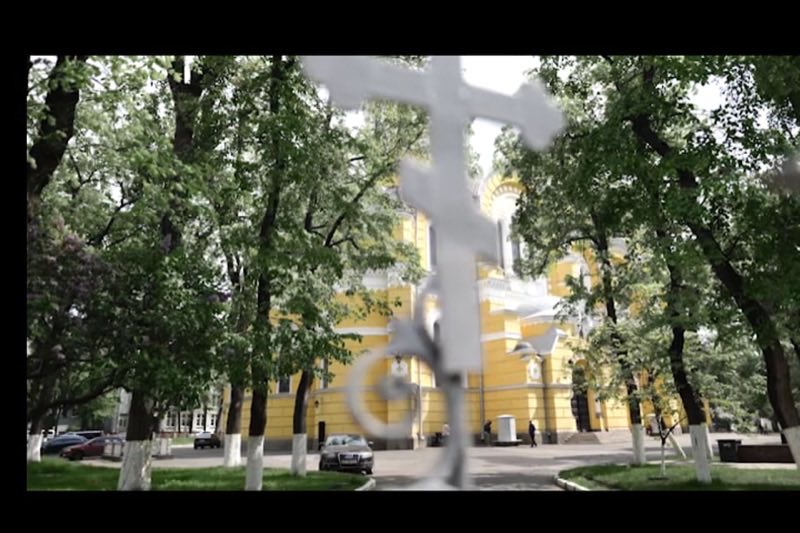
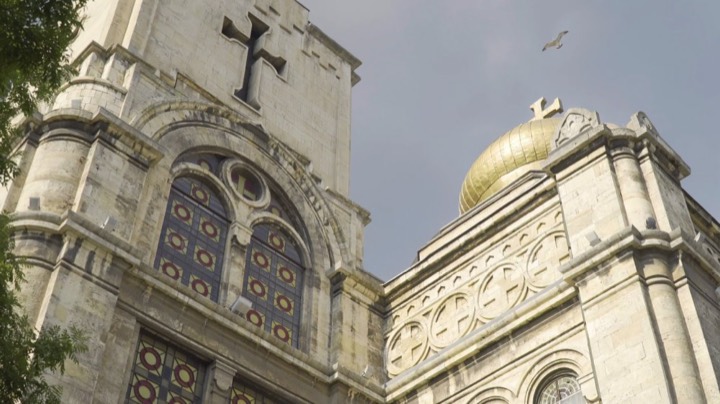
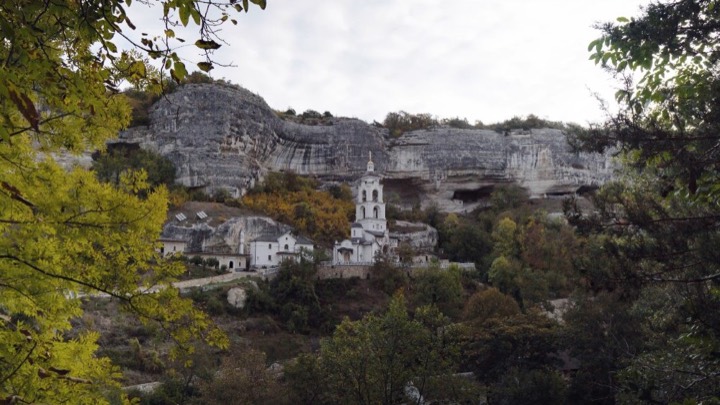
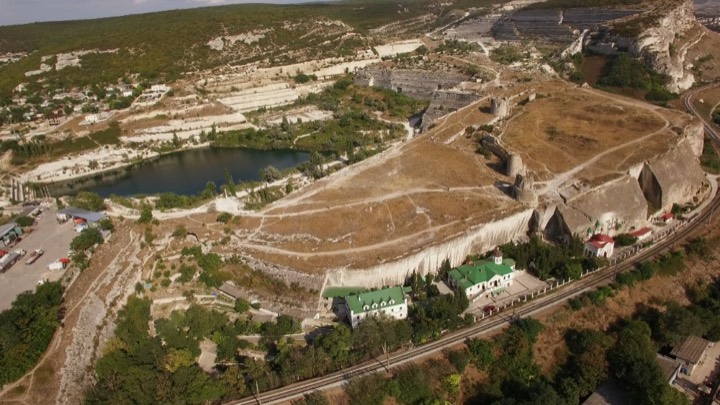
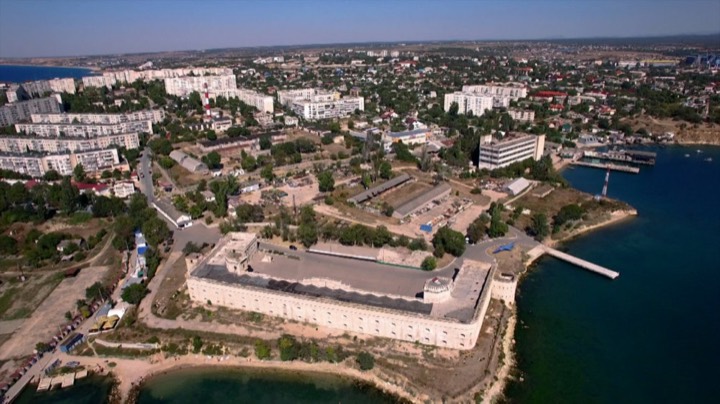
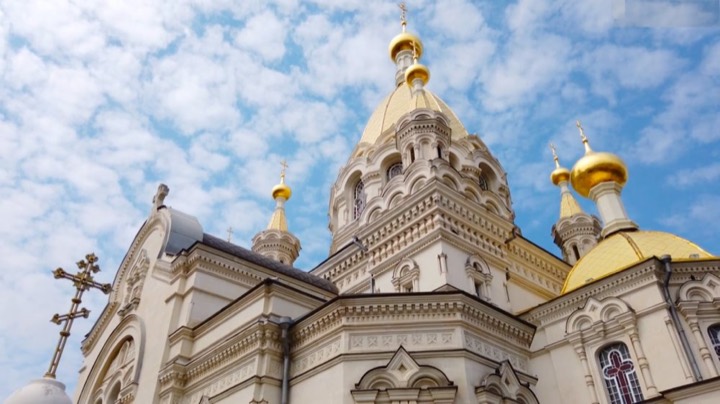
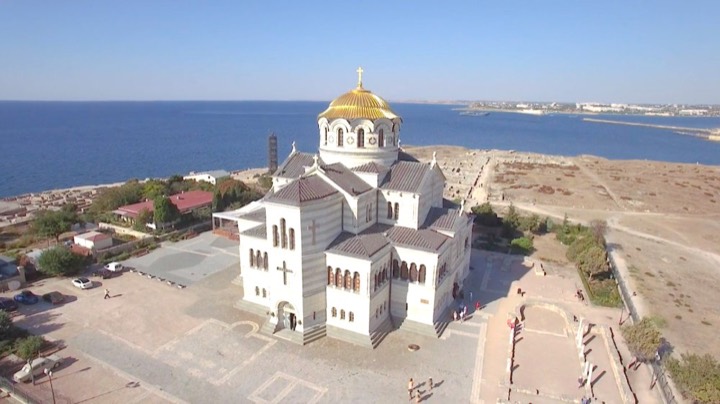
Sevastopol, Crimea's largest city and a major Black Sea port, traces its roots to the 6th century BC, when Greek settlers founded the city of Chersonesus, a settlement that endured for nearly two millennia and later became part of the Bosporan Kingdom. On the site of ancient Chersonesus Taurica now stands St. Vladimir's Cathedral, also known as the Chersonesus Cathedral. Built in the Neo-Byzantine manner favored by nineteenth-century Russian church architecture, it commemorates the baptism of Prince Vladimir, an event traditionally placed at Chersonesus and central to the Christianization of the Eastern Slavs. Heavily damaged in the twentieth century and since restored, the cathedral rises directly above the excavated Greek and Byzantine ruins, so that archaeological site and working church share a single horizon.
Set in a picturesque corner of Crimea's Black Sea coast, the Genoese fortress at Sudak ranks among the largest medieval fortifications in the region. Perched on a cone-shaped mountain, it offers sweeping views of the sea, framed by the Meganom and Ai-Foka capes, and the Sudak Valley stretching for more than eight kilometers. The stronghold was raised by Genoa in the fourteenth and fifteenth centuries, when the port, then called Soldaia, was a link in the trade routes carrying goods between the Black Sea and the Mediterranean. Two lines of walls climb the ridge, punctuated by towers named after the consuls who commissioned them, and rising to the citadel and watchtower on the summit above the harbor.
Yevpatoria, one of Ukraine's oldest and most beautiful cities, traces its roots from Greek settlement through Russian rule, and is renowned for its architectural and historic landmarks. Among them stands a rare gateway to the past: the Dervish Tekie, the only medieval Muslim monastery to survive in Europe. A tekke was the lodge of a Sufi brotherhood, a place of residence, teaching and ritual rather than a mosque in the ordinary sense, and this one preserves the characteristic form of the type: a plain cubic prayer hall crowned by a dome, ringed by the small cells in which the dervishes lived. Adjoining structures, including a mosque and minaret, complete a complex of the Ottoman period that has no comparable survivor on the continent.
Sacred Sites, World Heritage, Architecture, CultureCrimean Peninsula
The Khan's Palace, Crimea
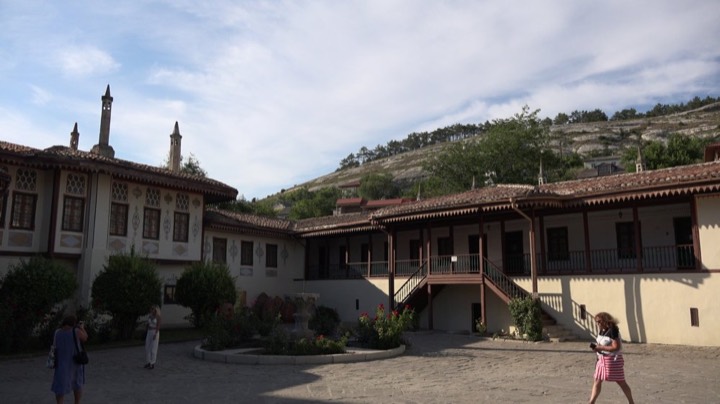
In the heart of Crimea, the long-lived Crimean Khanate left behind one of its most enduring landmarks: the Khan's Palace in Bakhchysarai, once the political, spiritual, and cultural center of the Crimean Tatars. Raised in the 16th century, it served as the seat of the Giray dynasty. The complex is the only surviving example of Crimean Tatar palace architecture, an assembly of courtyards, gardens and pavilions rather than a single monumental block. Painted interiors, carved and coffered wooden ceilings, stained glass and fountains set the tone, and the ensemble includes the Great Khan Mosque, the harem quarters, the Falcon Tower and the cemetery where the khans are buried, alongside the celebrated Fountain of Tears.
Sacred Sites, World Heritage, History, Architecture, CultureChina
Temple of Heaven, China
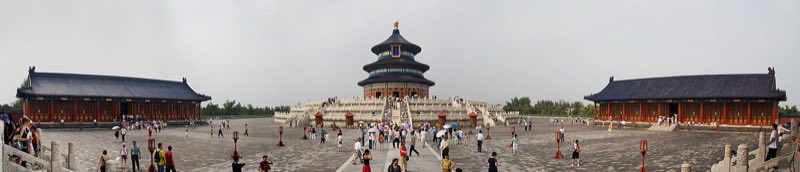
In the heart of Beijing, the Temple of Heaven stands as a symbol of harmony between heaven and earth. This exploration traces its history, architecture, and imperial rituals, revealing the full majesty and symbolic precision of one of China's most iconic sites. Founded under the Ming dynasty and used by Ming and Qing emperors, the complex was the setting for the annual sacrifices and prayers for good harvests on which the legitimacy of the throne partly rested. Its plan encodes cosmology throughout: round forms for heaven set against square enclosures for earth, and a raised processional way linking the marble Circular Mound Altar to the triple-roofed timber Hall of Prayer for Good Harvests. The site was inscribed on the UNESCO World Heritage List in 1998.
World Heritage, History, Architecture, CultureChina
The Summer Palace, China
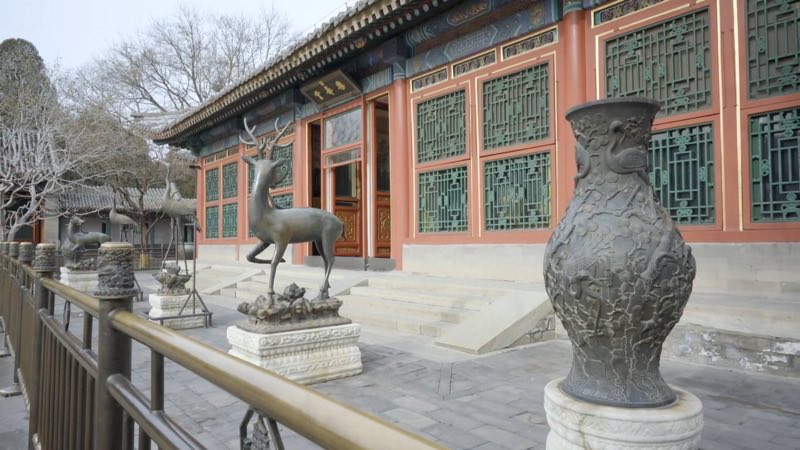
Located in Beijing, the Summer Palace stands as a masterpiece of Chinese imperial landscape design. This exploration of its palaces, gardens, and lakes reveals the history, artistry, and symbolism behind a cherished former royal retreat. The composition turns on the relationship between Longevity Hill and the broad expanse of Kunming Lake, with temples and pavilions terraced up the slope and causeways and bridges dividing the water, a landscape shaped to quote the celebrated scenery of southern China. Along the shore runs the painted Long Corridor, and beside it the marble boat that became one of the palace's emblems. Rebuilt in the later nineteenth century after wartime destruction, the ensemble was inscribed on the UNESCO World Heritage List in 1998.
The Iglesia del Carmen is a striking example of neo-Gothic religious architecture in Colombia. This portrait follows the church through its history, its artistic detail and its continuing spiritual life, examining how a nineteenth-century revival idiom was adopted and adapted by Colombian builders and craftsmen. Pointed arches, ribbed vaulting, slender towers and worked interior surfaces give the building its character, and the sustained quality of that workmanship is what has secured its standing among the country's most distinctive churches. Beyond the architecture, the programme considers the congregation that has kept the building in use and the place it holds in the cultural heritage of its city.
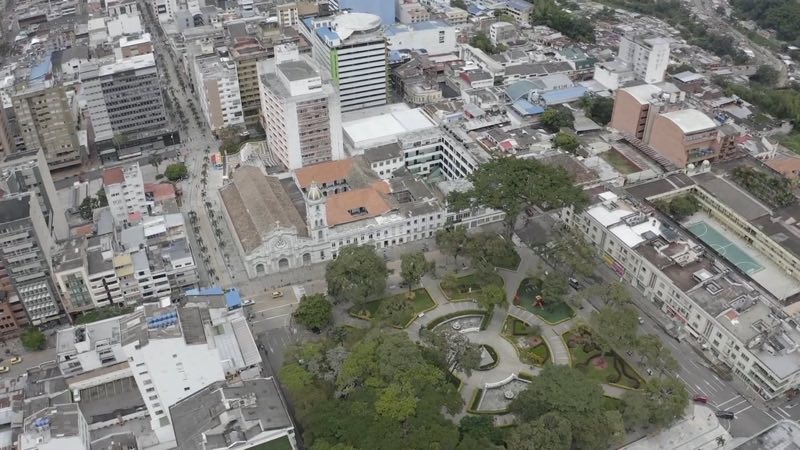
Ibagué, capital of Colombia's Tolima department, was founded in 1550 by the Spanish captain Andrés López de Galarza and ranks among South America's oldest cities. At its center stands the Cathedral of Ibagué, also known as the Cathedral Primada Inmaculada Concepción de Ibagué, one of the city's most important historic monuments. The city lies in the Central Andes, in the shadow of the snow-capped volcanic peaks of the Nevado del Tolima and the Los Nevados range, on the historic route between Bogotá and the Cauca valley. It is known throughout the country as Colombia's musical capital, home to a long-established conservatory and to a national folk music festival that fills its streets and squares each year.
World Heritage, History, Architecture, CultureColombia
Walled City Cartagena, Old Cartagena, Colombia
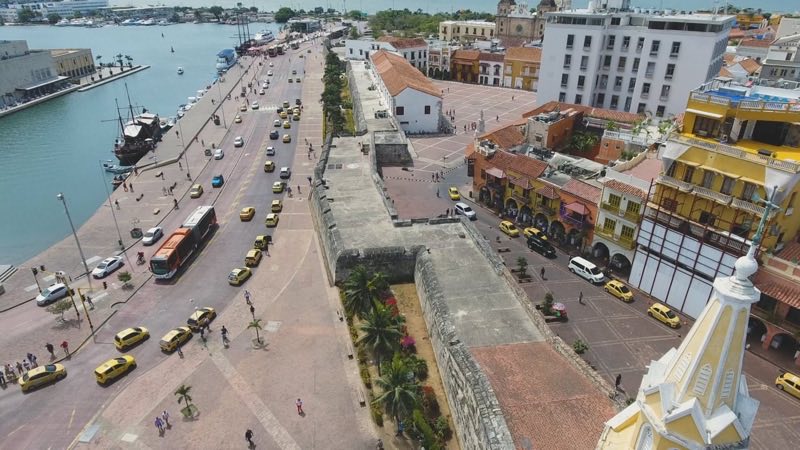
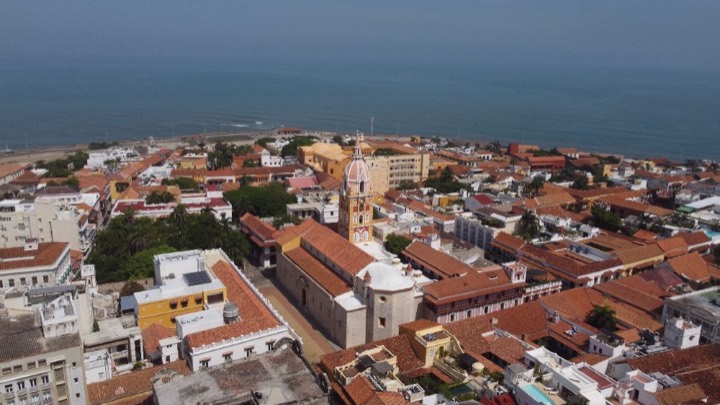
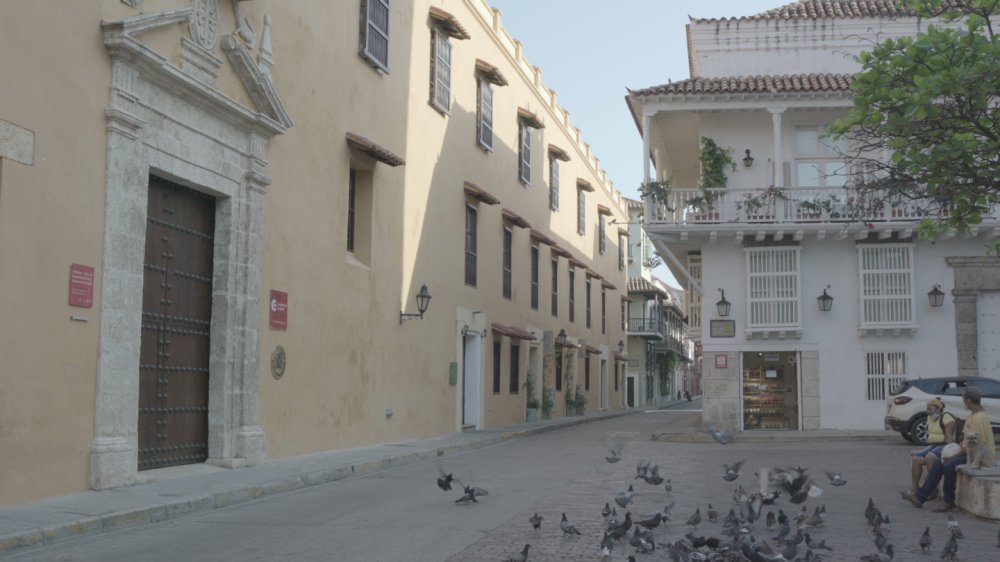
A walk through the narrow streets and grand colonial halls of the Walled City of Cartagena de Indias reveals some of Colombia's oldest and most significant historic buildings, preserved within its centuries-old fortifications. The ramparts that give the quarter its name were begun after the sacking of the port in the sixteenth century and took generations of military engineers to complete, enclosing the old town in a continuous circuit of stone walls, bastions and gates. Within them the plan survives largely intact: shaded plazas, balconied houses in coral stone and lime render, convents, and the arcaded gateway beneath the clock tower that remains the main entrance. The ensemble was inscribed on the UNESCO World Heritage List in 1984.
Known as the Queen of the Caribbean Sea, the historic city of Cartagena is home to the San Felipe de Barajas Castle, a World Heritage site and an outstanding example of 16th-, 17th-, and 18th-century military architecture, among the most extensive and complete fortifications built in the New World. Raised on the hill of San Lázaro, commanding both the landward approaches and the bay, it was begun in the seventeenth century and greatly enlarged in the eighteenth into a stepped mass of batteries and sloping ramparts, honeycombed by a network of tunnels and mines. It was the pivot of the defense that repelled the massive British assault on Cartagena in 1741, one of the decisive sieges of the colonial Caribbean.
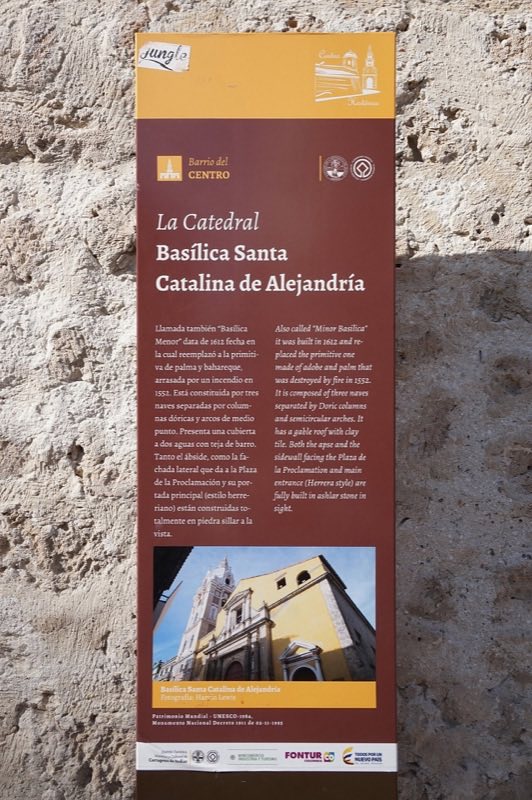
Officially dedicated to Saint Catherine of Alexandria, Cartagena Cathedral ranks among the oldest cathedrals in South America. Its colonial architecture and religious heritage speak to the central role it has played throughout the historical life of Cartagena. Begun in the later sixteenth century, the building was damaged while still unfinished during an English assault on the port and was only completed in the following century, a history written into its heavy coral-stone walls. A tiled dome and a tower crowned in the nineteenth century rise above the surrounding rooftops of the walled city, and the wide three-aisled interior, carried on stout columns, retains gilded altarpieces and the plain dignity of early colonial building.
The San Pedro Claver Church stands as a powerful symbol of faith and human dignity in Cartagena. Tracing the legacy of Saint Peter Claver, this exploration highlights its baroque architecture and the church's profound moral and cultural significance. Built by the Jesuits within the walled city, the church and its adjoining cloister were the base from which the Catalan priest ministered for decades to the Africans landed in chains at the port, work for which he was later canonized and named patron of enslaved people. His remains lie beneath the high altar. The stone façade, the cool arcaded courtyard and the museum installed in the former convent make the complex one of the most visited monuments of the old town.
World Heritage, History, Architecture, CultureColombia
Walled City Cartagena, Old Cartagena, Colombia
The Walled City of Cartagena is a UNESCO-listed historic center encircled by massive stone fortifications. Its streets, plazas, and colonial architecture reveal how this fortified city shaped Cartagena's history and identity over the centuries. Inscribed on the World Heritage List in 1984, the circuit of walls, bastions and gates was raised over generations by Spanish military engineers to protect the empire's principal Caribbean port from the privateers and rival fleets drawn by its wealth. Behind them the colonial grid survives intact: churches and convents, merchants' houses with deep balconies and inner courtyards, and shaded squares that still order daily life in one of the best-preserved fortified towns of the Americas.
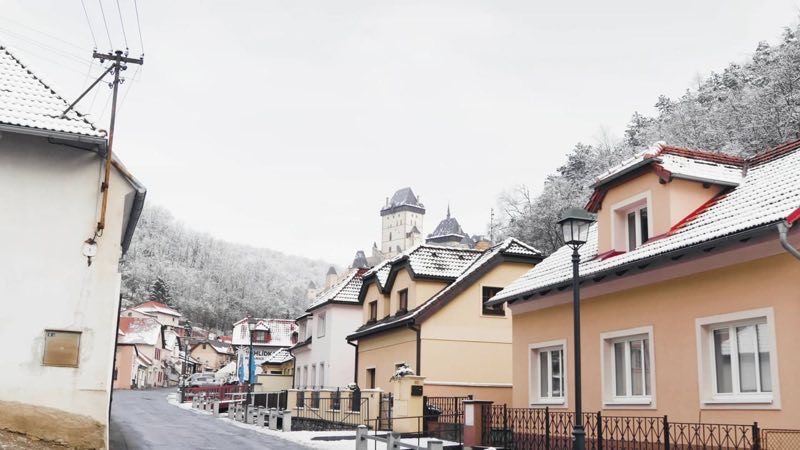
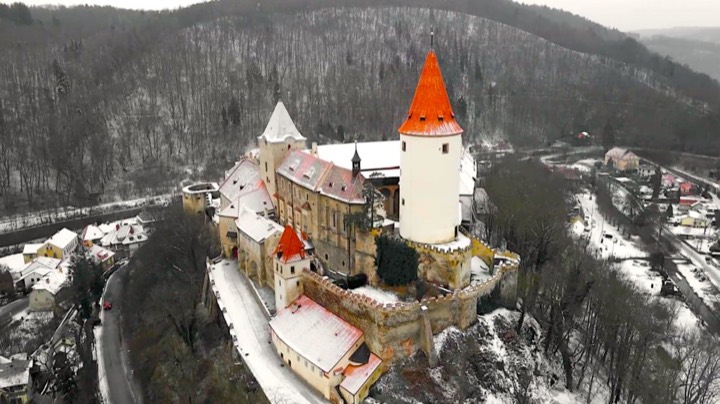
On an elevated ridge between the Berounka River and the Rakovnický stream stand the castles once home to Czech kings and princes, among them the striking Karlštejn Castle, a treasured piece of the country's royal heritage. Founded by Charles IV, king of Bohemia and Holy Roman Emperor, it was conceived less as a residence than as a strongroom for the imperial regalia and the emperor's collection of relics. The plan rises in stages up the rock to the Great Tower, whose Chapel of the Holy Cross housed those treasures behind gilded vaults, semi-precious stone inlay and rows of painted panels by Master Theodoric, in one of the most remarkable interiors of fourteenth-century Europe.
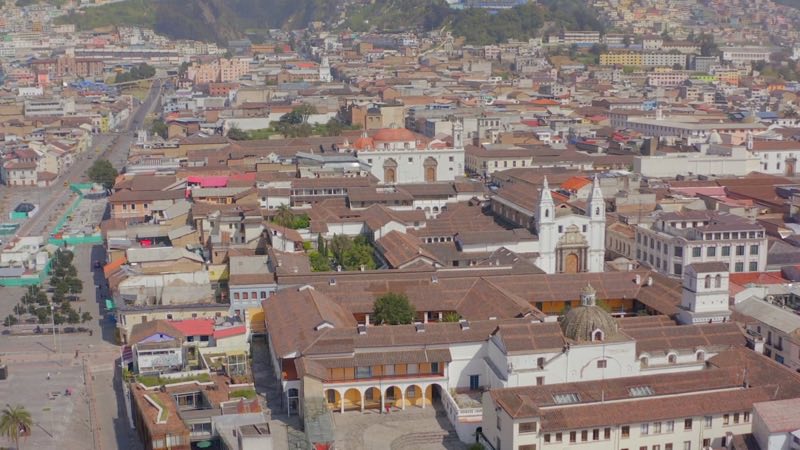
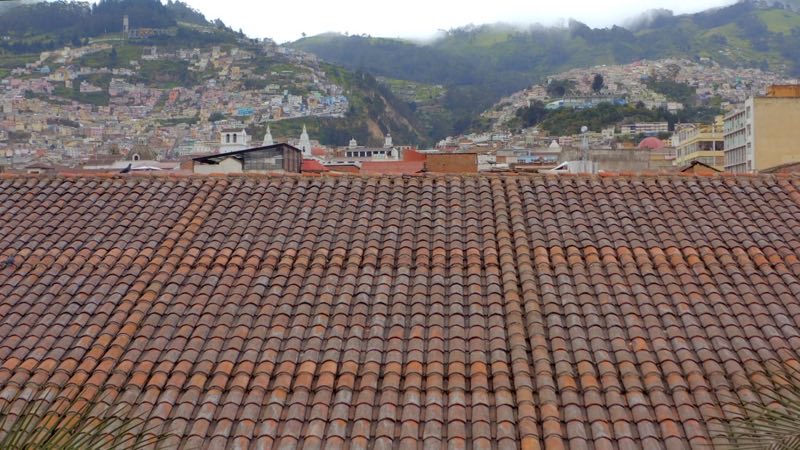
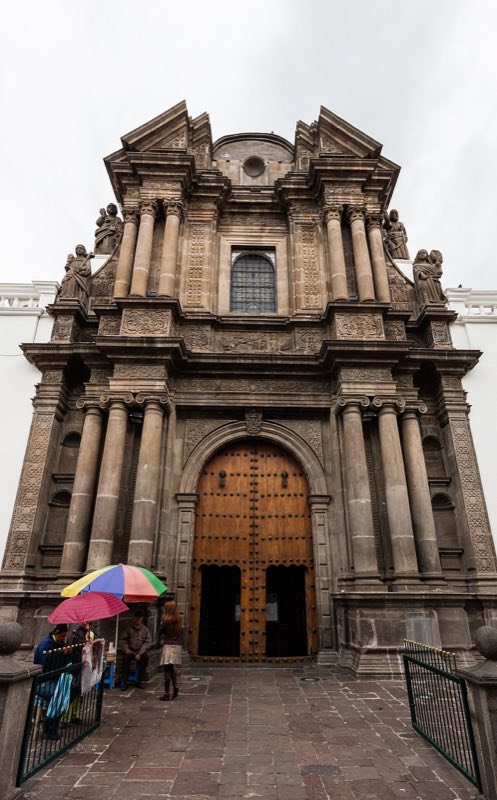
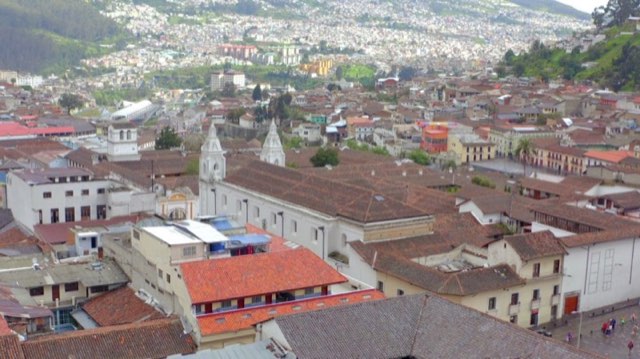
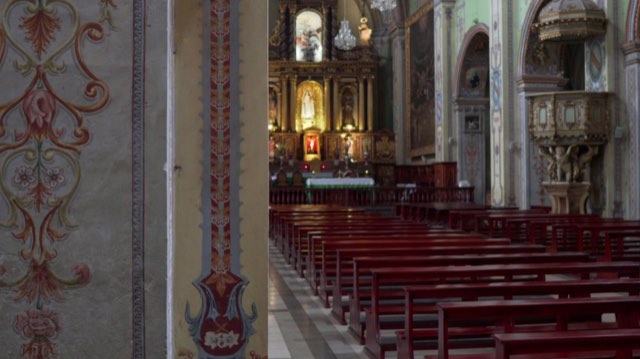
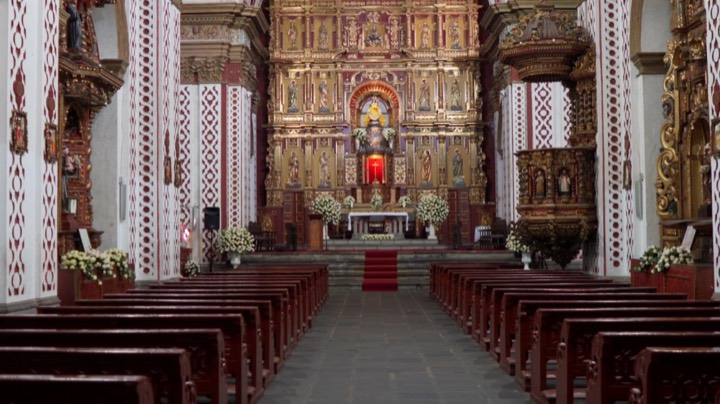
A fusion of Spanish, Italian, Moorish, and indigenous artistic traditions, the Santo Domingo Church in Quito, Ecuador, played a formative role in the emergence of the celebrated Quito School of art, and its architecture reflects the city's rich cultural blending. Built by the Dominican order in the colonial period, it stands on the plaza that carries its name at the southern edge of the historic center, its bell tower a fixed landmark on the skyline. Inside, a mudéjar coffered ceiling runs the length of the nave above gilded altarpieces, while the adjoining convent preserves cloisters and a collection of colonial painting and polychrome sculpture now shown as a museum.
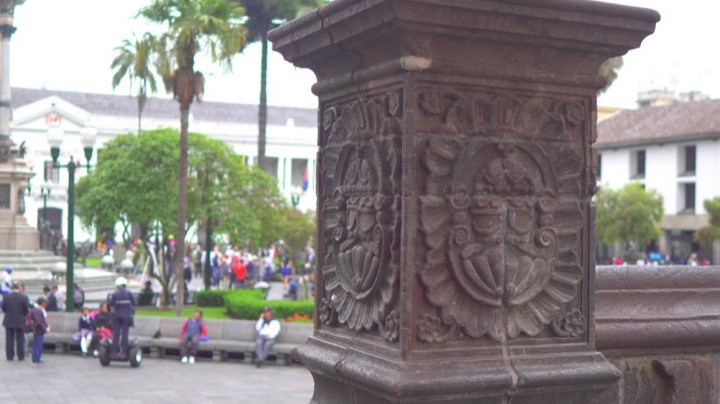
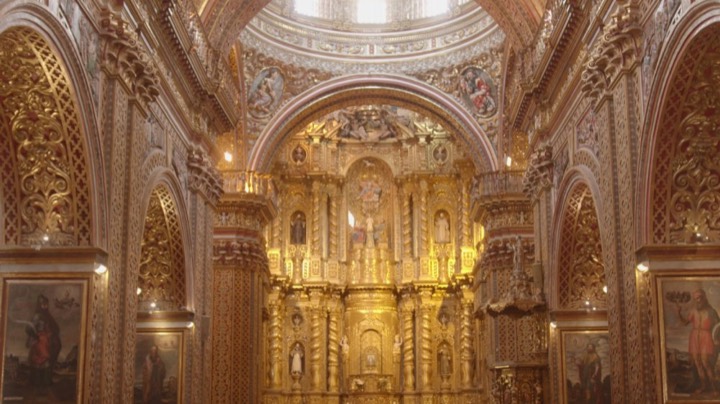
Located in the historic center of Quito, El Sagrario is a refined example of colonial religious architecture. Its baroque interiors and artistic details reflect the site's enduring role in the spiritual and cultural life of Ecuador's capital. Built in the seventeenth century beside the Metropolitan Cathedral, for which it long served as the parish sanctuary, the church presents a carved stone screen façade and a domed crossing covered in painted ornament. Inside, gilded woodwork, polychrome sculpture, and canvases produced by the Quito School illustrate the workshops that supplied churches across the Spanish colonial world. The building stands within Quito's historic center, inscribed on the UNESCO World Heritage List in 1978.
For anyone who has wondered whether Spain has castles of its own, the city of Villena offers a clear answer: the Atalaya Castle, a striking fortress that stands as proof of the country's rich medieval heritage. Set on a rocky outcrop above the town in the province of Alicante, the castle was raised under Muslim rule and later passed into Christian hands, a sequence still legible in its double curtain wall and in the vaulted chambers of its great keep, the Torre del Homenaje. From the battlements the view runs across the Vinalopó valley, a corridor of frontier strongholds that changed hands repeatedly during the long contest for the Iberian Peninsula. The castle is protected as a Spanish national monument and open to visitors.
Home to one of Europe's best-preserved Roman aqueducts, Segovia's Old Town also boasts Romanesque churches, Renaissance mansions, Moorish city walls, and the last Gothic cathedral built in Spain—layers of history woven into a single UNESCO World Heritage city. The aqueduct's double tier of granite arches, laid without mortar, still strides across the Plaza del Azoguejo at the foot of the old town. Above the confluence of two rivers stands the Alcázar, the royal fortress whose silhouette of slate spires rises from a rocky spur, while the cathedral, begun in the sixteenth century, dominates the Plaza Mayor. The Old Town of Segovia and its Aqueduct were inscribed on the World Heritage List in 1985.
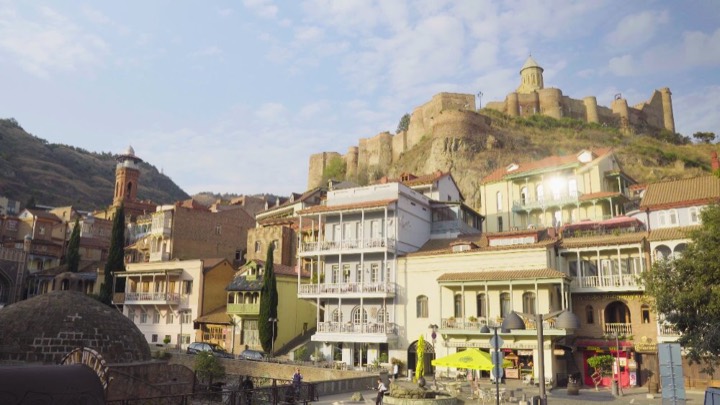
Set on the foothills of the Gombori Mountains and the Great Caucasus, Telavi is the main city and administrative center of Georgia's eastern Kakheti province. Rising in the vineyard-covered Alazani Valley at nearly 500 meters above sea level, its historic fortress and the Castle of Batoni crown a landscape prized for its fresh mountain air. Batonis Tsikhe, the residence of the kings of Kakheti, retains its walls and towers, a royal palace, a bathhouse, and two court churches within a single enclosure, and is associated above all with Erekle II, who ruled from here in the eighteenth century. The town serves as the working capital of Georgia's best-known wine region, and an ancient plane tree stands at its center.
Monastery of Saint Irene, Andros, Cyclades Island, Greece
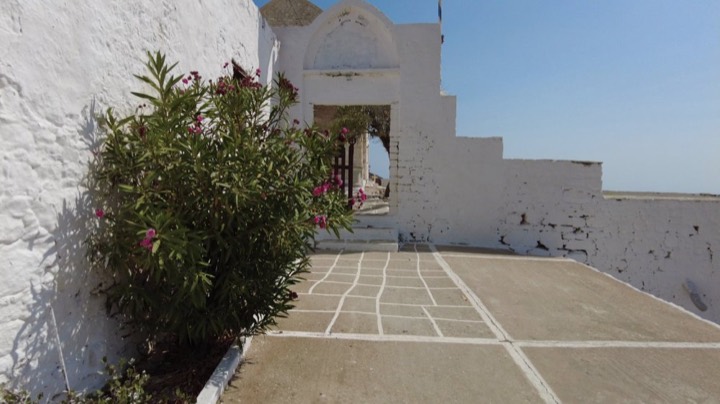
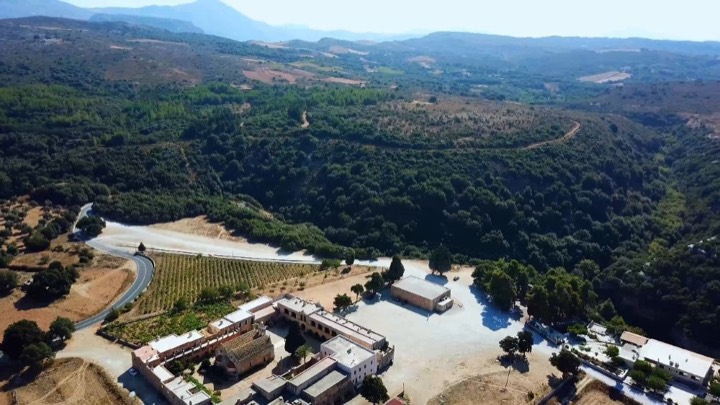
Discover a Greek heritage in Andros: the Monastery of Saint Irene, the legacy of a philanthropist that glorifies the island's cultural heritage—both architectural and philosophical. It stands in the green interior of the northernmost Cycladic island, where springs and terraced valleys have long supported monastic settlement, and its whitewashed volumes, vaulted cells, and enclosed courtyard follow the compact, inward-facing plan common to Aegean monasteries. Andros owes many of its churches, schools, and public buildings to benefactors enriched by shipping, and the monastery belongs squarely to that tradition of endowment. Its chapel preserves icons and liturgical furnishings in a setting still tied to the rhythms of the surrounding countryside.
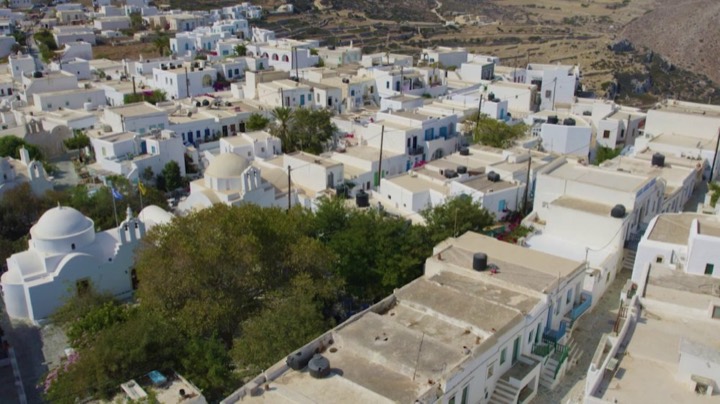
Discover Andros Town, capital of Andros Island, a city with centuries of history where monuments, churches, and ruins line the streets, bearing witness to a rich cultural heritage unlike that of any other Cycladic capital. Also called Chora, it occupies a narrow promontory between two bays, its marble-paved main street lined with neoclassical mansions raised by shipowning families rather than with the cubic houses typical of the islands. At the tip stand the remains of a Venetian castle, linked to the town by an arched stone bridge, while the Archaeological Museum and the Museum of Contemporary Art, both endowed by local benefactors, give the town a cultural standing rare for its size.
An elegant island symbolic of the Cyclades, Sifnos is a place of striking contrasts, where arid mountains meet lush green valleys and monasteries watch over sandy beaches below. Its wealth in antiquity came from gold and silver mines, which paid for the treasury the islanders built at Delphi, and its later renown rests on pottery and cooking: Sifnian potters supplied the Aegean with earthenware, and the island is regarded as a cradle of modern Greek gastronomy. Whitewashed villages such as Apollonia, Artemonas, and the cliff-top Kastro are linked by a network of old stone paths, and hundreds of chapels are scattered across the terraced hillsides, among them Chrysopigi on its rocky islet.
Monastery of Saint John the Theologian & Museum, Patmos Island, Greece, Part 1
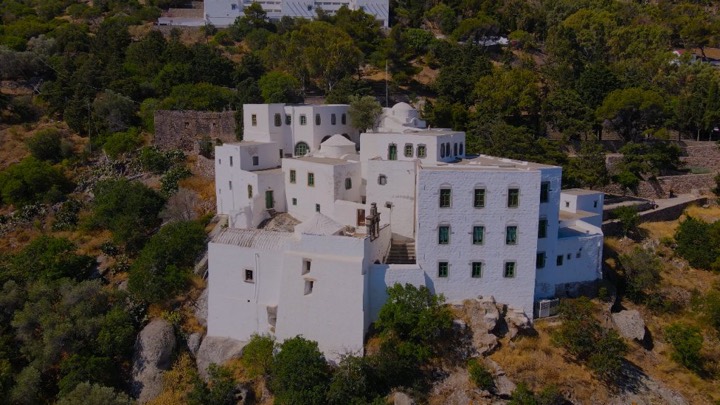
On the island of Patmos in the Aegean Sea, the Monastery of Saint John the Theologian stands as one of Greece's most significant Orthodox sanctuaries and a UNESCO World Heritage Site. This first installment explores its fortified architecture, storied history, and the treasured manuscripts and religious artifacts preserved within its museum. Founded in the late eleventh century by the monk Christodoulos under a charter from the Byzantine emperor, it grew into a walled citadel of grey stone whose battlements and towers shielded the community from pirate raids, with the town of Chora spreading beneath its walls. Its library ranks among the richest in the Orthodox world, holding codices, imperial charters, and icons gathered over nine centuries of continuous monastic life.
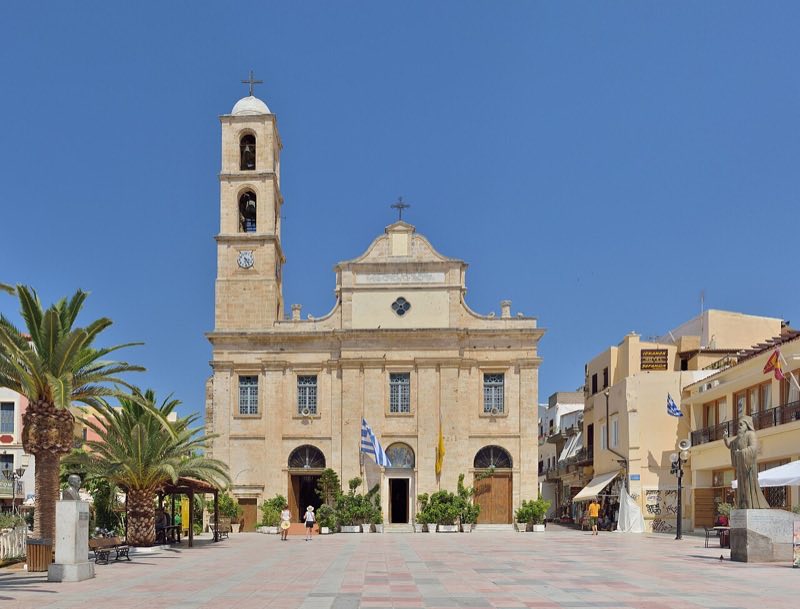
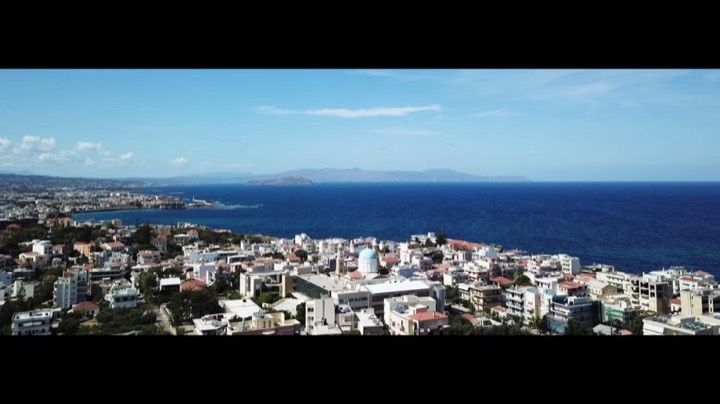
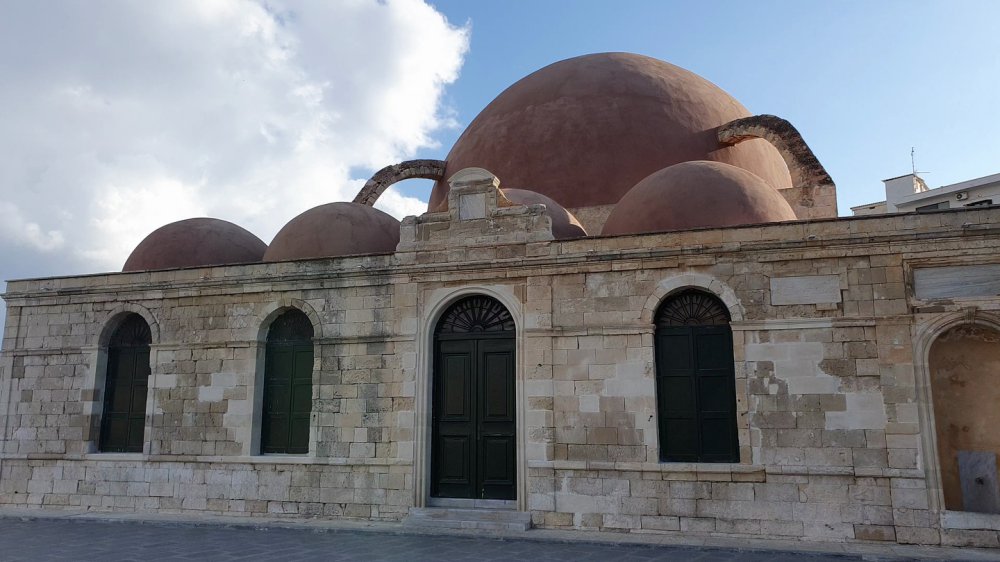
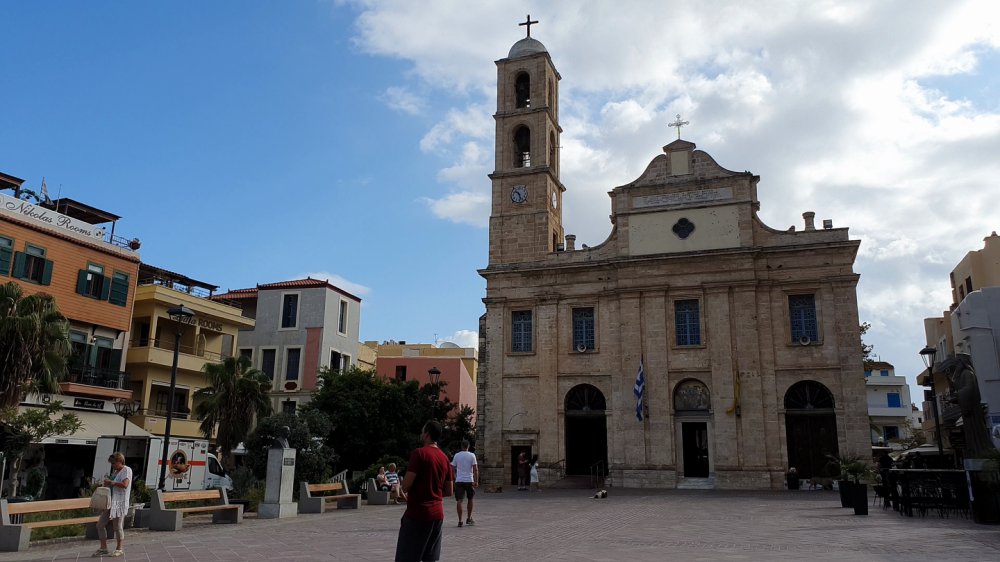
Chania's Old Town, the island's ancient capital, stands as one of Crete's finest examples of layered heritage—a vibrant place of prosperity and growth shaped through the ages by a unique blend of Venetian, Ottoman, Byzantine, and Greek cultures. Built over the ancient city of Kydonia, it keeps the street plan and fortifications laid out under Venetian rule, when the harbor was ringed with vaulted arsenals for shipbuilding and closed by a lighthouse at the end of its mole. Ottoman minarets, wooden balconies, and bathhouses overlay that fabric, alongside the quarters of the Jewish, Armenian, and Greek communities. Rebuilt after heavy bombardment in the Second World War, the old town remains the social heart of the city.
Built in the mid-17th century, the Logovarda Monastery stands as one of the largest and most venerated monasteries on the Greek island of Paros. Part of the Cyclades, Paros preserves a rich historical and cultural legacy shaped by Byzantine and post-Byzantine architecture, and Logovarda has earned an enduring reputation within Greek Orthodoxy and Cycladic culture. Dedicated to the Life-Giving Spring, the community lies north of Parikia on the road toward Naoussa, its whitewashed cells and church set behind a walled courtyard in the fortified manner of Aegean monasteries. It remains an active male monastery, known for its bookbinding workshop and its library of manuscripts and printed volumes, and access follows a strict rule.
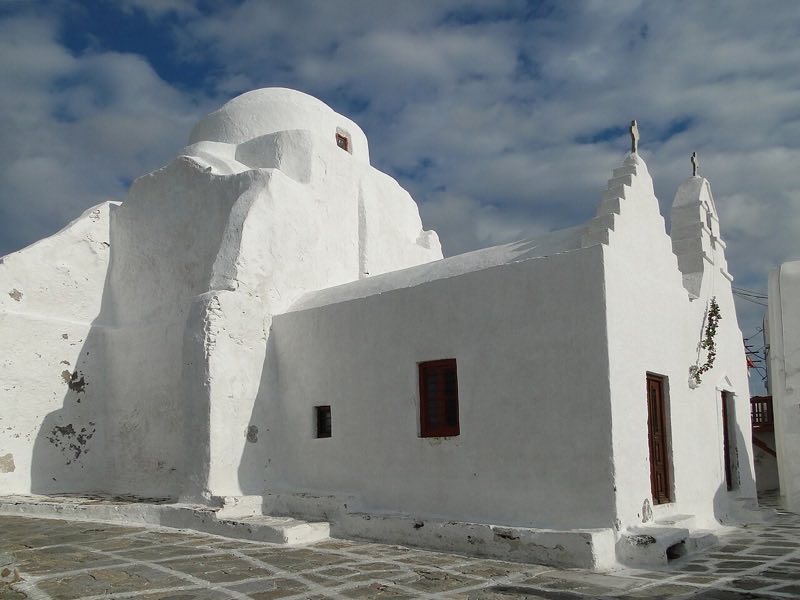
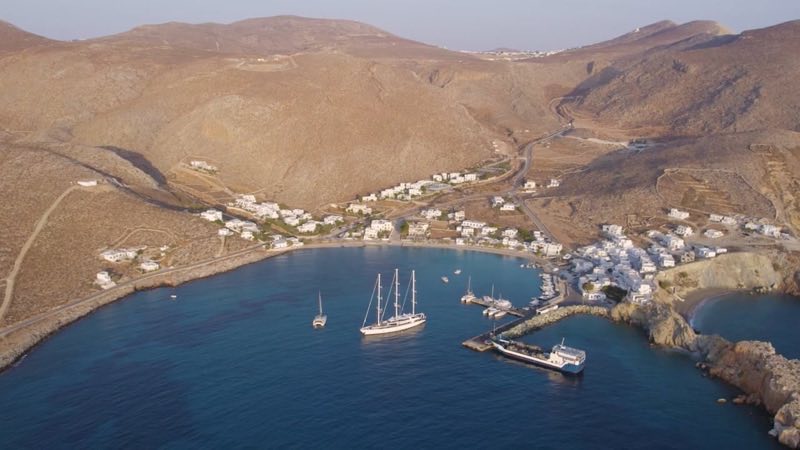
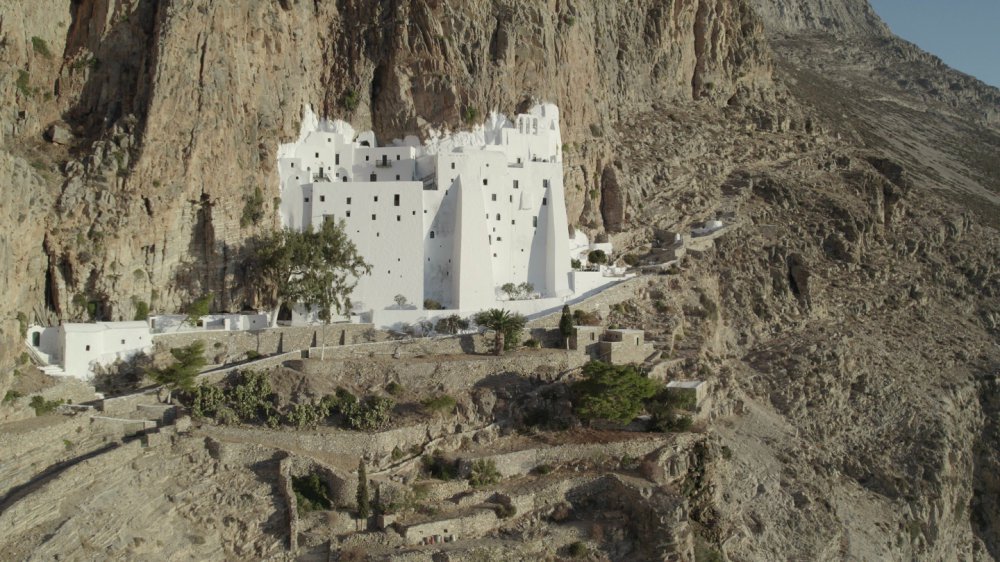
On the small Cycladic island of Folegandros, discover the beautiful Church of Panagia—a rare example of Aegean church architecture and one of the finest spots to watch a Cycladic sunset, with sweeping views over the village of Chora and the sea beyond. Reached by a zigzag path climbing the rock above the village, the whitewashed church occupies the site of an ancient sanctuary, and antique marble is reused in its fabric. Its domed silhouette, bell gable, and arcaded courtyard exemplify the plain geometry of island religious building. The Panagia is the focus of the island's principal feast, when the icon is carried down to Chora and through the villages before returning to its terrace above the sea.
The Church of Panagia Ekatontapiliani, Paros, Part 1
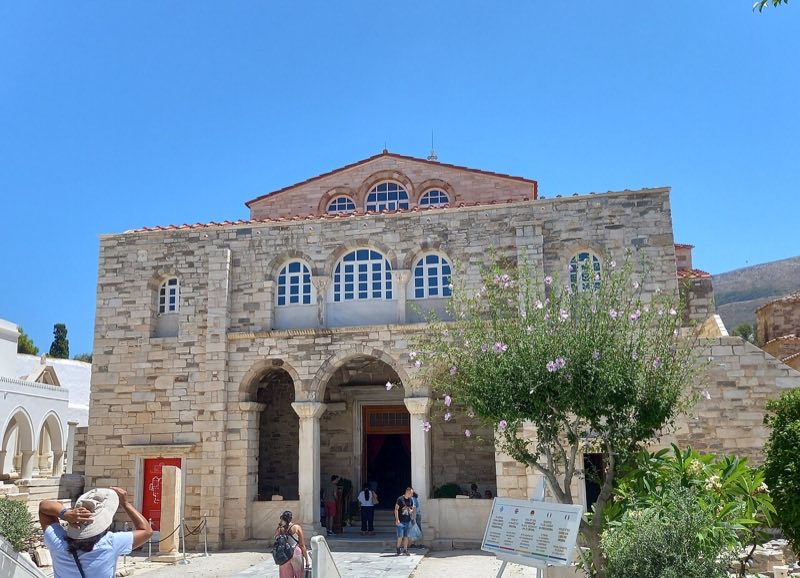
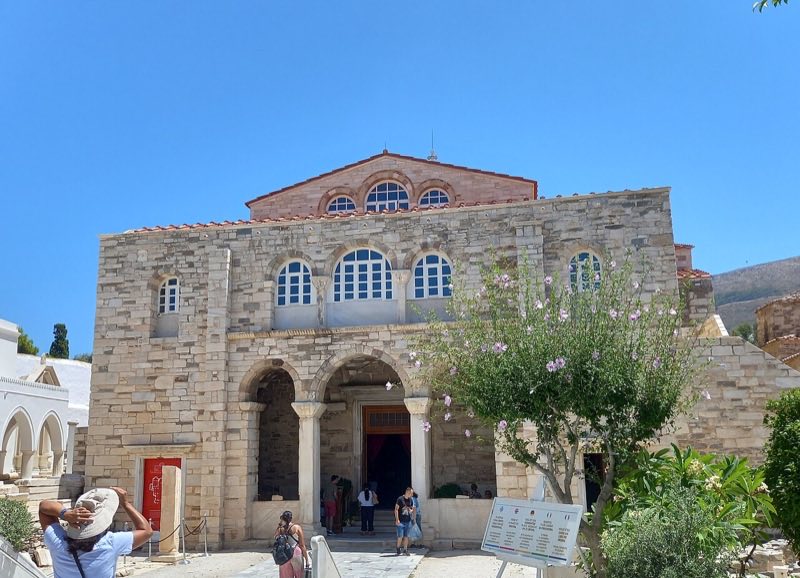
Above the public garden of Parikia, capital of Paros, stands the Church of Panagia Ekatontapiliani, one of the oldest monuments of its kind in Greece and the most historically significant church in the Aegean islands. Its name, meaning 'Church of the Hundred Doors,' also gives rise to the alternate title Panagia Katapoliani Church. The complex dates in its core to the early Byzantine centuries and comprises a cross-shaped domed church, two side chapels, and a baptistery with a cruciform immersion font, all built in the white marble for which Paros was celebrated in antiquity. Tradition connects its foundation to Saint Helena, mother of Constantine, and a twentieth-century restoration stripped away later additions to reveal the early fabric.
The Church of Panagia Ekatontapiliani, Paros, Part 2
Continuing our exploration above the public garden of Parikia in Paros, this second part revisits the Church of Panagia Ekatontapiliani—one of Greece's oldest and most historically important churches—known as the 'Church of the Hundred Doors' and also called Panagia Katapoliani. Attention turns to the interior: the marble iconostasis and ancient columns of the nave, the icons and reliquaries of its collection, and the adjoining baptistery, whose cruciform immersion font is among the best preserved in the Orthodox world. Also examined are the monastic cells and courtyards that grew up around the church, the Byzantine museum installed within them, and the great feast of the Dormition each August.
The Island of Folegandros, The Hidden Treasure, Greece
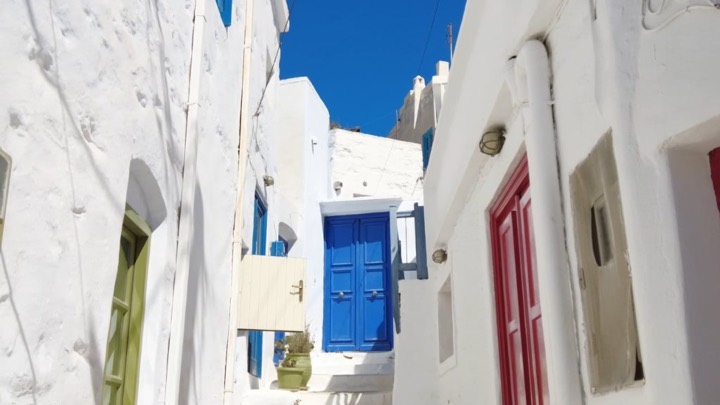
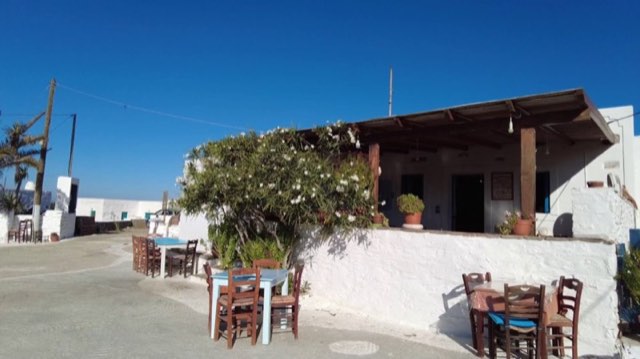
Folegandros is one of Greece's most unspoiled islands, known for its dramatic cliffs, traditional villages and quiet landscapes. Lying in the western Cyclades between Milos and Santorini, it is small, steep and largely roadless beyond a single spine of asphalt, which has spared it the intensity of mass tourism felt elsewhere in the archipelago. Whitewashed cubic houses, blue-domed chapels, stone terraces and dry-stone walls define a vernacular architecture shaped by wind and scarce water. This documentary explores the island's natural beauty, local life and timeless character, from cliff-top churches and shaded village squares to the daily rhythms of its small resident population, revealing why it remains a hidden treasure of the Aegean Sea.
Monastery of Saint John the Theologian & Museum, Patmos Island, Greece Part 2
Located on Patmos, in the Dodecanese, the Monastery of Saint John the Theologian is a major center of Orthodox Christianity and a UNESCO World Heritage Site. Founded in the late eleventh century by the monk Christodoulos under a Byzantine imperial charter, it rises above the hilltop town of Chora as a walled complex whose battlements and towers were raised against the threat of piracy, giving it the silhouette of a fortress rather than a cloister. This second part continues exploring the monastery's fortified architecture, religious history and the sacred artifacts of its museum, whose holdings include illuminated manuscripts, ecclesiastical silver, vestments and icons, revealing the spiritual and cultural legacy of this iconic place.
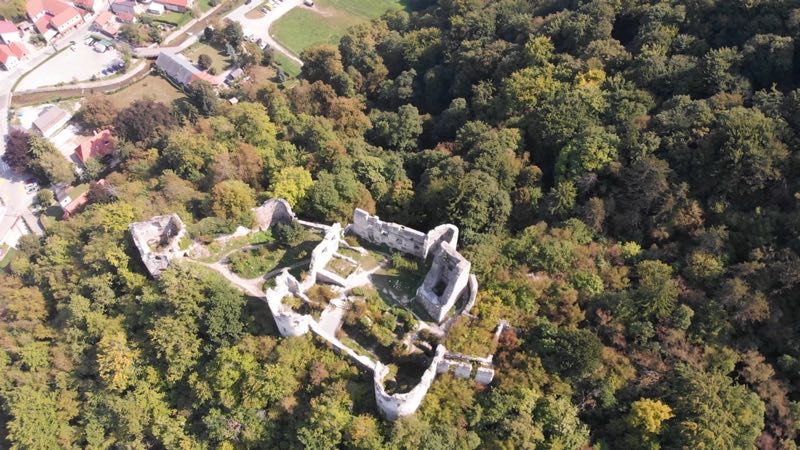
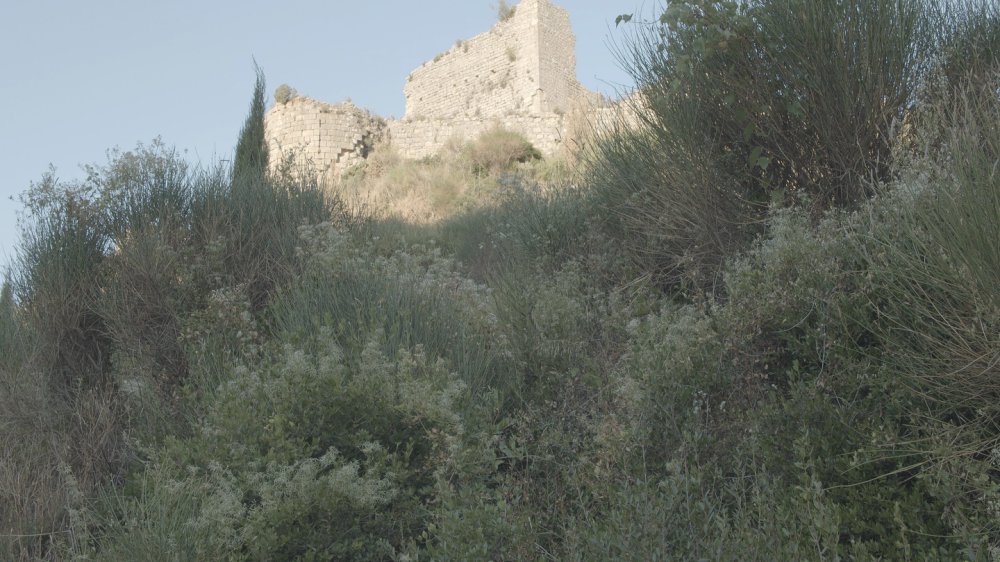
Overlooking the medieval market town of Samobor, west of Zagreb in northern Croatia, this ruined hilltop castle was built between 1260 and 1264 by supporters of the Bohemian king Ottokar II during his conflict with Hungary's Stephen V. Raised in stone on a wooded ridge above the Gradna valley, it belongs to the network of fortifications that guarded the routes between the Sava basin and the Slovenian lands. Expanded over the centuries into a fortified trapezoidal courtyard, and adapted by successive noble owners as artillery made high medieval walls obsolete, the site was ultimately abandoned to decay. It survives today as a picturesque ruin, with restoration efforts focused on its chapel walls.
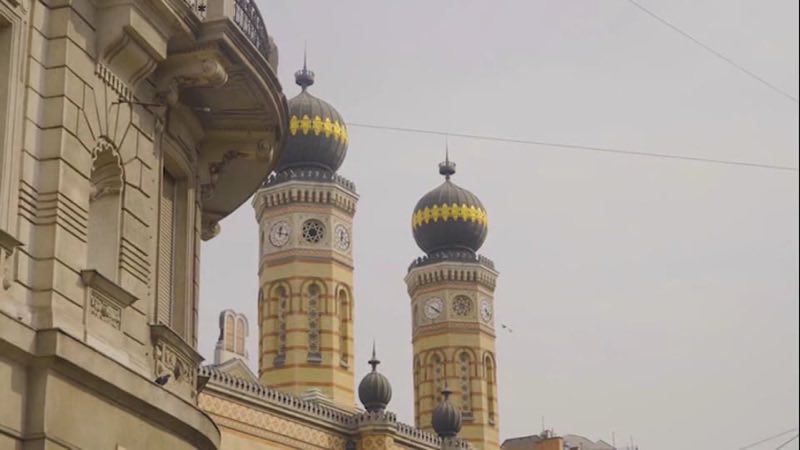
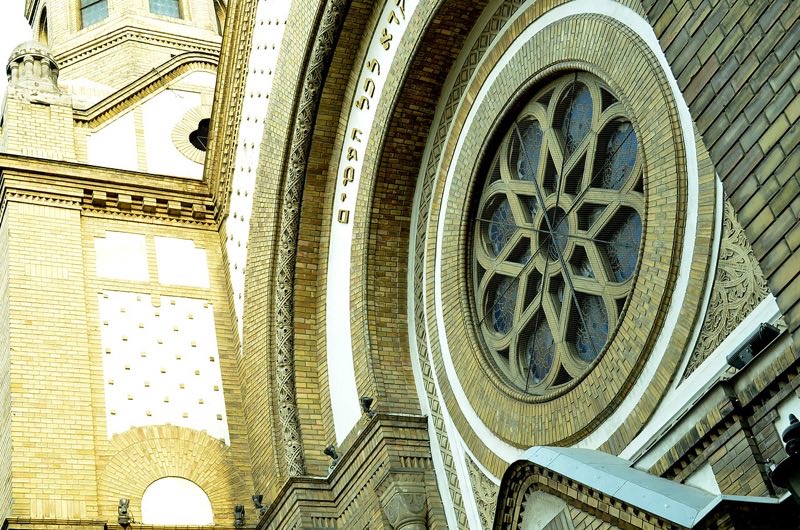
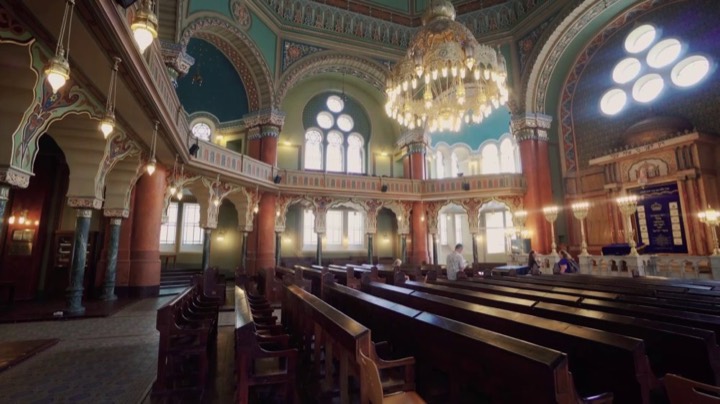
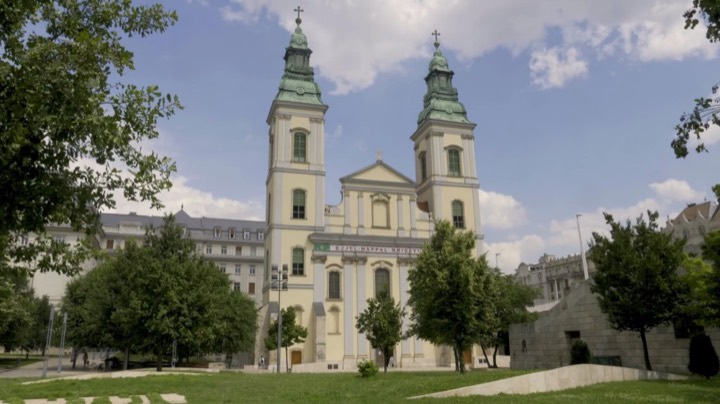
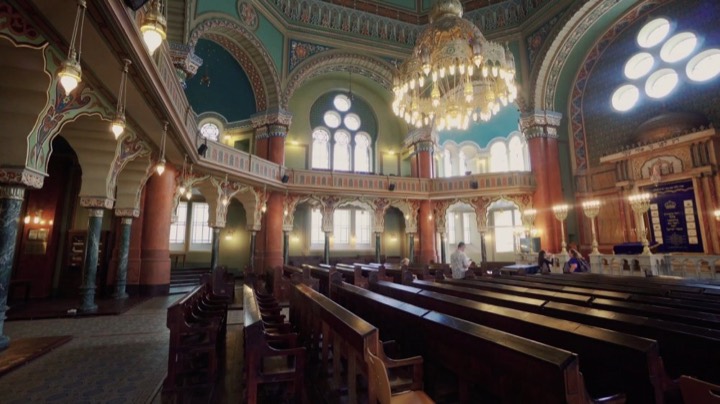
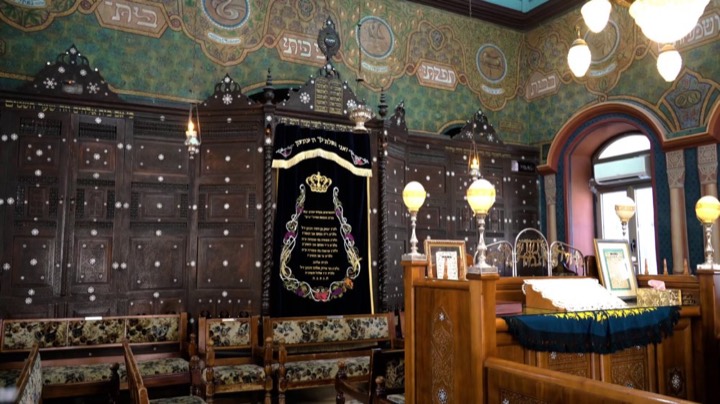
Amid the beauty and elegance of Budapest stands a landmark of deep significance to the Jewish faith and its people: the Dohány Street Synagogue, also known as the Great Synagogue. Located in the city's 7th district, it holds the distinction of being the largest synagogue in Europe. Built in the mid-nineteenth century to a Moorish Revival design, its twin onion-domed towers, banded brickwork and richly patterned interior reflect a congregation confident of its place in a modernizing imperial city. The complex extends well beyond the prayer hall, taking in the Heroes' Temple, the Jewish Museum, an arcaded cemetery court and a memorial garden whose metal weeping willow commemorates the victims of the Holocaust in Hungary.
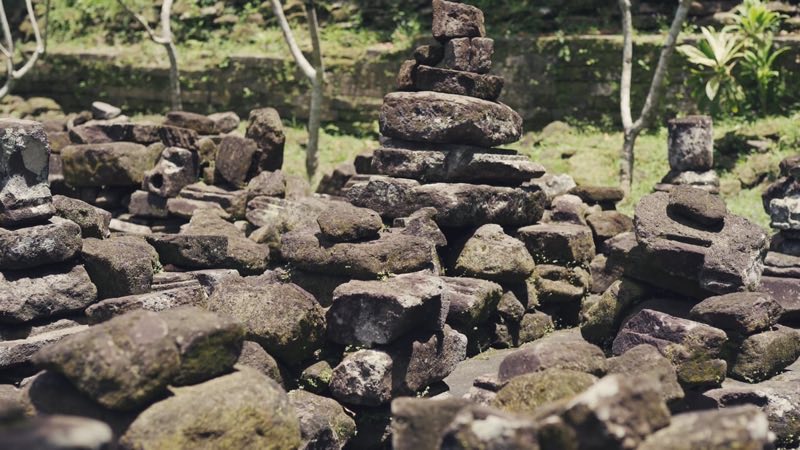
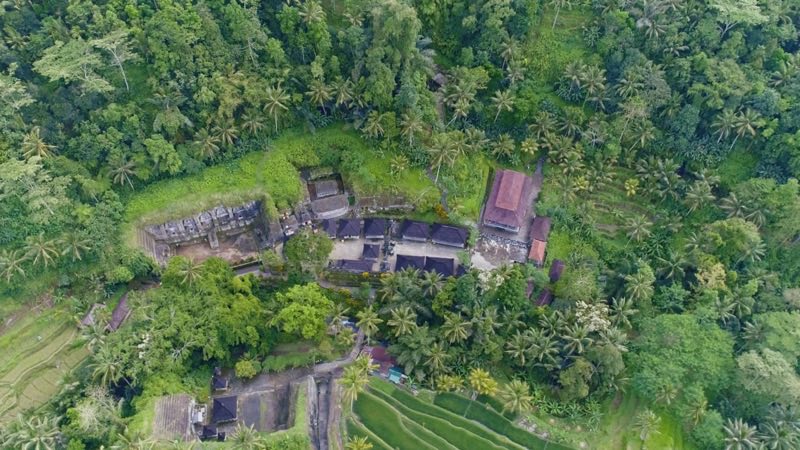
Goa Gajah, or Elephant Cave, near Ubud on the island of Bali, is believed to date to around the 9th to 11th centuries and likely served as a place of spiritual meditation, though its precise origins remain uncertain. Its entrance is cut into the rock face as a vast, glowering demonic head, its open mouth forming the doorway to a narrow T-shaped chamber lined with meditation niches. The complex blends Hindu and Buddhist imagery, including a lingam and yoni alongside carved stupas, and was rediscovered by Dutch archaeologists in 1923, with its bathing pools, fed by spouts held by stone figures, uncovered only in 1954. The site lies in a wooded river gorge, its terraces descending toward the water.
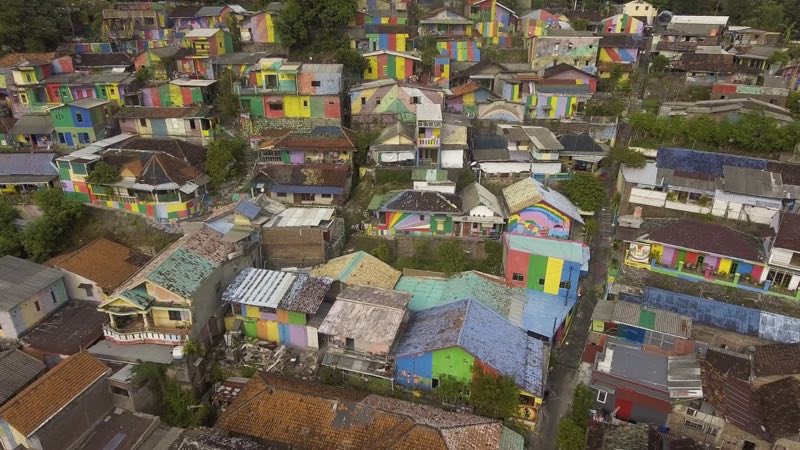
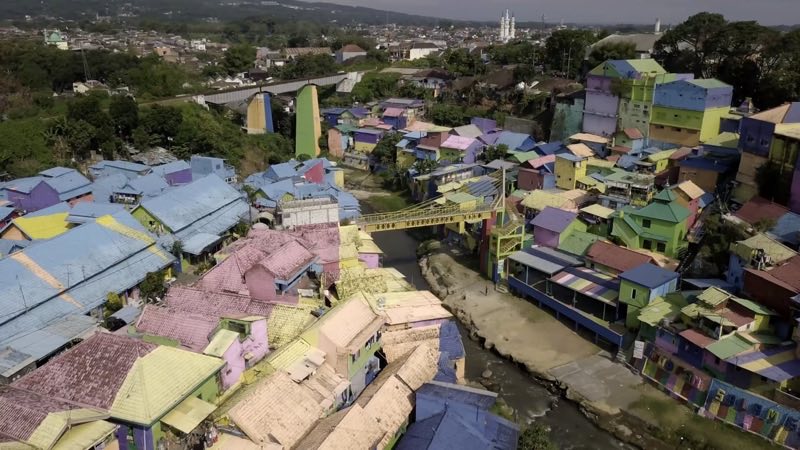
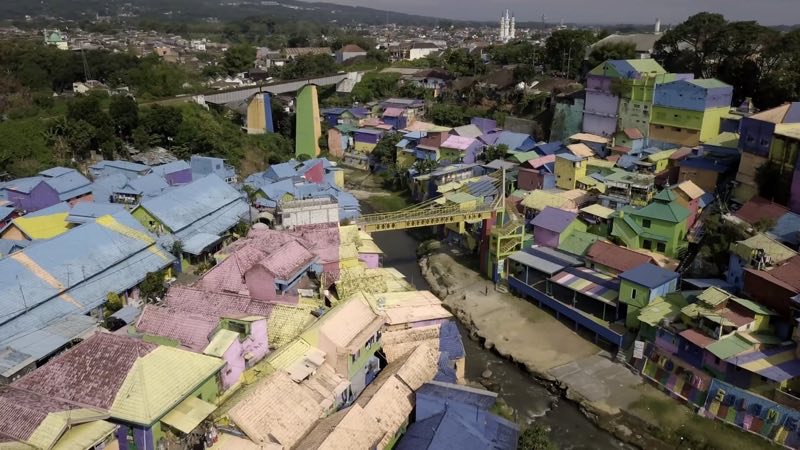
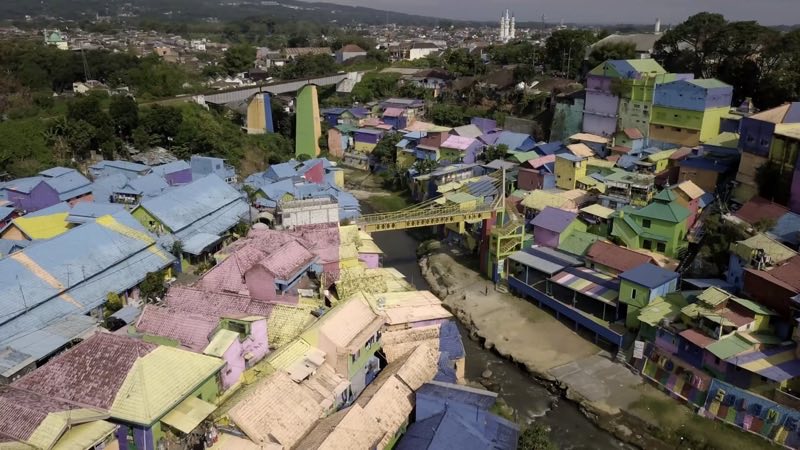
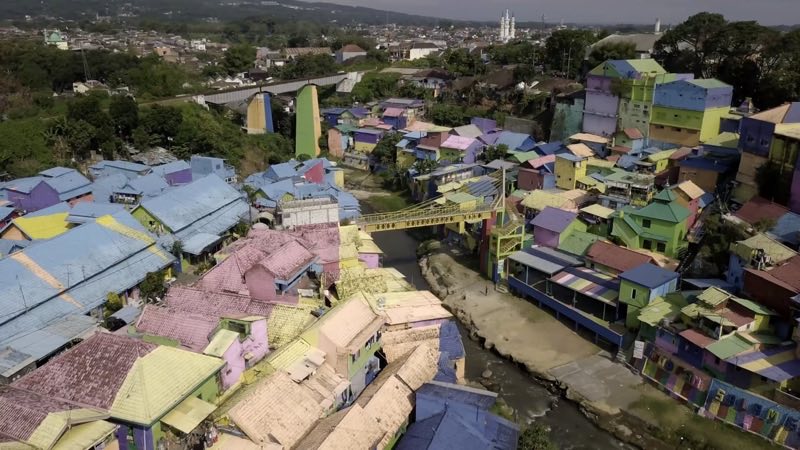
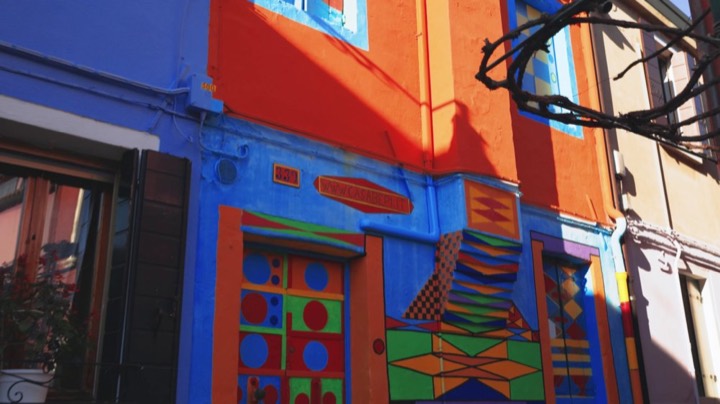
At first glance, it looks like something from a fairy tale or a fantasy film set, but this is Kampung Pelangi, or 'The Rainbow Village,' a living Indonesian neighborhood whose residents go about their daily lives amid its vividly painted homes. Set on a hillside in the city of Semarang, in Central Java, the kampung was transformed by a municipal regeneration scheme that repainted its densely packed houses, walls, stairways and alleys in saturated color, turning a modest urban quarter into an attraction that draws visitors and photographers from across the country. The result is an unusual case study in placemaking, where paint alone reframed how a community is seen and how it sees itself.
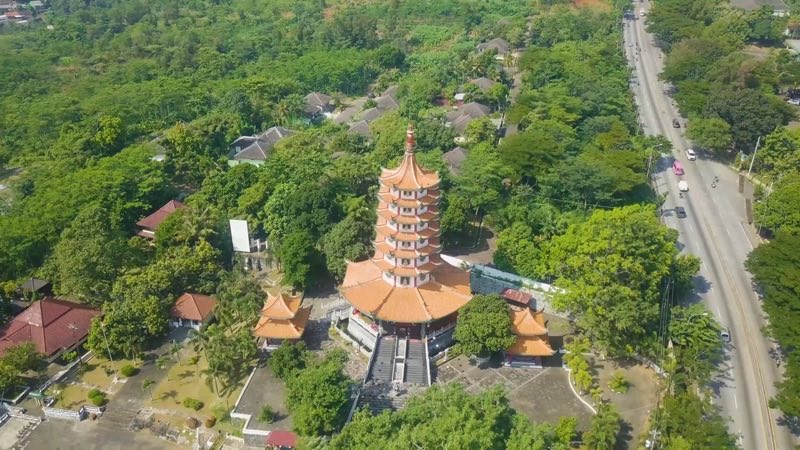
Located in Indonesia, the Avalokitesvara Pagoda is a striking Buddhist landmark dedicated to the Goddess of Mercy. Avalokitesvara is the bodhisattva of compassion, venerated across Chinese Buddhism in female form as Guan Yin, and pagodas raised in that dedication traditionally rise in odd-numbered tiers, each level marked by images turned toward the four directions. This documentary explores its architecture, spiritual symbolism and cultural significance, highlighting the blend of religious devotion and local heritage that defines this serene site, where Chinese temple forms, introduced to the archipelago by generations of merchant families, meet Indonesian materials, craftsmanship and setting.
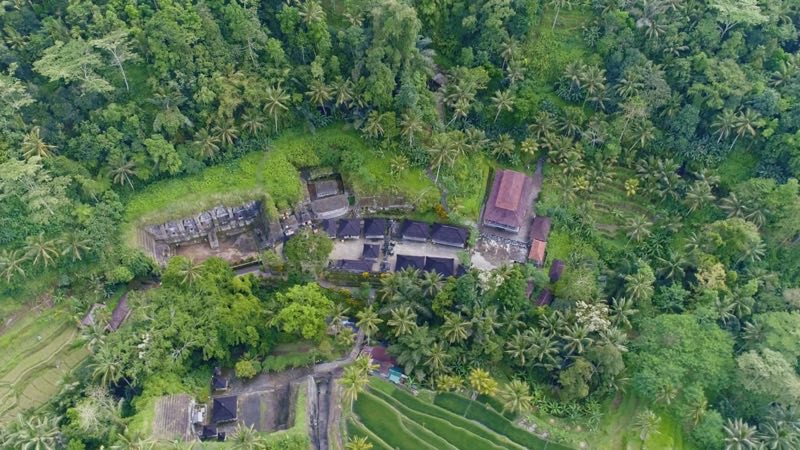
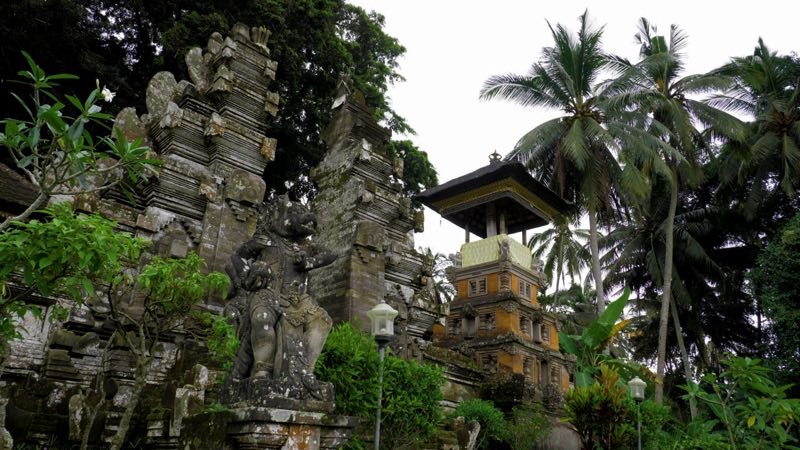
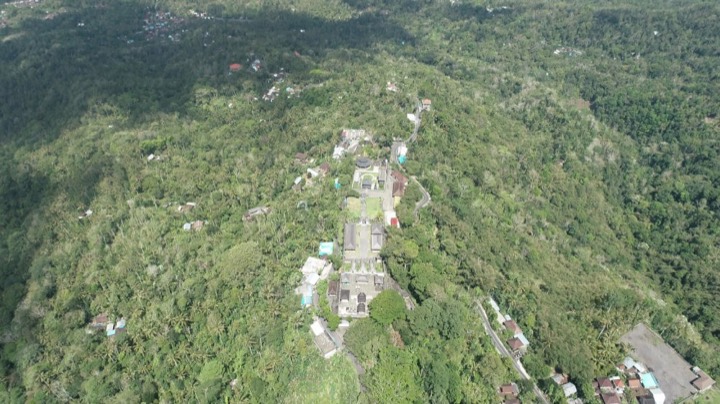
Northeast of Ubud lies the remarkable temple complex of Pura Gunung Kawi, the largest Hindu site in the city and one of the most significant in all of Bali. Reached by descending 371 stone steps through rice terraces to the Pakerisan River, its ten shrines are carved directly into the cliff faces of the gorge, hewn from the living rock as monumental niches in the form of temple towers rather than built up stone by stone. Scholars associate them with the royal funerary tradition of eleventh-century Bali. Around them, hermit cells cut into the rock, bathing places and the spring-fed river form a sacred landscape, part of the Pakerisan valley's celebrated irrigated terraces and water temples.
Located in Bali, Pura Gunung Kawi is one of the island's most remarkable ancient temple sites. Set in the wooded gorge of the Pakerisan River northeast of Ubud, its shrines are carved directly into rock cliffs, hewn from the living stone as tall niches shaped like temple towers, an approach without parallel elsewhere on the island. Scholars associate them with the royal funerary tradition of eleventh-century Bali, and the surrounding complex includes hermit cells cut into the rock, bathing places and spring-fed channels that still serve the terraces below. This documentary explores its sacred shrines, historical origins and spiritual significance, revealing a place where nature, ritual and heritage are deeply intertwined.
Set within the highlands of Bali's Bedugul Regency, atop a plateau overlooking Lake Beratan, stands the majestic Ulun Danu Temple, both a famous, picturesque landmark and a significant Hindu temple complex. Built at the water's edge, its multi-tiered meru shrines appear to float on the surface of the crater lake when the level rises, their thatched roofs mirrored in still water beneath the surrounding volcanic ridges. The temple is dedicated to the goddess of the lakes and waters, the deity on whom Bali's irrigated rice cultivation depends, and it stands at the head of a system of water temples that has ordered farming in the highlands for centuries. Cool mountain air and lakeside gardens complete the setting.
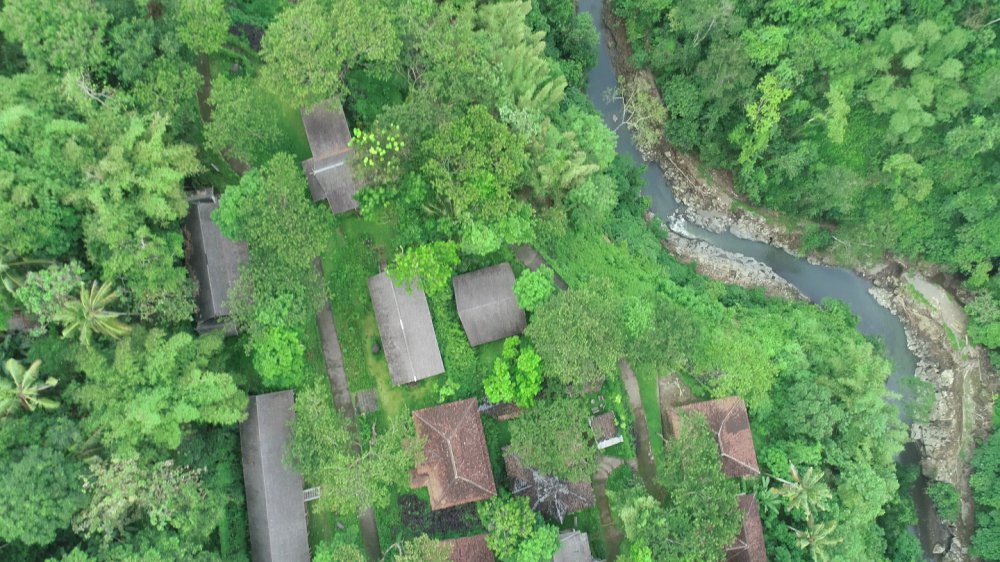
The Baduy village lies in a remote area on the slopes of the Kendeng Mountains, in the province of Banten at the western end of Java, surrounded by verdant landscape. Its community preserves ancient cultural values and traditional ways of life, deliberately rejecting the modern technology that has transformed the world around it. Houses are raised on posts and built of bamboo, timber and palm fiber without nails; fields are worked without ploughs or chemicals; and the settlements are reached only on foot. The community is divided between an inner group, which observes the strictest customary law and dresses in undyed white, and outer villages that mediate contact with the rest of Indonesia.
In the small village of Turen in Malang Regency, East Java, the Masjid Tiban, or Tiban Mosque, is a striking religious complex dating back several decades. Its popular name derives from a local belief that the building appeared suddenly, as if raised overnight, a story the community itself disputes, since the complex was built gradually by the students who live there. Beyond its unique architectural appearance, an exuberant, many-storeyed assembly of arches, domes, spiral stairways and carved galleries that borrows freely from Middle Eastern, Chinese and Javanese sources, the site also functions as a boarding school accommodating thousands of students, blending Islamic teaching with the preservation of local customs.
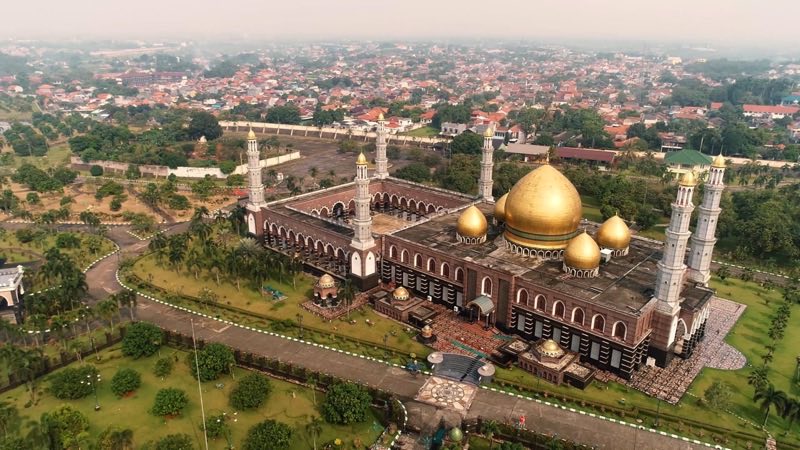
The Dian Al-Mahri Mosque, better known as the Golden Dome Mosque, stands along Raya Street in Depok City, West Java, a short distance south of Jakarta. Completed in the 2000s and named after its founder, it is laid out on a monumental scale, with a broad marble prayer hall, tall minarets and landscaped grounds designed to receive very large congregations. Its architecture draws on Middle Eastern models, and the gold-clad domes that give the mosque its popular name are its defining feature, catching the light above the surrounding suburbs. Beyond serving as a place of daily worship, those domes and expansive grounds have made it a popular family destination and holiday retreat.
Historical City Centre of Yogyakarta (Museum Sonobudoyo), Indonesia
The Historical City Centre of Yogyakarta embodies a traditional Javanese town on a lowland at the foot of Merapi Volcano. Unlike other Javanese cities, its layout was deliberately designed as a microcosm reflecting Javanese cosmology and philosophy, with every street, building and river carrying symbolic meaning, earning the district recognition as a World Heritage Site. The plan is organized along a ceremonial axis running through the walled palace of the sultan, still a living court, and marked at either end by monuments that give the alignment its cosmological reading. On the northern square stands Museum Sonobudoyo, whose collections of Javanese antiquities, court arts, wayang puppets and gamelan document that culture in depth.
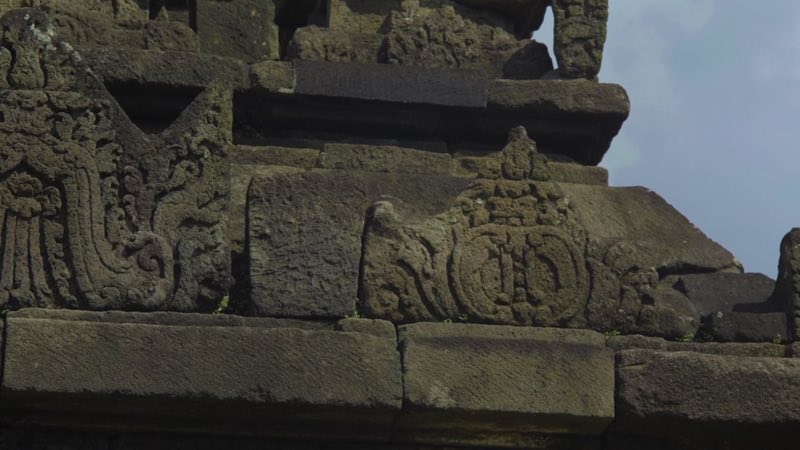
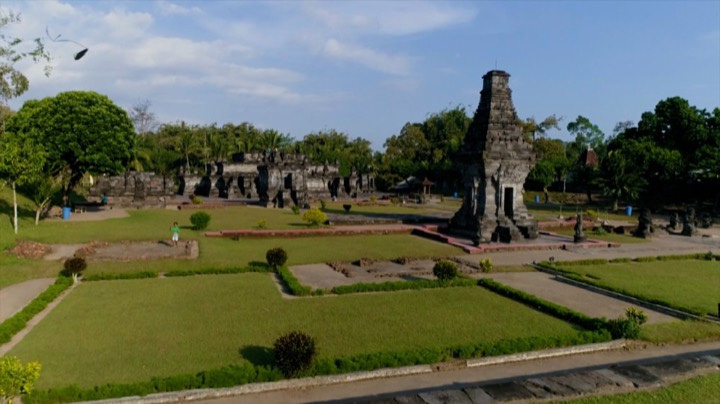
Nestled in what was once the heart of the Javanese empire, Jago Temple stands in Tumpang village, just 22 km east of Malang City. Its ruins transport visitors back to the era of the Majapahit Empire, a Hindu-Buddhist kingdom that stretched across much of today's Indonesian archipelago between the 13th and 16th centuries. Built as a terraced sanctuary on a stepped stone base, the temple has lost its upper structure, leaving the platforms and their carved surfaces exposed. Those surfaces are its distinction: bands of narrative relief cut in the flat, angular manner of Javanese shadow-puppet theatre, unfolding episodes from Hindu and Buddhist story cycles around the walls of the monument.
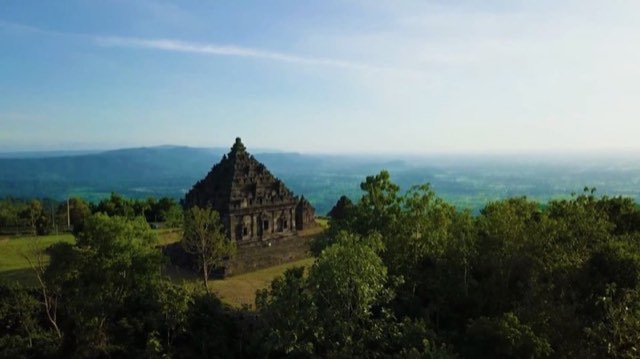
With hundreds of heritage sites scattered across the region, Central Java ranks among the culturally richest parts of the Indonesian archipelago, shaped by grand ancient kingdoms such as Mataram, Majapahit and Singhasari. In the Prambanan District, about 18 kilometers east of Yogyakarta, stands Candi Ijo, or 'Green Temple,' one of the area's many Hindu-Buddhist sanctuaries. Built in dressed volcanic stone on a hill above the surrounding plain, it is the highest-lying temple in the Yogyakarta region, arranged as a series of terraces climbing to a main shrine that houses a lingga and yoni, flanked by three smaller subsidiary temples. From its upper platform the view extends across the plain toward the coast.
The Indonesian island of Java stands as a historical paradise of human civilization, its fertile soil sustaining generations of farmers since the era of Hindu-Buddhist rule. Among the thousands of Hindu and Buddhist temples still preserved on the island is the Lumbung Sengi Temple, also known as Candi Lumbung. It stands at Sengi, in the Magelang area of Central Java, on the volcanic slopes below Mount Merapi, in a landscape whose extraordinary fertility and recurring eruptions have shaped settlement here for more than a millennium. Built of dressed volcanic stone, the small sanctuary takes its popular name from the Javanese word for a rice barn, a reference to the compact, raised form of its body on a stepped base.
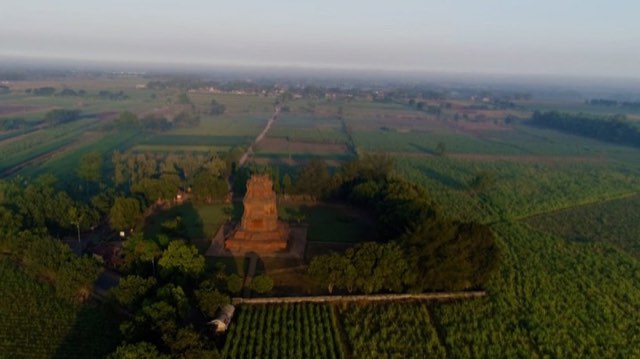
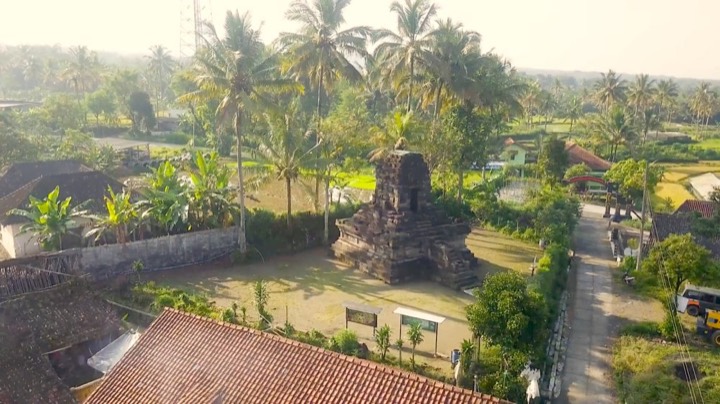
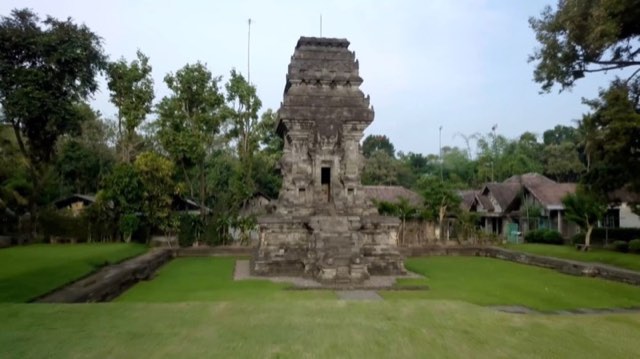
Nestled in what was once the heart of the Javanese empire, Jago Temple, known locally as Cungkup, stands in Tumpang village, just 22 km east of Malang City, its ruins evoking the Majapahit Empire that spanned much of the Indonesian archipelago between the 13th and 16th centuries. Nearby, the equally compelling Kidal Temple offers another window into this storied historic landscape. Built in dark volcanic stone, Kidal is compact and strikingly vertical: a tall moulded base, a slender cubic body and a tapering, stepped roof, its corners set with guardian figures and its base carved with the Garuda of Javanese myth. Together the two monuments trace the emergence of a distinctly East Javanese architectural language.
Nestled in what was once the heart of the Javanese empire, Jago Temple stands in Tumpang village, just 22 km east of Malang City. Its ruins transport visitors back to the era of the Majapahit Empire, a Hindu-Buddhist kingdom that stretched across much of today's Indonesian archipelago between the 13th and 16th centuries. Conceived as a terraced sanctuary rising on a stepped stone base, the temple has lost its upper structure, leaving the platforms and their carved surfaces exposed to view. Those surfaces are its distinction: bands of narrative relief cut in the flat, angular manner of Javanese shadow-puppet theatre, unfolding episodes from Hindu and Buddhist story cycles around the walls of the monument.
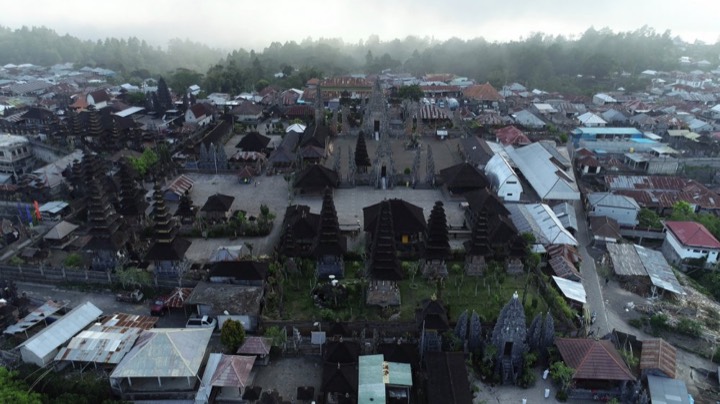
Known as 'The Island of the Gods,' Bali is home to an abundance of Hindu and Buddhist temples dedicated to a rich pantheon of deities. Among the most important and fascinating of these is Pura Kehen, a pura, or Balinese Hindu temple, prized for its historical and spiritual significance. Standing above the town of Bangli in the island's central highlands, it is built as a series of walled terraces climbing a wooded slope, approached by a long flight of steps flanked by stone figures. Its outer court is dominated by an immense banyan tree carrying a wooden drum tower, while porcelain plates set into the enclosure walls attest to centuries of trade, and old inscriptions record the sanctuary's early royal patronage.
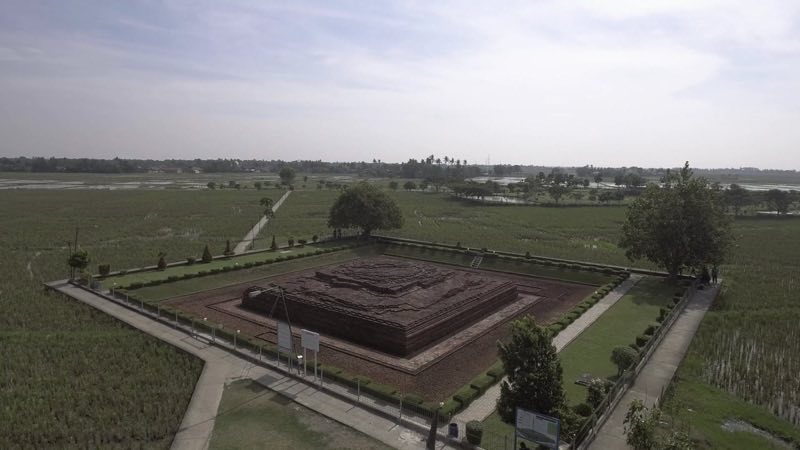
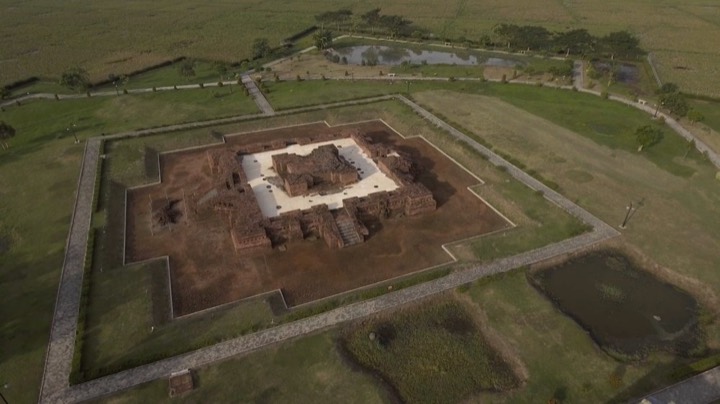
In the Batujaya sub-district of West Java lies a unique archaeological complex bearing the same name. Its earliest temple, Candi Jiwa, was built during the era of the Tarumanagara kingdom, the oldest Hindu-Buddhist kingdom in Indonesian history, and counts among the oldest surviving religious structures on the island. Unlike the volcanic stone monuments of Central Java, it was raised in fired brick on a low alluvial plain of rice fields near the Citarum river, and survives as a broad, low platform with a stepped profile and no upper structure. Excavation of the surrounding fields has brought to light stairways, stucco fragments and further brick foundations, gradually revealing the extent of the complex.
Standing tall between the trees east of Malang in East Java, Kidal Temple is distinctly East Javanese in style, and stands as perhaps the finest example of the emergence of that architectural aesthetic. Built in dark volcanic stone, it is compact and emphatically vertical: a high moulded base, a slender cubic body pierced by a single chamber, and a stepped roof tapering to a crown, proportions that pull the eye upward in a way the broader temples of Central Java never do. Its base is carved with the Garuda of Javanese myth, bearing figures on its shoulders, while monstrous kala heads guard the openings. Isolated in a quiet village setting, it survives largely intact.
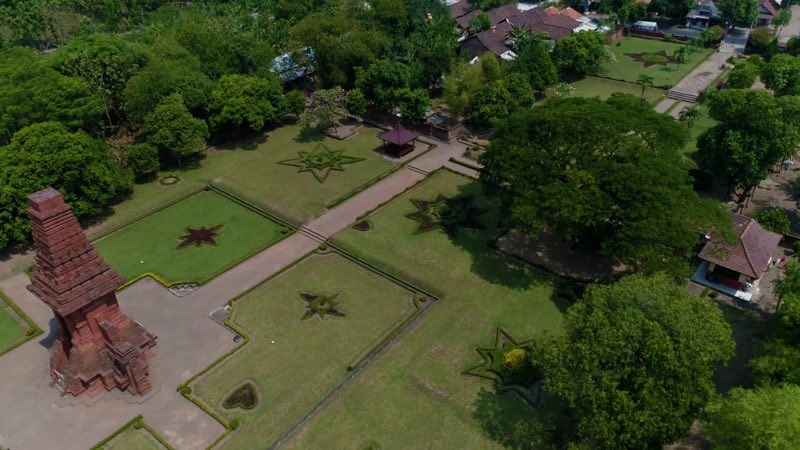
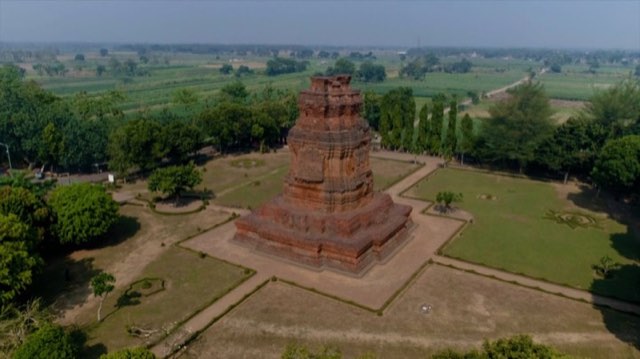
Also known as Gapura Bajang Ratu, Candi Bajang Ratu is the ornate temple-gate located in Temon Village, within the Trowulan archaeological site, a striking remnant of the Majapahit Empire's monumental architecture. Unlike the split gateways found elsewhere on the site, it is a roofed portal of the paduraksa type, a single tall structure pierced by a narrow doorway and rising through a stepped, tapering crown, built entirely of the fine red brick that defines Majapahit building. Its surfaces carry delicate relief, including kala masks above the opening and narrative panels on the base. Standing in open ground amid the fields of Trowulan, it is the tallest surviving gate of the former capital.
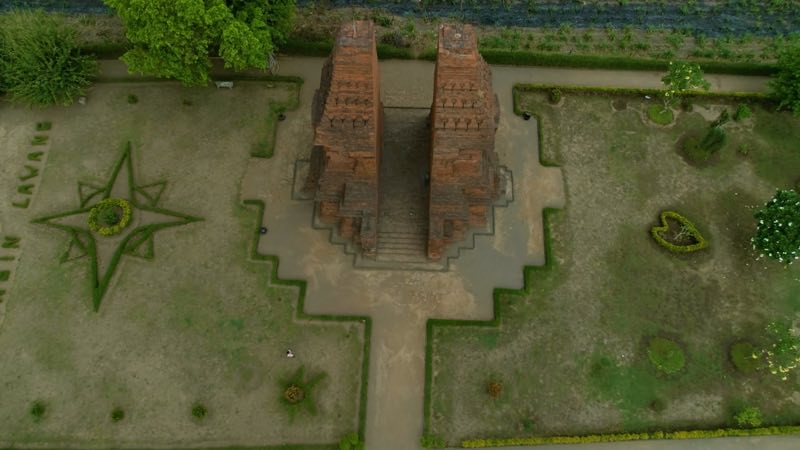
The gate of Wringin Lawang stands within the Trowulan archaeological site, a short distance south of Jatipasar village. Its name, meaning 'The Banyan Tree Gate,' reflects the monumental red-brick architecture that once marked entry into the ancient Majapahit capital. It is a candi bentar, or split gate: a single tapering structure cleanly divided down the middle to leave an open passage between two mirrored halves, a form that remains central to temple design in Bali today. Rising alone from open grassland, stripped of the walls and courts it once served, it is among the oldest and largest gateways of its type to survive from the Majapahit era, and one of the most photographed monuments at Trowulan.
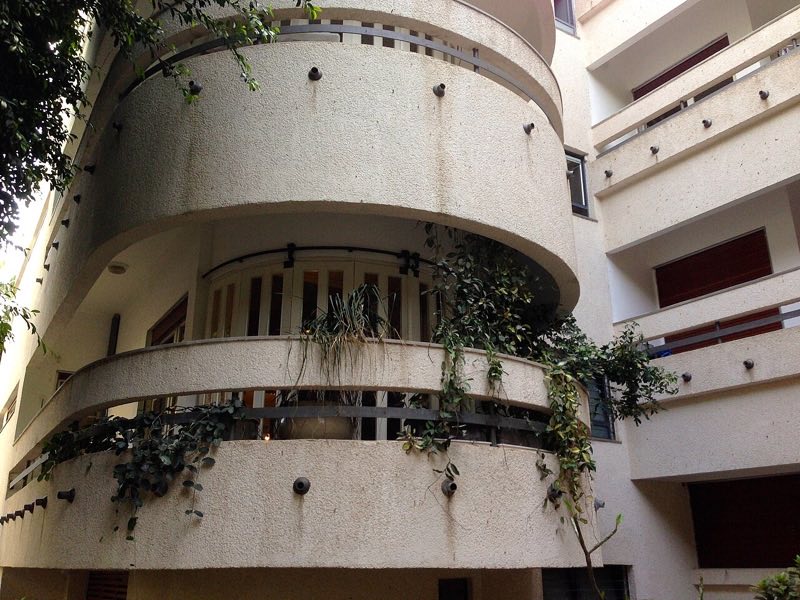
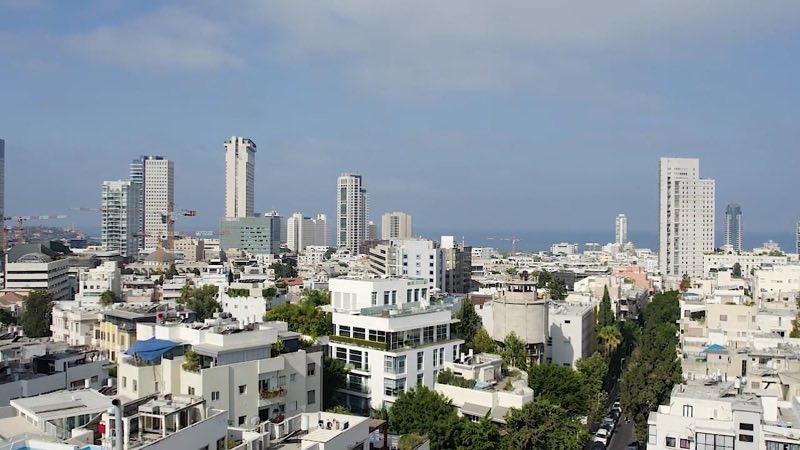
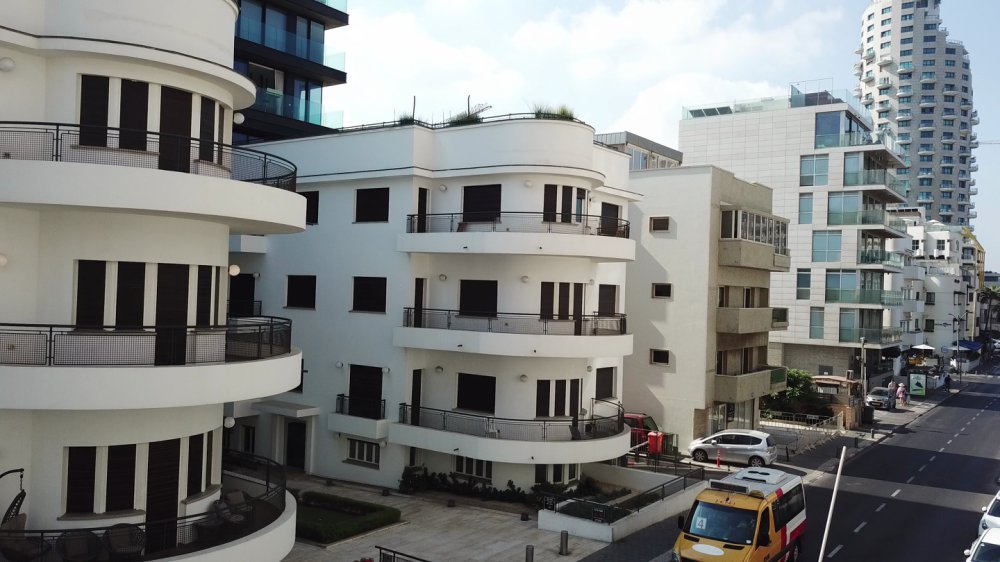
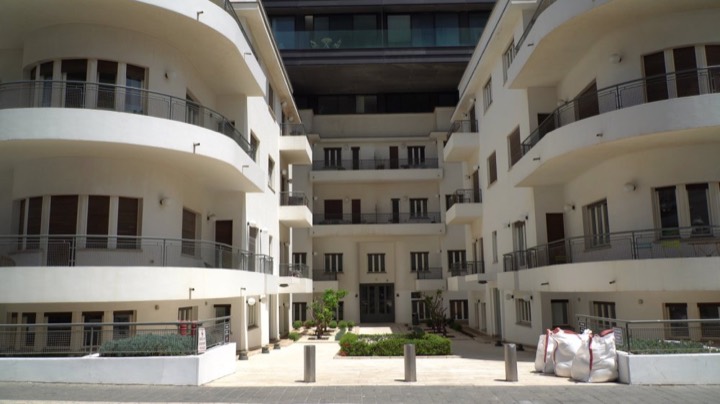
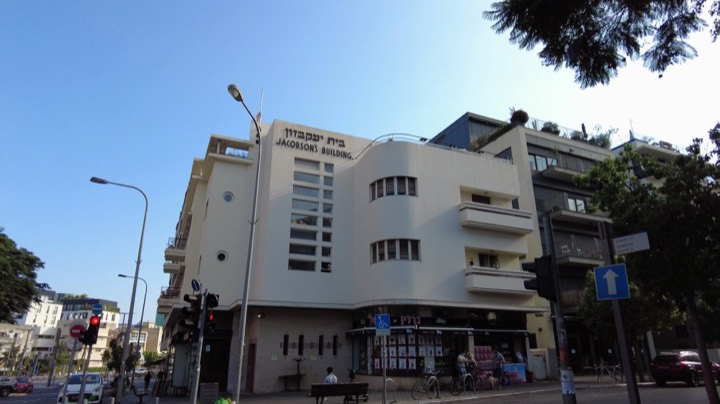
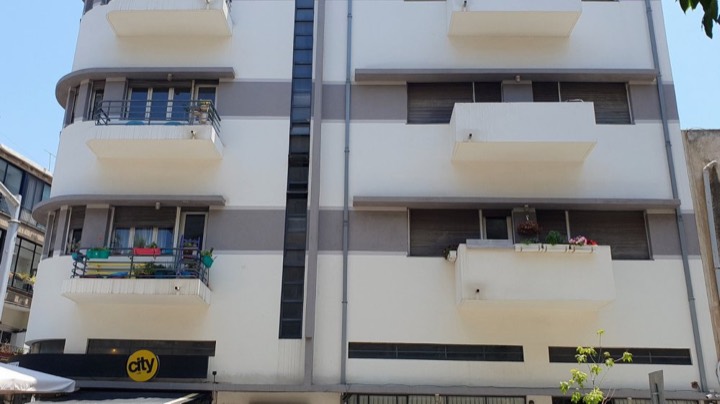
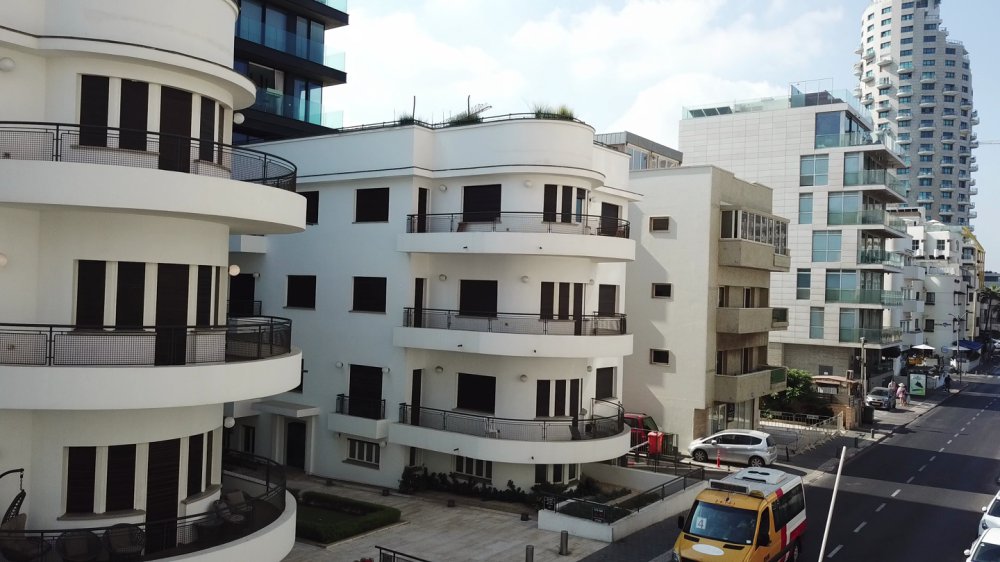
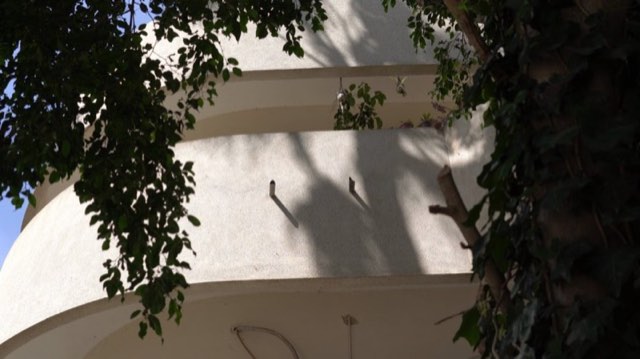
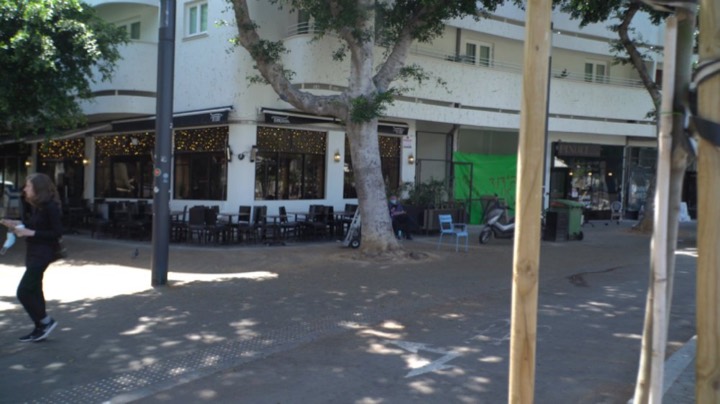
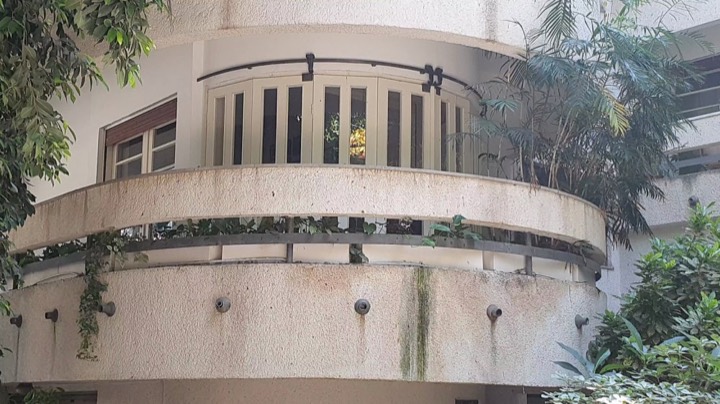
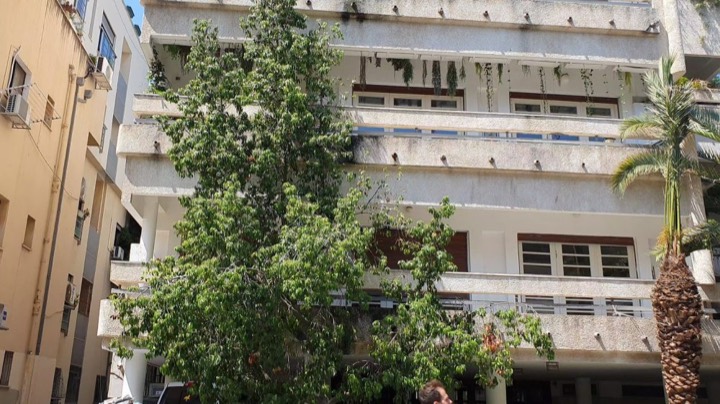
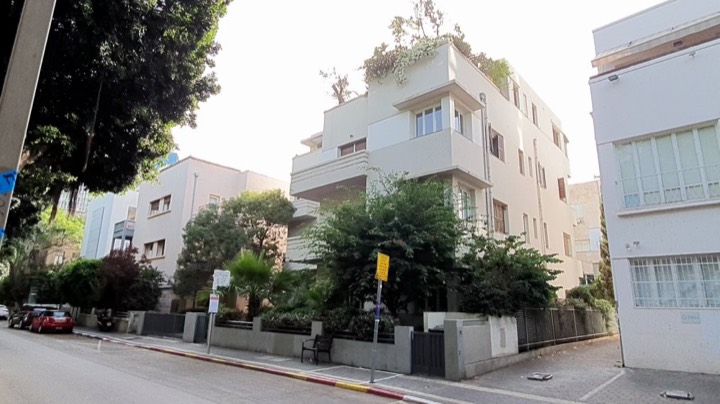
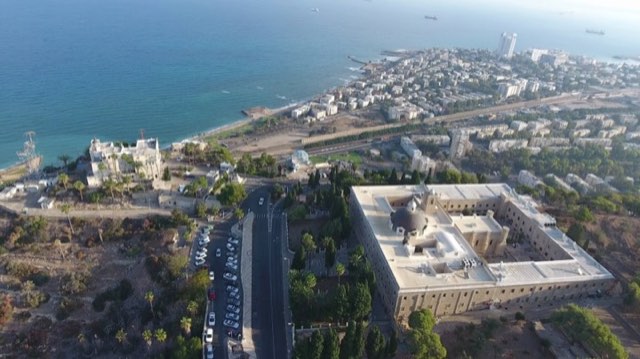
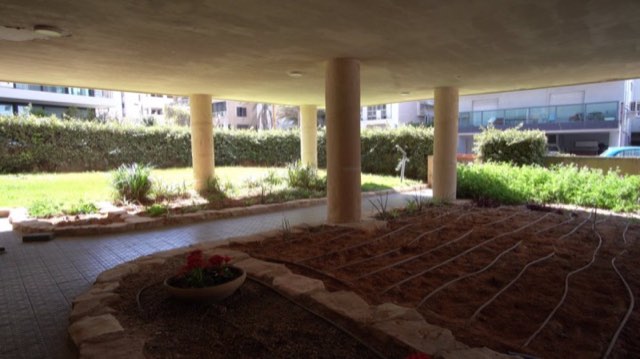
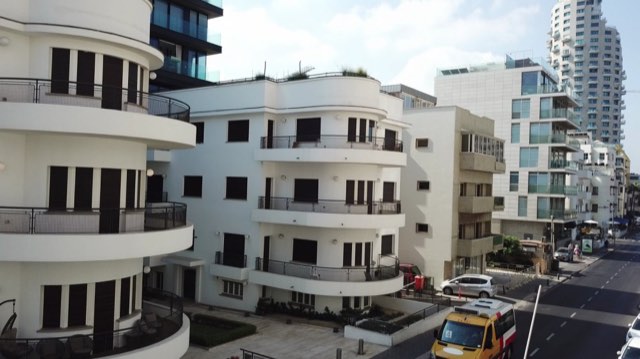
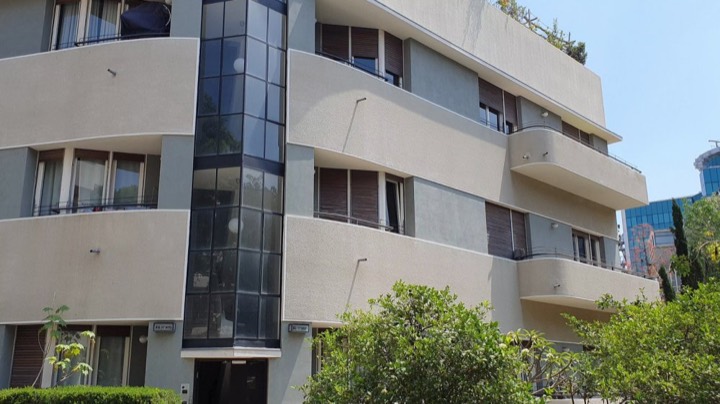
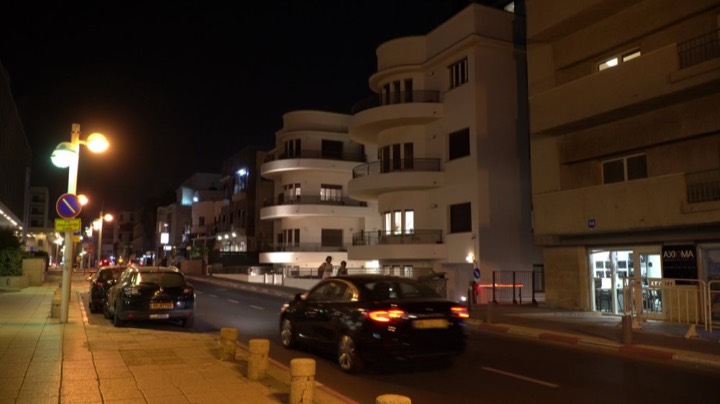
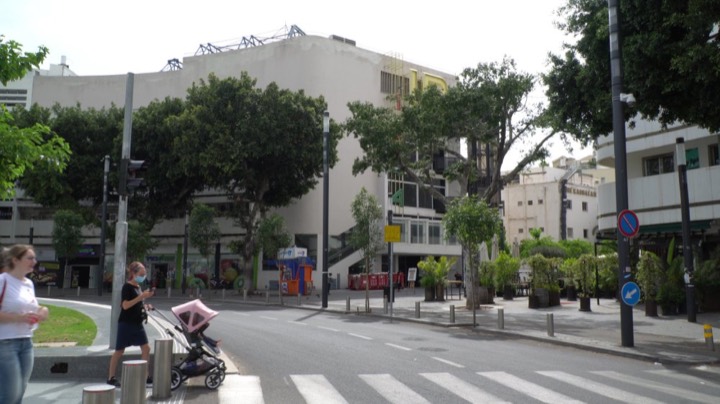
The renowned Bauhaus architectural movement originated at a German school dedicated to art, architecture and design from 1919 to 1933. This second installment continues exploring one of its largest collections outside Europe, found in Tel Aviv's White City, an ensemble inscribed on the UNESCO World Heritage List. The episode follows the boulevards and residential streets at the centre of the district, where several thousand buildings in the International Style were raised from the 1930s onward, and looks closely at how their architects adapted a northern European idiom to the Mediterranean, with deep balconies, shaded openings, rounded corners and roof terraces conceived as shared communal space.
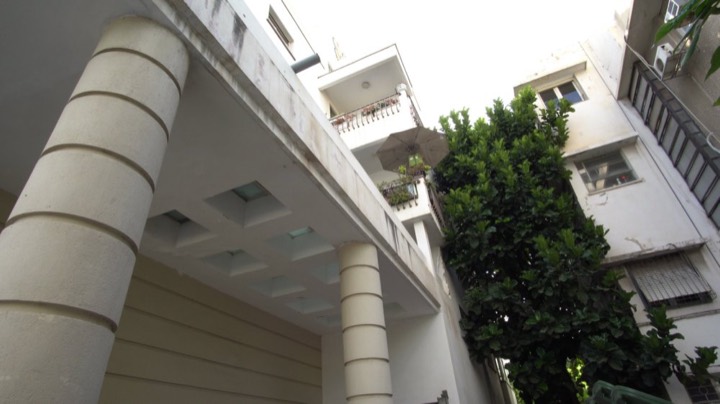
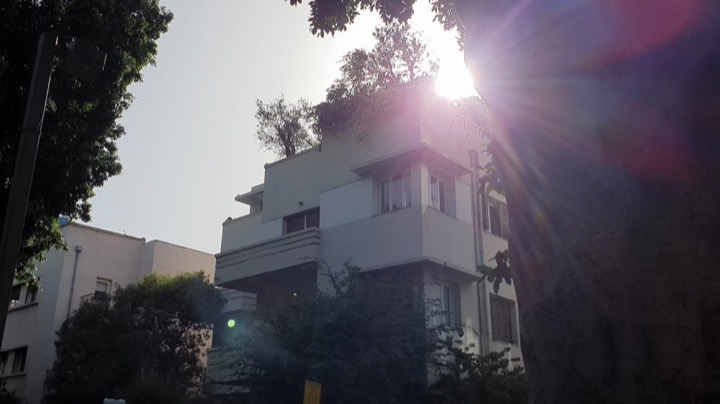
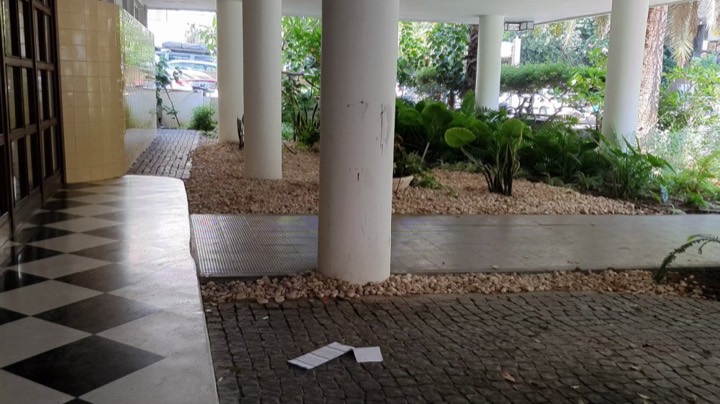
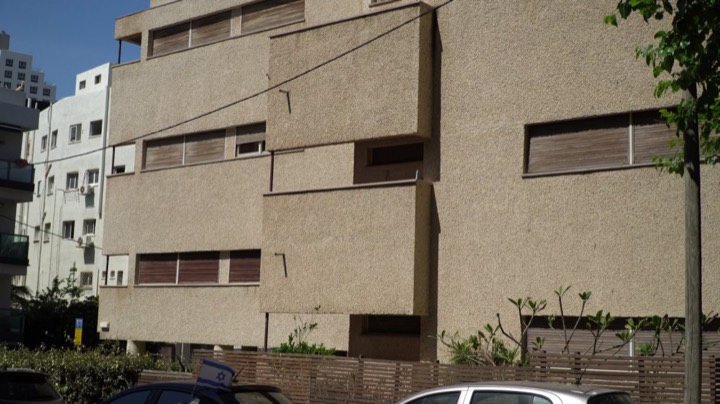
The renowned Bauhaus architectural movement originated at a German school dedicated to art, architecture and design from 1919 to 1933. This third installment concludes our exploration of one of its largest collections outside Europe, found in Tel Aviv's White City, an ensemble inscribed on the UNESCO World Heritage List. It turns to the afterlife of the district: the decades of neglect that left the white render greyed and the balconies enclosed, the conservation programme that has since returned individual buildings to their original condition, and the question of how a working city of several thousand modernist houses is kept in use rather than preserved as a museum.
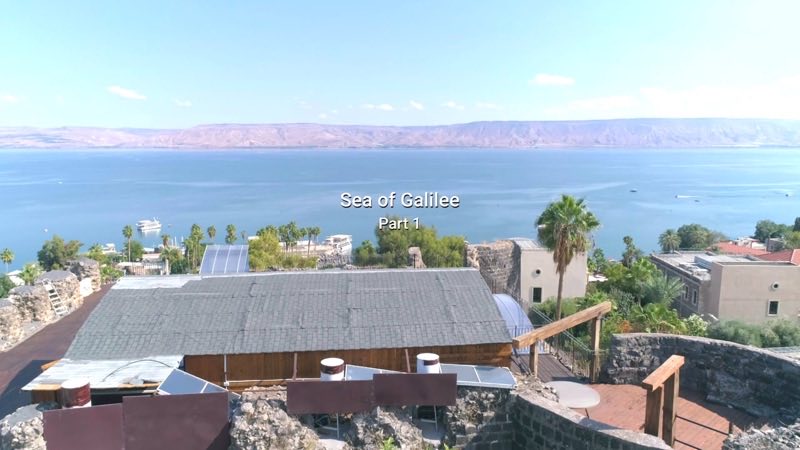
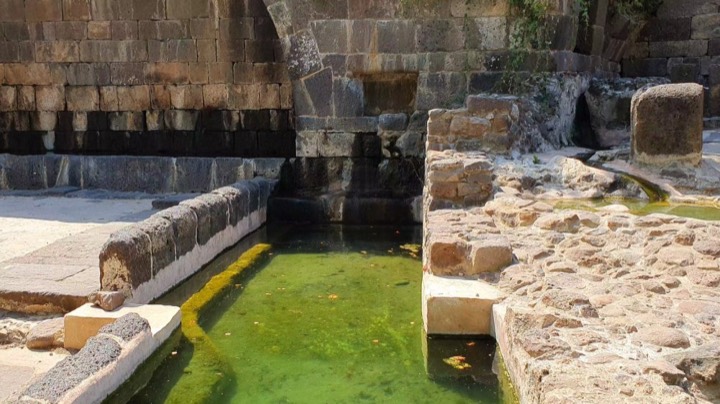
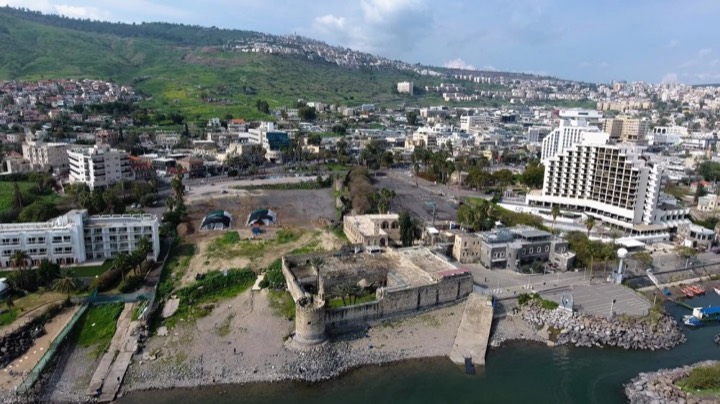
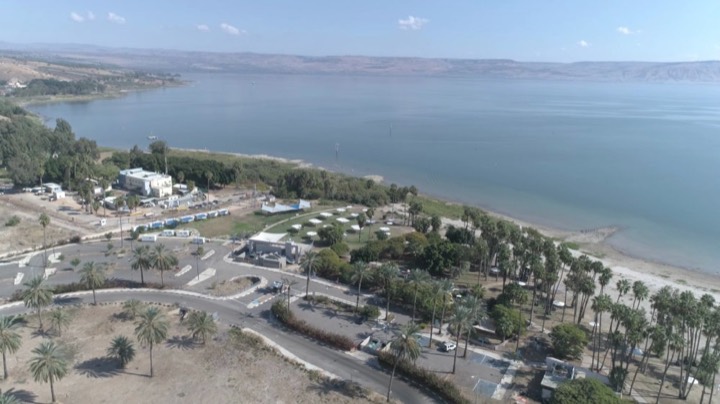
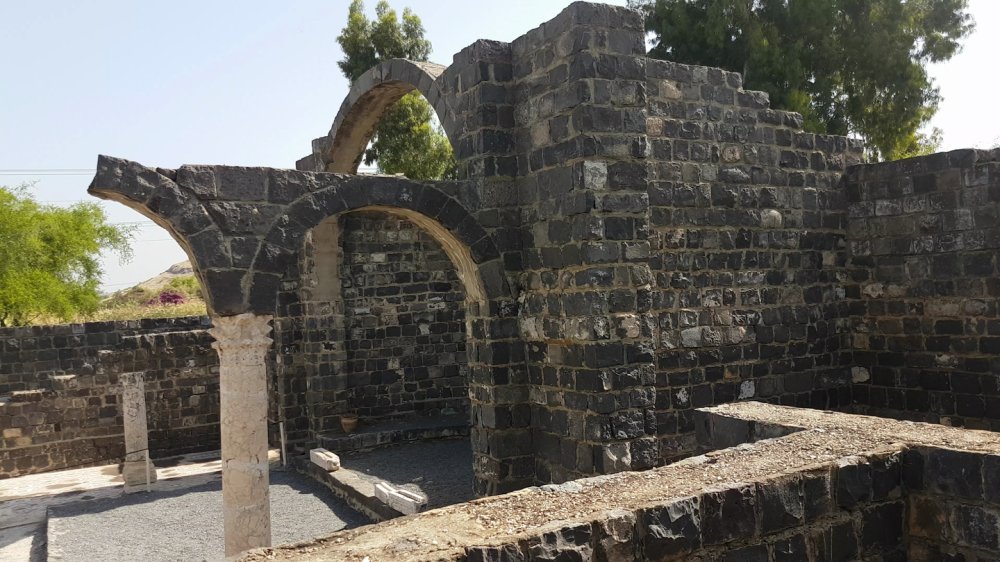
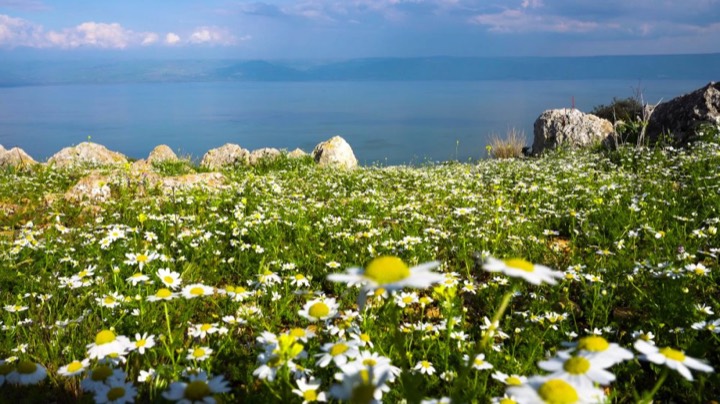
On the shores of the Sea of Galilee, also called the Lake of Tiberias, this freshwater lake in northeastern Israel holds deep significance for Christians, as several episodes of Jesus's life unfolded on its shores. This first part explores the lake and its surrounding archaeological sites, revealing stories that reach back well beyond the first century. Set in the Jordan Rift Valley at a level far below that of the sea, the lake has supported towns, fisheries and pilgrimage for millennia, and gave its Roman name to Tiberias, founded on its western bank. Excavation along the shore continues to bring to light synagogues, harbours and dwellings that document daily life in Galilee across the Hellenistic, Roman and Byzantine periods.
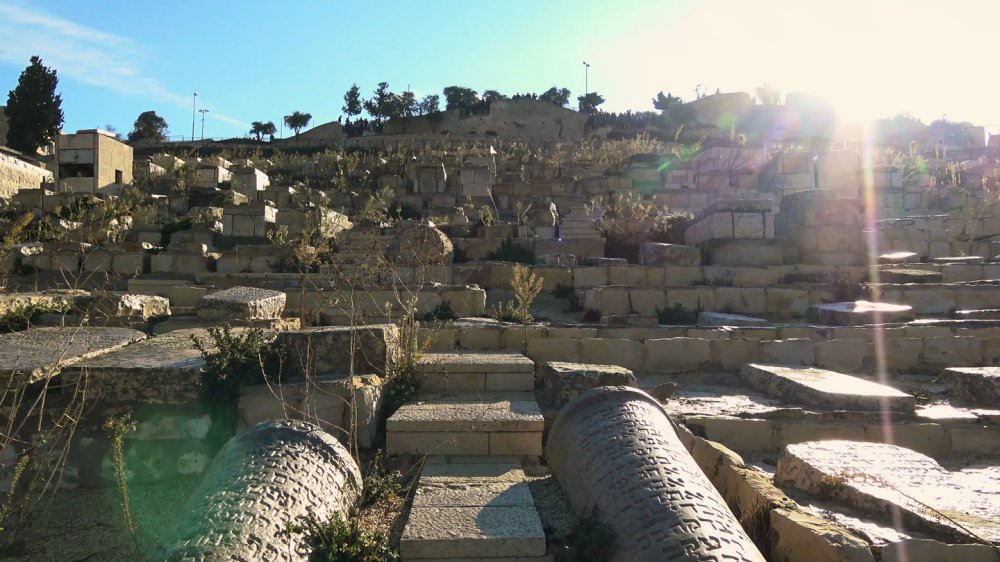
Beit She'arim, explored across two episodes, was a Greek and Roman city and remains a renowned archaeological site, celebrated for its extensive necropolis. Visitors can discover a remarkable series of catacombs, tunnels, and caves that reveal the site's ancient funerary traditions. Set on a ridge at the edge of the Jezreel Valley in Lower Galilee, the town rose to prominence in the second and third centuries as a centre of Jewish learning, and its rock-cut burial halls drew families from across the Mediterranean and the Near East. Their sarcophagi and carved doorways bear inscriptions in Hebrew, Aramaic, Greek and Palmyrene, alongside menorahs and figurative motifs. The necropolis was inscribed on the UNESCO World Heritage List in 2015.
Sacred Sites, World Heritage, Archaeology, History,Israel
Bethphage, Israel (Part 1)
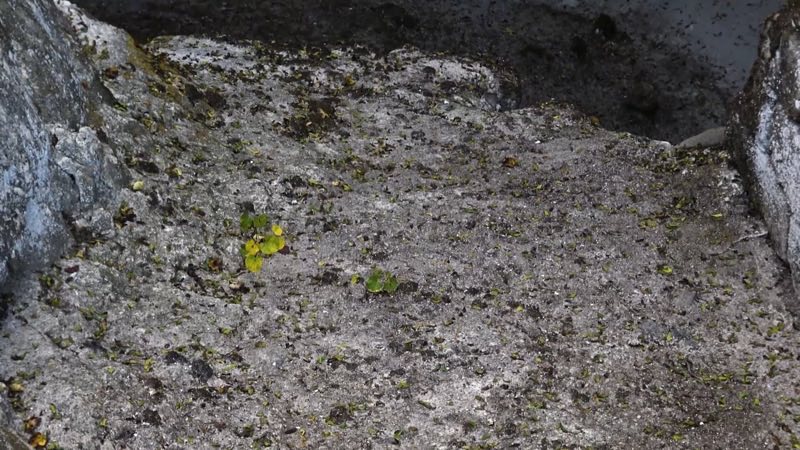
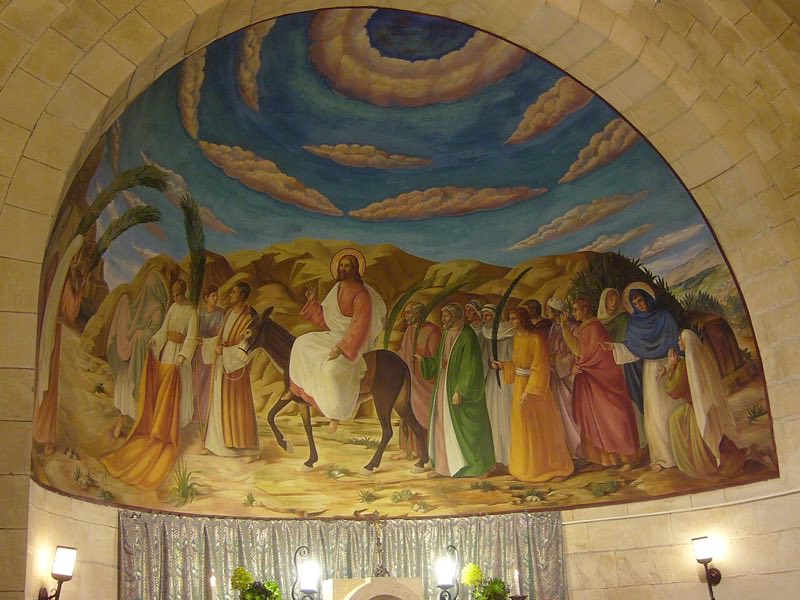
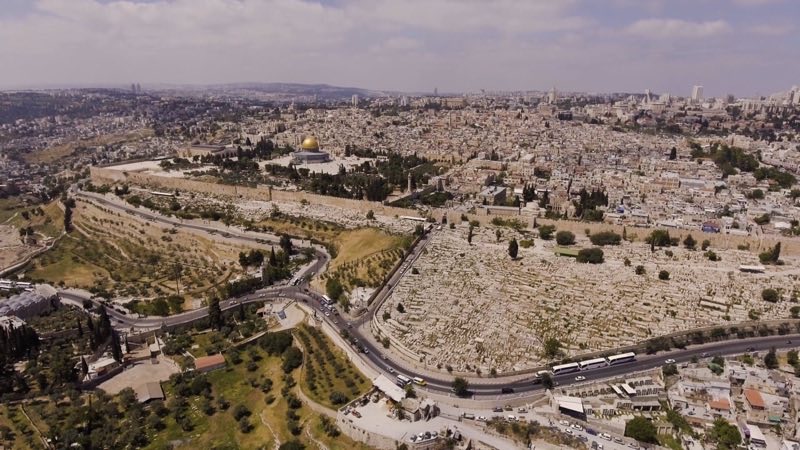
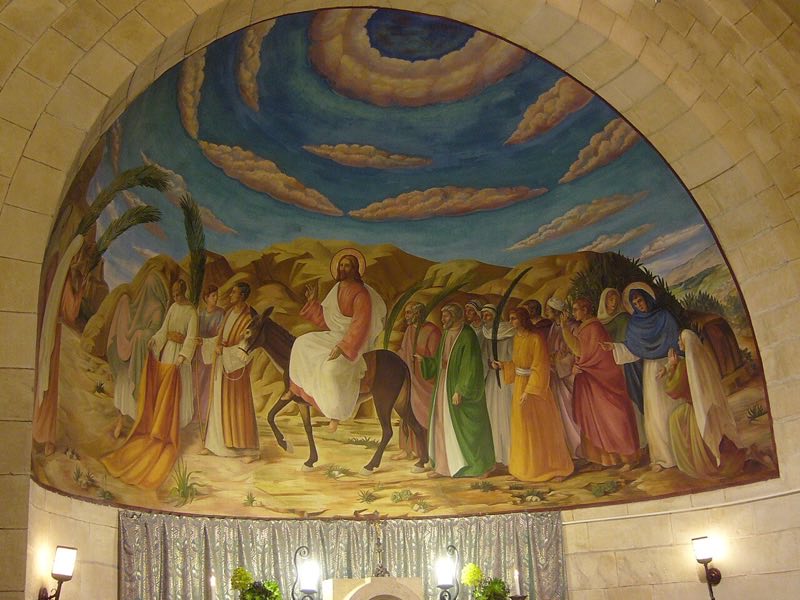
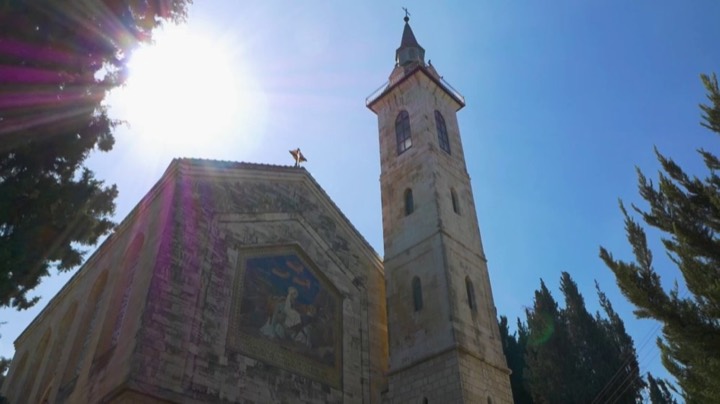
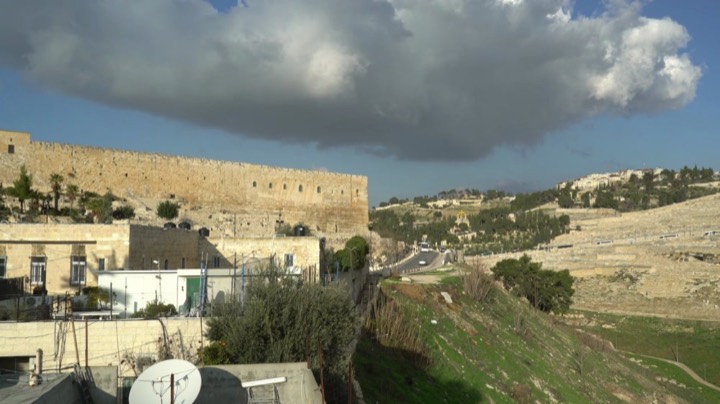
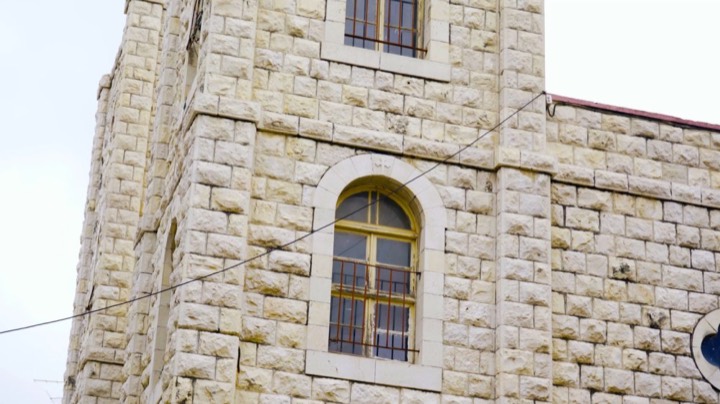
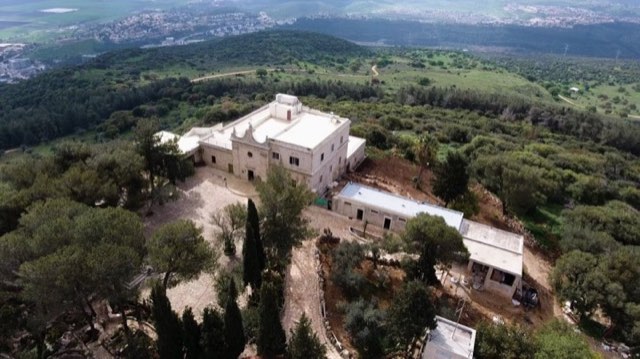
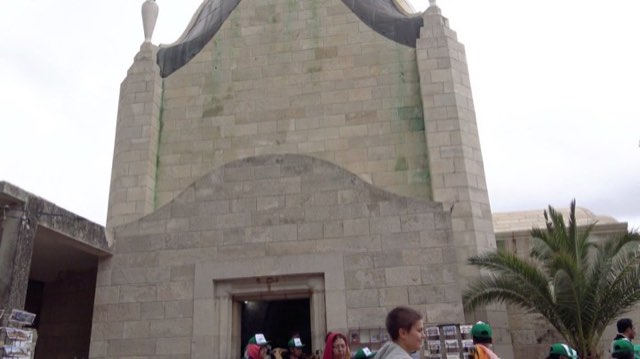
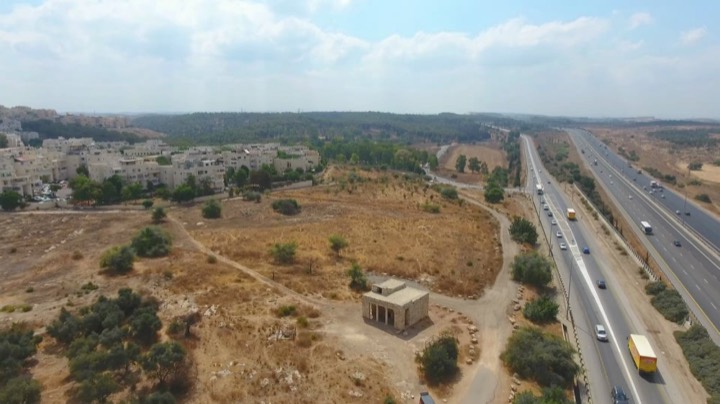
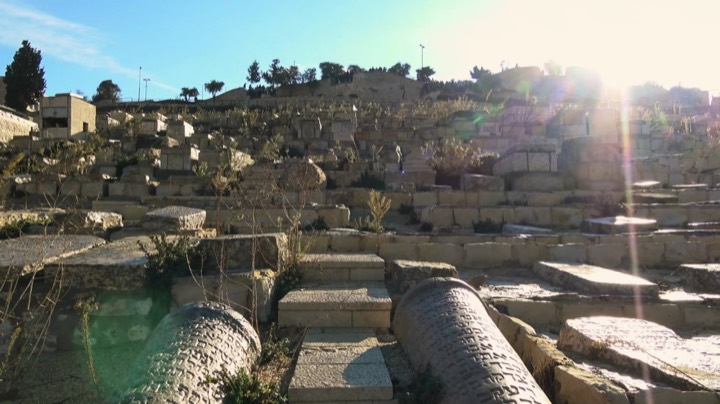
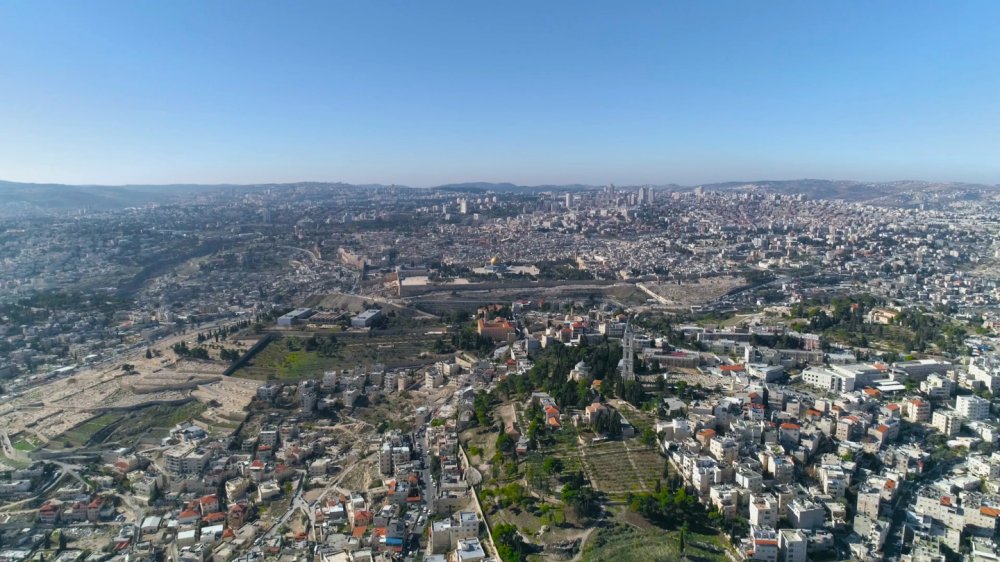
Bethphage marks the traditional starting point of Jesus's triumphal entry into Jerusalem, commemorated on Palm Sunday. Located between Bethany and the Mount of Olives in the holy city, the village is marked by the Bethphage Church, which houses a stone traditionally identified as the one Jesus used to mount the donkey at the start of his procession. The Franciscan sanctuary standing today was built in the nineteenth century over the remains of a medieval chapel, and the venerated block preserves painted decoration from the Crusader period on its faces. Each year the Palm Sunday procession sets out from here and descends the Mount of Olives towards the Old City, one of the most widely attended events of the Jerusalem religious calendar.
Bethphage marks the traditional starting point of Jesus's triumphal entry into Jerusalem, commemorated on Palm Sunday. This second part continues exploring the village, located between Bethany and the Mount of Olives, and its church housing a stone traditionally identified as the one used to mount the donkey at the start of the procession. Cared for by the Franciscans, the sanctuary was raised in the nineteenth century over medieval foundations, and the venerated block still carries painted scenes from the Crusader period. From the terrace the road drops westward towards the Kidron Valley and the Old City walls, following the route taken each year by the Palm Sunday procession that gathers thousands of pilgrims and local Christians.
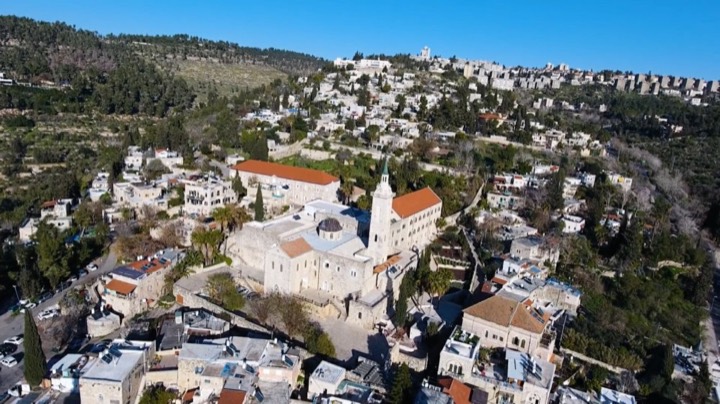
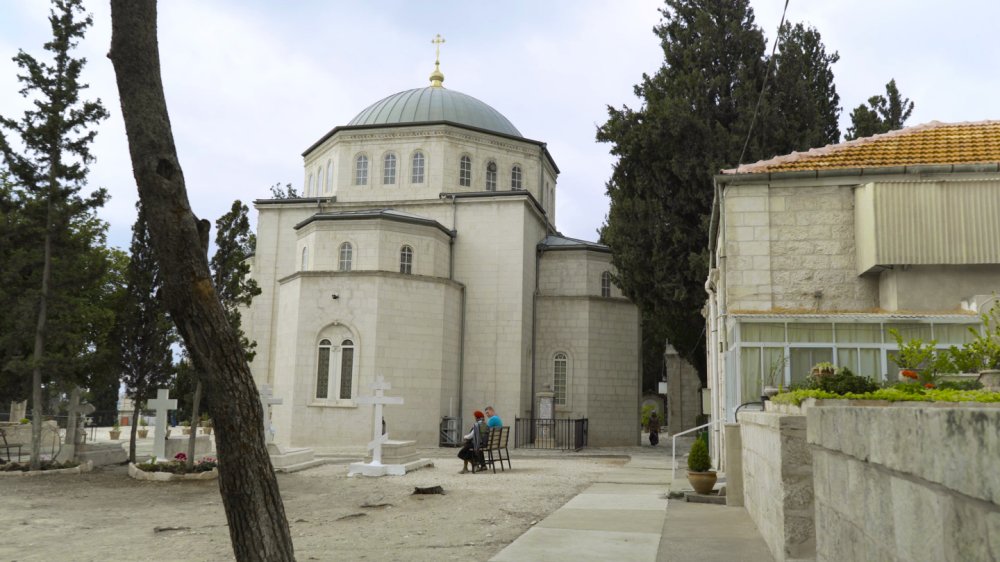
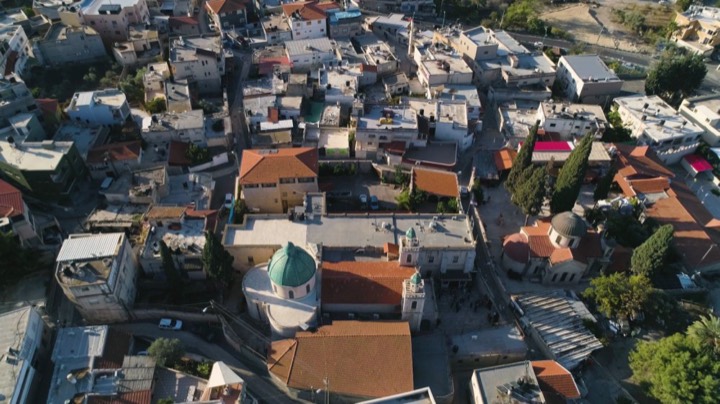
Ein Karem, revered as the birthplace of Saint John the Baptist and the site of Mary's visitation to Elizabeth, blends deep religious heritage with the charm of a picturesque, pastoral village favored by visitors today. Set in a wooded valley on the western edge of Jerusalem and now within the city's boundaries, it takes its name from the spring at its centre, long known to pilgrims as Mary's Spring. Churches and convents of the Franciscan, Greek Orthodox and Russian Orthodox traditions occupy the surrounding slopes, among them the Church of Saint John the Baptist and the Church of the Visitation. Stone houses, terraced gardens and cypress-lined lanes have made the village a favourite of artists and walkers as well as pilgrims.
Ein Karem, revered as the birthplace of Saint John the Baptist and the site of Mary's visitation to Elizabeth, blends deep religious heritage with the charm of a picturesque, pastoral village favored by visitors today. This second part continues through the valley on the western edge of Jerusalem, where the spring known to pilgrims as Mary's Spring gave the village its name. Its slopes carry an unusual concentration of Christian foundations, Franciscan, Greek Orthodox and Russian Orthodox alike, alongside stone houses, terraces and old orchards that have drawn artists and craftspeople to settle here. The result is a place where a working village and one of the principal pilgrimage sites of the Judean hills occupy the same few streets.
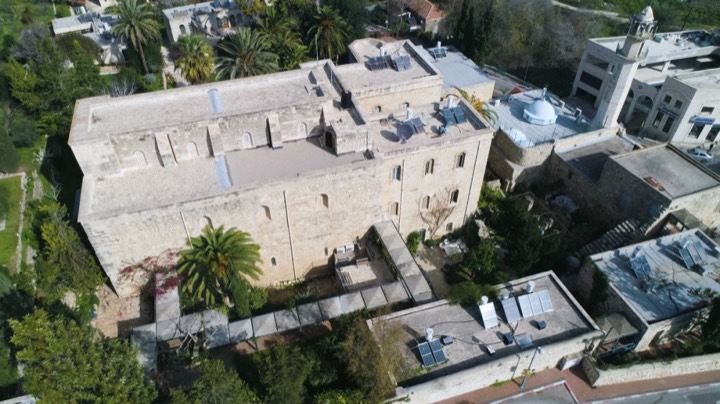
On the eastern slope of Mount Zion, just outside Jerusalem's Old City walls, stands the Church of Saint Peter in Gallicantu. Its name, Latin for 'cock's-crow,' commemorates Peter's threefold denial of Jesus before the rooster crowed, a poignant chapter in the Easter narrative. Raised in the twentieth century for the Assumptionist Fathers over the remains of a Byzantine sanctuary, the church is marked by a golden cockerel on its roof and by mosaic compositions of the trial and the denial. Christian tradition places the house of the high priest Caiaphas here, and the rock-cut chambers and cisterns below are shown as the place of Christ's detention, while outside a stepped stone street of the Roman period descends towards the Kidron Valley.
Beyond the well-known Roman ruins of this vibrant seaside national park, this documentary uncovers a different side of Caesarea, focusing on the surrounding culture and artistic life found just outside its historic boundaries. Founded by Herod the Great as Caesarea Maritima and long the Roman administrative capital of the province, the city later gained Crusader walls and a harbour that eventually silted into the sea. Today the ancient theatre serves as a concert venue, galleries and restaurants occupy vaulted Crusader chambers, and divers explore submerged breakwaters offshore. The result is a portrait of a heritage site that functions as a living cultural quarter rather than a fenced archaeological park.
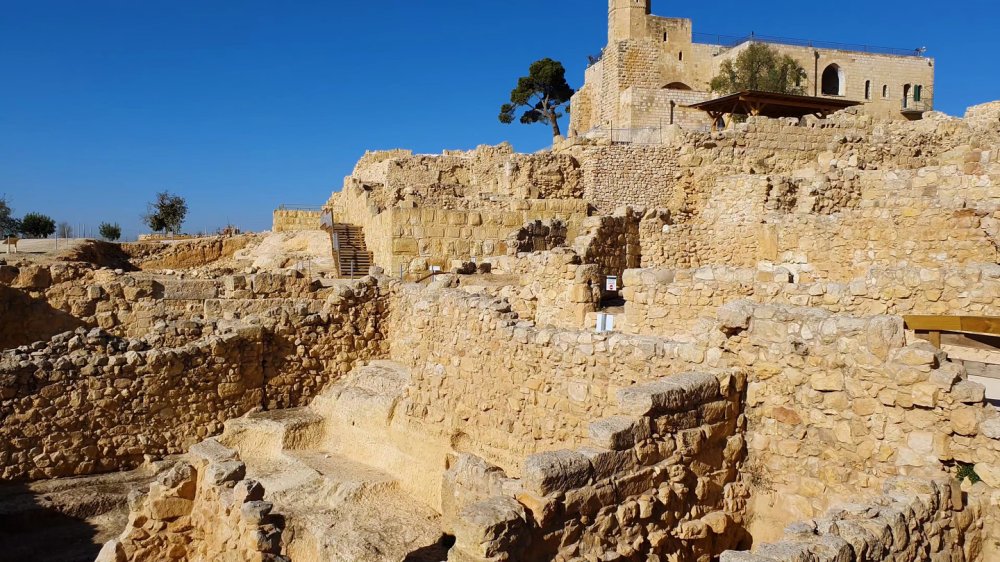
Khan al-Hatruri, known in the West as the Inn of the Good Samaritan, is a ruined caravanserai on the road between Jerusalem and Jericho, 298 meters above sea level. It now houses a museum of ancient mosaics and archaeological finds from across the West Bank and Gaza, though it is sometimes confused with the nearby Khan al-Ahmar. The spot has been identified since the Byzantine period with the parable of the Samaritan who aided a traveller beaten on this notoriously exposed descent, and successive Crusader, Ottoman and Mandate structures were raised on the same ground. Its position on the steep road down to the Dead Sea still makes the geography of the parable immediately legible.
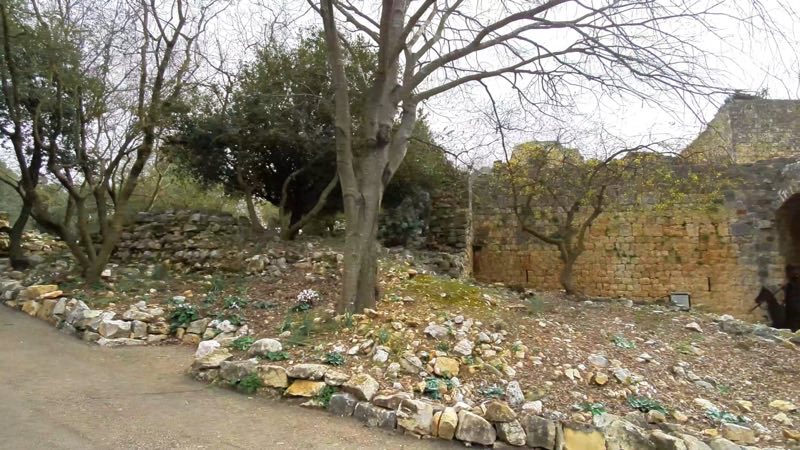
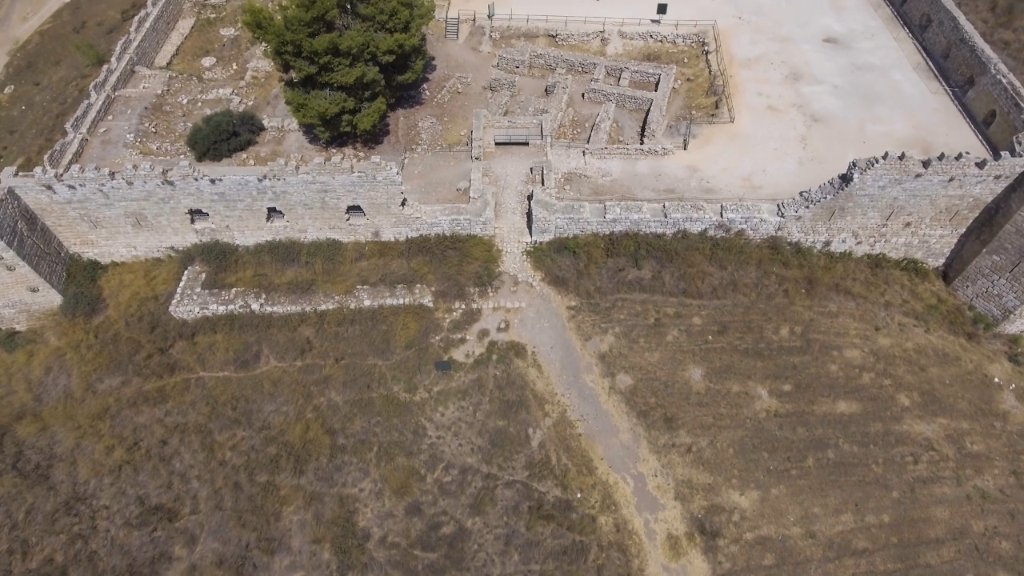
A two-part journey to the ancient ruins of Nimrod Fortress, reached via winding mountain roads overlooking the lush Golan Heights. Built on the southern slopes of Mount Hermon, this medieval Ayyubid castle is known in Arabic as Qal'at al-Subeiba, the 'castle of the large cliff.' Raised in the thirteenth century to guard the road from Damascus to the coast against Crusader advance, it was enlarged under the Mamluks before losing both its purpose and its garrison. Its keep, towers and hidden passages run along a narrow ridge for several hundred metres, and from the walls the view takes in the Hula Valley, the Golan plateau and the snows of Hermon above.
A two-part journey to the ancient ruins of Nimrod Fortress, reached via winding mountain roads overlooking the lush Golan Heights. Built on the southern slopes of Mount Hermon, this medieval Ayyubid castle is known in Arabic as Qal'at al-Subeiba, the 'castle of the large cliff.' Raised in the thirteenth century to guard the road from Damascus to the coast against Crusader advance, it was enlarged under the Mamluks before losing both its purpose and its garrison. Its keep, towers and hidden passages run along a narrow ridge for several hundred metres, and from the walls the view takes in the Hula Valley, the Golan plateau and the snows of Hermon above.
Sacred Sites, World Heritage, Archaeology, History,Israel
Shivta National Park, Israel (Part 2)
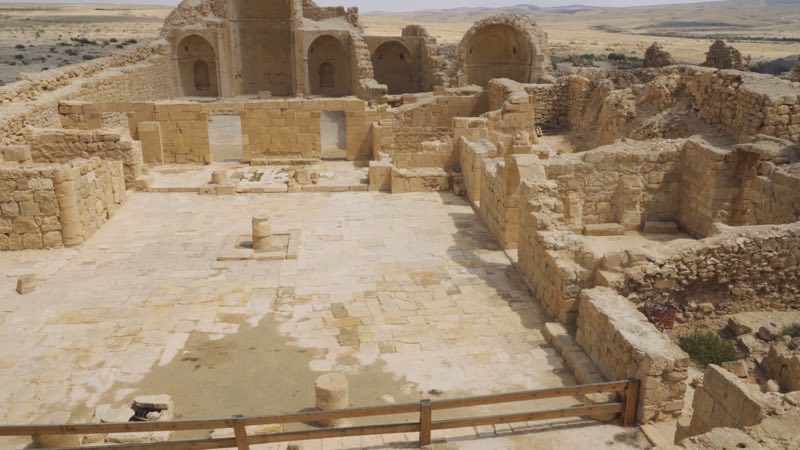
Shivta National Park showcases the impressive remains of a Byzantine city built in the heart of a desert with no natural water sources whatsoever. Its splendid churches, streets, and homes remain astonishing even today, a testament to remarkable ancient engineering. Every drop the town used was caught from winter floods and rooftop runoff, channelled into plastered reservoirs at the centre of the settlement and out to terraced fields where vines and olives were grown. Three churches, a prayer hall added in the Islamic period, and closely packed limestone houses survive to considerable height, and the site is inscribed by UNESCO with the other Nabatean towns of the Negev.
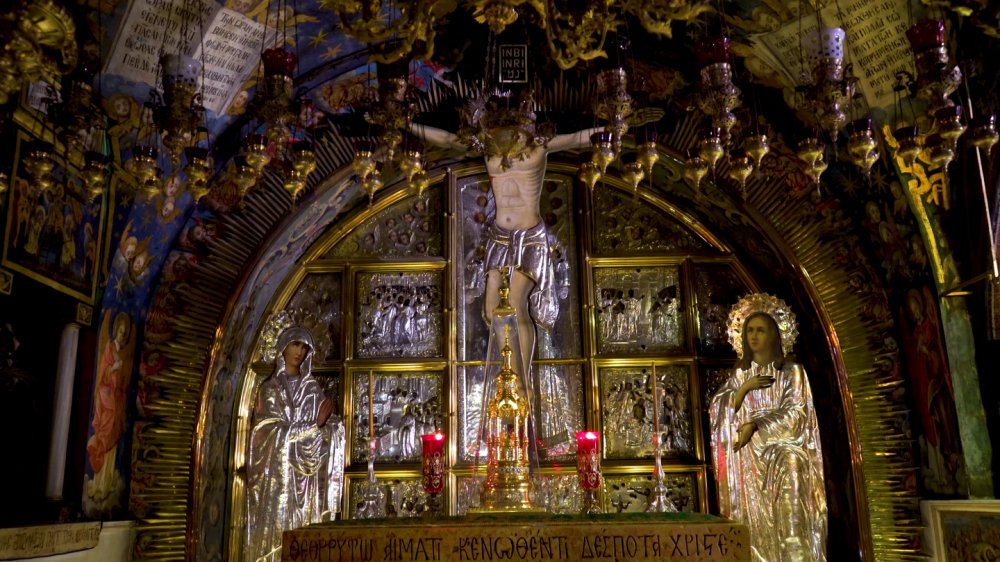
The Church of the Holy Sepulchre, in Jerusalem's Old City, enshrines what tradition dating back to at least the fourth century identifies as Christianity's two holiest sites: Calvary, where Jesus was crucified, and his empty tomb, where he was buried and resurrected. The tomb itself is housed within a 19th-century shrine known as the Aedicula. The first basilica was raised under Constantine, destroyed in the eleventh century and rebuilt in Romanesque form by the Crusaders, whose façade and bell tower still front the courtyard. Six Christian communities share the building under a status quo agreement so exact that the keys are entrusted to two Muslim families, a custom maintained for centuries.
This two-part documentary explores Beit She'arim, a renowned Greek and Roman city famed for its extensive necropolis. Visitors journey through a remarkable series of catacombs, tunnels, and caves that reveal the site's rich funerary history. After the destruction of the Second Temple the town became a centre of Jewish learning, seat of the Sanhedrin and of Rabbi Judah the Prince, and its hillside was quarried into burial halls that drew Jewish families from across the Mediterranean. Sarcophagi in stone, marble and lead survive alongside inscriptions in Hebrew, Aramaic, Greek and Palmyrene, and the necropolis is inscribed by UNESCO as a World Heritage Site.
Located on Israel's Mediterranean coast, Tel Taninim is an ancient mound overlooking the Taninim River estuary. This documentary explores its archaeological layers, coastal landscape, and historical role as a strategic settlement, revealing the deep connection between nature, trade routes, and human presence over time. The river's name means 'crocodile stream,' after animals that survived in its marshes into the early twentieth century, and a dam upstream once raised its waters to feed the aqueduct running south to Caesarea. The mound now sits within a nature reserve whose wetlands, mills and channels make the engineering of the ancient water supply unusually easy to read.
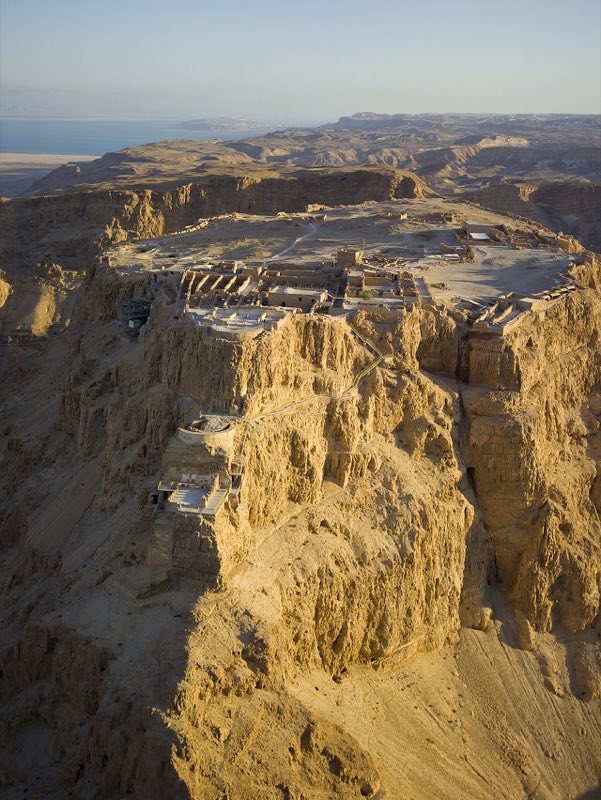
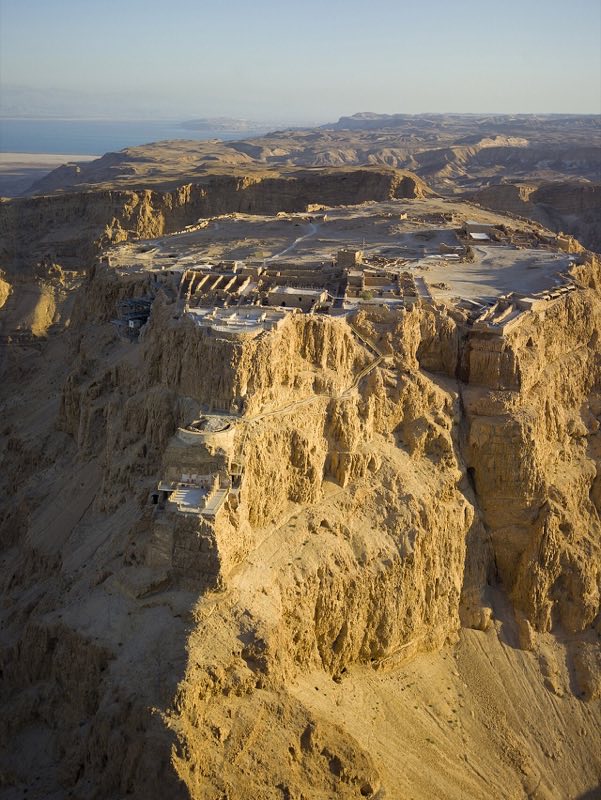
Explore the siege of Masada, one of the final events of the First Jewish-Roman War, fought from 73 to 74 CE atop a dramatic hilltop in present-day Israel. This documentary weighs the archaeological evidence against the account of Josephus, who described a prolonged Roman siege ending in the mass suicide of the fortress's Jewish rebels and residents. The Tenth Legion ringed the plateau with a wall and camps and drove an assault ramp up its western flank, all of which survive on the desert floor. Above them stood Herod's palace complex, whose cisterns and storerooms allowed the defenders to hold out. Masada is a UNESCO World Heritage Site and among the most thoroughly excavated places in the country.
Explore the siege of Masada, one of the final events of the First Jewish-Roman War, fought from 73 to 74 CE atop a dramatic hilltop in present-day Israel. This documentary weighs the archaeological evidence against the account of Josephus, who described a prolonged Roman siege ending in the mass suicide of the fortress's Jewish rebels and residents. The Tenth Legion ringed the plateau with a wall and camps and drove an assault ramp up its western flank, all of which survive on the desert floor. Above them stood Herod's palace complex, whose cisterns and storerooms allowed the defenders to hold out. Masada is a UNESCO World Heritage Site and among the most thoroughly excavated places in the country.
Explore Yehi'am Fortress National Park, a site steeped in cultural history, conflict, and heroism. Purchased from Lady Stephanie de Milly by the Teutonic Knights around the turn of the 13th century, the fortress they built was later sacked by Mamluk Sultan Baybars, leaving behind striking architecture including domes, walls, and crenellated defenses. Known to the Crusaders as Judin, the ruin was rebuilt in the eighteenth century by the Galilean ruler Dahir al-Umar, whose vaulted halls and tower stand among the earlier work. A kibbutz founded beside it in 1946 took the name Yehi'am, and the hilltop looks out over the wooded ridges of the Western Galilee.
The Church of the Multiplication of the Loaves and Fishes, Israel
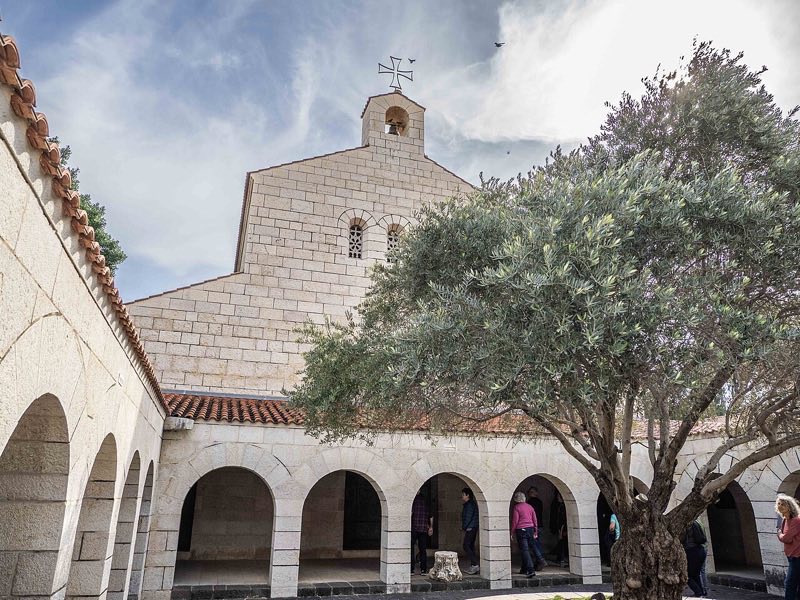
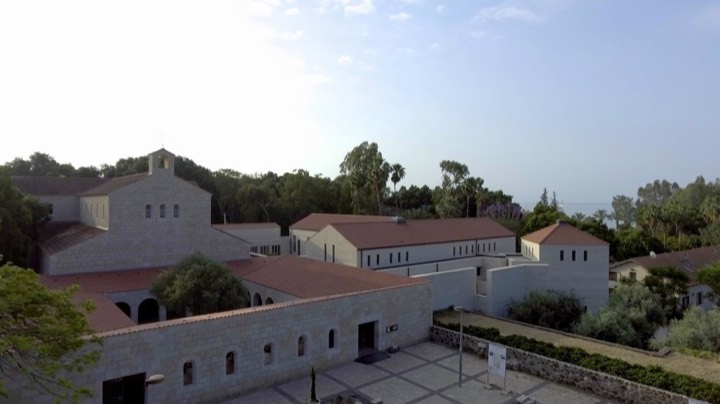
In the Tabgha region, some two hundred metres below sea level near the shores of the Sea of Galilee, stands the Church of the Multiplication, commemorating a pivotal episode in the life of Jesus and drawing pilgrims to this tranquil lakeside setting. The present church, cared for by German Benedictine monks, was completed in the early 1980s and follows the plan of the Byzantine basilica that once occupied the site. Its great attraction is the 5th-century mosaic floor: a basket of loaves flanked by two fish set before the altar stone, and borders alive with herons, ducks and lotus flowers rendered with exceptional freshness. The film reads the building as both a place of prayer and a rare survival of early Christian art.
Within the walls of Jerusalem's Old City, a stone's throw from the Damascus Gate and its bustling bazaars, lies a 1st-century pavement beneath the Arch of Ecce Homo, marking the beginning of the Via Dolorosa. The arch takes its name from the words attributed to Pilate as he presented Christ to the crowd, and its central bay still spans the street while a side arch rises inside the church of the Sisters of Zion; scholarship generally attributes the structure to the Roman rebuilding of the city under Hadrian. Below, the great flagstones long shown to pilgrims as the Lithostrotos carry incised gaming boards, and the vaulted Struthion Pool still holds water. Few sites compress Roman engineering and Christian devotion so tightly.
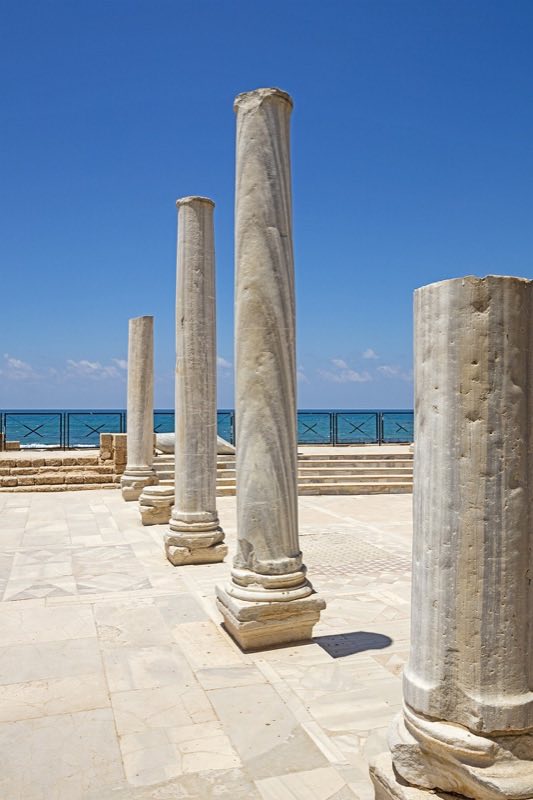
Caesarea National Park preserves the ruins of an ancient Roman port city alongside beautiful beaches and striking historical squares. Recognising the site's potential, Herod began building the port around 30 BCE, naming it Caesarea in honour of Augustus Caesar, who had granted him the territory. Its artificial harbour was among the engineering feats of the ancient world, raised on hydraulic concrete poured into the open sea. The city became the Roman administrative capital of the province and later a major Byzantine centre, leaving a theatre still used for concerts, a hippodrome along the shore, bathhouses, mosaics and a long aqueduct running north along the dunes. Crusader ramparts and a moat enclose the medieval town above the Herodian remains.
Bethphage, meaning 'house of early fig', lies between Bethany and the Mount of Olives near Jerusalem and marks the traditional starting point of Jesus's triumphal entry on Palm Sunday. Its church preserves a stone said to be the one from which he mounted the donkey for his procession into the city. The sanctuary belongs to the Franciscan Custody of the Holy Land and stands on the eastern slope of the mount, on the old road up from Jericho. The venerated block, rediscovered in the 19th century, carries medieval paintings on its four faces showing the raising of Lazarus and the crowd with palms. Each year the Palm Sunday procession sets out from here and descends towards the Old City, one of the great living rituals of Jerusalem.
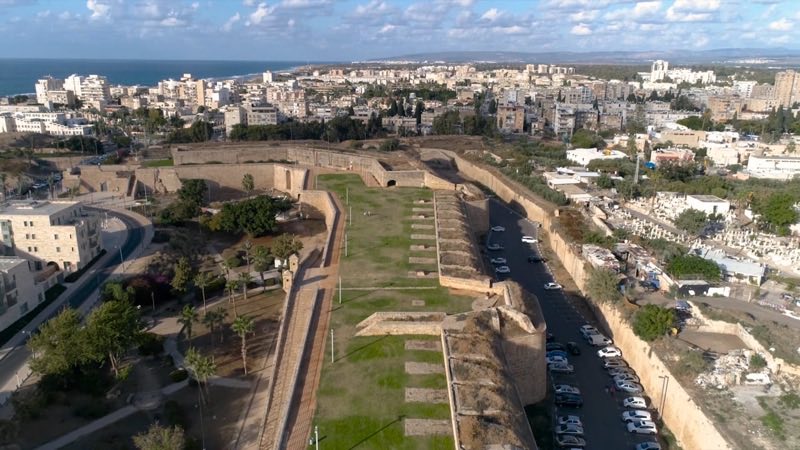
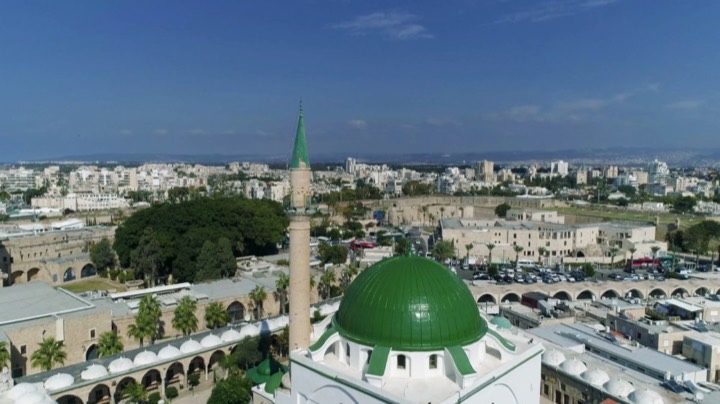
Built on and around the ancient city of Acre, also known as St. John of Acre, Akko holds many sites of deep historical significance. The Hospitaller Fortress stands among its major medieval monuments, though until recently only one or two vaulted rooms were known, the rest buried or hidden beneath later Ottoman construction. This first part sets the compound in its context: the headquarters of the Knights Hospitaller in the capital of the Latin Kingdom of Jerusalem, a walled port that was for a century the busiest harbour of the eastern Mediterranean. It follows the Gothic halls, the great courtyard and the refectory with its massive piers, and explains why an Ottoman citadel raised on top of the medieval city preserved rather than destroyed it.
Built on and around the ancient city of Acre, also known as St. John of Acre, Akko holds many sites of deep historical significance. The Hospitaller Fortress stands among its major medieval monuments, though until recently only one or two vaulted rooms were known, the rest buried or hidden beneath later Ottoman construction. This second part follows the decades of clearance and excavation that emptied the buried halls and returned them to visitors, together with the tunnel attributed to the Templars that runs beneath the town towards the sea. It also looks at the Old City above: khans, hammams, mosques and covered markets of the Ottoman port, inscribed on the UNESCO World Heritage List in 2001 for the medieval town preserved beneath them.
World Heritage, Archaeology, History, Architecture,India
Agrasen Ki Baoli, India
In the heart of New Delhi, discover Agrasen Ki Baoli, a centuries-old subterranean marvel and remarkable water-harvesting monument unique in its design. It stands as a testament to the cultural, architectural and artistic heritage of Delhi and India as a whole. A baoli, or stepwell, is a well reached by a descending flight of steps, storing water through the dry season and offering cool shelter from the heat; this one narrows dramatically as it drops, with tiers of arched niches and galleries rising along its long stone flanks. Attributed by tradition to the legendary king Agrasen and rebuilt in the medieval period, it is protected as a monument by the Archaeological Survey of India and sits improbably among the office towers off Connaught Place.
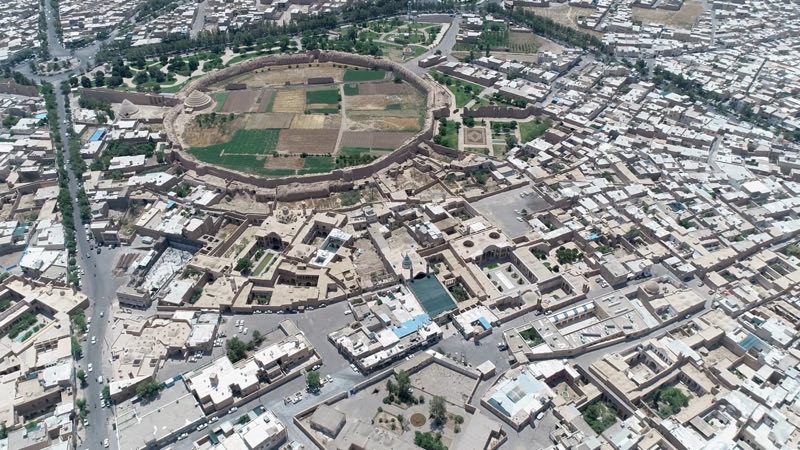
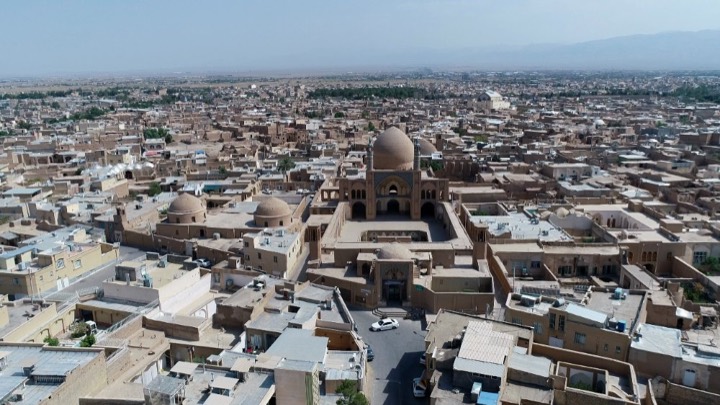
Discover the Historic Bazaar of Kashan, a showcase of traditional Persian architecture at the living heart of the city. Bustling and richly detailed, this marketplace reflects centuries of Persian culture and commerce. More than a line of shops, it is a covered quarter in its own right, gathering caravanserais, mosques, bathhouses, schools and warehouses beneath brick vaults pierced with skylights that drop shafts of daylight onto the passageways. Its most celebrated space is the Timcheh-ye Amin od-Dowleh, a trading hall crowned by a soaring honeycombed dome. Rebuilt and extended across successive periods, the bazaar remains in daily use, trading carpets, copper, spices and the rosewater for which Kashan is renowned.
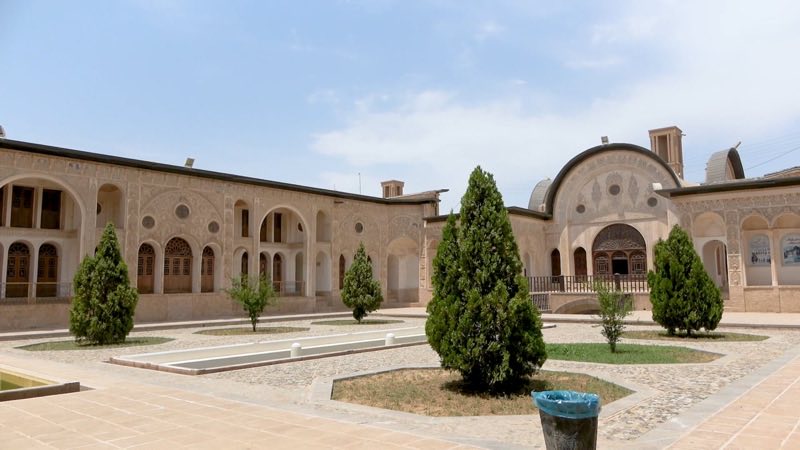
In the ancient city of Kashan, long a centre of ceramics, lustreware and fine textile weaving, stands the Tabatabaei Historical House, built by Seyed Jafar Tabatabaee during the Qajar dynasty. It reflects the artistic legacy of a city renowned for decorated pottery, glazed tiles and fine wool and silk carpets. Raised for a wealthy carpet merchant in the 19th century, it is among the grandest of Kashan's courtyard houses: several courtyards with sunken gardens and pools, an outer section for guests and business and an inner one for the family, all worked in carved stucco, mirror inlay, mural painting and coloured glass. Wind towers and half-buried rooms temper the desert climate, an architecture of comfort as much as display.
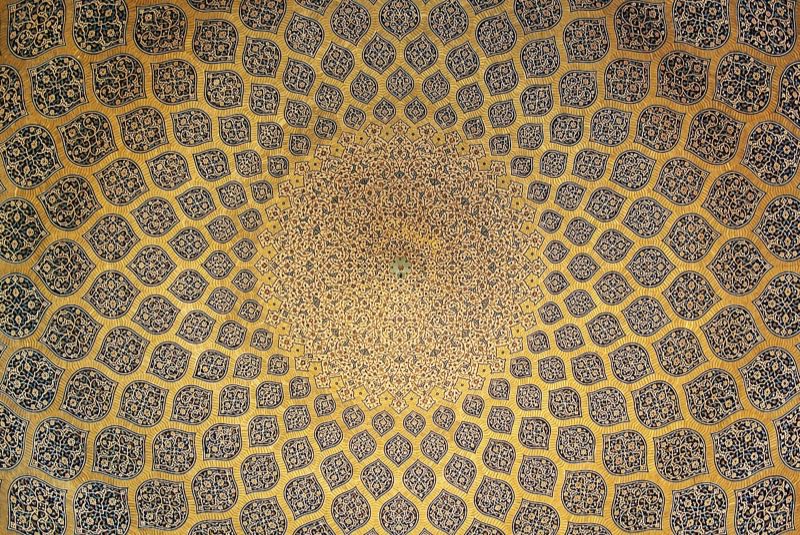
Located in Isfahan, Iran, the Sheikh Lotfollah Mosque is a masterpiece of Safavid architecture. This documentary explores its unique design, refined proportions and exceptional tilework, revealing the artistic and spiritual sophistication of one of Iran's most celebrated mosques. Built in the early 17th century under Shah Abbas I on the eastern side of Naqsh-e Jahan Square, it was conceived as a private oratory for the court rather than a congregational mosque, and so has neither minarets nor courtyard. A bent corridor turns the visitor from the square towards Mecca before opening into a single domed chamber, where light from pierced grilles moves across cream and turquoise tilework. The square was inscribed on the UNESCO World Heritage List in 1979.
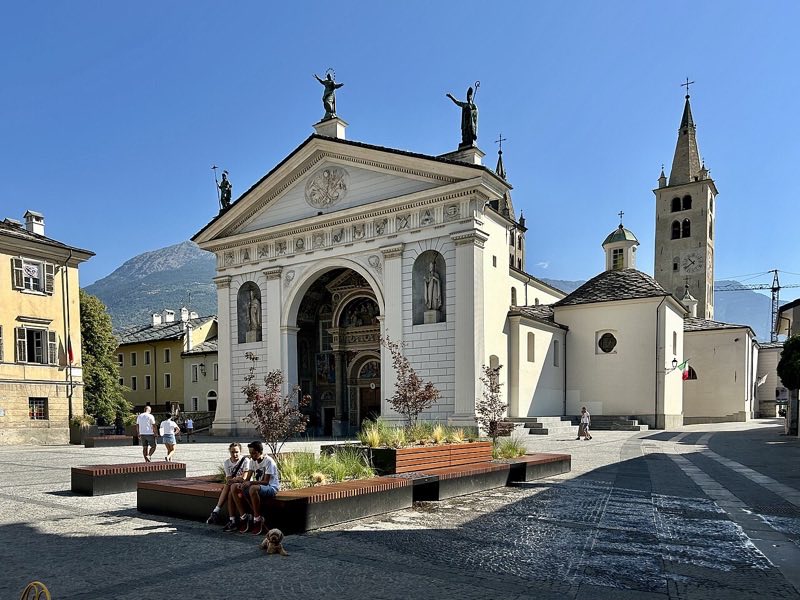
Known as the 'Rome of the Alps', Aosta bears the mark of five centuries of Roman occupation. Discover the Arco di Augusto, or Arch of Augustus, alongside the city's ancient Roman theatre. The arch was raised at the eastern approach to the town to mark the Roman victory over the Salassi and the founding of Augusta Praetoria in 25 BCE, and it still spans the old road just outside the walls, a single bay framed by engaged Corinthian columns, its slate roof a later protective addition. A short walk away, the theatre's towering buttressed facade remains the city's most photographed Roman fragment, while gates, walls and the street grid of the colony survive within the modern town.
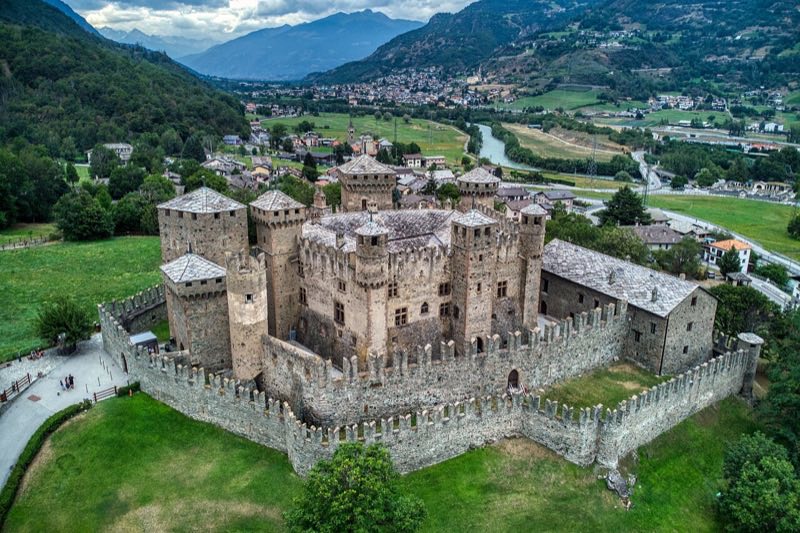
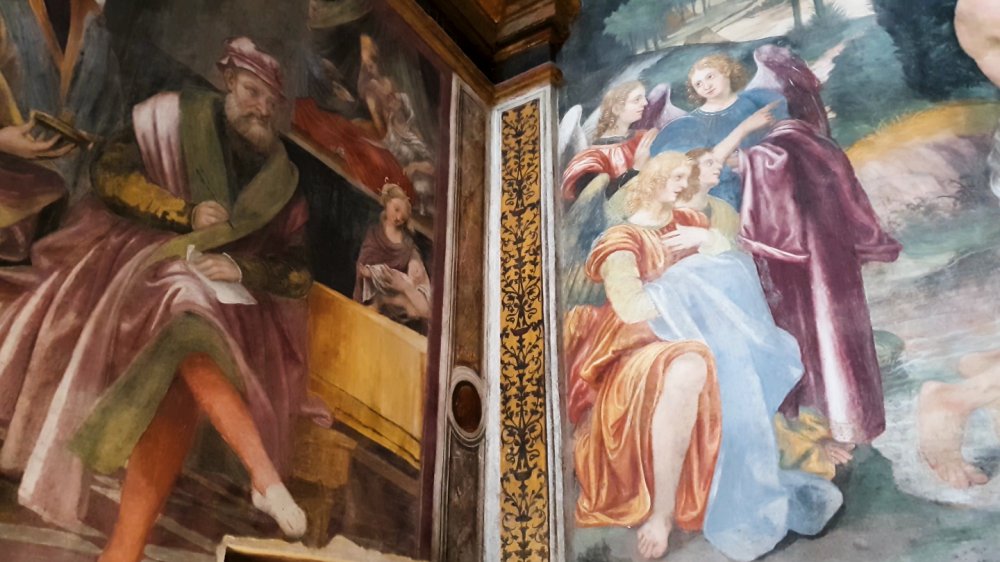
A short distance from Aosta, the valley's capital, sits Fénis, a picturesque town whose well-preserved medieval structures centre on its main attraction: Fénis Castle. Among the most famous medieval manors in the Aosta Valley, it stands as a true jewel and one of the region's defining landmarks. Built for the Challant family, who held it for centuries, the castle is unusual in standing on a low rise rather than a defensible crag, its double ring of walls and crown of towers serving prestige as much as defence. The inner courtyard is its masterpiece: a semicircular stone staircase, wooden galleries and a celebrated cycle of Gothic frescoes, including a Saint George rescuing the princess and a procession of philosophers bearing scrolls.
A volcanic island in the Mediterranean off Sardinia's south-western coast, Sant'Antioco preserves the site of the ancient Phoenician and Roman city of Sulcis. Explore its Basilica, the Savoy Fort and the museums that trace its long and layered past. Founded by Phoenician settlers and later a Roman town linked to the mainland by a causeway still in use, it retains a tophet, the open-air sacred precinct with its funerary urns, and an extensive necropolis whose rock-cut chambers were reused as dwellings into modern times. Catacombs run beneath the basilica of the martyr who gives the island his name. The town is also one of the last places where sea silk, woven from the filaments of a great Mediterranean shellfish, is remembered.
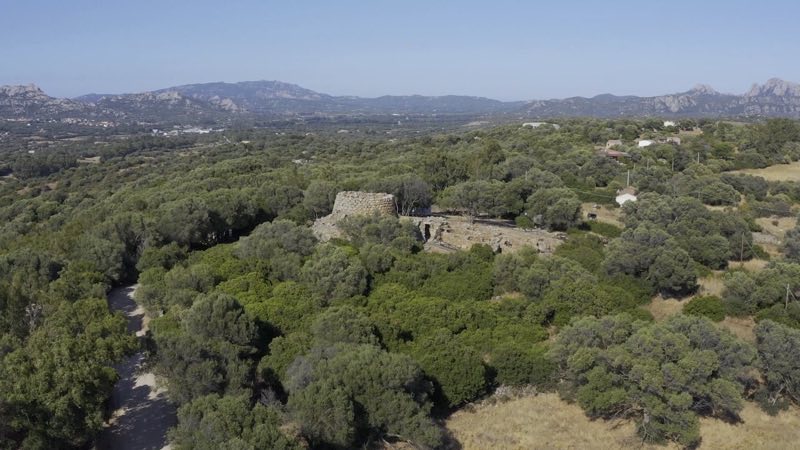
Arzachena, capital of the glamorous Costa Smeralda, offers more than beautiful coastline; it is also rich in archaeological interest. Its Archaeological Park features an impressive concentration of nuragic complexes and giants' grave necropolises, notable for their density and variety within a compact municipal territory. Coddu Vecchiu is the most celebrated of them: a Bronze Age collective tomb whose long burial chamber, built earlier as a slab-lined gallery, was later fronted by a curved forecourt of upright stones. At its centre rises a tall carved stele with a small opening at its base, the symbolic doorway between the living and the dead. The setting, among granite outcrops and cork oaks inland from the coast, is as striking as the monument.
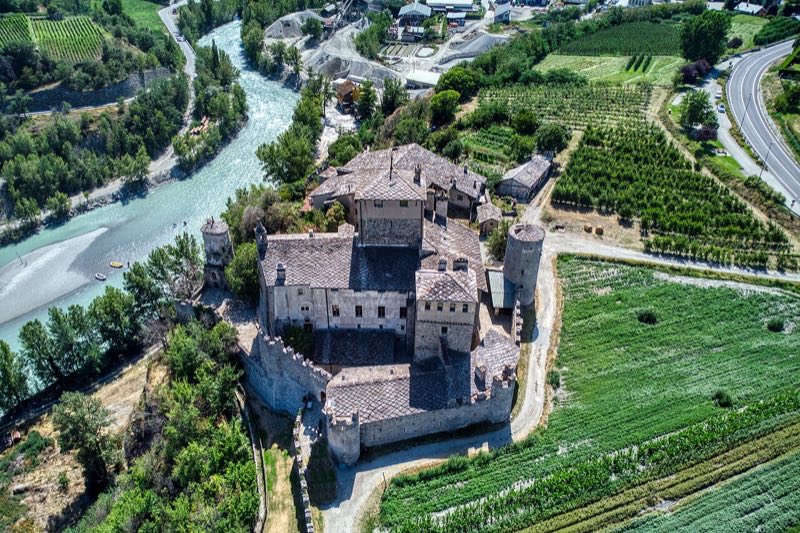
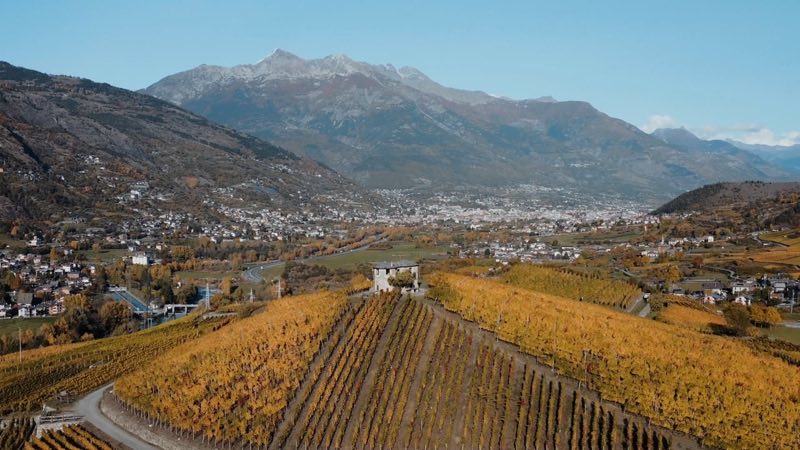
Located in the Aosta Valley, in north-western Italy, the Castello di Aymavilles reflects centuries of architectural transformation, from medieval fortress to noble residence. Four round corner towers survive from its defensive phase, later enveloped in an elegant eighteenth-century residential remodelling carried out for the Challant family, one of the valley's dominant noble houses. The outcome is an unusual hybrid in which military mass and decorative refinement stand side by side, surrounded by vineyards on the terraced slopes below the Gran Paradiso massif. This documentary explores the towers, the interiors and the alpine setting, revealing the historical layers that shaped this landmark.
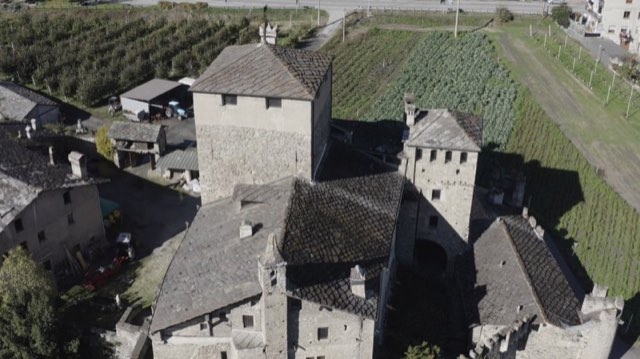
Set in Italy's Aosta Valley, near Saint-Pierre, the Castello Sarriod de la Tour is a striking medieval residence distinguished by its fortified structure and intricately carved wooden ceiling. Unlike the castles built as a single block, it grew by accretion around an early tower, enclosed within a curtain wall, and long belonged to the Sarriod family, among the valley's leading noble lineages. Its celebrated Hall of Heads takes its name from the carved figures set into the beams, a rare survival of late-medieval domestic woodwork. This documentary examines the castle's architecture and interiors, shedding light on the character of noble life in the alpine region.
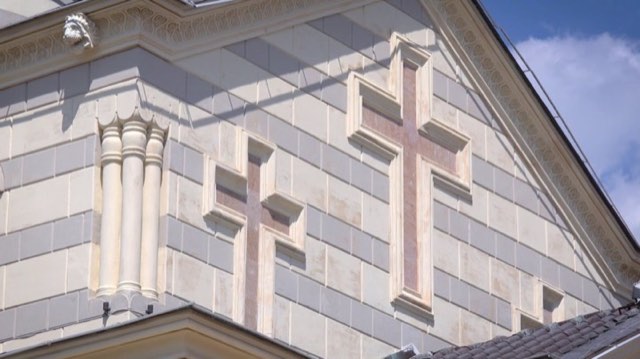
Sant'Orso, or Saint-Ours, is a collegiate church in Aosta dedicated to Saint Ursus, rebuilt during the Carolingian era and later reshaped by Bishop Anselm into a basilica with three naves. Its cloister preserves 37 historiated capitals depicting the saint's life, while a Romanesque bell tower dating to 989 still bears traces of its original medieval structure. This second episode returns to the complex to follow its later transformations, when Gothic vaults, stalls and stained glass were grafted onto the Romanesque core, and to examine the priory and crypt that complete the ensemble, one of the richest concentrations of sacred art in the western Alps.
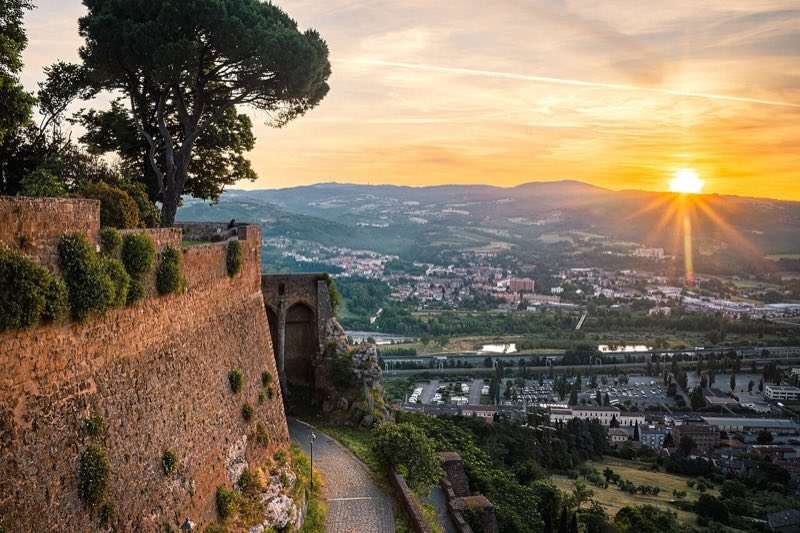
Among Italy's most important monuments, the Ducal Palace in Urbino tells the story of Federico da Montefeltro, a Renaissance figure who united culture, military command and political skill. Today a UNESCO World Heritage site housing the National Gallery of the Marche, it remains a venue for events and educational tours, famously described as a city in the shape of a palace. Its celebrated façade flanked by slender twin turrets, its arcaded courtyard and its intricately inlaid study count among the defining images of fifteenth-century architecture. The collections gathered inside make it one of the essential destinations for Renaissance painting in Italy.
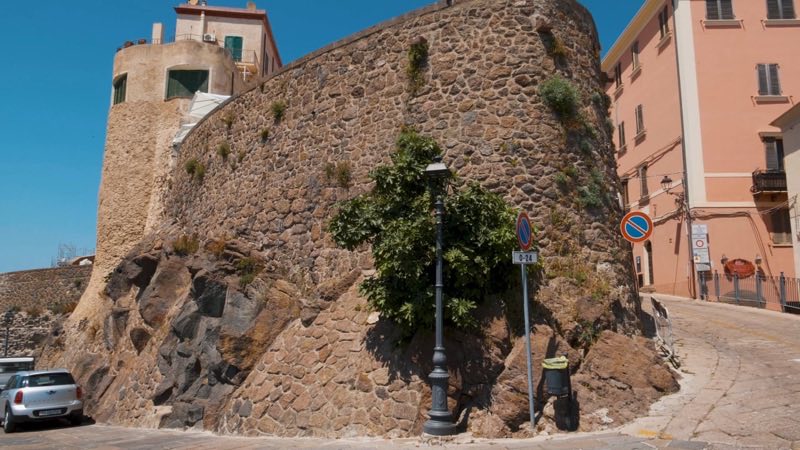
Perched atop a dramatic cliff in Sardinia, Castelsardo's old town blends distinctive local folklore with striking coastal scenery. Founded in 1102 by the Genoese Doria family, it remains one of the island's most captivating destinations, reflecting the proud, distinct culture that has defined Italy for millennia. Successive rulers renamed the settlement as it passed from Genoese to Aragonese and then Spanish control, and the castle at its summit still commands the Gulf of Asinara. Steep lanes lead up to the cathedral above the sea, while basket weaving in dwarf palm remains a living craft practised in doorways along the way.
On the opposite bank of the Dora Baltea from Verrès Castle stands Issogne Castle, renowned for its rich history and stately presence in Italy's Aosta Valley. Dating to the 15th century, it showcases Renaissance elegance through its frescoed walls and characteristic Italian courtyard. Built for the Challant family as a residence rather than a stronghold, it turns its plain outer walls towards the valley and reserves its display for the interior, where painted lunettes under the arcade depict the trades and daily life of the period. A wrought-iron fountain in the form of a pomegranate tree stands at the centre of the courtyard.
In Urbino, a town in Italy's Marche region, the Albornoz Fortress crowns the city's highest point, complementing the splendor of the nearby Ducal Palace. Named for Spanish Cardinal Gil Álvarez de Albornoz, its construction dates to between 1353 and 1367, during the reorganization of Church-held territories. The cardinal's campaign to restore papal authority across central Italy produced a network of such strongholds, of which this is one of the surviving examples. Remodelled in later centuries and now set within a public park, the fortress offers a commanding view over the roofs and twin turrets of a historic centre inscribed on the UNESCO World Heritage List.
Castello Reale di Sarre, Aosta Valley, Italy (Part 3)
Located in Italy's Aosta Valley, the Castello Reale di Sarre served as a royal residence of the House of Savoy. This third installment continues exploring its interiors, decorative elements and royal traditions, highlighting the castle's role in the region's political and cultural history. Acquired in the nineteenth century by King Victor Emmanuel II as a base for hunting in the surrounding mountains, the residence retains the galleries whose decoration was assembled from the trophies of those expeditions, alongside portraits, furnishings and personal effects of the royal family. Now in state ownership, it is among the most visited monuments of the valley.
Nestled in the lower Aosta Valley, above the Lys as it descends towards the valley floor, Perloz is a small mountain village shaped by rural traditions and alpine landscapes. Its settlement is dispersed across hamlets on the slope, in the pattern typical of the district, with dry-stone terraces reclaiming ground for vines and pasture and roofs of heavy stone slabs. This documentary explores its stone architecture, terraced hillsides and local heritage, revealing everyday life in a lesser-known corner of the valley, away from the castles and Roman monuments that dominate its reputation, and closer to the working landscape that sustained it.
Arzachena, part of the Costa Smeralda, opens the way into the heart of Gallura and its rich Sardinian traditions and ancient history. About a kilometer east of the town, on the edge of the valley, lies the Temple of Malchittu. Reached by a footpath across granite outcrops and scrub, the building is one of the rare structures of its kind on the island: an elongated dry-stone enclosure with a rounded end, set apart from any dwelling and generally interpreted as a place of worship of the Bronze Age communities that preceded and accompanied the nuragic towers. Its walls survive to a considerable height in the open landscape.
World Heritage, History, Architecture, CultureItaly
Nuraghe Albucciu, Sardinia, Italy
On the western edge of the Arzachena plain lies Nuraghe Albucciu, a distinctive component of the site's ancient archaeological complex, built directly onto the side of a granite cliff near a giants' tomb. Rather than the classic conical tower, it takes the form of a low, irregular structure whose corridors and chambers are roofed with massive stone slabs and partly incorporate the living rock, an economical solution characteristic of Gallura. Traces of the surrounding settlement remain visible nearby. Together with the neighbouring monuments of the Arzachena area, it documents the Bronze Age occupation of northern Sardinia.
World Heritage, History, Architecture, CultureItaly
Aosta Cathedral, Aosta Valley, Italy (Part 1)
Founded in the 4th century near an ancient Roman forum, the Aosta Cathedral traces back to the earliest spread of Christianity in the region. Remodeled with a neoclassical façade in 1848, it now also houses a museum dedicated to the Aosta Valley's sacred art. Behind that late frontage the building preserves a Romanesque core, with twin bell towers, a crypt and a celebrated cycle of early medieval paintings surviving above the vaults. Mosaic pavements and carved choir stalls complete an ensemble that ranks alongside the collegiate church of Sant'Orso among the principal monuments of the valley. This first episode sets out its origins and architecture.
Located in the historic centre of Aosta, beside the remains of the Roman forum, the Aosta Cathedral reflects centuries of religious and architectural history. This documentary explores its Romanesque foundations, medieval frescoes and later transformations, revealing the spiritual heart of the city. The eleventh-century campaign gave the building its twin bell towers and crypt, and left a painted cycle preserved above the later vaults; Gothic rebuilding added the carved choir stalls and stained glass, and a neoclassical façade was applied in the nineteenth century. A museum attached to the cathedral displays the treasury and the sacred art of the valley.
Standing near the Roman walls of Aosta, the Bramafam Tower is one of the city's best-preserved medieval towers. This documentary explores its defensive role, architectural features and place within Aosta's urban development. Like several strongholds in the city, it was raised on the line of the ancient fortifications, reusing Roman masonry as a ready-made base and marking the moment when noble families took control of the old colonial perimeter. Its cylindrical mass and thick walls belong to the seigneurial architecture of the high Middle Ages, and it remains one of the clearest illustrations of how Augusta Praetoria was absorbed into the medieval town.
Located on a rocky spur in the Aosta Valley, in the commune of Arvier, the Castello di Montmayeur overlooks an ancient strategic route. This documentary explores the castle's ruins, military function and commanding landscape, revealing its role in controlling passage through the valley. Isolated far from any settlement and reached only on foot, it takes its name from the noble family that held it, and its remote perch earned it the nickname the vulture's nest. What survives, dominated by the remains of its tower, offers an unusually undisturbed picture of alpine feudal fortification, untouched by the later remodelling that transformed the valley's other castles.
In Italy's Aosta Valley, amid some of the highest peaks in the Alps, this episode presents the Leper's Tower and Bramafam Castle, two distinctive landmarks that embody the region's rich heritage. Both belong to the medieval reoccupation of Aosta, the Roman colony of Augusta Praetoria, whose walls and gates were reused as foundations for seigneurial strongholds. The Leper's Tower, at Aosta's western edge, owes its name to the story of a leper confined within it, later given literary form by Xavier de Maistre; restored and now used for exhibitions, it stands as a reminder of how the ancient city was absorbed into the medieval town.
Nairobi is home to churches, mosques, memorials and museums of great national significance, and few are as recognisable as the Jamia Mosque, set between Banda Street and Kigali Road a short walk from the city centre. The largest mosque in Kenya, it is also one of Nairobi's defining pieces of architecture, its silver domes and slender minarets rising above the surrounding streets in a style that draws openly on Mughal and Arab traditions. Filmed in 4K, this episode moves from the crowded pavements outside to the calm of the prayer hall, following the rhythm of the daily prayers and the congregation that has gathered here for generations, and placing the mosque within the broader story of Kenya's Muslim community and the making of the modern capital.
Patuxai is a massive war monument and triumphal arch at the heart of Vientiane, completed in 1968 using funds originally intended for an airport, which has earned it the affectionate local nickname of the vertical runway. Its name means Victory Gate, and it was built between 1957 and 1968 to honour the Laotian soldiers who died in the Second World War and in the struggle for independence from France. The silhouette recalls the Arc de Triomphe, but every surface is Lao: mythological figures, lotus motifs and kinnari reliefs cover the arches and ceilings. Filmed in 4K, this episode climbs from the boulevard below to the upper terrace, where the monument opens onto a panorama of the Laotian capital.
Located in Vientiane, the Sisaket Museum is housed within the historic Wat Sisaket complex, one of the oldest surviving religious sites in the Laotian capital. This documentary explores its cloisters, its collections and its architectural heritage, revealing the cultural significance of a former royal monastery that has served as both a place of worship and a repository of national memory. The surrounding gallery is lined with niches holding thousands of small Buddha images, ranged tier upon tier along the inner walls, while the ordination hall preserves painted decoration and carved woodwork of great refinement. Filmed in 4K, the episode moves slowly through the courtyard and cloisters as the light shifts across them.
In the city of Luang Prabang stands Wat Xieng Thong, the Temple of the Golden City, home to the grand sim, or central shrine hall, of this celebrated Laotian monastery. Built in the traditional Luang Prabang style, the structure's sweeping roofline descends in overlapping tiers almost to the ground, and its rear wall carries the famous tree of life rendered in coloured glass mosaic against a red ground. Founded in the sixteenth century near the confluence of the Nam Khan and the Mekong, the temple served the royal house for four centuries and remains the most revered monastery in the former capital. Filmed in 4K, this episode examines its gilded doors, murals and funerary chapel in close detail.
World Heritage, Archaeology, Architecture, CultureLaos
The Morning Market, Laos
Within walking distance of Wat Choum Khong lies the morning market, tucked along the streets behind the Royal Palace in Luang Prabang. Held in the early hours, it brings a brief bustle to lanes that otherwise remain quiet for the rest of the day. Vendors arrive before dawn and set out their goods on low tables and mats: vegetables and herbs from the surrounding hills, fish from the Mekong and the Nam Khan, sticky rice, grilled skewers and sweets wrapped in banana leaf. By the time the sun clears the rooftops, the crowd has thinned and the street is swept clean. Filmed in 4K, this episode follows the market through its short, concentrated life, from first delivery to final departure.
Forty kilometres southeast of Beirut lies the Shouf district, a mountainous region rich in archaeology and architecture that reflects the diverse history and peoples of Mount Lebanon. Among its picturesque villages is Baadarane, home to the Palace of Ali Joumblatt, a striking example of Italian influence in Lebanese architecture. Built in cut local stone and set against terraced slopes of pine and oak, the residence belonged to one of the great families of the Shouf, and its arcades, vaulted halls and carved detail speak of a mountain aristocracy with wide Mediterranean connections. Filmed in 4K, this episode explores the building and the village around it, and the layered history they share.
Located in central Sri Lanka, Polonnaruwa was the island's medieval capital and is today a UNESCO World Heritage site. This documentary explores its ancient temples, royal palaces and irrigation systems, revealing the political, religious and artistic achievements of a once-powerful civilisation. The city flourished from the eleventh century, and its ruins remain remarkably legible: brick palace walls still standing several storeys high, circular relic houses, and the colossal Buddha figures carved from a single granite face at Gal Vihara, among the finest sculptures in South Asia. Around them stretch the great reservoirs that made the kingdom possible. Filmed in 4K across the full archaeological park.
Temple of the Sacred Tooth Relic in Kandy, Sri Lanka
Sri Dalada Maligawa, the Temple of the Sacred Tooth Relic, is a Buddhist temple within the former royal palace complex in Kandy, housing a relic believed to be a tooth of the Buddha. Since ancient times, possession of the relic has been closely tied to political legitimacy, tradition holding that whoever guards it holds authority over the land. The temple stands beside the lake at the centre of the last royal capital of Sri Lanka, its shrine of gilded and painted timber approached through drummers who mark each daily ceremony. The sacred city of Kandy is inscribed on the UNESCO World Heritage list. Filmed in 4K, this episode follows the rituals that surround the most venerated object in the country.
Just fifteen minutes from Kotor's Old Town along Montenegro's Bay of Kotor lies the magical medieval village of Perast, set against the shimmering waters of the Adriatic Sea. Once a prosperous seafaring town under Venetian protection, it grew rich on maritime trade: Baroque palaces and churches crowd a single waterfront street beneath the hill of St. Ilija. Offshore, the twin islets of St. George and Our Lady of the Rocks complete one of Europe's most photographed seascapes. Part of the UNESCO-listed region of Kotor, Perast offers viewers a rare, unhurried portrait of Adriatic stone, water and light.
World Heritage, Archaeology, History, CultureMontenegro
Old Town of Risan, Montenegro
Risan is the oldest settlement on the Bay of Kotor and part of a World Heritage site, closely linked to the neighboring town of Perast in Montenegro. An Illyrian stronghold long before Rome, it is remembered as the refuge of Queen Teuta and preserves the finest Roman mosaics on the eastern Adriatic, including the celebrated depiction of Hypnos, god of sleep. This documentary walks its quiet waterfront and its excavated villa floors, tracing more than two thousand years of continuous habitation at the innermost reach of the bay, where the mountains fall directly into the sea.
Monastery of Kalishta, Cave Church and Struga Area, North Macedonia
Scattered between a turquoise lake and a deep blue river lies the Macedonian city of Struga, set where the Black Drin flows out of Lake Ohrid. On the way to Radodza, the Kalishta Monastery awaits, celebrated for its cave churches cut into the cliffs at the water's edge and for a uniquely revered icon of the Virgin. This documentary follows the shoreline south from Struga, filming frescoed rock chapels, monastic courtyards and lakeside villages within the UNESCO-listed Ohrid region — a serene, contemplative chapter of North Macedonia's spiritual landscape, filmed in natural light on the quietest shore of the lake.
Ohrid, the largest city on Lake Ohrid in North Macedonia, was once home to 365 churches, one for each day of the year, earning it the nickname “Jerusalem of the Balkans.” Its picturesque houses and historic monuments draw visitors to this southwestern city near Resen and Bitola. Rising in tiers from the shore to the fortress of Tsar Samuel, the old town preserves Byzantine frescoes, the cliff-top church of St. John at Kaneo and the memory of the Slavic literary school taught here more than a thousand years ago. City and lake together form one of the rare sites inscribed by UNESCO for both cultural and natural value.
A magnet for devotees and tourists alike, the Ta' Ġieżu Church stands as a spectacular site in the heart of the Mediterranean, a testament to Malta's rich historical and religious heritage. Its Maltese name, meaning “of Jesus,” recalls the Franciscan friars who founded it, and it is famed for venerated devotional statues carried through the streets during the islands' Holy Week processions. This documentary explores its gilded altars, side chapels and confraternity traditions, and the intensity of popular piety that still fills the church on feast days — an intimate portrait of living faith in the Maltese islands.
Dominating the tip of one of the peninsulas around the Grand Harbour, Fort St. Angelo, or Forti Sant'Anġlu, sits at the point of the Birgu, or Vittoriosa, peninsula. Enjoying a commanding view over the entire harbour, the fort occupies a position at its exact midpoint. Fortified since medieval times and rebuilt by the Knights of the Order of St John, it served as their headquarters and as the anchor of the defense during the Great Siege of 1565, later passing to the British before its modern restoration. This documentary films its bastions, ramps and vaulted chambers, tracing five centuries of Mediterranean naval history written in stone.
Loreto is a historic town on Mexico's Baja California Sur peninsula, known as the birthplace of the Californias and home to one of the region's earliest Jesuit missions. Founded in 1697, the Misión de Nuestra Señora de Loreto was the first permanent Spanish settlement on the peninsula and the head of the mission chain that would eventually reach north into present-day California. This documentary explores its enduring religious heritage and the sacred sites that shaped its founding legacy, between the peaks of the Sierra de la Giganta and the islands of the Gulf of California — a striking meeting of desert, sea and colonial stone.
Querétaro and Jalisco: Tolimán, Colón and San Sebastián del Oeste, Mexico
This journey travels through Querétaro and Jalisco, visiting Tolimán, Colón and San Sebastián del Oeste, towns that showcase Mexico's rich mix of colonial architecture, rural tradition and sacred heritage across these central and western states. In the semi-desert of Querétaro, Tolimán and Colón preserve chapels, votive courtyards and living Otomí traditions; high in the Sierra Madre Occidental, San Sebastián del Oeste is a former silver-mining town of whitewashed façades and tiled roofs, recognized as a Pueblo Mágico. The film follows village feast days, artisans and mountain landscapes rarely captured in 4K.
This documentary explores syncretism in Mexico, the blending of Indigenous and Catholic traditions that has shaped the country's cultural and spiritual identity, reflected in its festivals, art and World Heritage sites. From pre-Hispanic sanctuaries reconsecrated as churches to processions where copal incense, flowers and ancestral dance accompany the Christian calendar, it traces how two worlds fused after the conquest into something entirely Mexican. Filmed across chapels, markets and village celebrations, the programme offers buyers a visually rich and thoughtful entry into the living religious culture of Mexico.
Templo Expiatorio del Santísimo Sacramento, Mexico
The Templo Expiatorio del Santísimo Sacramento, in Guadalajara, is one of Mexico's most remarkable churches, renowned for its architecture and religious significance. Built in Neo-Gothic style over some seventy-five years and completed in the twentieth century, it is celebrated for its finely cut stonework, soaring vaults and stained glass, and for the carillon whose apostle figures appear at appointed hours. This documentary explores its sacred spaces and the devotional traditions that continue to draw worshippers and visitors, revealing a cathedral-scale work of craftsmanship finished within living memory.
This documentary explores Querétaro's Magic Towns, settlements recognized by Mexico's Pueblos Mágicos programme for their historical charm, traditional architecture and cultural heritage, offering a window into the region's colonial past and living traditions. Among them, Bernal shelters beneath one of the world's largest monoliths, while Jalpan de Serra guards a Franciscan mission of the Sierra Gorda inscribed on the UNESCO World Heritage list. Between semi-desert, vineyards and mountain forest, the film follows cobbled streets, artisan workshops and patron-saint festivals across one of central Mexico's most rewarding states.
The Kuan Yin Temple is a Chinese temple in Malaysia dedicated to the Buddhist goddess of mercy, Kuan Yin, known in Sanskrit as Avalokiteshvara, the bodhisattva of compassion. This documentary explores its ornate architecture and devotional traditions — spirals of incense, carved dragons, painted timber and offerings left throughout the day — reflecting the deep Chinese cultural heritage present across the country. Brought by generations of migrants from southern China, such temples remain living community centres as much as places of worship, and their calendar of festivals fills them with colour and sound.
The Penang Botanic Gardens are a lush green haven in Malaysia, home to diverse plant life and tranquil walking trails. Laid out by the British in the nineteenth century on the site of an old granite quarry, they are also known as the Waterfall Gardens for the cascade that feeds them, and their long-tailed macaques are as familiar to visitors as the palms, orchids and towering rainforest trees. This documentary explores their natural beauty and their role as a cherished retreat within the vibrant island of Penang, where colonial-era landscaping meets the wooded slopes rising towards Penang Hill.
The Queen Victoria Memorial Clock Tower is a striking colonial-era landmark in George Town, Penang, built to commemorate the British monarch's reign. Erected to mark the Queen's Diamond Jubilee of 1897, it rises sixty feet — one foot for each year on the throne — in a Moorish-influenced design of white stucco crowned by a slender dome, standing at the edge of the old fort and harbour district. This documentary examines its architecture and its enduring presence within the country's historic urban landscape, at the heart of a city inscribed on the UNESCO World Heritage list.
Rising in the heart of George Town, on the Malaysian island of Penang, the Tokong Han Jiang Ancestral Temple is a Chinese ancestral temple that reflects the heritage of the country's Teochew community, long associated with the clan association that built and maintains it. This documentary explores its ornate architecture, from carved timber beams and sculpted roof ridges to gilded altars veiled in incense, and the enduring traditions of ancestor veneration it preserves, following the rites through which successive generations honour their forebears. Filmed in 4K, the episode offers a refined portrait of Chinese diaspora culture in Southeast Asia.
World Heritage, History, Architecture, CultureMalaysia
Tua Pek Kong Temple, Malaysia
The Tua Pek Kong Temple is one of Malaysia's historic Chinese temples, dedicated to a revered folk deity long associated with prosperity and protection. This documentary explores its architecture, from incense-filled prayer halls to the sculpted detail of its roofs and altars, and the devotional life that unfolds within it day after day. It situates the temple within the country's remarkably diverse religious heritage, in which Chinese, Malay and Indian traditions have coexisted for generations, and shows how such sanctuaries remain focal points for the communities that raised them. Elegant 4K photography throughout.
Masjid Tanjung Bungah (The Floating Mosque), Malaysia
Masjid Tanjung Bungah, known to visitors as the Floating Mosque, is one of Malaysia's most distinctive places of worship: built out over the shoreline so that at high tide it appears to rest upon the water itself. This documentary explores its striking design, where slender minarets and a domed prayer hall meet the open sea, and its everyday role as a working mosque serving the coastal community around it. Filmed in 4K, the episode captures the interplay of light, tide and architecture that gives the building its reputation, offering programme buyers a visually arresting portrait of contemporary Islamic architecture in Southeast Asia.
Sacred Sites, World Heritage, History, Architecture, CultureMalaysia
Kek Lok Si Pagoda, Malaysia
Kek Lok Si is one of the largest and most significant Buddhist temple complexes in Southeast Asia, rising in tiers above Air Itam on the Malaysian island of Penang. Founded in the 1890s, it is crowned by the seven-storey Pagoda of Ten Thousand Buddhas, whose layered architecture blends a Chinese octagonal base, Thai middle tiers and a Burmese crown: a single structure that sums up the temple's multicultural roots. This documentary explores that architecture alongside the complex's shrines, terraced gardens and towering bronze statue of the goddess of mercy, and its enduring role as a major site of pilgrimage and heritage.
Pashupatinath Temple is a sacred Hindu temple complex on the banks of the Bagmati River in Kathmandu, Nepal, dedicated to Lord Shiva in his form as lord of the animals. Inscribed on the UNESCO World Heritage list as part of the Kathmandu Valley, it is far more than a single shrine: a vast precinct of pagoda-roofed temples, ashrams and riverside terraces where cremation rites are performed in full view of pilgrims. This documentary explores its religious significance as one of the holiest Hindu sites in the world and its role in Nepalese spiritual life, from daily worship to the great festival gatherings it draws each year.
Ollantaytambo is a town and Inca archaeological site in southern Peru, roughly 72 km by road from Cusco. During the Spanish conquest of Peru, it served as a stronghold for Manco Inca Yupanqui, leader of the Inca resistance against colonial forces. The settlement occupies the floor of the Sacred Valley of the Urubamba and retains its original Inca street grid, with dressed stone walls, doorways and running water channels still in daily use, making it one of the few continuously inhabited Inca towns. Above it, monumental agricultural terraces climb the hillside to the Temple Hill, where a wall of vast finely joined monoliths marks the unfinished Sun Temple. The town is also the departure point for rail services toward Machu Picchu.
The Faisal Mosque in Islamabad is the fifth-largest mosque in the world and the largest in South Asia, set at the foothills of the Margalla Hills at the northern edge of the Pakistani capital. Completed in the 1980s to the design of Turkish architect Vedat Dalokay, and funded by the Saudi king whose name it bears, it broke with tradition entirely: in place of a dome, its contemporary design features eight concrete shell sides rising to a peak, drawing inspiration from the form of a traditional Bedouin tent, while four slender minarets frame the courtyard. A landmark of twentieth-century Islamic architecture, filmed in 4K.
The Potohar Plateau of northern Punjab, Pakistan, is rich with historical monuments, among them the vast Rohtas Fort. Raised in the sixteenth century by Sher Shah Suri to hold the region against his rivals, it is one of the largest fortress complexes in the world and an outstanding example of Muslim military architecture in South Asia, qualities that earned it inscription on the UNESCO World Heritage list. Its sprawling grounds include massive boundary walls running for kilometres, monumental gateways, interlinking staircases, scattered wells and lonesome structures left to the plateau. Filmed in 4K.
This journey uncovers the lost glory of Ramkot Fort in Pakistan, following its ruins across the high ground on which it stands to reveal a site of significant architectural and historical heritage. Walls, bastions and empty chambers are all that remain of a stronghold that once commanded the country around it, and the documentary reads them patiently, letting the stonework tell what the written record no longer can. Filmed in 4K, the episode offers programme buyers an atmospheric portrait of a little-known monument, a quiet counterpoint to the great forts of South Asia.
Perched atop Wawel Hill overlooking the Vistula River, Wawel Cathedral has served for centuries as the coronation and burial site of Polish kings. The present church, consecrated in the fourteenth century, blends Romanesque, Gothic and Renaissance architecture, the golden-domed Sigismund Chapel counting among the finest Renaissance works north of the Alps, while the great Sigismund bell still sounds on days of national significance. Part of Kraków's UNESCO World Heritage-listed historic centre, this sacred landmark remains a powerful symbol of Polish faith, monarchy and national identity, and one of the country's most visited monuments.
Amid the crowds and bustle of Gaza stands the Al-Omari Mosque, the city's largest and oldest place of worship and a major Islamic and archaeological landmark, also known as the Great Mosque. It rises near the old market in the Al-Daraj neighborhood, whose name means "Quarter of the Steps" and which forms Gaza's oldest district, a neighborhood of profound historical significance. The site carries the memory of successive civilizations: a Byzantine church once stood here before the building was converted into a congregational mosque, and it bears the name of the caliph Umar. Damaged and rebuilt many times across the centuries, it has remained the spiritual centre of the old city.
Monastery of Saints John and George of Choziba, Palestinian Territories
Clinging dramatically to a cliff face, the Monastery of Saint George of Choziba, known in Arabic as Mar Jaris, ranks among the world's oldest monasteries, dating back to the 4th century CE. This striking Greek Orthodox institution is suspended above Wadi Qelt, the gorge that carries the ancient pilgrim road between Jerusalem and Jericho, and is reached on foot along a path descending the canyon wall. Destroyed and abandoned more than once in its long history, it was rebuilt in the modern era and remains an extraordinary testament to centuries of monastic devotion carved into the rugged Judaean desert landscape, where hermit caves still honeycomb the surrounding rock.
Vilamoura, in Portugal's Algarve region, is known for its marina, beaches, golf courses and casinos, but beneath its modern surface lies 5,000 years of history. Discover the Cerro da Vila Museum and Archaeological Site, a remarkable window into the layered past of this sun-soaked coastal region. Here stood a Roman villa and maritime settlement whose owners grew wealthy from the sea: excavations have revealed residential quarters, bath complexes, mosaic floors and the tanks once used to salt fish and produce garum, the prized sauce shipped across the empire. Later Visigothic and Islamic occupation left further traces, and the on-site museum presents the finds recovered from the ruins.
In the quiet village of Paderne, in southern Portugal's Albufeira district, stands Paderne Castle, an important regional landmark and one of the castles depicted on Portugal's national flag. Considered one of the finest examples of Islamic military architecture in the Iberian Peninsula, it once combined residential and defensive functions while guarding an ancient Roman road. Its walls were raised in rammed earth during the Almohad period, a technique that gives the ruin its warm ochre silhouette above the Quarteira stream. Taken during the Christian reconquest of the Algarve and later abandoned, the site today offers one of the most evocative fortified landscapes in the south.
Sacred Sites, World Heritage, Architecture,Portugal
Fort of Leça da Palmeira, Portugal
Fort Leça da Palmeira stands as a striking testament to Portugal's coastal defense heritage, guarding the shoreline just north of Porto, in the municipality of Matosinhos, where the Atlantic meets the mouth of the Douro basin. Combining military engineering with the region's storied maritime past, this fortification reflects the architectural ingenuity Portugal employed to protect its Atlantic frontier during centuries of seafaring history. Set directly against the ocean, its low bastioned walls were designed to command the approaches to the harbour and the shipping lanes beyond, and the site remains one of the most photogenic points along this stretch of the northern coast.
The Mosteiro de São Bento da Vitória stands as one of Porto's most significant historic and religious landmarks. Rich in architectural heritage, this former Benedictine monastery reflects centuries of monastic tradition and now serves as a cultural venue, preserving its historic character within the heart of the city. Raised from the late 16th century in the Vitória quarter, on high ground overlooking the Douro and the old Jewish district, its sober granite church and long conventual wings are a fine expression of the austere classical manner of the Portuguese Benedictines. Restored in recent decades, the complex today houses theatre and concert programming.
The Museu de Arte Sacra preserves centuries of Portugal's religious art and heritage, housing sacred objects, sculptures and artifacts that reflect the country's deep spiritual traditions. Gilded woodwork, liturgical silver, vestments, painted panels and devotional statuary are gathered here, drawn from the churches and religious houses of the region and displayed in settings that are themselves part of the heritage. This museum offers a window into the craftsmanship and devotion behind Portugal's ecclesiastical art across the centuries, and into the workshops, patrons and confraternities whose commissions shaped the visual culture of Portuguese faith.
Primarily known for its picturesque, isolated setting, Dârjiu lies in the Székely Land of eastern Transylvania, central Romania. Comprising the villages of Dârjiu and Mujna, the area boasts an eclectic history first recorded in 1334. Tradition holds that Mongol invasions destroyed the original settlement, leading survivors to resettle in what is now the village's Felszeg quarter. At its heart stands a Unitarian fortified church, whose thick defensive walls and corner towers once sheltered the whole community, and whose interior preserves remarkable medieval wall paintings. Inscribed on the UNESCO World Heritage List among the Villages with Fortified Churches in Transylvania, Dârjiu offers rare access to a living Székely village.
The Great Synagogue of Iași stands as a powerful symbol of Romania's Jewish heritage. Consecrated in the 1670s, it is one of the oldest synagogues still standing in the region and reflects centuries of Jewish life, faith and culture in Moldavia. Its half-sunken structure, vaulted prayer hall and richly worked interior speak of a community that made Iași one of the great centres of Ashkenazi learning in Eastern Europe, before war and emigration transformed it forever. Restored and reopened after long neglect, the building offers a poignant window into an enduring legacy, set within the broader historical landscape of a city layered with churches, palaces and memory.
Saschiz, a village and commune in Romania's Mureș county, lies in historic Transylvania about 20 kilometres east of Sighișoara. First documented in the 14th century, it is renowned for its medieval fortress and the fortified church built by Transylvanian Saxons, whose massive buttressed walls and defensive upper storey allowed villagers to withstand siege. Its free-standing clock tower deliberately echoes the celebrated tower of nearby Sighișoara, while the hilltop citadel above the village survives in evocative ruin. Along with five other fortified-church villages, Saschiz was inscribed as a UNESCO World Heritage Site in 1999, a landmark of the Saxon colonisation that shaped Transylvania for eight centuries.
Serbia is a multicultural country brimming with fascinating places to discover, home to one of the world's most significant Slavic cultural heritages despite its modest size. This episode travels to a true pearl of Serbian lands: Fantast Castle and the nearby town of Bečej, in the northern province of Vojvodina. Built in the early 20th century for the landowner and celebrated horse breeder Bogdan Dunđerski, the castle rises from the Pannonian plain with romantic turrets, a chapel and a park, surrounded by the stud farm that made its owner's fortune and reputation. Nearby Bečej, on the banks of the Tisa river, adds a graceful provincial town of squares, churches and Central European facades.
Discover the city of Subotica in Serbia, a distinctive destination rich in cultural heritage, lavishly decorated buildings and a vibrant multicultural spirit. Its architecture and history reflect centuries of overlapping influences that have shaped this corner of northern Serbia, close to the Hungarian border. The second city of Vojvodina, Subotica flourished under the Austro-Hungarian Empire, and that prosperity left one of Europe's finest concentrations of Hungarian Secession architecture, the regional expression of Art Nouveau, with ceramic tiles, floral motifs and stained glass. Serbian, Hungarian and Croatian communities have long lived side by side here, giving the city its singular character.
The Church of St George at Oplenac and the Karađorđević dynasty's mausoleum tell the story of the First Serbian Uprising against Ottoman rule, led by George Petrović, known as Karađorđe, or "Black George". Raised in the early 20th century by King Peter I, grandson of the uprising's leader, the white marble church crowns a hill above the town of Topola and shelters the tombs of the royal family in its crypt. Its interior is covered with mosaics copied from the finest Serbian medieval frescoes, a deliberate summary of the nation's artistic history in a single building. The site stands as a pearl of the cultural and historical heritage of Topola and Oplenac in Serbia.
Just 26 kilometres from the tourist hub of Zlatibor, in the village of Sirogojno, lies Serbia's only open-air museum: Staro Selo, or Old Village. This cultural heritage site holds deep historical and anthropological significance, preserving traditional rural life for visitors to explore. Timber houses, dairies, bread ovens, barns and workshops brought from the surrounding highlands have been reassembled across the hillside to recreate authentic Zlatibor homesteads of the 19th century, complete with their furnishings and tools. Craft demonstrations, wool knitting and seasonal customs bring the setting to life, making it an unusually vivid portrait of Serbian mountain traditions.
Fortified Manasija Monastery & the Resava Cave, Serbia
An outstanding creation of Serbian medieval heritage, Manasija Monastery represents a unique architectural concept within the lands of the Byzantine world, combining the roles of a monastery and a genuine military fortification in one striking complex. Founded in the early 15th century by Despot Stefan Lazarević, it is ringed by high walls and massive towers, and its church preserves frescoes counted among the masterpieces of the period. The monastery gave its name to the Resava school, a celebrated centre of manuscript copying and learning. Nearby, the Resava Cave opens a spectacular underground world of galleries, columns and coloured formations shaped over millennia.
Linked by the Danube, discover two remarkable Serbian landmarks: Gardoš Tower on one bank and Ram Fortress on the other. Rising above the old quarter of Zemun, now part of Belgrade, the Gardoš Tower was raised at the end of the 19th century to mark the millennium of Hungarian settlement, and its terrace commands sweeping views over the river and the rooftops below. Downstream, the Ottoman-era Ram Fortress guards a strategic bend of the Danube with its squat round bastions. Explore the legends, mysteries and rich history of this region, home to some of the country's oldest military fortifications and to a frontier that empires fought over for centuries.
On the southern slopes of Fruška Gora lies Krušedol Monastery, legacy of the last Syrmian despot family, the Branković. Founded in the early 16th century, it is the oldest and most venerable of the many monasteries scattered across this wooded ridge, long known as the Holy Mountain of Serbia, and it became a burial place for patriarchs, princes and members of the Obrenović royal house. Its church preserves layers of fresco and later Baroque painting, together with a treasury of icons and manuscripts. Encircled by a park and chestnut trees, the monastery welcomes visitors through a striking main gate designed like a church.
Nestled between the greenery of Fruška Gora and the blue waters of the Danube lies Sremski Karlovci, Serbia's capital of wine, culture and spirituality — a small town with an outsized cultural legacy. Its compact Baroque centre gathers a cathedral, a patriarchal residence and the first Serbian grammar school, founded in 1791, around a single square. For generations the town served as the spiritual seat of the Serbian Orthodox Church in the Habsburg lands, and it gave its name to the peace treaty signed here in 1699. The surrounding slopes of Fruška Gora have been planted with vines since Roman times and remain famous for the local dessert wine Bermet.
Linked by the Danube, explore Gardoš Tower on one bank and Ram Fortress on the other. Discover the legends, mysteries and rich history of this Serbian region, home to some of its oldest surviving military fortifications. Ram was raised by the Ottomans at the end of the fifteenth century as a compact artillery fort, its rounded towers and low, thick walls designed for the age of gunpowder — among the earliest such structures on the river. Downstream in Zemun, Gardoš Tower crowns a hill above the old quarter, built in 1896 to mark a thousand years of Hungarian settlement. Together they frame one of the Danube's most cinematic stretches.
Nestled in the flatlands of Serbia's northern Vojvodina region, discover the city of Vršac, home to a storied castle and a cultural heritage shaped by centuries of shifting borders and influences. The medieval tower that gives the town its silhouette stands on a hill above the rooftops, a lone stone keep watching over the plain from the slopes of the Vršac Hills — the highest ground in an otherwise level province. Below, a handsome centre of Baroque and nineteenth-century facades recalls the town's prosperity, built on vineyards that have made Vršac one of Serbia's most celebrated wine districts.
Novi Sad, one of Serbia's most vibrant cities, blends deep historical roots with a lively cultural present. Its riverside setting and layered heritage reflect centuries of change, making it a compelling gateway into the country's history and culture. Capital of the autonomous province of Vojvodina, the city grew from a settlement chartered in the Habsburg era into a centre of Serbian letters and learning so influential it became known as the Serbian Athens. Baroque and neoclassical facades line its pedestrian streets, the Danube sweeps beneath the ramparts of Petrovaradin Fortress opposite, and its year-round festival calendar draws audiences from across Europe.
In the heart of Novi Sad, on Jevrejska Street — literally "Jewish Street" — the city's synagogue occupies a prominent spot both geographically and in the historical annals of the city, standing as a testament to its Jewish community's legacy. Completed in 1909, it is the fifth house of prayer to rise on the site and the work of Lipót Baumhorn, the Hungarian architect who shaped synagogue building across the Habsburg lands. A great dome, tall arcaded windows and flowing Art Nouveau ornament give it a presence few religious buildings in the region can match. Restored and reopened as a concert hall, it remains a living cultural landmark.
Sacred Sites, World Heritage, History, Architecture, CultureSerbia
Justiniana Prima, Serbia
Justiniana Prima stands as an ancient Byzantine city in the Balkan interior, its archaeological remains offering a vivid glimpse into the empire's architecture, culture and sacred life across centuries of history. Founded in the sixth century by Emperor Justinian I near the place of his birth, it was conceived as a new capital for the region and granted its own archbishopric. Within the fortified circuit, excavation has uncovered a hilltop acropolis, colonnaded avenues, baths, an aqueduct and a striking density of early Christian basilicas with mosaic floors. Deserted after barely a hundred years, the city survives as one of the clearest plans of early Byzantine urbanism.
The Church of the Ascension in Kolomenskoye is one of Russia's earliest and most celebrated stone tent-roofed churches, built in the 16th century as a royal chapel near Moscow. Its soaring, pillarless design marked a turning point in Russian church architecture and remains a defining symbol of the country's cultural heritage. Completed in 1532 on the high bank of the Moskva River, it is traditionally associated with the birth of the future Ivan the Terrible. The white stone tent, rising above open galleries and a sweeping view of the river, transposed a form long used in wooden building into masonry, and the church was inscribed on the UNESCO World Heritage List in 1994.
Kolomenskoye is a historic royal estate on the outskirts of Moscow, once a favoured residence of Russian tsars. Renowned for its remarkable churches and wooden architecture, the site preserves centuries of Russian cultural and religious heritage within a UNESCO-recognised landscape. Spread over wooded slopes above the Moskva River, the park is dominated by the white Church of the Ascension of 1532, listed as World Heritage, and by the exuberant reconstruction of the wooden palace of Tsar Alexis, once dubbed the eighth wonder of the world. Ancient orchards, gates, towers relocated from across the country and sweeping river views complete one of Moscow's most photogenic settings.
Rostov-on-Don, in southern Russia, is a vibrant city shaped by centuries of trade, culture and history along the banks of the Don River. Its historic architecture and sacred sites reflect the layered heritage of one of the region's most important urban centres. Founded in the mid-eighteenth century around a customs post established by imperial decree, it grew rich as a river port linking the steppe to the Sea of Azov and is often called the gateway to the Caucasus. Merchant mansions and arcaded trading rows line Bolshaya Sadovaya Street, the cathedral crowns the old central market, and a long riverside embankment gives the city its distinctive southern rhythm.
The Avraamiyev Bogoyavlensky Monastery is among Russia's most venerable monastic foundations, a place where centuries of Orthodox Christian tradition have been kept in the unbroken rhythm of prayer, liturgy and daily labour. Long cherished as a sacred site, it preserves both the architectural and the spiritual heritage of Russian monastic life, its churches and enclosure walls bearing the marks of successive generations of builders. The film moves unhurriedly through courtyards, chapels and interiors, allowing the texture of stone, icon and candlelight to carry the story. It offers a contemplative portrait of a living community and of the enduring place monasteries hold in Russian culture.
In the south of central Moscow, weathered towers and a long fortified wall recall the city's defensive past and enclose the celebrated Donskoy Monastery. Founded at the end of the 16th century, in 1591, to commemorate Moscow's deliverance from a Crimean Tatar advance, it grew into one of the capital's wealthiest religious houses, and its Great Cathedral remains a landmark of Moscow Baroque. Its necropolis holds the graves of noble families, writers and clergy, making the grounds a rare surviving record of pre-revolutionary Russian society. Today the monastery is a national heritage site symbolising both faith and strength, and the film reads its walls, domes and burial grounds as one continuous chronicle.
In the ancient city of Novgorod stands one of the earliest stone buildings in northern Russia: the Cathedral of St. Sophia, raised between 1045 and 1050 under Prince Vladimir, son of Yaroslav the Wise. Five lead-grey domes and a single gilded central cupola crown a severe Byzantine plan that became the model for church building across the Russian north. Part of the Novgorod Kremlin, it is inscribed on the UNESCO World Heritage List within the Historic Monuments of Novgorod and Surroundings, and it preserves medieval frescoes and the celebrated bronze Magdeburg doors. The film presents a landmark that reflects a full millennium of Russian religious and architectural tradition.
A jewel in the Russian crown, Serpukhov is a handsome town on the Nara River south of Moscow, boasting more than 108 monuments of history and culture. First recorded in the 14th century, it guarded the southern approaches to the capital and preserves the site of its kremlin alongside monasteries, merchant houses and a well-regarded historical and art museum. As one of Russia's older cities, it offers a rich window onto the country's architectural and historical legacy, layered from the medieval defensive line to the industrial expansion of the 19th century. The film explores its churches, riverside views and quiet streets in an unhurried portrait of provincial Russia.
The Smolny Cathedral in Saint Petersburg is among Russia's most striking examples of Baroque architecture, its soaring turquoise-and-white facade designed by Francesco Bartolomeo Rastrelli, the architect of the Winter Palace. Begun in 1748 as the centrepiece of the Smolny Convent founded for the Empress Elizabeth, it was left unfinished at her death and completed only in the 1830s by Vasily Stasov, who gave the interior a restrained Neoclassical treatment. The result is a rare union of exuberant Elizabethan Baroque exteriors with sober later interiors of great clarity. It remains a defining landmark of the former imperial capital's skyline and a celebrated concert venue.
The Theodore Cathedral stands among Russia's notable Orthodox landmarks, its silhouette shaped by the architectural and spiritual traditions that have long defined the country's religious heritage. Still an active place of worship, it remains a site of cultural memory as much as of faith, gathering the devotions of successive generations within its walls. The film observes the building through the shifting light of the day, moving from the ordered rhythm of its exterior to the icons, candles and quiet movement of the interior. Filmed in 4K, it offers an unhurried, contemplative portrait of a church that continues to hold an important place in the lives of those who come to it.
A Russian monastery founded in 1374 and deeply tied to the history of Serpukhov, the Vysotsky Monastery takes its name from the scenic hill on which it was built, high above the Nara River. It was established at the request of Prince Vladimir the Bold and blessed by Sergius of Radonezh, placing it among the foundations that shaped Muscovy's spiritual geography in the age of the struggle against the Horde. Its cathedral, gate church and bell tower, largely rebuilt in the 17th and 18th centuries, give the ensemble its present white-walled profile. Today it stands as a testament to more than six centuries of Orthodox monastic life and remains an active community.
The Saint Alexander Nevsky Monastery in Saint Petersburg is among Russia's most significant Orthodox monastic complexes, founded by Peter the Great in 1710 and honouring the revered medieval prince and saint whose relics were brought here in 1724. Raised to the rank of lavra in 1797, it combines Baroque and Neoclassical building, culminating in the Holy Trinity Cathedral designed by Ivan Starov. Its cemeteries hold the graves of Dostoevsky, Tchaikovsky and Glinka, making the grounds a pantheon of Russian culture as well as a place of prayer. Rich in religious and historical importance, it remains an enduring centre of spiritual life and architectural heritage.
In the former imperial capital of Saint Petersburg, the Chesme ensemble stands among the city's most original architectural complexes. The Chesme Church, built between 1777 and 1780 to designs by Yury Felten, is a rare and striking example of Gothic Revival in Russia: a compact quatrefoil plan in raspberry pink and white, its walls ribbed with slender vertical mouldings and crowned with pinnacles. It was raised, together with the neighbouring palace, to commemorate the Russian naval victory over the Ottoman fleet at Chesme in 1770. The film sets this unexpected piece of imperial fantasy against the grand Neoclassical landscape that surrounds it.
Discover Moscow, a capital that blends architecture from many different eras, beginning with its most recognisable symbol, Red Square. The square unfolds between the Kremlin wall, the domes of Saint Basil's Cathedral and the arcaded facade of the GUM department store, an ensemble inscribed on the UNESCO World Heritage List. Beyond it, ancient cultural and religious buildings stand harmoniously alongside Stalin-era towers and the glass skyscrapers of the modern business district, reflecting the layered identity of the Russian capital. This first part of the portrait follows the historic core, its broad avenues and the bends of the Moskva River through the city centre.
Saratov, a historic city on the Volga River in Russia, carries centuries of cultural and architectural heritage reflecting the region's development. Founded in 1590 as a guard fortress on the empire's exposed southeastern frontier, it grew into one of the great river ports of the lower Volga, enriched by grain, fish and the traffic of a waterway that carried both goods and ideas. Its sacred sites and historic landmarks tell the story of a community shaped by trade, faith and resilience along one of Russia's great waterways. The film follows that layering across the city, from merchant streets and civic facades to churches that have marked the skyline for generations, offering broadcasters a measured portrait of a provincial capital that has never stopped reinventing itself.
The Monastery of Our Lady of Kazan stands as one of Russia's revered Orthodox institutions, honouring the venerated icon of the Kazan Mother of God, whose image was discovered in Kazan in 1579 and became one of the most widely copied and most fervently venerated icons in the Russian world. This sacred site reflects centuries of devotion and remains an important centre of pilgrimage and spiritual heritage. The documentary observes the rhythm of monastic life, the sung offices, the candlelight, the steady arrival of pilgrims, and frames the architecture that has grown up around a single act of faith. It is a quiet, carefully composed piece on how an icon can shape a place and hold a community together across four centuries.
The Old Mosque stands as a significant piece of Islamic architectural heritage in Russia, reflecting the long and layered history of Muslim communities within the country. This historic site offers insight into the cultural and religious traditions shaped over centuries, and into a faith that has been part of the Russian landscape for far longer than most foreign audiences assume. The film approaches the building patiently, following the play of light across its prayer hall, the geometry of its ornament and the discipline of the daily offices held within it. Rather than commentary, it offers observation: a portrait of a working place of worship, filmed in 4K, that lets the architecture and the community that sustains it speak for themselves.
Ufa Cathedral Mosque is one of Russia's most significant Islamic landmarks, serving the Muslim community of Ufa and reflecting the deep historical presence of Islam in the region. The capital of Bashkortostan has been an administrative heart of Russian Islam since Catherine the Great established a Muslim spiritual assembly in the city in 1788, and the mosque has long stood at the centre of that institutional life. Its architecture and history offer a window into Russia's diverse religious heritage, one shaped as much by imperial policy as by local Tatar and Bashkir tradition. The documentary films the building and its congregation in 4K, tracing the continuity between an eighteenth-century decision in Saint Petersburg and a living community today.
Volokolamsk Kremlin stands as a historic fortified complex in the town of Volokolamsk, west of Moscow, reflecting centuries of Russian defensive architecture and civic history. Raised on an earthen rampart above the town, the ensemble pairs a late-medieval white-stone cathedral with a nineteenth-century church and a tall bell tower, a combination that lets viewers read four hundred years of building in a single frame. This archaeological and historical landmark offers insight into the region's medieval past, when Volokolamsk guarded one of the portage routes that gave the town its name. The film surveys the site in 4K across the seasons, setting the silhouette of the kremlin against the open landscape of the Moscow region.
Discover Smolensk, called the "Shield City," and its incredible, massive Kremlin, featuring an array of buildings and temples from the 18th and 19th centuries alongside churches surviving from the pre-Mongol period, a testament to the city's long defensive and religious history. The film moves between the scale of the fortifications and the intimacy of the sanctuaries they enclose, showing how a frontier stronghold accumulated centuries of sacred building within its walls. Shot in 4K, it gives acquisition teams a visually generous portrait of one of the most heavily fortified cities in Russian history, where military necessity and religious devotion left their marks on the same stones.
Known as Russia's "Shield City," Smolensk safeguarded the empire's western frontier for centuries against successive European incursions. Its imposing defensive wall, built at the close of the 16th century under the direction of the architect Fyodor Kon, remains one of the city's most striking landmarks and one of the largest fortifications ever raised in Russia. This documentary traces the fortress's origins, including the towering wooden stronghold Ivan the Terrible ordered built in 1554, and its enduring role in Russian history, from the Time of Troubles through the campaigns of 1812 and 1941. Filmed in 4K, it follows the surviving towers and curtain walls as they thread through the modern city.
Kolomna, one of Russia's most storied towns, blends centuries of cultural heritage with a striking array of sacred architecture recognised for its historical significance. Set where the Moskva River meets the Oka, some hundred kilometres southeast of the capital, it was first named in the chronicles in 1177 and long guarded the southern approaches to Moscow. Its brick kremlin, raised in the first half of the sixteenth century, still anchors a townscape of monasteries, merchant houses and low, brightly painted streets. This documentary journeys through those ancient streets, churches and monasteries, revealing why Kolomna endures as a cherished symbol of Russian tradition and faith.
The Resurrection Monastery, better known as the New Jerusalem Monastery, is a major centre of the Russian Orthodox Church founded in 1656 near the city of Istra, roughly 70 kilometres from Moscow. It was established by Patriarch Nikon, who conceived it as a re-creation of the holy sites of Palestine on Russian soil: the surrounding landscape was renamed after the Jordan and the Mount of Olives, and the great Resurrection Cathedral was modelled on the Church of the Holy Sepulchre in Jerusalem. Severely damaged during the Second World War and painstakingly restored in the decades since, the ensemble remains one of the boldest architectural statements of seventeenth-century Russia. This documentary explores its origins and enduring religious significance in the Moscow region.
Tikhvin Assumption Monastery of the Theotokos, Russia
In Tikhvin, a city roughly 260 kilometres from St. Petersburg, stands the Tikhvin Assumption Monastery, one of Russia's foremost religious and cultural landmarks. According to tradition, the site marks where an icon of the Mother of God appeared to believers in 1383, cementing its status as a place of enduring devotion. The monastery itself was established in the mid-sixteenth century by order of Ivan the Terrible to house that icon, and its Assumption Cathedral has drawn pilgrims from across the Russian north ever since. Taken abroad during the Second World War, the Tikhvin icon spent decades in the United States before returning to the monastery in 2004, an event the film sets within the longer history of the complex.
In the northern reaches of St. Petersburg stands the Datsan Gunzechoinei, one of the city's most distinctive cultural landmarks. Built between 1909 and 1915 on the initiative of the Buryat lama Agvan Dorzhiev, an emissary of the Thirteenth Dalai Lama, it was the first Buddhist temple erected in a European capital and remains among the northernmost in the world. Its granite walls follow Tibetan monastic proportions while the detailing reflects the northern European modernism of its architects and the artists of the Petersburg avant-garde who advised on the project. As one of the few Buddhist temples in a city where adherents of the faith form a small minority, it offers a striking glimpse into a lesser-known facet of Russian spiritual life.
The Church of the Ascension in Kolomenskoye, built in 1532 on the imperial estate near Moscow to celebrate the birth of the future Tsar Ivan the Terrible, is regarded as one of the earliest examples of Russia's iconic tent-roofed church architecture. Rising from a raised base and open galleries above the Moskva River, its slender stone spire abandoned the Byzantine domed plan inherited from Kievan Rus in favour of a soaring vertical form. Inscribed on the UNESCO World Heritage List in 1994, it is counted among the defining monuments of Russian building. This documentary examines its pioneering design and lasting influence on Russian ecclesiastical building traditions, filmed across the seasons in the surrounding historic park.
The Kuskovo Estate, a unique 18th-century cultural monument in Moscow, showcases an architectural complex of pavilions, a greenhouse and a grotto. Laid out for Count Pyotr Sheremetev, one of the wealthiest landowners of his age, it was conceived as a summer residence for entertaining on a princely scale, with a formal French garden, a lake and a wooden palace dressed to imitate stone. The Dutch and Italian houses, the grotto and the orangery survive as a rare complete example of Russian estate planning before the fashion for landscape parks took hold. Today it houses the State Museum of Ceramics alongside the historic Kuskovo Estate grounds, preserving a rich chapter of Russian aristocratic life.
The Solovetsky Islands, or Solovki, rest in the White Sea's Onega Bay just 164 kilometres from the Arctic Circle in northern Russia. Human presence here spans nearly 7,000 years, with ancient settlement sites and burial mounds uncovered across the archipelago, offering a rare window into the deep prehistory of Russia's far north. The islands are best known for the stone labyrinths laid out on their shores in antiquity and for the great monastery founded in the fifteenth century, which together earned the archipelago inscription on the UNESCO World Heritage List. Filmed under the long light of the northern summer, the documentary follows the low granite coastline, the lakes and the canals cut between them by generations of monks.
Červený Kláštor, meaning "The Red Monastery," takes its name from the distinctive red roofs crowning its historic buildings. Its history is closely tied to two religious orders of the Roman Catholic Church, the Carthusians and the Camaldolese, whose legacies shaped this storied Slovak site. Founded in the early fourteenth century on the bank of the Dunajec, directly beneath the cliffs of the Pieniny on what is now the Polish border, it is among the best-preserved monastic complexes in the country. It is remembered above all for Brother Cyprian, the eighteenth-century monk, pharmacist and herbalist whose famous herbarium survives, and whose legend the documentary follows through the cloisters, church and garden.
Nestled amid the greenery of the Šariš region in north-eastern Slovakia, Bardejov is a town unlike any other, where modern life and medieval history intertwine in remarkable harmony. Its long rectangular market square, ringed by Gothic and Renaissance burgher houses and closed by the towering Basilica of St Giles, survives as one of Central Europe's most complete medieval urban ensembles, still held within its original ring of walls, bastions and gates. Inscribed on the UNESCO World Heritage List in 2000, the Bardejov Town Conservation Reserve also preserves a remarkable Jewish suburbium gathered around its eighteenth-century synagogue. This documentary walks the historic streets and heritage that make Bardejov's Old Town a singular destination.
World Heritage, History, Architecture, CultureThailand
Wat Phra Chao Mengrai, Chiang Mai, Thailand
Wat Phra Chao Mengrai, an ancient monastery within the city walls of Chiang Mai, dates to the early reign of King Mengrai (1259–1317), founder of the Lanna kingdom and of Chiang Mai itself in 1296. Legend holds that when a carriage bearing a large Buddha image broke down en route to the newly established Wat Chiang Man, the king took it as a sign and built a temple on that very spot. The image that gives the temple its name is still enshrined here, in a modest compound of Lanna-style halls whose gilded woodwork, naga balustrades and tiered roofs sit quietly among the lanes of the old town. This documentary traces the founding legend and the temple's enduring place in the religious life of northern Thailand.
Wat Chong Kham and Wat Chong Klang stand together beside the public pond of Nong Chong Kham in Mae Hong Son, their images reflected in the water to create one of the town's most iconic views, especially when illuminated at night. Dating to the early nineteenth century, both temples were built in the distinctive Burmese Shan architectural style, with tiered wooden roofs and filigree metalwork that speak to the community of Shan settlers who founded the town. Wat Chong Klang is known for its painted glass panels and carved wooden figures brought from Burma, illustrating scenes from the life of the Buddha. This documentary places the pair within the border culture of Thailand's remote north-west.
Wat Arun stands on the western bank of Bangkok's Chao Phraya River, revered as one of the city's most ancient and magnificent temples. Each morning it becomes the first place in Bangkok to catch the light of the rising sun, earning its evocative name: the Temple of the Dawn. Its central prang, raised to its present towering height in the early nineteenth century under the early Rattanakosin kings, is encrusted with fragments of Chinese porcelain and seashells that were once ballast in trading vessels, so that the whole spire glitters as the light shifts. Steep stairways climb its terraces to guardian figures and a view across the river to the Grand Palace. This documentary examines the temple's craftsmanship, its royal patronage and its enduring role in the ceremonial life of the capital.
Wat Chiang Man, believed to be the oldest temple within the walled city of Chiang Mai, was established by King Mengrai around the founding of the city itself in the late thirteenth century, and served as his residence while the new Lanna capital was under construction. Its most celebrated monument is the Chedi Chang Lom, a gilded stupa whose square base is ringed by carved elephants emerging from the brickwork. The viharn nearby enshrines two revered images, the crystal Phra Sae Tang Khamani and the marble Phra Sila, brought out in procession during the Songkran festivities. This documentary explores the temple's historic role as a spiritual anchor of northern Thailand's ancient capital.
Wat Phra Singh & Wat Umong Suan, Chiang Mai, Thailand
This film explores three of Chiang Mai's most celebrated temples: the venerated complex of Wat Phra Singh, the ancient temple of Wat Chiang Man just inside the city's north-east corner, and the tranquil forest monastery of Wat Umong Suan Phutthatham lying beyond the city walls. Wat Phra Singh, founded in the fourteenth century, enshrines the revered Phra Buddha Sihing image and preserves in its Lai Kham chapel some of the finest Lanna murals of daily life anywhere in the north. Wat Umong, by contrast, is a place of brick tunnels, weathered stupas and shaded woodland where monks have meditated for centuries. Together they capture the spiritual diversity of Thailand's northern cultural capital.
Royal Park Rajapruek, also known as Royal Flora Chiang Mai, showcases an orchid garden, a royal pavilion and gardens representing various countries. The park further features an insect museum, a children's environmental park and a large amphitheatre, making it a vibrant celebration of botanical and cultural heritage. It was created for the international horticultural exposition held here in the winter of 2006 in honour of King Bhumibol Adulyadej, and its centrepiece, the Ho Kham Royal Pavilion, is a gilded Lanna-style hall raised on a broad axis of formal beds and water channels. This documentary surveys the grounds season by season, from the international pavilions to the orchid houses and the mountain horizon beyond.
Just outside the old walled city of Chiang Mai stands Wat Chiang Yuen, a small yet picturesque temple whose name translates as the temple of long life. Set close to the northern moat, its whitewashed chedi, gilded finials and shaded courtyard offer a scene of everyday devotion largely untouched by the tourist circuit, with local families arriving to make offerings in the cool of the morning. Fading murals, worn stone guardians and the ochre robes of resident monks give the compound an atmosphere of quiet continuity. This documentary uncovers the charm and spiritual significance of this lesser-known Chiang Mai landmark, framing it as a portrait of a neighbourhood temple rather than a monument.
In the mountain-ringed setting of the beautiful city of Chiang Mai, in northern Thailand, lies the small but gorgeous temple of Wat Phra Chao Mengrai. Dating to the early reign of King Mengrai, who founded the Lanna capital in 1296, it remains a cherished piece of the city's ancient religious heritage, and takes its name from the revered Buddha image enshrined in its principal hall. Gilded woodwork, naga balustrades and the tiered roofs characteristic of Lanna building give the modest compound a refinement out of proportion to its size. This documentary approaches it as one of the quiet places of the old town, where devotion continues largely unobserved by the visitors filling the larger temples nearby.
Just beyond the old walled city of Chiang Mai stands Wat Chiang Yuen, a small yet picturesque temple whose name translates as "the temple of long life." Modest in scale and largely overlooked by the crowds that fill the better-known sanctuaries of the northern capital, it has retained an atmosphere of unhurried devotion, its courtyard shaded by mature trees and animated by the daily rhythm of offerings and prayer. The camera lingers on the ornament of its roofs and gables, on the worn stonework of its grounds and on the worshippers who pass through them, building an intimate portrait of an understated Chiang Mai landmark and of the enduring spiritual role it plays in the life of its neighbourhood.
A modern Buddhist temple on the north-eastern shore of Koh Samui, Wat Plai Laem blends Chinese and Thai traditions in vivid style. Visitors are welcomed by a striking white eighteen-armed statue of Guanyin, the Goddess of Mercy and Compassion, set within a colourful and richly symbolic complex built around an artificial lake and reached by causeways that carry the eye from one figure to the next. A vast seated Budai, the laughing Buddha of Chinese devotion, presides over the opposite bank, while the ordination hall is covered with painted scenes drawn from the life and teachings of the Buddha. The film reads the site as a contemporary expression of a long-standing Sino-Thai religious dialogue.
On the small rocky island of Koh Faan, off the north-eastern coast of Koh Samui in the Gulf of Thailand, stands Wat Phra Yai, better known as the Big Buddha Temple. Its golden figure, some twelve metres high and seated in the earth-touching posture that marks the moment of enlightenment, was raised in the early 1970s and is reached by a broad staircase flanked by serpentine naga balustrades. Though relatively new by the standards of Thai sacred architecture, this glittering and serene complex has become one of the island's most iconic spiritual landmarks, visible to arriving boats and aircraft alike. The film observes the temple at dawn and at dusk, when the gilding takes the light off the sea.
Wat Chong Kham stands beside the tranquil public pond of Nong Chong Kham in Mae Hong Son, its image reflected in the still water to create one of the town's most iconic views. Dating to the early nineteenth century, the temple was built in the distinctive Burmese-Shan architectural style that defines much of the region's sacred heritage, with tiered wooden roofs rising in diminishing stages towards a gilded crown. It shares its lakeside terrace with the neighbouring Wat Chong Klang, the two sanctuaries forming a single ensemble that is illuminated after nightfall and doubled in the water below. The film captures both the daily devotions of the town and the seasonal festivals that gather around the pond.
World Heritage, History, Architecture, CultureThailand
Wat Phuak Hong, Chiang Mai, Thailand
Wat Phuak Hong, a historic Buddhist temple in the south-western quarter of Chiang Mai's old walled city, is notable for its distinctive circular laterite-brick chedi, a rare architectural feature among Thai temples. Rising in a series of stepped, receding tiers punctuated by niches that once held Buddha images, the stupa departs from the square-based forms usual in Lanna building and has long attracted the attention of architectural historians. The documentary examines this unusual design, the weathered warmth of its laterite fabric and its place within the rich cultural and religious heritage of the northern capital, following the temple through the quiet daily observances of the community that surrounds it.
World Heritage, History, Architecture, CultureThailand
Wat Phra Non, Thailand
Like other temples that carry the same name across Thailand, Wat Phra Non shelters a reclining Buddha, an image remarkable for the smooth grace of its form and for the intricate detailing of its draped robes. The posture depicts the Buddha at the moment of his passing into final nirvana, and the film allows the camera to travel the length of the figure at close range, following the fall of the folds, the curve of the shoulder and the composure of the face. Around it, the quiet routines of the sanctuary continue: offerings laid at the feet, candles renewed, visitors pausing in silence. The result is an unhurried portrait of the artistry and devotion embodied in this striking Buddhist sanctuary.
In the heart of Tunisia, between mountains and sea, lies Kairouan, home to the Great Mosque long considered the fourth holiest site in Islam after Mecca, Medina and Jerusalem. Founded in the seventh century by Uqba ibn Nafi at the birth of the city, and rebuilt in its present form under the Aghlabids in the ninth, it is among the oldest places of worship in the Muslim West: a vast marble courtyard, a massive square minaret and a hypostyle prayer hall carried on hundreds of columns salvaged from Roman and Byzantine sites. Once the centre of a thriving commercial, educational and religious life, and inscribed on the UNESCO World Heritage List with the historic city in 1988, the mosque remains a monumental symbol of Kairouan's enduring spiritual legacy.
Istanbul's historic areas encompass one of the world's most extraordinary concentrations of monuments, spanning the Byzantine and Ottoman empires and inscribed on the UNESCO World Heritage List in 1985. Set on the peninsula where the Golden Horn meets the Sea of Marmara, the protected zones bring together the archaeological park of the ancient city, the Süleymaniye quarter, the Zeyrek district and the great land walls raised under Theodosius II. This first installment explores the sacred sites that have shaped the city's spiritual identity across centuries of imperial history, following buildings that have served successive faiths and observing how a living metropolis continues to inhabit its own monumental past.
Continuing the exploration of Istanbul's historic areas, this second installment delves deeper into the cultural treasures that earned the city its UNESCO World Heritage status in 1985. From architectural marvels to living traditions, the film reveals the layered heritage of a city that has bridged empires and civilisations, capital in turn of the Roman, Byzantine and Ottoman worlds and a meeting point of Europe and Asia across the Bosphorus. The camera moves from imperial foundations and mosque complexes to the domestic streets and craft quarters that surround them, showing how conservation, worship and everyday urban life share the same ground within the protected historic peninsula.
The Bikur Holim Synagogue reflects the long and layered history of Turkey's Jewish communities, standing as a testament to centuries of cultural coexistence. Behind an unassuming exterior, the prayer hall preserves the fittings and furnishings of a congregation that has gathered here across generations, and the film takes time over the painted decoration, the raised reading platform and the light that falls through its windows. Rather than treating the building as a museum piece, the documentary places it within the wider story of Jewish heritage in the region, drawing on its archaeological and historical significance to show how a single house of prayer can hold the memory of an entire community.
The Senora Synagogue stands as a testament to Turkey's rich Jewish heritage, reflecting centuries of history, faith and cultural continuity. Reached through the narrow lanes of an old commercial quarter, it belongs to the tradition of Sephardic houses of prayer whose plain outer walls give little indication of the ornament within, and the film takes its time over the interior: the reading platform, the ark, the hanging lamps and the benches worn by generations of use. Rather than presenting the building in isolation, the documentary sets its archaeological and historical significance within the broader tapestry of Turkish Jewish life, and the long coexistence that made such a community possible.
Situated roughly eighty kilometres south of İzmir in western Turkey, Ephesus preserves some of the best-maintained ruins of the ancient world and was once regarded as one of the greatest Greek cities, a major port and the seat of the Temple of Artemis. Its finds are gathered in the archaeological museum at nearby Selçuk, where sculpture, domestic objects, funerary monuments and the celebrated cult statues of Artemis of Ephesus are displayed in thematic galleries. This documentary explores those treasures alongside the site itself, inscribed on the UNESCO World Heritage List in 2015, offering acquisition audiences an accessible insight into the city's remarkable past and the archaeology that continues to reveal it.
Saint Volodymyr's Cathedral in Kyiv stands as one of Ukraine's most striking religious landmarks, renowned for its vivid architecture and profound cultural significance. Built between 1862 and 1882 to mark the ninth centenary of the Christianisation of Kyivan Rus, and dedicated to the prince who brought it about, the church adopts a Neo-Byzantine idiom, its yellow façades gathered beneath seven domes. Its interior is the work of a remarkable group of painters, among them Viktor Vasnetsov and Mykhailo Nesterov, whose murals and mosaics cover the walls in a scheme regarded as a landmark of nineteenth-century religious art. This documentary explores the cathedral's role as a spiritual and artistic centrepiece of the city.
A masterpiece of Ukrainian Baroque architecture, St. Michael's Golden-Domed Monastery stands on the right bank of the Dnieper River in Kyiv. First founded in the early twelfth century, it was demolished by the Soviet authorities in the 1930s and rebuilt in the late 1990s after Ukraine regained independence, making it as much a monument to national memory as to faith. This documentary explores its striking design, the brilliant azure walls, white detailing and gilded cupolas that give the monastery its name, alongside its deep connection to the religious and cultural history of the region. Its free-standing bell tower and refectory church complete an ensemble that has become one of Kyiv's defining silhouettes.
World Heritage, History, Architecture, CultureUkraine
Cathedral of the Transfiguration of the Saviour, Ukraine
Situated in the historic heart of the city, the majestic Cathedral of the Transfiguration of the Saviour stands as a defining symbol of Dnipro and one of Ukraine's most prominent religious buildings. Its foundation stone was laid in 1787, during Catherine the Great's celebrated progress through the newly acquired southern lands, though the church seen today was completed only in the 1830s, in a restrained classical idiom of columned portico, pale walls and a single dominant dome. That striking, austere beauty reflects the deep spiritual heritage embedded in the city's identity, and the building has served as a fixed point of reference through Dnipro's imperial, Soviet and independent eras alike.
World Heritage, History, Architecture, CultureUkraine
Odessa Town, Ukraine (Part 2)
Walking through Odessa feels like stepping into an open-air museum. As Ukraine's third-largest city and its principal Black Sea port, it carries a rich and eclectic history dating back to the 13th century, layered beneath the neoclassical boulevards laid out after the city's refoundation in 1794. This second installment continues to reveal the fabulous energy, quirky charm and vibrant culture that make Odessa one of the country's most fascinating destinations, from the shaded courtyards and cafés of the centre to the monumental Potemkin Stairs descending toward the harbour. The city's historic centre was inscribed on the UNESCO World Heritage List in 2023, a recognition that frames much of what the camera finds here.
Located on the northwestern shore of the Black Sea near the mouths of four major rivers, the Danube, Dnister, Boh and Dnipro, Odessa ranks among Ukraine's largest and most economically significant cities. This documentary begins an exploration of the city's storied streets and layered heritage, tracing the free-port prosperity of the nineteenth century that paid for its opera house and its grand merchant façades, and the cosmopolitan mix of Greek, Italian, Jewish and Ukrainian communities that shaped its character. Filmed largely within the historic centre, inscribed on the UNESCO World Heritage List in 2023, this first part sets out the geography and the commerce that made Odessa what it is.
Montevideo, Uruguay's vibrant capital and largest city, unfolds along the scenic Rambla, its iconic waterfront promenade stretching for some twenty kilometres beside the Río de la Plata. This documentary explores the archaeological and cultural heritage woven through the city's historic streets and coastal landscape, beginning in the Ciudad Vieja, where colonial-era buildings and nineteenth-century civic architecture cluster around Plaza Independencia and the surviving gate of the old walled town. From there the film follows the shoreline past beaches, parks and residential districts, showing how the Rambla binds the city together as its principal public space and the stage for everyday Montevidean life.
With sprawling beaches, iconic monuments and a distinctive mix of colonial and modern architecture, Punta del Este shines as the jewel of Uruguay's southern coast. Set on a narrow peninsula where the Río de la Plata meets the Atlantic, the resort divides its shoreline between the sheltered mansa side and the open, wave-swept brava, where Mario Irarrazabal's sculpture of a hand emerging from the sand has become the city's signature image. Often likened to Miami or Cannes and celebrated as the "Pearl of the Atlantic," this glamorous city captivates visitors with its coastal charm, its marina and high-rise skyline giving way within minutes to dunes, pine woods and quiet coves.
تقوم أبولونيا على تلال منخفضة تعلو السهل الساحلي في ألبانيا، وقد أسّسها مستوطنون إغريق في إيليريا القديمة وازدهرت في ظلّ روما. ويجاور مركزَها المكشوف، الذي تتصدّره واجهة مرمّمة ذات أعمدة، ديرٌ من العصور الوسطى تضمّ كنيسته اليوم متحف الموقع.
تتربّع قلعة بريزا على تلّة تشرف على السهل غير بعيد من تيرانا، محتفظةً بأسوارها وبرجها، وتؤوي بينها مسجداً صغيراً بمئذنة نحيلة. يتقاسم الحصن ودار الصلاة سوراً واحداً، وإطلالة واسعة على البلاد في الأسفل.
مكرّسة للقديس ديمتريوس، الشهيد المكرَّم في العالم الأرثوذكسي كلّه، وتجمع هذه الكاتدرائية مفردات العمارة المسيحية الشرقية كاملةً: كتلة مقبّبة، وحاجز أيقونات يفصل الصحن عن الهيكل، وجدران مزيّنة بالرسوم، وإيقاع الليتورجيا البطيء.
غرب بوينس آيرس، تنهض بازيليك لوخان ببرجيها القوطيين الجديدين فوق مدينة منخفضة البناء. تؤوي التمثال المبجَّل لسيدة لوخان شفيعة الأرجنتين، وتستقطب واحدة من أكبر مسيرات الحجّ في الأمريكتين، يقطعها الناس سيراً على الأقدام في معظمها.
صُمّمت كاتدرائية لا بلاتا مع المدينة المخططة التي تتوّجها: كنيسة قوطية جديدة ضخمة من الآجرّ المكشوف، من أكبر ما شُيّد من نوعها في الأمريكتين. بدأ العمل فيها في ثمانينيات القرن التاسع عشر، وانتظرت أكثر من قرن حتى اكتمل برجاها التوأمان.
شمال بوينس آيرس، تتفرّع دلتا نهر بارانا إلى متاهة من القنوات الطينية لا تُبلَغ إلا بالقوارب. وعند حافتها، صارت تيغري وميناؤها «بويرتو دي فروتوس»، الذي كان مرفأً للفواكه والأخشاب والخيزران القادم من الجزر، من أكثر أسواق المنطقة حيوية.
يقوم هاغارتسين في واد مشجّر بجبال شمال أرمينيا، جامعاً على مصطبة واحدة عدّة كنائس من العصور الوسطى وقاعة طعام للرهبان وحجارة صليبية منحوتة. وقد رُمّم في السنوات الأخيرة، وهو من أكثر المواقع الرهبانية سحراً في البلاد.
تأسّس هاغبات في القرن العاشر على هضبة لوري، ثم صار ديراً ومدرسة ومركزاً لنسخ المخطوطات. وكنائسه وأروقته المقبّبة وبرج أجراسه وحجاراته الصليبية المنحوتة مدرجة على لائحة التراث العالمي إلى جانب جاره سانَهين.
شُيّد هاريتشافانك على حافة واد سحيق في مقاطعة شيراك، فجمع كنيسة صغيرة مبكّرة إلى أخرى أكبر من العصور الوسطى. وتُظهر أسطواناته المنحوتة وأقواسه الصمّاء وحجاراته الصليبية استمرار العمارة الأرمنية قروناً طويلة في موقع واحد.
يقف هوفهانافانك على حافة أخدود كاساغ تماماً، شمال غرب يريفان. وتشتهر كنيسته الوسيطة، التي يتقدّمها رواق مقبّب، باللوحة المنحوتة فوق بابها الداخلي، وبموقع ينفتح الأخدود تحت جدرانه مباشرةً.
يقوم خور فيراب على تلّ منخفض في سهل أرارات، مواجهاً قمة أرارات المكلّلة بالثلج عبر حدود مغلقة. وتحت الكنيسة حفرة عميقة تُبجَّل بوصفها المكان الذي حُبس فيه غريغوريوس المنوِّر قبل اعتناق أرمينيا المسيحية.
تتجمّع كنائس مارماشين الوسيطة على مصطبة خضراء بمحاذاة نهر أخوريان في مقاطعة شيراك، وقد بُنيت من حجر دافئ ضارب إلى الحمرة. وتجعل نسبها الممشوقة وأسقفها المخروطية وأقواسها الصمّاء الموقعَ من أكثر مواقع شمال أرمينيا انسجاماً.
في نهاية مضيق من الجروف الحمراء جنوب أرمينيا، يشتهر نوراوانك بكنيسة والدة الإله ذات الطابقين، التي يُصعد إليها بدرجين ضيّقين ناتئين من الواجهة، وباللوحات المنحوتة فوق أبوابها المنسوبة إلى المعلّم موميك.
يقف ساغموسافانك على حافة أخدود كاساغ، وهو مجمّع وسيط متراصّ: كنيسة ورواق مقبّب وملحق شُيّد لحفظ المخطوطات. واسمه يحيل إلى المزامير، وظلّه من أكثر الصور التقاطاً في أرمينيا.
القديسة غايانه: كنيسة من القرن السابع في إتشميادزين
شُيّدت في القرن السابع في فاغارشابات، إلى جوار الكرسي الأمّ للكنيسة الأرمنية، وكنيسة القديسة غايانه بازيليك مقبّبة بالغة الوضوح. تقوم فوق قبر رئيسة الدير غايانه، وهي مدرجة على لائحة التراث العالمي مع كنائس إتشميادزين.
تأسّس سانَهين في القرن العاشر فوق أخدود ديبيد، فكان ديراً ومدرسة ومركزاً لنسخ المخطوطات. وتؤلّف كنائسه وأروقته المقبّبة وخزانة كتبه ورواقه المسقوف مجموعة حجرية متلاحمة مدرجة على لائحة التراث العالمي مع هاغبات المجاور.
يتربّع تاتيف على نتوء بازلتي فوق أخدود فوروتان جنوب أرمينيا، وكان ديراً محصّناً وإحدى كبرى جامعات العالم الأرمني في العصور الوسطى. ويُبلَغ اليوم بتلفريك يعبر الوادي في امتداد واحد.
يقف يريرويك وحيداً على هضبة جرداء في مقاطعة شيراك، وهو أطلال بازيليك مسيحية مبكّرة رُفعت على قاعدة مدرّجة. وتجعل صفوف أعمدته وأبوابه المنحوتة وأروقته المفتوحة منه أحد أقدم آثار أرمينيا وأكثرها تفرّداً.
في بلدة سلونيم البيلاروسية الصغيرة يقوم أحد أقدم الكُنُس الباقية في البلاد، مبنى باروكي ضخم لا يزال داخله يحمل زخارف جصّية وآثار رسوم. وقد بقي طويلاً بلا جماعة تصلّي فيه، فهو أثر بالغ القيمة وبالغ الهشاشة في آن.
تأسّست باشتشارشيا في العهد العثماني نواةً تجارية لسراييفو، وهي شبكة من الورش المنخفضة والأفنية والأزقّة حيث لا تزال الحرف تُمارَس. وحول نافورة السبيل، تحفظ المساجد والخانات والمقاهي أقدم إيقاعات المدينة اليومية.
في تلال البوسنة والهرسك، تجمع هذه القرية الإثنوغرافية المفتوحة بيوتاً تقليدية وورشاً وأدوات وأغراضاً منزلية في موقع واحد. وهي تقدّم الحياة الريفية لا بوصفها معروضات خلف الزجاج، بل مجموعةَ حركات ومواد ومهارات ما زال بالإمكان أداؤها أمام الزائر.
تنتظم مدينة موستار القديمة حول قوس حجري واحد أُلقي فوق نهر نيريتفا في القرن السادس عشر، ودُمّر عام 1993 ثم أُعيد بناؤه بالأساليب التقليدية. وبعد إعادة افتتاحه عام 2004، صار الجسر وحيّه مدرجَين على لائحة التراث العالمي.
مكرّسة للقديس يوسف، المكرَّم في التقليد الكاثوليكي شفيعاً للعمّال والعائلات، وتُرصد هذه الكنيسة البرازيلية بوصفها مكاناً في الاستعمال اليومي: واجهتها ومذابحها وصورها المقدّسة، والجماعة التي تمنحها إيقاعها على مدار الأسبوع.
على ضفة الدانوب في مدينة فيدين تقف بابا فيدا، أفضل قلعة وسيطة محفوظة في بلغاريا. وفي الداخل عند كولا، تشير بقايا كاسترا مارتيس إلى حصن روماني متأخر. ويكشف الموقعان معاً كيف دافعت إمبراطوريتان عن الحدّ نفسه بفارق قرون طويلة.
تهيمن كاتدرائية القديس ألكسندر نيفسكي على وسط صوفيا بقبابها المذهّبة والخضراء. بُنيت على الطراز البيزنطي الجديد إحياءً لذكرى الجنود الذين سقطوا في الحرب التي أفضت إلى تحرير بلغاريا، وهي تضمّ كذلك واحدة من أنفس مجموعات الأيقونات في البلاد.
تنهض بابا فيدا مباشرةً من مياه الدانوب عند فيدين، وهي أفضل قلعة من العصور الوسطى حفظاً في بلغاريا. ولا تزال أسوارها وأبراجها وخندقها وأفنيتها قابلة للاجتياز من طرف إلى طرف، في موقع كان محصّناً منذ العهد الروماني.
يجمع هذا البرنامج موقعين محصّنين في شمال غرب بلغاريا: كاسترا مارتيس، الحصن الروماني المتأخر في كولا، وبابا فيدا، القلعة الوسيطة على الدانوب في فيدين. وقراءتهما معاً ترسم مسار دفاع طويل عن منطقة حدودية عبر إمبراطوريات متعاقبة.
صغيرة وزاهية الألوان وروسية بلا لبس، تقف كنيسة القديس نيقولاوس العجائبي في وسط صوفيا بقبابها البصلية المذهّبة وواجهاتها المكسوّة بالقيشاني. وفي سردابها ضريح مبجَّل يترك عنده الزوار رسائل دعاء بخطّ اليد.
يقوم جامع جومايا في قلب بلوفديف، وهو من أقدم الأبنية الدينية العثمانية في البلقان. وترتفع قبابه المكسوّة بالرصاص وداخله المزيّن بالرسوم ومئذنته الوحيدة مباشرةً من ساحة للمشاة أُقيمت فوق بقايا ملعب روماني.
بلوفديف من أقدم المدن المأهولة بلا انقطاع في أوروبا، وهي ترتدي تاريخها طبقات. وفي وسطها يقف جامع جومايا، أحد أقدم المساجد العثمانية في البلقان، على بعد خطوات من الطرف المكشوف لملعب روماني.
يقوم مجمّع كاليتو على أرض مرتفعة في شمال غرب بلغاريا، حافظاً آثار مستوطنة محصّنة سُكنت عبر حقب كثيرة. وتتيح الأسوار والبوابات والأسس، المعاد بناء جزء منها، قراءة الحيوات المتعاقبة لموقع دفاعي واحد.
يجمع هذا البرنامج مجمّع كاليتو الأثري المحصّن إلى محمية فراتشانسكي بالكان الطبيعية، وهي كتلة كلسية من المضائق والكهوف والشلالات والجروف. ويُظهران معاً كيف كان الموقع الدفاعي ومشهده الطبيعي شيئاً واحداً على الدوام.
تحمي محمية فراتشانسكي بالكان الطبيعية كتلة كارستية من الكهوف والمضائق والجروف العمودية في شمال غرب بلغاريا. وضمن المشهد نفسه، يحفظ مجمّع كاليتو الأثري تحصينات موقع كان الصخر هو ما حدّد موضعه.
في وسط مدينة صوفيا يقوم واحد من أكبر كُنس السفارديم في أوروبا: أقواس حدوية وآجر مزخرف بالنقوش وفضاء داخلي يغمره الضوء الملوّن. ويقرأ الفيلم هذا المبنى بوصفه عمارةً وسجلاً لتاريخ جماعة بأكملها عبر الزمن.
تنهض كاتدرائية فارنا الأرثوذكسية فوق مرفأ البحر الأسود بقبابها وبرج أجراسها العالي وفضائها الداخلي المزيّن بالرسوم. ويتتبع الفيلم صورتها الظلية وأيقوناتها والمكانة التي تحتلها في حياة المدينة اليومية.
خندق مائي وجسر وأروقة من النقوش البارزة وخمسة أبراج على هيئة زهرة اللوتس: أنغكور وات هو العمل الذي توّج العمارة الخميرية. ويتتبع الفيلم هندسته المعمارية وسردياته المنحوتة والحياة اليومية التي تستمر داخله.
حصون جبلية وأسوار مدن وأهرامات حجرية وغرف دفن تغطي جدرانها الجداريات المرسومة: هذا هو الإرث الأثري الذي خلفته مملكة كوغوريو في شمال شرق الصين، وهو مدرج اليوم على لائحة التراث العالمي لليونسكو بكامل عناصره.
يحتفظ دير فينغغوو بقاعة خشبية كبرى يستقبل صفها من تماثيل بوذا الهائلة المصلّين منذ قرون طويلة. ويفحص الفيلم عن قرب أعمال النجارة التي قامت عليها القاعة، والمنحوتات الضخمة، والأسطح المزخرفة بالرسوم الملوّنة.
في مدينة شنيانغ، يضمّ ضريح فولينغ قبر نورهاتشي مؤسّس أسرة تشينغ. طريق الأرواح والأدراج والبوابات والتلّ الجنائزي تؤلّف معاً مشهداً جنائزياً متكاملاً مدرجاً على لائحة التراث العالمي.
قبل المدينة المحرَّمة، كانت شنيانغ. يحفظ قصر موكدن العمارة الاحتفالية التي شيّدها حكّام تشينغ الأوائل، وهي مزيج من التقاليد المانشورية والهانية والمغولية، والقصر مدرج على لائحة التراث العالمي.
الخندق المائي والبوابات والشرفات الرخامية والقاعات الاحتفالية الكبرى: يتتبّع الجزء الأول المدينة المحرَّمة على امتداد محورها الإمبراطوري، من التحصينات الخارجية وصولاً إلى عرش قاعة الوئام الأسمى.
يتجاوز الجزء الثاني القاعات الاحتفالية إلى البلاط الداخلي، حيث القصور السكنية والحدائق والمجموعات الفنية، فتتّضح تفاصيل الحياة اليومية للأسرة الإمبراطورية داخل أسوار المدينة المحرَّمة.
أسوار وحصون وقلعة على التلّة تحمي مدينة استعمارية من الشرفات والساحات والكنائس. كارتاخينا دي إندياس، المدرجة على لائحة التراث العالمي، مصوَّرة بوصفها ميناءً ومعقلاً ومدينة نابضة بالحياة.
تطلّ كاتدرائية بوغوتا المتروبوليتية الكبرى على الساحة الرئيسية للعاصمة الكولومبية بواجهة كلاسيكية جديدة رصينة وداخلٍ فسيح غمره الضوء. يتتبّع الفيلم عمارتها ومصلّياتها ودورها المدني.
في المركز التاريخي للعاصمة الكولومبية، تجمع هذه الكنيسة الاستعمارية بين خارج بسيط وداخلٍ مصان بعناية من المذابح المزخرفة والصور المقدّسة، ولا يزال المؤمنون يقصدونها يومياً.
أسّسها الرهبان الدومينيكان في العهد الاستعماري الإسباني، فجمعت كنيسة سانتو دومينغو بين خارج ثقيل رصين وصحنٍ حافل بالمذابح المزخرفة والمنحوتات والزخارف المرسومة.
تتربّع تشوفوت كالي على هضبة كلسية، وهي مدينة كهوف من غرف منحوتة في الصخر وصهاريج مياه وأسوار دفاعية، ارتبطت طويلاً بالطائفة القرّائية في شبه جزيرة القرم.
شُيّدت هذه البطارية الساحلية الحجرية للسيطرة على مداخل سيفاستوبول بأقبيتها المحصّنة وفتحات مدافعها، وهي تضمّ اليوم متحفاً مخصّصاً للحروب التي دارت حول الخليج.
أسّسها مستوطنون إغريق وسكنها الناس قرابة ألفَي عام، فحفظت خيرسونيسوس التوريكية شوارعها وأسوارها ومسرحها وأعمدة بازيليكاتها فوق البحر. موقع مدرج على لائحة التراث العالمي.
في الغابات غرب براغ، تقف كريفوكلات وكارلشتاين وجهين متكاملين لبوهيميا الوسيطة: مقرّ صيد قوطي، وقلعة على قمة تلّة رُفعت لحفظ شارات التتويج الإمبراطورية.
من القلعة المطلّة على نهر الفلتافا إلى جسر شارل وساحة المدينة القديمة، تقدّم براغ ألف عام من العمارة الأوروبية في نزهة واحدة. مركز تاريخي مدرج على لائحة التراث العالمي.
كنيسة ورواق دير للرهبان الأوغسطينيين في مركز كيتو المدرج على لائحة التراث العالمي، وتُذكر قاعة مجمعه بوصفها الغرفة التي وُقّع فيها إعلان استقلال الإكوادور.
تطلّ الكاتدرائية المتروبوليتية على ساحة بلاثا غراندي، وهي من أقدم كاتدرائيات أمريكا الجنوبية: بناء متعدد الطبقات من المصلّيات والمذابح المزخرفة والقبور، في قلب تاريخ الإكوادور.
يقع مركز كيتو التاريخي عالياً في جبال الأنديز، وهو من أوائل المواقع المدرجة على لائحة التراث العالمي. يتتبّع الجزء الأول ساحاته وكنائسه وعمارته الضخمة.
يطلّ هذا المسجد على البحر المتوسط في الإسكندرية بحجره الفاتح وقبابه ومئذنته النحيلة، وقد بُني فوق ضريح وليّ صوفي مبجَّل، ولا يزال المركز الروحي للمدينة.
على الشاطئ قرب تالين تقوم أطلال دير لراهبات القديسة بريجيت: جملون شاهق وجدران عارية ونوافذ مفتوحة، خلّفتها الحروب التي اجتاحت منطقة البلطيق في العصور الوسطى.
أبراج مستديرة بأسقف مخروطية حمراء وممرات فوق الأسوار وبوابات محصّنة: يبقى سور تالين الوسيط محفوظاً إلى حدّ استثنائي، ولا يزال يؤطّر المدينة التي حماها يوماً.
تجمع الكاتدرائية الرئيسية للكنيسة الإثيوبية الأرثوذكسية في أديس أبابا بين الحجر المنحوت والزجاج الملوّن والقبور الإمبراطورية، ومنها قبر آخر أباطرة البلاد.
بين كروم كوربيير وأشجارها البرّية، يُعدّ دير فونفروأد واحداً من كبرى الأديرة السيسترسية في جنوب فرنسا. وقد بقيت كنيسته ورواقه وقاعة الفصل فيه سليمة إلى حدّ بعيد، إذ رُمّم الدير بدل أن يُترك فريسة للخراب.
تُعرف اختصاراً باسم لا ماجور، وترتفع كاتدرائية مرسيليا بأشرطة متناوبة من الحجر الأخضر والأبيض عند حافة أرصفة لا جولييت. وقد بُنيت في القرن التاسع عشر على مقياس ضخم، فجسّدت طموحات ميناء كان في أوج قوته آنذاك.
تتربّع قلعة أغيلار على نتوء صخري يعلو كروم كوربيير، وهي واحدة من القلاع المعروفة باسم قلاع الكاثار. وقد شُيّدت أسوارها المتّحدة المركز وأبراجها الدفاعية للدفاع عن حدود قروسطية فاصلة بين مملكتين متجاورتين.
حافظت مدينة فان على ما فقدته أغلب المدن الفرنسية: سور شبه كامل يحيط بها، ونواة قروسطية كثيفة من البيوت ذات الهياكل الخشبية، وكاتدرائية في وسطها. وما زالت مدينة دوقات بريتاني القديمة مقروءة شارعاً بشارع.
في بلاد النبيذ شرقي جورجيا، ترتفع كاتدرائية ألافيردي فوق أسوار حرمها المحصّن وفوق وادي ألازاني الممتدّ تحتها. وهي واحدة من أعلى الكنائس القروسطية في البلاد، وما زالت حتى اليوم ديراً عامراً بالرهبان والصلوات.
فوق بحيرة اصطناعية على الطريق العسكري الجورجي، تشكّل أبراج أنانوري وكنائسها واحداً من أجمل المجمّعات المحصّنة في البلاد وأكثرها إثارة للعدسة. وقد بناه بيت حاكم كان يسيطر على الطريق المؤدّي إلى الجبال.
شُيّدت كاتدرائية باغراتي على تلة تطلّ على مدينة كوتايسي في أوج ازدهار المملكة الجورجية، ثم حوّلها انفجار إلى هيكل خاوٍ قبل أن يُعاد بناؤها لاحقاً. ويجعل تاريخها منها حالة دراسية في كيفية ترميم الأمم لآثارها.
تعرفها المدينة باسم الدير الأزرق نسبةً إلى القيشاني المزجّج الذي يكسو قبّتها، وتقوم هذه الكنيسة الصغيرة داخل نسيج وسط تبليسي. وقد مرّت نواتها القروسطية بعمليات إعادة بناء متعاقبة وبتغيّرات في الاستخدام.
أسّس الملك داود البنّاء دير غيلاتي ليكون ديراً ومركزاً للعلم في آن واحد، فوق مدينة كوتايسي. وتبقى فسيفساؤه ورسومه الجدارية واحدة من أبرز مجموعات الفن الجورجي القروسطي، وهو مدرج على قائمة التراث العالمي.
اكتملت كاتدرائية الثالوث الأقدس مع مطلع القرن الحادي والعشرين، فباتت تهيمن على أفق مدينة تبليسي بأكمله. وحجمها الهائل وقبتها المذهّبة وموقعها المدرّج تجعل منها بياناً صريحاً عن الإيمان والانتماء الوطني.
يقوم دير جفاري على حافة صخرية فوق ملتقى نهري كورا وأراغفي، وهو من أقدم الكنائس الجورجية الباقية ونموذج احتذته الكنائس التي جاءت بعده. وهو ينتمي إلى موقع متسخيتا المدرج على قائمة التراث العالمي لليونسكو.
كنيسة أرمنية رسولية في العاصمة الجورجية، تنتمي كارمير أفيتاران إلى جماعة أسهمت في تشكيل وجه مدينة تبليسي على مدى أجيال متعاقبة. وتميّزها عمارتها وطقوسها الليتورجية داخل مدينة أرثوذكسية المذهب في غالبيتها.
تحت أسوار قلعة ناريكالا، في الحيّ القديم القريب من حمّامات الكبريت، يقوم المسجد الوحيد الباقي في مدينة تبليسي. وهو حالة غير مألوفة في العالم الإسلامي: جماعتان سنّية وشيعية تتقاسمان قاعة الصلاة نفسها جنباً إلى جنب.
في أحد شوارع المدينة القديمة، يخدم الكنيس الكبير جماعة اليهود الجورجيين التي يمتدّ حضورها في المنطقة إلى أعماق العصور القديمة. وتنتمي واجهته الآجرّية وزخارفه الداخلية المرسومة إلى هذا الامتداد الطويل.
في شبه جزيرة أكروتيري قرب مدينة خانيا، يجمع دير الثالوث الأقدس بين عمارة متأثرة بطراز البندقية وضيعة زراعية ما زالت تُستثمر حتى اليوم. وما زال رهبانه ينتجون زيت الزيتون والنبيذ من الأراضي المحيطة بالدير.
بُنيت خورا أموركوس في داخل الجزيرة بعيداً عن مرمى البصر من البحر، وهي متاهة مضغوطة من البيوت والكنائس المبيّضة تحت صخرة تتوّجها قلعة، ويقوم فوقها على الحافة صفّ ممتدّ من طواحين الهواء الحجرية القديمة.
تتمتّع جزيرة أندروس بوفرة مياه نادرة بين جزر الكيكلاد، فتجمع بين الوديان المدرّجة والجداول الجارية وتاريخ بحري مكتوب في قصورها ومتاحفها وفي الدروب الحجرية العتيقة التي تشقّ أراضيها من أقصاها إلى أقصاها.
على هضبة تقع جنوب مدينة ريثيمنو، يُعرف دير أركادي بأمرين اثنين قبل كل شيء: واجهة كنيسته المشيّدة على طراز نهضة البندقية، وأحداث عام 1866 التي جعلت من الدير رمزاً خالداً للنضال الكريتي ضد الحكم العثماني.
تتربّع خورا فوليغاندروس على حافة جرف شاهق الارتفاع، وتنتظم حول حيّ الكاسترو الذي تشكّل بيوته الخارجية سوراً دفاعياً متصلاً حوله. وتحت ساحاتها مباشرة ينحدر الجرف الصخري نحو البحر هبوطاً حرّاً من دون أي تدرّج.
مكرّسة لعيد البشارة، وهي من الكنائس اليونانية التي ترسّخ حياة بلدتها بأكملها: مكان للأعياد وللزيارات الهادئة في أيام الأسبوع، وللأيقونات وقناديل الزيت وعادات التقوى المتوارثة منذ زمن بعيد جيلاً بعد جيل.
يقوم جامع الإنكشارية على رصيف المرفأ البندقي في مدينة خانيا، وهو أقدم مبنى عثماني في جزيرة كريت بأكملها. وتشير قبابه المنخفضة ورواقه المقنطر ذي الأعمدة إلى اللحظة التي انتقلت فيها الجزيرة إلى أيدٍ جديدة تماماً.
مكرّسة لعيد دخول العذراء مريم إلى الهيكل، وتحتلّ هذه الكنيسة المتروبوليتية موقع الصدارة في الحياة الدينية لبلدتها بأكملها. وداخلها وأيقوناتها وروزنامة أعيادها السنوية هي ما ينظّم سنة الجماعة الدينية بأكملها.
في مدينة إرموبولي المرفئية ذات الطابع الكلاسيكي الجديد، تُعدّ كنيسة رقاد العذراء المزار الأرثوذكسي الرئيسي والأهم في جزيرة سيروس. وهي تشتهر قبل كل شيء بأيقونة مبكرة تُنسب إلى الرسّام دومينيكوس ثيوتوكوبولوس.
على المنحدر الممتدّ بين المرفأ والدير المتربّع على القمة، تُكرَّم مغارة صغيرة في الصخر بوصفها المكان الذي تلقّى فيه يوحنا رؤى سفر الرؤيا. وهي تقع في صميم موقع باتموس المدرج على قائمة التراث العالمي لليونسكو.
مبنيّ داخل واجهة صخرية عمودية على الساحل الشرقي لجزيرة أموركوس، يبدو دير خوزوفيوتيسا شريطاً أبيض ضيّقاً من البناء معلّقاً فوق البحر مباشرة. وما زال درب حجري شديد الانحدار هو الطريق الوحيد المؤدّي إلى بابه.
يقوم هذا البرج الجيّد الحفظ بين مدرّجات من الحجر الجافّ قرب مدينة أركيسيني القديمة، وهو من أضخم المنشآت القديمة الباقية في جزيرة أموركوس، مبنيّ من كتل كبيرة متقنة الرصف ويشرف على البحر إشرافاً كاملاً.
إلى جانب نهر الدانوب عند قدم جسر إليزابيث، تُعدّ كنيسة رعية المدينة الداخلية أقدم مبنى قائم في بشت. وتتجاور فيها المراحل الرومانية والقروسطية والعثمانية والباروكية، وكلّها ظاهرة للعيان داخل بناء واحد.
يمكن قراءة بودابست بوصفها مقطعاً عرضياً في تاريخ أوروبا الوسطى: مدينة رومانية إقليمية، فمقرّ ملكي قروسطي، فمدينة حدودية عثمانية، ثم العاصمة الإمبراطورية التي ما زالت جادّاتها وجسورها وحمّاماتها تحدّد ملامحها.
غوردوارا سيخي يقع في إقليم البنجاب، ويرتبط في التقليد السيخي بزيارة أحد الغورو له. وقبابه البيضاء وتلاوته المتواصلة للنصوص المقدسة ومطبخه المجاني المفتوح للجميع هي ما ينظّم حياة البلدة المحيطة به يوماً بعد يوم.
مكرّسة لأفالوكيتيشفارا، بوديساتفا الرحمة المبجّل في أنحاء آسيا البوذية، ترتفع هذه الباغودا الإندونيسية في طبقات متناقصة الحجم. والبخور والقرابين والتراتيل هي ما يوقّع إيقاع المزار وطقوسه في كل يوم من أيام السنة.
يُعرف محلياً باسم الحصن المدفون، وهو من بناء الإدارة الاستعمارية الهولندية في الجزء الشرقي من جزيرة جاوة. وما زالت متاريسه المنخفضة وأروقته الآجرّية وفناؤه الداخلي قائمة إلى اليوم على ضفة النهر في مدينة نغاوي.
استُخرج تشاندي بلاندونغان وتشاندي جيوا من السهل الطميي في غرب جاوة، وهما بناءان آجرّيان يُعدّان من أقدم المباني الدينية المعروفة في الجزيرة، كما يشكّلان موقعاً أساسياً لدراسة البوذية الجاوية في مراحلها المبكرة.
ينهض تشاندي براهو منفرداً من أرض مكشوفة في تروولان، وهو واحد من أكبر المعابد الآجرّية في شرق جاوة. ويقوم في المنطقة التي طالما جرى تحديدها بوصفها عاصمة مملكة ماجاباهيت، في قلب أرضها التاريخية القديمة.
قرب الساحل الشمالي لشرق جاوة، يتفرّد تشاندي جابونغ بين سائر المعابد الجاوية بشكله غير المألوف: جسم آجرّي أسطواني يقوم على قاعدة مربّعة مدرّجة، دقيق الزخرفة والصنعة ومحفوظ إلى حدّ يثير الدهشة حتى اليوم.
ينتمي تشاندي جابونغ وتشاندي سوروونو وتشاندي جاوي إلى التقليد نفسه في بناء المعابد الآجرّية في شرق جاوة. وبمقارنتها جنباً إلى جنب في برنامج واحد يتكشّف مدى تنوّع الأشكال والنقوش والوظائف في تلك الحقبة.
يمتدّ تشاندي بيناتاران على سلسلة من المصاطب المتدرّجة على السفوح الواقعة تحت بركان قرب مدينة بليتار، وهو أوسع مجمّع معابد في شرق جاوة، بُني ووُسّع على مدى فترة طويلة ونُقشت جدرانه بمشاهد سردية متتابعة.
رغم صغر حجمه وفقدان بنيته العليا، يُثمَّن تشاندي سوروونو لجودة نحته العالية قبل أي شيء آخر: ألواح سردية كثيفة تصوّر حكايات ومرويات ملحمية، محفورة في الحجر بقدر استثنائي من الابتكار والبراعة في التنفيذ.
استُخرج تشاندي تيكوس من تحت مستوى سطح الأرض في تروولان، وهو منشأة مائية آجرّية مزوّدة بأحواض وقنوات ومزاريب حجرية. وهو يوثّق العمارة الهيدروليكية المتطوّرة التي عرفتها عاصمة من عواصم شرق جاوة القديمة.
حول ساحة فاتاهيلا، تحفظ مدينة جاكرتا القديمة مدينة باتافيا الاستعمارية بكامل ملامحها: مبانٍ إدارية هولندية ومخازن تجارية وجسر متحرّك وقنوات مائية، تحيط بها اليوم واحدة من أكبر المناطق الحضرية في قارة آسيا.
شُيّد معبد برامبانان في القرن التاسع في وسط جزيرة جاوة، وهو أكبر مجمّع معابد هندوسية في عموم إندونيسيا. وتحمل أبراجه الشاهقة المكرّسة لشيفا وفيشنو وبراهما دورة سردية كاملة مستمدّة من ملحمة الرامايانا.
يحيط ببورا تامان أيون خندق مائي واسع وحدائق منسّقة الترتيب، وقد كان في الماضي معبد الدولة لمملكة منغوي. وتنتمي صفوف أبراج الميرو المدرّجة القائمة فيه إلى منظومة معابد بالي ومدرّجات الأرزّ المروية في الجزيرة.
في مرتفعات تامباكسيرينغ، بُني معبد تيرتا إمبول حول نبع طبيعي يغذّي أحواض استحمام حجرية طويلة. ينتقل المصلّون من فوهة إلى أخرى في طقس التطهير «ميلوكات»، في مزار يعود بحسب التقليد البالي إلى القرن العاشر.
على ضفة بحيرة براتان، في مرتفعات بيدوغول البركانية، تبدو مزارات أولون دانو ذات الطراز الباغودي وكأنها تطفو على سطح الماء. يكرّم المعبد إلهة البحيرات، مصدر المياه التي تروي المدرّجات في الأسفل.
في الحي القديم من كاشان، يجمع مجمّع آقا بزرگ بين مسجد ومدرسة دينية على مستويين، منتظمين حول فناء غائر تحت مستوى الشارع. بُني في أواخر القرن الثامن عشر، وهو من أدقّ المباني تكويناً في وسط إيران.
يقف رباط شرف وحيداً في سهول خراسان، وهو خان قوافل محصّن من العهد السلجوقي. وخلف جدرانه الخارجية الصمّاء، يكشف فناءان متعاقبان عن بعض أرقى أعمال الآجر والجص في العمارة الإيرانية القروسطية.
من أكبر البيوت التاريخية في كاشان، ينبسط مسكن العامري عبر سلسلة من الأفنية وقاعات الاستقبال والأجنحة الخدمية. بُني لعائلة من وجهاء المدينة ووُسّع على مدى أجيال، وقد رُمّم وأُعيد إلى الاستعمال.
في البلدة القديمة من كاشان، يحتفظ حمّام السلطان أمير أحمد بقاعة خلعه ذات الأعمدة، وحجراته الساخنة، وقيشانيه الشهير. أمّا السطح فيشكّل حقلاً من القباب المنخفضة تخترقها مناور زجاجية محدّبة.
تُعدّ يافا من أقدم موانئ شرق المتوسط، وهي اليوم الحيّ الجنوبي من تل أبيب-يافا. تتبع هذه الجولة أزقّتها الكلسية، وميناء الصيد فيها، وكنائسها ومساجدها، وسوق البالة الذي يملأ الشوارع في الداخل.
على مقربة من أسوار البلدة القديمة في القدس، يشير دير الرقاد إلى الموضع الذي يقول التقليد إنّ العذراء مريم رقدت فيه. شُيّد في مطلع القرن العشرين لجماعة بندكتية ألمانية، وهو أحد معالم جبل صهيون.
عكّا من الأماكن النادرة التي بقيت فيها مدينة من العصور الوسطى شبه سليمة تحت مدينة لاحقة. فتحت شوارع البلدة المسوّرة ومساجدها العثمانية تمتدّ القاعات المعقودة للعاصمة الصليبية، التي أُعيد اكتشافها والتنقيب فيها خلال القرن الأخير.
يقوم مسجد البحر على المنحدر المطلّ على ميناء يافا القديم. متواضع الحجم، نال منه هواء البحر المالح، وكان لأجيال مسجد العاملين في الميناء، ولا تزال مئذنته علامةً يهتدي بها العائدون بقواربهم إلى الشاطئ.
على جرف من الحجر الرملي شمال تل أبيب، تطلّ أطلال أبولونيا-أرسوف على البحر المتوسط. كان الموقع مدينة ساحلية في العصور القديمة ثم معقلاً صليبياً، حُفر خندقه وأبراجه في الصخر مباشرة.
يتوّجها تمثال العذراء والطفل الذي يُرى من الوادي في الأسفل، وتقوم هذه الكنيسة على تلّ دير الأزهر فوق أبو غوش، في الموقع الذي طالما عُرّف بقرية يعاريم، حيث يُقال إنّ تابوت العهد التوراتي استقرّ.
على شاطئ أشدود تقوم بقايا حصن عُرف طويلاً باسم قلعة المينا. تنتمي أسواره الرملية وأبراجه المستديرة وبوّاباته إلى سلسلة المعاقل التي كانت تراقب هذا الامتداد من ساحل المتوسط.
يجمع منتزه عسقلان الأثري آلاف السنين من الاستيطان على شريط ساحلي واحد: سور كنعاني ببوّابته المعقودة، ومدينة فلستية ثمّ رومانية، وأسوار من العصور الوسطى تنهار نحو الشاطئ.
ترتفع عبدة على نتوء يشرف على صحراء النقب، وكانت إحدى محطّات طريق البخور النبطي ثمّ مدينة رومانية فبيزنطية. أكروبوليسها وكنائسها ومعصرة نبيذها وحقولها المدرّجة مُدرجة على لائحة التراث العالمي.
عند سفح جبل الشيخ، تتدفّق المياه بغزارة من الصخر في بانياس لتشكّل أحد منابع نهر الأردن. وإلى جانب النبع يقوم الكهف والكوى المنحوتة لمعبد قديم للإله بان، في محمية من أشجار الدلب والشلّالات.
على بعد كيلومترات قليلة من أريحا، تنزل درجات إلى نهر الأردن عند قصر اليهود، الموضع الذي يحدّده التقليد المسيحي لمعمودية يسوع على يد يوحنا. وبعد أن ظلّ مغلقاً طويلاً لأسباب عسكرية، عاد يستقبل الحجّاج من العالم أجمع.
في تلال الجليل الأعلى المشجّرة، يحتفظ كنيس برعم القديم بواحدة من أجمل الواجهات المنحوتة من نوعها: ثلاثة مداخل تؤطّرها أعمدة وعتبات مزخرفة، لا تزال قائمة بين أطلال القرية المحيطة.
بُنيت من الحجر المحلّي الفاتح على مرتفع يطلّ على الناصرة، وهذه الكنيسة السالزيانية مكرّسة ليسوع المراهق. صحنها القوطي المُحدَث، المضيء والمجرّد على غير المألوف، ينفتح على بانوراما واسعة للمدينة وتلال الجليل.
كُرّست عام 1969 فوق بقايا كنائس بيزنطية وصليبية، وتضمّ كنيسة البشارة المغارة المكرَّمة بوصفها منزل مريم. وكنيستاها المتراكبتان مزيّنتان بصور مريمية أهدتها جماعات كاثوليكية من أنحاء العالم.
تحت تلال الطباشير الطريّة في شفيلة يهودا تمتدّ خليّة من المغاور من صنع الإنسان: مقالع بسقوف قبابية، وأبراج حمام، ومعاصر زيت، وصهاريج، وغرف دفن مزخرفة. والموقع مُدرج على لائحة التراث العالمي.
محفورةً في كلس الجليل الأسفل، تضمّ مغاور الدفن في بيت شعاريم مئات النواويس والنقوش بالعبرية والآرامية واليونانية. والمدفن مُدرج على لائحة التراث العالمي بوصفه معلماً من معالم التجدّد اليهودي.
في السهل حيث يصبّ نهر الأردن في بحيرة طبريا، كشفت الحفريات عن مدينة محصّنة ببوّابة ضخمة. أمّا كون هذا الموقع بيت صيدا الإنجيلية، موطن عدد من الرسل، فما زال موضع جدل بين مواقع متنافسة.
على حافة الجرف المرتفع فوق وادي الأردن، تُعدّ قلعة بلفوار (كوكب الهوا) من أفضل القلاع الصليبية حفظاً في المنطقة. بناها فرسان الإسبتارية على مخطّط متّحد المركز، وقد صمدت أمام حصار طويل قبل أن تسقط.
على الطريق من الساحل إلى القدس، تُعدّ كنيسة أبو غوش من أفضل المباني الصليبية حفظاً في البلاد. لا يزال نبع يجري في سردابها، وتغطّي جدرانها جداريات باهتة من العصور الوسطى، وترعاها جماعة بندكتية.
على السفح الشرقي لجبل الزيتون، يشير مزار بيت فاجي الصغير إلى الموضع المرتبط ببداية دخول المسيح إلى القدس. وفي كلّ أحد شعانين، ينطلق الموكب من هنا نحو البلدة القديمة.
أقام هيرودس قيسارية على شاطئ بلا مرسى طبيعي، وزوّدها بميناء اصطناعي غير مسبوق في حجمه. مسرحها وميدان سباقها وقناة مياهها وتحصيناتها الصليبية اللاحقة تصطفّ على أحد أروع المواقع الساحلية في المنطقة.
إلى جانب المدينة القديمة، يجمع متحف قطعاً انتُشلت من قيسارية ومن مينائها الغارق: تماثيل وشظايا معمارية وعملات وأدوات يومية تمنح الأطلال الممتدّة على الشاطئ وجوهاً وأسماء.
على خطوات داخل باب الخليل، ومقابل القلعة، كانت كنيسة المسيح أوّل كنيسة أنغليكانية تُبنى في القدس. وداخلها الرصين، الخالي من الصور التشخيصية والمنقوش بالعبرية، يعكس التاريخ الخاصّ للجماعة التي أقامتها.
على طريق الآلام، يمتدّ قوس قديم فوق الشارع ويتواصل داخل دير راهبات صهيون. وفي الأسفل تمتدّ البلاطات الكبيرة لليثوستروتوس وصهريج روماني ضخم محفور في الصخر.
قرب باب الأسباط، تُعدّ كنيسة القدّيسة حنّة من أنقى المباني الرومانسكية في العهد الصليبي، وهي مشهورة بصوتياتها. وإلى جانبها تمتدّ بقايا برك بيت حسدا المنقَّبة، المرتبطة بإحدى معجزات الشفاء في الإنجيل.
يُكرَّم القدّيس جرجس في كنائس الشرق والغرب على السواء، وتنتشر المزارات التي تحمل اسمه في مشهد الأرض المقدسة. يقدّم هذا الفيلم صورة متأنّية لواحد منها: عمارته، وضوءه، وجماعته.
على المنحدر الشرقي لجبل صهيون، يخلّد هذا المزار إنكار بطرس للمسيح قبل صياح الديك. يعلو سطحَه ديك ذهبي؛ وتحت الكنيسة غرف وصهاريج محفورة في الصخر، وفي الخارج شارع قديم بدرجات.
يحتلّ يوحنا المعمدان مكانة فريدة في التقليد المسيحي: واعظ البرّية، ونبيّ المسيح الآتي، ومن عمّد المسيح في نهر الأردن. وهذا الفيلم صورة لكنيسة أُقيمت باسمه في الأرض المقدسة.
قرب ميناء عكّا القديم، تخدم كنيسة القدّيس يوحنا الفرنسيسكانية ومباني تيرّا سانكتا الملاصقة لها الجماعة اللاتينية في المدينة المسوّرة. وقبّتها الخضراء إحدى علامات أفق الواجهة البحرية.
في بيت عنيا، على السفح الشرقي لجبل الزيتون، تقوم كنيسة حديثة إلى جانب القبر المحفور في الصخر المكرَّم بوصفه قبر لعازر. وتستند أساساتها إلى بقايا مزارات بيزنطية وصليبية أقدم.
أعطت عبادة قلب المسيح اسمها لكنائس في كلّ القارات. وهذا الفيلم صورة لأحد هذه المزارات في الأرض المقدسة: عمارته، والضوء في داخله، والجماعة التي ينظّم حياتها.
في قلب البلدة القديمة في القدس، تضمّ كنيسة القيامة صخرة الجلجلة والقبر المكرَّم بوصفه قبر المسيح. وتتقاسم ستّ جماعات مسيحية المبنى بموجب ترتيب يحدّد كلّ حجر وكلّ ساعة.
على الشاطئ الشمالي الغربي لبحيرة طبريا، تخلّد كنيسة الطابغة معجزة تكثير الأرغفة والسمك. وأرضيتها الفسيفسائية البيزنطية، بسلّتها الشهيرة بين سمكتين، من أجمل ما بقي من عصرها في المنطقة.
واحدة من أقدم الكنائس التي لا تزال قيد الاستعمال، تقوم كنيسة المهد في بيت لحم فوق المغارة المكرَّمة بوصفها مكان ولادة يسوع. يُدخل إليها من باب لا يتجاوز ارتفاعه المتر ونصف المتر، وهي مُدرجة على لائحة التراث العالمي.
في الطابغة، على الشاطئ الشمالي الغربي لبحيرة طبريا، تحتضن كنيسة فرنسيسكانية منخفضة من البازلت الأسود صخرة مسطّحة تُكرَّم بوصفها مائدة وجبة القيامة. أحد أكثر شواطئ الأرض المقدسة حميمية وحضوراً أمام الكاميرا.
تُبلَغ هذه الكنيسة الفرنسيسكانية عبر درب شديد الانحدار على تلّة عين كارم، وهي تحيي ذكرى زيارة مريم لأليصابات. يحمل جدار فنائها نشيد التعظيم بعشرات اللغات، وتغطّي كنيستَها العليا دورات مرسومة من التعبّد المريمي.
جنوب الحرم القدسي يمتدّ النتوء الذي بدأت عنده القدس القديمة: نبع جيحون، وشبكات مائية منحوتة في الصخر، ونفق لا يزال الماء يجري فيه عبر التلّ، وجبهات تنقيب ناشطة منذ أكثر من قرن.
بين مقامات الناصرة الكثيرة، تقدّم الكنيسة القبطية الأرثوذكسية المكرّسة للبشارة نبرة أهدأ: ليتورجيا شرقية، وأيقونات على الطراز القبطي، ورعية متواضعة تمتدّ جذورها إلى وادي النيل.
في أعالي السلسلة الجنوبية الشرقية من جبل الكرمل، يشير دير كرملي إلى الموقع التقليدي لمواجهة إيليا مع أنبياء البعل. ومن سطحه ينفتح مرج ابن عامر كلّه حتى الأفق.
في منتصف المنحدر الغربي لجبل الزيتون، توجّه كنيسة دومينوس فليفيت الفرنسيسكانية نافذتها نحو المدينة القديمة. صُمّمت على هيئة دمعة، وهي تحيي ذكرى المشهد الإنجيلي لبكاء يسوع على القدس.
إلى جانب نبع في هضبة الجولان، أتاحت بقايا قرية يهودية قديمة واحداً من أطمح مشاريع إعادة الإعمار في البلاد: كنيس أُعيد نصبه من حجارته المتساقطة نفسها، بعد فهرستها وإعادة وضعها واحدة تلو الأخرى.
يرتفع المسجد الذي بناه أحمد باشا الجزّار فوق سطوح عكا القديمة، وهو الأكبر في البلاد خارج القدس. يشكّل صحنه المحفوف بالأروقة ونوافيره وأعمدته الأثرية المعاد استخدامها عماد مدينة مسوَّرة مدرجة على لائحة اليونسكو للتراث العالمي.
عند طرف سهل أيالون، تشير أطلال بازيليك بيزنطية وكنيسة صليبية لاحقة إلى أحد التعيينات التقليدية لعمواس، حيث يضع إنجيل لوقا اللقاء على الطريق بعد القيامة.
بين القدس ووادي الأردن تقوم أطلال الدير الذي أسّسه إفثيميوس، أحد أعلام الرهبنة في صحراء يهوذا. لا تزال العقود والصهاريج والأرضيات الفسيفسائية باقية في مشهد من تلال طباشيرية جرداء.
تحتلّ جملا نتوءاً شديد الانحدار في الجولان على شكل السنام الذي أعطاها اسمها. كانت بلدة يهودية دُمّرت خلال الثورة على روما، وتضمّ واحداً من أقدم الكنس المعروفة، وتؤوي اليوم مستعمرة من النسور الأشهب.
على منحدرات عين كارم، يرفع دير غورني الروسي الأرثوذكسي للراهبات قبابه فوق الحدائق وأشجار الصنوبر. بيت ديني عامل تنتمي ليتورجيته ولباسه وتقويمه إلى التقليد الروسي، منقولاً إلى تلال القدس.
في مواجهة بحيرة طبريا، تعيش كنيسة يونانية أرثوذكسية وديرها حياة بطيئة مكتفية بذاتها عند حافة الماء: حدائق وأجراس وأيقونات مرسومة وصلوات يومية لجماعة شرقية.
في قلب الناصرة، تقوم كنيسة القديس جبرائيل فوق النبع الذي كان يغذّي عين العذراء. يضع التقليد الأرثوذكسي البشارة الأولى هنا، عند الماء، ولا يزال السرداب يحمل صوت جريان الماء.
يظهر مخروط هيروديون المبتور من مسافات بعيدة عبر تلال يهوذا، ويخفي القصر الحصن الذي شيّده هيرودس الكبير: أبراج مستديرة وصهاريج وحمّام، وأنفاق حفرها ثوّار بعد أجيال.
على تلّ شديد الانحدار مسطّح القمة فوق الشاطئ الشرقي لبحيرة طبريا، تكشف مدينة هيبوس-سوسيتا اليونانية الرومانية عن شارعها المحفوف بالأعمدة وكنائسها البيزنطية والأعمدة المتساقطة التي خلّفها الزلزال الذي أنهاها.
في واحة أريحا تقوم بقايا مجمّع قصري أموي: جصّ منحوت وحمّام ضخم ونافذة حجرية على شكل وردة، وفسيفساء «شجرة الحياة» الشهيرة، من أجمل ما أنتجه العصر الإسلامي المبكر.
تقوم هذه الكاتدرائية الأرثوذكسية وقبابها في المسكوبية خارج أسوار المدينة القديمة مباشرة، وتستحضر الحقبة التي بنت فيها القوى الكبرى في القدس دور استضافة ومستشفيات وكنائس لحجّاجها.
لأسبوع واحد كل ربيع، تُسلَّم القدس إلى الزيّاحات. من أغصان السعف المحمولة نزولاً من جبل الزيتون إلى الصلوات الليلية في كنيسة القيامة، تعيد المدينة تمثيل أحداث الآلام في الأماكن التي تحمل أسماءها.
يتابع الفصل الرابع من سلسلة أسبوع الآلام في القدس الأيام الختامية من الاحتفال، حين تغادر الزيّاحات شوارع المدينة القديمة وتتركّز المراسم داخل كنيسة القيامة.
استقبل مرفأ يافا السفن على مدى آلاف السنين. وفوقه تشكّل الأزقّة المرمَّمة وسوق السلع المستعملة والكنائس والمساجد ومشاغل الفنانين بلدة قديمة كثيفة في الطرف الجنوبي من تل أبيب.
ينتمي خان الحلو إلى شبكة الخانات التي كانت تتخلّل طرق بلاد الشام. يكشف فناؤه وأروقته وغرفه العلوية كيف كان التجار والدوابّ والبضائع يجدون مأوى ليلة واحدة على دروب التجارة.
بالقرب من الشاطئ الشمالي الغربي لبحيرة طبريا تمتدّ بقايا مجمّع قصري إسلامي مبكر: سور بأبراج ركنية، ومسجد، وأرضيات فسيفسائية، ومخطط أفنية تطلّ على البحيرة.
يتربّع حصن كيبروس على تلّ فوق أريحا، وكان يتحكّم بالطريق الصاعد من وادي الأردن إلى القدس. لا تزال صهاريجه ومنشآت حمّاماته ومصاطبه باقية على قمة شديدة الانحدار مكشوفة للرياح.
من أفضل بلدات صحراء النقب حفظاً، تعرض ممشيت المدينة النبطية بتفاصيلها: أدراج وبيوت بأقواس وغرف مرسومة وكنائس بيزنطية بأرضيات فسيفسائية، والسدود التي كانت تحبس فيضانات الشتاء.
يقوم دير مار إلياس للروم الأرثوذكس على طريق خطّ تقسيم المياه بين القدس وبيت لحم، حاملاً ذكرى النبي إيليا، ويشكّل واحدة من أشهر نقاط الإطلال بين المدينتين.
رحلة موضوعية عبر مواقع الأرض المقدسة المرتبطة بالعذراء مريم — نبع الناصرة ومقاماتها، وقرية التلّ حيث كانت الزيارة، وكنائس القدس، والسرداب المكرَّم بوصفه قبرها.
عند سفح جبل الزيتون، يقود درج ضخم نزولاً إلى سرداب منحوت في الصخر يُكرَّم بوصفه قبر العذراء مريم — أحد أكثر الفضاءات الداخلية إثارة للمشاعر في القدس، وتتقاسمه عدة جماعات شرقية.
لقرون طويلة كانت نساء الناصرة يستقين الماء هنا. يغذّي عينَ العذراء النبعُ الجاري تحت كنيسة الروم الأرثوذكس، وهي نافورة المدينة التاريخية، وفي التقليد الشرقي مكان للبشارة.
على هضبة معزولة فوق البحر الميت، ينحدر قصر هيرودس المحصّن على الجرف في ثلاث مصاطب. وفي الأسفل لا تزال المعسكرات الرومانية ومنحدر الحصار ظاهرة — أحد أكمل ميادين المعارك الباقية من العصور القديمة.
نادراً بين الآثار الرومانية في البلاد، بقي ضريح مازور بكامل ارتفاعه: مبنى جنائزي صغير بأعمدة يعود إلى العصر الإمبراطوري، جرى تكييفه لاحقاً للصلاة الإسلامية، وحفظه هذا الاستخدام الجديد.
ملتصقاً بجدار الصخر في وادي القلط، على الطريق القديمة من القدس إلى أريحا، يُعدّ هذا الدير للروم الأرثوذكس من أكثر مشاهد صحراء يهوذا إبهاراً، وتحيط به كهوف نسّاك سابقين.
قائماً كقلعة صغيرة في واد غربي المدينة القديمة، يحفظ دير الصليب جدراناً مرسومة وأرضية فسيفسائية وماضياً جورجياً — مع التقليد القائل إنّ خشب الصليب نبت في هذه الأرض.
إلى جانب موقع كفرناحوم الأثري، على الشاطئ الشمالي لبحيرة طبريا، ترفع كنيسة للروم الأرثوذكس قبابها الحمراء فوق الحدائق وأشجار النخيل، على ضفة البحيرة مباشرة.
ينحدر جبل أربيل في جرف واحد نحو بحيرة طبريا. تجمع محميته الوطنية بين واحد من أعظم مشاهد البلاد وكهوف في الجرف وملجأ محصّن في الواجهة الصخرية وبقايا كنيس قديم.
ينهض جبل طابور وحيداً من مرج ابن عامر، ويُبلَغ عبر طريق من منعطفات حادة. وفي القمة تتقاسم بازيليك التجلّي الفرنسيسكانية ودير للروم الأرثوذكس واحداً من أجمل مطلّات الجليل.
يطلّ جبل التطويبات على الشاطئ الشمالي لبحيرة طبريا، وهو الموضع التقليدي للموعظة على الجبل. ولا تزال كنيسته المثمّنة، المحاطة برواق مفتوح وحدائق مدرَّجة، من أكثر مطلّات الجليل دعوةً إلى التأمل، ومحطة ثابتة على كل درب حجّ.
شرق المدينة القديمة، يرتفع جبل الزيتون فوق وادي قدرون في منحدر من القبور البيضاء وبساتين الزيتون والكنائس. يقدّم المشهد الأشهر للقدس، ويجمع على تلّة واحدة بعضاً من أكثر المواقع شحناً في التقاليد اليهودية والمسيحية والإسلامية.
يتوّج موقع النبي صموئيل واحدة من أعلى القمم حول القدس، ويضمّ القبر المنسوب تقليدياً إلى النبي صموئيل. تقوم فوق السرداب كنيسة صليبية حُوّلت لاحقاً إلى مسجد، في موقع يكرّمه اليهود والمسيحيون والمسلمون وتحيط به بقايا أثرية مكشوفة.
تقوم نيتسانا على تلّ منخفض في النقب الغربي، وهي إحدى بلدات الصحراء التي نمت على طرق التجارة والحج العابرة للجنوب القاحل. توثّق كنائسها المتهدّمة وصهاريجها ومساكنها، ومخبأ البرديات الشهير الذي عُثر عليه فيها، الحياةَ اليومية على حافة الصحراء.
أسّسه يهود من شمال إفريقيا في عكا، وكنيس أور توراة لا يشبه أي كنيس آخر. أرضياته وجدرانه وأعمدته وأسقفه وحتى واجهته الخارجية مكسوّة بالكامل بالفسيفساء — مشاهد ورموز ونقوش جُمعت على مدى عقود في عمل تعبّدي واحد غامر.
في عين كارم، القرية الجبلية على الطرف الغربي من القدس والمرتبطة منذ القدم بيوحنا المعمدان، يقوم دير سيدة صهيون على مدرّجات من الصنوبر والسرو والحجر. يجمع المكان بين جماعة رهبانية ودار ضيافة وواحد من أهدأ المواقع المحيطة بالمدينة.
في أعلى جبل الزيتون، يعرض دير الأبانا الكرملي صلاة الرب على ألواح خزفية بأكثر من مئة لغة. الأروقة والحدائق والبقايا الأثرية القديمة تجعل منه أحد أكثر المزارات تميزاً في القدس.
تختبئ تحت مدينة الرملة بركة الأقواس، وهي خزان مياه جوفي محمول على صفوف من الأقواس المدببة. بُني في صدر العصر الإسلامي لتخزين مياه المدينة، ويُزار اليوم بقوارب صغيرة، في صمت شبه تام وانعكاسات ضوء متحركة.
يرتفع تل قاقون من أراضي سهل شارون المنبسطة حاملاً بقايا قلعة كانت تتحكم بالطرق بين الساحل والداخل. لا تزال مراحل البناء الصليبية ومراحل العصر الإسلامي اللاحقة واضحة في حجارتها التي نحتتها العوامل الجوية.
يوحي اسمه بمقرّ أسقفي، ويحافظ المبنى على هذا التحفّظ: يحيط به الحجر، ويُدخل إليه من فناء، لينفتح على داخل أرثوذكسي من الأيقونات والقناديل والخشب الداكن. بورتريه لكنيسة حية وللجماعة التي تلتئم فيها.
على مصطبة طينية تعلو البحر الميت، يجمع موقع قمران بين مستوطنة مهدّمة من الصهاريج وأحواض التطهّر وورش العمل، وبين كهوف الجرف حيث عُثر على مخطوطات قديمة في منتصف القرن العشرين، وهو اكتشاف غيّر دراسة النصوص التوراتية.
الكنيسة الروسية للقديس بطرس والقديسة طابيثا في يافا
تقوم هذه الكنيسة الروسية الأرثوذكسية في حديقة مسوّرة بيافا، ويميزها من بعيد برج جرسها العالي. يضم مجمّعها القبر المبجَّل على أنه قبر طابيثا، ولا تزال محجّاً للحجاج الأرثوذكس من روسيا وأوروبا الشرقية.
يتوّج دير الصعود الروسي الأرثوذكسي قمة جبل الزيتون ببرج جرس يُرى من أنحاء القدس. وخلف أسواره كنيسة وحدائق وبقايا فسيفساء وواحدة من أجمل الإطلالات البانورامية على البلدة القديمة.
متواضعة الحجم غنية بالأجواء، كُرّست هذه الكنيسة الصغيرة للقلب الأقدس، إحدى أوسع العبادات انتشاراً في العالم الكاثوليكي. الحجر والزجاج الملوّن وضوء الشموع تؤلف داخلاً صُنع للصلاة لا للحشود.
كنيسة القديس أنطونيوس هي كنيسة الرعية الكاثوليكية اللاتينية في يافا، وترتفع خطوطها القوطية الإحيائية بين شوارع المدينة المينائية القديمة. وهي، إلى جانب عمارتها، ملتقى جماعة مسيحية تعيش هنا منذ أجيال.
يُكرَّم القديس جرجس في العالم المسيحي وخارجه، وتنتشر الكنائس التي تحمل اسمه في مدن المشرق. يتتبع هذا البورتريه واحدة منها عبر أيقوناتها وقناديلها والجماعة التي تحيي عيدها سنة بعد سنة.
تهيمن كنيسة القديس بطرس على ميناء يافا من علو البلدة القديمة، وهي كنيسة فرنسيسكانية أُقيمت فوق بقايا قلعة صليبية. واجهتها بلون المغرة وبرج جرسها من أبرز الصور الظلية على واجهة تل أبيب - يافا البحرية.
على تل مشجّر في سفوح جبال يهودا، يجمع دير بيت جمال السالزياني بين كنيسة وأراضٍ زراعية وتقليد تعليمي موروث عن دون بوسكو. بورتريه نادر لضيعة رهبانية عاملة في الأرض المقدسة.
تقف سبيطة وحيدة في النقب محافظة على مخطط مدينة صحراوية بكنائسها وشوارعها وبيوتها وأنظمتها المائية اللافتة. وهي جزء من مشهد مدن الصحراء في النقب المدرج على لائحة التراث العالمي، وتكشف كيف هُندست الحياة في أرض قاحلة.
يتربع مسجد سيدنا علي على جرف رملي شمال تل أبيب، ويطل مباشرة على البحر المتوسط. مكان للصلاة وللحج المحلي، يقوم إلى جانب بقايا ساحلية لمشهد شكّلته قرون من الاستيطان المتواصل.
جنوب القدس، شُيّدت ثلاثة خزانات حجرية ضخمة لجمع مياه الينابيع والأمطار وتغذية القنوات المتجهة شمالاً نحو المدينة. ينسبها التقليد إلى سليمان، ويكشف حجمها وطريقة بنائها عن نظام هيدروليكي طموح.
داخل مدينة عكا المسوّرة، تنتمي كنيسة القديس أندراوس إلى النسيج الكثيف لأحد أعظم الموانئ التاريخية في شرق المتوسط. داخلها وأجراسها ورعيتها تشهد على حضور مسيحي حافظ على نفسه عبر قرون من التقلبات.
منعزلاً في صحراء غور الأردن، يرتفع دير القديس جراسيموس للروم الأرثوذكس كحصن من الأفنية والمصلّيات والقباب الزرقاء. يواصل تقليد الرهبنة الصحراوية، ولا تزال أسطورته عن راهب وأسد حيّة إلى اليوم.
على بعد خطوات من كنيسة البشارة، تقوم كنيسة القديس يوسف الفرنسيسكانية فوق سرداب فيه تجاويف منحوتة في الصخر وصهاريج ومنشآت قديمة، بُجّلت على مدى قرون بوصفها ورشة النجار يوسف ومسكنه.
على رأس جبل الكرمل المطل على خليج حيفا، يُعدّ دير ستيلا ماريس البيت الرئيسي للرهبنة الكرملية. وتحت قبته المزيّنة بالرسوم تقع مغارة يربطها التقليد بالنبي إلياس، وهي أصل نشأة الرهبنة نفسها.
يقع تل أفيق عند منابع نهر العوجا ويحمل آلاف السنين من الاستيطان. قامت هنا مدينة رومانية، وفوقها قلعة لاحقة لا تزال ترفع أسوارها المربعة وأبراجها الركنية فوق الماء والقصب والمساحات الخضراء المفتوحة.
يجمع تل عراد موقعين في موقع واحد: مدينة محصّنة واسعة من العصر البرونزي المبكر تمتد على السهل، وفوقها قلعة من العصر الحديدي تضم معبداً، وهو اكتشاف نادر وكثير الدراسة في آثار إسرائيل القديمة.
تضم تل أبيب واحدة من أكبر تجمعات عمارة الطراز الدولي في العالم. الشرفات والنوافذ الشريطية والزوايا المنحنية والأعمدة الرافعة تؤلف مدينة حداثية متماسكة، مدرجة على لائحة التراث العالمي.
مطلاً على النقب، يحافظ تل بئر السبع على مخطط مدينة من العصر الحديدي بُنيت وفق تصميم مقصود: حلقة من البيوت داخل السور، وبوابة ومخازن ونظام مياه جوفي لافت. وهو ضمن التلال التوراتية المدرجة على لائحة التراث العالمي.
حارساً الممر إلى مرج ابن عامر، راكم مجدو مدينة فوق مدينة عبر آلاف السنين. بواباته وقصوره وصومعة الحبوب ونفق المياه المنحوت في الصخر تجعله من أهم المواقع الأثرية في الشرق الأدنى، ومنه جاء اسم هرمجدون.
على شاطئ حيفا عند سفح جبل الكرمل، يقوم تل شقمونة، وهو تل أثري قديم تغسله مياه المتوسط. كشفت الحفريات عن مبانٍ ومنشآت وأرضيات من حقب متعاقبة في موقع لا ينفصل عن البحر المجاور له.
تنحدر الحدائق البهائية على سفح جبل الكرمل في تسع عشرة مصطبة تؤطر مقام الباب ذا القبة الذهبية فوق خليج حيفا. موقع تراث عالمي وواحد من أكثر المشاهد المصمَّمة صرامة في تكوينها في العالم.
يقوم برج ساعة يافا حيث تلتقي المدينة القديمة بالشارع الحديث، وهو واحد من سلسلة أبراج أُقيمت في أنحاء الإمبراطورية العثمانية. حجارته وأوجه ساعته تؤرخ للحظة دخول ميناء متوسطي عصر الوقت العام المشترك.
تحتفظ راهبات صهيون ببيوت في الأرض المقدسة منذ القرن التاسع عشر، جامعات بين الصلاة والضيافة والدراسة. ديرهنّ، بكنيسته وأروقته وحدائقه، يتيح نظرة نادرة إلى جماعة رهبانية وإلى إيقاع يومها.
يقوم هذا المتحف على طريق القدس - أريحا القديم، عند الموقع التقليدي لنزل السامري الصالح، ويجمع أرضيات فسيفسائية انتُشلت من كنائس ومعابد يهودية ومزارات سامرية، في عرض مقارن لا نظير له في مكان آخر.
تمتد تحت شوارع عكا قلعة فرسان الإسبتارية: مجمّع من القاعات المقببة والأفنية والممرات دُفن حين شُيّدت المدينة العثمانية فوقه، وقد نُقّب عنه اليوم. وهو من أبرز معالم المدينة القديمة المدرجة على لائحة التراث العالمي.
مكرّسة للبشارة، تخدم هذه الكنيسة المارونية واحدة من أقدم الجماعات الكاثوليكية الشرقية في المشرق. ليتورجيتها المتجذرة في التقليد السرياني وأيقوناتها تمنحها طابعاً يميزها عن الكنائس اللاتينية المحيطة بها.
على منحدر جبل الزيتون فوق الجثمانية، يرفع دير القديسة مريم المجدلية الروسي الأرثوذكسي قبابه البصلية المذهّبة بين أشجار الزيتون. بنته العائلة الإمبراطورية الروسية، وهو من أكثر الصور الظلية تصويراً في القدس.
منذ القرن التاسع عشر، أقامت البعثة الكنسية الروسية بنية تحتية كاملة للحجاج في الأرض المقدسة: كنائس ودور ضيافة ومجمّعات وحدائق. ولا تزال مبانيها من أكثر المعالم تميزاً في المنطقة.
تقع بحيرة طبريا في عمق يقلّ كثيراً عن مستوى سطح البحر بين تلال بازلتية وحافة الجولان، وهي بحيرة مياه عذبة ومصيد سمك وأحد المشاهد المركزية في الأناجيل. ويتتابع على شاطئها المزارات والمواقع الأثرية والمرافئ العاملة.
إلى جانب بحيرة طبريا، ترفع قلعة طبريا أسوارها من البازلت الداكن فوق الواجهة المائية. أُسست في العهد الصليبي وأُعيد بناؤها في ظل الحكم العثماني، وهي سجلّ مكثّف لتاريخ المدينة المتنازع عليه.
قائماً وحده على الطريق القديمة النازلة من القدس إلى أريحا، النبي موسى مجمّع مسوّر من قباب بيضاء وأفنية ذات أروقة وغرف للحجّاج، شُيّد في العهد المملوكي. ويكرّمه التقليد الإسلامي بوصفه مدفن موسى.
من باب الأسباط إلى كنيسة القيامة، يتخلّل طريق الآلام الأسواق المسقوفة والأزقّة الحجرية في البلدة القديمة بالقدس. تعلّمه أربع عشرة محطة من درب الصليب، ويسلكه الحجّاج من كلّ القارات.
في قرية كفر كنّا، شمالي الناصرة، تشير كنيسة العرس الفرنسيسكانية إلى الموضع الذي يضع فيه التقليد المسيحي وليمة العرس التي حُوّل فيها الماء إلى خمر. وتحت الصحن، حجارة أقدم تذكّر بمزارات سابقة.
تحتفظ كفرناحوم، البلدة الشاطئية المحورية في رواية الأناجيل عن خدمة يسوع، بواحدة من أجمل أطلال الكنس في الأرض المقدسة: قاعة ذات أعمدة من حجر كلسي أبيض مستورد، قائمة على بازلت داكن لمبنى أقدم.
أُقيم ياردينيت على ضفة النهر حيث يخرج الأردن من بحيرة طبريا، وهو موقع معمودية حديث يديره كيبوتس مجاور. تظلّل أشجار الكينا الدرجات النازلة إلى الماء الأخضر، حيث تتجمّع مجموعات من أنحاء العالم للتغطيس.
تقع يروحام في مرتفعات النقب جنوبي إسرائيل، تحيط بها تلال حجرية وأودية جافّة وآفاق صحراوية. بحيرة ومنتزهها يجلبان الماء والظلّ إلى أطراف البلدة، ويجتذبان الطيور والمتنزّهين إلى مشهد صاغته الحرارة والصخر.
في مدينة عكّا القديمة، أحد كبرى الموانئ المسوّرة في المتوسط، تقوم الزاوية الشاذلية مسجداً ومقرّاً لجماعة من الطريقة الشاذلية. وينفتح فناؤها على حيّ من الأزقّة المعقودة والأسوار البحرية.
في وادي إتريا بإقليم بوليا، تحتفظ ألبيروبيلو بأحياء كاملة من الترولّي — مساكن مبيّضة تعلوها مخاريط من الحجر الكلسي المرصوف على الجافّ. البلدة مُدرجة لدى اليونسكو، وهي أكمل ما بقي من تقنية بناء محلّية.
خلف شواطئ كوستا سميرالدا، تضمّ تلال أرزاكينا الغرانيتية واحداً من أكثف تجمّعات الآثار ما قبل التاريخية في سردينيا: قبور العمالقة بساحاتها المقوّسة، ودوائر دفن ميغاليتية، وبرج نوراغي من الحجر الجافّ.
في أسفل وادي أوستا، تمتدّ أرناد بين نهر دورا بالتيا والمنحدرات المدرَّجة فوقها. بيوت حجرية وكنيسة رعية رومانسكية ومقارّ عائلات الوادي القديمة تؤطّر قرية اشتهرت بإحدى المنتجات المحمية في المنطقة.
تقوم أتزارا في التلال الداخلية وسط سردينيا، في بلاد نبيذ ماندروليساي. أزقّة ضيّقة من بيوت الحجر الداكن، ومداخل منحوتة، وساحات صغيرة، تحفظ مقياس قرية من مزارعي الكروم والرعاة وإيقاعها.
على الساحل الغربي لسردينيا، ترتفع بوزا في مصاطب من البيوت الباستيلية فوق نهر تيمو، النهر الوحيد الصالح للملاحة في الجزيرة. تتوّج قلعة مالاسبينا الوسيطة التلّة، فيما يصطفّ على الضفة المقابلة صفّ طويل من المدابغ القديمة.
على بعد نصف ساعة بالقارب من البندقية، بورانو جزيرة صيّادين طُلي فيها كلّ بيت بلون مختلف، ويميل برج جرس سان مارتينو فوق القناة. أمّا إرثها الآخر فهو الدانتيل المشغول بالإبرة منذ قرون.
كارلوفورتي هي البلدة الوحيدة في جزيرة سان بييترو، أسّستها في القرن الثامن عشر عائلات ليغورية عاشت طويلاً في جزيرة طبرقة التونسية. واجهتها البحرية الباستيلية ولهجتها وتقاليدها في صيد التونة تميّزها عن سردينيا.
على مصطبة تطلّ على وادي أوستا، يدين قصر ساري الملكي بشكله الحالي لفيتوريو إيمانويلي الثاني، الذي جعله قاعدة لرحلات صيده في الجبال التي صارت لاحقاً منتزه غران باراديزو الوطني.
لا تشبه دواخل قصر ساري الملكي أيّ مقرّ آخر لآل سافوي: أروقة كاملة مزيّنة بقرون الوعل وغنائم الشمواة، إلى جانب أجنحة وصور ومفروشات تروي حياة الأسرة الحاكمة في جبال الألب.
تقوم إنترود حيث ينفتح وادي ريم ووادي فالسافارانش على وادي أوستا الرئيسي. وقلعتها، التي أُعيد بناؤها عبر القرون حول مخطّط غير منتظم يكاد يكون دائرياً، تشرف على المروج وغابات الأرزية عند مدخل غران باراديزو.
في وادي أوستا، حيث يحمل كلّ نتوء صخري برجاً تقريباً، تشرف قلعة لا موت على القرية التي نمت في ظلّها. جدران حجرية وأزقّة ضيّقة ومراعٍ عالية تؤلّف صورة لحياة ألبية صاغها الحصن في الأعلى.
بعيداً عن الطريق الرئيسي، تنتمي مونتمايور إلى سلسلة القلاع التي تحرس وادي أوستا. يُوصل إليها عبر الغابات والمراعي، وتقدّم صورة ظليّة قوية أمام الجبال ومشهداً ذا قيمة سينمائية عالية.
منتصبةً على رفّ صخري فوق شاتيّون، تنتمي أوسيل إلى عائلة القلاع أحادية الكتلة: كتلة مستطيلة متراصّة بأبراج ركنية، أقرب إلى مقرّ محصّن منها إلى سور مغلق. وبعد هجر طويل، جرى تدعيمها وإعادة فتحها.
في قلب أوستا، تجمع كنيسة سانت أورسو الجامعة ألف عام من البناء: برج جرس ورواق رومانسكيان تُعدّ تيجانهما المصوَّرة من أجمل ما في جبال الألب، وصحن قوطي، وجداريات مبكرة محفوظة في فراغ السقف.
كانت سان ماوريتسيو كنيسة أكبر دير بندكتي في ميلانو، ويقسمها جدار فاصل إلى قسمين: قاعة للمؤمنين، وخلفها جوقة الراهبات. وكلّ سطح فيها مغطّى بالجداريات، وأكثرها بريشة برناردينو لويني ومحيطه.
ما من مدينة صُوّرت أكثر منها، وقليلات هنّ المدن الأفضل فهماً. يتناول هذا الجزء الأول كيف وُجدت البندقية: مستوطنة على جزر بحيرة ساحلية، بُنيت على غابات من الأوتاد الخشبية، وأملت جغرافيتها عمارتها وقوّتها.
يغادر الجزء الثالث المسارات الرئيسية نحو البندقية الأهدأ: قنوات عاملة، وساحات الأحياء، وورش الحرفيين، وجزر البحيرة — إلى جانب ضغوط المدّ العالي ونزوح السكان والسياحة الجماعية التي تواجهها المدينة اليوم.
في التلال خلف سينيغاليا، لا تزال كورينالدو محاطة بأسوارها الآجرّية وأبراجها وبوّاباتها. وفي الداخل، يصعد درج طويل المنحدر مارّاً ببئر البولنتا، موضوع أشهر أساطير البلدة، نحو الساحات والكنائس.
أُسّست أوستا باسم أوغوستا بريتوريا، مستعمرة رومانية تتحكّم بالطرق المؤدّية إلى ممرّات الألب. وقد بقي من الفوروم بناء لافت: رواق مزدوج شبه جوفي، معقود بقبو أسطواني ومضاء بفتحات ضيّقة، يدور حول الحرم المقدّس.
عند أضيق نقطة في أسفل وادي أوستا، ينهض نتوء صخري يسدّ الممرّ. وقد أخّر الحصن المقام عليه جيش نابليون أثناء عبوره جبال الألب عام 1800 — ثمّ هُدم بأوامره بعد ذلك بقليل.
أعاد آل سافوي بناء حصن بارد في القرن التاسع عشر، فصار منظومة كاملة من الأعمال المتدرّجة الصاعدة على الصخرة. وبعد هجر طويل، رُمّم ليضمّ اليوم متاحف وفضاءات معارض داخل سراديبه وأفنيته.
تحتلّ غراين ربوة صخرية فوق بروسون في وادي أياس. وما بقي منها حلقة من الأسوار تضمّ بقايا برج رئيسي وكنيسة صغيرة — النمط القديم للقلعة الألبية، المبنية للتحكّم بالوادي لا للراحة.
لا تزال أسوار أوستا الرومانية تحمل سلسلة من الأبراج أُعيد تشكيلها في العصور الوسطى. وقد صار اثنان منها رمزين للمدينة: برج الأبرص، المسمّى على اسم المنعزل الذي ألهمت قصّته رواية قصيرة شهيرة، وبرامافام الضخم عند زاوية السور.
بُنيت قلعة مونداڤيو لآل ديلا روفيري وفق تصاميم فرانتشيسكو دي جورجو مارتيني، وهي كتاب في العمارة العسكرية الحديثة المبكرة: أسوار مائلة، وبرج رئيسي مضلّع، وأروقة رماية صُمّمت في مواجهة المدفعية. وقد بقيت سليمة في جوهرها.
تقع أورغوزولو عالياً في بارباجا، الداخل الجبلي لسردينيا. ومنذ ستينيات القرن العشرين غُطّيت بيوتها بالجداريات — مئات الجدران المرسومة تتناول الأرض والعمل والحرب وهوية الجزيرة، فحوّلت شوارع عادية إلى معرض في الهواء الطلق.
شُيّد القصر الدوقي في أوربينو لفيديريكو دا مونتيفيلترو، وهو مبنى مؤسِّس لعصر النهضة الإيطالية: الواجهة ببرجيها التوأمين، والفناء المضيء، والستوديولو المكسوّ بتطعيم خشبي يخدع البصر. ويضمّ اليوم المعرض الوطني لإقليم ماركي.
تنتمي سان جيرمان إلى السلسلة الطويلة من المواقع المحصّنة التي تحرس وادي أوستا. تقوم فوق قاع الوادي، وقد اندمجت جدرانها والصخر الذي تحتها في هيئة واحدة، وسط مشهد من الكروم والغابات والقمم العالية.
تقع سان ريمي أون بوس عند رأس الوادي الصاعد إلى ممرّ سان برنار الكبير، وهو طريق مستخدَم منذ العصور القديمة وسلكه الحجّاج القاصدون روما. بيوت حجرية ومراعٍ عالية ولحم مقدَّد بتسمية محمية تشكّل إرثها.
تقوم سان ليو على كتلة صخرية شديدة الانحدار في مونتيفيلترو، يُوصل إليها بطريق وحيد محفور في الجرف. وتحت الحصن اثنتان من أقدم كنائس المنطقة وأهمّها، فيما يُذكر الحصن بوصفه سجن المغامر كالْيوسترو.
بعيداً عن المسارات السياحية، في الزاوية الغربية من دورسودورو، تُعدّ سان نيكولو دي مينديكولي من أقدم التأسيسات الكنسية في البندقية. ورواقها وداخلها الخشبي المذهَّب وسقفها المرسوم تنتمي إلى رعية من الصيّادين والملّاحين.
تجمع كنيسة سانتا ماريا ديلي غراتسيه الدومينيكانية بين صحن قوطي وتريبونة ضخمة مقبّبة تُنسب إلى برامانتي. وفي قاعة الطعام المجاورة رسم ليوناردو دا فينشي العشاء الأخير — ويشكّلان معاً موقعاً للتراث العالمي في قلب ميلانو.
ساسي ماتيرا حيّان من المساكن المحفورة في كلس واد سحيق في بازيليكاتا، سُكنا آلاف السنين. أُفرغا بحكم القانون في القرن العشرين بعدما صار فقر بيوت الكهوف فضيحة وطنية، والموقع اليوم مدينة أُعيد بناؤها.
بُني قصر سافويا في غريسوني مقرّاً صيفياً للملكة مارغريتا من آل سافوي، وهو تأليف انتقائي من الأبراج والجملونات وسط حديقة ألبية، يتطلّع نحو كتلة مونتي روزا عند رأس وادي ليس.
في المركز التاريخي لمدينة بيزارو بإقليم ماركي الإيطالي، يشهد كنيسٌ على حضور يهودي تشابك طويلاً مع حياة هذه المدينة المرفئية. ويستكشف الفيلم فضاءه الداخلي وأثاثه الليتورجي والجماعة التي كانت تجتمع فيه للصلاة.
فوق بلدة فيريس في وادي أوستا الإيطالي، تهيمن قلعة بُنيت على هيئة مكعب واحد متراص على ممر ألبي ذي أهمية استراتيجية. وقد حازتها أسرة شالان، وهي تدمج الحصن والمقر السكني في كتلة حجرية واحدة لا تعرف المهادنة.
أُسس في مدينة كاماكورا برعاية أوصياء آل هوجو وترأسه معلّم تشان صيني، وقد صُمّم كينتشو-جي ليكون مركزاً رهبانياً متكامل التدريب. وهو أول «الجبال الخمسة» في المدينة، ولا يزال إلى اليوم ديراً عاملاً على مذهب رينزاي.
يقوم مسجد هادوم في وسط حي البازار التاريخي بمدينة جاكوفا، وهو أحد أبرز معالم كوسوفو الباقية من العهد العثماني. وقد أصابته أضرار خلال النزاع الذي شهدته المنطقة في أواخر القرن العشرين، ثم رُمّم وأُعيد إلى الصلاة.
من أكبر مساجد آسيا الوسطى، شُيّد المسجد المركزي في بيشكيك في السنوات الأخيرة بلغة معمارية مستوحاة من الطراز العثماني، فمنحت قبته الكبرى ومآذنه الرشيقة العاصمة القيرغيزية معلماً معمارياً جديداً في أفقها.
في قيرغيزستان، يجمع مسجد أهل حيّه خمس مرات في اليوم. ويرصد الفيلم عمارته وصحنه وجماعة المصلين الذين يؤمّونه، في نظرة متأنية غير متعجلة إلى تفاصيل الممارسة الإسلامية اليومية في بلد من بلدان آسيا الوسطى.
أحد أسواق بيشكيك الرئيسية، وبازار أوش عالم كثيف صاخب من البسطات تنتقل فيه المواد الغذائية والمنسوجات والأدوات المنزلية من يد إلى يد منذ الفجر. ويتابع الفيلم يوماً كاملاً داخل سوق من أسواق آسيا الوسطى والمهن التي تبقيه حياً.
تقوم لوانغ برابانغ على شبه جزيرة عند التقاء نهر نام خان بالميكونغ، وكانت العاصمة الملكية للاوس. وإدراجها على لائحة التراث العالمي اعتراف بمزيج نادر بين العمارة الرهبانية اللاوسية والعمران الفرنسي الكولونيالي.
في القلب التاريخي للوانغ برابانغ، يقوم وات آهام إلى جانب جاره الأكبر في ظل أشجار تين بنغالي هائلة. ويرتبط الموقع ارتباطاً وثيقاً بأرواح المدينة الحارسة، التي يستمر تكريمها جنباً إلى جنب مع الممارسة البوذية.
وات تشوم كونغ دير صغير تغمره الحدائق يقوم على شبه جزيرة لوانغ برابانغ. وعلى بعد خطوات قليلة منه يملأ سوق الصباح الشوارع مع أول ضوء من النهار. ويؤلف الاثنان معاً صورة لكيفية بدء هذه المدينة يومها الجديد.
في لوانغ برابانغ، يفتح دير صحنه وقاعة الرسامة فيه وتفاصيل روتينه اليومي أمام الكاميرا. مراقبة متأنية غير متعجلة للعمارة البوذية اللاوسية وللجماعة الرهبانية التي تتعهد هذا المكان بالرعاية يوماً بعد يوم.
على الشارع الرئيسي في شبه جزيرة لوانغ برابانغ، يقدّم وات سينسوكارام واجهة من الأحمر العميق والذهب توقف كل عابر أمامها. وخلف هذه الواجهة يقوم دير عامل في قلب المدينة المدرجة على لائحة التراث العالمي لليونسكو.
بقبته الزرقاء ومآذنه الأربع، يهيمن مسجد محمد الأمين على ساحة الشهداء في قلب مدينة بيروت. وقد شُيّد بطراز مستوحى من العمارة العثمانية خلال إعادة إعمار وسط المدينة، وهو يقوم إلى جانب كاتدرائية مارونية مباشرة.
كنيسة ليتوانية تحمل لقباً مريمياً، تستقبل مؤمنيها للصلاة اليومية ولاحتفالات الأعياد الكبرى. ويرصد الفيلم عمارتها وصورها المتعددة للعذراء والممارسات التعبدية التي تمنح هذا المبنى معناه وتصوغ حركات ليتورجيته.
يستند معبد لينغ سين تونغ إلى تكوينات الكارست الكلسية قرب إيبوه في ولاية بيراك، وهو أحد المعابد الصينية المشيدة حيث تلتقي الجروف بالسهل. وحديقته من التماثيل الزاهية تُخرج آلهة المعتقد الشعبي وأساطيره إلى الهواء الطلق.
على الساحل الشمالي الغربي لماليزيا، تشكّل بينانغ وعاصمتها التاريخية جورج تاون موقع تراث عالمي. بيوت العشائر الصينية والمساجد والمعابد الهندوسية والمباني الكولونيالية البريطانية تقوم على بعد دقائق بعضها من بعض.
في مدينة كوالا كانغسار، المدينة الملكية لولاية بيراك، يرفع مسجد أوبودية قبة ذهبية كبيرة تحيط بها مآذن من الرخام المخطط. وتصميمه على الطراز الهندي-الساراسيني يجعله من أشهر المباني الدينية في ماليزيا وأكثرها تميزاً.
تتربع إمدينا على قمة تلة في وسط جزيرة مالطا، وقد كانت عاصمة الجزيرة على مدى قرون طويلة. تحيط بها الاستحكامات والأسوار، وقد أكسبتها أزقتها الضيقة الظليلة وقصور النبلاء والكاتدرائية اسم المدينة الصامتة.
يحتفظ اللسان الرملي والبحيرة الشاطئية في كانكون بعدة مواقع أثرية تعود إلى حضارة المايا. وهي متواضعة الحجم لكنها كاشفة، إذ توثق ساحلاً تنظّم حول التجارة البحرية قبل وجود مدينة المنتجعات الحديثة بزمن طويل.
إل ري هو الموقع الأثري الأوسع على اللسان الرملي في كانكون: منصات وساحات ومعبد صغير تصطف كلها على محور طريق مركزي، وقد شُغل الموقع في أواخر الحقبة السابقة للإسبان وسُمّي على اسم تمثال منحوت عُثر عليه فيه.
في أعالي جبال ولاية سان لويس بوتوسي، كانت ريال دي كاتورسي مدينة فضة ثرية قبل أن تغلق مناجمها أبوابها. وتظل كنيستها، التي يُوصل إليها عبر نفق طويل، مقصداً للحج تغطي جدرانها النذور والقرابين التي يتركها المؤمنون.
تهيمن الكاتدرائية الحضرية في مدينة مكسيكو سيتي على ساحة الزوكالو، وقد استغرق بناؤها قروناً طويلة وجمعت بين أعمال من عصر النهضة والباروك والكلاسيكية الجديدة. وهي تقوم على موقع الحرم المقدس لعاصمة الأزتك.
كنيسة رعية مكسيكية موضوعة تحت لقب سيدة غوادالوبي، شفيعة المكسيك. ويرصد الفيلم عمارتها وصورة العذراء المعروضة فيها والحياة التعبدية لجماعة من المؤمنين تحتل هذه العبادة عندهم مكان القلب من إيمانهم اليومي.
يقوم دير كابريانا في التلال المشجّرة وسط جمهورية مولدوفا، وهو من أقدم المؤسسات الرهبانية في البلاد. وقد أُغلق في العهد السوفياتي ثم رُمّم بعد الاستقلال، فاستعاد مكانته معلماً روحياً ووطنياً في آن واحد.
فوق نهر راوت، في مضيق من الحجر الجيري، نحت الرهبان ديراً في قلب الصخر مباشرة. ويجمع موقع أورهي فيكي بين كنيسة كهفية ومصلى قائم على قمة التل ومشهد أثري كامل ظل مأهولاً بالسكان منذ أزمنة موغلة في القدم.
غانداتيغتشينلين هو الدير الرئيسي للبوذية المنغولية والمركز الروحي لمدينة أولان باتور. وتحتضن قاعته الكبرى تمثالاً مذهّباً هائلاً لبوديساتفا الرحمة، أُعيد بناؤه بعد الدمار الذي لحق به في الحقبة الاشتراكية.
إلى الجنوب من أولان باتور، في واد مشجّر من جبل بوغد خان، دُمّر دير مانزوشير خلال حملات التطهير السياسي في الحقبة الاشتراكية. ولم يبق منه سوى الأساسات والنقوش المحفورة في الصخر ومعبد وحيد أُعيد ترميمه.
في مدينة أولان باتور، صار المقر الشتوي لآخر بوغد خان، الزعيم الروحي ورئيس الدولة في آن واحد، متحفاً مفتوحاً للزوار. وتحفظ بواباته المعبدية وقصره الأردية الاحتفالية والفن الديني وهدايا المبعوثين الأجانب.
تحت منحدرات جبل روميا، هُجرت مدينة بار القديمة في أعقاب النزاع وباتت اليوم أطلالاً. كنائس ومسجد وقناة مياه وبرج ساعة تسجّل كلها تعاقب القوى التي حكمت هذا الشريط من ساحل البحر الأدرياتيكي على مر العصور.
مكرّسة للقديس تريفون شفيع مدينة كوتور، وتقوم الكاتدرائية في قلب المدينة المسوّرة المطلة على خليج كوتور. وبرجا أجراسها التوأمان وداخلها الرومانسكي وخزانة كنوزها تجعلها المعلم الأول في البلدة القديمة كلها.
على خليج كوتور، تواجه جزيرة القديس جاورجيوس جارتها الشهيرة قبالة بلدة بيراست، مدينة القصور الباروكية التي بناها ربابنة البحر. وتحفظ ريسان القريبة منها فسيفساء رومانية تعود إلى مستوطنة أقدم منها بكثير.
من أكبر الستوبات في العالم، بودانات هي مركز الحياة البوذية التبتية في مدينة كاتماندو. ويطوف الحجاج بقبتها البيضاء ليل نهار تحت العيون المرسومة على برجها، في واد مدرج على لائحة التراث العالمي لليونسكو.
تتوّج سوايامبوناث تلة إلى الغرب من كاتماندو، وهي من أقدم مزارات نيبال وأكثرها تبجيلاً. يُصعد إليها عبر درج طويل، وستوباها موضع عبادة للبوذيين والهندوس على السواء، في واد مدرج على لائحة التراث العالمي.
شُيّد في القرن السابع عشر لجماعة السفارديم في أمستردام، ولا يزال «إسنوغا» إلى اليوم بلا إضاءة كهربائية: تنير فضاءه الداخلي الهائل مئات الشموع. وإلى جانبه مباشرة تقوم مكتبة «عيتس حاييم» التاريخية العريقة.
الكنيسة القديمة (أوده كيرك) هي أقدم مبنى باق في مدينة أمستردام، وهي كنيسة رعية من العصور الوسطى بسقف خشبي مزخرف بالرسوم وأرضية من شواهد القبور، تقوم على نحو مفارق في وسط أكثر أحياء المدينة إثارةً للجدل.
شُيّدت كنيسة زاودركيرك للعبادة البروتستانتية بطراز عمارة النهضة الهولندية، فمنحت أمستردام واحداً من أكثر أبراجها إثارة للإعجاب. ولم تعد اليوم كنيسة رعية، لكنها بقيت معلماً بارزاً في أفق مدينة العصر الذهبي.
منطقة أوهريد في مقدونيا الشمالية مدرجة على لائحة التراث العالمي لقيمتيها الطبيعية والثقافية معاً. ويواصل هذا الفيلم، وهو الثاني في السلسلة، استكشاف كنائسها وأديرتها وقلعتها وضفافها المطلة على البحيرة.
تحمل مدينة سكوبيه تاريخها في طبقات ظاهرة للعيان: حي عثماني من بازار وحمّامات وخانات، وجسر حجري على نهر الفاردار، ومدينة حداثية أُعيد بناؤها بعد زلزال مدمّر، وحملة بناء ضخمة للمباني التذكارية حديثة العهد.
تنهض قلعة ديراور من رمال صحراء تشوليستان في جنوب إقليم البنجاب، فتقدّم حرماً مربعاً هائل الحجم تطوّقه عشرات الأبراج الشاهقة من الآجر المزخرف بالنقوش، ويقوم إلى جانبها مسجد ملكي ومقبرة ملكية في قلب الصحراء.
في المدينة المسوّرة بمدينة لاهور، تُعد هذه الحويلي واحدة من أفضل قصور عهد السيخ حفظاً. وخلف واجهتها الخشبية المنحوتة تمتد غرف مزيّنة بالرسوم الجدارية وأسقف مرصّعة بالمرايا وفناء يملأه اليوم صخب مدرسة.
أعاد أكبر بناءها ووسّعها ثلاثة من خلفائه، فجمعت قلعة لاهور قاعات الاستقبال والأجنحة الرخامية والغرف المرصّعة بالمرايا خلف أسوار ضخمة. أربعة قرون من طموح المغول وحرفيتهم وفتوحاتهم لا تزال مقروءة في قلعة واحدة.
أسّسه القديس سابا المتقدس في أواخر القرن الخامس، ويتدلى دير مار سابا فوق وادي قدرون في برية يهودا. قبابه الزرقاء وقلاليه وكهوف الجرف تؤوي واحدة من أقدم الجماعات الرهبانية المأهولة بلا انقطاع في العالم المسيحي.
في حي الدرج بمدينة غزة القديمة يقوم جامع السيد هاشم، الذي يقول التقليد منذ زمن طويل إنه يضم قبر هاشم بن عبد مناف، جدّ النبي محمد الأكبر. أُعيد بناؤه في العهد العثماني، ولا يزال من أهم مساجد المدينة.
خُطّت ساحة ليما الكبرى عند تأسيس المدينة عام 1535، وأُعيد بناء كاتدرائيتها مرة بعد مرة إثر الزلازل التي تتخلل تاريخ بيرو. وتشكّل الساحة والكاتدرائية معاً القلب الاحتفالي للمركز التاريخي للعاصمة.
بناه الإسبان عند مصبّ نهر الباسيغ، ويشكّل حصن سانتياغو ركيزة مدينة إنتراموروس المسوّرة. تروي حصونه وبواباته وزنازينه ثلاثة قرون من الحكم الاستعماري، وسجن خوسيه ريزال، ودمار عام 1945.
سوّت النيران والأعاصير والزلازل والحرب بازيليك الحبل بلا دنس الصغرى والكاتدرائية المتروبوليتية بالأرض، وأُعيد رفعها في كل مرة. وتهيمن هيئتها الحالية بطرازها الرومانسكي الجديد على قلب إنتراموروس.
أُقيمت هذه البازيليك الفلبينية إكراماً للحبل بلا دنس، ولا تزال مركزاً للعبادة المريمية ومَعلَماً في مدينتها. واجهتها وبرج جرسها وداخلها الغني بالأثاث الكنسي تنطق بإيمان متجذّر في الهوية المحلية.
اكتمل بناء بازيليك ليخين ستاري مع مطلع القرن الحادي والعشرين، وهي من أكبر الكنائس في أوروبا. أُقيمت قبتها الهائلة وبرجها المنفصل وأروقتها لاستقبال حجاج أحد أبرز المزارات المريمية في بولندا.
كاتدرائية رئيس الملائكة ميخائيل والقديس فلوريان في وارسو
على الضفة اليمنى لنهر الفيستولا، ترتفع كاتدرائية القديسين ميخائيل وفلوريان المبنية بالآجر فوق حي براغا. نُسفت خلال الحرب العالمية الثانية وأُعيد بناؤها بعدها، ولا يزال برجاها التوأمان رمز الحي.
مكرّسة للقديسة حنة، أم العذراء، تقف هذه الكنيسة البولندية بين أعرق دور العبادة في البلاد. واجهتها وصحنها المعقود وأثاثها الكنسي تشهد على قرون من الحياة الدينية والمدنية المتصلة.
أسّسها كازيميرز الكبير في القرن الرابع عشر في المدينة التي تحمل اسمه، وتهيمن بازيليك جسد المسيح على حي كازيميرج في كراكوف بصحنها القوطي الآجرّي المرتفع وأثاثها الباروكي اللاحق.
الجزء الأول من بورتريه كراكوف، العاصمة الملكية السابقة لبولندا. من تلة فافل إلى أكبر ساحة من العصور الوسطى في أوروبا، يتتبع الفيلم مدينة كان مركزها التاريخي من أوائل المواقع المدرجة على لائحة التراث العالمي لليونسكو.
الجزء الثاني من بورتريه كراكوف. خلف ساحة السوق الكبرى، يستكشف الفيلم حي كازيميرج والحي الجامعي والكنائس والقصور والأفنية التي تجعل من المدينة القديمة واحدة من أكمل المجموعات التاريخية في أوروبا.
كاتدرائية القديسة مريم المجدلية المتروبوليتية في وارسو
بُنيت في القرن التاسع عشر في حي براغا، وكاتدرائية القديسة مريم المجدلية هي الكنيسة الأرثوذكسية الرئيسية في وارسو. مجموعة قبابها وحاجز أيقوناتها وليتورجيتها تحفظ تقليداً بيزنطياً داخل العاصمة البولندية.
أسّسه زلمان وريفكا نوجيك مع مطلع القرن العشرين، وهو الكنيس الوحيد في وارسو الذي نجا من الحرب العالمية الثانية. رُمّم وعاد إلى الخدمة، ولا يزال مركز الحياة الدينية اليهودية في المدينة.
في حي كازيميرج بكراكوف يقوم أقدم مبنى كنيس محفوظ في بولندا. يعود أصله إلى العصور الوسطى وأُعيد تشكيله في عصر النهضة، ويضم اليوم متحفاً مخصّصاً لتاريخ الجماعة اليهودية في المدينة وحياتها الطقسية.
بُنيت لليسوعيين في شارع غرودزكا، وأدخلت كنيسة القديسين بطرس وبولس العمارة الباروكية إلى كراكوف. وخلف تماثيل الرسل الاثني عشر المصطفة على سياج ساحتها الأمامية تقع قبة التقاطع وداخل من الجص الأبيض الصارم.
من أقدم مباني كراكوف، ترتفع كنيسة القديس أندراوس في شارع غرودزكا بجدرانها السميكة وفتحاتها الضيقة وبرجيها التوأمين، ككنيسة بُنيت لتُدافَع عنها. ويخفي مظهرها الخارجي الصارم داخلاً فخماً أُضيف لاحقاً.
تقف السوكيينيتسه في وسط ساحة السوق الكبرى بكراكوف منذ العصور الوسطى، سوقاً مسقوفة للأقمشة أولاً، ثم توّجت بحاجز من عصر النهضة وأروقة قوطية جديدة. وفوق الأكشاك تُعرض مجموعة كبرى من الرسم البولندي.
كانت القلعة الملكية مقرّ الملوك والبرلمان البولندي، وفيها أُقرّ دستور 3 مايو 1791. دمّرتها القوات الألمانية خلال الحرب، وأُعيد بناؤها بعد عقود، وهي اليوم ركيزة بلدة وارسو القديمة المدرجة على لائحة اليونسكو.
بعد أن تحوّلت إلى أنقاض في نهاية الحرب العالمية الثانية، أعادت وارسو بناء بلدتها القديمة شارعاً شارعاً انطلاقاً من الأرشيفات واللوحات القديمة. والنتيجة عاصمة أوروبية قلبها التاريخي قروسطي الشكل، وعائد بناؤه بالكامل إلى القرن العشرين.
بناه تجار بورتو ليكون بورصتهم، ويجمع قصر البورصة بين فناء كلاسيكي جديد مسقوف بالزجاج والقاعة العربية الاستثنائية، وهي صالة على الطراز الأندلسي الإحيائي بأرابيسك منحوت ومذهّب.
أُقيمت الكاتدرائية في بلدة فارو القديمة المسوّرة بعد الفتح المسيحي للغارف، وتقوم على أرض كانت مقدّسة في العهدين الروماني والإسلامي. الجزء الأول من دراسة من حلقتين لعمارتها وتاريخها.
الجزء الثاني من دراسة كاتدرائية فارو، مخصّص لداخلها: النحت الباروكي المذهّب وألواح الأزوليخو الزرقاء والبيضاء والمصلّيات الجانبية والأرغن، ضمن إطار قوطي رُمّم مراراً بعد الزلازل والحروب.
بُني هذا الحصن الصغير من القرن السابع عشر للدفاع عن مدخل مرفأ لاغوش، ويُدخل إليه عبر جسر متحرك فوق خندق مائي. أسواره ومصلّاه المكسو بالبلاط وبطارياته البحرية تستحضر طموحات جنوب البرتغال الأطلسية ومواطن ضعفه.
ببرجها المسنّن الشرفات وصحنها القوطي الصارم، تستحضر كنيسة دير ليسا دو باليو الرهبانيات العسكرية التي امتلكت الأراضي حول بورتو. وهي من أكثر مباني شمال البرتغال القروسطية تميزاً.
أُسّست الكاتدرائية في القرن الثاني عشر بعد الاستيلاء على لشبونة، وتقدّم واجهة رومانسكية يحفّها برجان. ويغطي رواقها القوطي حفريات كشفت طبقات رومانية وإسلامية وقروسطية من المدينة.
الجزء الأول من بورتريه لشبونة التاريخية. من أزقة الألفاما على المنحدر إلى شبكة شوارع البايشا التي خُطّت بعد زلزال 1755، يتتبع الفيلم مدينة صاغها نهر التاجة والتجارة والكارثة.
الجزء الثاني من بورتريه لشبونة. يواصل الفيلم عبر الساحات النهرية الكبرى والأحياء المنحدرة والكنائس والقصور والواجهات المكسوة بالبلاط التي تمنح العاصمة البرتغالية نسيجها المميز.
بدأ بناء ساو فيسنتي دي فورا في أواخر القرن السادس عشر على تلة تعلو لشبونة، فأدخل إلى البرتغال كلاسيكية إيطالية صارمة. الجزء الأول من دراسة مخصّصة لكنيسته وواجهته وعمارته الضخمة.
الجزء الثاني من دراسة ساو فيسنتي دي فورا، مخصّص لأروقته ودورات الأزوليخو اللافتة فيه، وللمدفن الذي يضم ملوك وملكات سلالة براغانزا، في علوّ يشرف على سطوح لشبونة.
ضخمة ومسنّنة الشرفات وقائمة على أعلى نقطة في المدينة القديمة، بدأت كاتدرائية بورتو ككنيسة حصن رومانسكية في القرن الثاني عشر. ورواقها القوطي وجدرانها المكسوة بالبلاط ومذبحها الفضي تؤرخ لثمانية قرون من الإضافات.
صمّمه المعماري الإيطالي نيكولاو نازوني، ويقوم قصر فريشو على ضفة نهر الدورو شرق بورتو. واجهاته المنحنية وغرانيته المنحوت وداخله المزخرف تمثّل الباروك البرتغالي في أرقى صوره.
أُقيم قصر الثقافة في ياش مطلع القرن العشرين على موقع البلاط الأميري السابق لمولدافيا، جامعاً بين الضخامة القوطية الجديدة وبرج ساعة صار مَعلَماً. ويضم اليوم عدداً من أهم المتاحف الإقليمية في رومانيا.
بين غابات شمال شرق رومانيا، يجمع دير فورونا الكنيسة وبرج الجرس والأجنحة الرهبانية داخل سور واحد. مكان صاغته الإيقاعات الراسخة والمستمرة للحياة الرهبانية الأرثوذكسية.
تأسّس هذا الدير في أواخر القرن الخامس عشر في الغابات الممتدة بين بحيرتي لادوغا وأونيغا، ونما من صومعة ناسك إلى أحد أكبر المراكز الروحية في شمال روسيا، مؤلَّفاً من مجمّعين مسوّرين متجاورين.
أسّسه بطرس الأكبر عام 1710، وتضم لافرا ألكسندر نيفسكي رفات الأمير الذي دافع عن نوفغورود، وكاتدرائية كلاسيكية جديدة، والمقابر التي يرقد فيها دوستويفسكي وتشايكوفسكي وغلينكا.
بوصفه أحد المراكز الرهبانية التاريخية في شمال روسيا، يحافظ دير ألكسندر سفيرسكي داخل أسواره على كنائس وبرج جرس وأجنحة رهبانية، وقد استعاد جماعة رهبانية نشطة بعد العقود السوفييتية.
أسّسها مستوطنون يونانيون قرب مصبّ نهر الدون، وكانت تانايس أقصى مواقع العالم الهلنستي شمالاً ونقطة تجارة مع بدو السهوب. وتشكّل شوارعها وتحصيناتها المكشوفة أحد أهم المحميات الأثرية في روسيا.
على ضفاف نهر الفولغا في تتارستان، يحفظ مجمّع بولغار الأثري بقايا عاصمة بلغاريا الفولغية، التي اعتنق حكامها الإسلام في القرن العاشر. والموقع مدرج على لائحة التراث العالمي لليونسكو.
مطلاً على نهر تفيرتسا في مدينة تورجوك التجارية القديمة، يُعدّ دير القديسين بوريس وغليب بحسب التقليد من أوائل الأديرة التي أُسست في روسيا. وتهيمن كاتدرائيته الكلاسيكية الجديدة وبرج جرسه على أفق المدينة.
على ضفة نهر موسكفا تقوم أكبر كاتدرائية أرثوذكسية في روسيا. بُنيت في القرن التاسع عشر إحياءً لذكرى دحر غزو نابليون، وهُدمت في عهد ستالين عام 1931، ثم أُعيد بناؤها في التسعينيات، فصارت نصباً للذاكرة بقدر ما هي نصب للإيمان.
مكرّسة للقديسة كاترين، وتجمع هذه الكاتدرائية الروسية كل عناصر دار العبادة العاملة: واجهة بارزة في نسيج الشارع المحيط، وصحن مصمّم لإقامة الليتورجيا، وأيقونات وضوء شموع وإيقاع يومي تعيشه جماعة من المؤمنين.
يُكرَّم القديس سبيريدون، أسقف تريميثوس في جزيرة قبرص، في أنحاء العالم الأرثوذكسي كافة. وتُصوَّر هذه الكنيسة الروسية المكرّسة له بوصفها مزاراً عاملاً: الواجهة والصحن والأيقونات وحركة العبادة الهادئة المتّزنة.
بُنيت كنيسة الصعود عام 1532 في الضيعة الملكية بكولومنسكويه، وكانت أول مبنى حجري في روسيا يُتوَّج بسقف على هيئة خيمة. وصورتها الظلّية الشاهقة فوق نهر موسكفا مدرجة اليوم على قائمة التراث العالمي لليونسكو.
شُيّدت في موسكو أواخر القرن السابع عشر لصالح أسرة ناريشكين، وهذه الكنيسة المبنية من الآجرّ الأحمر والحجر الأبيض المنحوت هي رمز الطراز الذي يحمل اسم الأسرة: تكوين مركزي متدرّج بالغ الدقة في تفاصيله الزخرفية.
شُيّدت هذه الكنيسة الحجرية البيضاء مطلع القرن الثامن عشر في ضيعة آل غوليتسين إلى الجنوب من موسكو، فخرقت كل الأعراف المعمارية المحلية: مخطط مركزي، ومنحوتات على الطراز الأوروبي تكسو جدرانها، وتاج مفرّغ مذهّب يحلّ محلّ القبة.
قلعة العاصمة في جمهورية تتارستان، يضم كرملين قازان داخل أسواره المبنية من الحجر الجيري الأبيض مسجد قول شريف وكاتدرائية البشارة وبرج سويومبيكا المائل. وهو موقع مدرج على لائحة التراث العالمي لليونسكو، تتقاسم فيه حضارتان حرماً واحداً.
غرب سان بطرسبرغ، تنهض قلعة كوبوريه الحجرية على نتوء صخري يطل على واد سحيق. أسسها الفرسان التوتون في القرن الثالث عشر وظلت طويلاً في يد نوفغورود، ولا تزال أبراجها وستائرها الدفاعية قائمة في هيئة أطلال آسرة.
جنوب سان بطرسبرغ، شيّد أنطونيو رينالدي قصر غاتشينا للكونت غريغوري أورلوف، فصار المقر المفضّل للإمبراطور بافل الأول. واجهاته الحجرية المتقشفة وساحة استعراضه وحديقته الشاسعة حول البحيرة تميّزه عن ضواحي القياصرة.
أُسس في القرن الخامس عشر قرب الحدود الغربية لروسيا، ويقوم دير رقاد والدة الإله في بسكوف-بيتشوري داخل واد رملي حول شبكة من الكهوف. وهو من الأديرة الروسية النادرة التي لم تغلق أبوابها قط في الحقبة السوفياتية.
بُنيت عام 1492 بأمر من إيفان الثالث، وتواجه قلعة إيفانغورود قلعة مدينة نارفا على الضفة المقابلة من النهر. لا مكان آخر في أوروبا يتقابل فيه حصنان من العصور الوسطى بهذه المواجهة المباشرة، كلٌّ منهما على ضفة من ضفتَي حدود حديثة.
في منطقة بسكوف، تتوّج قلعة إيزبورسك الحجرية من العصور الوسطى تلة تشرف على واد من الينابيع والبحيرات. أبراجها وأسوارها الضخمة التي سوّدها الطقس تشير إلى واحدة من أقدم المستوطنات الموثقة في شمال غرب روسيا.
أسسه القديس يوسف الفولوتسكي في أواخر القرن الخامس عشر إلى الغرب من موسكو، ويضم هذا الدير المحصّن كاتدرائية ومائدة للرهبان وقلاليهم خلف أسوار وأبراج من الآجر المزخرف، وينعكس مجموعه المعماري كاملاً في مياه البركة المحيطة به.
تحت رعاية أيقونة والدة الإله القازانية، يُرصد هذا الدير الروسي للراهبات من الداخل: كنائسه وقلاليه داخل سور الحرم، وترتيب اليوم الرهباني ساعةً بساعة، والعمل اليومي الذي يقيم أود جماعة من النساء ويحفظ استمرارها.
أسسه القديس فارلام الخوتيني قرب مدينة نوفغورود الكبرى، ويقوم دير تجلي المخلّص هذا في موقع مطل على نهر الفولخوف. وكنائسه البيضاء وبرج أجراسه العالي تجعله واحداً من كبرى محطات الحج في الشمال الغربي من روسيا.
على جزيرة في بحيرة أونيغا، يجمع حرم كيجي بين كنيسة التجلي بقبابها الاثنتين والعشرين المكسوة بألواح خشب الحور الرجراج، وكنيسة شفاعة العذراء وبرج للأجراس. تحفة من فن النجارة الروسية مدرجة على لائحة التراث العالمي.
على جزيرة في نهر فوكسي عند مدينة بريوزيرسك، حرست قلعة كوريلا الطريق الواصل بين خليج فنلندا وبحيرة لادوغا. سويدية ثم فنلندية ثم روسية بالتناوب على مر القرون، وهي اليوم متحف يقوم داخل تحصيناتها الترابية والحجرية.
بناها آل شيريميتيف مقراً صيفياً لعائلتهم، فجمعت ضيعة كوسكوفو بين قصر خشبي وحديقة فرنسية منتظمة وأجنحة ومغارة وبيت للنارنج. وهي واحدة من أكمل مجموعات الضياع الباقية في موسكو والعائدة إلى القرن الثامن عشر.
شُيّد الكنيس الكورالي في أواخر القرن التاسع عشر في قلب موسكو القديمة، وهو دار العبادة اليهودية الرئيسية في المدينة. واجهته الكلاسيكية وقاعة صلاته المقبّبة تحكيان قصة جماعة صمدت عبر قرن مضطرب من تاريخها.
أسسه دميتري دونسكوي في القرن الرابع عشر إحياءً لذكرى النصر في معركة كوليكوفو، ويشتهر هذا الدير القريب من موسكو بكاتدرائية التجلي الشاسعة وبالخيال المعماري المشرَّف لما يُعرف باسم «السور الفلسطيني» داخل حرمه.
على جزيرة ستولوبني في بحيرة سيليغر، نما دير نيلوف من خلوة الناسك نيل. كاتدرائيته الكلاسيكية الجديدة وأرصفته المطلة على الماء وأروقته المعمَّدة تطوّق الشاطئ، فتجعله واحداً من أبهى المجمعات المحاطة بالمياه في روسيا.
على ضفاف نهر فيليكايا، تُعد بسكوف من أقدم مدن روسيا وموطناً لمدرسة معمارية متفرّدة. وكنائسها المطلية بالبياض بقبابها المكتنزة وأبراج أجراسها المفتوحة القائمة بذاتها مدرجة على لائحة التراث العالمي لليونسكو.
عند ملتقى نهرَي فيليكايا وبسكوفا، يقوم الكروم قلباً محصّناً لمدينة بسكوف كلها. وخلف أسواره البيضاء الممتدة تنهض كاتدرائية الثالوث، وهي مقر السلطة في مدينة حكمت نفسها بنفسها على مدى قرون طويلة من تاريخها.
بين غابات الصنوبر وإلى جانب بحيرة تقع غرب مدينة قازان، يُعد دير رايفا من أبرز المواقع الأرثوذكسية في تتارستان. كنائسه الملوّنة وبرج أجراسه وأسوار حرمه تواجه الماء في واحد من أجمل المشاهد الرهبانية في روسيا.
إلى الجنوب من موسكو، لم يبق من كرملين سيربوخوف المبني بالحجر الأبيض سوى شذرات متفرقة. وعلى تلة الكاتدرائية، يستحضر جزء باق من السور والكنائس المتبقية حصناً حرس يوماً المدخل الجنوبي المؤدي إلى العاصمة.
إلى الشمال الغربي من روستوف الكبرى، يحيط بدير القديسين بوريس وغليب أسوار وأبراج منيعة. وفي داخله تقوم كنائسه وبرج أجراس فوق البوابة والقلاية المرتبطة بالحبيس إيريناخ، وهو لا يزال إلى اليوم مقصداً للحجاج.
صممها أوغست دي مونفيران وشُيّدت بين عامي 1818 و1858، وكاتدرائية القديس إسحاق هي أكبر كنائس سان بطرسبرغ. أروقتها الغرانيتية وأعمدتها من الملكيت واللازورد وقبتها المذهّبة تجعلها معلماً للطموح الإمبراطوري.
أسسه في أواخر القرن الرابع عشر القديس سافا، تلميذ القديس سرجيوس رادونيج، ونما هذا الدير المطل على مدينة زفينيغورود برعاية ملكية ليصير مجمعاً مسوّراً من كنائس وقصور وأبراج تشرف على وادي نهر موسكفا الفسيح.
على جزر سولوفيتسكي في البحر الأبيض، رفع ديرٌ أُسس في القرن الخامس عشر أسواراً من صخور جلمودية هائلة في وجه ضوء القطب الشمالي. موقع تراث عالمي يبقى تاريخه في القرن العشرين معسكرَ أشغال جزءاً لا ينفصل عنه.
على نهر الفولخوف قرب مدينة نوفغورود الكبرى، يُعد دير يوريف من أقدم أديرة روسيا. وكاتدرائية القديس جاورجيوس فيه، المشيدة في القرن الثاني عشر، تنهض بكتل بيضاء متقشفة فوق المروج المائية باتجاه بحيرة إيلمن.
مكرّسة لعيد الصعود، وتُصوَّر هذه الكاتدرائية الروسية بوصفها عمارةً وليتورجيا حية في آن واحد: الاندفاع العمودي في الخارج، وترتيب الصحن من الداخل، وحاجز الأيقونات، والضوء الذي يعيد تشكيل الفضاء على مدار النهار.
رقاد والدة الإله هو التكريس الذي تحمله كثير من كاتدرائيات روسيا الكبرى. وتُصوَّر هذه الكاتدرائية بعناية موجَّهة إلى العمارة والعبادة معاً: جدران بيضاء وقباب في الخارج، وأيقونات وتذهيب وضوء شموع في الداخل.
في المركز التاريخي لمدينة موسكو، تُكرَّس هذه الكنيسة للقديس فلاديمير، الأمير الذي فتح اعتناقه المسيحية تاريخ الروس المسيحي. وهي دار عبادة قائمة داخل نسيج حضري كثيف تراكمت عليه طبقات كثيرة من العمران المتعاقب.
خلف أسواره وأبراجه من الآجر الأحمر، التي أعاد معماريون إيطاليون بناءها في أواخر القرن الخامس عشر، يضم كرملين موسكو ساحة الكاتدرائيات وبرج جرس إيفان الكبير وقصور السلطة الروسية. موقع تراث عالمي لليونسكو.
في مدينة تامبوف الإقليمية تقوم كنيسة كاثوليكية رومانية، تذكّر بأن الجماعات الكاثوليكية جزء قديم من المشهد الديني في روسيا. ويصوّرها الفيلم بوصفها عمارةً وفضاءً مقدساً ورعيةً حية نابضة بالحياة في آن واحد.
واحدة من كبرى كاتدرائيات سان بطرسبرغ الكلاسيكية الجديدة، تُعرف كاتدرائية الثالوث من النظرة الأولى بقبابها الزرقاء الداكنة المنثورة بنجوم مذهّبة، وهي تعلو حياً من أحياء المدينة ارتبط طويلاً بالحرس الإمبراطوري.
شُيّدت في مطلع القرن العشرين في تسارسكويه سيلو للأسرة الإمبراطورية، وتحيي هذه الكاتدرائية أشكال العمارة الروسية في العصور الوسطى: جدران بيضاء وقبة كبيرة وحيدة ومداخل منحوتة، في عودة مقصودة إلى التقليد الوطني.
كلّفت كاترين العظمى ببنائها وصممها فاسيلي بازينوف ثم واصل العمل فيها ماتفي كازاكوف، وضيعة تساريتسينو الواقعة جنوب موسكو خيالٌ من إحياء الطراز القوطي بالآجر الأحمر والحجر الأبيض، ظل غير مكتمل قرنين من الزمن.
تقوم كاتدرائيات الرقاد في قلب كثير من المدن والأديرة الروسية. وتُصوَّر هذه الكاتدرائية بعناية متساوية موجَّهة إلى عمارتها وإلى العبادة التي تملأها: الواجهات والقباب، وحاجز الأيقونات، والترتيل وضوء الشموع.
على نهر فورونيج في جنوب روسيا ذي التربة السوداء، تُذكر فورونيج بوصفها المكان الذي أمر فيه بطرس الأكبر ببناء سفن أسطوله الأول. وهي اليوم عاصمة إقليمية كبيرة أعيد بناؤها بعد دمار الحرب العالمية الثانية.
في ريف مفتوح جنوب موسكو، تجمع خلوة مسوّرة الكنائس وبرج الجرس والمباني الرهبانية في مجموعة متراصّة واحدة. أُغلقت في العهد السوفياتي وأعادت الجماعة المقيمة فيها بناءها، وقد صُوّرت بوصفها بيت صلاة عاملاً لا نصباً.
نشأت فيازما على الطريق التاريخية الرابطة بين موسكو وسمولينسك، وهو موقع جلب لها التجارة والحاميات والدمار المتكرّر. كنائس وأسوار أديرة ومركز بلدة أُعيد بناؤه ترسم مستوطنة تعلّمت أن تعيد بناء نفسها.
كنيسة كلاسيكية ضخمة في شرق موسكو، خدمت كاتدرائية الظهور الإلهي في يلوخوفو مقرّاً بطريركياً طوال العقود السوفياتية. وقبابها الخمس وأيقونسطاسها المذهَّب وذخائرها المكرَّمة تجعلها من المواقع الأرثوذكسية الأساسية في العاصمة.
قائماً على تلّ مشجّر فوق زفينيغورود، يضمّ هذا الدير المحصّن واحدة من أقدم الكنائس الحجرية الباقية في أراضي موسكو. وقد حوّلت الحظوة الملكية الخلوة إلى مقرّ مسوّر يضمّ قصر القيصر وأجنحة القيصرة.
تحيط بها المياه والمستنقعات في شمال صربيا المنبسط، وتُعدّ باتش من أفضل قلاع العصور الوسطى حفظاً في سهل الدانوب. أسوارها الآجرّية وبرجها الرئيسي المرتفع تسجّل ذاكرة ثغر حُفظ ثمّ ضاع ثمّ استُعيد.
أسّس الإمبراطور يوستينيانوس مدينة يوستينيانا بريما قرب مسقط رأسه ورفعها إلى مرتبة أبرشية رئيسية. ورغم أسوارها المحصّنة وأروقتها المعمّدة وكنائسها الفخمة، هُجرت المدينة بعد جيل واحد فحسب وظلّت مطمورة تحت الأرض حتى التنقيبات الحديثة.
شُيّدت كنيسة القديس مرقس على غرار كنيسة دير غراتشانيتسا القروسطية، لترتفع في قلب مدينة بلغراد بوصفها فعلاً متعمّداً من أفعال الذاكرة المعمارية. وفي داخلها، تحت أقبيتها العالية المرتفعة، يرقد التابوت الحجري للإمبراطور دوشان.
خلف أسوار محصّنة ضخمة في تلال شرق صربيا يقوم مقرّ إمبراطوري روماني متأخر، بأرضياته الفسيفسائية وحمّاماته ومعابده. وقد حوّلت أعمال التنقيب حقلاً زراعياً إلى واحد من أهم المواقع الأثرية القديمة في المنطقة.
شيّد الإمبراطور غاليريوس هذا القصر المحصّن قرب مسقط رأسه ومنحه اسم أمّه. وتقوم داخل الأسوار معابد وحمّامات وقاعات مكسوّة بالفسيفساء، بينما يحتضن التل المطلّ عليها الأضرحة التي جرى فيها تأليه الأمّ وابنها معاً.
تقوم قلعة بلغراد على الحافة الصخرية عند التقاء نهر سافا بالدانوب، وقد أعاد بناءها الرومان والبيزنطيون والحكّام الصرب والعثمانيون وآل هابسبورغ الواحد بعد الآخر. واليوم تحتضن متاريسها أشهر حديقة عامة في المدينة.
كانت نيش مسقط رأس قسطنطين الكبير، وظلّت ملتقى طرق استراتيجياً لكل قوة تعاقبت عليها. وتتجاور فيها، على بعد كيلومترات قليلة بعضها من بعض، مدينة ميديانا الرومانية وقلعة عثمانية ونُصُب قاسية لصراعات لاحقة.
تعود أسوار قلعة نيش إلى القرون العثمانية، لكنها تقوم على أسس أقدم منها بكثير. وداخل السور ينتصب جامع بالي بك، وهو أحد أقدم المباني العثمانية الباقية في المدينة، والمستخدم منذ زمن طويل قاعةً للمعارض الفنية.
شُيّد كنيس نوفي ساد في مطلع القرن العشرين وفق تصاميم المعماري ليبوت باومهورن، وهو من أبرز أعمال طراز الانفصال المجري. وتحتضن قبته الكبرى ونوافذه الزجاجية الملوّنة اليوم قاعة حفلات موسيقية بقدر ما تحتضن ذاكرة جماعة.
تواجه قلعة بتروفارادين مدينة نوفي ساد عبر نهر الدانوب، وهي واحدة من أعظم القلاع الأوروبية ذات الحصون البارزة. وقد صُمّمت متاريسها وبرج ساعتها وأروقتها الجوفية الشاسعة للسيطرة على مجرى النهر في وجه أي مهاجم.
في كروم شرق صربيا، شيّد مزارعو قرية راياتس تجمّعاً كاملاً من الأقبية الحجرية بعيداً عن مساكنهم. أزقّة ضيّقة وجملونات حجرية وأبواب خشبية ثقيلة تؤلّف قرية صغيرة لم يسكنها يوماً أحد على الإطلاق سوى النبيذ نفسه.
ترتفع كنيسة اسم مريم الكاثوليكية فوق ساحة الحرية لتمنح مدينة نوفي ساد أشهر صورها الظلّية على الإطلاق. وقد بُنيت على الطراز القوطي الجديد، ويتوّجها سقف شديد الانحدار من القرميد المزجّج ذي النقوش الملوّنة.
شُيّدت قلعة سميديريفو في القرن الخامس عشر لتكون عاصمة الدسبوتية الصربية، وهي من أكبر القلاع السهلية في أوروبا. وما زال مخططها المثلّث وأبراجها العشرون ونيّف يسيطران على نقطة التقاء النهرين عند الدانوب.
ببرجيها التوأمين وواجهتها الباروكية الرصينة، تُعدّ كنيسة القديسة تريزا الأفيلية أقدم معالم مدينة سوبوتيتسا الكبرى ومقرّ أبرشيتها الكاثوليكية، وهي نقيض هادئ ورصين لعمارة المدينة في مراحلها اللاحقة الأكثر بذخاً.
الستيتشي شواهد قبور قروسطية ضخمة منقوشة بالورود والأروقة وأشكال الراقصين. وفي بيروتشاتس، على المرتفعات فوق نهر درينا، بقيت واحدة من أجمل مقابرها، ضمن مجموعة أدرجتها أربع دول معاً على قائمة التراث العالمي.
أسّس ستيفان نيمانيا دير ستوديينيتسا، وهو أهم مجمّع رهباني في صربيا القروسطية. وخلف أسواره الدائرية تقوم كنائس من الرخام الأبيض تُعدّ جدارياتها من القرنين الثالث عشر والرابع عشر من أرقى ما أنتجه الفن البيزنطي.
صمّمها مارتشيل كومور ودجّو ياكاب، فجاءت دار بلدية سوبوتيتسا معلماً من معالم الآر نوفو المجري. ويغطّي الخزف المزجّج والزجاج الملوّن والزخارف المستوحاة من الفنون الشعبية مبنى ما زال يدير المدينة فعلياً.
شُيّد كنيس سوبوتيتسا وفق تصاميم كومور وياكاب، وهو تعبير نادر ومتكامل عن طراز الانفصال المجري مطبَّقاً على دار للعبادة. وقد أعادت إليه حملة ترميم طويلة الأمد ألوانه الأصلية والنور الذي يغمر فضاءه الداخلي.
تُعدّ كاتدرائية القديس سافا واحدة من أكبر الكنائس الأرثوذكسية في العالم، وتقوم على هضبة فراتشار حيث أُحرقت رفات أول رئيس أساقفة لصربيا. وتهيمن قبتها وداخلها المكسوّ بالفسيفساء الجديدة على أفق العاصمة بأكمله.
في جنوب صربيا، خلّف التعرية تلة كاملة تغطّيها أهرامات ترابية نحيلة يتوّج كلاً منها حجر مفرد. وينبوعان شديدا الحموضة وأسطورة ذائعة الصيت يكملان واحداً من أغرب المشاهد الطبيعية في عموم البلاد على الإطلاق.
حيث يرتفع سهل بانات أخيراً، تمتدّ مدينة فرشاتس تحت منحدرات تكسوها الكروم ويعلوها برج قروسطي منفرد. شوارع باروكية وكنائس تعود إلى طائفتين مختلفتين وتقليد عريق في صناعة النبيذ هي ما يحدّد ملامح المدينة.
على غير المعتاد، تقوم قلعة كيجماروك داخل المدينة نفسها لا فوقها. وقد شُيّدت في أواخر العصور الوسطى ثم أُعيد تشكيلها لتصبح مقرّاً للنبلاء، وهي تضمّ اليوم متحف هذه المدينة التاريخية الواقعة في إقليم سبيش.
ازدهرت مدينة كوشيتسه بفضل طرق التجارة، وتشهد مدينتها القديمة على ذلك: ساحة طويلة مغزلية الشكل تصطفّ على جانبيها القصور والكنائس، وتهيمن عليها كاتدرائية القديسة إليزابيث، أكبر كنيسة في سلوفاكيا بأكملها.
حرست قلعة ستارا لوبوفنيا الطريق الواصل بين المجر وبولندا، وتحوّلت من حصن قروسطي إلى مقرّ أرستقراطي فخم مع الوقت. وظلّت أسوارها تراقب مدن إقليم سبيش المرهونة للتاج البولندي على مدى قرون طويلة متعاقبة من الزمن.
لم تبنِ مدينة كوشيتسه مسرحها إلى جانب الساحة الرئيسية بل في منتصفها تماماً وفي قلبها. وبواجهته الباروكية الجديدة وداخله الغنيّ بالرسوم الملوّنة، يظلّ مسرح الدولة المحور المعماري والثقافي الأول للمدينة بلا منازع.
فوق قرية زبوروف في شمال شرق سلوفاكيا، تسيطر أطلال قلعة قروسطية على السلاسل المكسوّة بالأشجار في إقليم شاريش. وقد أعادت أعمال التدعيم والترميم فتح الموقع أمام الزوار من جديد بعد سنوات طويلة من الإهمال.
مختبئاً في واد ضيّق قرب بلدة تسيركنو، عالج هذا المستشفى الحربي التابع للأنصار جرحى من جنسيات عديدة تحت الاحتلال الألماني. وقد جرفه فيضان مفاجئ عن وجه الأرض، ثم أُعيد بناؤه بعد ذلك بأمانة تامة للتصميم الأصلي.
شيّدها الملك جونغجو في مدينة سوون أواخر القرن الثامن عشر، فجمعت قلعة هواسونغ بين الهندسة العسكرية الكورية ونظيرتها المستوردة. ولأنها وُثّقت آنذاك بتفصيل بالغ الدقة، أمكن ترميمها بدقة تامة بعد أضرار الحرب.
جونغميو هو الضريح الملكي الكونفوشي المخصّص لأسلاف أسرة جوسون. وقاعته الرئيسية الصارمة، التي امتدّت جيلاً بعد جيل حتى صارت رواقاً هائل الطول، ما زالت تحتضن طقس تكريم الأسلاف بما يرافقه من موسيقى ورقص تقليديين.
أنتجت العبادة المكرّسة للقلب الأقدس بعضاً من أكثر المباني الدينية تعبيراً وحماسة في إسبانيا. ويُقدَّم هذا المزار، الضخم في حجمه والبارز في موقعه، بوصفه عملاً معمارياً ومكان حجّ ما زال يستقبل المؤمنين إلى اليوم.
في حيّ بيتاه المكتظّ من أحياء كولومبو يقوم أحد أبرز المعابد الهندوسية في المدينة، وهو مكرّس للإله شيفا. ويحمل برجه المنحوت (الغوبورام) وطقوسه اليومية تقاليد معابد جنوب الهند إلى مدينة مرفئية سريلانكية.
أُسّست تشيانغ ماي لتكون عاصمة مملكة لان نا، وما زالت مدينتها القديمة مربّعاً مثالياً يحدّه خندق مائي وأسوار من الآجرّ. وفي داخلها تتقاسم عشرات المعابد الشبكة نفسها مع الأسواق والورش وتفاصيل الحياة اليومية.
يجلس تمثال بوذا المذهّب الهائل الحجم على جزيرة صغيرة يصلها بجزيرة كو ساموي جسر ترابي، وهو أشهر معالم الجزيرة على الإطلاق، ومكان عبادة عامل يقصده المؤمنون بقدر ما هو مطلّ بانورامي يقصده الزوار من كل مكان.
وات ثام سوا دير غابوي يقوم في وسط التكوينات الكارستية الجيرية في إقليم كرابي، وتحتضن سفوحه كهوفاً مخصّصة للتأمل والاعتكاف، بينما لا يُبلغ مزار القمة إلا عبر سلّم طويل مضنٍ محفور في الصخر درجةً بعد درجة.
كان يوماً أعلى بناء في مدينة تشيانغ ماي، وآوى تمثال بوذا الزمرّد لفترة وجيزة. واليوم يقوم الشيدي العظيم في وات تشيدي لوانغ مهدّماً جزئياً في قلب المدينة القديمة، إلى جوار مزار عمود المدينة الحامي لها.
على مسافة قصيرة إلى الشمال من خندق تشيانغ ماي، يجمع وات لوك مولي بين شيدي ضخم من الآجرّ وقاعة تجمّع من خشب الساج الداكن. وارتباطه الطويل بالأسرة الحاكمة في لان نا يجعله معبداً هادئاً بالغ الأثر في النفس.
على الحافة المطلّة على مدينة ماي هونغ سون، يسيطر هذا المعبد على الوادي كلّه بشيدييه المبيّضين المشيّدين على الطراز الشاني. وعند الفجر، كثيراً ما تختفي المدينة في الأسفل تماماً تحت طبقة كثيفة من الغيوم.
شُيّد وات بلاي لايم فوق بحيرة اصطناعية على الساحل الشمالي الشرقي من جزيرة كوه ساموي، وهو من أبرز المعابد المعاصرة في تايلاند. يجذب تمثال غوان يين الأبيض الشاهق وألوانه المشبعة المصلّين والزوار على حدّ سواء.
ينتمي وات براسات إلى المشهد الديني اليومي في تايلاند: مجمّع مسوَّر تلتقي فيه الحياة العملية لجماعة رهبانية بمفردات العمارة المعبدية التايلاندية. يرصد الفيلم من دون أن يشرح.
يُعرف محلياً بالمعبد الأحمر، ويتميّز وات راتشاثامارام عن المعابد المذهّبة في جنوب تايلاند. حجارته الحمراء الداكنة، المغطاة بنقوش سردية بارزة، تطلّ على البحر في الساحل الجنوبي الشرقي من كوه ساموي.
وات سامريت واحد من المجمّعات الرهبانية المتواضعة التي تحمل الحياة الدينية في تايلاند خارج مراكز الحج الكبرى. يقاربه الفيلم بتأنٍّ، عبر سوره وتماثيله والناس الذين يأتون للجلوس إليها.
على الحافة الغربية للمدينة القديمة في شيانغ ماي، يجمع وات سوان دوك ستوبا مذهّبة كبيرة وقاعة اجتماع مفتوحة الجوانب وحقلاً من التشيديات الجنائزية البيضاء التي تضمّ رماد السلالة الملكية للمدينة. ولا يزال مركزاً رئيسياً للدراسة الرهبانية.
تحتلّ أنطاليا الساحل المتوسطي لتركيا حيث تلتقي جبال طوروس بالبحر. يلتفّ حيّها القديم، كاليتشي، حول مرفأ روماني ويحفظ في بضع مئات من الأمتار آثار روما وبيزنطة والسلاجقة والعثمانيين.
يضمّ حيّ كاراتاش في إزمير كنيس بيت إسرائيل، أحد أكبر الكنس العاملة في مدينة تعود جذور جاليتها اليهودية إلى السفارديم الذين استقروا في الدولة العثمانية بعد الطرد من إسبانيا.
على مسافة قصيرة من أنطاليا، تحفظ بيرغي واحداً من أكمل المخططات العمرانية في الأناضول الرومانية: جادة محفوفة بالأعمدة تتوسطها قناة ماء، ومسرح، وأحد أفضل الملاعب حفظاً في المنطقة، وبوابة هلنستية ببرجين مستديرين.
على تلّ آياسولوك فوق بلدة سلجوق، شيّد الإمبراطور جستنيان بازيليك ضخمة على شكل صليب فوق الموقع المكرَّم تقليدياً بوصفه قبر يوحنا الإنجيلي. ولا تزال أعمدتها الرخامية وصحنها وحجرة القبر تهيمن على سهل أفسس.
يقع دير البرناردين وكنيسته داخل المركز التاريخي للفيف المدرج على لائحة التراث العالمي، ويشكّلان مجمّعاً محصّناً ترتفع واجهته الرصينة بأسلوب النهضة والمانييرية إلى جملون باروكي جامح، إلى جانب برج جرس قائم بذاته.
كاتدرائية بازيليك انتقال العذراء، المعروفة لدى الجميع في لفيف بالكاتدرائية اللاتينية، هي القلب القوطي لمدينة مدرجة على لائحة التراث العالمي. بدأ بناؤها في القرن الرابع عشر، وهي تحمل فوق هيكلها الوسيط قروناً من الإضافات الباروكية.
أسّسها مستوطنون يونانيون وصاغتها الصناعة الثقيلة، وكانت ماريوبول مدينة أوكرانيا الرئيسية على بحر آزوف. صُوّرت هذه البورتريه لشوارعها وواجهتها البحرية ومرفئها قبل دمار عام 2022، فصارت وثيقة أرشيفية.
عند سفح درج بوتيمكين يمتدّ واحد من أكبر المرافئ التجارية على البحر الأسود. صاغ مرفأ أوديسا ثروة المدينة وعمارتها وطابعها الكوزموبوليتي منذ سنواتها الأولى بوابةً للتجارة الحرة.
صمّمها الثنائي الفيينّي فيلنر وهيلمر، ودار الأوبرا والباليه في أوديسا هي المبنى الأكثر تصويراً في المدينة. يخفي مظهرها النيوباروكي داخلاً بزخارف روكوكو مذهّبة اشتُهر بجودة صوتياته.
تكرّم كاتدرائية القديس فولوديمير الحاكم الذي أدخل اعتناقه المسيحيةَ إلى روس الكييفية. تضعها قبابها وجدرانها المرسومة وحاجز الأيقونات المذهّب في التقليد البيزنطي الطويل الذي صاغ بناء الكنائس في أوكرانيا.
ينحدر درج بوتيمكين من المركز التاريخي لأوديسا إلى المرفأ في الأسفل، وهو تمرين في المنظور وقطعة من تاريخ السينما في آن واحد، خلّده سيرغي آيزنشتاين في فيلم «المدرعة بوتيمكين».
يكرّم نصب أوديسا الكونت ميخائيل فورونتسوف، الحاكم العام الذي توسّع في عهده مرفأ البحر الأسود الفتيّ ليصير مدينة تجارية وثقافية كبرى. ولا يزال النصب نقطة ثابتة في المركز التاريخي.
يقع قصر فورونتسوف عند نهاية كورنيش أوديسا البحري، مطلّاً على المرفأ من حافة صخرية فوق الماء. تشكّل واجهاته الكلاسيكية الرصينة ورواقه نصف الدائري الشهير واحداً من أبرز مشاهد المدينة.
بوصفها مقرّ رئيس أساقفة كانتربري والكنيسة الأمّ للشركة الأنغليكانية، تستقطب كاتدرائية كانتربري الحجاج منذ مقتل توماس بيكيت عام 1170. جوقتها القوطية وزجاجها الوسيط عماد موقع مدرج على لائحة التراث العالمي.
تقع كاتدرائية لانداف في منخفض إلى جانب نهر تاف على أطراف كارديف، وقد دمّرها لغم في زمن الحرب فأُعيد بناؤها حول تمثال «المسيح في مجده» الألمنيومي لجيكوب إبستين، أحد أجرأ التدخّلات الفنية في كنيسة بريطانية.
تنتصب قلعة ليمن على المنحدر المطلّ على مستنقع رومني في مقاطعة كِنت، وتطلّ على أرض كانت مياهاً مفتوحة في العصر الروماني. وتحت أسوارها تمتدّ البقايا المتهدّمة لحصن روماني من حصون الساحل الساكسوني.
صغيرة وبسيطة وقديمة إلى حدّ مذهل، في كنيسة القديس مارتن كانت ملكة فرنجية تصلّي قبل تنصّر كِنت الأنغلوساكسونية. وهي معترف بها أقدمَ كنيسة رعية قيد الاستخدام المتواصل في العالم الناطق بالإنكليزية، وجزء من موقع كانتربري للتراث العالمي.
فوق جروف فولكستون تقوم كنيسة رعية القديسة مريم والقديسة إينسويث، المكرّسة لأميرة أنغلوساكسونية مبكرة أسّست واحدة من أولى الجماعات الدينية النسائية في إنكلترا، وتُحفظ رفاتها داخل جدرانها.
شُيّد هذا المقرّ على منحدر لصاحبه فرانسيسكو بيريا، رجل الأعمال الذي أنشأ منتجع بيريابوليس، وهو يجمع الفخامة الإيطالية الطراز بالاهتمامات الباطنية لصاحبه. وقد صار اليوم متحفاً مفتوحاً للجمهور.
لم تُؤسَّس بيريابوليس بقدر ما صُمِّمت: منتجع ساحلي متكامل خطّطه رجل الأعمال فرانسيسكو بيريا على ساحل الأوروغواي، بفندق فخم وكورنيش وتلال تنهض مباشرة خلف الشاطئ.
تطلّ الكاتدرائية على الساحة الرئيسية في ماراكاي، في وديان أراغوا الخصبة شمالي فنزويلا، وتحتلّ الأرض التي تنظّمت حولها المدينة. ولا تزال واجهتها البيضاء وبرجا أجراسها المرجعَ المدني للمدينة.
على تلّ مشجّر في الطرف الشرقي من مدينة هو تشي مِنه، يرتفع معبد بو لونغ فوق بركة بلون اليشم الأخضر. تتبع ستوباه المذهّبة وأروقته البيضاء أسلوب الثيرافادا الذي نادراً ما يُرى في بلد معابده من الماهايانا.
داي تونغ لام واحد من أكبر المجمّعات الرهبانية للماهايانا في جنوب فيتنام: مكان لتكوين الرهبان والراهبات، بأفنية واسعة وقاعات كبرى وصفوف طويلة من التماثيل المنصوبة في العراء.
في الطرف الشمالي من الحيّ القديم في هانوي يقوم سوق دونغ شوان، أكبر سوق مسقوف في المدينة. أُنشئ في الحقبة الاستعمارية الفرنسية وأُعيد بناؤه بعد حريق، ولا يزال قلب تجارة الجملة في شوارع العاصمة.
يجمع هذا البرنامج معبدين فيتناميين في فيلم واحد، متنقّلاً بين أفنيتهما وقاعاتهما وشعائرهما اليومية ليُظهر كيف يتّخذ التقليد التعبّدي نفسه أشكالاً متمايزة من جماعة إلى أخرى.
في محافظة نِنه بِنه تقوم واحدة من أغرب الكنائس في آسيا: كاتدرائية كاثوليكية شُيّدت أواخر القرن التاسع عشر على هيئة معبد فيتنامي، بسقوف قرميدية منحنية وأعمدة حجرية وأعمدة ضخمة من خشب الحديد.
فيت نام كووك تو، المعبد الوطني، من أبرز المؤسسات البوذية في مدينة هو تشي مِنه. يرتفع برجه المدرَّج فوق الدائرة العاشرة، ويعمل مركزاً للإدارة والتعليم والاحتفالات الكبرى.
قرب مي ثو في دلتا الميكونغ، يشتهر معبد فِنه ترانغ بعمارته الانتقائية. تجمع بوابته وواجهته زخارف خميرية وصينية وفيتنامية وأوروبية، بينما تنتصب تماثيل ضخمة لبوذا في الحدائق المحيطة.
شا لوي، ويعني اسمه الذخيرة المقدّسة، من أبرز معابد مدينة هو تشي مِنه. حديث التصميم، ببرج جرس عالٍ وقاعة علوية فسيحة، وقد صار بؤرة حركة الاحتجاج البوذية عام 1963.
Discover Hoi An, a small town nestled at the estuary of the Thu Bon River, whose waters have long served as the chief source of livelihood for its residents. Between the fifteenth and nineteenth centuries the settlement flourished as one of Southeast Asia's busiest trading ports, drawing Japanese, Chinese, Dutch and Indian merchants whose influence remains legible in its shophouses, clan assembly halls and the celebrated Japanese Covered Bridge. Inscribed on the UNESCO World Heritage List in 1999 as an exceptionally well-preserved trading port, the town today is defined by low tiled roofs, silk lanterns and pedestrian lanes. This documentary explores the historic charm and cultural heritage of this beloved Vietnamese destination.
Some 40 kilometers from Hoi An and 70 kilometers from Da Nang lies My Son Sanctuary, a collection of temple ruins from the ancient Cham Empire on Vietnam's central coast. Nestled in a small valley roughly two kilometers wide between two forested mountain ranges, the sanctuary offers a haunting glimpse into a once-flourishing civilization. Built in fired brick between roughly the fourth and thirteenth centuries and dedicated principally to Shiva, the towers formed the religious and funerary heart of the kingdom of Champa. Heavily damaged during the Vietnam War, the surviving groups were inscribed on the UNESCO World Heritage List in 1999, and this documentary surveys them amid the jungle that has half reclaimed the site.
This documentary journeys to Son Tra Mountain, ten kilometers northeast of central Da Nang, to explore Linh Ung Pagoda, a striking spiritual landmark set amid the mountain's forested slopes overlooking the city and coastline. Completed in 2010, the temple is dominated by a white statue of Quan Am, the bodhisattva of compassion, which rises some 67 metres and faces out to sea, watching over the fishing fleets of the bay. Around it spread landscaped terraces, a main hall and rows of carved stone arhat figures, framed by the peninsula's protected forest. The film uses the site's elevated position to set devotional architecture against one of central Vietnam's most dramatic coastal panoramas.
The Royal Tomb of King Khai Dinh showcases an elaborate fusion of Vietnamese and European architectural styles, reflecting the transitional era of Vietnam's Nguyen Dynasty. Built between 1920 and 1931 on a hillside outside Hue for the penultimate emperor of the line, it is far smaller than the tombs of his predecessors yet incomparably more ornate, executed in darkened reinforced concrete and approached by steep flights of dragon-flanked stairs. Inside, the Thien Dinh Palace is sheathed in mosaics of broken porcelain and coloured glass beneath a painted ceiling. Part of the Complex of Hue Monuments inscribed by UNESCO in 1993, the tomb is examined here for its ornate design and its significance within Vietnam's royal heritage.
In the city of Aosta stands one of its most significant monuments: the Porta Pretoria. Its name, meaning "gate", reflects its original purpose as the main entrance to the ancient city once known as Augusta Praetoria Salassorum, the Roman colony founded under Augustus at the junction of the routes to the Great and Little St Bernard passes. The gate is a double structure of three arches, an outer and an inner front separated by a small parade court, flanked by towers and still standing to a remarkable height. The original Roman ground level lies several metres below today's street, a measure of the city's accumulated centuries.