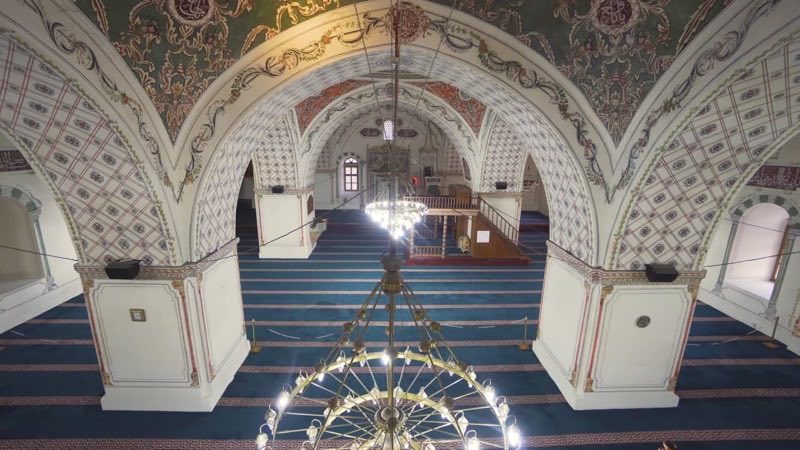
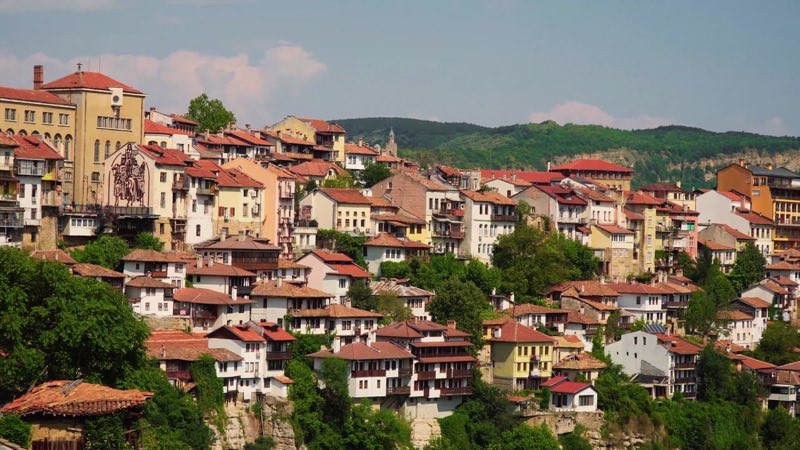
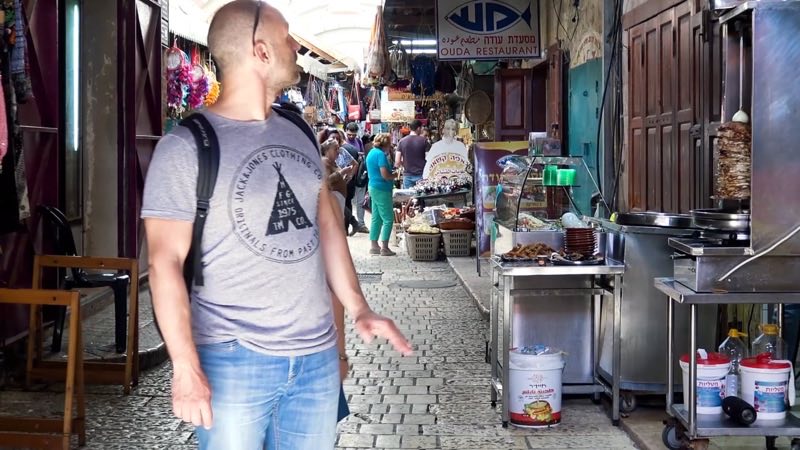
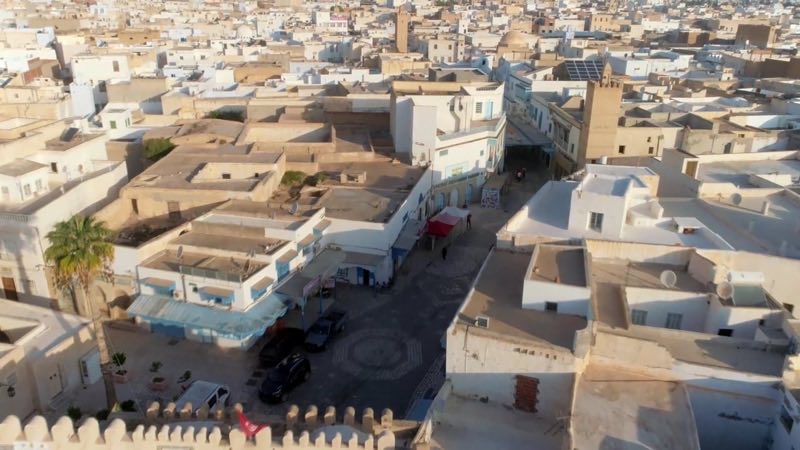
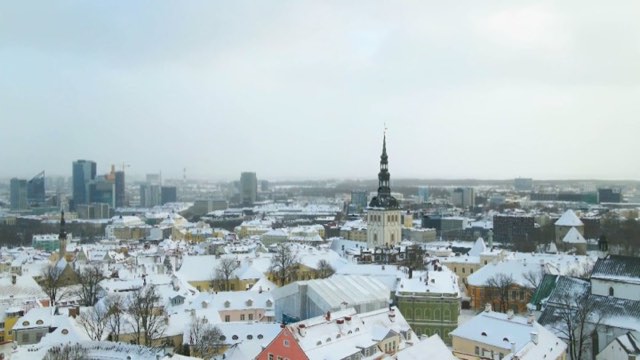
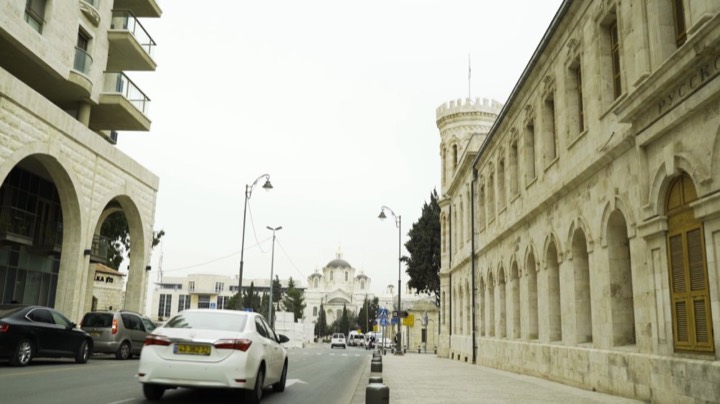
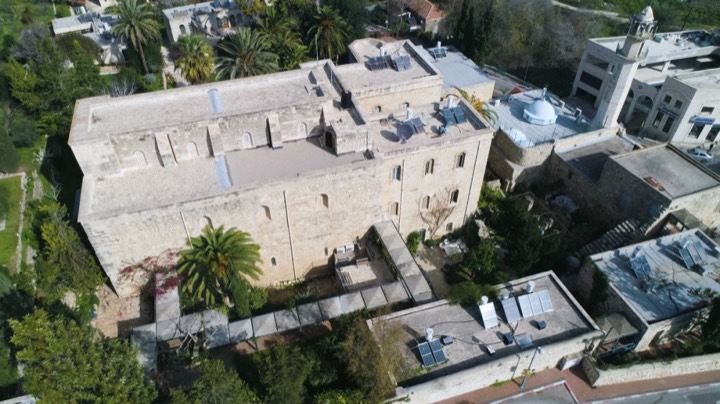
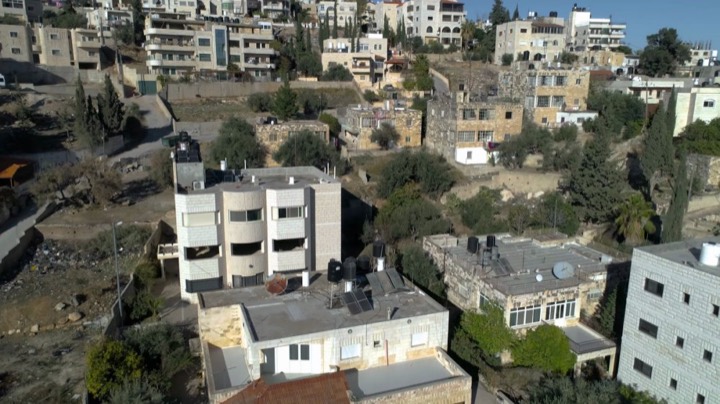
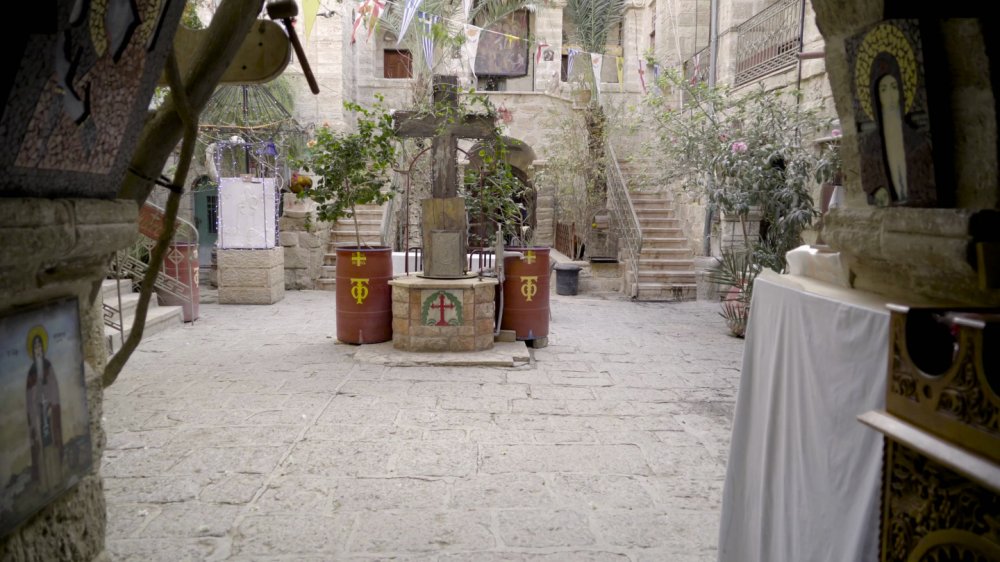
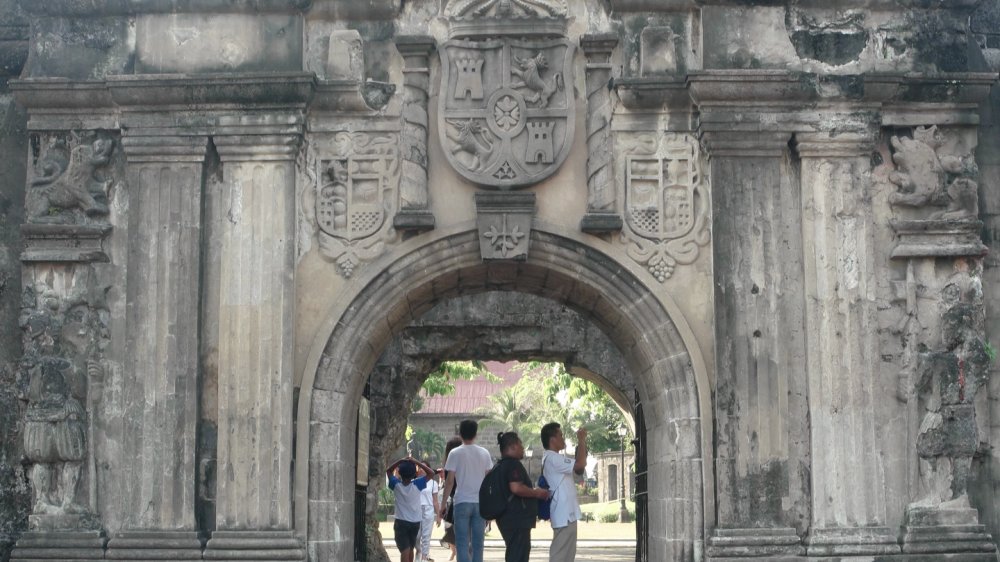
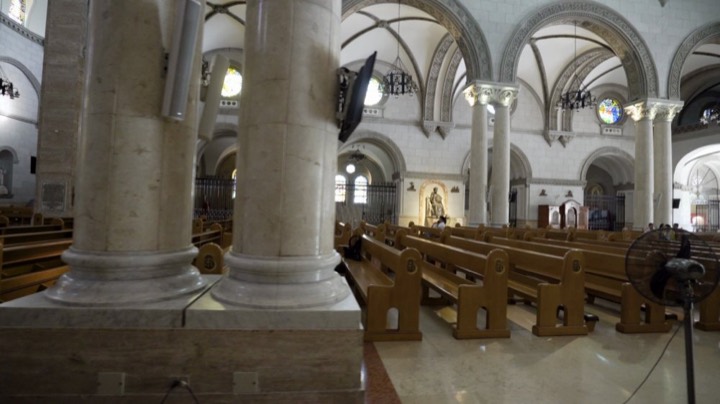
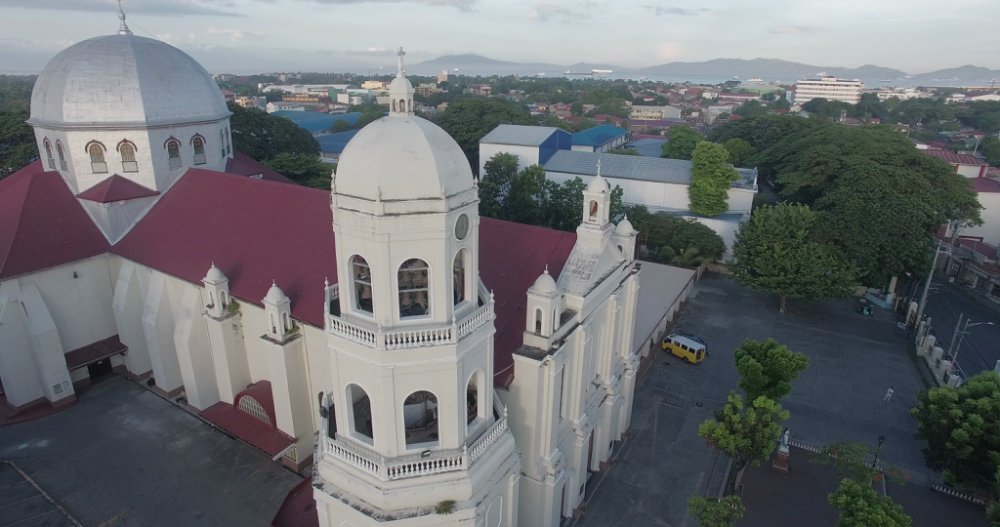
Beyond its skyline of soaring skyscrapers lies a very different side of Dubai. This film traces the city's origins through its historic district, wandering past Middle Eastern markets, traditional courtyard houses and the narrow lanes of the old town where the emirate's story began. The quarter grew up along the banks of Dubai Creek, the tidal inlet that made the settlement a trading port between Arabia, Persia and India long before oil. Its houses, built of coral stone and gypsum, are crowned by wind towers that channel the breeze downward for natural cooling, while the souks still deal in gold and spices and wooden abras ferry passengers from bank to bank. Al Fahidi Fort, the oldest surviving building in the city, anchors the district.
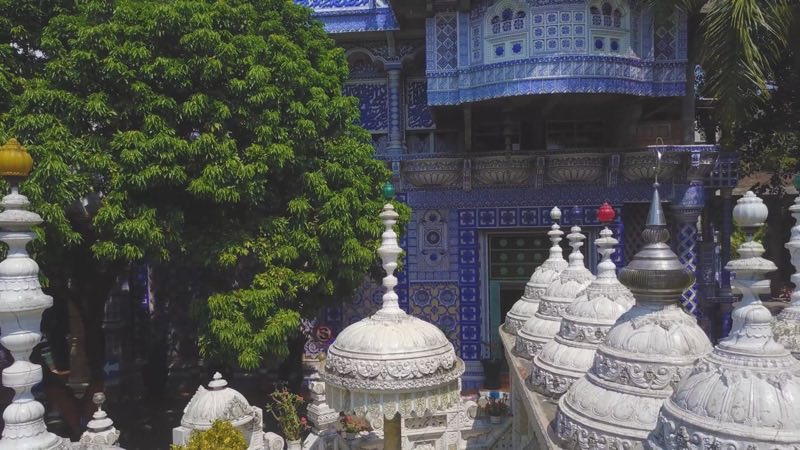
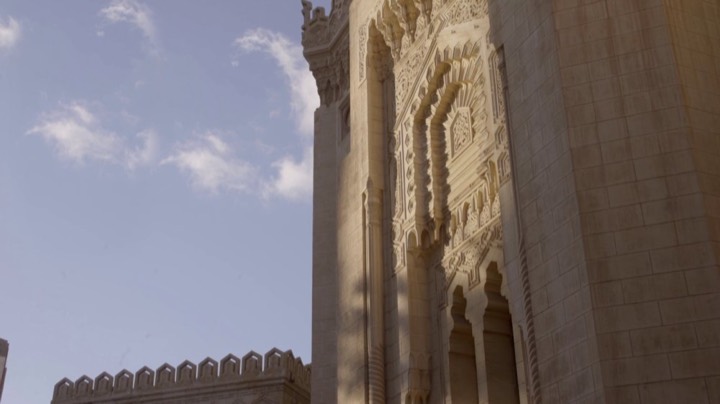
Sheikh Zayed bin Sultan Al Nahyan envisioned a grand mosque for Abu Dhabi, his capital, meant to stand as a national symbol and a lasting testament to Islam's tolerance and openness to the world. Though he did not live to see it finished, his son and successor, Khalifa bin Zayed Al Nahyan, completed the project and named it in his father's honor. Opened in 2007, it is among the largest mosques in the world and among the few open to non-Muslim visitors. Its design draws deliberately on Mughal, Moorish and Ottoman traditions: white marble cladding inlaid with floral motifs in colored stone, a crowd of domes, arcades whose columns are set in reflecting pools, and a prayer hall laid with an immense hand-knotted carpet. Sheikh Zayed is buried in the adjoining courtyard.
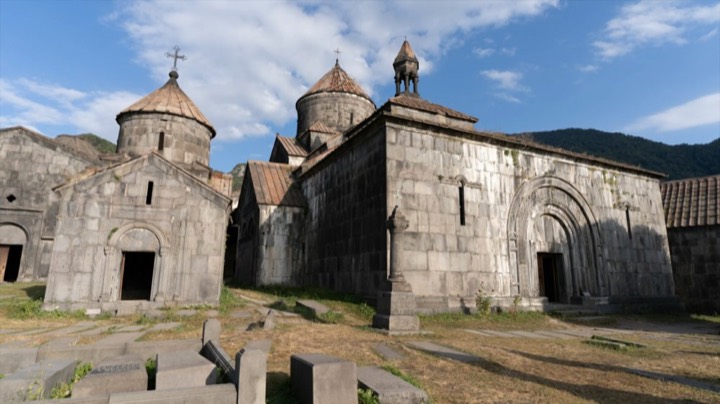
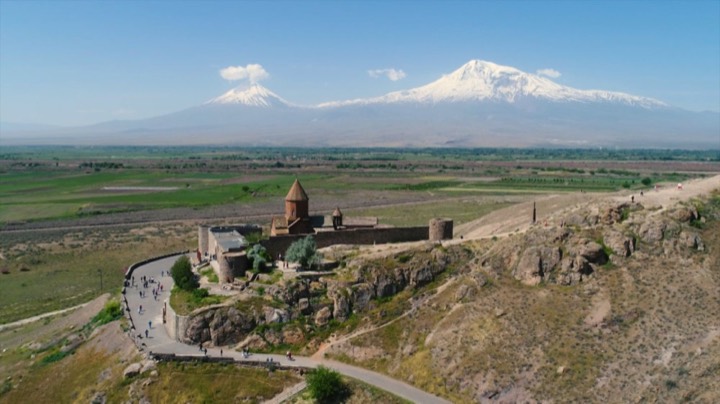
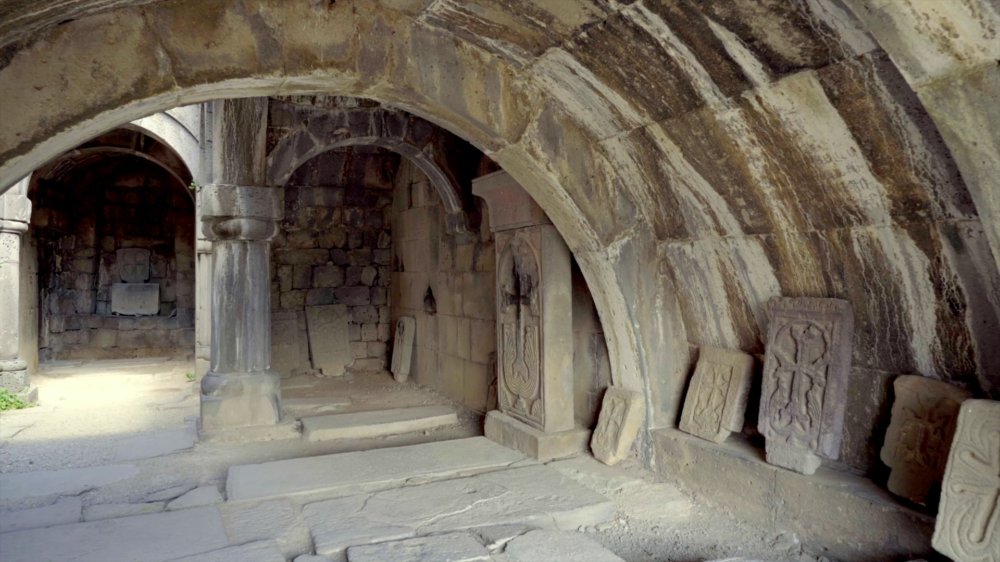
Partially carved out of the mountain rock itself, the medieval Geghard Monastery is a UNESCO World Heritage site nestled within Armenia's lush Kotayk province, its cave-hewn chapels standing as a remarkable feat of engineering and faith. The inscription covers the monastery together with the upper Azat valley whose cliffs enclose it. Its full name, Geghardavank, means monastery of the spear, after the relic of the Holy Lance long kept here. Tradition places the site's foundation at a sacred spring inside a cave; the main church was built in the early 13th century, and the chambers beyond it were cut directly into the rock face by carving downward from above, complete with columns, vaults and khachkars. The interiors are renowned for their acoustics.
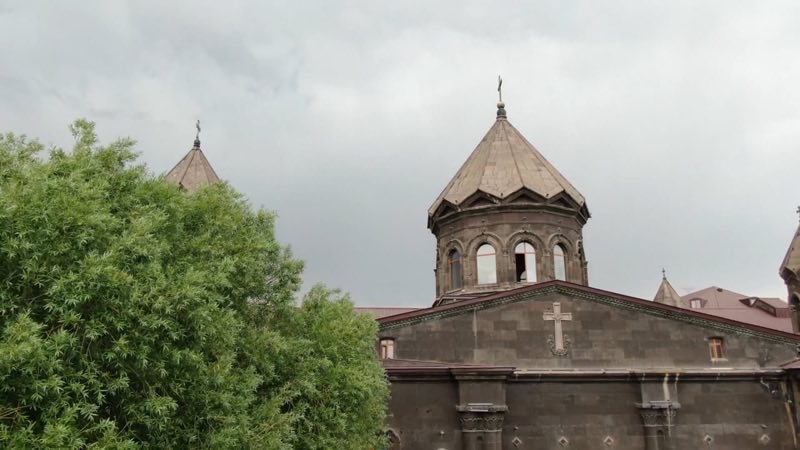
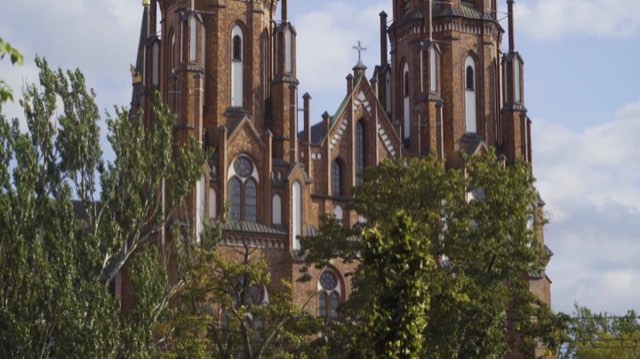
In Gyumri, Armenia's second-largest city and administrative center of the Shirak province, stands a striking 19th-century cathedral dedicated to the Holy Mother of God, better known by its affectionate nicknames: Yot Verk, or the Seven Wounds Church. The name refers to an icon of the Virgin pierced by seven sorrows, long venerated here. The building belongs to Gyumri's remarkable 19th-century townscape, raised in the local black and orange tufa by masons who gave the city its distinctive urban character under Russian imperial rule. Like much of central Gyumri it was badly damaged by the 1988 earthquake that devastated the region, and its restoration has been part of the city's long recovery.
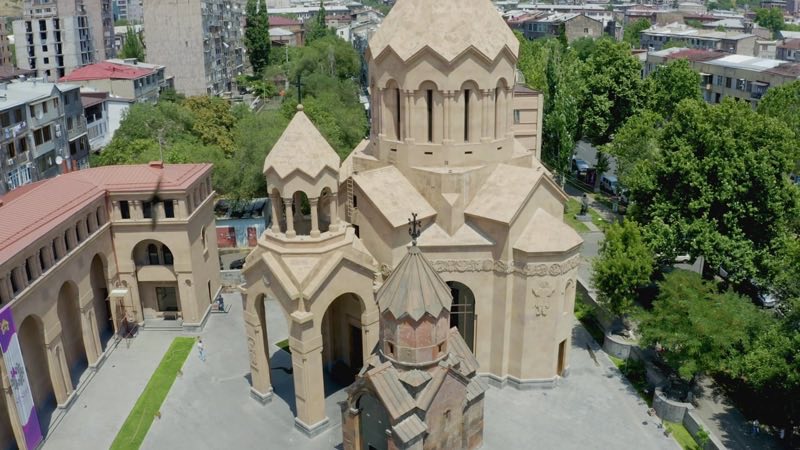
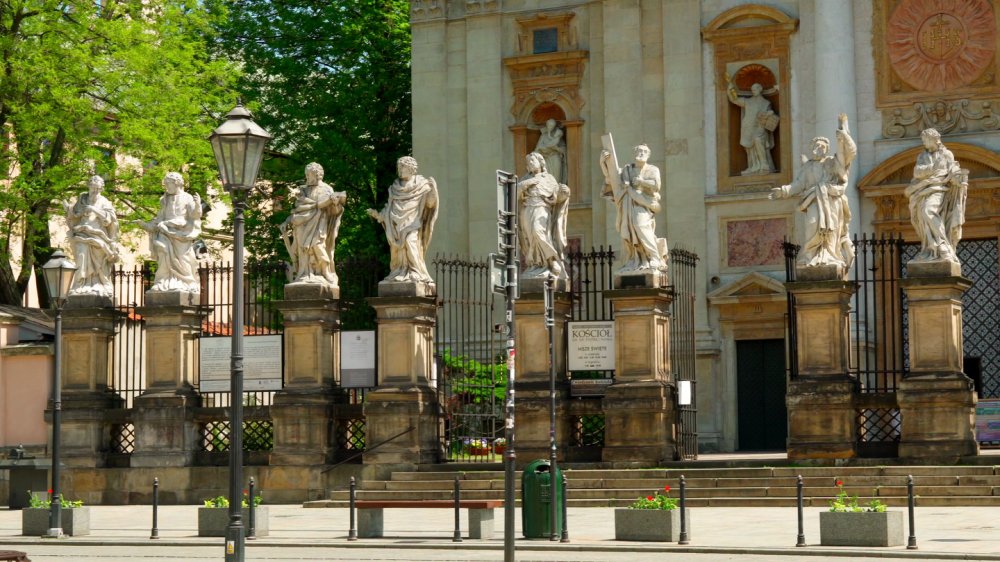
At the intersection of Abovyan and Sayat-Nova streets in the heart of Yerevan stand two churches forming a unique religious ensemble: the Church of the Holy Mother of God Katoghike and the Church of St Anne, both central to the Armenian capital's spiritual life. The smaller of the two is the older survivor of a much larger church demolished in the 1930s; when the walls came down, a compact medieval chapel was found embedded inside them, and public pressure saved it. Barely larger than a room, it is the oldest standing church in the city. The neighboring St Anne, completed far more recently in a traditional Armenian idiom, was built to give the site a full-scale church again and adjoins the residence of the Catholicos in Yerevan.
Few cities carry a history as layered as Plovdiv's. Its hilltop landscape bears the imprint of the ancient Thracians, Greeks, Persians, Romans, the Bulgarian Empire, the Ottomans and even Tsarist Russia, making it one of the oldest continuously inhabited cities in Europe. Known as Philippopolis in antiquity, it preserves that sequence in visible form: a Roman theater still in use for performances, a stadium buried beneath the main shopping street, Ottoman mosques and baths, and the painted timber mansions of the National Revival climbing the cobbled lanes of the Old Town. Below them, the Kapana district of former craft workshops has become the city's creative quarter, a shift confirmed when Plovdiv served as European Capital of Culture in 2019.
Built in the 13th century, the fortress on Trapezitsa Hill once housed the main church buildings of the capital of the Second Bulgarian Kingdom, including the Patriarchate and the Patriarch's residence. Its towering walls once rose dramatically atop the site's steep rocky slopes. The hill stands within a loop of the Yantra at Veliko Tarnovo, facing the larger royal citadel of Tsarevets across the river, the two together forming the fortified core of the medieval capital. Trapezitsa was the aristocratic and clerical quarter: excavation has traced the foundations of some twenty churches within its walls, many of them once painted, along with houses of the boyar families. Long ruined, the site has been progressively excavated and partly reconstructed.
Santo Antônio de Lisboa, Santa Catarina Island, Brazil
The legacy of Portuguese and Azorean settlers runs deep on Santa Catarina Island, shaping the architecture, cuisine and cultural and religious traditions of Floripa, as locals affectionately call the city. Santo Antônio de Lisboa, one of the island's oldest parishes, welcomed its first inhabitants in the 17th century. The village sits on the sheltered north-western shore, facing the mainland across a bay whose calm water made it a natural landing place and now supports the oyster beds that supply its restaurants. Its lanes are lined with low colonial houses, whitewashed and trimmed in blue, gathered around the parish church of Nossa Senhora das Necessidades on a rise above the waterfront. The bay is known for its sunsets.
Belarus's gateway to Western Europe, the city of Brest is home to one of the great Slavic heritage sites: the Brest Fortress. Widely regarded as the grandest and most visually striking memorial complex anywhere in the former Soviet Union, it stands as a powerful symbol of the region's history. The fortress was built in the 19th century at the confluence of the Bug and Mukhavets rivers as a bastion of the Russian Empire's western frontier, its citadel ringed by earthworks and water. Its place in memory was fixed in June 1941, when the garrison held out against the German invasion far longer than expected. The site was given the title of Hero Fortress and laid out as a memorial around colossal concrete sculptures and the shell-scarred ruins.
On the banks of the Neman River, the historic city of Grodno in Belarus has witnessed a turbulent and eventful past, leaving behind a rich heritage of culture, commerce, architecture and conflict that continues to define the city today. Long a frontier town of the Grand Duchy of Lithuania and later of the Polish-Lithuanian Commonwealth, it served as a royal residence and hosted sessions of the Commonwealth's parliament. Two castles stand side by side above the river: the Old Castle, rebuilt as a Renaissance residence for King Stefan Batory, and the Baroque New Castle beside it. Below them the streets keep an unusually intact prewar fabric, with a Jesuit cathedral, a synagogue and merchant houses around the market square.
The picturesque city of Lida in Belarus carries a compelling history, having emerged in the 13th century as a fortified settlement. Over the centuries that followed, from the 18th to the 20th century, it passed through the hands of various powers, including Poland and Russia, enriching its historical legacy. Its castle was raised by the grand dukes of Lithuania in the 14th century as one of a chain of strongholds built to hold off the Teutonic Knights, and it belongs to a distinctive regional type: a simple quadrangle of high stone and brick curtain walls, without a keep, with towers at opposing corners and a single gate. Besieged repeatedly over the following centuries, it fell into ruin and has since been substantially rebuilt.
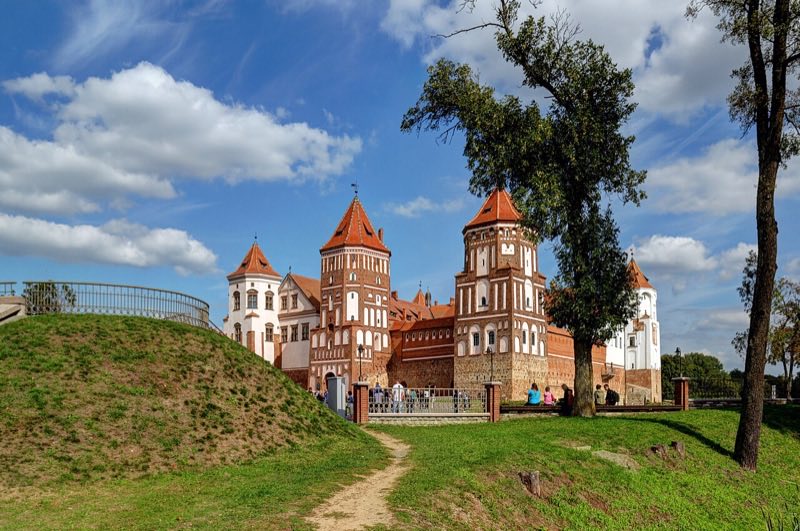
At the heart of its namesake town, Mir Castle stands as one of the earliest and most essential surviving monuments in the region, its centuries-old walls reflected magnificently in an adjoining pond like something from a fairy tale. Its name, meaning "peace", reflects its historic role as a site for signing treaties meant to bring harmony to the region. Begun in the early 16th century by the Ilinich family and completed by the Radziwills, the castle is a UNESCO World Heritage site valued precisely for its hybrid character: a Gothic fortified quadrangle with tall corner towers and decorative brickwork, extended by a Renaissance palace range and later Baroque work. Beyond the walls lie a landscape park and the domed chapel-mausoleum of its owners.
Sacred Sites, World Heritage, History, Architecture,Belarus
Church of the Nativity of the Virgin, Belarus
In the quiet village of Murovanka, in Belarus's Shchuchyn District, stands the fortified Church of the Nativity of the Blessed Virgin Mary, a rare and striking example of early 16th-century defensive religious architecture. Churches of this kind were built along the eastern marches of the Grand Duchy of Lithuania to serve as strongholds as well as places of worship, and the type has almost entirely disappeared. Here the plan is a compact rectangle with a massive round tower at each of the four corners, thick walls pierced by loopholes, and a defensive gallery under the roof, all executed in brick with the arched niches and stepped gables of the Gothic tradition. The building is commonly known simply as the Murovanka church.
Among Belarus's most spectacular structures, Nesvizh Castle stands as a magnificent palace within the Niasviž Estate, ranking among the country's most famous and exquisite historic landmarks. It was the seat of the Radziwills, the most powerful magnate family of the Polish-Lithuanian Commonwealth, who rebuilt an earlier fortress into a residence from the end of the 16th century and went on extending it for three hundred years. The result, inscribed on the UNESCO World Heritage List, is a courtyard palace whose ranges combine Renaissance, Baroque and later work behind earth bastions and a moat, set in a landscape park of lakes and avenues. In the town below, the family's Corpus Christi Church holds their dynastic crypt.
In the small settlement of Ruzhany, in Belarus's Pruzhany district, stands an architectural monument of the Sapieha dynasty: Ruzhany Palace. Nicknamed the "Belarusian Versailles", it blends Baroque and classicist styles into one striking design. The Sapiehas were among the greatest magnate families of the Polish-Lithuanian Commonwealth, and Ruzhany was their principal residence, a place where state business and diplomacy were conducted as much as a country seat; the complex included a theater alongside the state apartments. Its signature element is the monumental entrance gate flanked by curving colonnaded arcades that sweep out to enclose the forecourt. Ruined by war and neglect, the gateway and side wings have since been restored.
In Grodno, one of Belarus's most beautiful cities, stands a unique example of Eastern Orthodox architecture and a hallmark of the Grodno School: the Church of Saints Boris and Gleb, a cherished piece of the country's historical and architectural heritage. Also known as the Kalozha church, it dates from the 12th century and is among the oldest surviving buildings in the country. Its walls are the school's signature: brickwork inset with polished field boulders and glazed majolica tiles arranged in crosses, with ceramic acoustic vessels built into the masonry to lighten the vaults and carry sound. Perched on a bluff above the Neman, it lost part of its south wall to a landslide in the 19th century, and the scar is still visible.
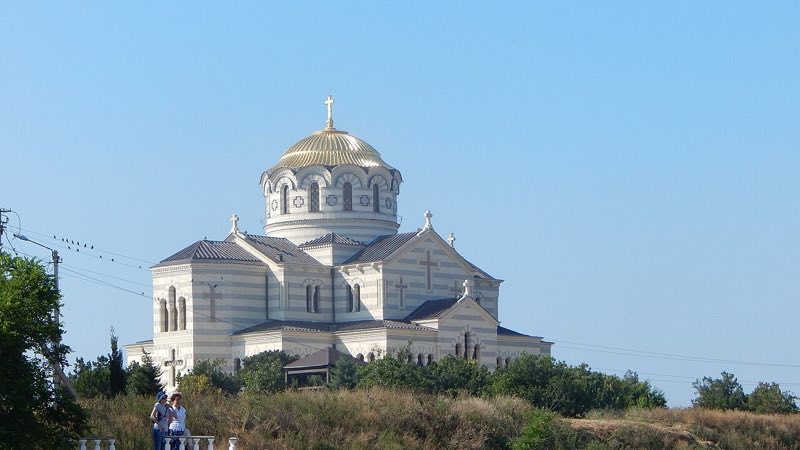
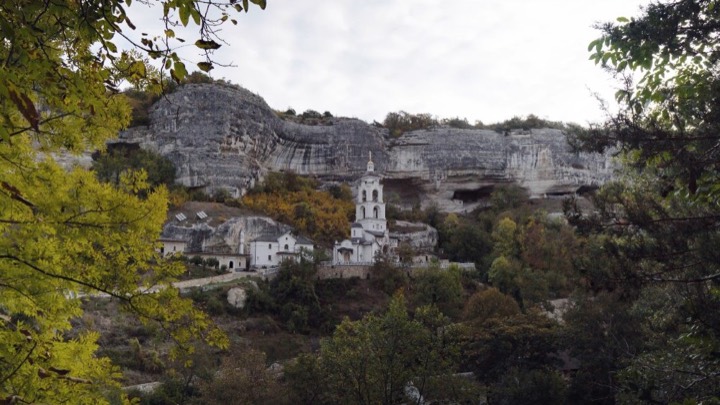
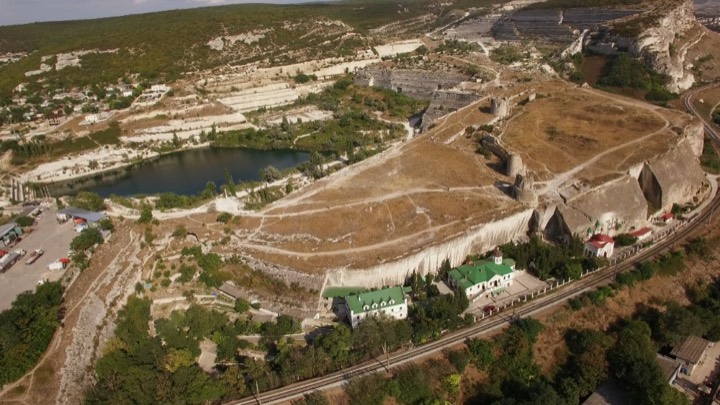
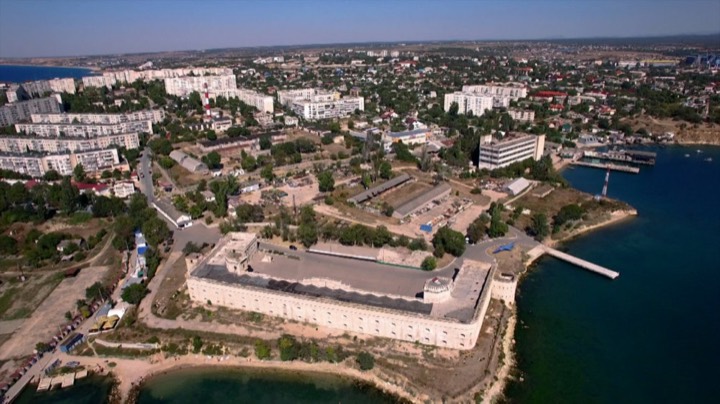
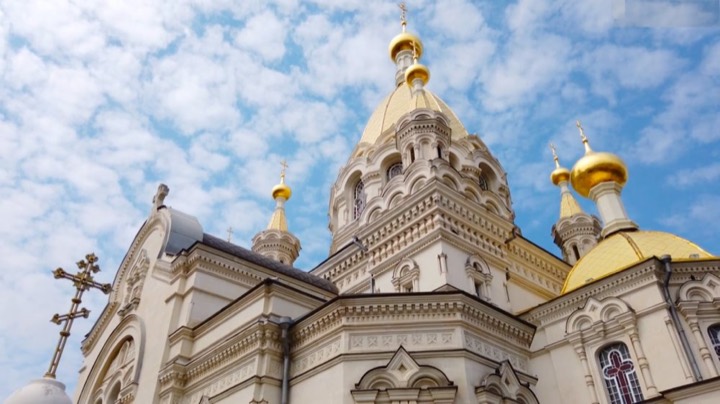
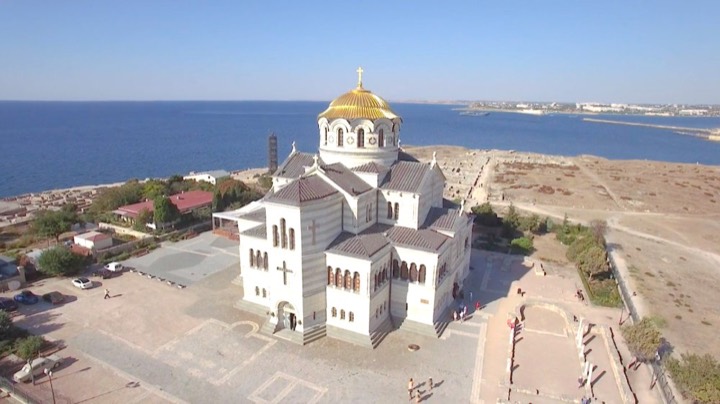
Sevastopol, Crimea's largest city and a major Black Sea port, traces its roots to the 6th century BC, when Greek settlers founded the city of Chersonesus, a settlement that endured for nearly two millennia and later became part of the Bosporan Kingdom. On the site of ancient Chersonesus Taurica now stands St. Vladimir's Cathedral, also known as the Chersonesus Cathedral. Built in the Neo-Byzantine manner favored by nineteenth-century Russian church architecture, it commemorates the baptism of Prince Vladimir, an event traditionally placed at Chersonesus and central to the Christianization of the Eastern Slavs. Heavily damaged in the twentieth century and since restored, the cathedral rises directly above the excavated Greek and Byzantine ruins, so that archaeological site and working church share a single horizon.
Set in a picturesque corner of Crimea's Black Sea coast, the Genoese fortress at Sudak ranks among the largest medieval fortifications in the region. Perched on a cone-shaped mountain, it offers sweeping views of the sea, framed by the Meganom and Ai-Foka capes, and the Sudak Valley stretching for more than eight kilometers. The stronghold was raised by Genoa in the fourteenth and fifteenth centuries, when the port, then called Soldaia, was a link in the trade routes carrying goods between the Black Sea and the Mediterranean. Two lines of walls climb the ridge, punctuated by towers named after the consuls who commissioned them, and rising to the citadel and watchtower on the summit above the harbor.
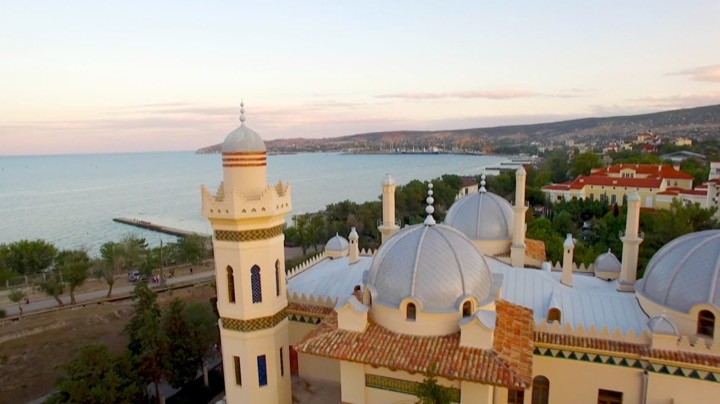
Yevpatoria, one of Ukraine's oldest and most beautiful cities, traces its roots from Greek settlement through Russian rule, and is renowned for its architectural and historic landmarks. Among them stands a rare gateway to the past: the Dervish Tekie, the only medieval Muslim monastery to survive in Europe. A tekke was the lodge of a Sufi brotherhood, a place of residence, teaching and ritual rather than a mosque in the ordinary sense, and this one preserves the characteristic form of the type: a plain cubic prayer hall crowned by a dome, ringed by the small cells in which the dervishes lived. Adjoining structures, including a mosque and minaret, complete a complex of the Ottoman period that has no comparable survivor on the continent.
Sacred Sites, World Heritage, Architecture, CultureCrimean Peninsula
The Khan's Palace, Crimea
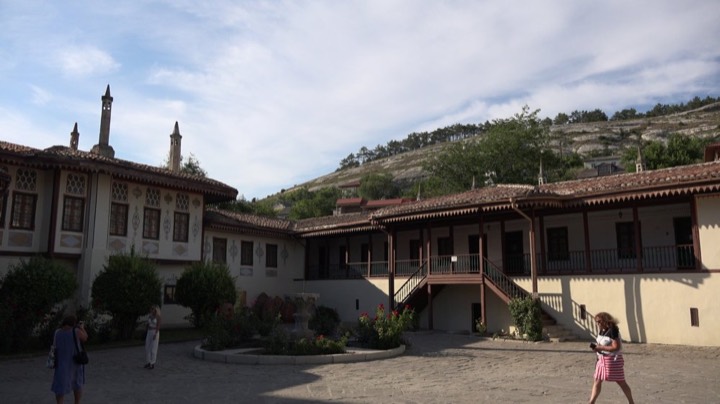
In the heart of Crimea, the long-lived Crimean Khanate left behind one of its most enduring landmarks: the Khan's Palace in Bakhchysarai, once the political, spiritual, and cultural center of the Crimean Tatars. Raised in the 16th century, it served as the seat of the Giray dynasty. The complex is the only surviving example of Crimean Tatar palace architecture, an assembly of courtyards, gardens and pavilions rather than a single monumental block. Painted interiors, carved and coffered wooden ceilings, stained glass and fountains set the tone, and the ensemble includes the Great Khan Mosque, the harem quarters, the Falcon Tower and the cemetery where the khans are buried, alongside the celebrated Fountain of Tears.
Sacred Sites, World Heritage, History, Architecture, CultureChina
Temple of Heaven, China
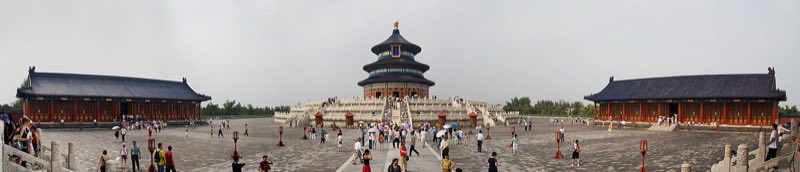
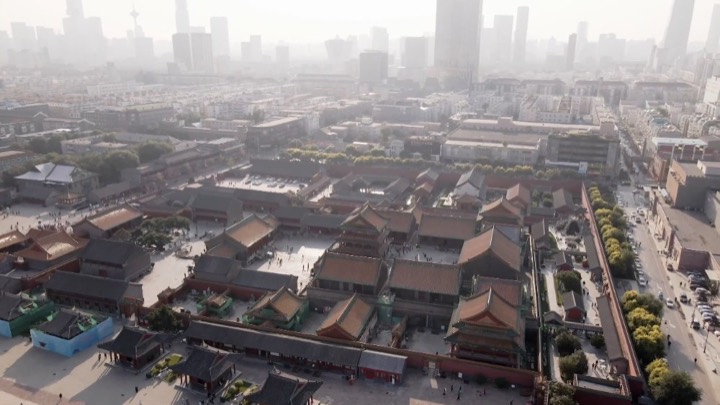
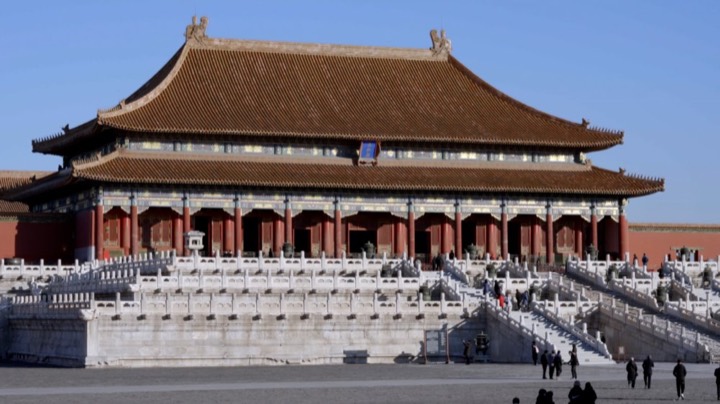
In the heart of Beijing, the Temple of Heaven stands as a symbol of harmony between heaven and earth. This exploration traces its history, architecture, and imperial rituals, revealing the full majesty and symbolic precision of one of China's most iconic sites. Founded under the Ming dynasty and used by Ming and Qing emperors, the complex was the setting for the annual sacrifices and prayers for good harvests on which the legitimacy of the throne partly rested. Its plan encodes cosmology throughout: round forms for heaven set against square enclosures for earth, and a raised processional way linking the marble Circular Mound Altar to the triple-roofed timber Hall of Prayer for Good Harvests. The site was inscribed on the UNESCO World Heritage List in 1998.
World Heritage, History, Architecture, CultureChina
The Summer Palace, China
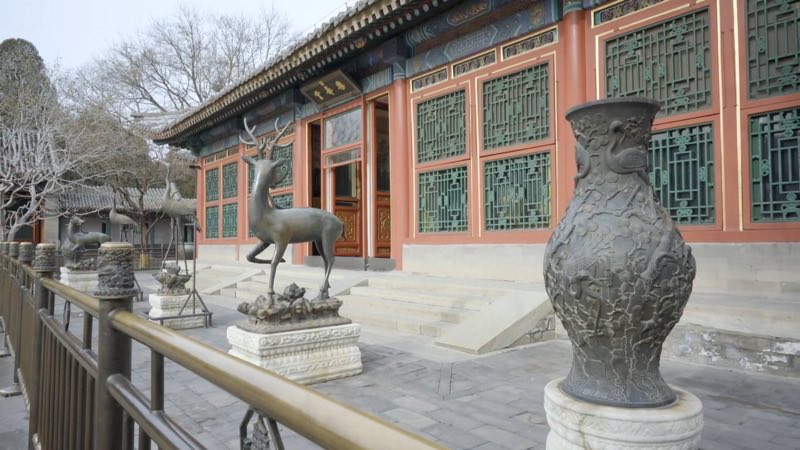
Located in Beijing, the Summer Palace stands as a masterpiece of Chinese imperial landscape design. This exploration of its palaces, gardens, and lakes reveals the history, artistry, and symbolism behind a cherished former royal retreat. The composition turns on the relationship between Longevity Hill and the broad expanse of Kunming Lake, with temples and pavilions terraced up the slope and causeways and bridges dividing the water, a landscape shaped to quote the celebrated scenery of southern China. Along the shore runs the painted Long Corridor, and beside it the marble boat that became one of the palace's emblems. Rebuilt in the later nineteenth century after wartime destruction, the ensemble was inscribed on the UNESCO World Heritage List in 1998.
The Iglesia del Carmen is a striking example of neo-Gothic religious architecture in Colombia. This portrait follows the church through its history, its artistic detail and its continuing spiritual life, examining how a nineteenth-century revival idiom was adopted and adapted by Colombian builders and craftsmen. Pointed arches, ribbed vaulting, slender towers and worked interior surfaces give the building its character, and the sustained quality of that workmanship is what has secured its standing among the country's most distinctive churches. Beyond the architecture, the programme considers the congregation that has kept the building in use and the place it holds in the cultural heritage of its city.
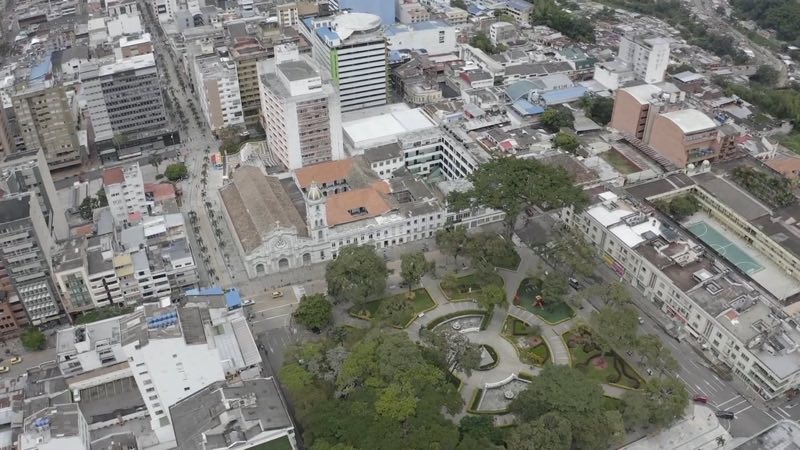
Ibagué, capital of Colombia's Tolima department, was founded in 1550 by the Spanish captain Andrés López de Galarza and ranks among South America's oldest cities. At its center stands the Cathedral of Ibagué, also known as the Cathedral Primada Inmaculada Concepción de Ibagué, one of the city's most important historic monuments. The city lies in the Central Andes, in the shadow of the snow-capped volcanic peaks of the Nevado del Tolima and the Los Nevados range, on the historic route between Bogotá and the Cauca valley. It is known throughout the country as Colombia's musical capital, home to a long-established conservatory and to a national folk music festival that fills its streets and squares each year.
World Heritage, History, Architecture, CultureColombia
Walled City Cartagena, Old Cartagena, Colombia
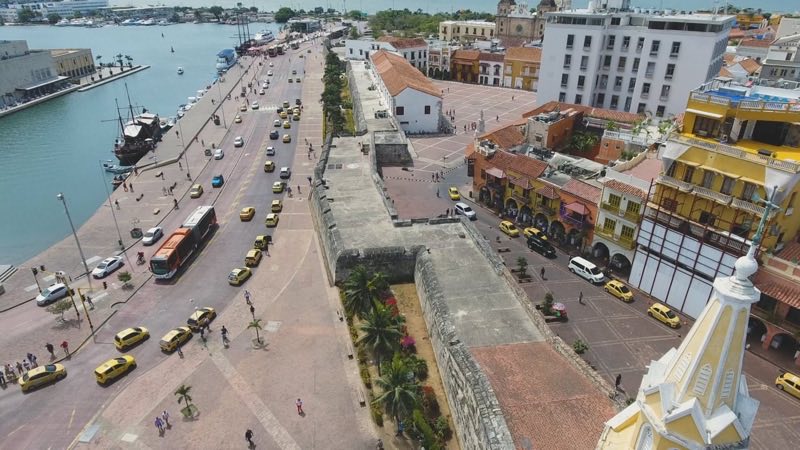
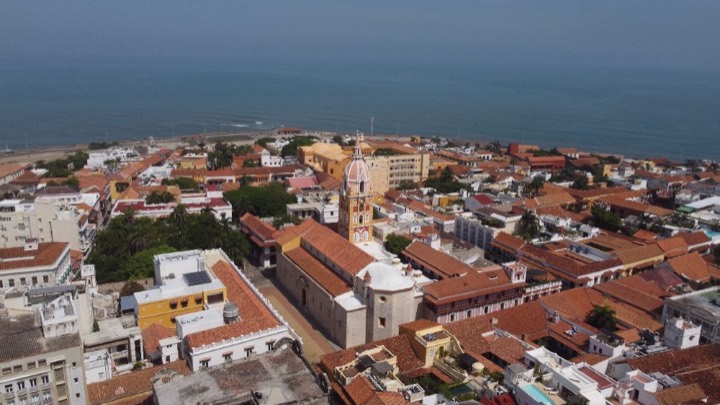
A walk through the narrow streets and grand colonial halls of the Walled City of Cartagena de Indias reveals some of Colombia's oldest and most significant historic buildings, preserved within its centuries-old fortifications. The ramparts that give the quarter its name were begun after the sacking of the port in the sixteenth century and took generations of military engineers to complete, enclosing the old town in a continuous circuit of stone walls, bastions and gates. Within them the plan survives largely intact: shaded plazas, balconied houses in coral stone and lime render, convents, and the arcaded gateway beneath the clock tower that remains the main entrance. The ensemble was inscribed on the UNESCO World Heritage List in 1984.
Known as the Queen of the Caribbean Sea, the historic city of Cartagena is home to the San Felipe de Barajas Castle, a World Heritage site and an outstanding example of 16th-, 17th-, and 18th-century military architecture, among the most extensive and complete fortifications built in the New World. Raised on the hill of San Lázaro, commanding both the landward approaches and the bay, it was begun in the seventeenth century and greatly enlarged in the eighteenth into a stepped mass of batteries and sloping ramparts, honeycombed by a network of tunnels and mines. It was the pivot of the defense that repelled the massive British assault on Cartagena in 1741, one of the decisive sieges of the colonial Caribbean.
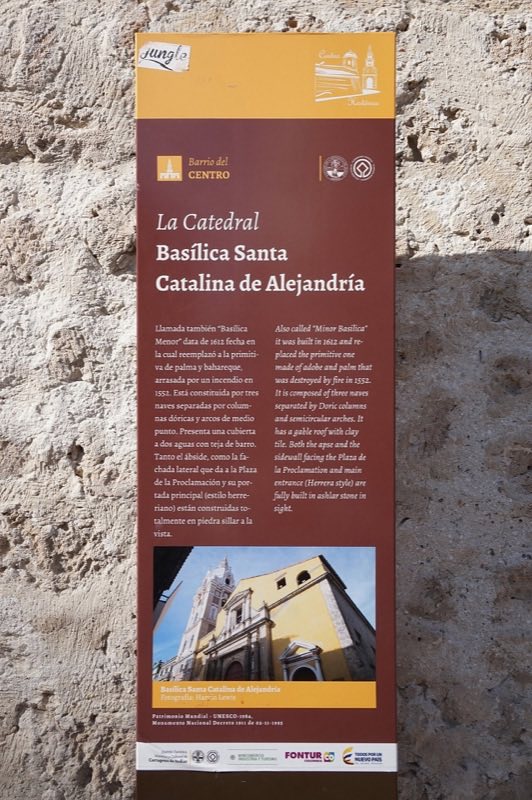
Officially dedicated to Saint Catherine of Alexandria, Cartagena Cathedral ranks among the oldest cathedrals in South America. Its colonial architecture and religious heritage speak to the central role it has played throughout the historical life of Cartagena. Begun in the later sixteenth century, the building was damaged while still unfinished during an English assault on the port and was only completed in the following century, a history written into its heavy coral-stone walls. A tiled dome and a tower crowned in the nineteenth century rise above the surrounding rooftops of the walled city, and the wide three-aisled interior, carried on stout columns, retains gilded altarpieces and the plain dignity of early colonial building.
The San Pedro Claver Church stands as a powerful symbol of faith and human dignity in Cartagena. Tracing the legacy of Saint Peter Claver, this exploration highlights its baroque architecture and the church's profound moral and cultural significance. Built by the Jesuits within the walled city, the church and its adjoining cloister were the base from which the Catalan priest ministered for decades to the Africans landed in chains at the port, work for which he was later canonized and named patron of enslaved people. His remains lie beneath the high altar. The stone façade, the cool arcaded courtyard and the museum installed in the former convent make the complex one of the most visited monuments of the old town.
World Heritage, History, Architecture, CultureColombia
Walled City Cartagena, Old Cartagena, Colombia
The Walled City of Cartagena is a UNESCO-listed historic center encircled by massive stone fortifications. Its streets, plazas, and colonial architecture reveal how this fortified city shaped Cartagena's history and identity over the centuries. Inscribed on the World Heritage List in 1984, the circuit of walls, bastions and gates was raised over generations by Spanish military engineers to protect the empire's principal Caribbean port from the privateers and rival fleets drawn by its wealth. Behind them the colonial grid survives intact: churches and convents, merchants' houses with deep balconies and inner courtyards, and shaded squares that still order daily life in one of the best-preserved fortified towns of the Americas.
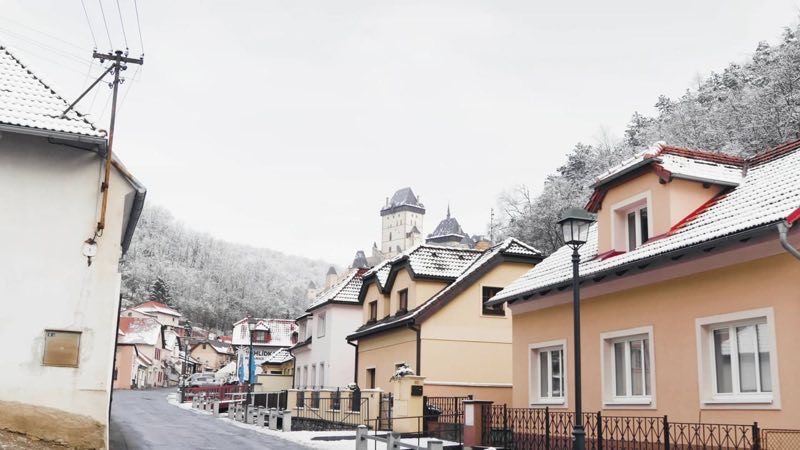
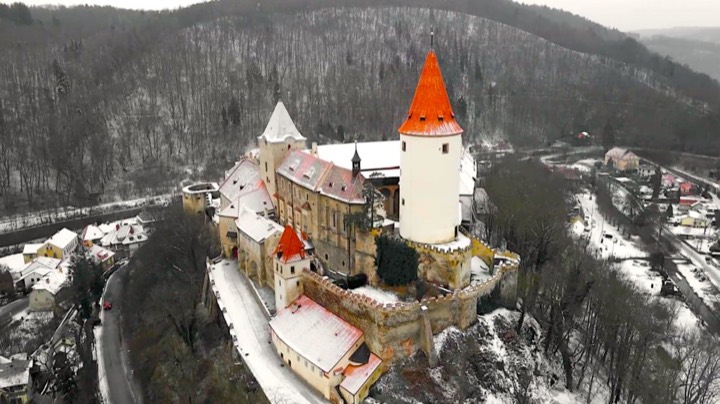
On an elevated ridge between the Berounka River and the Rakovnický stream stand the castles once home to Czech kings and princes, among them the striking Karlštejn Castle, a treasured piece of the country's royal heritage. Founded by Charles IV, king of Bohemia and Holy Roman Emperor, it was conceived less as a residence than as a strongroom for the imperial regalia and the emperor's collection of relics. The plan rises in stages up the rock to the Great Tower, whose Chapel of the Holy Cross housed those treasures behind gilded vaults, semi-precious stone inlay and rows of painted panels by Master Theodoric, in one of the most remarkable interiors of fourteenth-century Europe.
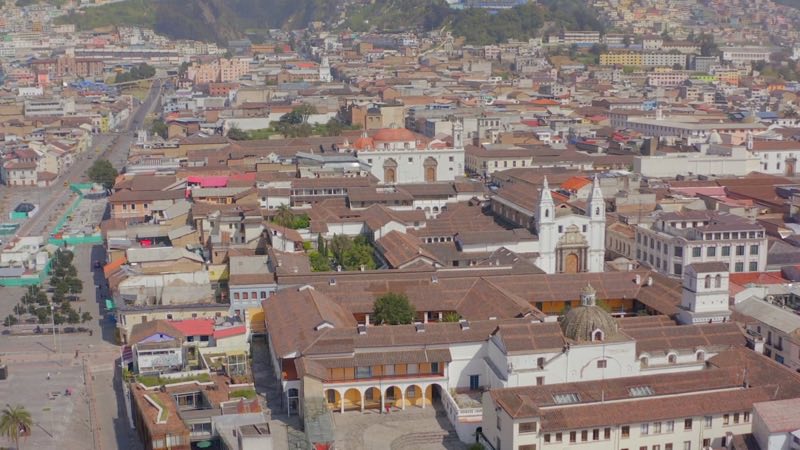
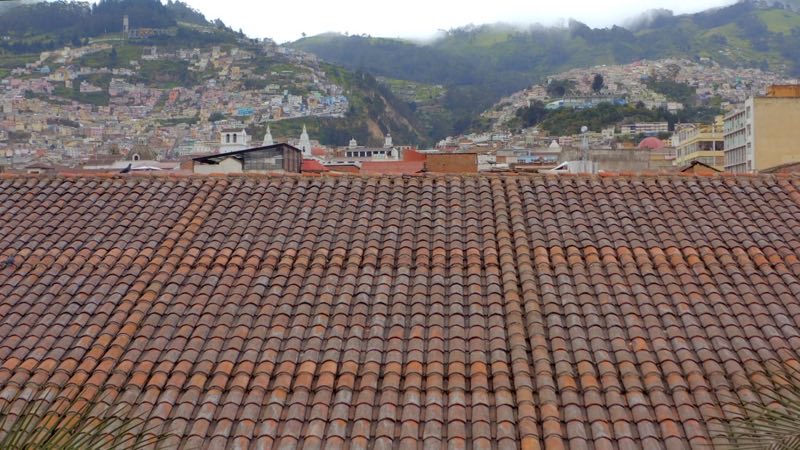
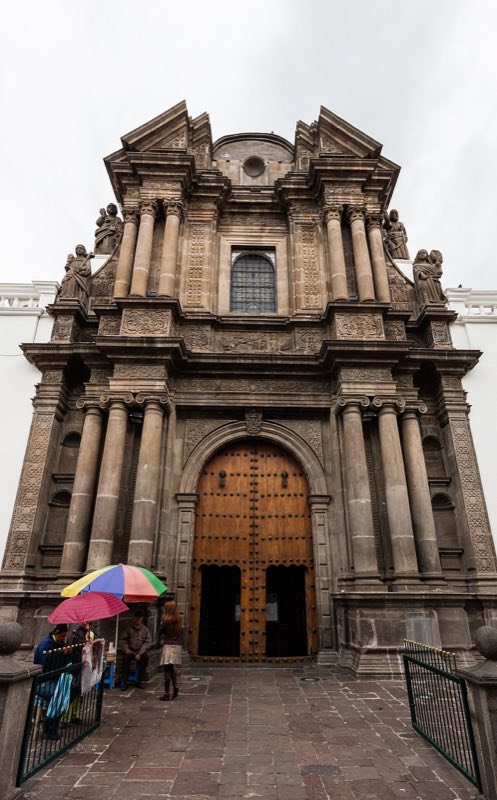
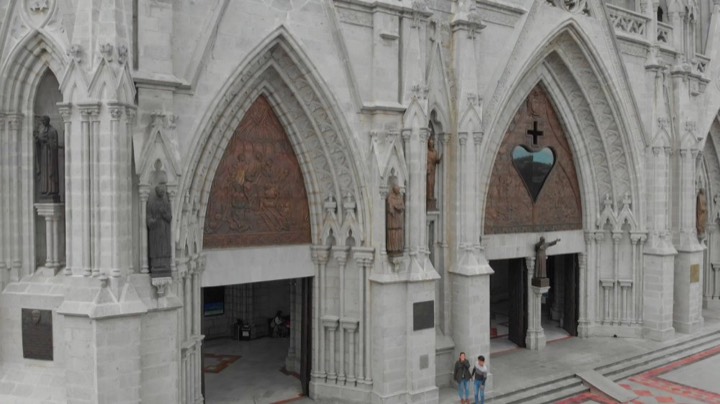
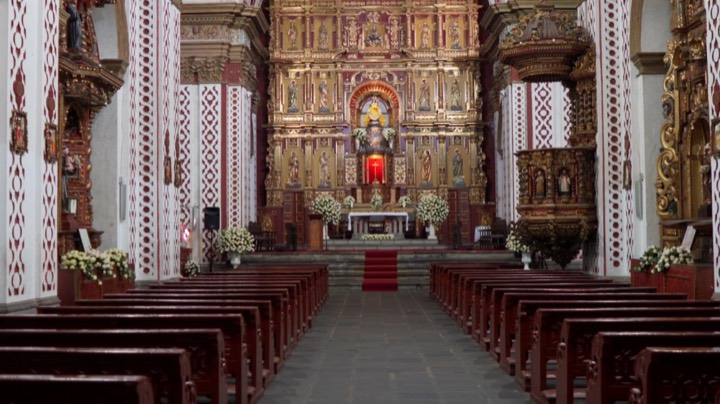
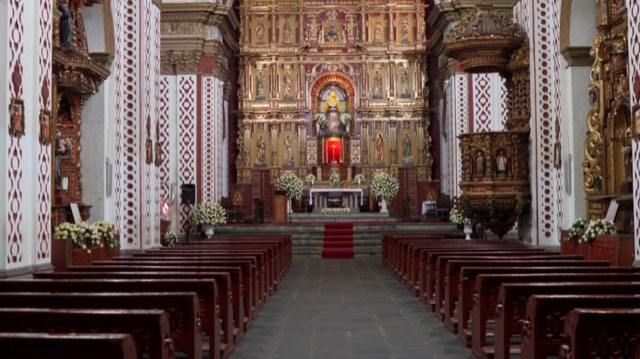
A fusion of Spanish, Italian, Moorish, and indigenous artistic traditions, the Santo Domingo Church in Quito, Ecuador, played a formative role in the emergence of the celebrated Quito School of art, and its architecture reflects the city's rich cultural blending. Built by the Dominican order in the colonial period, it stands on the plaza that carries its name at the southern edge of the historic center, its bell tower a fixed landmark on the skyline. Inside, a mudéjar coffered ceiling runs the length of the nave above gilded altarpieces, while the adjoining convent preserves cloisters and a collection of colonial painting and polychrome sculpture now shown as a museum.
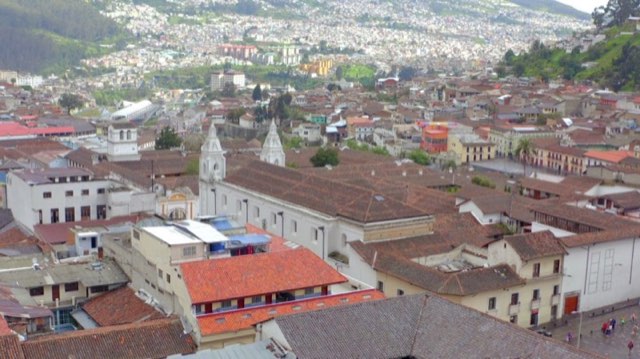
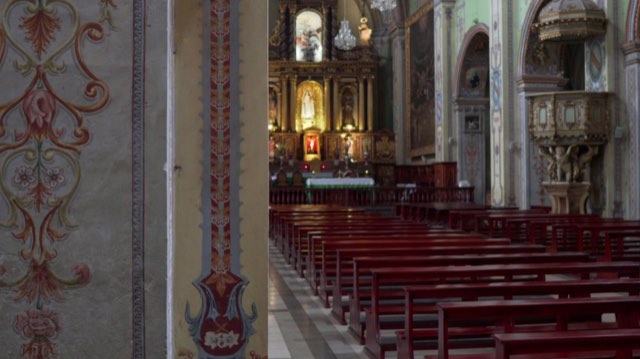
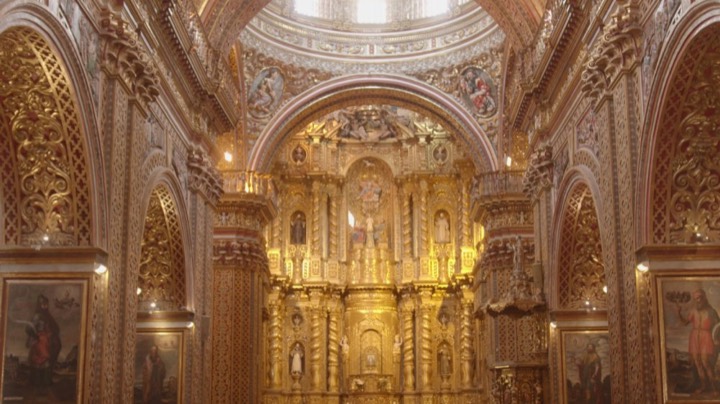
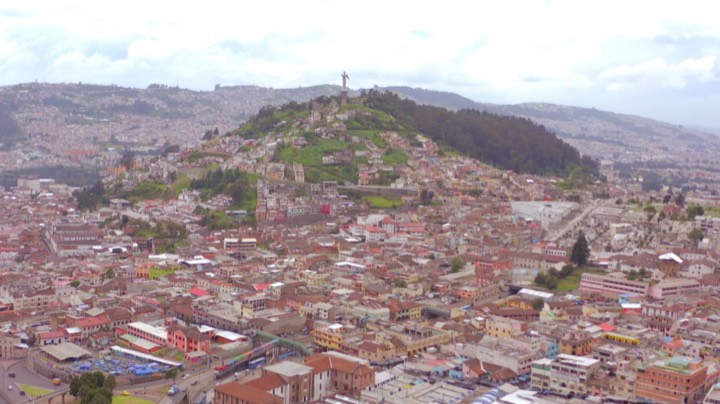
Located in the historic center of Quito, El Sagrario is a refined example of colonial religious architecture. Its baroque interiors and artistic details reflect the site's enduring role in the spiritual and cultural life of Ecuador's capital. Built in the seventeenth century beside the Metropolitan Cathedral, for which it long served as the parish sanctuary, the church presents a carved stone screen façade and a domed crossing covered in painted ornament. Inside, gilded woodwork, polychrome sculpture, and canvases produced by the Quito School illustrate the workshops that supplied churches across the Spanish colonial world. The building stands within Quito's historic center, inscribed on the UNESCO World Heritage List in 1978.
For anyone who has wondered whether Spain has castles of its own, the city of Villena offers a clear answer: the Atalaya Castle, a striking fortress that stands as proof of the country's rich medieval heritage. Set on a rocky outcrop above the town in the province of Alicante, the castle was raised under Muslim rule and later passed into Christian hands, a sequence still legible in its double curtain wall and in the vaulted chambers of its great keep, the Torre del Homenaje. From the battlements the view runs across the Vinalopó valley, a corridor of frontier strongholds that changed hands repeatedly during the long contest for the Iberian Peninsula. The castle is protected as a Spanish national monument and open to visitors.
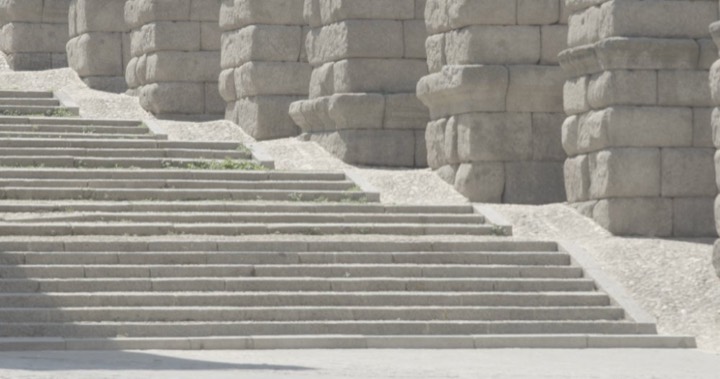
Home to one of Europe's best-preserved Roman aqueducts, Segovia's Old Town also boasts Romanesque churches, Renaissance mansions, Moorish city walls, and the last Gothic cathedral built in Spain—layers of history woven into a single UNESCO World Heritage city. The aqueduct's double tier of granite arches, laid without mortar, still strides across the Plaza del Azoguejo at the foot of the old town. Above the confluence of two rivers stands the Alcázar, the royal fortress whose silhouette of slate spires rises from a rocky spur, while the cathedral, begun in the sixteenth century, dominates the Plaza Mayor. The Old Town of Segovia and its Aqueduct were inscribed on the World Heritage List in 1985.
Set on the foothills of the Gombori Mountains and the Great Caucasus, Telavi is the main city and administrative center of Georgia's eastern Kakheti province. Rising in the vineyard-covered Alazani Valley at nearly 500 meters above sea level, its historic fortress and the Castle of Batoni crown a landscape prized for its fresh mountain air. Batonis Tsikhe, the residence of the kings of Kakheti, retains its walls and towers, a royal palace, a bathhouse, and two court churches within a single enclosure, and is associated above all with Erekle II, who ruled from here in the eighteenth century. The town serves as the working capital of Georgia's best-known wine region, and an ancient plane tree stands at its center.
Monastery of Saint Irene, Andros, Cyclades Island, Greece
Discover a Greek heritage in Andros: the Monastery of Saint Irene, the legacy of a philanthropist that glorifies the island's cultural heritage—both architectural and philosophical. It stands in the green interior of the northernmost Cycladic island, where springs and terraced valleys have long supported monastic settlement, and its whitewashed volumes, vaulted cells, and enclosed courtyard follow the compact, inward-facing plan common to Aegean monasteries. Andros owes many of its churches, schools, and public buildings to benefactors enriched by shipping, and the monastery belongs squarely to that tradition of endowment. Its chapel preserves icons and liturgical furnishings in a setting still tied to the rhythms of the surrounding countryside.
Discover Andros Town, capital of Andros Island, a city with centuries of history where monuments, churches, and ruins line the streets, bearing witness to a rich cultural heritage unlike that of any other Cycladic capital. Also called Chora, it occupies a narrow promontory between two bays, its marble-paved main street lined with neoclassical mansions raised by shipowning families rather than with the cubic houses typical of the islands. At the tip stand the remains of a Venetian castle, linked to the town by an arched stone bridge, while the Archaeological Museum and the Museum of Contemporary Art, both endowed by local benefactors, give the town a cultural standing rare for its size.
An elegant island symbolic of the Cyclades, Sifnos is a place of striking contrasts, where arid mountains meet lush green valleys and monasteries watch over sandy beaches below. Its wealth in antiquity came from gold and silver mines, which paid for the treasury the islanders built at Delphi, and its later renown rests on pottery and cooking: Sifnian potters supplied the Aegean with earthenware, and the island is regarded as a cradle of modern Greek gastronomy. Whitewashed villages such as Apollonia, Artemonas, and the cliff-top Kastro are linked by a network of old stone paths, and hundreds of chapels are scattered across the terraced hillsides, among them Chrysopigi on its rocky islet.
Monastery of Saint John the Theologian & Museum, Patmos Island, Greece, Part 1
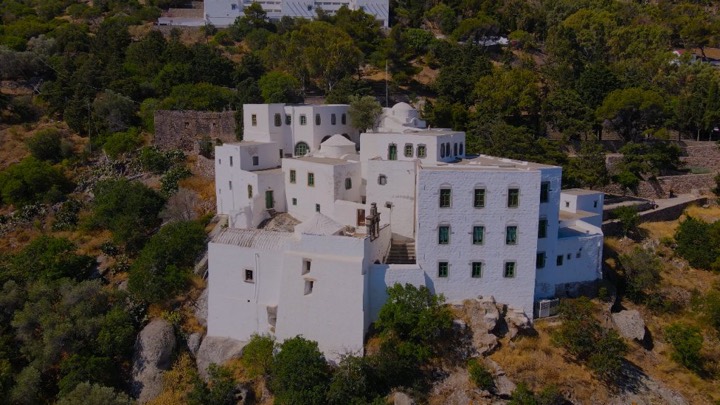
On the island of Patmos in the Aegean Sea, the Monastery of Saint John the Theologian stands as one of Greece's most significant Orthodox sanctuaries and a UNESCO World Heritage Site. This first installment explores its fortified architecture, storied history, and the treasured manuscripts and religious artifacts preserved within its museum. Founded in the late eleventh century by the monk Christodoulos under a charter from the Byzantine emperor, it grew into a walled citadel of grey stone whose battlements and towers shielded the community from pirate raids, with the town of Chora spreading beneath its walls. Its library ranks among the richest in the Orthodox world, holding codices, imperial charters, and icons gathered over nine centuries of continuous monastic life.
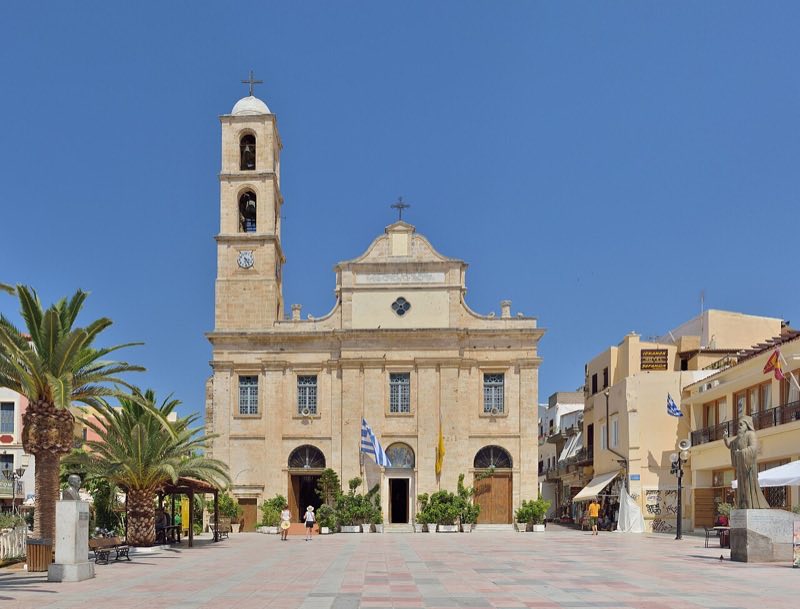
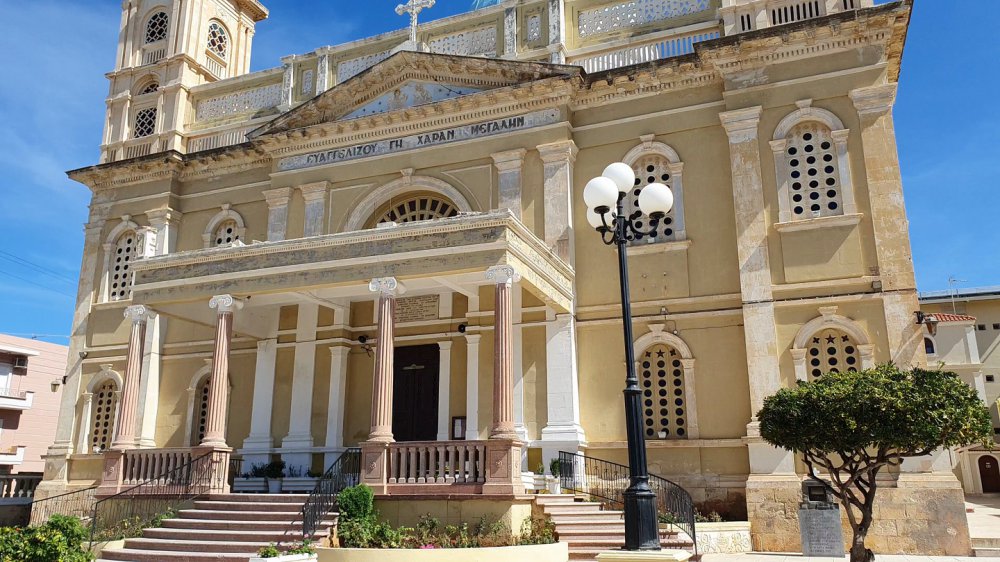
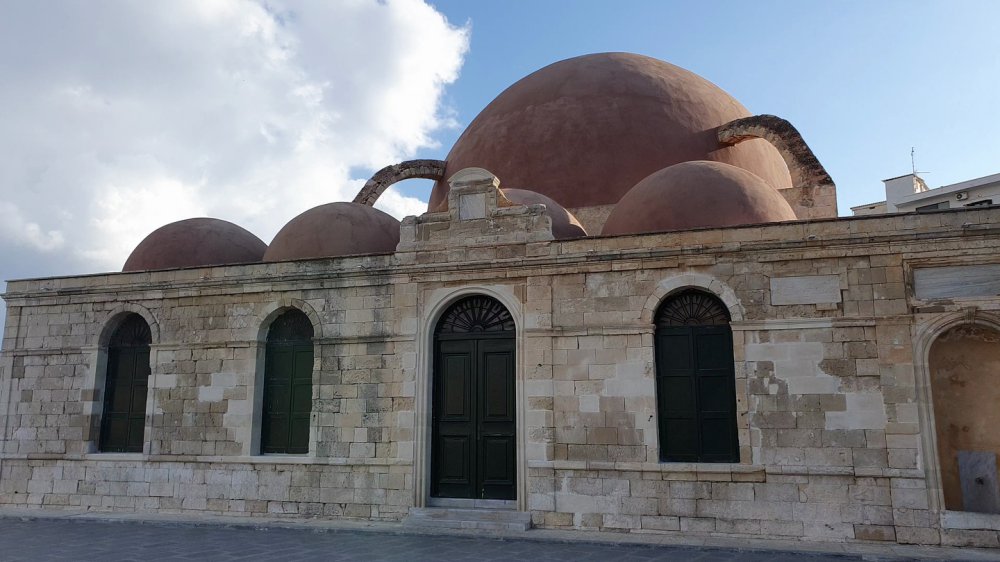
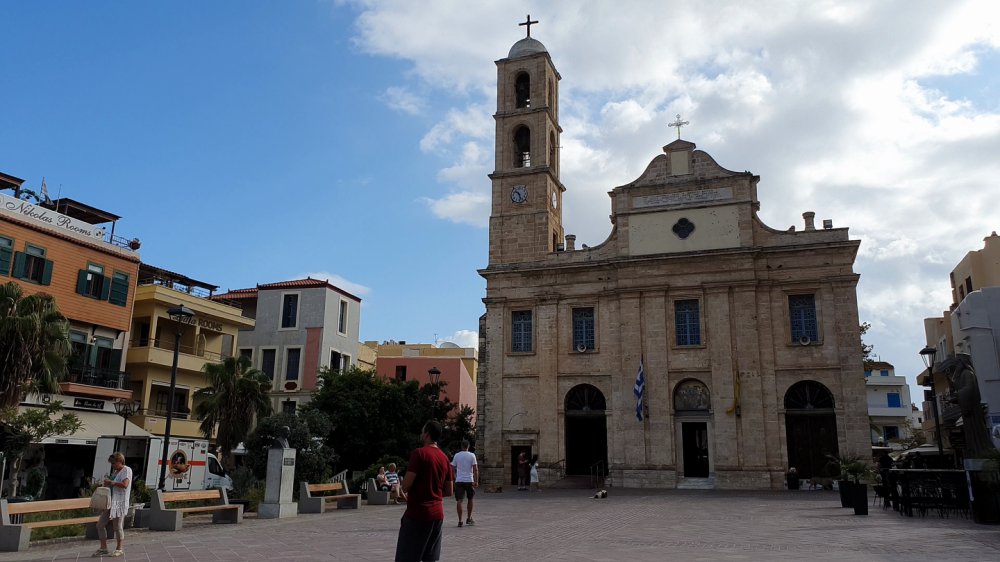
Chania's Old Town, the island's ancient capital, stands as one of Crete's finest examples of layered heritage—a vibrant place of prosperity and growth shaped through the ages by a unique blend of Venetian, Ottoman, Byzantine, and Greek cultures. Built over the ancient city of Kydonia, it keeps the street plan and fortifications laid out under Venetian rule, when the harbor was ringed with vaulted arsenals for shipbuilding and closed by a lighthouse at the end of its mole. Ottoman minarets, wooden balconies, and bathhouses overlay that fabric, alongside the quarters of the Jewish, Armenian, and Greek communities. Rebuilt after heavy bombardment in the Second World War, the old town remains the social heart of the city.
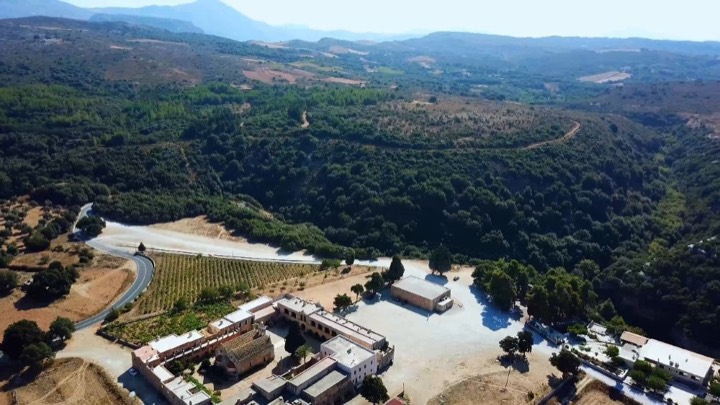
Built in the mid-17th century, the Logovarda Monastery stands as one of the largest and most venerated monasteries on the Greek island of Paros. Part of the Cyclades, Paros preserves a rich historical and cultural legacy shaped by Byzantine and post-Byzantine architecture, and Logovarda has earned an enduring reputation within Greek Orthodoxy and Cycladic culture. Dedicated to the Life-Giving Spring, the community lies north of Parikia on the road toward Naoussa, its whitewashed cells and church set behind a walled courtyard in the fortified manner of Aegean monasteries. It remains an active male monastery, known for its bookbinding workshop and its library of manuscripts and printed volumes, and access follows a strict rule.
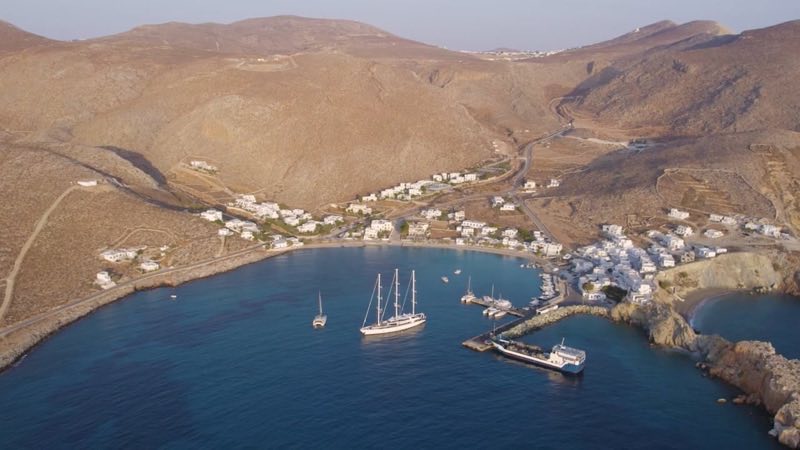
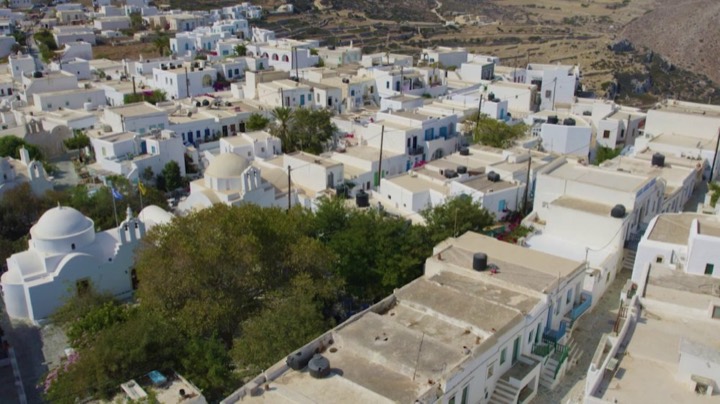
On the small Cycladic island of Folegandros, discover the beautiful Church of Panagia—a rare example of Aegean church architecture and one of the finest spots to watch a Cycladic sunset, with sweeping views over the village of Chora and the sea beyond. Reached by a zigzag path climbing the rock above the village, the whitewashed church occupies the site of an ancient sanctuary, and antique marble is reused in its fabric. Its domed silhouette, bell gable, and arcaded courtyard exemplify the plain geometry of island religious building. The Panagia is the focus of the island's principal feast, when the icon is carried down to Chora and through the villages before returning to its terrace above the sea.
The Church of Panagia Ekatontapiliani, Paros, Part 1
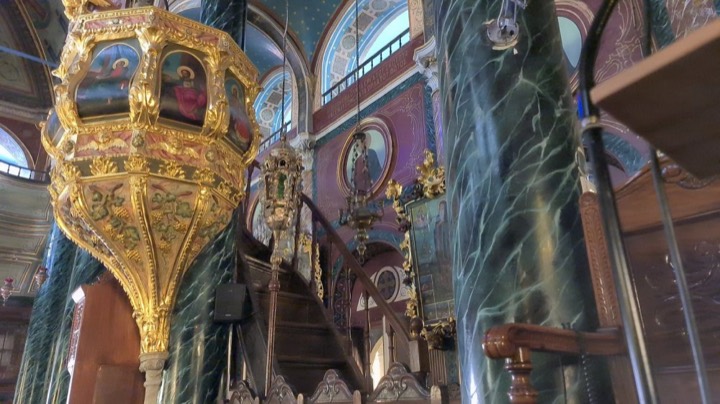
Above the public garden of Parikia, capital of Paros, stands the Church of Panagia Ekatontapiliani, one of the oldest monuments of its kind in Greece and the most historically significant church in the Aegean islands. Its name, meaning 'Church of the Hundred Doors,' also gives rise to the alternate title Panagia Katapoliani Church. The complex dates in its core to the early Byzantine centuries and comprises a cross-shaped domed church, two side chapels, and a baptistery with a cruciform immersion font, all built in the white marble for which Paros was celebrated in antiquity. Tradition connects its foundation to Saint Helena, mother of Constantine, and a twentieth-century restoration stripped away later additions to reveal the early fabric.
The Church of Panagia Ekatontapiliani, Paros, Part 2
Continuing our exploration above the public garden of Parikia in Paros, this second part revisits the Church of Panagia Ekatontapiliani—one of Greece's oldest and most historically important churches—known as the 'Church of the Hundred Doors' and also called Panagia Katapoliani. Attention turns to the interior: the marble iconostasis and ancient columns of the nave, the icons and reliquaries of its collection, and the adjoining baptistery, whose cruciform immersion font is among the best preserved in the Orthodox world. Also examined are the monastic cells and courtyards that grew up around the church, the Byzantine museum installed within them, and the great feast of the Dormition each August.
The Island of Folegandros, The Hidden Treasure, Greece
Folegandros is one of Greece's most unspoiled islands, known for its dramatic cliffs, traditional villages and quiet landscapes. Lying in the western Cyclades between Milos and Santorini, it is small, steep and largely roadless beyond a single spine of asphalt, which has spared it the intensity of mass tourism felt elsewhere in the archipelago. Whitewashed cubic houses, blue-domed chapels, stone terraces and dry-stone walls define a vernacular architecture shaped by wind and scarce water. This documentary explores the island's natural beauty, local life and timeless character, from cliff-top churches and shaded village squares to the daily rhythms of its small resident population, revealing why it remains a hidden treasure of the Aegean Sea.
Monastery of Saint John the Theologian & Museum, Patmos Island, Greece Part 2
Located on Patmos, in the Dodecanese, the Monastery of Saint John the Theologian is a major center of Orthodox Christianity and a UNESCO World Heritage Site. Founded in the late eleventh century by the monk Christodoulos under a Byzantine imperial charter, it rises above the hilltop town of Chora as a walled complex whose battlements and towers were raised against the threat of piracy, giving it the silhouette of a fortress rather than a cloister. This second part continues exploring the monastery's fortified architecture, religious history and the sacred artifacts of its museum, whose holdings include illuminated manuscripts, ecclesiastical silver, vestments and icons, revealing the spiritual and cultural legacy of this iconic place.
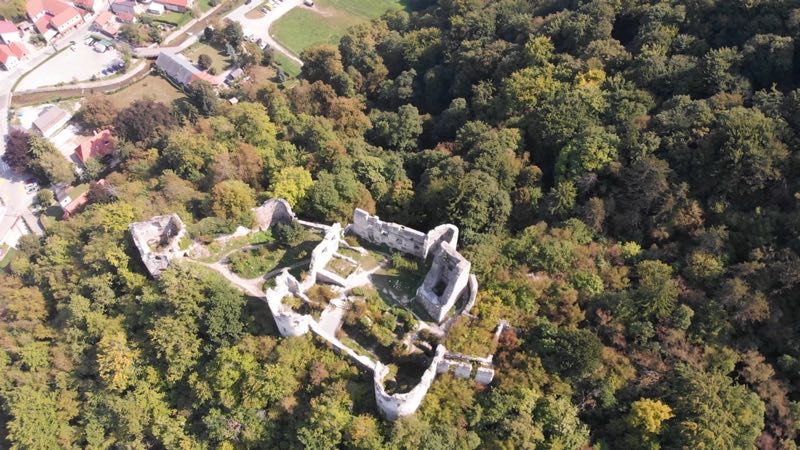
Overlooking the medieval market town of Samobor, west of Zagreb in northern Croatia, this ruined hilltop castle was built between 1260 and 1264 by supporters of the Bohemian king Ottokar II during his conflict with Hungary's Stephen V. Raised in stone on a wooded ridge above the Gradna valley, it belongs to the network of fortifications that guarded the routes between the Sava basin and the Slovenian lands. Expanded over the centuries into a fortified trapezoidal courtyard, and adapted by successive noble owners as artillery made high medieval walls obsolete, the site was ultimately abandoned to decay. It survives today as a picturesque ruin, with restoration efforts focused on its chapel walls.
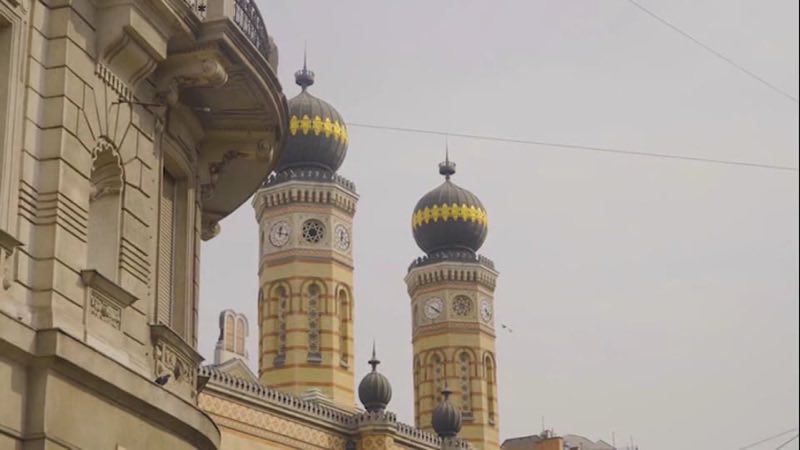
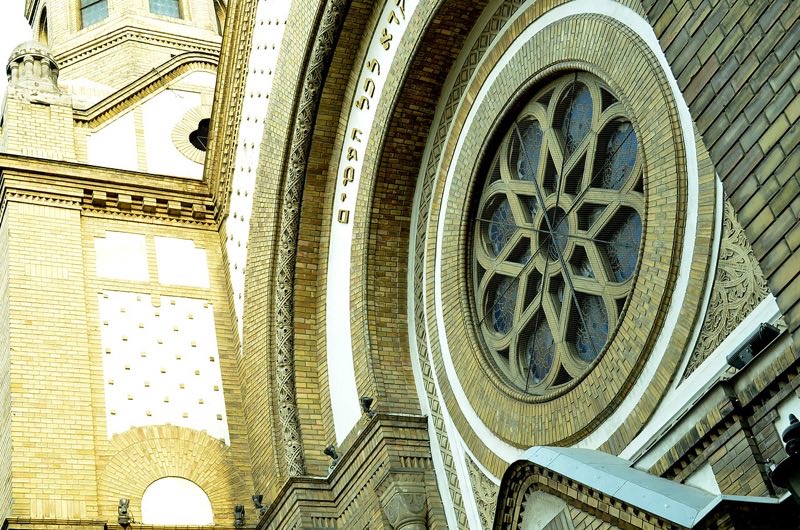
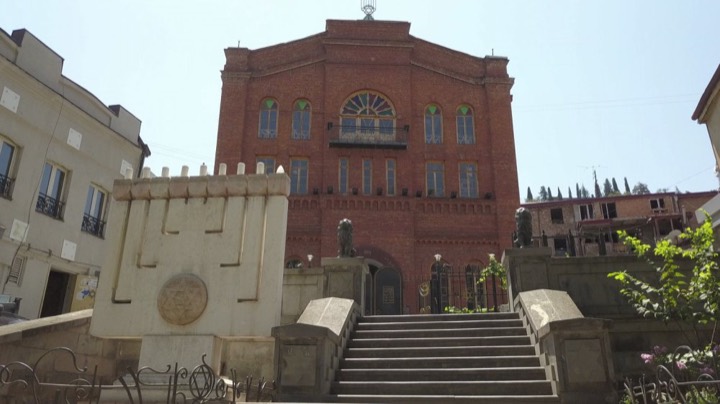
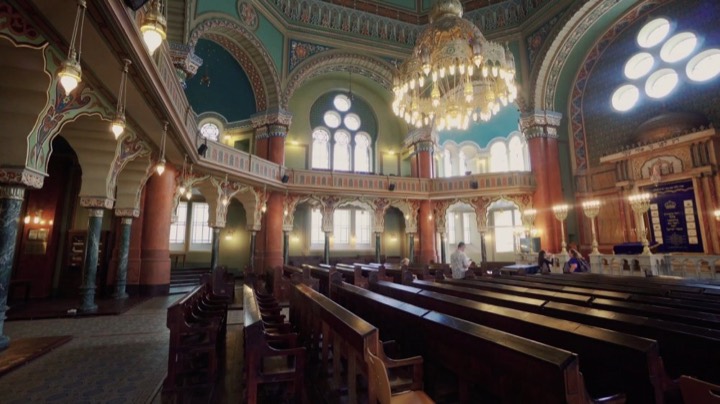
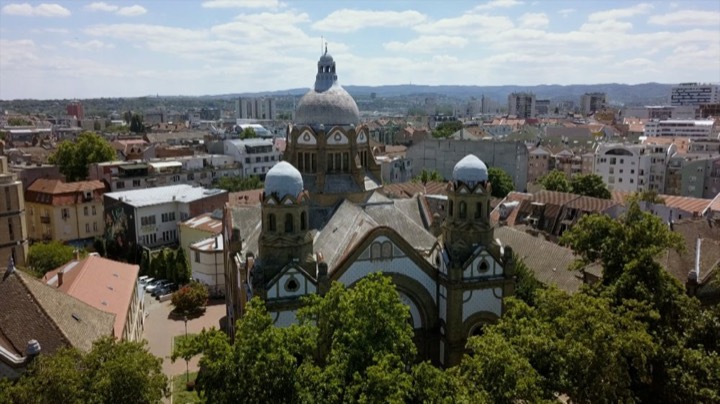
Amid the beauty and elegance of Budapest stands a landmark of deep significance to the Jewish faith and its people: the Dohány Street Synagogue, also known as the Great Synagogue. Located in the city's 7th district, it holds the distinction of being the largest synagogue in Europe. Built in the mid-nineteenth century to a Moorish Revival design, its twin onion-domed towers, banded brickwork and richly patterned interior reflect a congregation confident of its place in a modernizing imperial city. The complex extends well beyond the prayer hall, taking in the Heroes' Temple, the Jewish Museum, an arcaded cemetery court and a memorial garden whose metal weeping willow commemorates the victims of the Holocaust in Hungary.
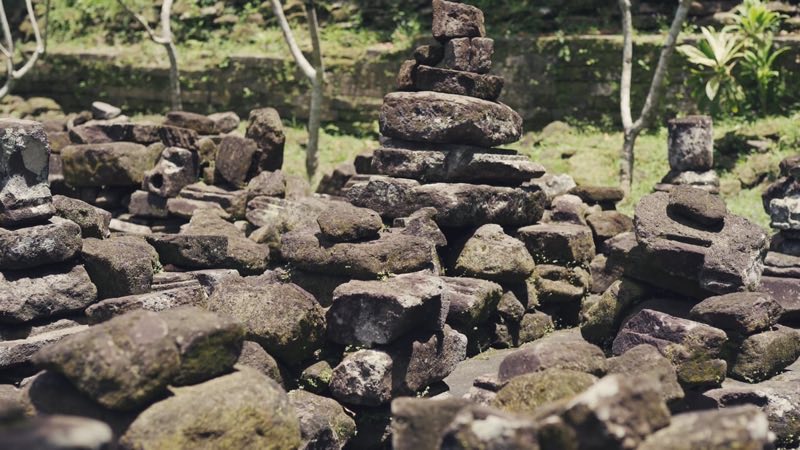
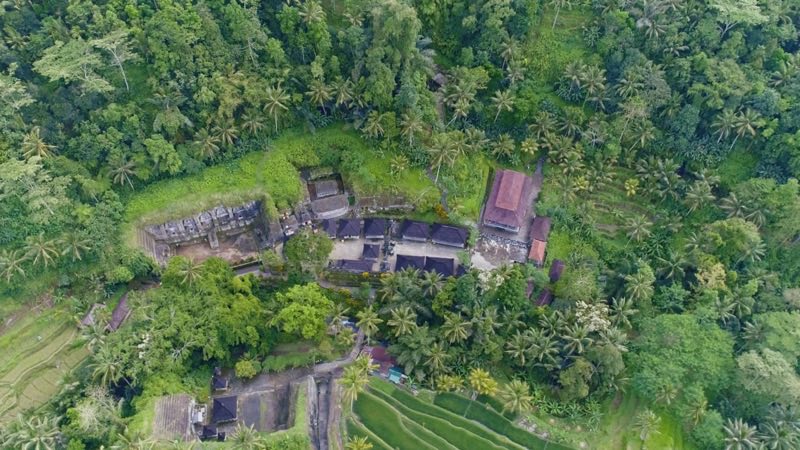
Goa Gajah, or Elephant Cave, near Ubud on the island of Bali, is believed to date to around the 9th to 11th centuries and likely served as a place of spiritual meditation, though its precise origins remain uncertain. Its entrance is cut into the rock face as a vast, glowering demonic head, its open mouth forming the doorway to a narrow T-shaped chamber lined with meditation niches. The complex blends Hindu and Buddhist imagery, including a lingam and yoni alongside carved stupas, and was rediscovered by Dutch archaeologists in 1923, with its bathing pools, fed by spouts held by stone figures, uncovered only in 1954. The site lies in a wooded river gorge, its terraces descending toward the water.
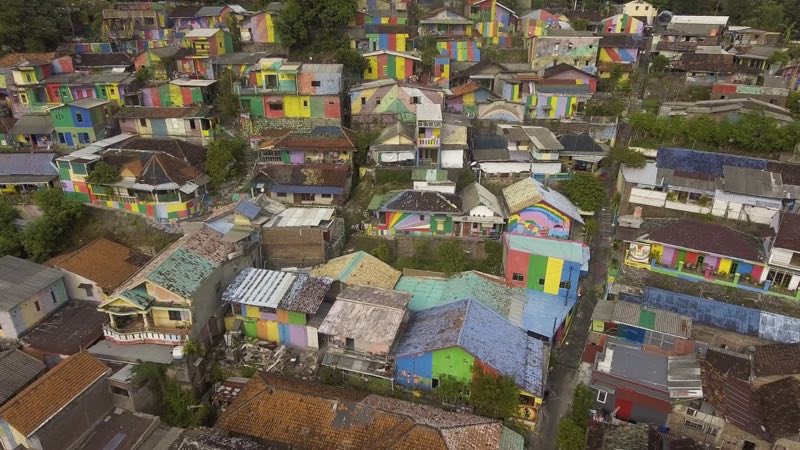
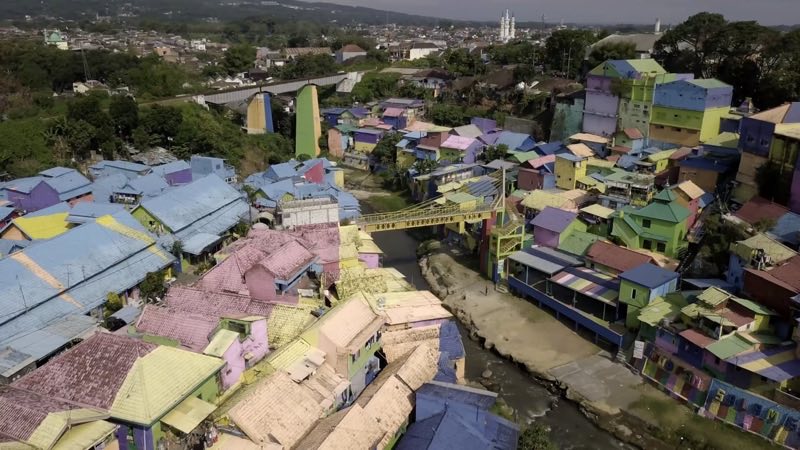
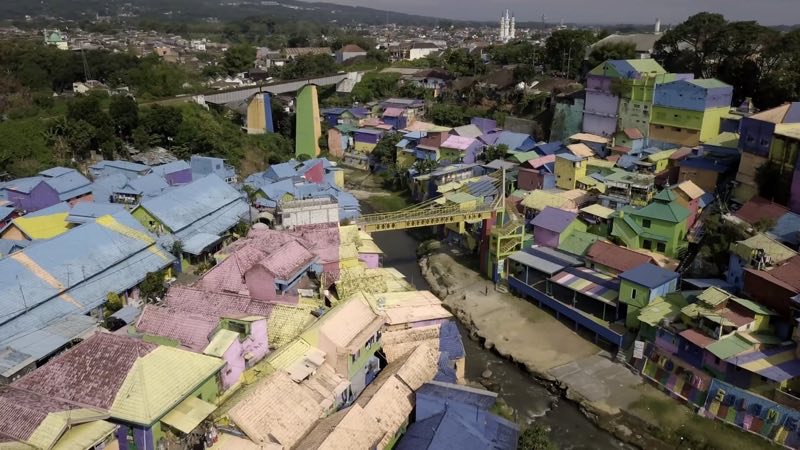
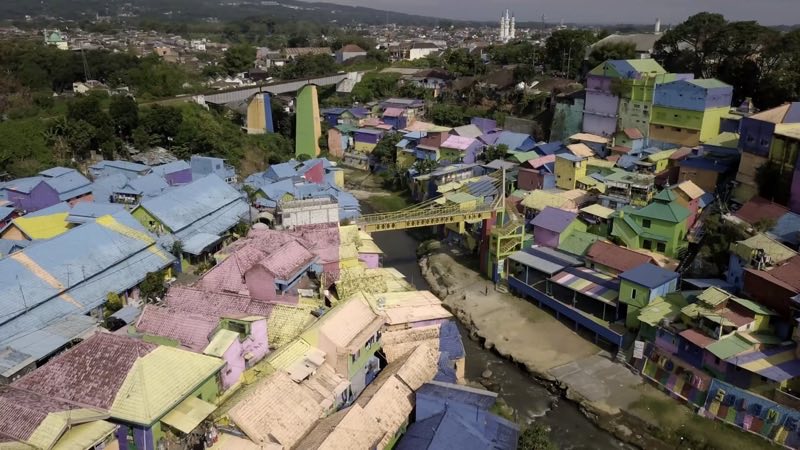
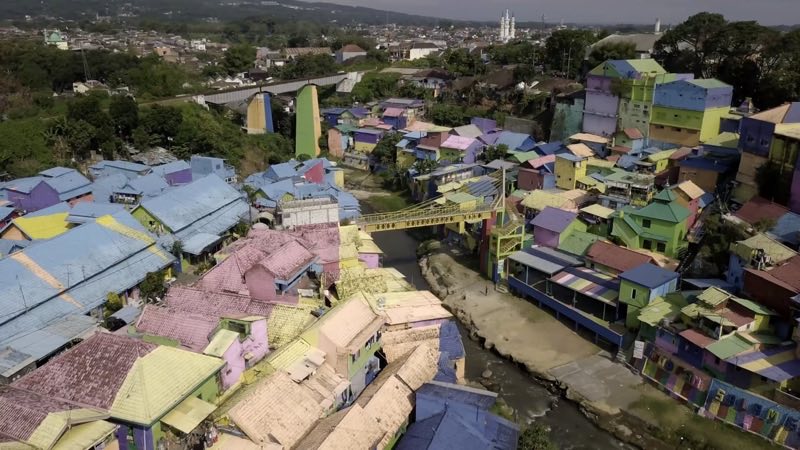
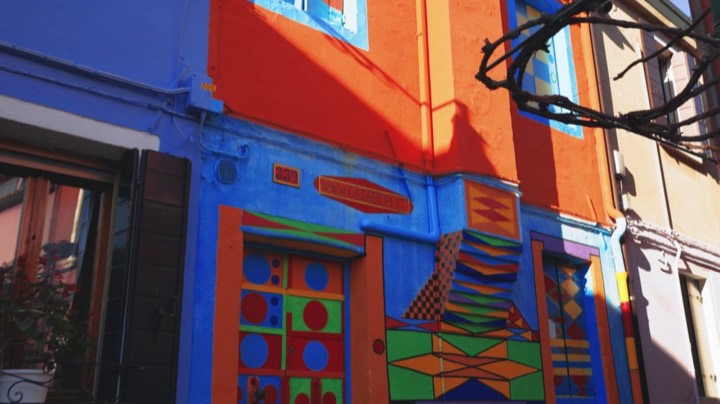
At first glance, it looks like something from a fairy tale or a fantasy film set, but this is Kampung Pelangi, or 'The Rainbow Village,' a living Indonesian neighborhood whose residents go about their daily lives amid its vividly painted homes. Set on a hillside in the city of Semarang, in Central Java, the kampung was transformed by a municipal regeneration scheme that repainted its densely packed houses, walls, stairways and alleys in saturated color, turning a modest urban quarter into an attraction that draws visitors and photographers from across the country. The result is an unusual case study in placemaking, where paint alone reframed how a community is seen and how it sees itself.
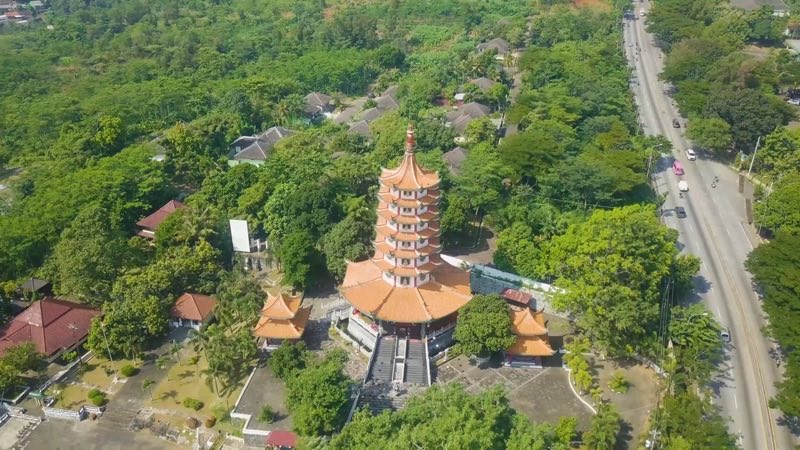
Located in Indonesia, the Avalokitesvara Pagoda is a striking Buddhist landmark dedicated to the Goddess of Mercy. Avalokitesvara is the bodhisattva of compassion, venerated across Chinese Buddhism in female form as Guan Yin, and pagodas raised in that dedication traditionally rise in odd-numbered tiers, each level marked by images turned toward the four directions. This documentary explores its architecture, spiritual symbolism and cultural significance, highlighting the blend of religious devotion and local heritage that defines this serene site, where Chinese temple forms, introduced to the archipelago by generations of merchant families, meet Indonesian materials, craftsmanship and setting.
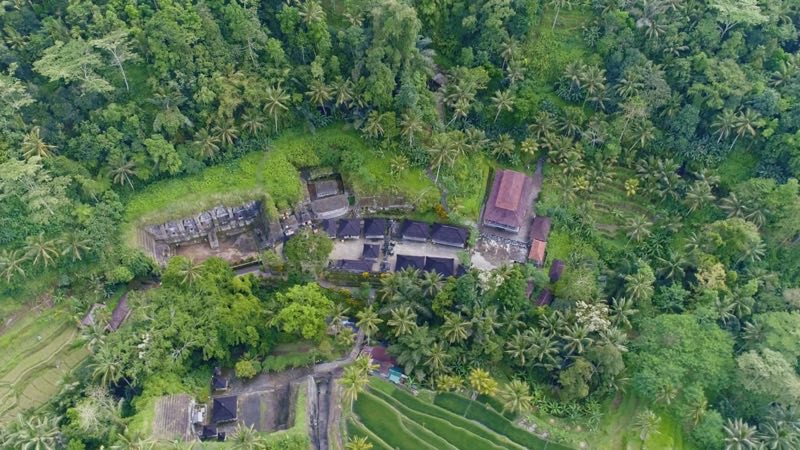
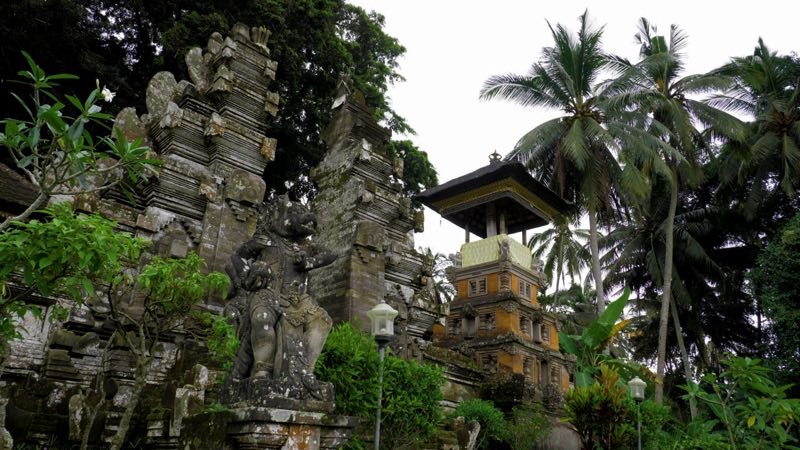
Northeast of Ubud lies the remarkable temple complex of Pura Gunung Kawi, the largest Hindu site in the city and one of the most significant in all of Bali. Reached by descending 371 stone steps through rice terraces to the Pakerisan River, its ten shrines are carved directly into the cliff faces of the gorge, hewn from the living rock as monumental niches in the form of temple towers rather than built up stone by stone. Scholars associate them with the royal funerary tradition of eleventh-century Bali. Around them, hermit cells cut into the rock, bathing places and the spring-fed river form a sacred landscape, part of the Pakerisan valley's celebrated irrigated terraces and water temples.
Located in Bali, Pura Gunung Kawi is one of the island's most remarkable ancient temple sites. Set in the wooded gorge of the Pakerisan River northeast of Ubud, its shrines are carved directly into rock cliffs, hewn from the living stone as tall niches shaped like temple towers, an approach without parallel elsewhere on the island. Scholars associate them with the royal funerary tradition of eleventh-century Bali, and the surrounding complex includes hermit cells cut into the rock, bathing places and spring-fed channels that still serve the terraces below. This documentary explores its sacred shrines, historical origins and spiritual significance, revealing a place where nature, ritual and heritage are deeply intertwined.
Set within the highlands of Bali's Bedugul Regency, atop a plateau overlooking Lake Beratan, stands the majestic Ulun Danu Temple, both a famous, picturesque landmark and a significant Hindu temple complex. Built at the water's edge, its multi-tiered meru shrines appear to float on the surface of the crater lake when the level rises, their thatched roofs mirrored in still water beneath the surrounding volcanic ridges. The temple is dedicated to the goddess of the lakes and waters, the deity on whom Bali's irrigated rice cultivation depends, and it stands at the head of a system of water temples that has ordered farming in the highlands for centuries. Cool mountain air and lakeside gardens complete the setting.
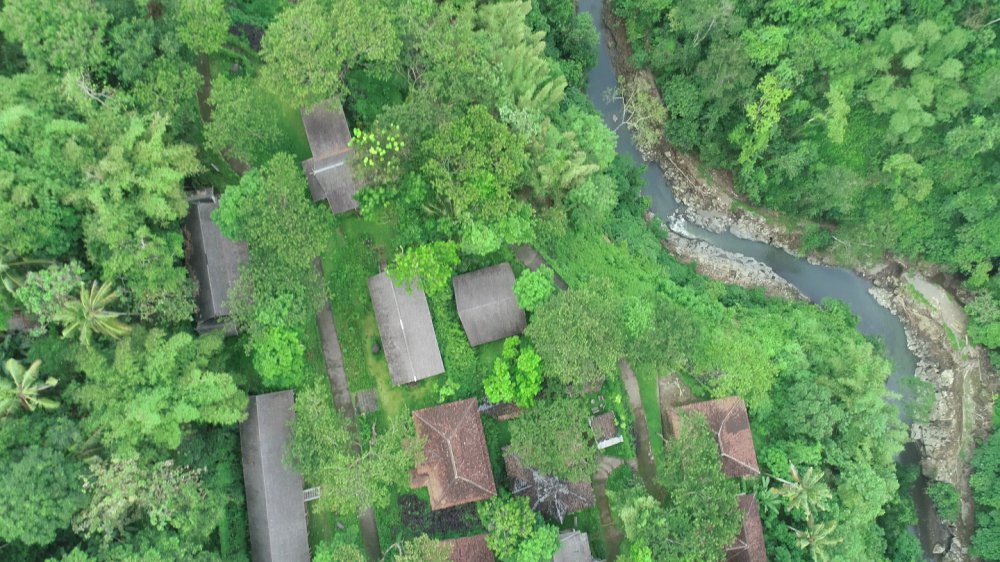
The Baduy village lies in a remote area on the slopes of the Kendeng Mountains, in the province of Banten at the western end of Java, surrounded by verdant landscape. Its community preserves ancient cultural values and traditional ways of life, deliberately rejecting the modern technology that has transformed the world around it. Houses are raised on posts and built of bamboo, timber and palm fiber without nails; fields are worked without ploughs or chemicals; and the settlements are reached only on foot. The community is divided between an inner group, which observes the strictest customary law and dresses in undyed white, and outer villages that mediate contact with the rest of Indonesia.
In the small village of Turen in Malang Regency, East Java, the Masjid Tiban, or Tiban Mosque, is a striking religious complex dating back several decades. Its popular name derives from a local belief that the building appeared suddenly, as if raised overnight, a story the community itself disputes, since the complex was built gradually by the students who live there. Beyond its unique architectural appearance, an exuberant, many-storeyed assembly of arches, domes, spiral stairways and carved galleries that borrows freely from Middle Eastern, Chinese and Javanese sources, the site also functions as a boarding school accommodating thousands of students, blending Islamic teaching with the preservation of local customs.
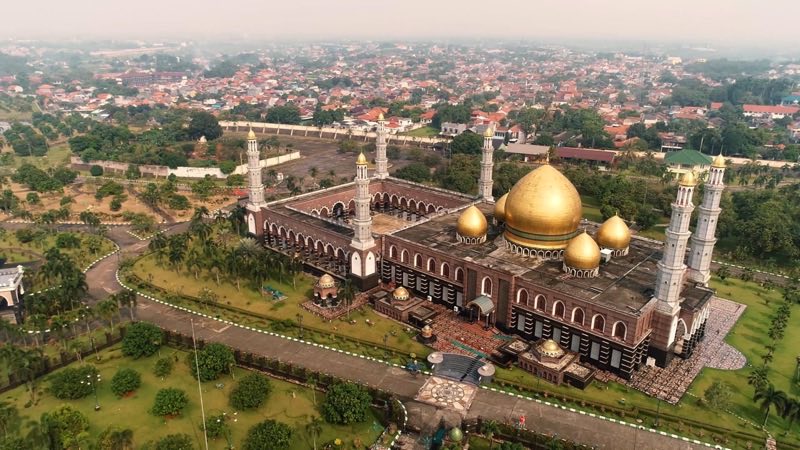
The Dian Al-Mahri Mosque, better known as the Golden Dome Mosque, stands along Raya Street in Depok City, West Java, a short distance south of Jakarta. Completed in the 2000s and named after its founder, it is laid out on a monumental scale, with a broad marble prayer hall, tall minarets and landscaped grounds designed to receive very large congregations. Its architecture draws on Middle Eastern models, and the gold-clad domes that give the mosque its popular name are its defining feature, catching the light above the surrounding suburbs. Beyond serving as a place of daily worship, those domes and expansive grounds have made it a popular family destination and holiday retreat.
Historical City Centre of Yogyakarta (Museum Sonobudoyo), Indonesia
The Historical City Centre of Yogyakarta embodies a traditional Javanese town on a lowland at the foot of Merapi Volcano. Unlike other Javanese cities, its layout was deliberately designed as a microcosm reflecting Javanese cosmology and philosophy, with every street, building and river carrying symbolic meaning, earning the district recognition as a World Heritage Site. The plan is organized along a ceremonial axis running through the walled palace of the sultan, still a living court, and marked at either end by monuments that give the alignment its cosmological reading. On the northern square stands Museum Sonobudoyo, whose collections of Javanese antiquities, court arts, wayang puppets and gamelan document that culture in depth.
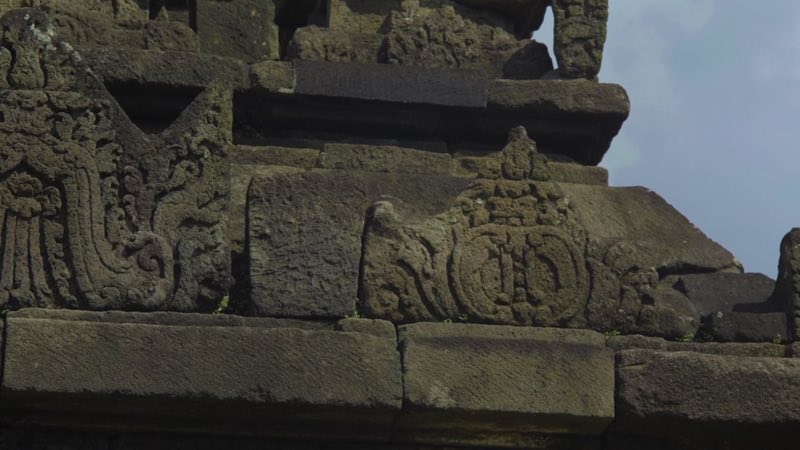
Nestled in what was once the heart of the Javanese empire, Jago Temple stands in Tumpang village, just 22 km east of Malang City. Its ruins transport visitors back to the era of the Majapahit Empire, a Hindu-Buddhist kingdom that stretched across much of today's Indonesian archipelago between the 13th and 16th centuries. Built as a terraced sanctuary on a stepped stone base, the temple has lost its upper structure, leaving the platforms and their carved surfaces exposed. Those surfaces are its distinction: bands of narrative relief cut in the flat, angular manner of Javanese shadow-puppet theatre, unfolding episodes from Hindu and Buddhist story cycles around the walls of the monument.
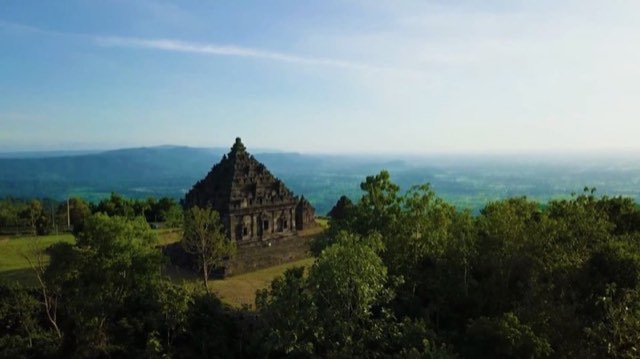
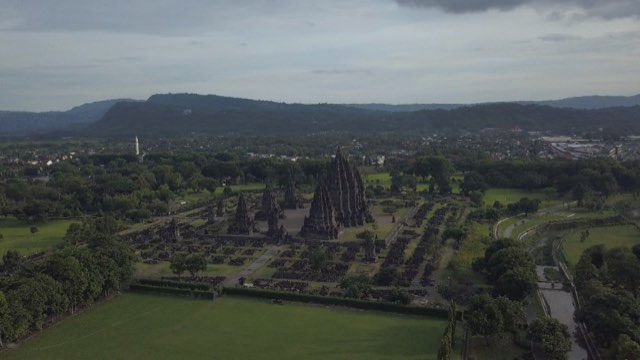
With hundreds of heritage sites scattered across the region, Central Java ranks among the culturally richest parts of the Indonesian archipelago, shaped by grand ancient kingdoms such as Mataram, Majapahit and Singhasari. In the Prambanan District, about 18 kilometers east of Yogyakarta, stands Candi Ijo, or 'Green Temple,' one of the area's many Hindu-Buddhist sanctuaries. Built in dressed volcanic stone on a hill above the surrounding plain, it is the highest-lying temple in the Yogyakarta region, arranged as a series of terraces climbing to a main shrine that houses a lingga and yoni, flanked by three smaller subsidiary temples. From its upper platform the view extends across the plain toward the coast.
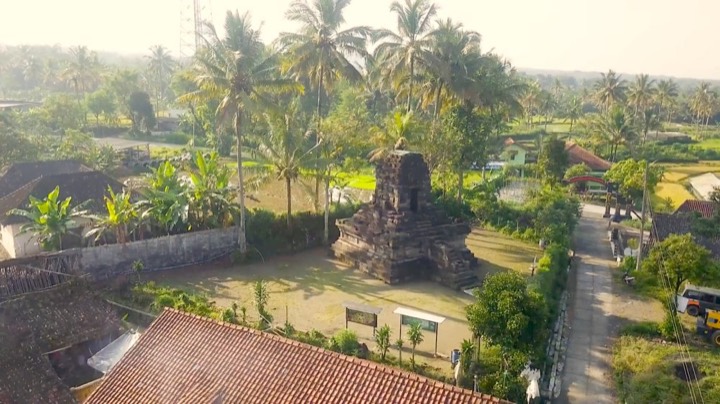
The Indonesian island of Java stands as a historical paradise of human civilization, its fertile soil sustaining generations of farmers since the era of Hindu-Buddhist rule. Among the thousands of Hindu and Buddhist temples still preserved on the island is the Lumbung Sengi Temple, also known as Candi Lumbung. It stands at Sengi, in the Magelang area of Central Java, on the volcanic slopes below Mount Merapi, in a landscape whose extraordinary fertility and recurring eruptions have shaped settlement here for more than a millennium. Built of dressed volcanic stone, the small sanctuary takes its popular name from the Javanese word for a rice barn, a reference to the compact, raised form of its body on a stepped base.
Nestled in what was once the heart of the Javanese empire, Jago Temple, known locally as Cungkup, stands in Tumpang village, just 22 km east of Malang City, its ruins evoking the Majapahit Empire that spanned much of the Indonesian archipelago between the 13th and 16th centuries. Nearby, the equally compelling Kidal Temple offers another window into this storied historic landscape. Built in dark volcanic stone, Kidal is compact and strikingly vertical: a tall moulded base, a slender cubic body and a tapering, stepped roof, its corners set with guardian figures and its base carved with the Garuda of Javanese myth. Together the two monuments trace the emergence of a distinctly East Javanese architectural language.
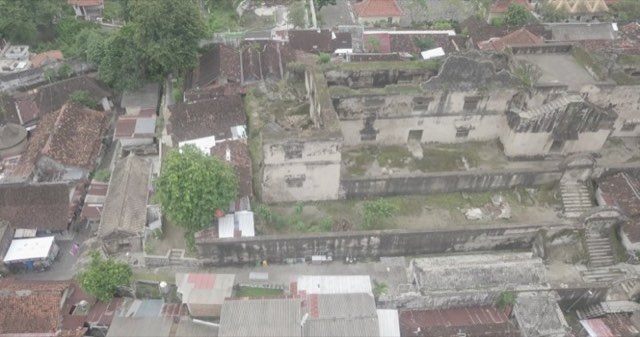
Nestled in what was once the heart of the Javanese empire, Jago Temple stands in Tumpang village, just 22 km east of Malang City. Its ruins transport visitors back to the era of the Majapahit Empire, a Hindu-Buddhist kingdom that stretched across much of today's Indonesian archipelago between the 13th and 16th centuries. Conceived as a terraced sanctuary rising on a stepped stone base, the temple has lost its upper structure, leaving the platforms and their carved surfaces exposed to view. Those surfaces are its distinction: bands of narrative relief cut in the flat, angular manner of Javanese shadow-puppet theatre, unfolding episodes from Hindu and Buddhist story cycles around the walls of the monument.
Known as 'The Island of the Gods,' Bali is home to an abundance of Hindu and Buddhist temples dedicated to a rich pantheon of deities. Among the most important and fascinating of these is Pura Kehen, a pura, or Balinese Hindu temple, prized for its historical and spiritual significance. Standing above the town of Bangli in the island's central highlands, it is built as a series of walled terraces climbing a wooded slope, approached by a long flight of steps flanked by stone figures. Its outer court is dominated by an immense banyan tree carrying a wooden drum tower, while porcelain plates set into the enclosure walls attest to centuries of trade, and old inscriptions record the sanctuary's early royal patronage.
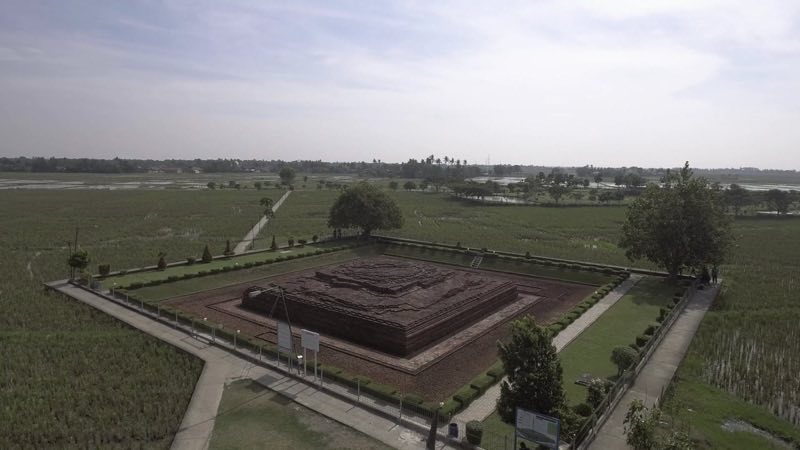
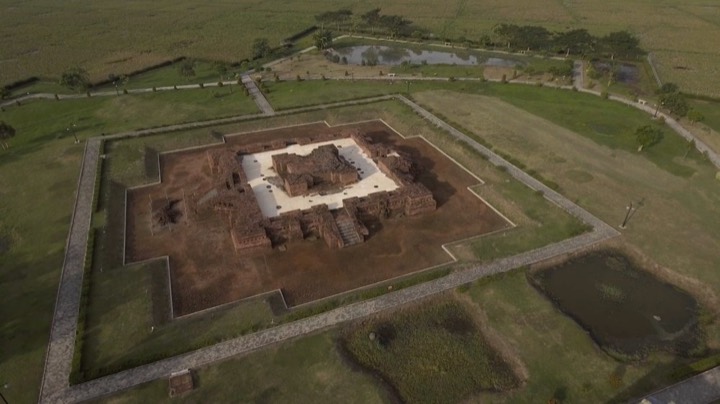
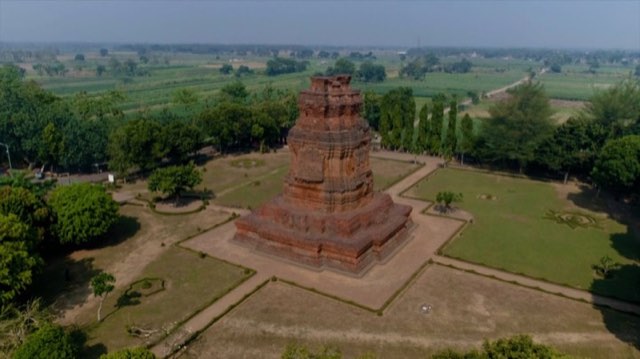
In the Batujaya sub-district of West Java lies a unique archaeological complex bearing the same name. Its earliest temple, Candi Jiwa, was built during the era of the Tarumanagara kingdom, the oldest Hindu-Buddhist kingdom in Indonesian history, and counts among the oldest surviving religious structures on the island. Unlike the volcanic stone monuments of Central Java, it was raised in fired brick on a low alluvial plain of rice fields near the Citarum river, and survives as a broad, low platform with a stepped profile and no upper structure. Excavation of the surrounding fields has brought to light stairways, stucco fragments and further brick foundations, gradually revealing the extent of the complex.
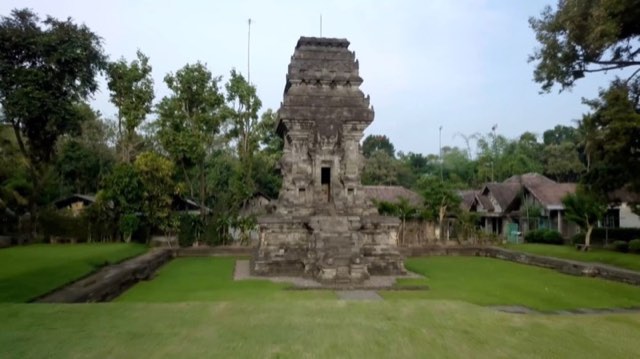
Standing tall between the trees east of Malang in East Java, Kidal Temple is distinctly East Javanese in style, and stands as perhaps the finest example of the emergence of that architectural aesthetic. Built in dark volcanic stone, it is compact and emphatically vertical: a high moulded base, a slender cubic body pierced by a single chamber, and a stepped roof tapering to a crown, proportions that pull the eye upward in a way the broader temples of Central Java never do. Its base is carved with the Garuda of Javanese myth, bearing figures on its shoulders, while monstrous kala heads guard the openings. Isolated in a quiet village setting, it survives largely intact.
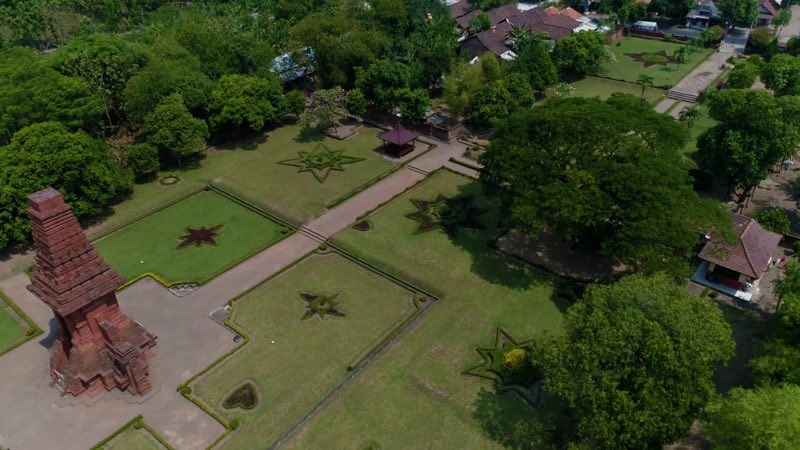
Also known as Gapura Bajang Ratu, Candi Bajang Ratu is the ornate temple-gate located in Temon Village, within the Trowulan archaeological site, a striking remnant of the Majapahit Empire's monumental architecture. Unlike the split gateways found elsewhere on the site, it is a roofed portal of the paduraksa type, a single tall structure pierced by a narrow doorway and rising through a stepped, tapering crown, built entirely of the fine red brick that defines Majapahit building. Its surfaces carry delicate relief, including kala masks above the opening and narrative panels on the base. Standing in open ground amid the fields of Trowulan, it is the tallest surviving gate of the former capital.
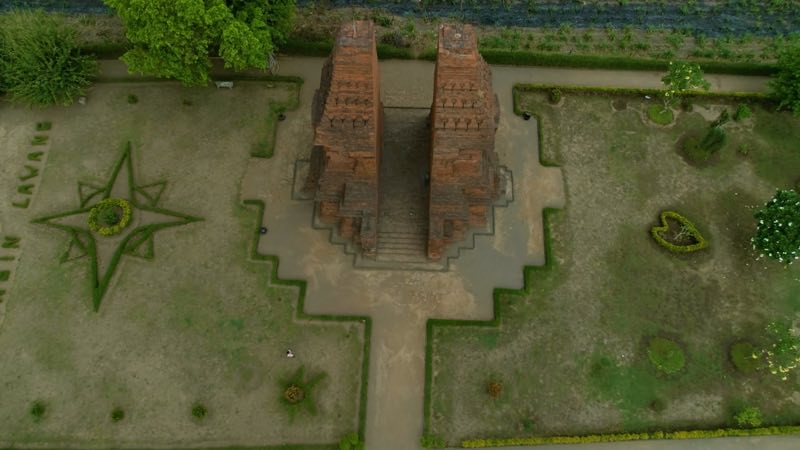
The gate of Wringin Lawang stands within the Trowulan archaeological site, a short distance south of Jatipasar village. Its name, meaning 'The Banyan Tree Gate,' reflects the monumental red-brick architecture that once marked entry into the ancient Majapahit capital. It is a candi bentar, or split gate: a single tapering structure cleanly divided down the middle to leave an open passage between two mirrored halves, a form that remains central to temple design in Bali today. Rising alone from open grassland, stripped of the walls and courts it once served, it is among the oldest and largest gateways of its type to survive from the Majapahit era, and one of the most photographed monuments at Trowulan.
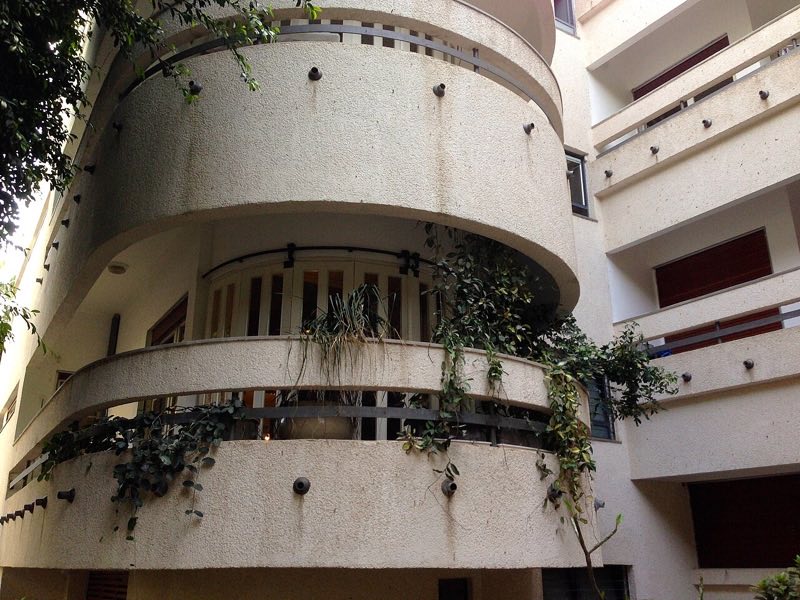
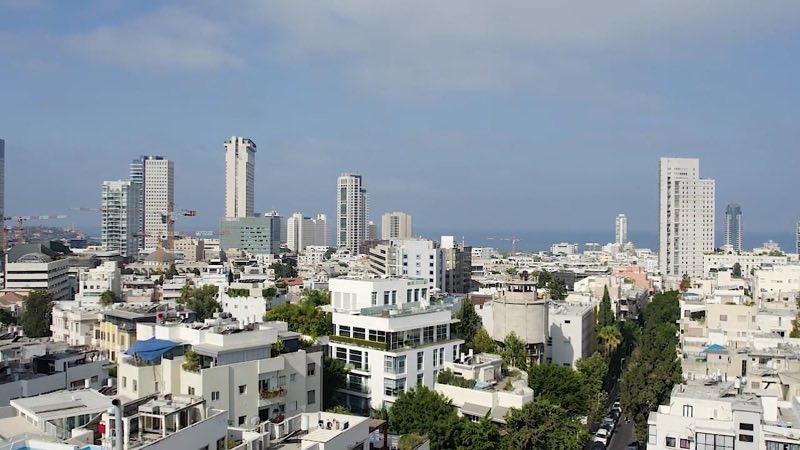
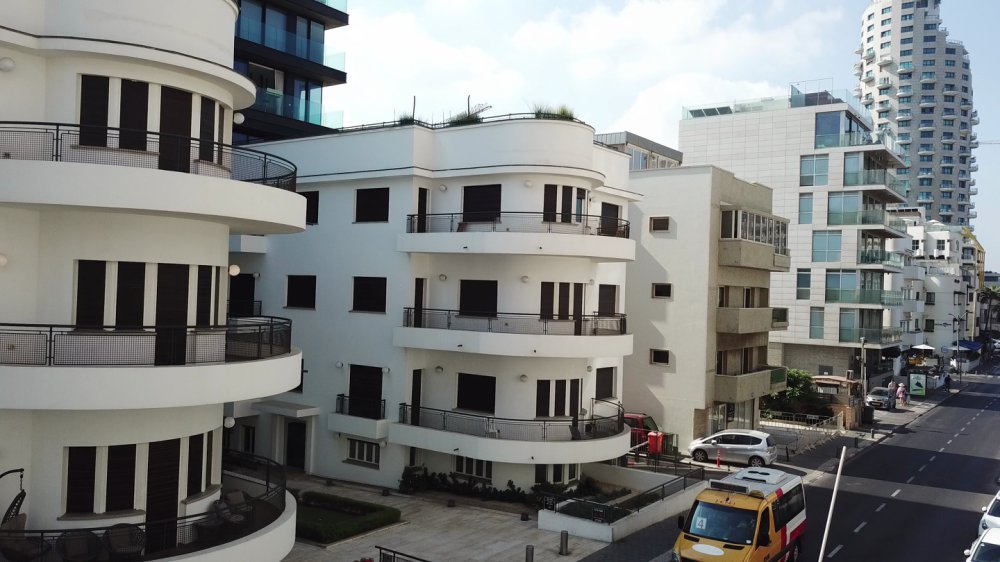
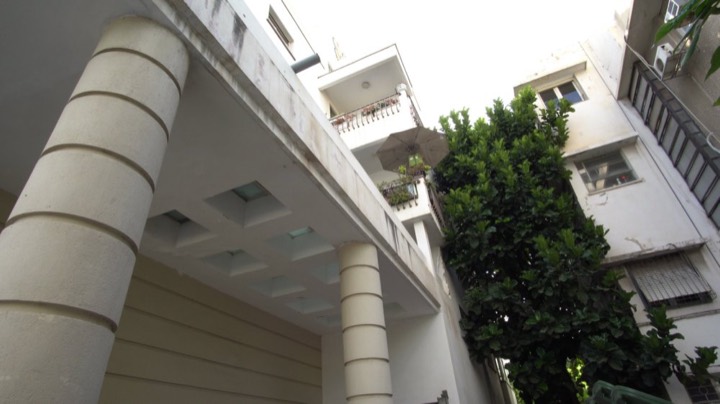
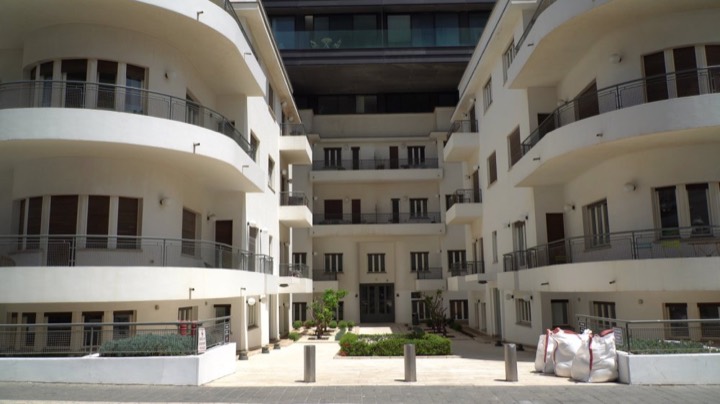
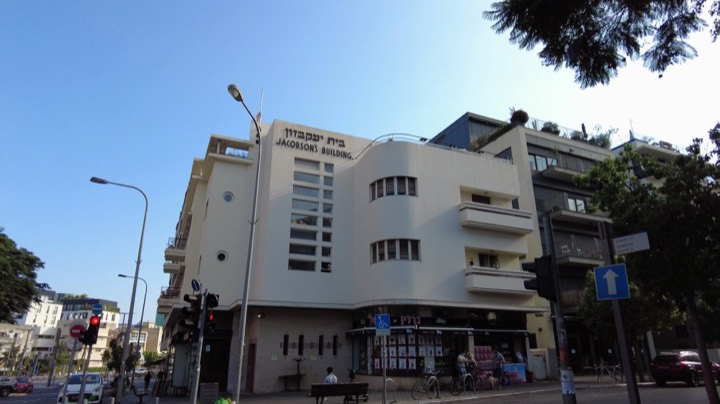
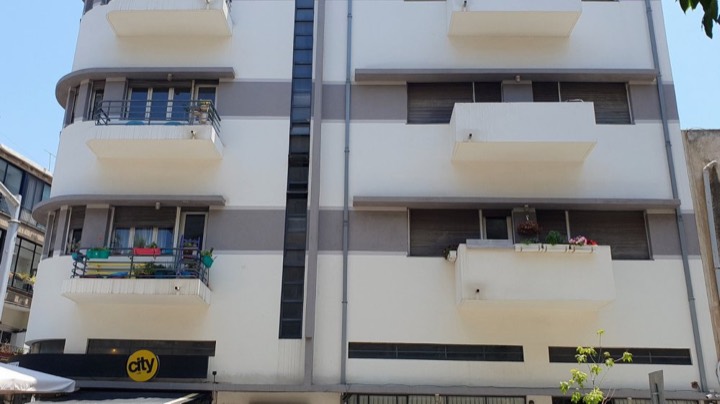
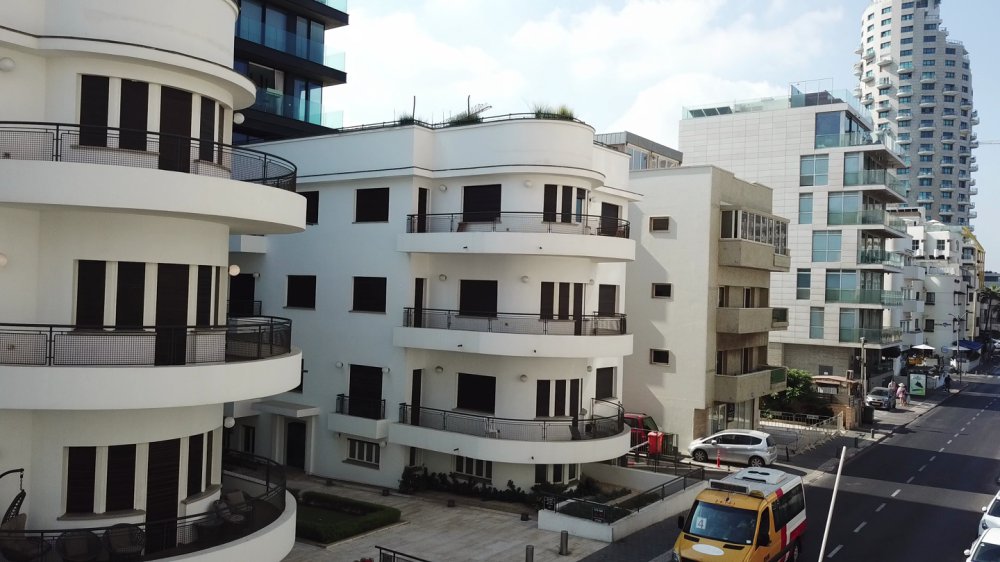
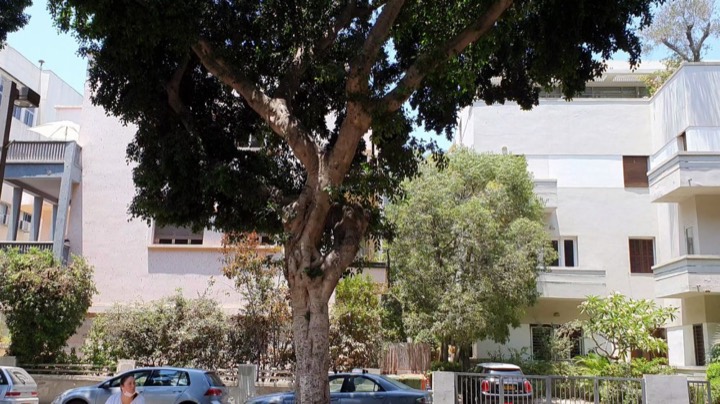
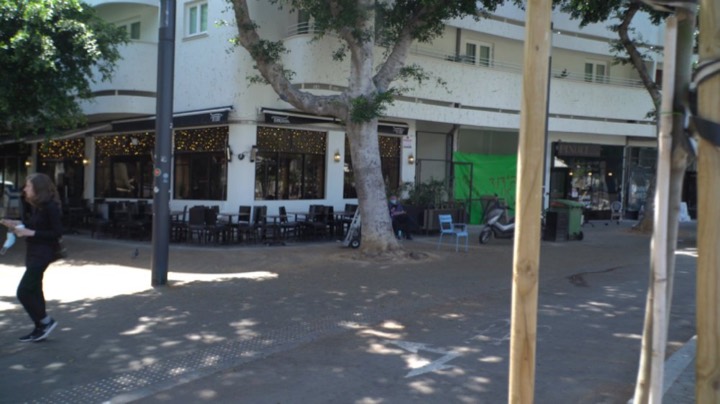
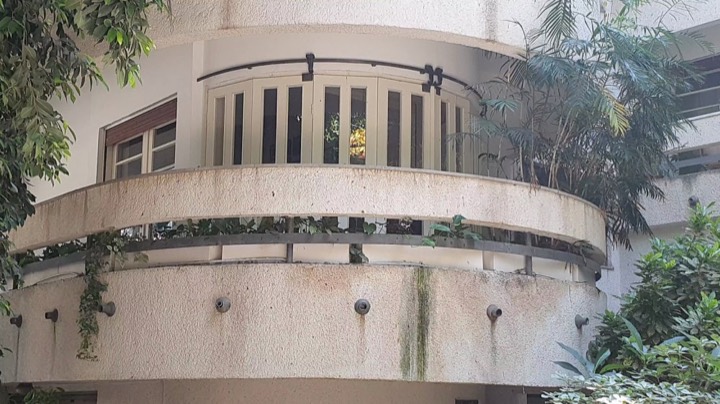
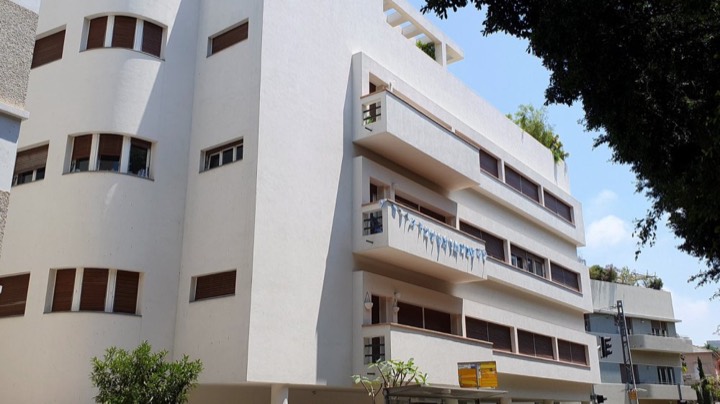
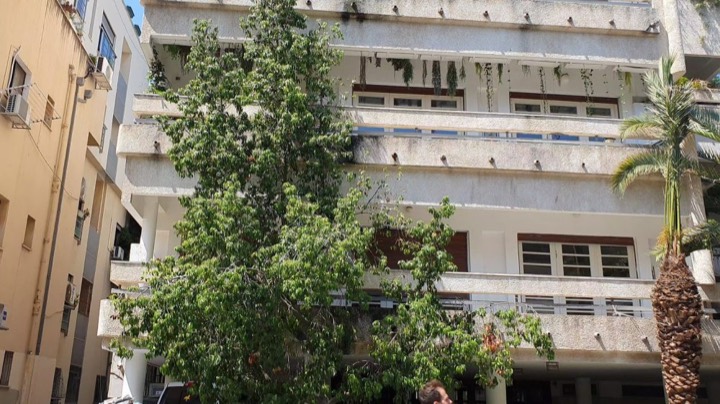
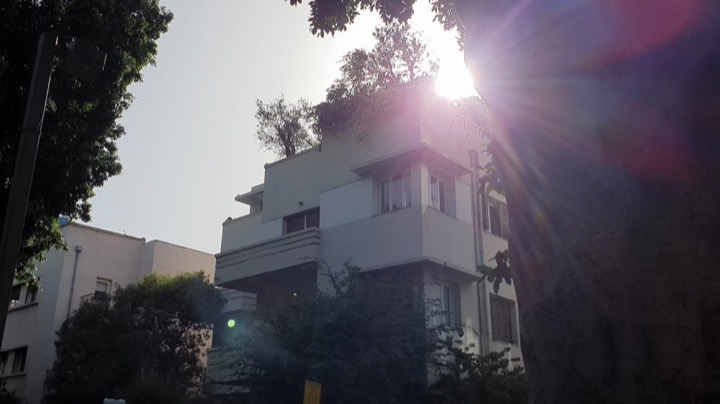
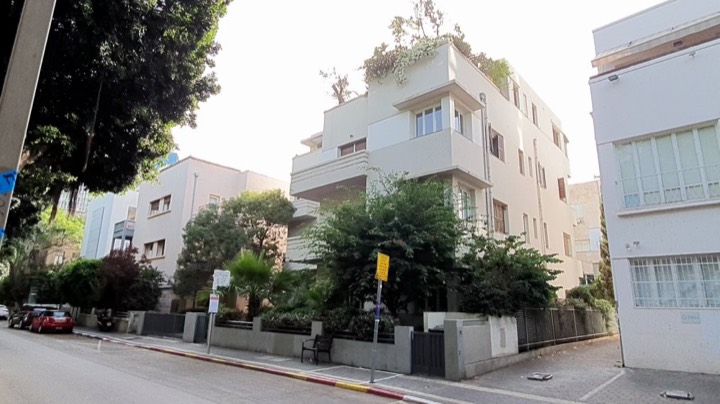
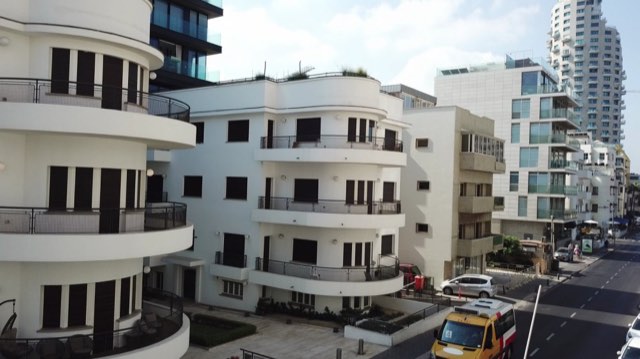
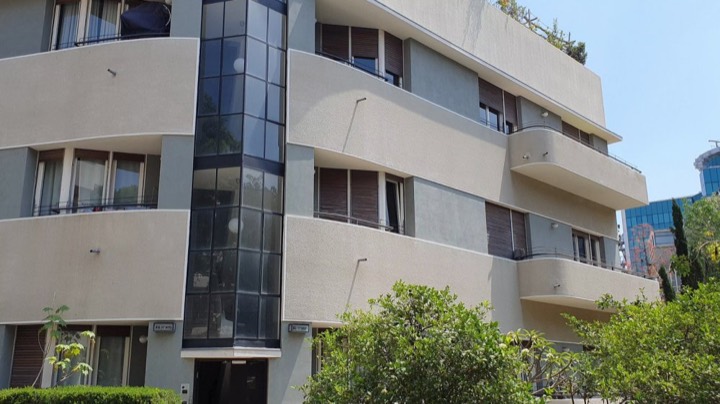
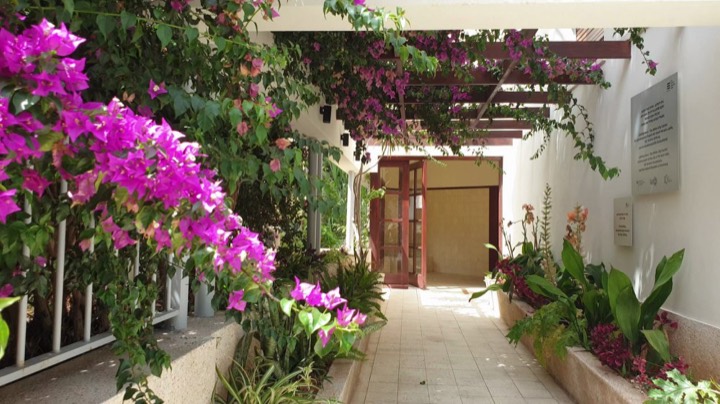
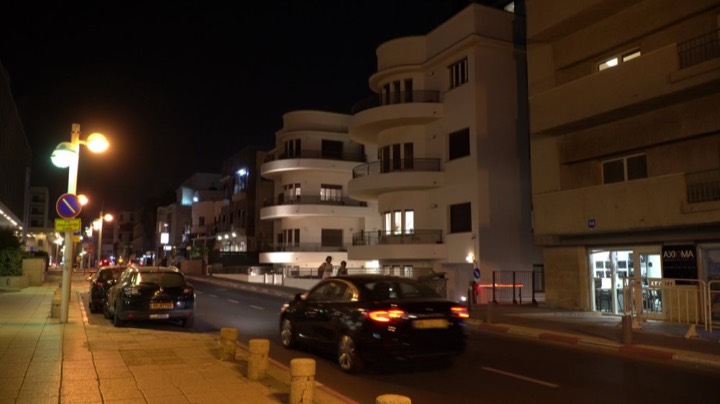
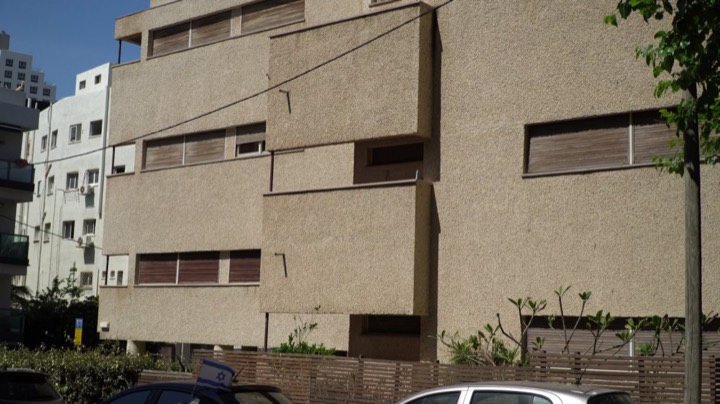
The renowned Bauhaus architectural movement originated at a German school dedicated to art, architecture and design from 1919 to 1933. This second installment continues exploring one of its largest collections outside Europe, found in Tel Aviv's White City, an ensemble inscribed on the UNESCO World Heritage List. The episode follows the boulevards and residential streets at the centre of the district, where several thousand buildings in the International Style were raised from the 1930s onward, and looks closely at how their architects adapted a northern European idiom to the Mediterranean, with deep balconies, shaded openings, rounded corners and roof terraces conceived as shared communal space.
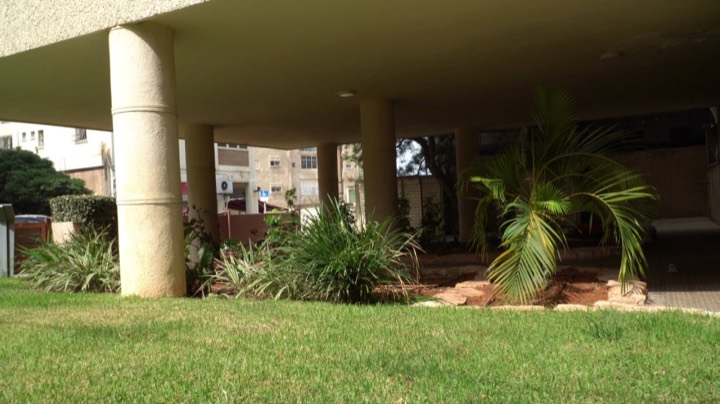
The renowned Bauhaus architectural movement originated at a German school dedicated to art, architecture and design from 1919 to 1933. This third installment concludes our exploration of one of its largest collections outside Europe, found in Tel Aviv's White City, an ensemble inscribed on the UNESCO World Heritage List. It turns to the afterlife of the district: the decades of neglect that left the white render greyed and the balconies enclosed, the conservation programme that has since returned individual buildings to their original condition, and the question of how a working city of several thousand modernist houses is kept in use rather than preserved as a museum.
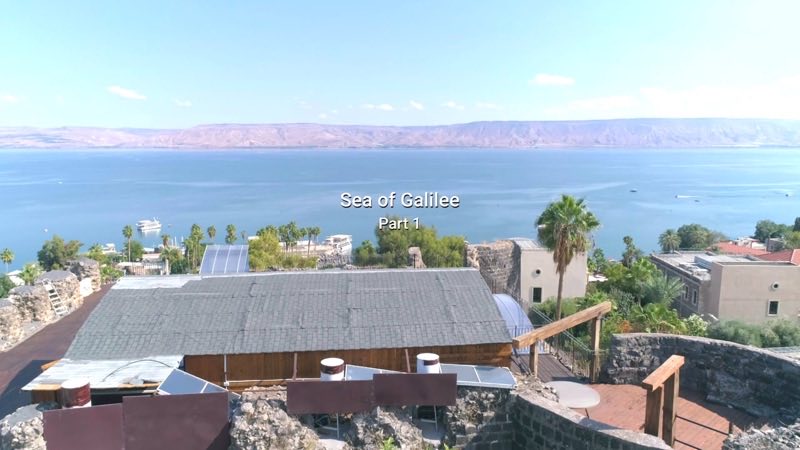
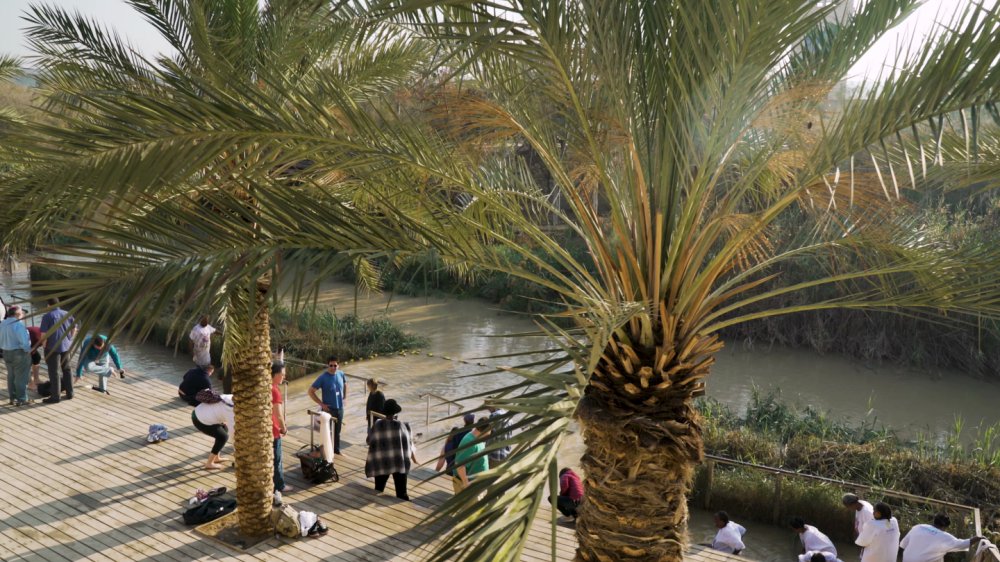
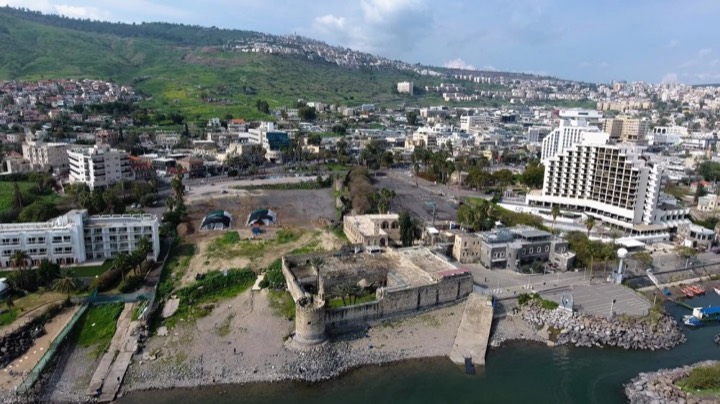
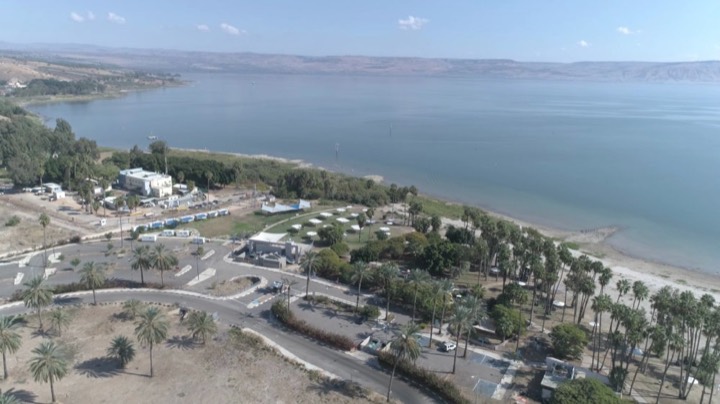
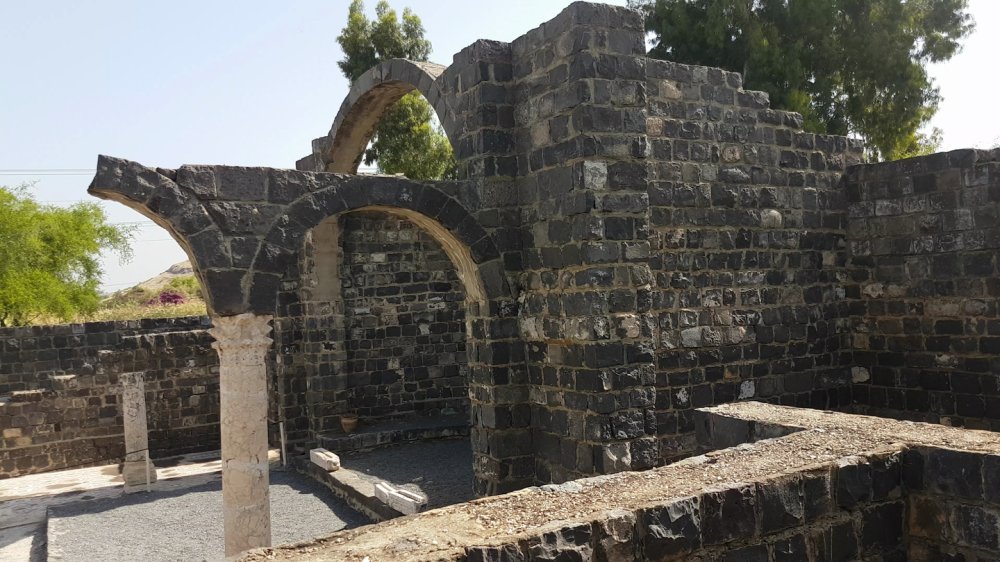
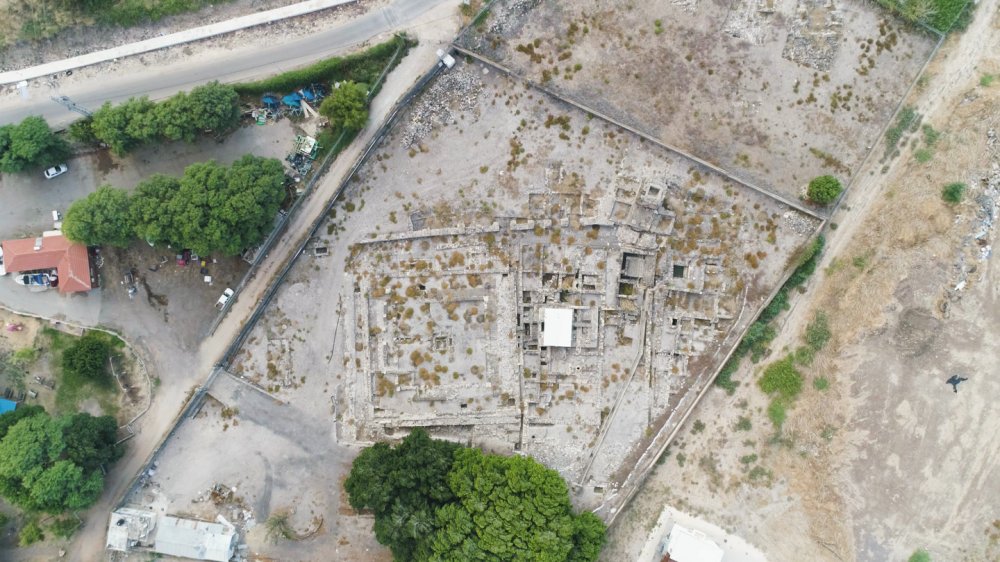
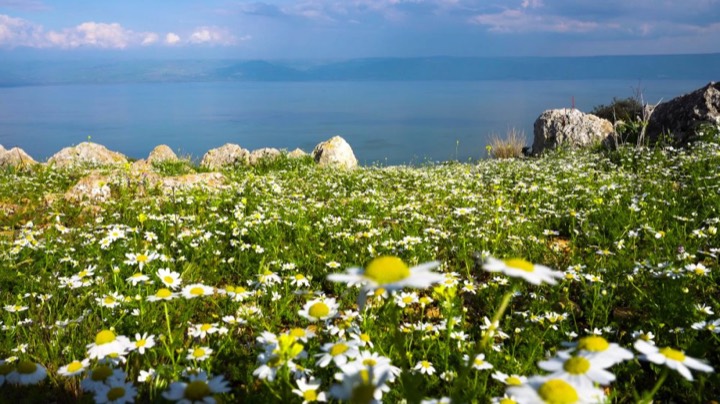
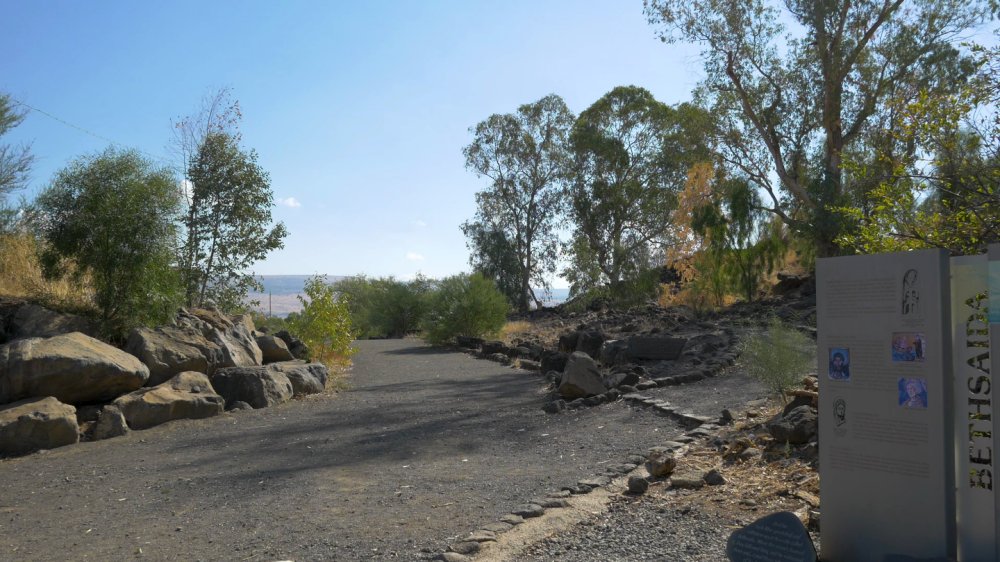
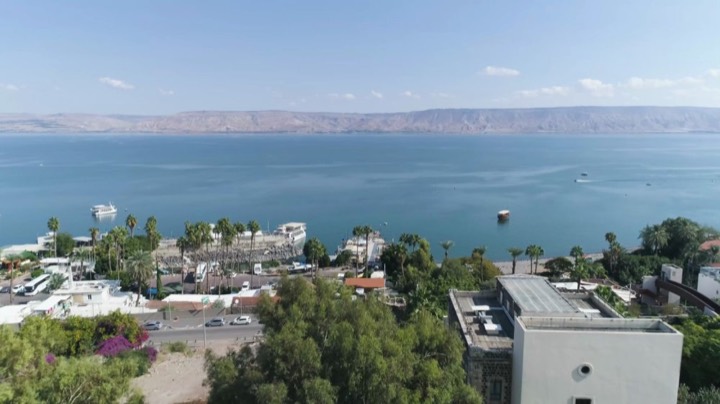
On the shores of the Sea of Galilee, also called the Lake of Tiberias, this freshwater lake in northeastern Israel holds deep significance for Christians, as several episodes of Jesus's life unfolded on its shores. This first part explores the lake and its surrounding archaeological sites, revealing stories that reach back well beyond the first century. Set in the Jordan Rift Valley at a level far below that of the sea, the lake has supported towns, fisheries and pilgrimage for millennia, and gave its Roman name to Tiberias, founded on its western bank. Excavation along the shore continues to bring to light synagogues, harbours and dwellings that document daily life in Galilee across the Hellenistic, Roman and Byzantine periods.
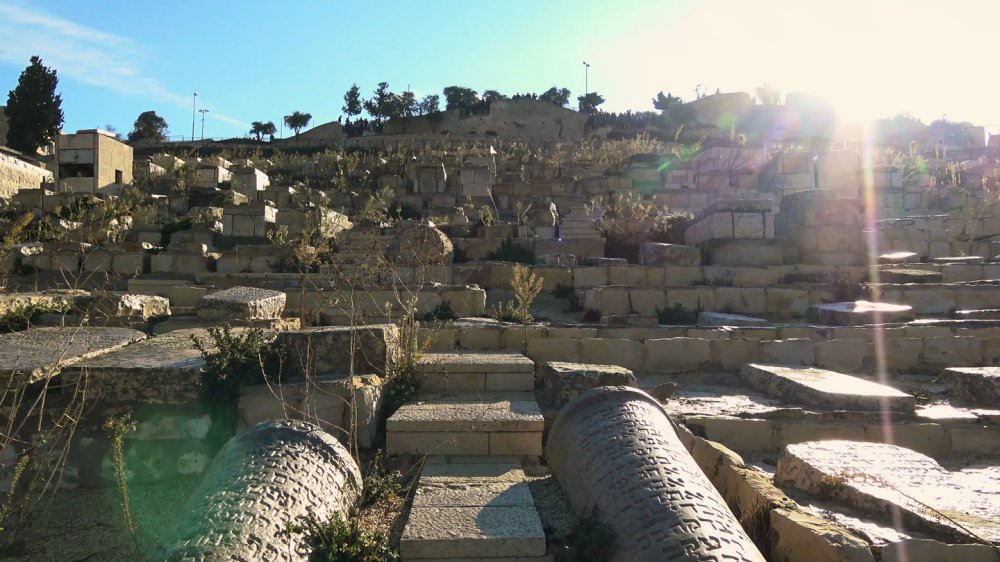
Beit She'arim, explored across two episodes, was a Greek and Roman city and remains a renowned archaeological site, celebrated for its extensive necropolis. Visitors can discover a remarkable series of catacombs, tunnels, and caves that reveal the site's ancient funerary traditions. Set on a ridge at the edge of the Jezreel Valley in Lower Galilee, the town rose to prominence in the second and third centuries as a centre of Jewish learning, and its rock-cut burial halls drew families from across the Mediterranean and the Near East. Their sarcophagi and carved doorways bear inscriptions in Hebrew, Aramaic, Greek and Palmyrene, alongside menorahs and figurative motifs. The necropolis was inscribed on the UNESCO World Heritage List in 2015.
Sacred Sites, World Heritage, Archaeology, History,Israel
Bethphage, Israel (Part 1)
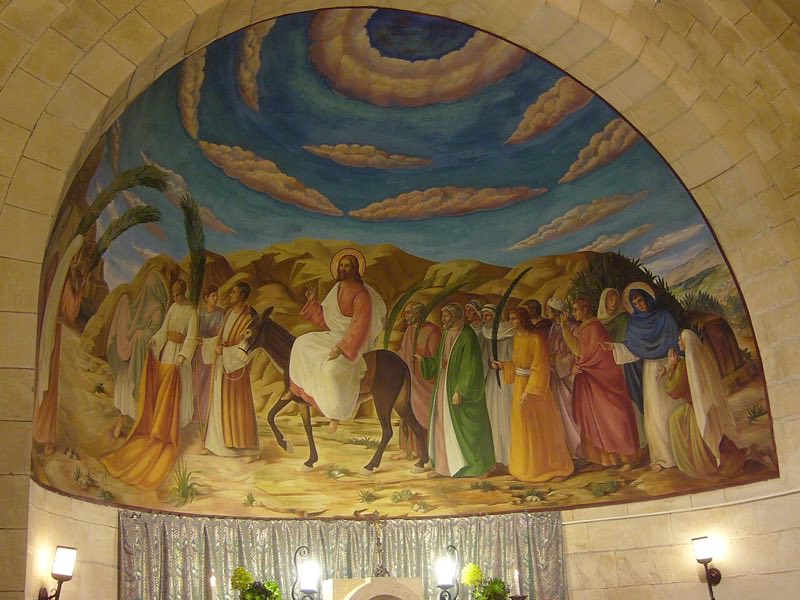
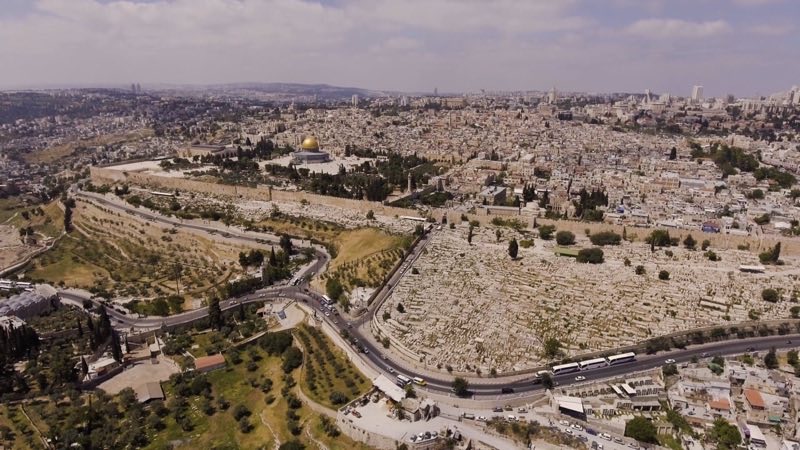
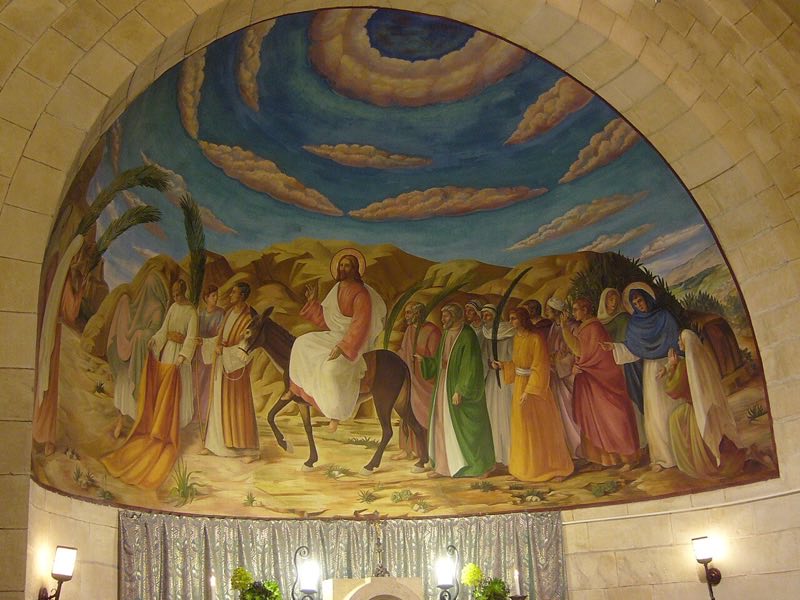
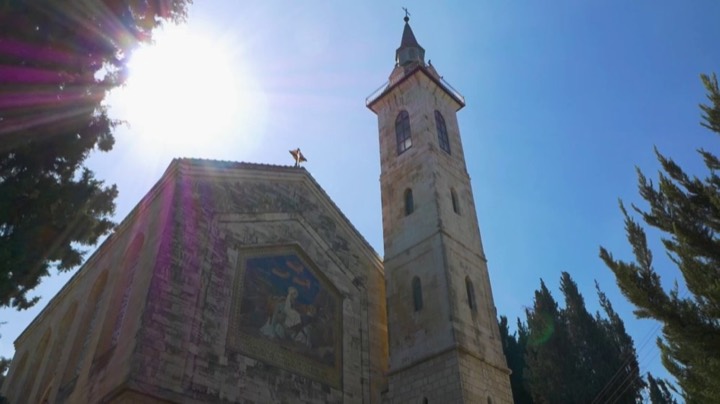
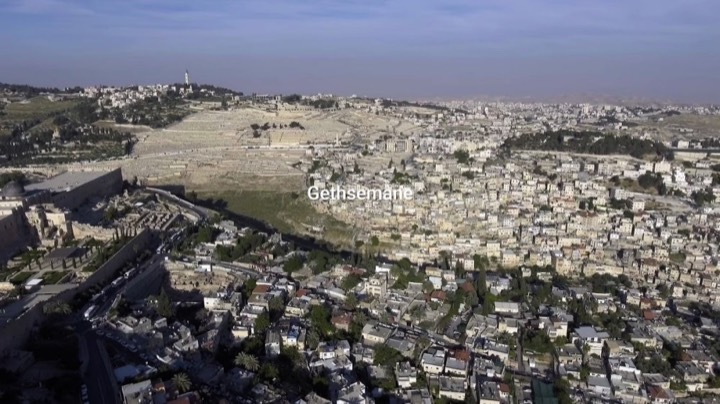
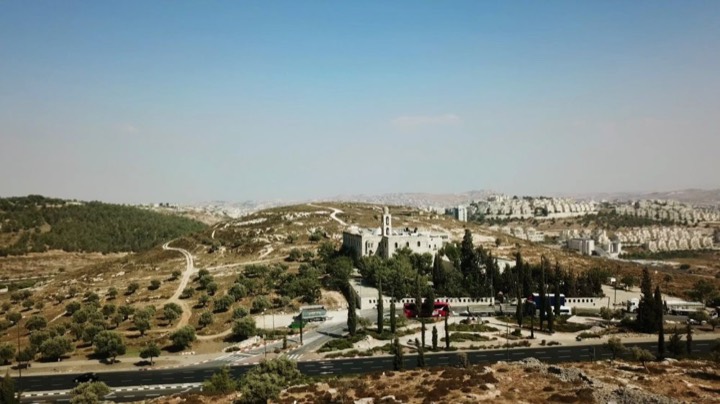
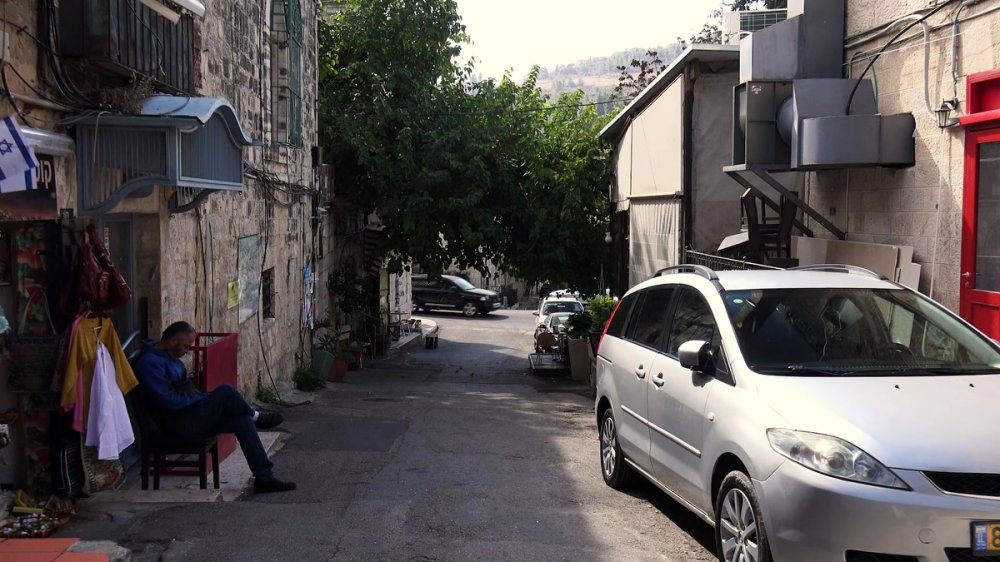
Bethphage marks the traditional starting point of Jesus's triumphal entry into Jerusalem, commemorated on Palm Sunday. Located between Bethany and the Mount of Olives in the holy city, the village is marked by the Bethphage Church, which houses a stone traditionally identified as the one Jesus used to mount the donkey at the start of his procession. The Franciscan sanctuary standing today was built in the nineteenth century over the remains of a medieval chapel, and the venerated block preserves painted decoration from the Crusader period on its faces. Each year the Palm Sunday procession sets out from here and descends the Mount of Olives towards the Old City, one of the most widely attended events of the Jerusalem religious calendar.
Bethphage marks the traditional starting point of Jesus's triumphal entry into Jerusalem, commemorated on Palm Sunday. This second part continues exploring the village, located between Bethany and the Mount of Olives, and its church housing a stone traditionally identified as the one used to mount the donkey at the start of the procession. Cared for by the Franciscans, the sanctuary was raised in the nineteenth century over medieval foundations, and the venerated block still carries painted scenes from the Crusader period. From the terrace the road drops westward towards the Kidron Valley and the Old City walls, following the route taken each year by the Palm Sunday procession that gathers thousands of pilgrims and local Christians.
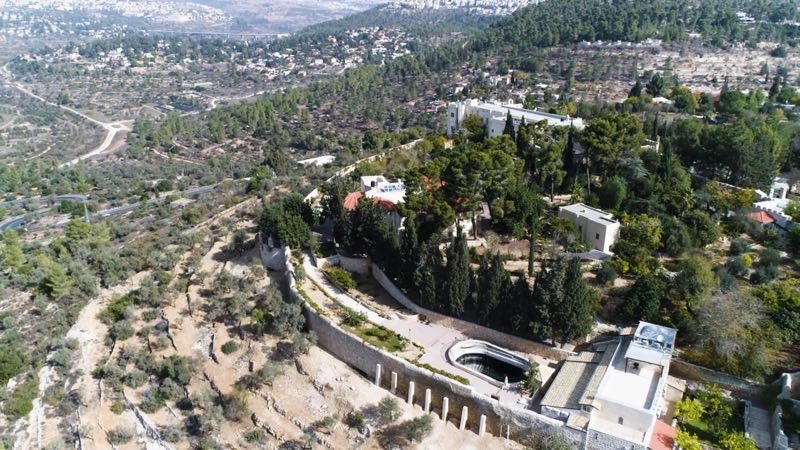
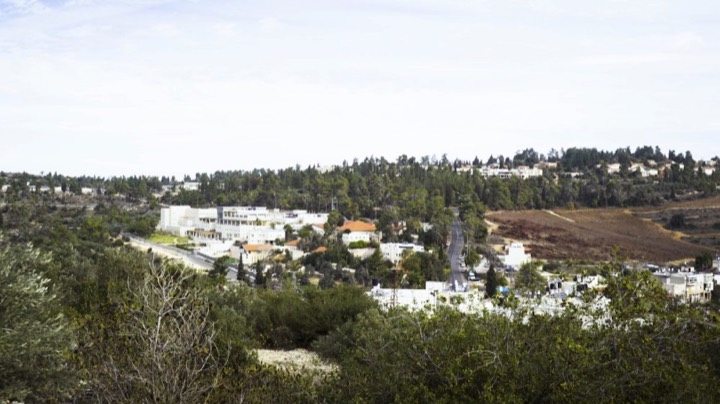
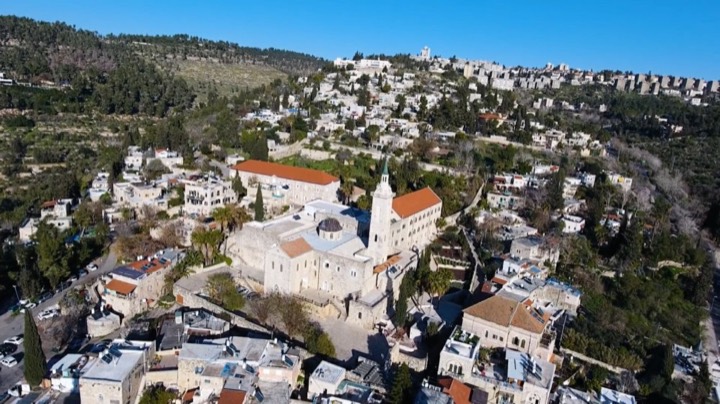
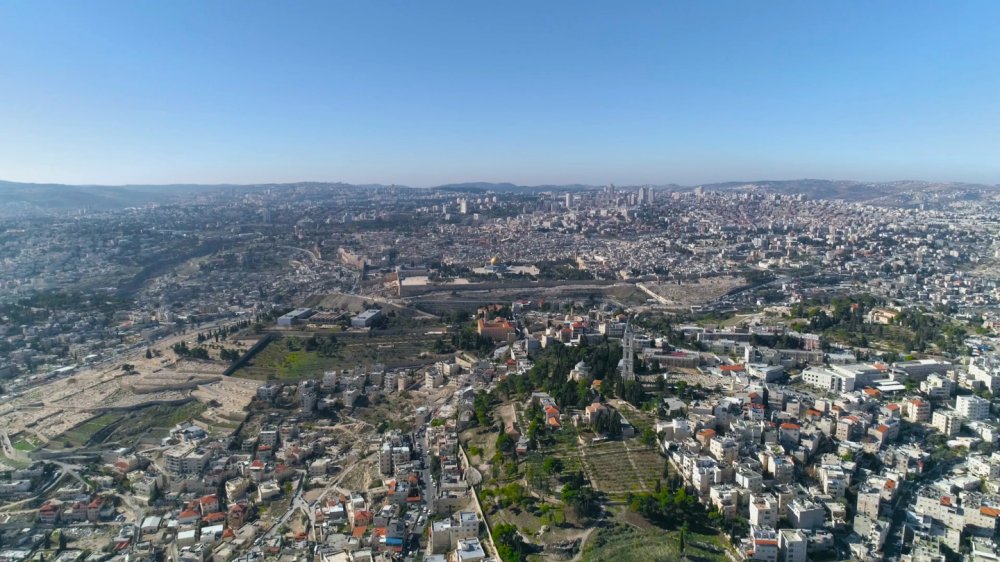
Ein Karem, revered as the birthplace of Saint John the Baptist and the site of Mary's visitation to Elizabeth, blends deep religious heritage with the charm of a picturesque, pastoral village favored by visitors today. Set in a wooded valley on the western edge of Jerusalem and now within the city's boundaries, it takes its name from the spring at its centre, long known to pilgrims as Mary's Spring. Churches and convents of the Franciscan, Greek Orthodox and Russian Orthodox traditions occupy the surrounding slopes, among them the Church of Saint John the Baptist and the Church of the Visitation. Stone houses, terraced gardens and cypress-lined lanes have made the village a favourite of artists and walkers as well as pilgrims.
Ein Karem, revered as the birthplace of Saint John the Baptist and the site of Mary's visitation to Elizabeth, blends deep religious heritage with the charm of a picturesque, pastoral village favored by visitors today. This second part continues through the valley on the western edge of Jerusalem, where the spring known to pilgrims as Mary's Spring gave the village its name. Its slopes carry an unusual concentration of Christian foundations, Franciscan, Greek Orthodox and Russian Orthodox alike, alongside stone houses, terraces and old orchards that have drawn artists and craftspeople to settle here. The result is a place where a working village and one of the principal pilgrimage sites of the Judean hills occupy the same few streets.
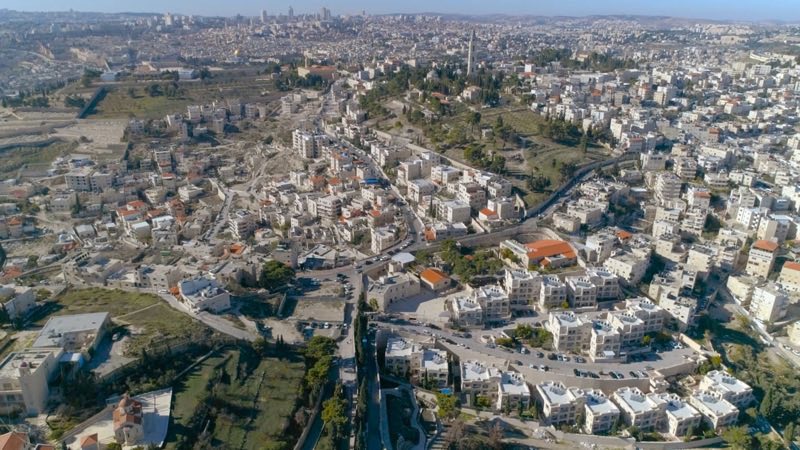
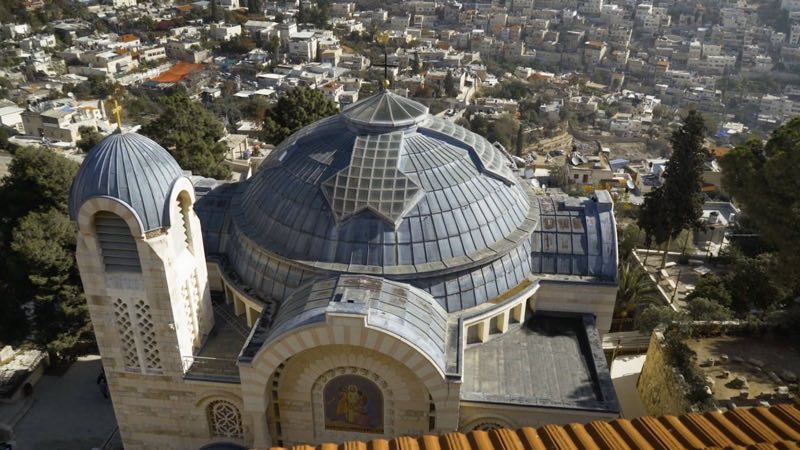
On the eastern slope of Mount Zion, just outside Jerusalem's Old City walls, stands the Church of Saint Peter in Gallicantu. Its name, Latin for 'cock's-crow,' commemorates Peter's threefold denial of Jesus before the rooster crowed, a poignant chapter in the Easter narrative. Raised in the twentieth century for the Assumptionist Fathers over the remains of a Byzantine sanctuary, the church is marked by a golden cockerel on its roof and by mosaic compositions of the trial and the denial. Christian tradition places the house of the high priest Caiaphas here, and the rock-cut chambers and cisterns below are shown as the place of Christ's detention, while outside a stepped stone street of the Roman period descends towards the Kidron Valley.
Beyond the well-known Roman ruins of this vibrant seaside national park, this documentary uncovers a different side of Caesarea, focusing on the surrounding culture and artistic life found just outside its historic boundaries. Founded by Herod the Great as Caesarea Maritima and long the Roman administrative capital of the province, the city later gained Crusader walls and a harbour that eventually silted into the sea. Today the ancient theatre serves as a concert venue, galleries and restaurants occupy vaulted Crusader chambers, and divers explore submerged breakwaters offshore. The result is a portrait of a heritage site that functions as a living cultural quarter rather than a fenced archaeological park.
Khan al-Hatruri, known in the West as the Inn of the Good Samaritan, is a ruined caravanserai on the road between Jerusalem and Jericho, 298 meters above sea level. It now houses a museum of ancient mosaics and archaeological finds from across the West Bank and Gaza, though it is sometimes confused with the nearby Khan al-Ahmar. The spot has been identified since the Byzantine period with the parable of the Samaritan who aided a traveller beaten on this notoriously exposed descent, and successive Crusader, Ottoman and Mandate structures were raised on the same ground. Its position on the steep road down to the Dead Sea still makes the geography of the parable immediately legible.
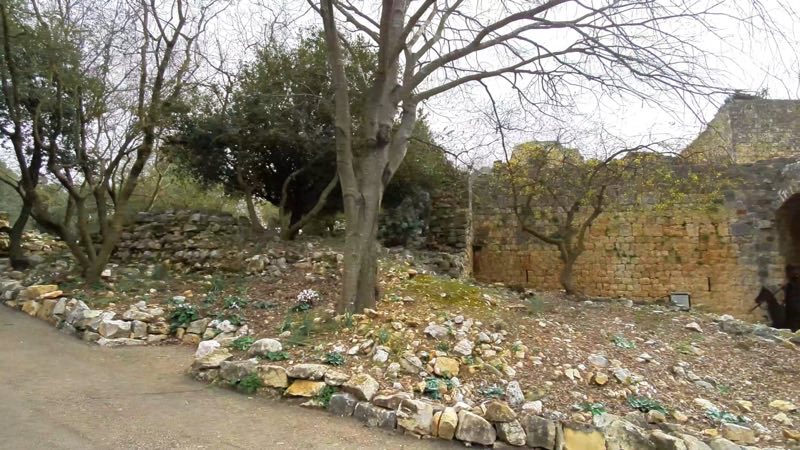
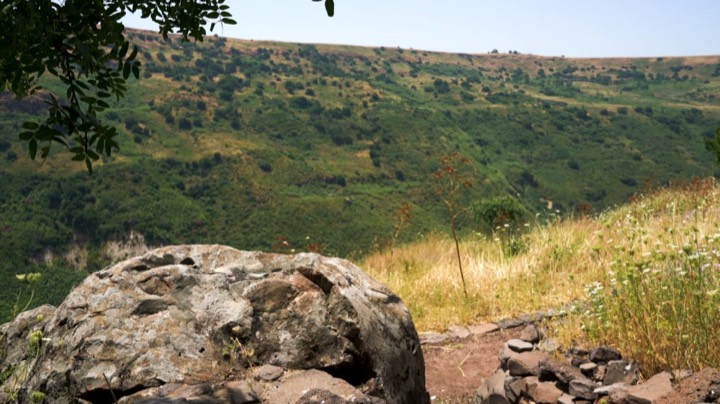
A two-part journey to the ancient ruins of Nimrod Fortress, reached via winding mountain roads overlooking the lush Golan Heights. Built on the southern slopes of Mount Hermon, this medieval Ayyubid castle is known in Arabic as Qal'at al-Subeiba, the 'castle of the large cliff.' Raised in the thirteenth century to guard the road from Damascus to the coast against Crusader advance, it was enlarged under the Mamluks before losing both its purpose and its garrison. Its keep, towers and hidden passages run along a narrow ridge for several hundred metres, and from the walls the view takes in the Hula Valley, the Golan plateau and the snows of Hermon above.
A two-part journey to the ancient ruins of Nimrod Fortress, reached via winding mountain roads overlooking the lush Golan Heights. Built on the southern slopes of Mount Hermon, this medieval Ayyubid castle is known in Arabic as Qal'at al-Subeiba, the 'castle of the large cliff.' Raised in the thirteenth century to guard the road from Damascus to the coast against Crusader advance, it was enlarged under the Mamluks before losing both its purpose and its garrison. Its keep, towers and hidden passages run along a narrow ridge for several hundred metres, and from the walls the view takes in the Hula Valley, the Golan plateau and the snows of Hermon above.
Sacred Sites, World Heritage, Archaeology, History,Israel
Shivta National Park, Israel (Part 2)
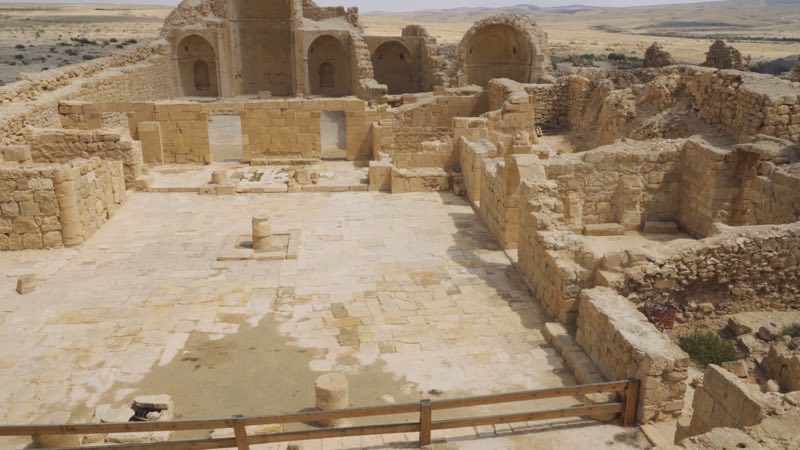
Shivta National Park showcases the impressive remains of a Byzantine city built in the heart of a desert with no natural water sources whatsoever. Its splendid churches, streets, and homes remain astonishing even today, a testament to remarkable ancient engineering. Every drop the town used was caught from winter floods and rooftop runoff, channelled into plastered reservoirs at the centre of the settlement and out to terraced fields where vines and olives were grown. Three churches, a prayer hall added in the Islamic period, and closely packed limestone houses survive to considerable height, and the site is inscribed by UNESCO with the other Nabatean towns of the Negev.
The Church of the Holy Sepulchre, in Jerusalem's Old City, enshrines what tradition dating back to at least the fourth century identifies as Christianity's two holiest sites: Calvary, where Jesus was crucified, and his empty tomb, where he was buried and resurrected. The tomb itself is housed within a 19th-century shrine known as the Aedicula. The first basilica was raised under Constantine, destroyed in the eleventh century and rebuilt in Romanesque form by the Crusaders, whose façade and bell tower still front the courtyard. Six Christian communities share the building under a status quo agreement so exact that the keys are entrusted to two Muslim families, a custom maintained for centuries.
This two-part documentary explores Beit She'arim, a renowned Greek and Roman city famed for its extensive necropolis. Visitors journey through a remarkable series of catacombs, tunnels, and caves that reveal the site's rich funerary history. After the destruction of the Second Temple the town became a centre of Jewish learning, seat of the Sanhedrin and of Rabbi Judah the Prince, and its hillside was quarried into burial halls that drew Jewish families from across the Mediterranean. Sarcophagi in stone, marble and lead survive alongside inscriptions in Hebrew, Aramaic, Greek and Palmyrene, and the necropolis is inscribed by UNESCO as a World Heritage Site.
Located on Israel's Mediterranean coast, Tel Taninim is an ancient mound overlooking the Taninim River estuary. This documentary explores its archaeological layers, coastal landscape, and historical role as a strategic settlement, revealing the deep connection between nature, trade routes, and human presence over time. The river's name means 'crocodile stream,' after animals that survived in its marshes into the early twentieth century, and a dam upstream once raised its waters to feed the aqueduct running south to Caesarea. The mound now sits within a nature reserve whose wetlands, mills and channels make the engineering of the ancient water supply unusually easy to read.
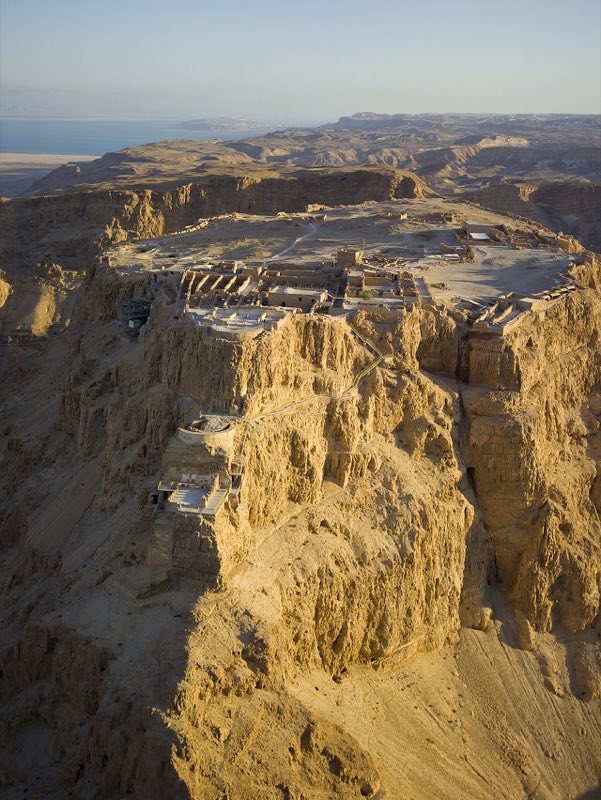
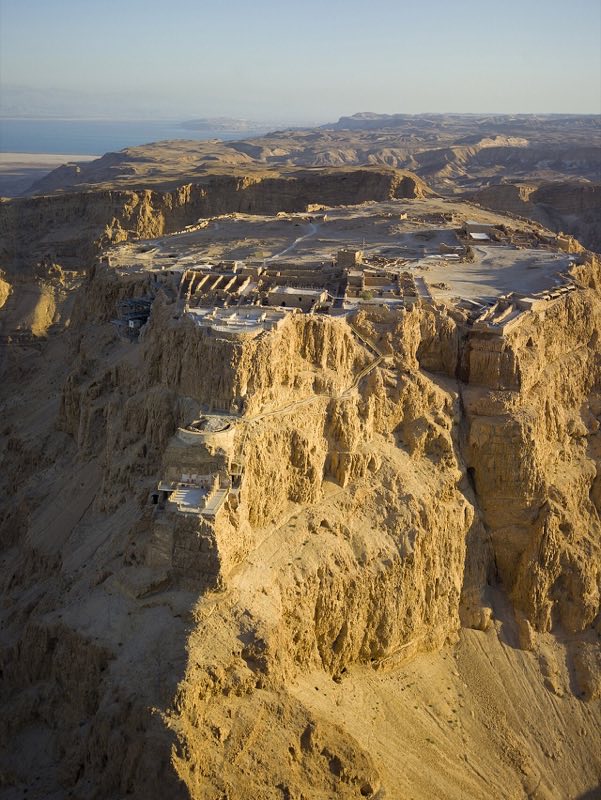
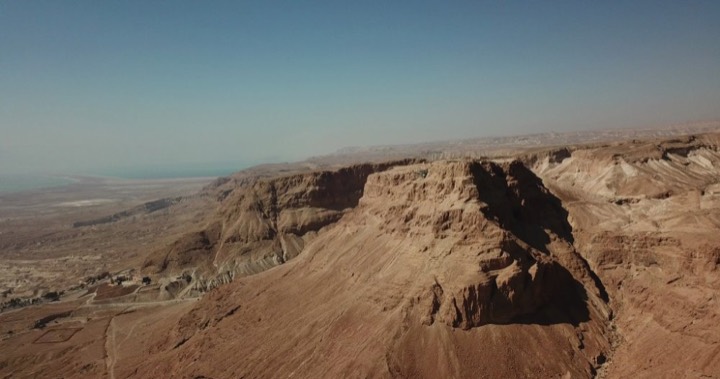
Explore the siege of Masada, one of the final events of the First Jewish-Roman War, fought from 73 to 74 CE atop a dramatic hilltop in present-day Israel. This documentary weighs the archaeological evidence against the account of Josephus, who described a prolonged Roman siege ending in the mass suicide of the fortress's Jewish rebels and residents. The Tenth Legion ringed the plateau with a wall and camps and drove an assault ramp up its western flank, all of which survive on the desert floor. Above them stood Herod's palace complex, whose cisterns and storerooms allowed the defenders to hold out. Masada is a UNESCO World Heritage Site and among the most thoroughly excavated places in the country.
Explore the siege of Masada, one of the final events of the First Jewish-Roman War, fought from 73 to 74 CE atop a dramatic hilltop in present-day Israel. This documentary weighs the archaeological evidence against the account of Josephus, who described a prolonged Roman siege ending in the mass suicide of the fortress's Jewish rebels and residents. The Tenth Legion ringed the plateau with a wall and camps and drove an assault ramp up its western flank, all of which survive on the desert floor. Above them stood Herod's palace complex, whose cisterns and storerooms allowed the defenders to hold out. Masada is a UNESCO World Heritage Site and among the most thoroughly excavated places in the country.
Explore Yehi'am Fortress National Park, a site steeped in cultural history, conflict, and heroism. Purchased from Lady Stephanie de Milly by the Teutonic Knights around the turn of the 13th century, the fortress they built was later sacked by Mamluk Sultan Baybars, leaving behind striking architecture including domes, walls, and crenellated defenses. Known to the Crusaders as Judin, the ruin was rebuilt in the eighteenth century by the Galilean ruler Dahir al-Umar, whose vaulted halls and tower stand among the earlier work. A kibbutz founded beside it in 1946 took the name Yehi'am, and the hilltop looks out over the wooded ridges of the Western Galilee.
The Church of the Multiplication of the Loaves and Fishes, Israel
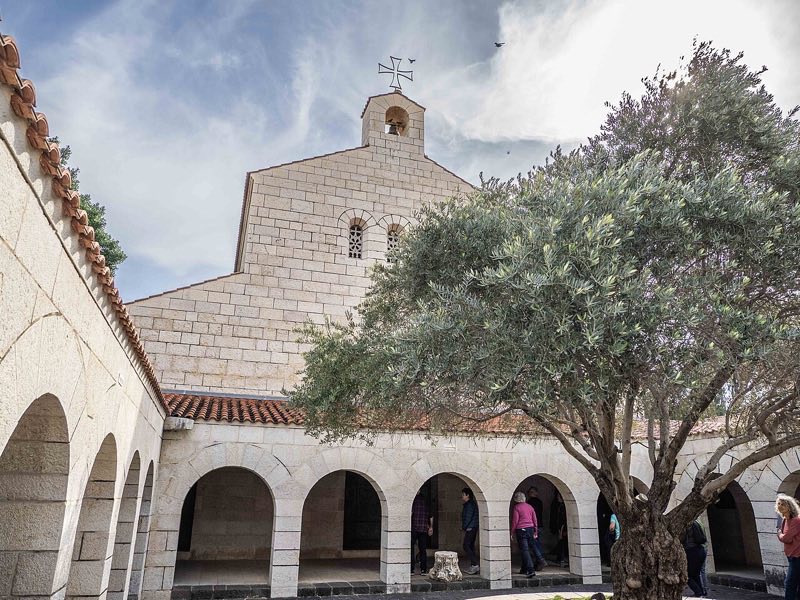
In the Tabgha region, some two hundred metres below sea level near the shores of the Sea of Galilee, stands the Church of the Multiplication, commemorating a pivotal episode in the life of Jesus and drawing pilgrims to this tranquil lakeside setting. The present church, cared for by German Benedictine monks, was completed in the early 1980s and follows the plan of the Byzantine basilica that once occupied the site. Its great attraction is the 5th-century mosaic floor: a basket of loaves flanked by two fish set before the altar stone, and borders alive with herons, ducks and lotus flowers rendered with exceptional freshness. The film reads the building as both a place of prayer and a rare survival of early Christian art.
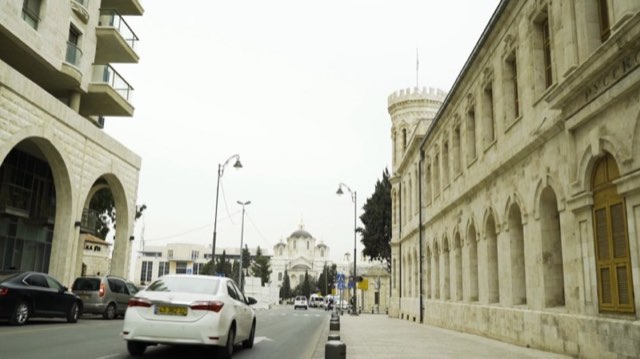
Within the walls of Jerusalem's Old City, a stone's throw from the Damascus Gate and its bustling bazaars, lies a 1st-century pavement beneath the Arch of Ecce Homo, marking the beginning of the Via Dolorosa. The arch takes its name from the words attributed to Pilate as he presented Christ to the crowd, and its central bay still spans the street while a side arch rises inside the church of the Sisters of Zion; scholarship generally attributes the structure to the Roman rebuilding of the city under Hadrian. Below, the great flagstones long shown to pilgrims as the Lithostrotos carry incised gaming boards, and the vaulted Struthion Pool still holds water. Few sites compress Roman engineering and Christian devotion so tightly.
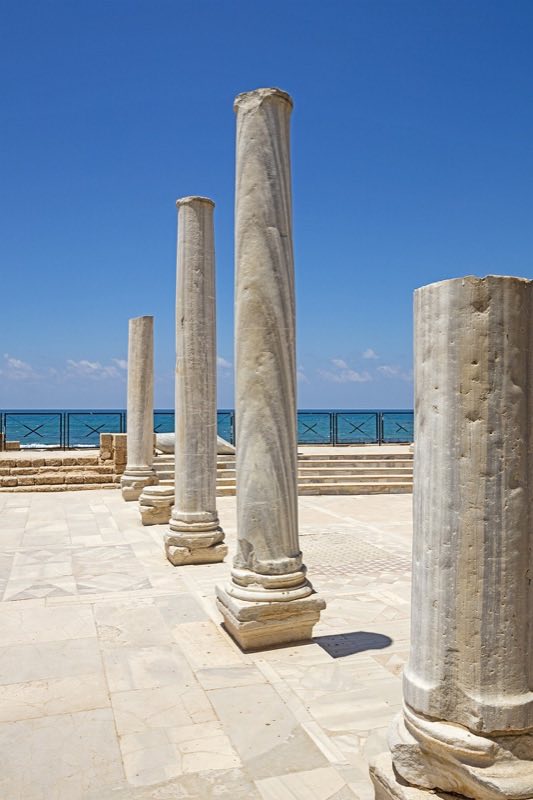
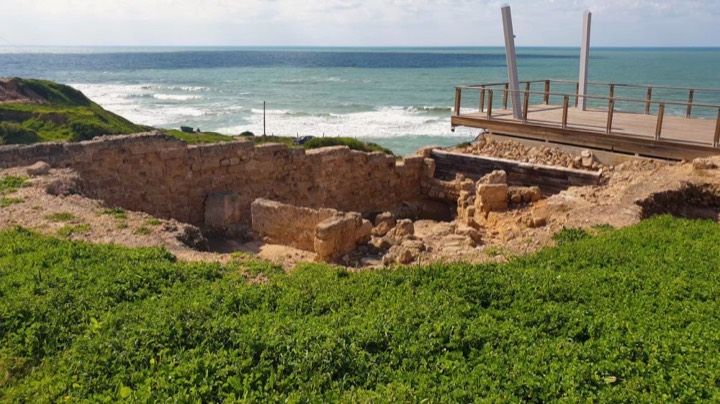
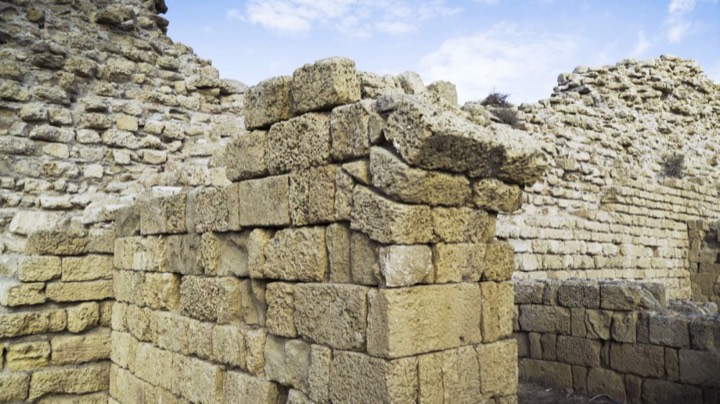
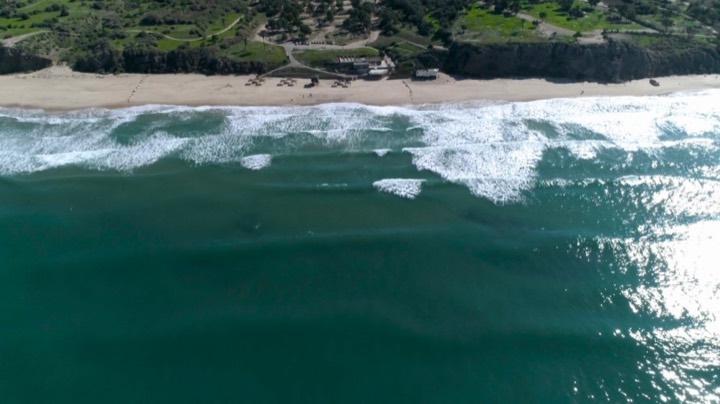
Caesarea National Park preserves the ruins of an ancient Roman port city alongside beautiful beaches and striking historical squares. Recognising the site's potential, Herod began building the port around 30 BCE, naming it Caesarea in honour of Augustus Caesar, who had granted him the territory. Its artificial harbour was among the engineering feats of the ancient world, raised on hydraulic concrete poured into the open sea. The city became the Roman administrative capital of the province and later a major Byzantine centre, leaving a theatre still used for concerts, a hippodrome along the shore, bathhouses, mosaics and a long aqueduct running north along the dunes. Crusader ramparts and a moat enclose the medieval town above the Herodian remains.
Bethphage, meaning 'house of early fig', lies between Bethany and the Mount of Olives near Jerusalem and marks the traditional starting point of Jesus's triumphal entry on Palm Sunday. Its church preserves a stone said to be the one from which he mounted the donkey for his procession into the city. The sanctuary belongs to the Franciscan Custody of the Holy Land and stands on the eastern slope of the mount, on the old road up from Jericho. The venerated block, rediscovered in the 19th century, carries medieval paintings on its four faces showing the raising of Lazarus and the crowd with palms. Each year the Palm Sunday procession sets out from here and descends towards the Old City, one of the great living rituals of Jerusalem.
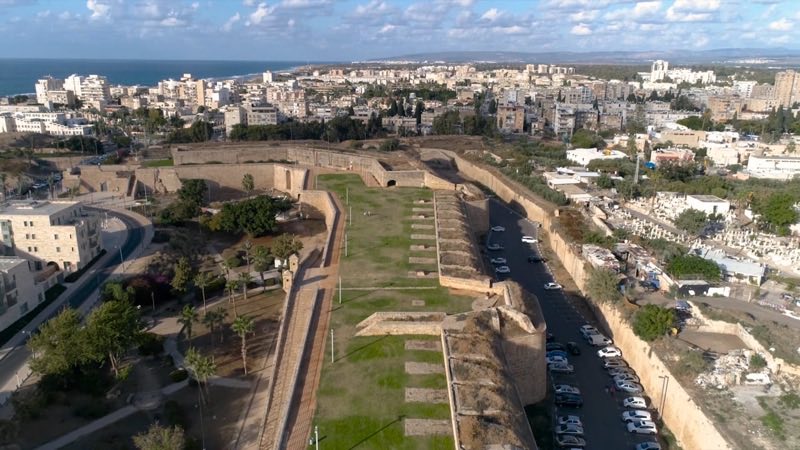
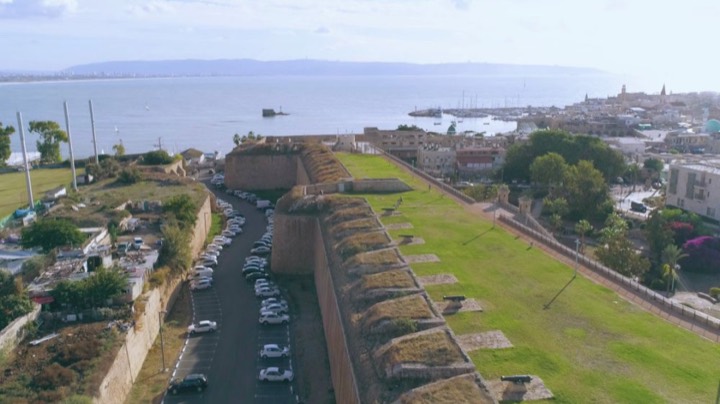
Built on and around the ancient city of Acre, also known as St. John of Acre, Akko holds many sites of deep historical significance. The Hospitaller Fortress stands among its major medieval monuments, though until recently only one or two vaulted rooms were known, the rest buried or hidden beneath later Ottoman construction. This first part sets the compound in its context: the headquarters of the Knights Hospitaller in the capital of the Latin Kingdom of Jerusalem, a walled port that was for a century the busiest harbour of the eastern Mediterranean. It follows the Gothic halls, the great courtyard and the refectory with its massive piers, and explains why an Ottoman citadel raised on top of the medieval city preserved rather than destroyed it.
Built on and around the ancient city of Acre, also known as St. John of Acre, Akko holds many sites of deep historical significance. The Hospitaller Fortress stands among its major medieval monuments, though until recently only one or two vaulted rooms were known, the rest buried or hidden beneath later Ottoman construction. This second part follows the decades of clearance and excavation that emptied the buried halls and returned them to visitors, together with the tunnel attributed to the Templars that runs beneath the town towards the sea. It also looks at the Old City above: khans, hammams, mosques and covered markets of the Ottoman port, inscribed on the UNESCO World Heritage List in 2001 for the medieval town preserved beneath them.
World Heritage, Archaeology, History, Architecture,India
Agrasen Ki Baoli, India
In the heart of New Delhi, discover Agrasen Ki Baoli, a centuries-old subterranean marvel and remarkable water-harvesting monument unique in its design. It stands as a testament to the cultural, architectural and artistic heritage of Delhi and India as a whole. A baoli, or stepwell, is a well reached by a descending flight of steps, storing water through the dry season and offering cool shelter from the heat; this one narrows dramatically as it drops, with tiers of arched niches and galleries rising along its long stone flanks. Attributed by tradition to the legendary king Agrasen and rebuilt in the medieval period, it is protected as a monument by the Archaeological Survey of India and sits improbably among the office towers off Connaught Place.
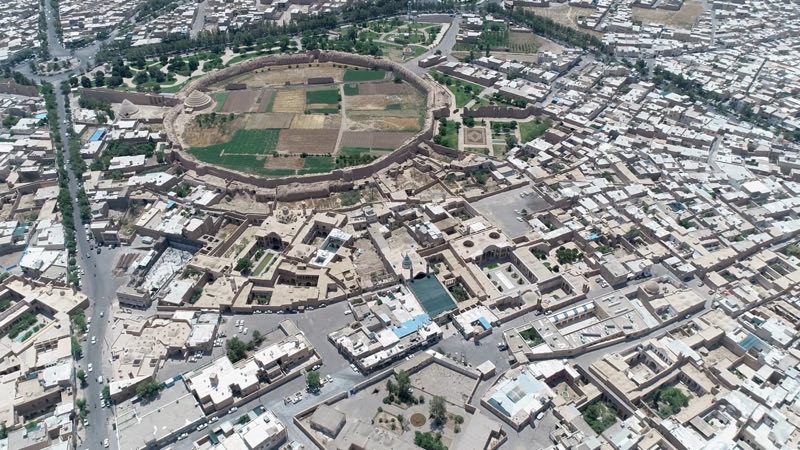
Discover the Historic Bazaar of Kashan, a showcase of traditional Persian architecture at the living heart of the city. Bustling and richly detailed, this marketplace reflects centuries of Persian culture and commerce. More than a line of shops, it is a covered quarter in its own right, gathering caravanserais, mosques, bathhouses, schools and warehouses beneath brick vaults pierced with skylights that drop shafts of daylight onto the passageways. Its most celebrated space is the Timcheh-ye Amin od-Dowleh, a trading hall crowned by a soaring honeycombed dome. Rebuilt and extended across successive periods, the bazaar remains in daily use, trading carpets, copper, spices and the rosewater for which Kashan is renowned.
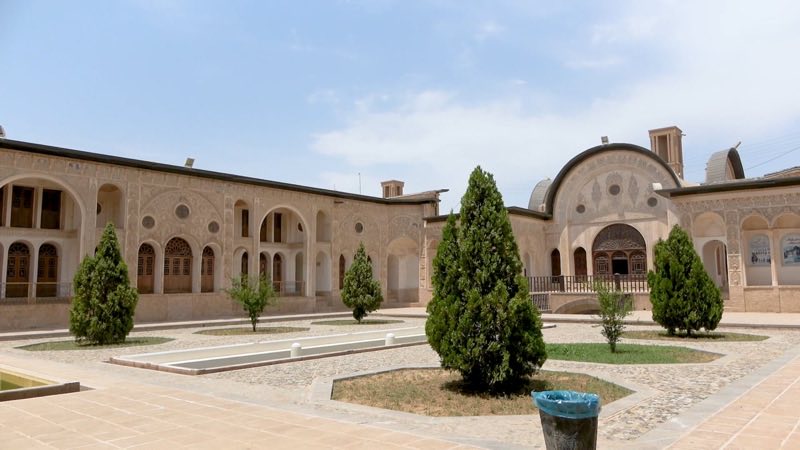
In the ancient city of Kashan, long a centre of ceramics, lustreware and fine textile weaving, stands the Tabatabaei Historical House, built by Seyed Jafar Tabatabaee during the Qajar dynasty. It reflects the artistic legacy of a city renowned for decorated pottery, glazed tiles and fine wool and silk carpets. Raised for a wealthy carpet merchant in the 19th century, it is among the grandest of Kashan's courtyard houses: several courtyards with sunken gardens and pools, an outer section for guests and business and an inner one for the family, all worked in carved stucco, mirror inlay, mural painting and coloured glass. Wind towers and half-buried rooms temper the desert climate, an architecture of comfort as much as display.
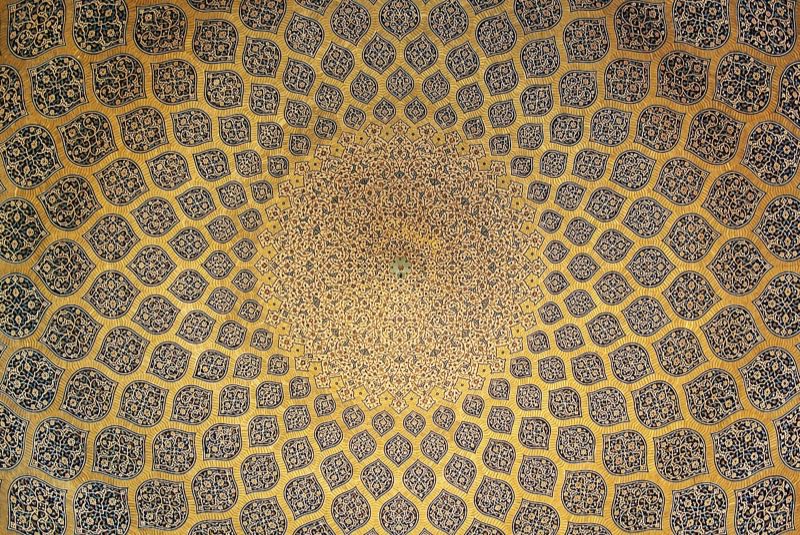
Located in Isfahan, Iran, the Sheikh Lotfollah Mosque is a masterpiece of Safavid architecture. This documentary explores its unique design, refined proportions and exceptional tilework, revealing the artistic and spiritual sophistication of one of Iran's most celebrated mosques. Built in the early 17th century under Shah Abbas I on the eastern side of Naqsh-e Jahan Square, it was conceived as a private oratory for the court rather than a congregational mosque, and so has neither minarets nor courtyard. A bent corridor turns the visitor from the square towards Mecca before opening into a single domed chamber, where light from pierced grilles moves across cream and turquoise tilework. The square was inscribed on the UNESCO World Heritage List in 1979.
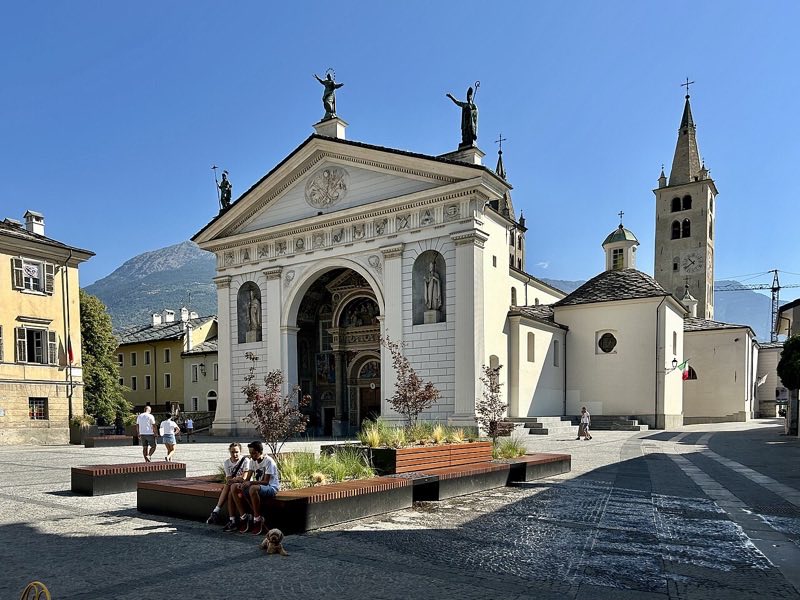
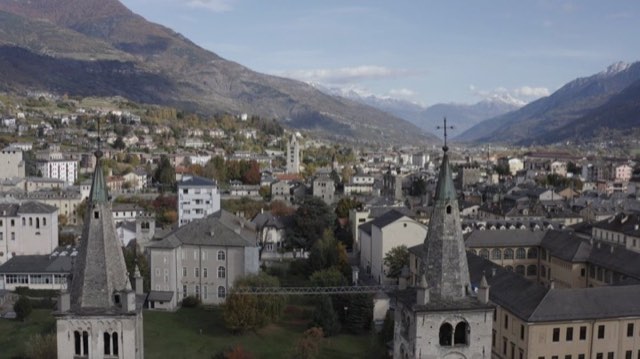
Known as the 'Rome of the Alps', Aosta bears the mark of five centuries of Roman occupation. Discover the Arco di Augusto, or Arch of Augustus, alongside the city's ancient Roman theatre. The arch was raised at the eastern approach to the town to mark the Roman victory over the Salassi and the founding of Augusta Praetoria in 25 BCE, and it still spans the old road just outside the walls, a single bay framed by engaged Corinthian columns, its slate roof a later protective addition. A short walk away, the theatre's towering buttressed facade remains the city's most photographed Roman fragment, while gates, walls and the street grid of the colony survive within the modern town.
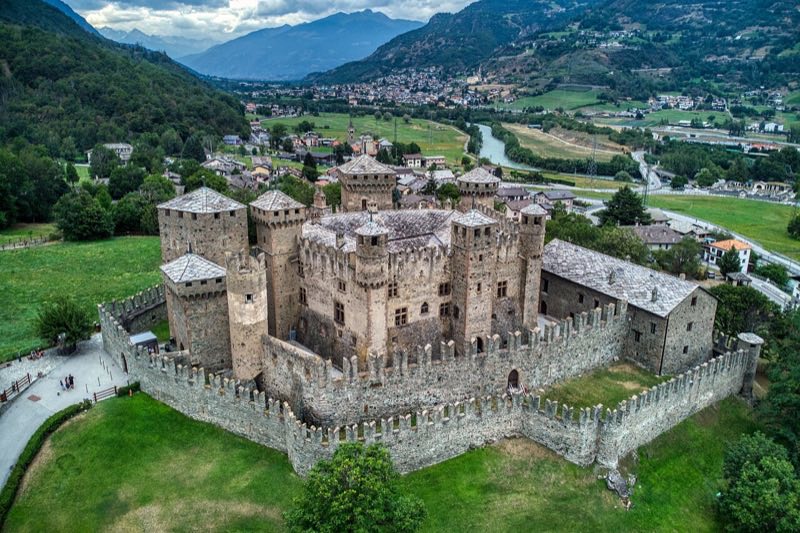
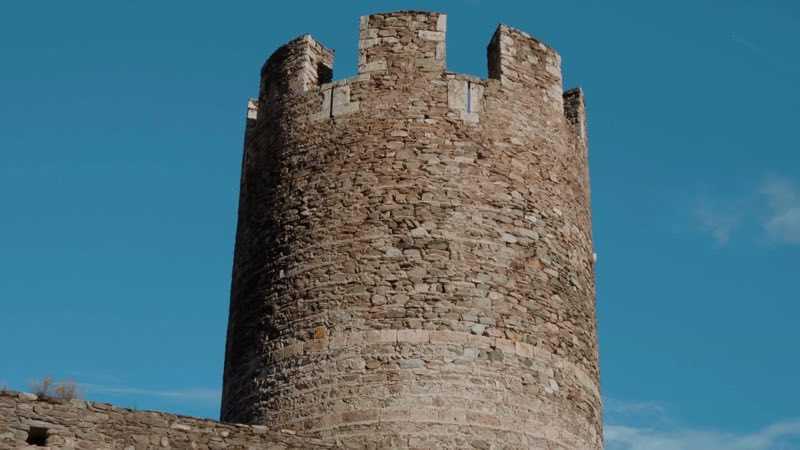
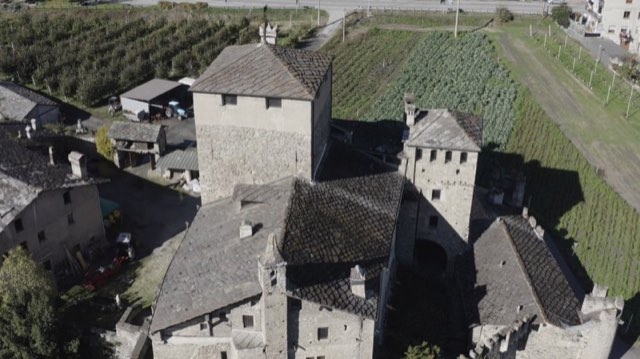
A short distance from Aosta, the valley's capital, sits Fénis, a picturesque town whose well-preserved medieval structures centre on its main attraction: Fénis Castle. Among the most famous medieval manors in the Aosta Valley, it stands as a true jewel and one of the region's defining landmarks. Built for the Challant family, who held it for centuries, the castle is unusual in standing on a low rise rather than a defensible crag, its double ring of walls and crown of towers serving prestige as much as defence. The inner courtyard is its masterpiece: a semicircular stone staircase, wooden galleries and a celebrated cycle of Gothic frescoes, including a Saint George rescuing the princess and a procession of philosophers bearing scrolls.
A volcanic island in the Mediterranean off Sardinia's south-western coast, Sant'Antioco preserves the site of the ancient Phoenician and Roman city of Sulcis. Explore its Basilica, the Savoy Fort and the museums that trace its long and layered past. Founded by Phoenician settlers and later a Roman town linked to the mainland by a causeway still in use, it retains a tophet, the open-air sacred precinct with its funerary urns, and an extensive necropolis whose rock-cut chambers were reused as dwellings into modern times. Catacombs run beneath the basilica of the martyr who gives the island his name. The town is also one of the last places where sea silk, woven from the filaments of a great Mediterranean shellfish, is remembered.
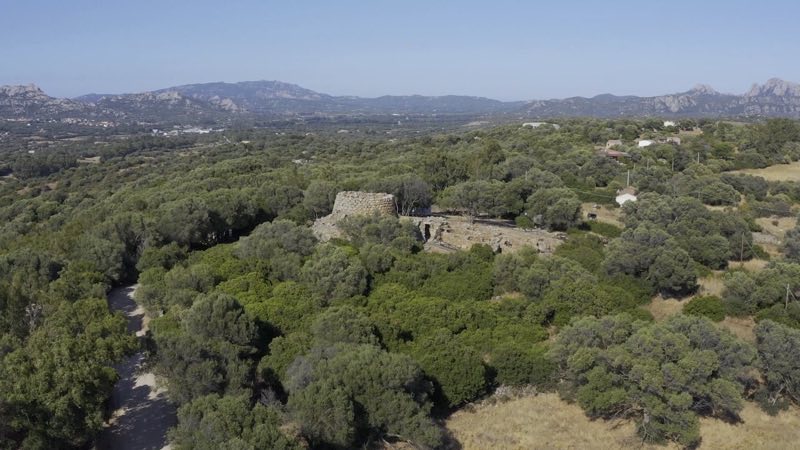
Arzachena, capital of the glamorous Costa Smeralda, offers more than beautiful coastline; it is also rich in archaeological interest. Its Archaeological Park features an impressive concentration of nuragic complexes and giants' grave necropolises, notable for their density and variety within a compact municipal territory. Coddu Vecchiu is the most celebrated of them: a Bronze Age collective tomb whose long burial chamber, built earlier as a slab-lined gallery, was later fronted by a curved forecourt of upright stones. At its centre rises a tall carved stele with a small opening at its base, the symbolic doorway between the living and the dead. The setting, among granite outcrops and cork oaks inland from the coast, is as striking as the monument.
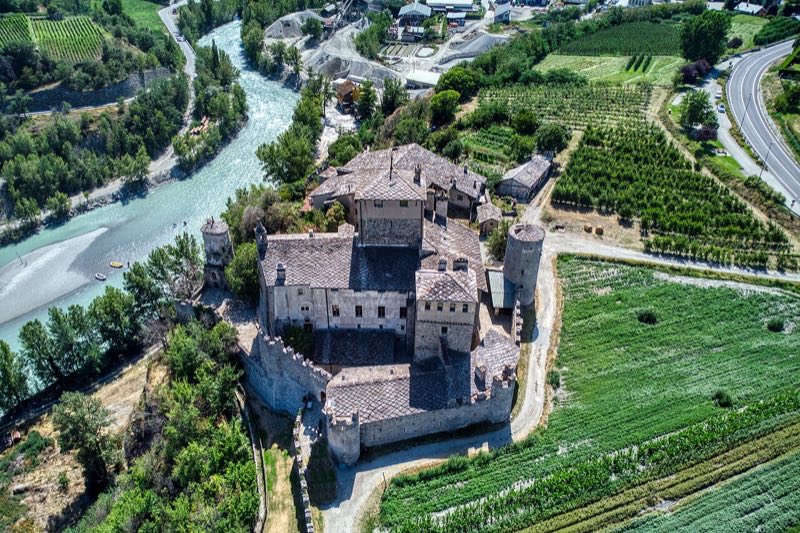
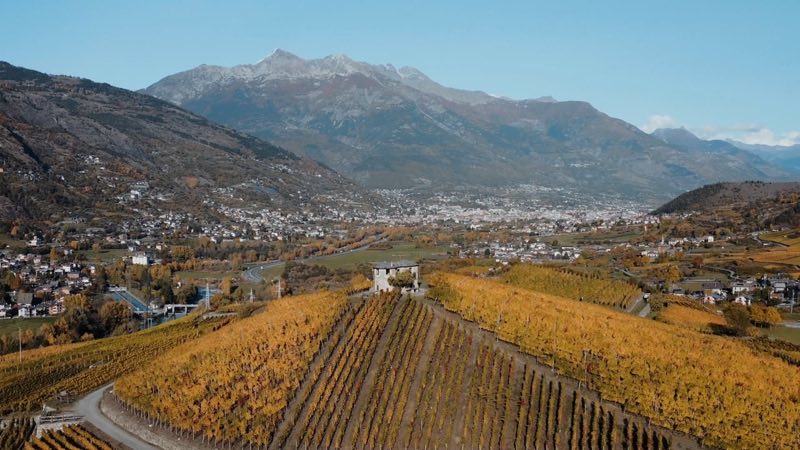
Located in the Aosta Valley, in north-western Italy, the Castello di Aymavilles reflects centuries of architectural transformation, from medieval fortress to noble residence. Four round corner towers survive from its defensive phase, later enveloped in an elegant eighteenth-century residential remodelling carried out for the Challant family, one of the valley's dominant noble houses. The outcome is an unusual hybrid in which military mass and decorative refinement stand side by side, surrounded by vineyards on the terraced slopes below the Gran Paradiso massif. This documentary explores the towers, the interiors and the alpine setting, revealing the historical layers that shaped this landmark.
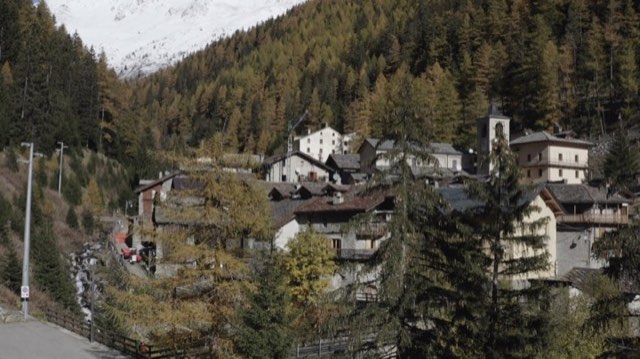
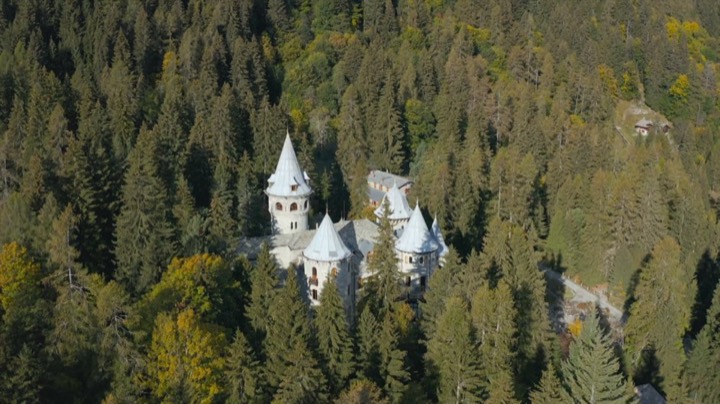
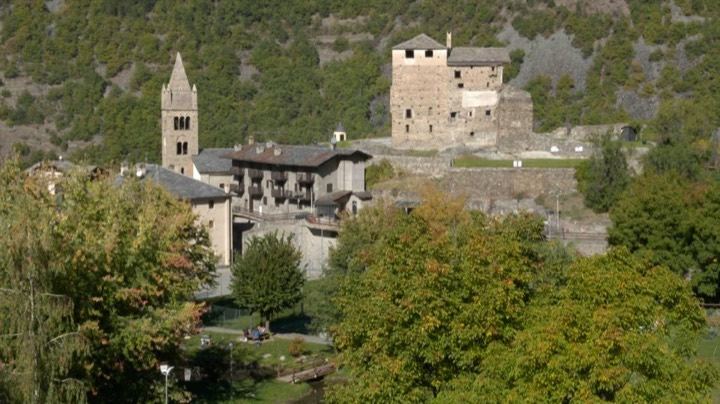
Set in Italy's Aosta Valley, near Saint-Pierre, the Castello Sarriod de la Tour is a striking medieval residence distinguished by its fortified structure and intricately carved wooden ceiling. Unlike the castles built as a single block, it grew by accretion around an early tower, enclosed within a curtain wall, and long belonged to the Sarriod family, among the valley's leading noble lineages. Its celebrated Hall of Heads takes its name from the carved figures set into the beams, a rare survival of late-medieval domestic woodwork. This documentary examines the castle's architecture and interiors, shedding light on the character of noble life in the alpine region.
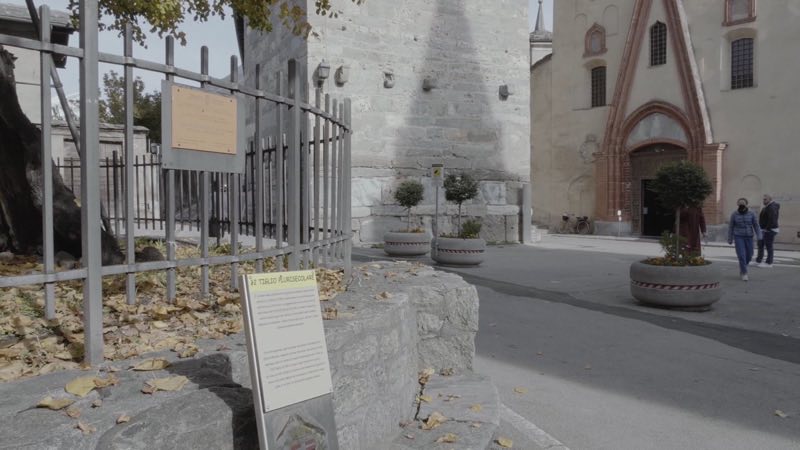
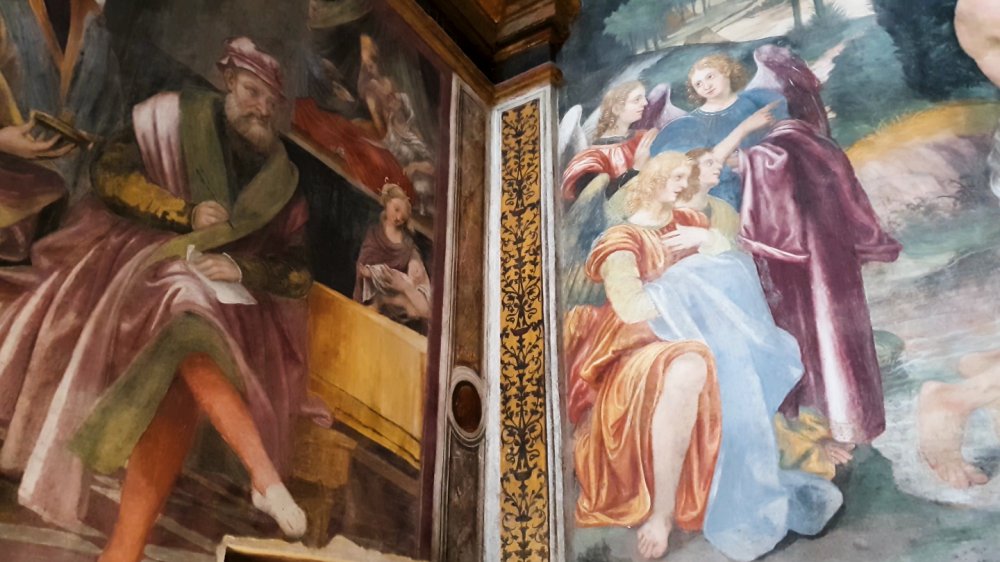
Sant'Orso, or Saint-Ours, is a collegiate church in Aosta dedicated to Saint Ursus, rebuilt during the Carolingian era and later reshaped by Bishop Anselm into a basilica with three naves. Its cloister preserves 37 historiated capitals depicting the saint's life, while a Romanesque bell tower dating to 989 still bears traces of its original medieval structure. This second episode returns to the complex to follow its later transformations, when Gothic vaults, stalls and stained glass were grafted onto the Romanesque core, and to examine the priory and crypt that complete the ensemble, one of the richest concentrations of sacred art in the western Alps.
Among Italy's most important monuments, the Ducal Palace in Urbino tells the story of Federico da Montefeltro, a Renaissance figure who united culture, military command and political skill. Today a UNESCO World Heritage site housing the National Gallery of the Marche, it remains a venue for events and educational tours, famously described as a city in the shape of a palace. Its celebrated façade flanked by slender twin turrets, its arcaded courtyard and its intricately inlaid study count among the defining images of fifteenth-century architecture. The collections gathered inside make it one of the essential destinations for Renaissance painting in Italy.
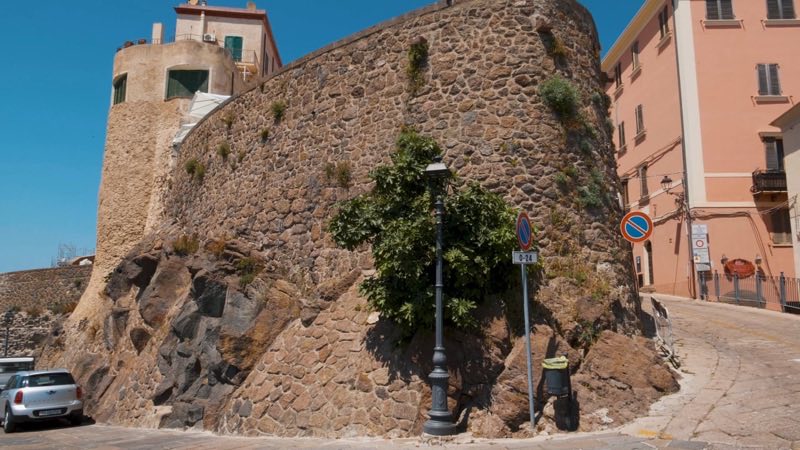
Perched atop a dramatic cliff in Sardinia, Castelsardo's old town blends distinctive local folklore with striking coastal scenery. Founded in 1102 by the Genoese Doria family, it remains one of the island's most captivating destinations, reflecting the proud, distinct culture that has defined Italy for millennia. Successive rulers renamed the settlement as it passed from Genoese to Aragonese and then Spanish control, and the castle at its summit still commands the Gulf of Asinara. Steep lanes lead up to the cathedral above the sea, while basket weaving in dwarf palm remains a living craft practised in doorways along the way.
On the opposite bank of the Dora Baltea from Verrès Castle stands Issogne Castle, renowned for its rich history and stately presence in Italy's Aosta Valley. Dating to the 15th century, it showcases Renaissance elegance through its frescoed walls and characteristic Italian courtyard. Built for the Challant family as a residence rather than a stronghold, it turns its plain outer walls towards the valley and reserves its display for the interior, where painted lunettes under the arcade depict the trades and daily life of the period. A wrought-iron fountain in the form of a pomegranate tree stands at the centre of the courtyard.
In Urbino, a town in Italy's Marche region, the Albornoz Fortress crowns the city's highest point, complementing the splendor of the nearby Ducal Palace. Named for Spanish Cardinal Gil Álvarez de Albornoz, its construction dates to between 1353 and 1367, during the reorganization of Church-held territories. The cardinal's campaign to restore papal authority across central Italy produced a network of such strongholds, of which this is one of the surviving examples. Remodelled in later centuries and now set within a public park, the fortress offers a commanding view over the roofs and twin turrets of a historic centre inscribed on the UNESCO World Heritage List.
Castello Reale di Sarre, Aosta Valley, Italy (Part 3)
Located in Italy's Aosta Valley, the Castello Reale di Sarre served as a royal residence of the House of Savoy. This third installment continues exploring its interiors, decorative elements and royal traditions, highlighting the castle's role in the region's political and cultural history. Acquired in the nineteenth century by King Victor Emmanuel II as a base for hunting in the surrounding mountains, the residence retains the galleries whose decoration was assembled from the trophies of those expeditions, alongside portraits, furnishings and personal effects of the royal family. Now in state ownership, it is among the most visited monuments of the valley.
Nestled in the lower Aosta Valley, above the Lys as it descends towards the valley floor, Perloz is a small mountain village shaped by rural traditions and alpine landscapes. Its settlement is dispersed across hamlets on the slope, in the pattern typical of the district, with dry-stone terraces reclaiming ground for vines and pasture and roofs of heavy stone slabs. This documentary explores its stone architecture, terraced hillsides and local heritage, revealing everyday life in a lesser-known corner of the valley, away from the castles and Roman monuments that dominate its reputation, and closer to the working landscape that sustained it.
Arzachena, part of the Costa Smeralda, opens the way into the heart of Gallura and its rich Sardinian traditions and ancient history. About a kilometer east of the town, on the edge of the valley, lies the Temple of Malchittu. Reached by a footpath across granite outcrops and scrub, the building is one of the rare structures of its kind on the island: an elongated dry-stone enclosure with a rounded end, set apart from any dwelling and generally interpreted as a place of worship of the Bronze Age communities that preceded and accompanied the nuragic towers. Its walls survive to a considerable height in the open landscape.
World Heritage, History, Architecture, CultureItaly
Nuraghe Albucciu, Sardinia, Italy
On the western edge of the Arzachena plain lies Nuraghe Albucciu, a distinctive component of the site's ancient archaeological complex, built directly onto the side of a granite cliff near a giants' tomb. Rather than the classic conical tower, it takes the form of a low, irregular structure whose corridors and chambers are roofed with massive stone slabs and partly incorporate the living rock, an economical solution characteristic of Gallura. Traces of the surrounding settlement remain visible nearby. Together with the neighbouring monuments of the Arzachena area, it documents the Bronze Age occupation of northern Sardinia.
World Heritage, History, Architecture, CultureItaly
Aosta Cathedral, Aosta Valley, Italy (Part 1)
Founded in the 4th century near an ancient Roman forum, the Aosta Cathedral traces back to the earliest spread of Christianity in the region. Remodeled with a neoclassical façade in 1848, it now also houses a museum dedicated to the Aosta Valley's sacred art. Behind that late frontage the building preserves a Romanesque core, with twin bell towers, a crypt and a celebrated cycle of early medieval paintings surviving above the vaults. Mosaic pavements and carved choir stalls complete an ensemble that ranks alongside the collegiate church of Sant'Orso among the principal monuments of the valley. This first episode sets out its origins and architecture.
Located in the historic centre of Aosta, beside the remains of the Roman forum, the Aosta Cathedral reflects centuries of religious and architectural history. This documentary explores its Romanesque foundations, medieval frescoes and later transformations, revealing the spiritual heart of the city. The eleventh-century campaign gave the building its twin bell towers and crypt, and left a painted cycle preserved above the later vaults; Gothic rebuilding added the carved choir stalls and stained glass, and a neoclassical façade was applied in the nineteenth century. A museum attached to the cathedral displays the treasury and the sacred art of the valley.
Standing near the Roman walls of Aosta, the Bramafam Tower is one of the city's best-preserved medieval towers. This documentary explores its defensive role, architectural features and place within Aosta's urban development. Like several strongholds in the city, it was raised on the line of the ancient fortifications, reusing Roman masonry as a ready-made base and marking the moment when noble families took control of the old colonial perimeter. Its cylindrical mass and thick walls belong to the seigneurial architecture of the high Middle Ages, and it remains one of the clearest illustrations of how Augusta Praetoria was absorbed into the medieval town.
Located on a rocky spur in the Aosta Valley, in the commune of Arvier, the Castello di Montmayeur overlooks an ancient strategic route. This documentary explores the castle's ruins, military function and commanding landscape, revealing its role in controlling passage through the valley. Isolated far from any settlement and reached only on foot, it takes its name from the noble family that held it, and its remote perch earned it the nickname the vulture's nest. What survives, dominated by the remains of its tower, offers an unusually undisturbed picture of alpine feudal fortification, untouched by the later remodelling that transformed the valley's other castles.
In Italy's Aosta Valley, amid some of the highest peaks in the Alps, this episode presents the Leper's Tower and Bramafam Castle, two distinctive landmarks that embody the region's rich heritage. Both belong to the medieval reoccupation of Aosta, the Roman colony of Augusta Praetoria, whose walls and gates were reused as foundations for seigneurial strongholds. The Leper's Tower, at Aosta's western edge, owes its name to the story of a leper confined within it, later given literary form by Xavier de Maistre; restored and now used for exhibitions, it stands as a reminder of how the ancient city was absorbed into the medieval town.
Nairobi is home to churches, mosques, memorials and museums of great national significance, and few are as recognisable as the Jamia Mosque, set between Banda Street and Kigali Road a short walk from the city centre. The largest mosque in Kenya, it is also one of Nairobi's defining pieces of architecture, its silver domes and slender minarets rising above the surrounding streets in a style that draws openly on Mughal and Arab traditions. Filmed in 4K, this episode moves from the crowded pavements outside to the calm of the prayer hall, following the rhythm of the daily prayers and the congregation that has gathered here for generations, and placing the mosque within the broader story of Kenya's Muslim community and the making of the modern capital.
Patuxai is a massive war monument and triumphal arch at the heart of Vientiane, completed in 1968 using funds originally intended for an airport, which has earned it the affectionate local nickname of the vertical runway. Its name means Victory Gate, and it was built between 1957 and 1968 to honour the Laotian soldiers who died in the Second World War and in the struggle for independence from France. The silhouette recalls the Arc de Triomphe, but every surface is Lao: mythological figures, lotus motifs and kinnari reliefs cover the arches and ceilings. Filmed in 4K, this episode climbs from the boulevard below to the upper terrace, where the monument opens onto a panorama of the Laotian capital.
Located in Vientiane, the Sisaket Museum is housed within the historic Wat Sisaket complex, one of the oldest surviving religious sites in the Laotian capital. This documentary explores its cloisters, its collections and its architectural heritage, revealing the cultural significance of a former royal monastery that has served as both a place of worship and a repository of national memory. The surrounding gallery is lined with niches holding thousands of small Buddha images, ranged tier upon tier along the inner walls, while the ordination hall preserves painted decoration and carved woodwork of great refinement. Filmed in 4K, the episode moves slowly through the courtyard and cloisters as the light shifts across them.
In the city of Luang Prabang stands Wat Xieng Thong, the Temple of the Golden City, home to the grand sim, or central shrine hall, of this celebrated Laotian monastery. Built in the traditional Luang Prabang style, the structure's sweeping roofline descends in overlapping tiers almost to the ground, and its rear wall carries the famous tree of life rendered in coloured glass mosaic against a red ground. Founded in the sixteenth century near the confluence of the Nam Khan and the Mekong, the temple served the royal house for four centuries and remains the most revered monastery in the former capital. Filmed in 4K, this episode examines its gilded doors, murals and funerary chapel in close detail.
World Heritage, Archaeology, Architecture, CultureLaos
The Morning Market, Laos
Within walking distance of Wat Choum Khong lies the morning market, tucked along the streets behind the Royal Palace in Luang Prabang. Held in the early hours, it brings a brief bustle to lanes that otherwise remain quiet for the rest of the day. Vendors arrive before dawn and set out their goods on low tables and mats: vegetables and herbs from the surrounding hills, fish from the Mekong and the Nam Khan, sticky rice, grilled skewers and sweets wrapped in banana leaf. By the time the sun clears the rooftops, the crowd has thinned and the street is swept clean. Filmed in 4K, this episode follows the market through its short, concentrated life, from first delivery to final departure.
Forty kilometres southeast of Beirut lies the Shouf district, a mountainous region rich in archaeology and architecture that reflects the diverse history and peoples of Mount Lebanon. Among its picturesque villages is Baadarane, home to the Palace of Ali Joumblatt, a striking example of Italian influence in Lebanese architecture. Built in cut local stone and set against terraced slopes of pine and oak, the residence belonged to one of the great families of the Shouf, and its arcades, vaulted halls and carved detail speak of a mountain aristocracy with wide Mediterranean connections. Filmed in 4K, this episode explores the building and the village around it, and the layered history they share.
Located in central Sri Lanka, Polonnaruwa was the island's medieval capital and is today a UNESCO World Heritage site. This documentary explores its ancient temples, royal palaces and irrigation systems, revealing the political, religious and artistic achievements of a once-powerful civilisation. The city flourished from the eleventh century, and its ruins remain remarkably legible: brick palace walls still standing several storeys high, circular relic houses, and the colossal Buddha figures carved from a single granite face at Gal Vihara, among the finest sculptures in South Asia. Around them stretch the great reservoirs that made the kingdom possible. Filmed in 4K across the full archaeological park.
Temple of the Sacred Tooth Relic in Kandy, Sri Lanka
Sri Dalada Maligawa, the Temple of the Sacred Tooth Relic, is a Buddhist temple within the former royal palace complex in Kandy, housing a relic believed to be a tooth of the Buddha. Since ancient times, possession of the relic has been closely tied to political legitimacy, tradition holding that whoever guards it holds authority over the land. The temple stands beside the lake at the centre of the last royal capital of Sri Lanka, its shrine of gilded and painted timber approached through drummers who mark each daily ceremony. The sacred city of Kandy is inscribed on the UNESCO World Heritage list. Filmed in 4K, this episode follows the rituals that surround the most venerated object in the country.
Just fifteen minutes from Kotor's Old Town along Montenegro's Bay of Kotor lies the magical medieval village of Perast, set against the shimmering waters of the Adriatic Sea. Once a prosperous seafaring town under Venetian protection, it grew rich on maritime trade: Baroque palaces and churches crowd a single waterfront street beneath the hill of St. Ilija. Offshore, the twin islets of St. George and Our Lady of the Rocks complete one of Europe's most photographed seascapes. Part of the UNESCO-listed region of Kotor, Perast offers viewers a rare, unhurried portrait of Adriatic stone, water and light.
World Heritage, Archaeology, History, CultureMontenegro
Old Town of Risan, Montenegro
Risan is the oldest settlement on the Bay of Kotor and part of a World Heritage site, closely linked to the neighboring town of Perast in Montenegro. An Illyrian stronghold long before Rome, it is remembered as the refuge of Queen Teuta and preserves the finest Roman mosaics on the eastern Adriatic, including the celebrated depiction of Hypnos, god of sleep. This documentary walks its quiet waterfront and its excavated villa floors, tracing more than two thousand years of continuous habitation at the innermost reach of the bay, where the mountains fall directly into the sea.
Monastery of Kalishta, Cave Church and Struga Area, North Macedonia
Scattered between a turquoise lake and a deep blue river lies the Macedonian city of Struga, set where the Black Drin flows out of Lake Ohrid. On the way to Radodza, the Kalishta Monastery awaits, celebrated for its cave churches cut into the cliffs at the water's edge and for a uniquely revered icon of the Virgin. This documentary follows the shoreline south from Struga, filming frescoed rock chapels, monastic courtyards and lakeside villages within the UNESCO-listed Ohrid region — a serene, contemplative chapter of North Macedonia's spiritual landscape, filmed in natural light on the quietest shore of the lake.
Ohrid, the largest city on Lake Ohrid in North Macedonia, was once home to 365 churches, one for each day of the year, earning it the nickname “Jerusalem of the Balkans.” Its picturesque houses and historic monuments draw visitors to this southwestern city near Resen and Bitola. Rising in tiers from the shore to the fortress of Tsar Samuel, the old town preserves Byzantine frescoes, the cliff-top church of St. John at Kaneo and the memory of the Slavic literary school taught here more than a thousand years ago. City and lake together form one of the rare sites inscribed by UNESCO for both cultural and natural value.
A magnet for devotees and tourists alike, the Ta' Ġieżu Church stands as a spectacular site in the heart of the Mediterranean, a testament to Malta's rich historical and religious heritage. Its Maltese name, meaning “of Jesus,” recalls the Franciscan friars who founded it, and it is famed for venerated devotional statues carried through the streets during the islands' Holy Week processions. This documentary explores its gilded altars, side chapels and confraternity traditions, and the intensity of popular piety that still fills the church on feast days — an intimate portrait of living faith in the Maltese islands.
Dominating the tip of one of the peninsulas around the Grand Harbour, Fort St. Angelo, or Forti Sant'Anġlu, sits at the point of the Birgu, or Vittoriosa, peninsula. Enjoying a commanding view over the entire harbour, the fort occupies a position at its exact midpoint. Fortified since medieval times and rebuilt by the Knights of the Order of St John, it served as their headquarters and as the anchor of the defense during the Great Siege of 1565, later passing to the British before its modern restoration. This documentary films its bastions, ramps and vaulted chambers, tracing five centuries of Mediterranean naval history written in stone.
Loreto is a historic town on Mexico's Baja California Sur peninsula, known as the birthplace of the Californias and home to one of the region's earliest Jesuit missions. Founded in 1697, the Misión de Nuestra Señora de Loreto was the first permanent Spanish settlement on the peninsula and the head of the mission chain that would eventually reach north into present-day California. This documentary explores its enduring religious heritage and the sacred sites that shaped its founding legacy, between the peaks of the Sierra de la Giganta and the islands of the Gulf of California — a striking meeting of desert, sea and colonial stone.
Querétaro and Jalisco: Tolimán, Colón and San Sebastián del Oeste, Mexico
This journey travels through Querétaro and Jalisco, visiting Tolimán, Colón and San Sebastián del Oeste, towns that showcase Mexico's rich mix of colonial architecture, rural tradition and sacred heritage across these central and western states. In the semi-desert of Querétaro, Tolimán and Colón preserve chapels, votive courtyards and living Otomí traditions; high in the Sierra Madre Occidental, San Sebastián del Oeste is a former silver-mining town of whitewashed façades and tiled roofs, recognized as a Pueblo Mágico. The film follows village feast days, artisans and mountain landscapes rarely captured in 4K.
This documentary explores syncretism in Mexico, the blending of Indigenous and Catholic traditions that has shaped the country's cultural and spiritual identity, reflected in its festivals, art and World Heritage sites. From pre-Hispanic sanctuaries reconsecrated as churches to processions where copal incense, flowers and ancestral dance accompany the Christian calendar, it traces how two worlds fused after the conquest into something entirely Mexican. Filmed across chapels, markets and village celebrations, the programme offers buyers a visually rich and thoughtful entry into the living religious culture of Mexico.
Templo Expiatorio del Santísimo Sacramento, Mexico
The Templo Expiatorio del Santísimo Sacramento, in Guadalajara, is one of Mexico's most remarkable churches, renowned for its architecture and religious significance. Built in Neo-Gothic style over some seventy-five years and completed in the twentieth century, it is celebrated for its finely cut stonework, soaring vaults and stained glass, and for the carillon whose apostle figures appear at appointed hours. This documentary explores its sacred spaces and the devotional traditions that continue to draw worshippers and visitors, revealing a cathedral-scale work of craftsmanship finished within living memory.
This documentary explores Querétaro's Magic Towns, settlements recognized by Mexico's Pueblos Mágicos programme for their historical charm, traditional architecture and cultural heritage, offering a window into the region's colonial past and living traditions. Among them, Bernal shelters beneath one of the world's largest monoliths, while Jalpan de Serra guards a Franciscan mission of the Sierra Gorda inscribed on the UNESCO World Heritage list. Between semi-desert, vineyards and mountain forest, the film follows cobbled streets, artisan workshops and patron-saint festivals across one of central Mexico's most rewarding states.
The Kuan Yin Temple is a Chinese temple in Malaysia dedicated to the Buddhist goddess of mercy, Kuan Yin, known in Sanskrit as Avalokiteshvara, the bodhisattva of compassion. This documentary explores its ornate architecture and devotional traditions — spirals of incense, carved dragons, painted timber and offerings left throughout the day — reflecting the deep Chinese cultural heritage present across the country. Brought by generations of migrants from southern China, such temples remain living community centres as much as places of worship, and their calendar of festivals fills them with colour and sound.
The Penang Botanic Gardens are a lush green haven in Malaysia, home to diverse plant life and tranquil walking trails. Laid out by the British in the nineteenth century on the site of an old granite quarry, they are also known as the Waterfall Gardens for the cascade that feeds them, and their long-tailed macaques are as familiar to visitors as the palms, orchids and towering rainforest trees. This documentary explores their natural beauty and their role as a cherished retreat within the vibrant island of Penang, where colonial-era landscaping meets the wooded slopes rising towards Penang Hill.
The Queen Victoria Memorial Clock Tower is a striking colonial-era landmark in George Town, Penang, built to commemorate the British monarch's reign. Erected to mark the Queen's Diamond Jubilee of 1897, it rises sixty feet — one foot for each year on the throne — in a Moorish-influenced design of white stucco crowned by a slender dome, standing at the edge of the old fort and harbour district. This documentary examines its architecture and its enduring presence within the country's historic urban landscape, at the heart of a city inscribed on the UNESCO World Heritage list.
Rising in the heart of George Town, on the Malaysian island of Penang, the Tokong Han Jiang Ancestral Temple is a Chinese ancestral temple that reflects the heritage of the country's Teochew community, long associated with the clan association that built and maintains it. This documentary explores its ornate architecture, from carved timber beams and sculpted roof ridges to gilded altars veiled in incense, and the enduring traditions of ancestor veneration it preserves, following the rites through which successive generations honour their forebears. Filmed in 4K, the episode offers a refined portrait of Chinese diaspora culture in Southeast Asia.
World Heritage, History, Architecture, CultureMalaysia
Tua Pek Kong Temple, Malaysia
The Tua Pek Kong Temple is one of Malaysia's historic Chinese temples, dedicated to a revered folk deity long associated with prosperity and protection. This documentary explores its architecture, from incense-filled prayer halls to the sculpted detail of its roofs and altars, and the devotional life that unfolds within it day after day. It situates the temple within the country's remarkably diverse religious heritage, in which Chinese, Malay and Indian traditions have coexisted for generations, and shows how such sanctuaries remain focal points for the communities that raised them. Elegant 4K photography throughout.
Masjid Tanjung Bungah (The Floating Mosque), Malaysia
Masjid Tanjung Bungah, known to visitors as the Floating Mosque, is one of Malaysia's most distinctive places of worship: built out over the shoreline so that at high tide it appears to rest upon the water itself. This documentary explores its striking design, where slender minarets and a domed prayer hall meet the open sea, and its everyday role as a working mosque serving the coastal community around it. Filmed in 4K, the episode captures the interplay of light, tide and architecture that gives the building its reputation, offering programme buyers a visually arresting portrait of contemporary Islamic architecture in Southeast Asia.
Sacred Sites, World Heritage, History, Architecture, CultureMalaysia
Kek Lok Si Pagoda, Malaysia
Kek Lok Si is one of the largest and most significant Buddhist temple complexes in Southeast Asia, rising in tiers above Air Itam on the Malaysian island of Penang. Founded in the 1890s, it is crowned by the seven-storey Pagoda of Ten Thousand Buddhas, whose layered architecture blends a Chinese octagonal base, Thai middle tiers and a Burmese crown: a single structure that sums up the temple's multicultural roots. This documentary explores that architecture alongside the complex's shrines, terraced gardens and towering bronze statue of the goddess of mercy, and its enduring role as a major site of pilgrimage and heritage.
Pashupatinath Temple is a sacred Hindu temple complex on the banks of the Bagmati River in Kathmandu, Nepal, dedicated to Lord Shiva in his form as lord of the animals. Inscribed on the UNESCO World Heritage list as part of the Kathmandu Valley, it is far more than a single shrine: a vast precinct of pagoda-roofed temples, ashrams and riverside terraces where cremation rites are performed in full view of pilgrims. This documentary explores its religious significance as one of the holiest Hindu sites in the world and its role in Nepalese spiritual life, from daily worship to the great festival gatherings it draws each year.
Ollantaytambo is a town and Inca archaeological site in southern Peru, roughly 72 km by road from Cusco. During the Spanish conquest of Peru, it served as a stronghold for Manco Inca Yupanqui, leader of the Inca resistance against colonial forces. The settlement occupies the floor of the Sacred Valley of the Urubamba and retains its original Inca street grid, with dressed stone walls, doorways and running water channels still in daily use, making it one of the few continuously inhabited Inca towns. Above it, monumental agricultural terraces climb the hillside to the Temple Hill, where a wall of vast finely joined monoliths marks the unfinished Sun Temple. The town is also the departure point for rail services toward Machu Picchu.
The Faisal Mosque in Islamabad is the fifth-largest mosque in the world and the largest in South Asia, set at the foothills of the Margalla Hills at the northern edge of the Pakistani capital. Completed in the 1980s to the design of Turkish architect Vedat Dalokay, and funded by the Saudi king whose name it bears, it broke with tradition entirely: in place of a dome, its contemporary design features eight concrete shell sides rising to a peak, drawing inspiration from the form of a traditional Bedouin tent, while four slender minarets frame the courtyard. A landmark of twentieth-century Islamic architecture, filmed in 4K.
The Potohar Plateau of northern Punjab, Pakistan, is rich with historical monuments, among them the vast Rohtas Fort. Raised in the sixteenth century by Sher Shah Suri to hold the region against his rivals, it is one of the largest fortress complexes in the world and an outstanding example of Muslim military architecture in South Asia, qualities that earned it inscription on the UNESCO World Heritage list. Its sprawling grounds include massive boundary walls running for kilometres, monumental gateways, interlinking staircases, scattered wells and lonesome structures left to the plateau. Filmed in 4K.
This journey uncovers the lost glory of Ramkot Fort in Pakistan, following its ruins across the high ground on which it stands to reveal a site of significant architectural and historical heritage. Walls, bastions and empty chambers are all that remain of a stronghold that once commanded the country around it, and the documentary reads them patiently, letting the stonework tell what the written record no longer can. Filmed in 4K, the episode offers programme buyers an atmospheric portrait of a little-known monument, a quiet counterpoint to the great forts of South Asia.
Perched atop Wawel Hill overlooking the Vistula River, Wawel Cathedral has served for centuries as the coronation and burial site of Polish kings. The present church, consecrated in the fourteenth century, blends Romanesque, Gothic and Renaissance architecture, the golden-domed Sigismund Chapel counting among the finest Renaissance works north of the Alps, while the great Sigismund bell still sounds on days of national significance. Part of Kraków's UNESCO World Heritage-listed historic centre, this sacred landmark remains a powerful symbol of Polish faith, monarchy and national identity, and one of the country's most visited monuments.
Amid the crowds and bustle of Gaza stands the Al-Omari Mosque, the city's largest and oldest place of worship and a major Islamic and archaeological landmark, also known as the Great Mosque. It rises near the old market in the Al-Daraj neighborhood, whose name means "Quarter of the Steps" and which forms Gaza's oldest district, a neighborhood of profound historical significance. The site carries the memory of successive civilizations: a Byzantine church once stood here before the building was converted into a congregational mosque, and it bears the name of the caliph Umar. Damaged and rebuilt many times across the centuries, it has remained the spiritual centre of the old city.
Monastery of Saints John and George of Choziba, Palestinian Territories
Clinging dramatically to a cliff face, the Monastery of Saint George of Choziba, known in Arabic as Mar Jaris, ranks among the world's oldest monasteries, dating back to the 4th century CE. This striking Greek Orthodox institution is suspended above Wadi Qelt, the gorge that carries the ancient pilgrim road between Jerusalem and Jericho, and is reached on foot along a path descending the canyon wall. Destroyed and abandoned more than once in its long history, it was rebuilt in the modern era and remains an extraordinary testament to centuries of monastic devotion carved into the rugged Judaean desert landscape, where hermit caves still honeycomb the surrounding rock.
Vilamoura, in Portugal's Algarve region, is known for its marina, beaches, golf courses and casinos, but beneath its modern surface lies 5,000 years of history. Discover the Cerro da Vila Museum and Archaeological Site, a remarkable window into the layered past of this sun-soaked coastal region. Here stood a Roman villa and maritime settlement whose owners grew wealthy from the sea: excavations have revealed residential quarters, bath complexes, mosaic floors and the tanks once used to salt fish and produce garum, the prized sauce shipped across the empire. Later Visigothic and Islamic occupation left further traces, and the on-site museum presents the finds recovered from the ruins.
In the quiet village of Paderne, in southern Portugal's Albufeira district, stands Paderne Castle, an important regional landmark and one of the castles depicted on Portugal's national flag. Considered one of the finest examples of Islamic military architecture in the Iberian Peninsula, it once combined residential and defensive functions while guarding an ancient Roman road. Its walls were raised in rammed earth during the Almohad period, a technique that gives the ruin its warm ochre silhouette above the Quarteira stream. Taken during the Christian reconquest of the Algarve and later abandoned, the site today offers one of the most evocative fortified landscapes in the south.
Sacred Sites, World Heritage, Architecture,Portugal
Fort of Leça da Palmeira, Portugal
Fort Leça da Palmeira stands as a striking testament to Portugal's coastal defense heritage, guarding the shoreline just north of Porto, in the municipality of Matosinhos, where the Atlantic meets the mouth of the Douro basin. Combining military engineering with the region's storied maritime past, this fortification reflects the architectural ingenuity Portugal employed to protect its Atlantic frontier during centuries of seafaring history. Set directly against the ocean, its low bastioned walls were designed to command the approaches to the harbour and the shipping lanes beyond, and the site remains one of the most photogenic points along this stretch of the northern coast.
The Mosteiro de São Bento da Vitória stands as one of Porto's most significant historic and religious landmarks. Rich in architectural heritage, this former Benedictine monastery reflects centuries of monastic tradition and now serves as a cultural venue, preserving its historic character within the heart of the city. Raised from the late 16th century in the Vitória quarter, on high ground overlooking the Douro and the old Jewish district, its sober granite church and long conventual wings are a fine expression of the austere classical manner of the Portuguese Benedictines. Restored in recent decades, the complex today houses theatre and concert programming.
The Museu de Arte Sacra preserves centuries of Portugal's religious art and heritage, housing sacred objects, sculptures and artifacts that reflect the country's deep spiritual traditions. Gilded woodwork, liturgical silver, vestments, painted panels and devotional statuary are gathered here, drawn from the churches and religious houses of the region and displayed in settings that are themselves part of the heritage. This museum offers a window into the craftsmanship and devotion behind Portugal's ecclesiastical art across the centuries, and into the workshops, patrons and confraternities whose commissions shaped the visual culture of Portuguese faith.
Primarily known for its picturesque, isolated setting, Dârjiu lies in the Székely Land of eastern Transylvania, central Romania. Comprising the villages of Dârjiu and Mujna, the area boasts an eclectic history first recorded in 1334. Tradition holds that Mongol invasions destroyed the original settlement, leading survivors to resettle in what is now the village's Felszeg quarter. At its heart stands a Unitarian fortified church, whose thick defensive walls and corner towers once sheltered the whole community, and whose interior preserves remarkable medieval wall paintings. Inscribed on the UNESCO World Heritage List among the Villages with Fortified Churches in Transylvania, Dârjiu offers rare access to a living Székely village.
The Great Synagogue of Iași stands as a powerful symbol of Romania's Jewish heritage. Consecrated in the 1670s, it is one of the oldest synagogues still standing in the region and reflects centuries of Jewish life, faith and culture in Moldavia. Its half-sunken structure, vaulted prayer hall and richly worked interior speak of a community that made Iași one of the great centres of Ashkenazi learning in Eastern Europe, before war and emigration transformed it forever. Restored and reopened after long neglect, the building offers a poignant window into an enduring legacy, set within the broader historical landscape of a city layered with churches, palaces and memory.
Saschiz, a village and commune in Romania's Mureș county, lies in historic Transylvania about 20 kilometres east of Sighișoara. First documented in the 14th century, it is renowned for its medieval fortress and the fortified church built by Transylvanian Saxons, whose massive buttressed walls and defensive upper storey allowed villagers to withstand siege. Its free-standing clock tower deliberately echoes the celebrated tower of nearby Sighișoara, while the hilltop citadel above the village survives in evocative ruin. Along with five other fortified-church villages, Saschiz was inscribed as a UNESCO World Heritage Site in 1999, a landmark of the Saxon colonisation that shaped Transylvania for eight centuries.
Serbia is a multicultural country brimming with fascinating places to discover, home to one of the world's most significant Slavic cultural heritages despite its modest size. This episode travels to a true pearl of Serbian lands: Fantast Castle and the nearby town of Bečej, in the northern province of Vojvodina. Built in the early 20th century for the landowner and celebrated horse breeder Bogdan Dunđerski, the castle rises from the Pannonian plain with romantic turrets, a chapel and a park, surrounded by the stud farm that made its owner's fortune and reputation. Nearby Bečej, on the banks of the Tisa river, adds a graceful provincial town of squares, churches and Central European facades.
Discover the city of Subotica in Serbia, a distinctive destination rich in cultural heritage, lavishly decorated buildings and a vibrant multicultural spirit. Its architecture and history reflect centuries of overlapping influences that have shaped this corner of northern Serbia, close to the Hungarian border. The second city of Vojvodina, Subotica flourished under the Austro-Hungarian Empire, and that prosperity left one of Europe's finest concentrations of Hungarian Secession architecture, the regional expression of Art Nouveau, with ceramic tiles, floral motifs and stained glass. Serbian, Hungarian and Croatian communities have long lived side by side here, giving the city its singular character.
The Church of St George at Oplenac and the Karađorđević dynasty's mausoleum tell the story of the First Serbian Uprising against Ottoman rule, led by George Petrović, known as Karađorđe, or "Black George". Raised in the early 20th century by King Peter I, grandson of the uprising's leader, the white marble church crowns a hill above the town of Topola and shelters the tombs of the royal family in its crypt. Its interior is covered with mosaics copied from the finest Serbian medieval frescoes, a deliberate summary of the nation's artistic history in a single building. The site stands as a pearl of the cultural and historical heritage of Topola and Oplenac in Serbia.
Just 26 kilometres from the tourist hub of Zlatibor, in the village of Sirogojno, lies Serbia's only open-air museum: Staro Selo, or Old Village. This cultural heritage site holds deep historical and anthropological significance, preserving traditional rural life for visitors to explore. Timber houses, dairies, bread ovens, barns and workshops brought from the surrounding highlands have been reassembled across the hillside to recreate authentic Zlatibor homesteads of the 19th century, complete with their furnishings and tools. Craft demonstrations, wool knitting and seasonal customs bring the setting to life, making it an unusually vivid portrait of Serbian mountain traditions.
Fortified Manasija Monastery & the Resava Cave, Serbia
An outstanding creation of Serbian medieval heritage, Manasija Monastery represents a unique architectural concept within the lands of the Byzantine world, combining the roles of a monastery and a genuine military fortification in one striking complex. Founded in the early 15th century by Despot Stefan Lazarević, it is ringed by high walls and massive towers, and its church preserves frescoes counted among the masterpieces of the period. The monastery gave its name to the Resava school, a celebrated centre of manuscript copying and learning. Nearby, the Resava Cave opens a spectacular underground world of galleries, columns and coloured formations shaped over millennia.
Linked by the Danube, discover two remarkable Serbian landmarks: Gardoš Tower on one bank and Ram Fortress on the other. Rising above the old quarter of Zemun, now part of Belgrade, the Gardoš Tower was raised at the end of the 19th century to mark the millennium of Hungarian settlement, and its terrace commands sweeping views over the river and the rooftops below. Downstream, the Ottoman-era Ram Fortress guards a strategic bend of the Danube with its squat round bastions. Explore the legends, mysteries and rich history of this region, home to some of the country's oldest military fortifications and to a frontier that empires fought over for centuries.
On the southern slopes of Fruška Gora lies Krušedol Monastery, legacy of the last Syrmian despot family, the Branković. Founded in the early 16th century, it is the oldest and most venerable of the many monasteries scattered across this wooded ridge, long known as the Holy Mountain of Serbia, and it became a burial place for patriarchs, princes and members of the Obrenović royal house. Its church preserves layers of fresco and later Baroque painting, together with a treasury of icons and manuscripts. Encircled by a park and chestnut trees, the monastery welcomes visitors through a striking main gate designed like a church.
Nestled between the greenery of Fruška Gora and the blue waters of the Danube lies Sremski Karlovci, Serbia's capital of wine, culture and spirituality — a small town with an outsized cultural legacy. Its compact Baroque centre gathers a cathedral, a patriarchal residence and the first Serbian grammar school, founded in 1791, around a single square. For generations the town served as the spiritual seat of the Serbian Orthodox Church in the Habsburg lands, and it gave its name to the peace treaty signed here in 1699. The surrounding slopes of Fruška Gora have been planted with vines since Roman times and remain famous for the local dessert wine Bermet.
Linked by the Danube, explore Gardoš Tower on one bank and Ram Fortress on the other. Discover the legends, mysteries and rich history of this Serbian region, home to some of its oldest surviving military fortifications. Ram was raised by the Ottomans at the end of the fifteenth century as a compact artillery fort, its rounded towers and low, thick walls designed for the age of gunpowder — among the earliest such structures on the river. Downstream in Zemun, Gardoš Tower crowns a hill above the old quarter, built in 1896 to mark a thousand years of Hungarian settlement. Together they frame one of the Danube's most cinematic stretches.
Nestled in the flatlands of Serbia's northern Vojvodina region, discover the city of Vršac, home to a storied castle and a cultural heritage shaped by centuries of shifting borders and influences. The medieval tower that gives the town its silhouette stands on a hill above the rooftops, a lone stone keep watching over the plain from the slopes of the Vršac Hills — the highest ground in an otherwise level province. Below, a handsome centre of Baroque and nineteenth-century facades recalls the town's prosperity, built on vineyards that have made Vršac one of Serbia's most celebrated wine districts.
Novi Sad, one of Serbia's most vibrant cities, blends deep historical roots with a lively cultural present. Its riverside setting and layered heritage reflect centuries of change, making it a compelling gateway into the country's history and culture. Capital of the autonomous province of Vojvodina, the city grew from a settlement chartered in the Habsburg era into a centre of Serbian letters and learning so influential it became known as the Serbian Athens. Baroque and neoclassical facades line its pedestrian streets, the Danube sweeps beneath the ramparts of Petrovaradin Fortress opposite, and its year-round festival calendar draws audiences from across Europe.
In the heart of Novi Sad, on Jevrejska Street — literally "Jewish Street" — the city's synagogue occupies a prominent spot both geographically and in the historical annals of the city, standing as a testament to its Jewish community's legacy. Completed in 1909, it is the fifth house of prayer to rise on the site and the work of Lipót Baumhorn, the Hungarian architect who shaped synagogue building across the Habsburg lands. A great dome, tall arcaded windows and flowing Art Nouveau ornament give it a presence few religious buildings in the region can match. Restored and reopened as a concert hall, it remains a living cultural landmark.
Sacred Sites, World Heritage, History, Architecture, CultureSerbia
Justiniana Prima, Serbia
Justiniana Prima stands as an ancient Byzantine city in the Balkan interior, its archaeological remains offering a vivid glimpse into the empire's architecture, culture and sacred life across centuries of history. Founded in the sixth century by Emperor Justinian I near the place of his birth, it was conceived as a new capital for the region and granted its own archbishopric. Within the fortified circuit, excavation has uncovered a hilltop acropolis, colonnaded avenues, baths, an aqueduct and a striking density of early Christian basilicas with mosaic floors. Deserted after barely a hundred years, the city survives as one of the clearest plans of early Byzantine urbanism.
The Church of the Ascension in Kolomenskoye is one of Russia's earliest and most celebrated stone tent-roofed churches, built in the 16th century as a royal chapel near Moscow. Its soaring, pillarless design marked a turning point in Russian church architecture and remains a defining symbol of the country's cultural heritage. Completed in 1532 on the high bank of the Moskva River, it is traditionally associated with the birth of the future Ivan the Terrible. The white stone tent, rising above open galleries and a sweeping view of the river, transposed a form long used in wooden building into masonry, and the church was inscribed on the UNESCO World Heritage List in 1994.
Kolomenskoye is a historic royal estate on the outskirts of Moscow, once a favoured residence of Russian tsars. Renowned for its remarkable churches and wooden architecture, the site preserves centuries of Russian cultural and religious heritage within a UNESCO-recognised landscape. Spread over wooded slopes above the Moskva River, the park is dominated by the white Church of the Ascension of 1532, listed as World Heritage, and by the exuberant reconstruction of the wooden palace of Tsar Alexis, once dubbed the eighth wonder of the world. Ancient orchards, gates, towers relocated from across the country and sweeping river views complete one of Moscow's most photogenic settings.
Rostov-on-Don, in southern Russia, is a vibrant city shaped by centuries of trade, culture and history along the banks of the Don River. Its historic architecture and sacred sites reflect the layered heritage of one of the region's most important urban centres. Founded in the mid-eighteenth century around a customs post established by imperial decree, it grew rich as a river port linking the steppe to the Sea of Azov and is often called the gateway to the Caucasus. Merchant mansions and arcaded trading rows line Bolshaya Sadovaya Street, the cathedral crowns the old central market, and a long riverside embankment gives the city its distinctive southern rhythm.
The Avraamiyev Bogoyavlensky Monastery is among Russia's most venerable monastic foundations, a place where centuries of Orthodox Christian tradition have been kept in the unbroken rhythm of prayer, liturgy and daily labour. Long cherished as a sacred site, it preserves both the architectural and the spiritual heritage of Russian monastic life, its churches and enclosure walls bearing the marks of successive generations of builders. The film moves unhurriedly through courtyards, chapels and interiors, allowing the texture of stone, icon and candlelight to carry the story. It offers a contemplative portrait of a living community and of the enduring place monasteries hold in Russian culture.
In the south of central Moscow, weathered towers and a long fortified wall recall the city's defensive past and enclose the celebrated Donskoy Monastery. Founded at the end of the 16th century, in 1591, to commemorate Moscow's deliverance from a Crimean Tatar advance, it grew into one of the capital's wealthiest religious houses, and its Great Cathedral remains a landmark of Moscow Baroque. Its necropolis holds the graves of noble families, writers and clergy, making the grounds a rare surviving record of pre-revolutionary Russian society. Today the monastery is a national heritage site symbolising both faith and strength, and the film reads its walls, domes and burial grounds as one continuous chronicle.
In the ancient city of Novgorod stands one of the earliest stone buildings in northern Russia: the Cathedral of St. Sophia, raised between 1045 and 1050 under Prince Vladimir, son of Yaroslav the Wise. Five lead-grey domes and a single gilded central cupola crown a severe Byzantine plan that became the model for church building across the Russian north. Part of the Novgorod Kremlin, it is inscribed on the UNESCO World Heritage List within the Historic Monuments of Novgorod and Surroundings, and it preserves medieval frescoes and the celebrated bronze Magdeburg doors. The film presents a landmark that reflects a full millennium of Russian religious and architectural tradition.
A jewel in the Russian crown, Serpukhov is a handsome town on the Nara River south of Moscow, boasting more than 108 monuments of history and culture. First recorded in the 14th century, it guarded the southern approaches to the capital and preserves the site of its kremlin alongside monasteries, merchant houses and a well-regarded historical and art museum. As one of Russia's older cities, it offers a rich window onto the country's architectural and historical legacy, layered from the medieval defensive line to the industrial expansion of the 19th century. The film explores its churches, riverside views and quiet streets in an unhurried portrait of provincial Russia.
The Smolny Cathedral in Saint Petersburg is among Russia's most striking examples of Baroque architecture, its soaring turquoise-and-white facade designed by Francesco Bartolomeo Rastrelli, the architect of the Winter Palace. Begun in 1748 as the centrepiece of the Smolny Convent founded for the Empress Elizabeth, it was left unfinished at her death and completed only in the 1830s by Vasily Stasov, who gave the interior a restrained Neoclassical treatment. The result is a rare union of exuberant Elizabethan Baroque exteriors with sober later interiors of great clarity. It remains a defining landmark of the former imperial capital's skyline and a celebrated concert venue.
The Theodore Cathedral stands among Russia's notable Orthodox landmarks, its silhouette shaped by the architectural and spiritual traditions that have long defined the country's religious heritage. Still an active place of worship, it remains a site of cultural memory as much as of faith, gathering the devotions of successive generations within its walls. The film observes the building through the shifting light of the day, moving from the ordered rhythm of its exterior to the icons, candles and quiet movement of the interior. Filmed in 4K, it offers an unhurried, contemplative portrait of a church that continues to hold an important place in the lives of those who come to it.
A Russian monastery founded in 1374 and deeply tied to the history of Serpukhov, the Vysotsky Monastery takes its name from the scenic hill on which it was built, high above the Nara River. It was established at the request of Prince Vladimir the Bold and blessed by Sergius of Radonezh, placing it among the foundations that shaped Muscovy's spiritual geography in the age of the struggle against the Horde. Its cathedral, gate church and bell tower, largely rebuilt in the 17th and 18th centuries, give the ensemble its present white-walled profile. Today it stands as a testament to more than six centuries of Orthodox monastic life and remains an active community.
The Saint Alexander Nevsky Monastery in Saint Petersburg is among Russia's most significant Orthodox monastic complexes, founded by Peter the Great in 1710 and honouring the revered medieval prince and saint whose relics were brought here in 1724. Raised to the rank of lavra in 1797, it combines Baroque and Neoclassical building, culminating in the Holy Trinity Cathedral designed by Ivan Starov. Its cemeteries hold the graves of Dostoevsky, Tchaikovsky and Glinka, making the grounds a pantheon of Russian culture as well as a place of prayer. Rich in religious and historical importance, it remains an enduring centre of spiritual life and architectural heritage.
In the former imperial capital of Saint Petersburg, the Chesme ensemble stands among the city's most original architectural complexes. The Chesme Church, built between 1777 and 1780 to designs by Yury Felten, is a rare and striking example of Gothic Revival in Russia: a compact quatrefoil plan in raspberry pink and white, its walls ribbed with slender vertical mouldings and crowned with pinnacles. It was raised, together with the neighbouring palace, to commemorate the Russian naval victory over the Ottoman fleet at Chesme in 1770. The film sets this unexpected piece of imperial fantasy against the grand Neoclassical landscape that surrounds it.
Discover Moscow, a capital that blends architecture from many different eras, beginning with its most recognisable symbol, Red Square. The square unfolds between the Kremlin wall, the domes of Saint Basil's Cathedral and the arcaded facade of the GUM department store, an ensemble inscribed on the UNESCO World Heritage List. Beyond it, ancient cultural and religious buildings stand harmoniously alongside Stalin-era towers and the glass skyscrapers of the modern business district, reflecting the layered identity of the Russian capital. This first part of the portrait follows the historic core, its broad avenues and the bends of the Moskva River through the city centre.
Saratov, a historic city on the Volga River in Russia, carries centuries of cultural and architectural heritage reflecting the region's development. Founded in 1590 as a guard fortress on the empire's exposed southeastern frontier, it grew into one of the great river ports of the lower Volga, enriched by grain, fish and the traffic of a waterway that carried both goods and ideas. Its sacred sites and historic landmarks tell the story of a community shaped by trade, faith and resilience along one of Russia's great waterways. The film follows that layering across the city, from merchant streets and civic facades to churches that have marked the skyline for generations, offering broadcasters a measured portrait of a provincial capital that has never stopped reinventing itself.
The Monastery of Our Lady of Kazan stands as one of Russia's revered Orthodox institutions, honouring the venerated icon of the Kazan Mother of God, whose image was discovered in Kazan in 1579 and became one of the most widely copied and most fervently venerated icons in the Russian world. This sacred site reflects centuries of devotion and remains an important centre of pilgrimage and spiritual heritage. The documentary observes the rhythm of monastic life, the sung offices, the candlelight, the steady arrival of pilgrims, and frames the architecture that has grown up around a single act of faith. It is a quiet, carefully composed piece on how an icon can shape a place and hold a community together across four centuries.
The Old Mosque stands as a significant piece of Islamic architectural heritage in Russia, reflecting the long and layered history of Muslim communities within the country. This historic site offers insight into the cultural and religious traditions shaped over centuries, and into a faith that has been part of the Russian landscape for far longer than most foreign audiences assume. The film approaches the building patiently, following the play of light across its prayer hall, the geometry of its ornament and the discipline of the daily offices held within it. Rather than commentary, it offers observation: a portrait of a working place of worship, filmed in 4K, that lets the architecture and the community that sustains it speak for themselves.
Ufa Cathedral Mosque is one of Russia's most significant Islamic landmarks, serving the Muslim community of Ufa and reflecting the deep historical presence of Islam in the region. The capital of Bashkortostan has been an administrative heart of Russian Islam since Catherine the Great established a Muslim spiritual assembly in the city in 1788, and the mosque has long stood at the centre of that institutional life. Its architecture and history offer a window into Russia's diverse religious heritage, one shaped as much by imperial policy as by local Tatar and Bashkir tradition. The documentary films the building and its congregation in 4K, tracing the continuity between an eighteenth-century decision in Saint Petersburg and a living community today.
Volokolamsk Kremlin stands as a historic fortified complex in the town of Volokolamsk, west of Moscow, reflecting centuries of Russian defensive architecture and civic history. Raised on an earthen rampart above the town, the ensemble pairs a late-medieval white-stone cathedral with a nineteenth-century church and a tall bell tower, a combination that lets viewers read four hundred years of building in a single frame. This archaeological and historical landmark offers insight into the region's medieval past, when Volokolamsk guarded one of the portage routes that gave the town its name. The film surveys the site in 4K across the seasons, setting the silhouette of the kremlin against the open landscape of the Moscow region.
Discover Smolensk, called the "Shield City," and its incredible, massive Kremlin, featuring an array of buildings and temples from the 18th and 19th centuries alongside churches surviving from the pre-Mongol period, a testament to the city's long defensive and religious history. The film moves between the scale of the fortifications and the intimacy of the sanctuaries they enclose, showing how a frontier stronghold accumulated centuries of sacred building within its walls. Shot in 4K, it gives acquisition teams a visually generous portrait of one of the most heavily fortified cities in Russian history, where military necessity and religious devotion left their marks on the same stones.
Known as Russia's "Shield City," Smolensk safeguarded the empire's western frontier for centuries against successive European incursions. Its imposing defensive wall, built at the close of the 16th century under the direction of the architect Fyodor Kon, remains one of the city's most striking landmarks and one of the largest fortifications ever raised in Russia. This documentary traces the fortress's origins, including the towering wooden stronghold Ivan the Terrible ordered built in 1554, and its enduring role in Russian history, from the Time of Troubles through the campaigns of 1812 and 1941. Filmed in 4K, it follows the surviving towers and curtain walls as they thread through the modern city.
Kolomna, one of Russia's most storied towns, blends centuries of cultural heritage with a striking array of sacred architecture recognised for its historical significance. Set where the Moskva River meets the Oka, some hundred kilometres southeast of the capital, it was first named in the chronicles in 1177 and long guarded the southern approaches to Moscow. Its brick kremlin, raised in the first half of the sixteenth century, still anchors a townscape of monasteries, merchant houses and low, brightly painted streets. This documentary journeys through those ancient streets, churches and monasteries, revealing why Kolomna endures as a cherished symbol of Russian tradition and faith.
The Resurrection Monastery, better known as the New Jerusalem Monastery, is a major centre of the Russian Orthodox Church founded in 1656 near the city of Istra, roughly 70 kilometres from Moscow. It was established by Patriarch Nikon, who conceived it as a re-creation of the holy sites of Palestine on Russian soil: the surrounding landscape was renamed after the Jordan and the Mount of Olives, and the great Resurrection Cathedral was modelled on the Church of the Holy Sepulchre in Jerusalem. Severely damaged during the Second World War and painstakingly restored in the decades since, the ensemble remains one of the boldest architectural statements of seventeenth-century Russia. This documentary explores its origins and enduring religious significance in the Moscow region.
Tikhvin Assumption Monastery of the Theotokos, Russia
In Tikhvin, a city roughly 260 kilometres from St. Petersburg, stands the Tikhvin Assumption Monastery, one of Russia's foremost religious and cultural landmarks. According to tradition, the site marks where an icon of the Mother of God appeared to believers in 1383, cementing its status as a place of enduring devotion. The monastery itself was established in the mid-sixteenth century by order of Ivan the Terrible to house that icon, and its Assumption Cathedral has drawn pilgrims from across the Russian north ever since. Taken abroad during the Second World War, the Tikhvin icon spent decades in the United States before returning to the monastery in 2004, an event the film sets within the longer history of the complex.
In the northern reaches of St. Petersburg stands the Datsan Gunzechoinei, one of the city's most distinctive cultural landmarks. Built between 1909 and 1915 on the initiative of the Buryat lama Agvan Dorzhiev, an emissary of the Thirteenth Dalai Lama, it was the first Buddhist temple erected in a European capital and remains among the northernmost in the world. Its granite walls follow Tibetan monastic proportions while the detailing reflects the northern European modernism of its architects and the artists of the Petersburg avant-garde who advised on the project. As one of the few Buddhist temples in a city where adherents of the faith form a small minority, it offers a striking glimpse into a lesser-known facet of Russian spiritual life.
The Church of the Ascension in Kolomenskoye, built in 1532 on the imperial estate near Moscow to celebrate the birth of the future Tsar Ivan the Terrible, is regarded as one of the earliest examples of Russia's iconic tent-roofed church architecture. Rising from a raised base and open galleries above the Moskva River, its slender stone spire abandoned the Byzantine domed plan inherited from Kievan Rus in favour of a soaring vertical form. Inscribed on the UNESCO World Heritage List in 1994, it is counted among the defining monuments of Russian building. This documentary examines its pioneering design and lasting influence on Russian ecclesiastical building traditions, filmed across the seasons in the surrounding historic park.
The Kuskovo Estate, a unique 18th-century cultural monument in Moscow, showcases an architectural complex of pavilions, a greenhouse and a grotto. Laid out for Count Pyotr Sheremetev, one of the wealthiest landowners of his age, it was conceived as a summer residence for entertaining on a princely scale, with a formal French garden, a lake and a wooden palace dressed to imitate stone. The Dutch and Italian houses, the grotto and the orangery survive as a rare complete example of Russian estate planning before the fashion for landscape parks took hold. Today it houses the State Museum of Ceramics alongside the historic Kuskovo Estate grounds, preserving a rich chapter of Russian aristocratic life.
The Solovetsky Islands, or Solovki, rest in the White Sea's Onega Bay just 164 kilometres from the Arctic Circle in northern Russia. Human presence here spans nearly 7,000 years, with ancient settlement sites and burial mounds uncovered across the archipelago, offering a rare window into the deep prehistory of Russia's far north. The islands are best known for the stone labyrinths laid out on their shores in antiquity and for the great monastery founded in the fifteenth century, which together earned the archipelago inscription on the UNESCO World Heritage List. Filmed under the long light of the northern summer, the documentary follows the low granite coastline, the lakes and the canals cut between them by generations of monks.
Červený Kláštor, meaning "The Red Monastery," takes its name from the distinctive red roofs crowning its historic buildings. Its history is closely tied to two religious orders of the Roman Catholic Church, the Carthusians and the Camaldolese, whose legacies shaped this storied Slovak site. Founded in the early fourteenth century on the bank of the Dunajec, directly beneath the cliffs of the Pieniny on what is now the Polish border, it is among the best-preserved monastic complexes in the country. It is remembered above all for Brother Cyprian, the eighteenth-century monk, pharmacist and herbalist whose famous herbarium survives, and whose legend the documentary follows through the cloisters, church and garden.
Nestled amid the greenery of the Šariš region in north-eastern Slovakia, Bardejov is a town unlike any other, where modern life and medieval history intertwine in remarkable harmony. Its long rectangular market square, ringed by Gothic and Renaissance burgher houses and closed by the towering Basilica of St Giles, survives as one of Central Europe's most complete medieval urban ensembles, still held within its original ring of walls, bastions and gates. Inscribed on the UNESCO World Heritage List in 2000, the Bardejov Town Conservation Reserve also preserves a remarkable Jewish suburbium gathered around its eighteenth-century synagogue. This documentary walks the historic streets and heritage that make Bardejov's Old Town a singular destination.
World Heritage, History, Architecture, CultureThailand
Wat Phra Chao Mengrai, Chiang Mai, Thailand
Wat Phra Chao Mengrai, an ancient monastery within the city walls of Chiang Mai, dates to the early reign of King Mengrai (1259–1317), founder of the Lanna kingdom and of Chiang Mai itself in 1296. Legend holds that when a carriage bearing a large Buddha image broke down en route to the newly established Wat Chiang Man, the king took it as a sign and built a temple on that very spot. The image that gives the temple its name is still enshrined here, in a modest compound of Lanna-style halls whose gilded woodwork, naga balustrades and tiered roofs sit quietly among the lanes of the old town. This documentary traces the founding legend and the temple's enduring place in the religious life of northern Thailand.
Wat Chong Kham and Wat Chong Klang stand together beside the public pond of Nong Chong Kham in Mae Hong Son, their images reflected in the water to create one of the town's most iconic views, especially when illuminated at night. Dating to the early nineteenth century, both temples were built in the distinctive Burmese Shan architectural style, with tiered wooden roofs and filigree metalwork that speak to the community of Shan settlers who founded the town. Wat Chong Klang is known for its painted glass panels and carved wooden figures brought from Burma, illustrating scenes from the life of the Buddha. This documentary places the pair within the border culture of Thailand's remote north-west.
Wat Arun stands on the western bank of Bangkok's Chao Phraya River, revered as one of the city's most ancient and magnificent temples. Each morning it becomes the first place in Bangkok to catch the light of the rising sun, earning its evocative name: the Temple of the Dawn. Its central prang, raised to its present towering height in the early nineteenth century under the early Rattanakosin kings, is encrusted with fragments of Chinese porcelain and seashells that were once ballast in trading vessels, so that the whole spire glitters as the light shifts. Steep stairways climb its terraces to guardian figures and a view across the river to the Grand Palace. This documentary examines the temple's craftsmanship, its royal patronage and its enduring role in the ceremonial life of the capital.
Wat Chiang Man, believed to be the oldest temple within the walled city of Chiang Mai, was established by King Mengrai around the founding of the city itself in the late thirteenth century, and served as his residence while the new Lanna capital was under construction. Its most celebrated monument is the Chedi Chang Lom, a gilded stupa whose square base is ringed by carved elephants emerging from the brickwork. The viharn nearby enshrines two revered images, the crystal Phra Sae Tang Khamani and the marble Phra Sila, brought out in procession during the Songkran festivities. This documentary explores the temple's historic role as a spiritual anchor of northern Thailand's ancient capital.
Wat Phra Singh & Wat Umong Suan, Chiang Mai, Thailand
This film explores three of Chiang Mai's most celebrated temples: the venerated complex of Wat Phra Singh, the ancient temple of Wat Chiang Man just inside the city's north-east corner, and the tranquil forest monastery of Wat Umong Suan Phutthatham lying beyond the city walls. Wat Phra Singh, founded in the fourteenth century, enshrines the revered Phra Buddha Sihing image and preserves in its Lai Kham chapel some of the finest Lanna murals of daily life anywhere in the north. Wat Umong, by contrast, is a place of brick tunnels, weathered stupas and shaded woodland where monks have meditated for centuries. Together they capture the spiritual diversity of Thailand's northern cultural capital.
Royal Park Rajapruek, also known as Royal Flora Chiang Mai, showcases an orchid garden, a royal pavilion and gardens representing various countries. The park further features an insect museum, a children's environmental park and a large amphitheatre, making it a vibrant celebration of botanical and cultural heritage. It was created for the international horticultural exposition held here in the winter of 2006 in honour of King Bhumibol Adulyadej, and its centrepiece, the Ho Kham Royal Pavilion, is a gilded Lanna-style hall raised on a broad axis of formal beds and water channels. This documentary surveys the grounds season by season, from the international pavilions to the orchid houses and the mountain horizon beyond.
Just outside the old walled city of Chiang Mai stands Wat Chiang Yuen, a small yet picturesque temple whose name translates as the temple of long life. Set close to the northern moat, its whitewashed chedi, gilded finials and shaded courtyard offer a scene of everyday devotion largely untouched by the tourist circuit, with local families arriving to make offerings in the cool of the morning. Fading murals, worn stone guardians and the ochre robes of resident monks give the compound an atmosphere of quiet continuity. This documentary uncovers the charm and spiritual significance of this lesser-known Chiang Mai landmark, framing it as a portrait of a neighbourhood temple rather than a monument.
In the mountain-ringed setting of the beautiful city of Chiang Mai, in northern Thailand, lies the small but gorgeous temple of Wat Phra Chao Mengrai. Dating to the early reign of King Mengrai, who founded the Lanna capital in 1296, it remains a cherished piece of the city's ancient religious heritage, and takes its name from the revered Buddha image enshrined in its principal hall. Gilded woodwork, naga balustrades and the tiered roofs characteristic of Lanna building give the modest compound a refinement out of proportion to its size. This documentary approaches it as one of the quiet places of the old town, where devotion continues largely unobserved by the visitors filling the larger temples nearby.
Just beyond the old walled city of Chiang Mai stands Wat Chiang Yuen, a small yet picturesque temple whose name translates as "the temple of long life." Modest in scale and largely overlooked by the crowds that fill the better-known sanctuaries of the northern capital, it has retained an atmosphere of unhurried devotion, its courtyard shaded by mature trees and animated by the daily rhythm of offerings and prayer. The camera lingers on the ornament of its roofs and gables, on the worn stonework of its grounds and on the worshippers who pass through them, building an intimate portrait of an understated Chiang Mai landmark and of the enduring spiritual role it plays in the life of its neighbourhood.
A modern Buddhist temple on the north-eastern shore of Koh Samui, Wat Plai Laem blends Chinese and Thai traditions in vivid style. Visitors are welcomed by a striking white eighteen-armed statue of Guanyin, the Goddess of Mercy and Compassion, set within a colourful and richly symbolic complex built around an artificial lake and reached by causeways that carry the eye from one figure to the next. A vast seated Budai, the laughing Buddha of Chinese devotion, presides over the opposite bank, while the ordination hall is covered with painted scenes drawn from the life and teachings of the Buddha. The film reads the site as a contemporary expression of a long-standing Sino-Thai religious dialogue.
On the small rocky island of Koh Faan, off the north-eastern coast of Koh Samui in the Gulf of Thailand, stands Wat Phra Yai, better known as the Big Buddha Temple. Its golden figure, some twelve metres high and seated in the earth-touching posture that marks the moment of enlightenment, was raised in the early 1970s and is reached by a broad staircase flanked by serpentine naga balustrades. Though relatively new by the standards of Thai sacred architecture, this glittering and serene complex has become one of the island's most iconic spiritual landmarks, visible to arriving boats and aircraft alike. The film observes the temple at dawn and at dusk, when the gilding takes the light off the sea.
Wat Chong Kham stands beside the tranquil public pond of Nong Chong Kham in Mae Hong Son, its image reflected in the still water to create one of the town's most iconic views. Dating to the early nineteenth century, the temple was built in the distinctive Burmese-Shan architectural style that defines much of the region's sacred heritage, with tiered wooden roofs rising in diminishing stages towards a gilded crown. It shares its lakeside terrace with the neighbouring Wat Chong Klang, the two sanctuaries forming a single ensemble that is illuminated after nightfall and doubled in the water below. The film captures both the daily devotions of the town and the seasonal festivals that gather around the pond.
World Heritage, History, Architecture, CultureThailand
Wat Phuak Hong, Chiang Mai, Thailand
Wat Phuak Hong, a historic Buddhist temple in the south-western quarter of Chiang Mai's old walled city, is notable for its distinctive circular laterite-brick chedi, a rare architectural feature among Thai temples. Rising in a series of stepped, receding tiers punctuated by niches that once held Buddha images, the stupa departs from the square-based forms usual in Lanna building and has long attracted the attention of architectural historians. The documentary examines this unusual design, the weathered warmth of its laterite fabric and its place within the rich cultural and religious heritage of the northern capital, following the temple through the quiet daily observances of the community that surrounds it.
World Heritage, History, Architecture, CultureThailand
Wat Phra Non, Thailand
Like other temples that carry the same name across Thailand, Wat Phra Non shelters a reclining Buddha, an image remarkable for the smooth grace of its form and for the intricate detailing of its draped robes. The posture depicts the Buddha at the moment of his passing into final nirvana, and the film allows the camera to travel the length of the figure at close range, following the fall of the folds, the curve of the shoulder and the composure of the face. Around it, the quiet routines of the sanctuary continue: offerings laid at the feet, candles renewed, visitors pausing in silence. The result is an unhurried portrait of the artistry and devotion embodied in this striking Buddhist sanctuary.
In the heart of Tunisia, between mountains and sea, lies Kairouan, home to the Great Mosque long considered the fourth holiest site in Islam after Mecca, Medina and Jerusalem. Founded in the seventh century by Uqba ibn Nafi at the birth of the city, and rebuilt in its present form under the Aghlabids in the ninth, it is among the oldest places of worship in the Muslim West: a vast marble courtyard, a massive square minaret and a hypostyle prayer hall carried on hundreds of columns salvaged from Roman and Byzantine sites. Once the centre of a thriving commercial, educational and religious life, and inscribed on the UNESCO World Heritage List with the historic city in 1988, the mosque remains a monumental symbol of Kairouan's enduring spiritual legacy.
Istanbul's historic areas encompass one of the world's most extraordinary concentrations of monuments, spanning the Byzantine and Ottoman empires and inscribed on the UNESCO World Heritage List in 1985. Set on the peninsula where the Golden Horn meets the Sea of Marmara, the protected zones bring together the archaeological park of the ancient city, the Süleymaniye quarter, the Zeyrek district and the great land walls raised under Theodosius II. This first installment explores the sacred sites that have shaped the city's spiritual identity across centuries of imperial history, following buildings that have served successive faiths and observing how a living metropolis continues to inhabit its own monumental past.
Continuing the exploration of Istanbul's historic areas, this second installment delves deeper into the cultural treasures that earned the city its UNESCO World Heritage status in 1985. From architectural marvels to living traditions, the film reveals the layered heritage of a city that has bridged empires and civilisations, capital in turn of the Roman, Byzantine and Ottoman worlds and a meeting point of Europe and Asia across the Bosphorus. The camera moves from imperial foundations and mosque complexes to the domestic streets and craft quarters that surround them, showing how conservation, worship and everyday urban life share the same ground within the protected historic peninsula.
The Bikur Holim Synagogue reflects the long and layered history of Turkey's Jewish communities, standing as a testament to centuries of cultural coexistence. Behind an unassuming exterior, the prayer hall preserves the fittings and furnishings of a congregation that has gathered here across generations, and the film takes time over the painted decoration, the raised reading platform and the light that falls through its windows. Rather than treating the building as a museum piece, the documentary places it within the wider story of Jewish heritage in the region, drawing on its archaeological and historical significance to show how a single house of prayer can hold the memory of an entire community.
The Senora Synagogue stands as a testament to Turkey's rich Jewish heritage, reflecting centuries of history, faith and cultural continuity. Reached through the narrow lanes of an old commercial quarter, it belongs to the tradition of Sephardic houses of prayer whose plain outer walls give little indication of the ornament within, and the film takes its time over the interior: the reading platform, the ark, the hanging lamps and the benches worn by generations of use. Rather than presenting the building in isolation, the documentary sets its archaeological and historical significance within the broader tapestry of Turkish Jewish life, and the long coexistence that made such a community possible.
Situated roughly eighty kilometres south of İzmir in western Turkey, Ephesus preserves some of the best-maintained ruins of the ancient world and was once regarded as one of the greatest Greek cities, a major port and the seat of the Temple of Artemis. Its finds are gathered in the archaeological museum at nearby Selçuk, where sculpture, domestic objects, funerary monuments and the celebrated cult statues of Artemis of Ephesus are displayed in thematic galleries. This documentary explores those treasures alongside the site itself, inscribed on the UNESCO World Heritage List in 2015, offering acquisition audiences an accessible insight into the city's remarkable past and the archaeology that continues to reveal it.
Saint Volodymyr's Cathedral in Kyiv stands as one of Ukraine's most striking religious landmarks, renowned for its vivid architecture and profound cultural significance. Built between 1862 and 1882 to mark the ninth centenary of the Christianisation of Kyivan Rus, and dedicated to the prince who brought it about, the church adopts a Neo-Byzantine idiom, its yellow façades gathered beneath seven domes. Its interior is the work of a remarkable group of painters, among them Viktor Vasnetsov and Mykhailo Nesterov, whose murals and mosaics cover the walls in a scheme regarded as a landmark of nineteenth-century religious art. This documentary explores the cathedral's role as a spiritual and artistic centrepiece of the city.
A masterpiece of Ukrainian Baroque architecture, St. Michael's Golden-Domed Monastery stands on the right bank of the Dnieper River in Kyiv. First founded in the early twelfth century, it was demolished by the Soviet authorities in the 1930s and rebuilt in the late 1990s after Ukraine regained independence, making it as much a monument to national memory as to faith. This documentary explores its striking design, the brilliant azure walls, white detailing and gilded cupolas that give the monastery its name, alongside its deep connection to the religious and cultural history of the region. Its free-standing bell tower and refectory church complete an ensemble that has become one of Kyiv's defining silhouettes.
World Heritage, History, Architecture, CultureUkraine
Cathedral of the Transfiguration of the Saviour, Ukraine
Situated in the historic heart of the city, the majestic Cathedral of the Transfiguration of the Saviour stands as a defining symbol of Dnipro and one of Ukraine's most prominent religious buildings. Its foundation stone was laid in 1787, during Catherine the Great's celebrated progress through the newly acquired southern lands, though the church seen today was completed only in the 1830s, in a restrained classical idiom of columned portico, pale walls and a single dominant dome. That striking, austere beauty reflects the deep spiritual heritage embedded in the city's identity, and the building has served as a fixed point of reference through Dnipro's imperial, Soviet and independent eras alike.
World Heritage, History, Architecture, CultureUkraine
Odessa Town, Ukraine (Part 2)
Walking through Odessa feels like stepping into an open-air museum. As Ukraine's third-largest city and its principal Black Sea port, it carries a rich and eclectic history dating back to the 13th century, layered beneath the neoclassical boulevards laid out after the city's refoundation in 1794. This second installment continues to reveal the fabulous energy, quirky charm and vibrant culture that make Odessa one of the country's most fascinating destinations, from the shaded courtyards and cafés of the centre to the monumental Potemkin Stairs descending toward the harbour. The city's historic centre was inscribed on the UNESCO World Heritage List in 2023, a recognition that frames much of what the camera finds here.
Located on the northwestern shore of the Black Sea near the mouths of four major rivers, the Danube, Dnister, Boh and Dnipro, Odessa ranks among Ukraine's largest and most economically significant cities. This documentary begins an exploration of the city's storied streets and layered heritage, tracing the free-port prosperity of the nineteenth century that paid for its opera house and its grand merchant façades, and the cosmopolitan mix of Greek, Italian, Jewish and Ukrainian communities that shaped its character. Filmed largely within the historic centre, inscribed on the UNESCO World Heritage List in 2023, this first part sets out the geography and the commerce that made Odessa what it is.
Montevideo, Uruguay's vibrant capital and largest city, unfolds along the scenic Rambla, its iconic waterfront promenade stretching for some twenty kilometres beside the Río de la Plata. This documentary explores the archaeological and cultural heritage woven through the city's historic streets and coastal landscape, beginning in the Ciudad Vieja, where colonial-era buildings and nineteenth-century civic architecture cluster around Plaza Independencia and the surviving gate of the old walled town. From there the film follows the shoreline past beaches, parks and residential districts, showing how the Rambla binds the city together as its principal public space and the stage for everyday Montevidean life.
With sprawling beaches, iconic monuments and a distinctive mix of colonial and modern architecture, Punta del Este shines as the jewel of Uruguay's southern coast. Set on a narrow peninsula where the Río de la Plata meets the Atlantic, the resort divides its shoreline between the sheltered mansa side and the open, wave-swept brava, where Mario Irarrazabal's sculpture of a hand emerging from the sand has become the city's signature image. Often likened to Miami or Cannes and celebrated as the "Pearl of the Atlantic," this glamorous city captivates visitors with its coastal charm, its marina and high-rise skyline giving way within minutes to dunes, pine woods and quiet coves.
Su bassi rilievi sopra la pianura costiera albanese, Apollonia fu fondata da coloni greci nell'antica Illiria e prosperò sotto Roma. Il centro scavato, dominato da una facciata colonnata restaurata, confina con una chiesa monastica medievale che ospita oggi il museo del sito.
Il castello di Preza e la moschea entro le sue mura
Arroccato su una collina sopra la pianura, non lontano da Tirana, il castello di Preza conserva le mura e la torre, e accoglie al suo interno una piccola moschea dal minareto slanciato. Fortezza e luogo di preghiera condividono un solo recinto e un ampio panorama sul paese.
Dedicata a San Demetrio, martire onorato in tutto il mondo ortodosso, questa cattedrale riunisce l'intero vocabolario dell'architettura cristiana d'Oriente: volume cupolato, iconostasi che separa la navata dal santuario, pareti dipinte e la lenta coreografia della liturgia.
Nostra Signora di Luján: il grande pellegrinaggio argentino
A ovest di Buenos Aires, la basilica di Luján si innalza con due guglie neogotiche sopra una città bassa. Custodisce la venerata immagine di Nostra Signora di Luján, patrona dell'Argentina, e richiama uno dei più grandi pellegrinaggi delle Americhe, compiuto in gran parte a piedi.
La cattedrale di La Plata: un sogno gotico in mattoni
La cattedrale di La Plata è stata concepita insieme alla città pianificata che corona: un'immensa chiesa neogotica in mattoni a vista, tra le più grandi del suo genere nelle Americhe. Avviata negli anni 1880, ha atteso oltre un secolo il completamento delle due torri.
A nord di Buenos Aires, il delta del Paraná si apre in un labirinto di canali color fango, raggiungibili solo in barca. Al suo margine, Tigre e il suo Puerto de Frutos, un tempo scalo per frutta, legname e vimini delle isole, sono oggi tra i mercati più vivaci della regione.
In una valle boscosa delle montagne dell'Armenia settentrionale, Haghartsin riunisce su un'unica terrazza più chiese medievali, un refettorio e khachkar scolpiti. Restaurato negli ultimi anni, è tra i siti monastici più suggestivi del paese.
Fondato nel X secolo sull'altopiano di Lori, Haghpat divenne monastero, scuola e scriptorium. Le sue chiese, i portici voltati, il campanile e i khachkar scolpiti sono iscritti nella Lista del Patrimonio Mondiale insieme al vicino monastero di Sanahin.
Costruito sul ciglio di un burrone nella provincia di Shirak, Harichavank accosta una piccola chiesa delle origini a una più ampia costruzione medievale. Tamburi scolpiti, arcate cieche e khachkar mostrano la continuità dell'architettura armena su un solo sito, attraverso molti secoli.
Hovhannavank sorge proprio sul bordo della gola del Kasagh, a nord-ovest di Erevan. La chiesa medievale, preceduta da un atrio voltato, è nota per il timpano scolpito sopra il portale interno e per una posizione che lascia il canyon precipitare sotto le sue mura.
Su una bassa collina della piana dell'Ararat, Khor Virap guarda la cima innevata del monte Ararat oltre una frontiera chiusa. Sotto la chiesa, una fossa profonda è venerata come il luogo in cui fu rinchiuso Gregorio l'Illuminatore, prima della conversione dell'Armenia al cristianesimo.
Su una terrazza verde in riva al fiume Akhurian, nella provincia di Shirak, Marmashen riunisce più chiese medievali di calda pietra rossastra. Le proporzioni slanciate, i tetti conici e le arcate cieche fanno del sito uno dei più armoniosi dell'Armenia settentrionale.
In fondo a una gola di falesie rosse, nell'Armenia meridionale, Noravank è celebre per la chiesa a due livelli della Santa Madre di Dio, raggiungibile da due rampe di gradini stretti aggettanti dalla facciata, e per i timpani scolpiti attribuiti al maestro Momik.
Sul ciglio della gola del Kasagh, Saghmosavank è un complesso medievale dal disegno serrato: una chiesa, un atrio voltato e un annesso costruito per conservare i manoscritti. Il nome rimanda ai salmi, e la sua silhouette è tra le più fotografate d'Armenia.
Santa Gayane: una chiesa del VII secolo a Echmiadzin
Costruita nel VII secolo a Vagharshapat, accanto alla sede madre della Chiesa armena, Santa Gayane è una basilica cupolata di straordinaria chiarezza. Sorge sulla tomba della badessa Gayane ed è iscritta nel Patrimonio Mondiale con le chiese di Echmiadzin.
Fondato nel X secolo sopra la gola del Debed, Sanahin fu monastero, scuola e scriptorium. Chiese, atri voltati, biblioteca e galleria coperta formano un compatto insieme di pietra, iscritto nel Patrimonio Mondiale insieme al vicino Haghpat.
Arroccato su un promontorio di basalto sopra la gola del Vorotan, nell'Armenia meridionale, Tatev fu un monastero fortificato e una delle grandi università del mondo armeno medievale. Oggi lo si raggiunge con una funivia che attraversa il canyon in una sola campata.
Yereruyk: le pietre più antiche del cristianesimo armeno
Isolata su un altopiano spoglio nella provincia di Shirak, Yereruyk è la rovina di una basilica paleocristiana innalzata su un basamento a gradoni. I colonnati, i portali scolpiti e le arcate aperte ne fanno uno dei monumenti più antichi e singolari d'Armenia.
Nella piccola città bielorussa di Slonim si erge una delle sinagoghe più antiche conservate nel paese: un imponente edificio barocco il cui interno porta ancora stucchi e tracce di pittura. Da tempo senza comunità, è un monumento di valore eccezionale e di eccezionale fragilità.
Fondata in epoca ottomana come nucleo commerciale di Sarajevo, Baščaršija è una trama di basse botteghe, cortili e vicoli in cui si praticano ancora i mestieri artigiani. Intorno alla fontana Sebilj, moschee, caravanserragli e caffè custodiscono i ritmi più antichi della città.
Sulle colline della Bosnia-Erzegovina, questo villaggio etnografico all'aperto riunisce in un solo sito case tradizionali, botteghe, attrezzi e oggetti domestici. Presenta la vita rurale non come una vetrina, ma come un insieme di gesti, materiali e saperi ancora dimostrabili.
La città vecchia di Mostar è organizzata intorno a un'unica arcata di pietra gettata sulla Neretva nel XVI secolo, distrutta nel 1993 e ricostruita con metodi tradizionali. Riaperto nel 2004, il ponte con il suo quartiere è iscritto nella Lista del Patrimonio Mondiale.
Dedicata a San Giuseppe, venerato nella tradizione cattolica come patrono dei lavoratori e delle famiglie, questa chiesa brasiliana è osservata come luogo d'uso quotidiano: la facciata, gli altari, le immagini e la comunità che ne scandisce il ritmo lungo la settimana.
Sul Danubio, a Vidin, si erge Baba Vida, la fortezza medievale meglio conservata della Bulgaria. Nell'entroterra, a Kula, i resti di Castra Martis segnano un forte tardoromano. Insieme mostrano come una stessa frontiera sia stata difesa da due imperi, a secoli di distanza.
La cattedrale di Sant'Aleksandr Nevskij domina il centro di Sofia con le sue cupole dorate e verdi. Costruita in stile neobizantino in memoria dei soldati caduti nella guerra che portò alla liberazione della Bulgaria, conserva una delle più belle collezioni di icone del paese.
Innalzata direttamente sul Danubio a Vidin, Baba Vida è la fortezza medievale meglio conservata della Bulgaria. Mura, torri, fossato e cortili si possono ancora percorrere da un'estremità all'altra, su un sito già fortificato in epoca romana.
Il programma mette a confronto due siti fortificati della Bulgaria nord-occidentale: Castra Martis, forte tardoromano a Kula, e Baba Vida, castello medievale sul Danubio a Vidin. Letti insieme, raccontano la lunga difesa di una regione di frontiera attraverso imperi successivi.
Piccola, riccamente colorata e inconfondibilmente russa, la chiesa di San Nicola Taumaturgo sorge nel centro di Sofia, con le cupole a cipolla dorate e le facciate rivestite di ceramica. Nella cripta si venera una tomba presso cui i visitatori depositano suppliche scritte a mano.
Nel cuore di Plovdiv, la moschea Dzhumaya è tra i più antichi edifici religiosi ottomani dei Balcani. Le cupole rivestite di piombo, l'interno dipinto e l'unico minareto si innalzano da una piazza pedonale costruita sopra i resti di uno stadio romano.
Plovdiv è tra le città abitate senza interruzione più antiche d'Europa, e porta la sua storia a strati. Al centro, la moschea Dzhumaya, una delle più antiche moschee ottomane dei Balcani, si trova a pochi passi dall'estremità scavata di uno stadio romano.
Su un'altura della Bulgaria nord-occidentale, il complesso di Kaleto conserva le tracce di un insediamento fortificato occupato in molte epoche. Mura, porte e fondazioni, in parte ricostruite, permettono di leggere le vite successive di un unico sito difensivo.
Il programma accosta il complesso archeologico fortificato di Kaleto al Parco naturale Vrachanski Balkan, un massiccio calcareo di gole, grotte, cascate e pareti verticali. Insieme mostrano come un sito difensivo e il suo paesaggio siano sempre stati una cosa sola.
Il Parco naturale Vrachanski Balkan protegge un massiccio carsico di grotte, gole e pareti verticali nella Bulgaria nord-occidentale. Nello stesso paesaggio, il complesso archeologico di Kaleto conserva le fortificazioni di un sito la cui posizione fu dettata dalla roccia.
Nel centro di Sofia sorge una delle più grandi sinagoghe sefardite d'Europa: archi a ferro di cavallo, mattoni a motivi decorativi e un interno immerso in una luce colorata. Il film legge l'edificio come architettura e come memoria di una comunità.
La cattedrale della Dormizione della Madre di Dio, Varna
La cattedrale ortodossa di Varna si eleva sopra il porto sul Mar Nero con le cupole, il campanile e un interno dipinto. Il film ne segue la sagoma, le icone e il posto che occupa nella vita della città.
Fossato, strada rialzata, gallerie di bassorilievi e cinque torri a bocciolo di loto: Angkor Wat è il capolavoro conclusivo dell'architettura khmer. Il film ne segue la geometria, i racconti scolpiti e la vita quotidiana che vi continua.
Fortezze di montagna, mura urbane, piramidi di pietra e camere funerarie coperte di pitture murali: l'eredità archeologica del regno di Koguryo nella Cina nord-orientale, iscritta nel Patrimonio Mondiale.
Il monastero di Fengguo conserva una grande sala in legno la cui fila di colossali figure del Buddha accoglie i fedeli da secoli. Il film ne esamina la carpenteria, la scultura e le superfici dipinte.
A Shenyang, il mausoleo di Fuling custodisce la tomba di Nurhaci, fondatore della casa Qing. Via degli spiriti, scalinate, porte e tumulo funerario compongono un paesaggio funebre iscritto nella Lista del Patrimonio Mondiale.
Prima della Città Proibita c'era Shenyang. Il palazzo di Mukden conserva l'architettura cerimoniale dei primi sovrani Qing, sintesi di tradizioni manciù, han e mongole, iscritta nella Lista del Patrimonio Mondiale.
Fossato, porte monumentali, terrazze di marmo e grandi sale cerimoniali: la prima parte percorre la Città Proibita lungo il suo asse imperiale, dalle difese esterne fino al trono della Sala dell'Armonia Suprema.
La seconda parte oltrepassa le sale cerimoniali ed entra nella corte interna: i palazzi residenziali, i giardini e le collezioni, là dove prende forma la vita quotidiana della famiglia imperiale cinese.
Mura, bastioni e una fortezza sulla collina proteggono una città coloniale di balconi, piazze e chiese. Iscritta nella Lista del Patrimonio Mondiale, Cartagena de Indias è filmata come porto, piazzaforte e città viva.
Affacciata sulla piazza principale di Bogotá, la Basilica Cattedrale Metropolitana presenta una sobria facciata neoclassica e un interno vasto e luminoso. Il film ne segue l'architettura, le cappelle e il ruolo civile.
Nel centro storico della capitale colombiana, questa chiesa coloniale unisce un esterno spoglio a un interno curato, fatto di pale d'altare e immagini sacre, ancora visitato ogni giorno dai fedeli della città.
Fondata dall'ordine domenicano in epoca coloniale spagnola, la chiesa di Santo Domingo accosta un esterno massiccio e sobrio a una navata di pale d'altare, sculture e decorazioni dipinte, tra austerità e oro.
Un tempo chiesa di una comunità di monache di clausura, Santa Clara è oggi un museo: un'unica navata sotto una volta interamente decorata, dove sono esposti dipinti coloniali e sculture policrome, tra colore e oro.
Sospesa su un altopiano calcareo, tra valli profonde, Chufut-Kale è una città rupestre fatta di ambienti scavati nella roccia, cisterne e mura difensive, a lungo legata alla comunità caraita della Crimea.
Scavato direttamente nella parete rocciosa nei pressi di Sebastopoli, il monastero di Inkerman racchiude cappelle e celle all'interno della falesia, mentre sull'altopiano soprastante restano i ruderi di una fortezza.
Cortili, soffitti dipinti, vetrate e giardini: il palazzo dei khan fu la sede del khanato di Crimea e resta l'immagine più completa che ci sia giunta della sua cultura di corte, tra decoro ottomano e vita di palazzo.
Costruita per controllare gli accessi a Sebastopoli, questa batteria costiera in pietra, con casematte a volta e feritoie per i cannoni, ospita oggi un museo dedicato alle guerre combattute per il possesso della baia.
Cupole e paramenti in mattoni all'esterno; dedicata alla Protezione della Madre di Dio, questa cattedrale della Crimea unisce le volumetrie pittoresche del revival russo a un interno di icone, dorature e luce di candele.
Dedicata al principe Vladimiro, la cui conversione la tradizione colloca in Crimea, questa cattedrale unisce un monumentale esterno neobizantino a un interno solenne e rivestito di marmo, di grande sobrietà.
Cupole, archi a ferro di cavallo e terrazze affacciate sul mare: villa Stamboli è un esempio di grande effetto dell'architettura balneare del primo Novecento sulla costa della Crimea, tra lusso e citazioni orientali.
Fondata da coloni greci e abitata per quasi due millenni, Chersoneso Taurico conserva strade, mura, un teatro e le colonne di una basilica affacciate sul mare. Sito iscritto nel Patrimonio Mondiale dell'UNESCO.
Nelle foreste a ovest di Praga, Křivoklát e Karlštejn mostrano due volti complementari della Boemia medievale: una residenza gotica di caccia e un castello d'altura innalzato per custodire le insegne imperiali.
Dal castello che domina la Moldava al Ponte Carlo e alla Piazza della Città Vecchia, Praga offre mille anni di architettura europea in una sola passeggiata. Centro storico iscritto nel Patrimonio Mondiale.
Torri gemelle, archi rampanti e doccioni scolpiti nelle forme della fauna dell'Ecuador: la Basilica del Voto Nazionale è l'edificio religioso più ardito della capitale andina, filmato dalla piazza fino alle guglie.
Chiesa e convento carmelitani nella città vecchia di Quito, dove la vita religiosa di clausura ha lasciato pale d'altare, immagini dipinte e la discreta architettura della separazione tra il chiostro e il mondo.
Chiesa e chiostro agostiniani nel centro storico di Quito, iscritto nel Patrimonio Mondiale: la sua sala capitolare è rimasta nella memoria come la sala in cui fu firmato l'atto d'indipendenza dell'Ecuador.
Iniziato poco dopo la fondazione spagnola di Quito, San Francisco occupa un intero quartiere: chiesa, chiostri, cappelle e un grande atrio, popolati dalle opere della scuola di Quito. Una città nella città.
Una facciata interamente scolpita nella pietra vulcanica, con colonne tortili, e un interno in cui volte e pale d'altare scompaiono sotto la doratura: La Compañía è la chiesa barocca più spettacolare delle Ande.
Costruito sul versante di una valle verdeggiante, sotto la capitale ecuadoriana, il santuario di Guápulo custodisce pale d'altare, dipinti coloniali e un celebre pulpito intagliato, autentica lezione di arte del legno.
Affacciata sulla Plaza Grande, la Cattedrale Metropolitana è una delle più antiche del Sud America: un edificio stratificato di cappelle, pale d'altare e tombe, al centro della storia nazionale ecuadoriana.
A nord di Quito, un monumento segna la linea equatoriale e commemora la spedizione geodetica giunta fin qui per misurare la forma della Terra. Scienza, identità nazionale e turismo si incontrano in un unico sito.
Adagiato in alta quota sulle Ande, il centro storico di Quito è stato uno dei primi siti iscritti nella Lista del Patrimonio Mondiale. La prima parte ne percorre le piazze, le chiese e l'architettura monumentale.
La seconda parte lascia le grandi piazze per la città che lavora: vie a gradoni, mercati, botteghe artigiane, feste popolari e i quartieri che continuano ad abitare il centro storico di Quito, giorno dopo giorno.
Nato come casa di ritiro, San Diego conserva un chiostro dalle pareti dipinte, una chiesa di pale d'altare coloniali e un cimitero, oggi aperti ai visitatori come convento-museo ai margini della città vecchia.
Affacciata sul Mediterraneo ad Alessandria d'Egitto, questa moschea di pietra chiara, cupole e minareto slanciato fu costruita sulla tomba di un venerato santo sufi e resta il centro spirituale della città.
Tre piramidi, la Sfinge, templi e rampe processionali: l'altopiano di Giza resta il più ambizioso paesaggio funerario mai costruito, e un sito del Patrimonio Mondiale di notorietà ineguagliata nel mondo.
Sulla riva vicino a Tallinn si ergono le rovine di un convento brigidino: un frontone slanciato, muri nudi e finestre aperte sul cielo, ciò che resta dopo le guerre che travolsero il Baltico medievale.
Divisa tra la città alta, quella dei signori, e la città bassa dei mercanti, la città vecchia di Tallinn conserva uno dei tessuti urbani medievali più completi e meglio conservati dell'Europa settentrionale.
Torri circolari dai tetti conici rossi, camminamenti di ronda e porte fortificate: la cinta medievale di Tallinn è sopravvissuta in misura eccezionale e continua a inquadrare la città che un tempo proteggeva.
La cattedrale della Santissima Trinità di Addis Abeba
Principale cattedrale della Chiesa ortodossa etiope, ad Addis Abeba, unisce pietra scolpita, vetrate e tombe imperiali, tra cui quella dell'ultimo imperatore del paese, in un luogo di memoria nazionale.
Tra i vigneti e la gariga delle Corbières, Fontfroide è una delle grandi abbazie cistercensi del Midi francese. Chiesa, chiostro e sala capitolare si conservano quasi intatti, e l'abbazia è stata restaurata invece di essere lasciata in rovina.
Conosciuta semplicemente come La Major, la cattedrale di Marsiglia si innalza in fasce di pietra verde e bianca ai margini delle banchine della Joliette. Costruita nell'Ottocento su scala monumentale, incarna le ambizioni di un porto all'apice della sua potenza.
Arroccato su uno sperone roccioso sopra i vigneti delle Corbières, Aguilar è una delle fortezze note come castelli catari. Le mura concentriche e le torri furono costruite per tenere una frontiera medievale tra due regni.
Vannes ha conservato ciò che la maggior parte delle città francesi ha perduto: una cinta di bastioni quasi completa, un fitto nucleo medievale di case a graticcio e una cattedrale al centro. La città vecchia dei duchi di Bretagna resta leggibile via per via.
Nella regione vinicola della Georgia orientale, la cattedrale di Alaverdi si eleva sopra le mura del recinto e la valle dell'Alazani. Una delle chiese medievali più alte del Paese, è tuttora un monastero attivo.
Sopra un bacino artificiale lungo la Strada militare georgiana, le torri e le chiese di Ananuri formano uno degli insiemi fortificati più fotogenici del Paese, edificato da una dinastia che controllava l'accesso alle montagne.
Eretta su una collina sopra Kutaisi all'apogeo del regno di Georgia, la cattedrale di Bagrati fu ridotta a un guscio da un'esplosione e in seguito ricostruita. La sua vicenda ne fa un caso esemplare di come le nazioni restaurano i propri monumenti.
Chiamata dalla città Monastero Blu per le piastrelle invetriate della cupola, questa chiesa sorge nel tessuto del centro di Tbilisi. Il suo nucleo medievale è passato attraverso ricostruzioni successive e diversi cambi di destinazione.
Fondato dal re Davide il Costruttore, Gelati fu concepito insieme come monastero e centro di studi. I suoi mosaici e le pitture murali costituiscono uno degli insiemi più notevoli dell'arte georgiana medievale, iscritto nel Patrimonio Mondiale.
Completata a cavallo del XXI secolo, la cattedrale della Santissima Trinità domina il profilo di Tbilisi. Le sue dimensioni, la cupola dorata e l'impianto terrazzato ne fanno una dichiarazione su fede e nazione.
Su un crinale roccioso sopra la confluenza della Kura e dell'Aragvi, Jvari è una delle più antiche chiese georgiane conservate e un modello per quelle che seguirono. Appartiene al sito Patrimonio Mondiale di Mtskheta.
Chiesa apostolica armena nella capitale georgiana, Karmir Avetaran appartiene a una comunità che ha plasmato Tbilisi per generazioni. Architettura e liturgia la distinguono all'interno di una città a maggioranza ortodossa.
Sotto le mura di Narikala, nel vecchio quartiere dei bagni sulfurei, sorge l'unica moschea rimasta a Tbilisi. È un caso raro nel mondo musulmano: le comunità sunnita e sciita condividono la stessa sala di preghiera.
In una via della città vecchia, la Grande Sinagoga serve la comunità ebraica georgiana, la cui presenza nella regione risale a un'antichità remota. La facciata in mattoni e gli interni dipinti appartengono a questa lunga continuità.
Sulla penisola di Akrotiri, presso Chanià, il monastero della Santissima Trinità unisce un'architettura di impronta veneziana a una tenuta agricola in attività. I monaci producono ancora olio d'oliva e vino dalle terre circostanti.
Costruita nell'entroterra e fuori dalla vista del mare, la Chora di Amorgos è un compatto labirinto di case e cappelle imbiancate ai piedi di una rocca coronata da una fortezza, con una fila di mulini in pietra sul crinale sovrastante.
Insolitamente ricca d'acqua per un'isola delle Cicladi, Andros unisce valli terrazzate e corsi d'acqua a una storia marittima scritta nelle sue dimore, nei suoi musei e nei sentieri lastricati che la attraversano.
Su un altopiano a sud di Rethymno, Arkadi è noto per due cose: la facciata rinascimentale veneziana della sua chiesa e i fatti del 1866, quando il monastero divenne l'emblema della lotta cretese contro il dominio ottomano.
Affacciata sul ciglio di una falesia a picco, la Chora di Folegandros si sviluppa attorno al quartiere del Kastro, le cui case esterne formano una muraglia difensiva continua. Sotto le piazze, il mare precipita senza transizione.
Dedicata all'Annunciazione, l'Evangelistria è una di quelle chiese greche attorno a cui ruota la vita del paese: luogo di feste e di visite silenziose nei giorni feriali, di icone, lampade a olio e devozioni tramandate a lungo.
Sulla banchina del porto veneziano di Chanià, la moschea dei Giannizzeri è il più antico edificio ottomano di Creta. Le sue cupole ribassate e il portico ad arcate segnano il momento in cui l'isola cambiò padrone.
La chiesa metropolitana della Presentazione della Vergine
Dedicata alla Presentazione della Vergine Maria, questa chiesa metropolitana occupa il posto centrale nella vita religiosa della città. Gli interni, le icone e il calendario delle feste scandiscono l'anno della comunità.
Nella città portuale neoclassica di Ermoupoli, la chiesa della Dormizione della Vergine è il principale santuario ortodosso di Syros. È nota soprattutto per un'icona giovanile attribuita a Domenikos Theotokopoulos.
Sul pendio tra il porto e il monastero sulla cima, una piccola grotta è venerata come il luogo in cui Giovanni ricevette le visioni del libro dell'Apocalisse. Si trova nel cuore del sito Patrimonio Mondiale di Patmos.
Incassato in una parete rocciosa verticale sulla costa orientale di Amorgos, il monastero di Hozoviotissa è una stretta fascia bianca di muratura sospesa sul mare. Un ripido sentiero in pietra resta l'unico accesso alla sua porta.
Tra i terrazzamenti a secco presso l'antica Arkesine, questa torre ben conservata è una delle strutture antiche più consistenti di Amorgos, costruita con grandi blocchi squadrati e affacciata sul mare.
Sul Danubio, ai piedi del ponte Elisabetta, la chiesa parrocchiale del centro è l'edificio più antico di Pest. Le fasi romana, medievale, ottomana e barocca sono tutte visibili in un'unica costruzione.
Budapest si legge come una sezione della storia dell'Europa centrale: città provinciale romana, sede reale medievale, città di frontiera ottomana, poi capitale imperiale i cui viali, ponti e bagni la definiscono ancora.
Gurdwara sikh del Punjab, Amb Sahib è associato dalla tradizione sikh alla visita di un Guru. Le sue cupole bianche, la recitazione continua e la mensa comunitaria gratuita scandiscono la vita della città circostante.
Dedicata ad Avalokitesvara, il bodhisattva della compassione venerato in tutta l'Asia buddhista, questa pagoda indonesiana si eleva a piani decrescenti. Incenso, offerte e canti scandiscono il ritmo quotidiano del santuario.
Noto localmente come il forte sepolto, il Benteng van den Bosch fu costruito dall'amministrazione coloniale olandese a Giava orientale. Bastioni bassi, gallerie in mattoni e cortile interno sopravvivono sulla riva del fiume a Ngawi.
Riportati alla luce nella pianura alluvionale di Giava occidentale, Candi Blandongan e Candi Jiwa sono strutture in mattoni annoverate tra i più antichi edifici religiosi noti dell'isola, e un sito chiave per lo studio del buddhismo giavanese delle origini.
Emergendo da un terreno aperto a Trowulan, Candi Brahu è uno dei più grandi templi in mattoni di Giava orientale. Sorge nell'area da tempo identificata con la capitale del regno di Majapahit.
Vicino alla costa settentrionale di Giava orientale, Candi Jabung è insolito tra i templi giavanesi: un corpo cilindrico in mattoni innalzato su una base quadrata a terrazze, finemente modanato e straordinariamente ben conservato.
Jabung, Surowono e Jawi: tre templi di Giava orientale
Candi Jabung, Candi Surowono e Candi Jawi appartengono alla stessa tradizione di architettura templare in mattoni di Giava orientale. Confrontati in un unico programma, rivelano la varietà di forme, rilievi e funzioni dell'epoca.
Disteso su una serie di terrazze sulle pendici di un vulcano presso Blitar, Penataran è il complesso templare più esteso di Giava orientale, costruito e ampliato lungo un arco di tempo assai ampio e scolpito con rilievi narrativi.
Modesto nelle dimensioni e privo della parte superiore, Candi Surowono è apprezzato per la qualità dell'intaglio: fitti pannelli narrativi che illustrano favole e racconti epici, scolpiti nella pietra con eccezionale inventiva.
Riportato alla luce sotto il livello del suolo a Trowulan, Candi Tikus è una struttura idraulica in mattoni con vasche, canali e bocchette. Documenta la raffinata architettura delle acque di una capitale di Giava orientale.
Attorno alla piazza Fatahillah, la città vecchia di Giacarta conserva la Batavia coloniale: edifici amministrativi olandesi, magazzini, un ponte levatoio e canali, oggi circondati da una delle più grandi aree urbane dell'Asia.
Costruito nel IX secolo a Giava centrale, Prambanan è il più grande complesso templare induista dell'Indonesia. I suoi santuari slanciati dedicati a Shiva, Vishnu e Brahma sono scolpiti con l'intero ciclo narrativo del Ramayana.
Circondato da un ampio fossato e da giardini formali, Pura Taman Ayun era il tempio di stato del regno di Mengwi. Le sue file di torri meru dai tetti sovrapposti appartengono al sistema balinese di templi e risaie irrigate.
Sugli altipiani vicino a Tampaksiring, il tempio di Tirta Empul è costruito attorno a una sorgente naturale che alimenta lunghe vasche di pietra. I fedeli passano da una cannella all'altra nel rito di purificazione melukat, in un santuario che la tradizione balinese fa risalire al X secolo.
Sulle rive del lago Beratan, negli altipiani vulcanici di Bedugul, i santuari a forma di pagoda di Ulun Danu sembrano galleggiare sulla superficie. Il tempio onora la dea dei laghi, origine dell'acqua che irriga le terrazze sottostanti.
Nel quartiere antico di Kashan, il complesso Agha Bozorg unisce una moschea e una madrasa su due livelli, disposte attorno a un cortile scavato sotto il livello stradale. Costruito alla fine del XVIII secolo, è uno degli edifici più rigorosamente composti dell'Iran centrale.
Robat-e Sharaf, caravanserraglio della via del Khorasan
Isolato nelle pianure del Khorasan, Robat-e Sharaf è un caravanserraglio fortificato di epoca selgiuchide. Dietro mura esterne cieche, due cortili successivi rivelano alcune delle opere in mattoni e degli stucchi più raffinati dell'architettura iraniana medievale.
Tra le più grandi case storiche di Kashan, la residenza Ameri si sviluppa attraverso una successione di cortili, sale di ricevimento e ali di servizio. Costruita per una famiglia eminente della città e ampliata nel corso delle generazioni, è stata restaurata e restituita all'uso.
Nel centro storico di Kashan, l'hammam Sultan Amir Ahmad conserva la sala di spogliatoio a colonne, gli ambienti riscaldati e le celebri decorazioni a piastrelle. In alto, il tetto forma una distesa di piccole cupole traforate da lucernari di vetro convesso.
Giaffa è tra i porti più antichi del Mediterraneo orientale e costituisce oggi il quartiere meridionale di Tel Aviv-Giaffa. La passeggiata segue i vicoli di calcare, il porto dei pescatori, chiese e moschee, e il mercato delle pulci che invade le strade dell'entroterra.
Appena fuori dalle mura della Città Vecchia di Gerusalemme, l'abbazia della Dormizione segna il luogo in cui la tradizione colloca l'addormentarsi della Vergine Maria. Costruita all'inizio del Novecento per una comunità benedettina tedesca, è uno dei simboli del Monte Sion.
Acri è uno dei rari luoghi in cui una città medievale sopravvive quasi intatta sotto una città più recente. Sotto le strade e le moschee ottomane del centro murato si aprono le sale a volta della capitale crociata, riscoperte e scavate nell'ultimo secolo.
Al-Bahr, la moschea del Mare, sorge sul pendio sopra il porto antico di Giaffa. Modesta nelle dimensioni e segnata dalla salsedine, è stata per generazioni la moschea di chi lavorava al porto, e il suo minareto resta un punto di riferimento per le barche che rientrano.
Su una falesia di arenaria a nord di Tel Aviv, le rovine di Apollonia-Arsuf dominano il Mediterraneo. Il sito fu una città costiera nell'antichità e più tardi una roccaforte crociata, con fossato e torri ricavati direttamente nella roccia.
Sormontata da una statua della Vergine col Bambino visibile dalla valle sottostante, la chiesa sorge sulla collina di Deir el-Azar sopra Abu Ghosh, sul sito identificato da tempo con Kiryat Ye'arim, dove secondo la Bibbia sostò l'Arca dell'Alleanza.
Sulla spiaggia di Ashdod si ergono i resti di una fortezza a lungo nota come Qal'at al-Mina. Le mura di arenaria, le torri circolari e le porte appartengono alla catena di roccaforti che un tempo sorvegliava questo tratto di costa mediterranea.
Il parco archeologico di Ashkelon raccoglie millenni di occupazione su un solo tratto di costa: un bastione cananeo con la sua porta ad arco, una città filistea e poi romana, e mura medievali che franano verso la spiaggia.
Su uno sperone che domina il deserto del Negev, Avdat fu una delle città-tappa della via nabatea dell'incenso e poi un centro romano e bizantino. L'acropoli, le chiese, il torchio da vino e i campi terrazzati sono iscritti nel Patrimonio Mondiale.
Ai piedi del monte Hermon, a Banias l'acqua sgorga abbondante dalla roccia e forma una delle sorgenti del Giordano. Accanto alla sorgente si aprono la grotta e le nicchie scolpite di un antico santuario di Pan, in una riserva di platani e cascate.
A pochi chilometri da Gerico, alcuni gradini scendono nel Giordano a Qasr el-Yahud, il luogo che la tradizione cristiana identifica con il battesimo di Gesù per mano di Giovanni. A lungo inaccessibile per ragioni militari, il sito accoglie di nuovo pellegrini da tutto il mondo.
Sulle colline boscose dell'Alta Galilea, l'antica sinagoga di Bar'am conserva una delle più belle facciate scolpite del suo genere: tre portali incorniciati da colonne e architravi scolpiti, ancora in piedi tra le rovine del villaggio circostante.
Costruita in pietra chiara locale su un'altura che domina Nazaret, questa chiesa salesiana è dedicata a Gesù adolescente. La navata neogotica, insolitamente luminosa ed essenziale, si apre su un ampio panorama sulla città e sulle colline della Galilea.
Consacrata nel 1969 sui resti di chiese bizantine e crociate, la basilica dell'Annunciazione racchiude la grotta venerata come dimora di Maria. Le due chiese sovrapposte sono decorate con immagini mariane offerte da comunità cattoliche di tutto il mondo.
Sotto le morbide colline calcaree della bassa Giudea si estende un alveare di grotte artificiali: cave dalle volte a campana, colombari, frantoi, cisterne e camere funerarie dipinte. Il sito è iscritto nella Lista del Patrimonio Mondiale.
Ai piedi di un antico tell, il centro scavato di Scitopoli si estende per diversi ettari: strade lastricate fiancheggiate da colonne, un grande teatro, complessi termali e fontane pubbliche, lasciati come li abbatté un terremoto dell'VIII secolo.
Beit She'arim: una necropoli della rinascita ebraica
Scavate nel calcare della Bassa Galilea, le grotte funerarie di Beit She'arim custodiscono centinaia di sarcofagi e iscrizioni in ebraico, aramaico e greco. La necropoli è iscritta nel Patrimonio Mondiale come simbolo del rinnovamento ebraico.
Nella piana in cui il Giordano entra nel lago di Tiberiade, gli scavi hanno portato alla luce una città fortificata con una porta monumentale. Se sia la Betsaida dei Vangeli, patria di alcuni apostoli, resta oggetto di dibattito tra siti rivali.
Arroccato sul ciglio della scarpata alta sopra la valle del Giordano, Belvoir è uno dei castelli crociati meglio conservati della regione. Costruito dall'ordine degli Ospitalieri su pianta concentrica, resistette a un lungo assedio prima di cadere.
Sulla strada dalla costa a Gerusalemme, la chiesa di Abu Ghosh è tra gli edifici crociati meglio conservati del Paese. Una sorgente scorre ancora nella cripta, affreschi medievali sbiaditi ne coprono le pareti e una comunità benedettina la custodisce.
Sul versante orientale del Monte degli Ulivi, il piccolo santuario di Betfage segna il luogo legato all'inizio dell'ingresso di Cristo a Gerusalemme. Ogni Domenica delle Palme la processione parte da qui verso la Città Vecchia.
Cesarea fu innalzata da Erode su un litorale privo di ancoraggi naturali e dotata di un porto artificiale di dimensioni senza precedenti. Teatro, ippodromo, acquedotto e successive fortificazioni crociate scandiscono uno dei siti costieri più spettacolari della regione.
Accanto alla città antica, un museo riunisce gli oggetti recuperati a Cesarea e nel suo porto sommerso: statue, frammenti architettonici, monete e oggetti d'uso quotidiano che restituiscono volti e nomi alle rovine lungo la costa.
A pochi passi dalla Porta di Giaffa, di fronte alla Cittadella, Christ Church fu la prima chiesa anglicana costruita a Gerusalemme. L'interno sobrio, privo di immagini figurative e con iscrizioni in ebraico, riflette la storia particolare della comunità che la eresse.
Sulla Via Dolorosa un arco antico scavalca la strada e prosegue all'interno del convento delle Suore di Sion. Al di sotto si estendono le grandi lastre del Litostroto e una vasta cisterna romana scavata nella roccia.
Presso la Porta dei Leoni, la chiesa di Sant'Anna è tra gli edifici romanici più puri dell'epoca crociata, celebre per la sua acustica. Accanto si trovano i resti scavati delle piscine di Betesda, legate a una delle guarigioni dei Vangeli.
San Giorgio è onorato allo stesso modo nelle chiese d'Oriente e d'Occidente, e i santuari che portano il suo nome punteggiano il paesaggio della Terra Santa. Il film ne offre un ritratto misurato: la sua architettura, la sua luce e la sua comunità.
Sul versante orientale del Monte Sion, questo santuario ricorda il rinnegamento di Cristo da parte di Pietro prima del canto del gallo. Un gallo dorato ne corona il tetto; sotto la chiesa si aprono ambienti e cisterne scavati nella roccia e, all'esterno, un'antica via a gradini.
Giovanni Battista occupa un posto singolare nella tradizione cristiana: predicatore nel deserto, profeta del Messia che viene e colui che battezzò Cristo nel Giordano. Il film è il ritratto di una chiesa eretta nel suo nome in Terra Santa.
Vicino al porto antico di Acri, la chiesa francescana di San Giovanni e gli attigui edifici della Terra Sancta servono la comunità latina della città murata. La loro cupola verde è uno dei segni distintivi del profilo sul mare.
A Betania, sul versante orientale del Monte degli Ulivi, una chiesa moderna sorge accanto alla tomba scavata nella roccia venerata come quella di Lazzaro. Le sue fondamenta poggiano sui resti di precedenti santuari bizantini e crociati.
La devozione al Cuore di Cristo ha dato il nome a chiese in ogni continente. Il film è il ritratto di uno di questi santuari in Terra Santa: la sua architettura, la luce dei suoi interni e la comunità di cui scandisce la vita.
Nel cuore della Città Vecchia di Gerusalemme, il Santo Sepolcro racchiude sia la roccia del Golgota sia la tomba venerata come quella di Cristo. Sei comunità cristiane condividono l'edificio secondo un accordo che fissa ogni pietra e ogni ora.
Sulla riva nord-occidentale del lago di Tiberiade, la chiesa di Tabgha ricorda la moltiplicazione dei pani e dei pesci. Il pavimento a mosaico bizantino, con il celebre cesto affiancato da due pesci, è tra i più belli del suo tempo nella regione.
Tra le chiese più antiche ancora in uso, la basilica della Natività a Betlemme sorge sulla grotta venerata come luogo di nascita di Gesù. Vi si entra da una porta alta appena un metro e mezzo ed è iscritta nella Lista del Patrimonio Mondiale.
A Tabgha, sulla sponda nord-occidentale del lago di Galilea, una bassa chiesa francescana in basalto nero racchiude una roccia piatta venerata come la mensa del pasto della resurrezione. Una delle rive più intime — e più filmate — di Terra Santa.
Raggiungibile per un ripido vicolo sulla collina di Ein Kerem, questa chiesa francescana ricorda la visita di Maria a Elisabetta. Il muro del cortile porta il Magnificat in decine di lingue e la chiesa superiore è ricoperta di cicli dipinti di devozione mariana.
A sud della Spianata del Tempio si allunga lo sperone in cui nacque l'antica Gerusalemme: la sorgente di Gihon, sistemi idraulici scavati nella roccia, un tunnel in cui l'acqua scorre ancora e fronti di scavo attivi da oltre un secolo.
Tra i numerosi santuari di Nazareth, la chiesa copta ortodossa dedicata all'Annunciazione offre un registro più raccolto: una liturgia orientale, icone di fattura copta e una comunità modesta con radici nella valle del Nilo.
In alto sul crinale sud-orientale del monte Carmelo, un monastero carmelitano segna il luogo tradizionale della sfida di Elia ai profeti di Baal. Dalla sua terrazza, l'intera valle di Jezreel si apre fino all'orizzonte.
A metà del versante occidentale del monte degli Ulivi, la cappella francescana del Dominus Flevit rivolge la sua finestra verso la Città Vecchia. Costruita a forma di lacrima, ricorda la scena evangelica di Gesù che piange su Gerusalemme.
Ai margini occidentali di Gerusalemme, Ein Kerem raccoglie chiese, conventi e una sorgente in un'unica valle stretta. La tradizione vi colloca la nascita di Giovanni Battista e l'incontro tra Maria ed Elisabetta.
Ein Kshatot: la sinagoga ricostruita pietra su pietra
Presso una sorgente delle alture del Golan, i resti di un antico villaggio ebraico hanno dato luogo a uno dei progetti di ricostruzione più ambiziosi del paese: una sinagoga rieretta con le sue stesse pietre cadute, catalogate e ricollocate una a una.
Sopra i tetti della città vecchia di Acri, la moschea fatta costruire da Ahmed Pascià al-Jazzar è la più grande del paese fuori Gerusalemme. Cortile porticato, fontane e colonne antiche di reimpiego sono il fulcro di una città murata iscritta nella lista UNESCO del patrimonio mondiale.
Ai margini della piana di Ayalon, le rovine di una basilica bizantina e di una successiva chiesa crociata segnano una delle identificazioni tradizionali di Emmaus, dove il Vangelo di Luca colloca l'incontro sulla strada dopo la resurrezione.
Tra Gerusalemme e la valle del Giordano sorgono le rovine del monastero fondato da Eutimio, figura centrale del monachesimo del deserto di Giuda. Volte, cisterne e pavimenti a mosaico sopravvivono in un paesaggio di nude colline di creta.
Gamla occupa uno sperone scosceso del Golan, dalla forma della gobba che le ha dato il nome. Città ebraica distrutta durante la rivolta contro Roma, conserva una delle più antiche sinagoghe conosciute e ospita oggi una colonia di grifoni.
Ai piedi del monte degli Ulivi, un giardino di ulivi molto antichi affianca la Basilica delle Nazioni, il cui interno volutamente oscurato racchiude la roccia venerata come il luogo dell'Agonia.
Sulle pendici di Ein Kerem, il monastero russo ortodosso di Gorny leva le sue cupole sopra giardini e pini. È una casa religiosa attiva, la cui liturgia, il cui abito e il cui calendario appartengono alla tradizione russa, trapiantata sulle colline di Gerusalemme.
Una chiesa e un monastero greci sul lago di Galilea
Affacciati sul lago di Galilea, una chiesa greco-ortodossa e il suo monastero conducono una vita lenta e raccolta in riva all'acqua: giardini, campane, icone dipinte e gli uffici quotidiani di una comunità orientale.
La chiesa greco-ortodossa dell'Annunciazione, Nazareth
Nel cuore di Nazareth, la chiesa di San Gabriele sorge sulla sorgente che alimentava la Fontana di Maria. La tradizione ortodossa colloca qui il primo annuncio, presso l'acqua, e nella cripta si sente ancora lo scorrere dell'acqua.
Visibile a chilometri di distanza sulle colline della Giudea, il cono tronco dell'Herodion cela il palazzo-fortezza voluto da Erode il Grande: torri circolari, cisterne, un impianto termale e gallerie scavate dai ribelli generazioni più tardi.
Su una collina ripida dalla sommità pianeggiante, sopra la riva orientale del lago di Galilea, la città greco-romana di Hippos-Sussita mostra la sua via colonnata, le chiese bizantine e le colonne abbattute dal terremoto che ne segnò la fine.
Nell'oasi di Gerico si conservano i resti di un complesso palaziale omayyade: stucchi scolpiti, un monumentale impianto termale, una finestra a rosone in pietra e il celebre mosaico dell'Albero della Vita, tra i più belli del primo periodo islamico.
La cattedrale della Santissima Trinità, Gerusalemme
Situata nel Quartiere Russo, appena fuori dalle mura della Città Vecchia, questa cattedrale ortodossa e le sue cupole ricordano l'epoca in cui le grandi potenze costruivano ospizi, ospedali e chiese per i propri pellegrini a Gerusalemme.
Per una settimana ogni primavera, Gerusalemme si consegna alle processioni. Dai rami di palma portati giù dal monte degli Ulivi agli uffici notturni al Santo Sepolcro, la città mette in scena gli eventi della Passione nei luoghi che ne portano il nome.
Il quarto capitolo della serie sulla Settimana Santa di Gerusalemme segue i giorni conclusivi delle celebrazioni, quando le processioni lasciano le vie della Città Vecchia e le cerimonie si concentrano dentro la basilica del Santo Sepolcro.
Il porto di Giaffa accoglie navi da migliaia di anni. Sopra di esso, vicoli restaurati, un mercato delle pulci, chiese, moschee e studi d'artista compongono una città vecchia densa, all'estremità meridionale di Tel Aviv.
Khan al-Hilu appartiene alla rete di caravanserragli che un tempo scandiva le strade del Levante. Il cortile, i portici e le stanze superiori mostrano come mercanti, animali e merci trovassero riparo per una notte lungo le rotte commerciali.
Vicino alla riva nord-occidentale del lago di Galilea si conservano i resti di un complesso palaziale del primo periodo islamico: un recinto murato con torri angolari, una moschea, pavimenti a mosaico e il disegno dei cortili affacciati sul lago.
A Kursi, sulla riva orientale del lago di Galilea, i resti scavati di un grande monastero bizantino e della sua basilica segnano il luogo tradizionale della guarigione dell'indemoniato e della mandria di porci.
Arroccata su un'altura sopra Gerico, la fortezza di Kypros controllava la via che dalla valle del Giordano saliva a Gerusalemme. Cisterne, impianti termali e terrazzamenti sopravvivono su una cima ripida ed esposta al vento.
Gli scavi sulla riva occidentale del lago di Galilea hanno riportato alla luce una città del I secolo con la sua sinagoga, le strade, i bagni rituali e le installazioni portuali: la Magdala legata a Maria Maddalena.
Tra le meglio conservate delle città del deserto del Negev, Mamshit mostra nei dettagli la città nabatea: scalinate, case ad archi, stanze dipinte, chiese bizantine con mosaici e le dighe che raccoglievano le piene invernali.
Sulla strada di crinale che collega Gerusalemme a Betlemme, il monastero greco-ortodosso di Mar Elias custodisce la memoria del profeta Elia e segna uno dei punti panoramici classici tra le due città.
Un percorso tematico tra i luoghi di Terra Santa legati alla Vergine Maria: la sorgente e i santuari di Nazareth, il villaggio collinare della Visitazione, le chiese di Gerusalemme e la cripta venerata come sua tomba.
Ai piedi del monte degli Ulivi, una scalinata monumentale scende a una cripta scavata nella roccia, venerata come tomba della Vergine Maria: uno degli interni più suggestivi di Gerusalemme, condiviso da diverse comunità orientali.
Per secoli le donne di Nazareth hanno attinto qui l'acqua. Alimentata dalla sorgente sotto la chiesa greco-ortodossa, la Fontana di Maria è insieme la fontana storica della città e, nella tradizione orientale, un luogo dell'Annunciazione.
Su un altopiano isolato sopra il Mar Morto, il palazzo fortificato di Erode scende lungo la falesia su tre terrazze. In basso restano visibili gli accampamenti romani e la rampa d'assedio: uno dei campi di battaglia antichi più completi.
Raro tra i resti romani del paese, il mausoleo di Mazor si conserva in tutta la sua altezza: un piccolo edificio funerario colonnato di epoca imperiale, adattato in seguito alla preghiera musulmana e salvato proprio da quel riuso.
Il monastero dei santi Giovanni e Giorgio di Choziba
Aggrappato alla parete rocciosa del Wadi Qelt, sull'antica strada da Gerusalemme a Gerico, questo monastero greco-ortodosso è una delle visioni più spettacolari del deserto di Giuda, circondato dalle grotte degli antichi eremiti.
Simile a una piccola fortezza in una valle a ovest della Città Vecchia, il monastero della Croce conserva pareti dipinte, un pavimento a mosaico e un passato georgiano, con la tradizione secondo cui su questo terreno crebbe il legno della Croce.
All'inizio della Via Dolorosa, il complesso francescano della Flagellazione e della Condanna riunisce due cappelle, un cortile e una collezione archeologica raccolta da studiosi che scavano in Terra Santa da generazioni.
Accanto al sito archeologico di Cafarnao, sulla riva settentrionale del lago di Galilea, una chiesa greco-ortodossa leva le sue cupole rosse sopra giardini e palme, direttamente sull'acqua.
Il monte Arbel precipita con un'unica falesia verso il lago di Galilea. Il suo parco nazionale unisce uno dei grandi punti panoramici del paese a grotte nella roccia, un rifugio fortificato nella parete e i resti di un'antica sinagoga.
Isolato sopra la valle di Jezreel, il monte Tabor si raggiunge per una strada di tornanti stretti. In cima, la basilica francescana della Trasfigurazione e un monastero greco-ortodosso condividono uno dei grandi panorami della Galilea.
Affacciato sulla sponda settentrionale del lago di Galilea, il monte delle Beatitudini è il luogo tradizionale del Discorso della Montagna. La chiesa ottagonale, cinta da un portico aperto e da giardini terrazzati, resta uno dei punti più contemplativi della Galilea e una tappa fissa di ogni pellegrinaggio.
A est della Città Vecchia, il monte degli Ulivi si eleva sopra la valle del Cedron in un pendio di tombe bianche, uliveti e chiese. Offre la veduta simbolo di Gerusalemme e riunisce, su un solo versante, alcuni dei luoghi più carichi della tradizione ebraica, cristiana e musulmana.
Sulla cima di una delle alture più elevate attorno a Gerusalemme, Nebi Samwil custodisce la tomba tradizionalmente attribuita al profeta Samuele. Una chiesa crociata poi convertita in moschea sorge sopra la cripta, in un sito venerato da ebrei, cristiani e musulmani e circondato da scavi.
Nitzana: una città del deserto sulle rotte del Negev
Su una bassa collina del Negev occidentale, Nitzana è una delle città sorte lungo le rotte commerciali e di pellegrinaggio che attraversavano il sud arido. Chiese in rovina, cisterne e abitazioni, e il celebre deposito di papiri qui rinvenuto, documentano la vita quotidiana ai margini del deserto.
Fondata ad Acri da ebrei nordafricani, la sinagoga Or Torah non somiglia a nessun'altra. Pavimenti, pareti, colonne, soffitti e persino l'esterno sono interamente rivestiti di mosaici: scene, simboli e iscrizioni composti in decenni in un'unica opera immersiva di devozione.
A Ein Karem, il villaggio collinare ai margini occidentali di Gerusalemme legato da secoli a Giovanni Battista, il convento di Nostra Signora di Sion occupa terrazze di pini, cipressi e pietra. Riunisce una comunità religiosa, un luogo di accoglienza e uno degli angoli più silenziosi attorno alla città.
Il Pater Noster: il monastero carmelitano della preghiera del Signore
In cima al Monte degli Ulivi, il monastero carmelitano del Pater Noster espone la preghiera del Signore su pannelli di ceramica in più di cento lingue. Chiostri, giardini e resti antichi ne fanno uno dei santuari più singolari di Gerusalemme.
Nascosta sotto la città di Ramla, la Piscina degli Archi è un serbatoio sotterraneo sorretto da file di archi acuti. Costruita in epoca islamica antica per conservare l'acqua della città, oggi si visita su piccole barche, quasi in silenzio, tra riflessi mutevoli.
Emergendo dalla campagna piatta della pianura di Sharon, la collina di Qaqun conserva i resti di una fortezza che dominava le vie tra la costa e l'entroterra. Le fasi costruttive crociate e quelle islamiche successive restano leggibili nella muratura erosa.
Il nome richiama una residenza episcopale, e l'edificio ne conserva il riserbo: cinto di pietra, accessibile da un cortile, si apre su un interno ortodosso di icone, lampade e legno scuro. Il ritratto di una chiesa viva e della comunità che vi si raccoglie.
Su una terrazza di marna sopra il Mar Morto, Qumran unisce un insediamento in rovina fatto di cisterne, bagni rituali e ambienti di lavoro alle grotte della falesia dove a metà del Novecento furono ritrovati antichi rotoli: una scoperta che ha trasformato lo studio dei testi biblici.
La chiesa russa di San Pietro e Santa Tabita, Giaffa
Immersa in un giardino cintato a Giaffa, questa chiesa ortodossa russa si riconosce da lontano per l'alto campanile. Il complesso custodisce la tomba venerata come quella di Tabita e resta meta di pellegrini ortodossi dalla Russia e dall'Europa orientale.
La chiesa russa dell'Ascensione, Monte degli Ulivi
In cima al Monte degli Ulivi, il convento ortodosso russo dell'Ascensione è segnalato da un campanile visibile da tutta Gerusalemme. Dietro le sue mura si trovano una chiesa, giardini, resti di mosaici e uno dei più bei panorami sulla Città Vecchia.
Modesta nelle dimensioni e intensa nell'atmosfera, questa cappella è dedicata al Sacro Cuore, una delle devozioni più diffuse del mondo cattolico. Pietra, vetrate e luce di candele compongono un interno pensato per la preghiera più che per le folle.
Sant'Antonio è la chiesa parrocchiale cattolica di Giaffa, con le sue linee neogotiche che si elevano tra le strade dell'antica città portuale. Oltre all'architettura, è il punto d'incontro di una comunità cristiana che vive qui da generazioni.
San Giorgio è onorato in tutto il mondo cristiano e oltre, e le chiese che portano il suo nome punteggiano le città del Levante. Questo ritratto ne segue una attraverso le sue icone, le sue lampade e la comunità che ne celebra la festa.
Dominando il porto di Giaffa dall'alto della città vecchia, San Pietro è una chiesa francescana eretta sui resti di una cittadella crociata. La facciata ocra e il campanile sono tra le sagome più riconoscibili del lungomare di Tel Aviv-Giaffa.
Su una collina boscosa delle alture della Giudea, il monastero salesiano di Beit Jamal riunisce una chiesa, terreni agricoli e una tradizione educativa ereditata da Don Bosco. Un ritratto raro di una tenuta religiosa in piena attività in Terra Santa.
Isolata nel Negev, Shivta conserva la pianta di una città del deserto con le sue chiese, le strade, le case e notevoli sistemi idrici. Parte del paesaggio Patrimonio Mondiale delle città del deserto del Negev, mostra come la vita fosse resa possibile in terra arida.
Arroccata sulla falesia di arenaria a nord di Tel Aviv, la moschea di Sidna Ali guarda direttamente sul Mediterraneo. Luogo di preghiera e di pellegrinaggio locale, sorge accanto ai resti costieri di un paesaggio modellato da secoli di insediamenti.
A sud di Gerusalemme, tre enormi bacini in pietra furono costruiti per raccogliere l'acqua sorgiva e piovana e alimentare gli acquedotti diretti a nord verso la città. La tradizione li attribuisce a Salomone; la loro scala e la loro costruzione rivelano un ambizioso sistema idraulico.
Nella città murata di Acri, Sant'Andrea appartiene al tessuto fitto di uno dei grandi porti storici del Mediterraneo orientale. L'interno, le campane e i fedeli testimoniano una presenza cristiana mantenuta attraverso secoli di sconvolgimenti.
Isolato nel deserto della valle del Giordano, il monastero greco-ortodosso di San Gerasimo si erge come un recinto fortificato di cortili, cappelle e cupole azzurre. Prosegue la tradizione del monachesimo del deserto, e la leggenda del monaco e del leone vi resta viva.
A pochi passi dalla Basilica dell'Annunciazione, la chiesa francescana di San Giuseppe sorge su una cripta con cavità scavate nella roccia, cisterne e antichi impianti, venerata da secoli come bottega e dimora di Giuseppe il falegname.
Stella Maris: il monastero carmelitano del Monte Carmelo
Sul promontorio del Monte Carmelo che domina la baia di Haifa, il monastero Stella Maris è la casa principale dell'ordine carmelitano. Sotto la sua cupola dipinta si apre una grotta legata dalla tradizione al profeta Elia, all'origine dell'ordine stesso.
Situato alle sorgenti del fiume Yarkon, Tel Afek custodisce migliaia di anni di occupazione. Qui sorgeva una città romana e, al di sopra, una fortezza più tarda innalza ancora mura squadrate e torri d'angolo su acqua, canneti e prati aperti.
Tel Arad riunisce due siti in uno: una vasta città fortificata del Bronzo Antico estesa sulla pianura e, al di sopra, una cittadella dell'età del Ferro che racchiude un santuario, ritrovamento raro e molto studiato nell'archeologia dell'antico Israele.
La Città Bianca di Tel Aviv: il Bauhaus sul Mediterraneo
Tel Aviv possiede una delle maggiori concentrazioni al mondo di architettura in Stile Internazionale. Balconi, finestre a nastro, angoli curvi e pilotis compongono una città modernista coerente, riconosciuta come sito del Patrimonio Mondiale.
Affacciato sul Negev, Tel Be'er Sheva conserva la pianta di una città dell'età del Ferro costruita secondo un disegno preciso: un anello di case lungo le mura, una porta, magazzini e un notevole sistema idrico sotterraneo. Fa parte dei Tell biblici Patrimonio Mondiale.
A guardia del passo verso la valle di Jezreel, Megiddo ha accumulato città su città nel corso dei millenni. Porte, palazzi, il silo per il grano e il tunnel dell'acqua scavato nella roccia ne fanno uno dei siti archeologici chiave del Vicino Oriente, all'origine del nome Armageddon.
Sulla costa di Haifa, ai piedi del Monte Carmelo, Tel Shiqmona è un antico tell lambito dal Mediterraneo. Gli scavi hanno rivelato edifici, impianti e pavimenti di epoche successive, in un sito inseparabile dal mare che lo affianca.
Scendendo il pendio del Monte Carmelo su diciannove terrazze, i giardini bahá'í incorniciano il Mausoleo del Báb dalla cupola dorata sopra la baia di Haifa. Sito del Patrimonio Mondiale e uno dei paesaggi progettati più rigorosamente composti al mondo.
Nel punto in cui la città vecchia incontra la strada moderna, la torre dell'orologio di Giaffa appartiene a una serie eretta in tutto l'Impero ottomano. La pietra e i quadranti segnano il momento in cui un porto mediterraneo entrò nell'era del tempo pubblico e condiviso.
Le Suore di Sion mantengono case in Terra Santa dal XIX secolo, unendo preghiera, accoglienza e studio. Il loro convento, con la cappella, i chiostri e i giardini, offre uno sguardo raro su una comunità religiosa e sul suo ritmo quotidiano.
Sull'antica strada Gerusalemme-Gerico, nel luogo tradizionalmente identificato con la locanda del Buon Samaritano, il museo raccoglie pavimenti musivi provenienti da chiese, sinagoghe e santuari samaritani: un confronto che non ha eguali altrove.
Sotto le strade di Acri si estende la fortezza dei Cavalieri Ospitalieri: un complesso di sale a volte, cortili e passaggi sepolto quando vi fu costruita sopra la città ottomana, e oggi riportato alla luce. È uno dei punti forti della città vecchia Patrimonio Mondiale.
Dedicata all'Annunciazione, questa chiesa maronita serve una delle più antiche comunità cattoliche orientali del Levante. La sua liturgia, radicata nella tradizione siriaca, e le sue icone le conferiscono un carattere distinto dalle chiese latine circostanti.
Sul pendio del Monte degli Ulivi sopra il Getsemani, il monastero ortodosso russo di Santa Maria Maddalena innalza le sue cupole dorate a bulbo tra gli ulivi. Costruito dalla famiglia imperiale russa, è una delle sagome più fotografate di Gerusalemme.
Dal XIX secolo, la Missione ecclesiastica russa costruì in Terra Santa un'intera infrastruttura per i pellegrini: chiese, ospizi, complessi e giardini. I suoi edifici restano tra i punti di riferimento più riconoscibili della regione.
Situato ben al di sotto del livello del mare, tra colline basaltiche e la scarpata del Golan, il lago di Tiberiade è un bacino d'acqua dolce, una zona di pesca e uno dei paesaggi centrali dei Vangeli. Le sue rive allineano santuari, siti antichi e porti ancora attivi.
Accanto al lago di Tiberiade, la fortezza della città innalza mura di basalto scuro sopra il lungolago. Fondata in epoca crociata e ricostruita sotto il dominio ottomano, è un documento compatto della storia contesa della città.
Isolato sull'antica strada che scende da Gerusalemme a Gerico, Nebi Musa è un complesso murato di cupole bianche, cortili porticati e celle per i pellegrini, edificato in epoca mamelucca. La tradizione islamica lo venera come luogo di sepoltura di Mosè.
Dalla Porta dei Leoni alla basilica del Santo Sepolcro, la Via Dolorosa attraversa i suk coperti e i vicoli di pietra della Città Vecchia di Gerusalemme. Scandita da quattordici stazioni della Via Crucis, è percorsa da pellegrini di ogni continente.
Nel villaggio di Kafr Kanna, a nord di Nazaret, la chiesa francescana delle Nozze segna il luogo in cui la tradizione cristiana colloca il banchetto nuziale in cui l'acqua fu mutata in vino. Sotto la navata, murature più antiche ricordano santuari precedenti.
Cafarnao, la città lacustre al centro del racconto evangelico del ministero di Gesù, conserva una delle più belle sinagoghe in rovina della Terra Santa: una sala colonnata in calcare bianco d'importazione, elevata sul basalto scuro di un edificio più antico.
Allestito sulla riva dove il Giordano esce dal lago di Tiberiade, Yardenit è un sito battesimale moderno gestito da un kibbutz vicino. Gli eucalipti ombreggiano i gradini che scendono nell'acqua verde, dove gruppi da tutto il mondo si riuniscono per l'immersione.
Yeruham sorge sugli altopiani del Negev, nel sud di Israele, circondata da colline sassose, letti di fiumi asciutti e orizzonti desertici. Un lago e il suo parco portano acqua e ombra ai margini della città, attirando uccelli e camminatori in un paesaggio di calore e roccia.
Nella città vecchia di Acri, uno dei grandi porti murati del Mediterraneo, la Zawiyat al-Shadhiliyya è moschea e sede di una comunità della tradizione sufi shadhilita. Il suo cortile si apre su un quartiere di vicoli voltati e di bastioni sul mare.
Nella Valle d'Itria, in Puglia, Alberobello conserva interi rioni di trulli: abitazioni imbiancate a calce e coperte da coni di calcare posato a secco. Iscritta dall'UNESCO, la città è la testimonianza più completa di una tecnica costruttiva vernacolare.
Dietro le spiagge della Costa Smeralda, le colline granitiche di Arzachena custodiscono una delle maggiori concentrazioni di monumenti preistorici della Sardegna: tombe dei giganti con le loro esedre, circoli funerari megalitici e la torre a secco di un nuraghe.
Nella bassa Valle d'Aosta, Arnad si distende tra la Dora Baltea e i versanti terrazzati. Case in pietra, una chiesa parrocchiale romanica e le dimore delle antiche famiglie della valle incorniciano un paese noto per una delle specialità a denominazione protetta della regione.
Atzara sorge nelle colline interne della Sardegna centrale, nella terra del vino Mandrolisai. Vicoli stretti di case in pietra scura, portali scolpiti e piccole piazze conservano la misura e il ritmo di un paese di vignaioli e pastori.
Sulla costa occidentale della Sardegna, Bosa sale a terrazze di case pastello sopra il Temo, l'unico fiume navigabile dell'isola. Il castello medievale dei Malaspina corona la collina, mentre una lunga fila di antiche concerie si allinea sulla riva opposta.
A mezz'ora di barca da Venezia, Burano è un'isola di pescatori in cui ogni casa è dipinta di un colore diverso e il campanile di San Martino pende sul canale. L'altra sua eredità è il merletto ad ago, lavorato qui da secoli.
Carloforte è l'unico centro dell'isola di San Pietro, fondato nel Settecento da famiglie liguri stabilite a lungo nell'isola tunisina di Tabarca. La marina dai colori pastello, il dialetto e le tradizioni del tonno lo distinguono dal resto della Sardegna.
Su un terrazzo che domina la Valle d'Aosta, il Castello Reale di Sarre deve la forma attuale a Vittorio Emanuele II, che ne fece la base delle sue battute di caccia nelle montagne divenute poi il Parco Nazionale del Gran Paradiso.
Gli interni del Castello Reale di Sarre non somigliano a nessun'altra residenza sabauda: intere gallerie decorate con corna di stambecco e trofei di camoscio, accanto ad appartamenti, ritratti e arredi che raccontano la vita alpina della dinastia.
Introd sorge dove la Val di Rhêmes e la Valsavarenche si aprono sulla valle centrale di Aosta. Il suo castello, rimaneggiato nei secoli attorno a una pianta irregolare quasi circolare, veglia su prati e lariceti alle porte del Gran Paradiso.
Il castello di La Mothe e il suo villaggio, Valle d'Aosta
In Valle d'Aosta, dove quasi ogni sperone roccioso porta una torre, il castello di La Mothe domina il villaggio cresciuto alla sua ombra. Muri in pietra, vicoli stretti e alpeggi compongono un quadro di vita alpina modellato dalla fortezza soprastante.
Discosto dalla strada principale, Montmayeur appartiene alla catena di castelli che presidiano la Valle d'Aosta. Raggiunto attraverso boschi e pascoli, oppone alle montagne una sagoma decisa e offre un paesaggio di grande qualità cinematografica.
Arroccato su un ripiano roccioso sopra Châtillon, Ussel appartiene alla famiglia dei castelli monoblocco: una massa rettangolare compatta con torri angolari, più residenza fortificata che cinta muraria. A lungo abbandonato, è stato consolidato e riaperto.
Nel cuore di Aosta, la collegiata di Sant'Orso raccoglie mille anni di costruzione: un campanile e un chiostro romanici con capitelli istoriati tra i più belli delle Alpi, una navata gotica e affreschi antichi conservati nel sottotetto.
Già chiesa del più grande monastero benedettino di Milano, San Maurizio è divisa in due da un muro divisorio: l'aula dei fedeli e, dietro, il coro delle monache. Ogni superficie è affrescata, in gran parte da Bernardino Luini e dalla sua cerchia.
Nessuna città è stata più filmata e poche sono meno comprese. Questa prima parte racconta come Venezia sia nata: un insediamento sulle isole di una laguna, fondato su foreste di pali di legno, la cui geografia ne ha dettato l'architettura e la potenza.
La seconda parte è dedicata alla Serenissima: la repubblica che per secoli dominò il Mediterraneo orientale, e i palazzi, le chiese e gli edifici pubblici in cui la sua ricchezza, le sue istituzioni e il suo gusto presero forma visibile.
La terza parte lascia i percorsi principali per la Venezia più quieta: canali di servizio, campi di quartiere, botteghe artigiane e isole della laguna, insieme alle pressioni dell'acqua alta, dello spopolamento e del turismo di massa che la città affronta oggi.
Sulle colline dietro Senigallia, Corinaldo è ancora racchiusa dalle sue mura in laterizio, con torri e porte. All'interno, una lunga scalinata risale il pendio oltre il pozzo della Polenta, protagonista della leggenda più nota del paese, verso piazze e chiese.
Aosta nacque come Augusta Praetoria, colonia romana a controllo delle vie verso i valichi alpini. Del suo foro resta una struttura notevole: una doppia galleria seminterrata, con volte a botte e strette aperture di luce, che correva attorno all'area sacra.
Nel punto più stretto della bassa Valle d'Aosta, uno sperone roccioso sbarra il passaggio. La fortezza costruita su di esso rallentò l'esercito di Napoleone durante il valico delle Alpi nel 1800 e fu demolita per suo ordine poco dopo.
Ricostruito dai Savoia nell'Ottocento, il Forte di Bard è un sistema completo di opere scalari che risalgono la rupe. Restaurato dopo un lungo abbandono, ospita oggi musei e spazi espositivi nelle sue casematte e nei suoi cortili.
Graines occupa un poggio roccioso sopra Brusson, in Val d'Ayas. Ne resta una cinta di cortine murarie che racchiude i resti di un mastio e di una piccola cappella: il tipo arcaico di castello alpino, costruito per controllare una valle più che per abitarvi.
Le torri di Aosta: la Torre del Lebbroso e Bramafam
Le mura romane di Aosta conservano ancora una serie di torri rimaneggiate nel Medioevo. Due sono diventate emblemi della città: la Torre del Lebbroso, dal recluso la cui vicenda ispirò una celebre novella, e la massiccia Bramafam all'angolo della cinta.
Costruita per i della Rovere su disegno di Francesco di Giorgio Martini, la rocca di Mondavio è un manuale di architettura militare moderna: mura a scarpa, un mastio poligonale e gallerie di tiro concepite contro l'artiglieria. Si conserva sostanzialmente intatta.
Orgosolo sorge in alto nella Barbagia, l'interno montuoso della Sardegna. Dagli anni Sessanta le sue case sono coperte di murales: centinaia di muri dipinti su terra, lavoro, guerra e identità isolana, che trasformano le strade in una galleria a cielo aperto.
Eretto per Federico da Montefeltro, il Palazzo Ducale di Urbino è un edificio cardine del Rinascimento italiano: la facciata dei torricini, il cortile luminoso e lo studiolo rivestito di tarsie in trompe-l'œil. Ospita oggi la Galleria Nazionale delle Marche.
Saint-Germain appartiene alla lunga serie di siti fortificati che presidiano la Valle d'Aosta. Posto sopra il fondovalle, le sue mura e la roccia sottostante si sono fuse in un'unica forma, in un paesaggio di vigneti, boschi e alte vette.
Saint-Rhémy-en-Bosses si trova in cima alla valle che sale al Colle del Gran San Bernardo, una via percorsa fin dall'antichità e battuta dai pellegrini diretti a Roma. Case in pietra, alpeggi e un prosciutto a denominazione protetta ne compongono l'eredità.
San Leo si erge su un blocco di roccia a picco nel Montefeltro, raggiungibile da un'unica strada scavata nella parete. Sotto la fortezza si trovano due delle più antiche chiese della regione, mentre la cittadella è ricordata come prigione dell'avventuriero Cagliostro.
Lontano dai percorsi turistici, all'angolo occidentale di Dorsoduro, San Nicolò dei Mendicoli è tra le fondazioni ecclesiastiche più antiche di Venezia. Il portico, gli interni lignei dorati e il soffitto dipinto appartengono a una parrocchia di pescatori e barcaioli.
La chiesa domenicana di Santa Maria delle Grazie unisce una navata gotica alla vasta tribuna cupolata attribuita al Bramante. Nel refettorio attiguo Leonardo da Vinci dipinse il Cenacolo: insieme, un sito del Patrimonio Mondiale UNESCO nel cuore di Milano.
I Sassi di Matera sono due rioni di abitazioni scavate nel calcare di una gravina della Basilicata, abitate da millenni. Svuotati per legge nel Novecento, dopo che la povertà delle case-grotta divenne uno scandalo nazionale, sono oggi una città ricostruita.
Costruito come residenza estiva della regina Margherita di Savoia a Gressoney, Castel Savoia è una composizione eclettica di torrette e frontoni immersa in un giardino alpino, affacciata sul massiccio del Monte Rosa in cima alla valle del Lys.
Nel centro storico di Pesaro, nelle Marche, una sinagoga testimonia una presenza ebraica a lungo intrecciata alla vita della città portuale. Il film ne esplora l'interno, gli arredi liturgici e la comunità che vi si riuniva.
Cinta da due giri di mura, Gradara domina le colline tra Marche e Romagna. Roccaforte dei Malatesta e preda ambita dalle casate rivali, è anche il luogo che la tradizione assegna a Paolo e Francesca, gli amanti dell'Inferno dantesco.
Sopra il borgo di Verrès, in Valle d'Aosta, un castello concepito come un unico cubo monolitico domina un corridoio alpino strategico. Feudo degli Challant, fonde fortezza e residenza in un blocco di pietra senza compromessi.
Fondato a Kamakura sotto il patrocinio dei reggenti Hojo e guidato da un maestro chan cinese, Kencho-ji fu concepito come un vero centro di formazione monastica. Primo delle Cinque Montagne della città, è tuttora un monastero Rinzai attivo.
La moschea Hadum sorge al centro del quartiere storico del bazar di Gjakova, uno dei monumenti del Kosovo di epoca ottomana. Danneggiata durante il conflitto di fine Novecento, è stata poi restaurata e restituita al culto.
Tra le più grandi moschee dell'Asia centrale, la moschea centrale di Bishkek è stata costruita di recente in uno stile di ispirazione ottomana: la grande cupola e i minareti slanciati danno alla capitale kirghisa un nuovo riferimento architettonico.
In Kirghizistan, una moschea raduna il suo quartiere cinque volte al giorno. Il film ne osserva l'architettura, il cortile e i fedeli, offrendo uno sguardo senza fretta sulla pratica musulmana in un Paese dell'Asia centrale.
Uno dei principali mercati di Bishkek, l'Osh Bazaar è un mondo denso e rumoroso di banchi dove alimenti, tessuti e casalinghi passano di mano fin dall'alba. Il film segue una giornata dentro un mercato centroasiatico e i mestieri che lo tengono in vita.
Adagiata su una penisola dove il Nam Khan incontra il Mekong, Luang Prabang è stata la capitale reale del Laos. L'iscrizione nel Patrimonio Mondiale ne riconosce la rara fusione tra architettura monastica lao e urbanistica coloniale francese.
Nel cuore storico di Luang Prabang, il Wat Aham sorge accanto al vicino più grande, all'ombra di banian enormi. Il sito è strettamente legato agli spiriti guardiani della città, il cui culto prosegue accanto alla pratica buddhista.
Il Wat Choum Khong è un piccolo monastero immerso nel verde, sulla penisola di Luang Prabang. A pochi passi, il mercato del mattino riempie le strade alle prime luci. Insieme compongono il ritratto di come la città inizia la giornata.
A Luang Prabang, un monastero apre alla macchina da presa il cortile, la sala di ordinazione e la routine di ogni giorno. Un'osservazione senza fretta dell'architettura buddhista lao e della comunità che la mantiene viva.
Sulla via principale della penisola di Luang Prabang, il Wat Sensoukaram mostra una facciata di rosso profondo e oro che ferma ogni passante. Dietro di essa vive un monastero attivo, nel cuore della città Patrimonio Mondiale.
Con la cupola blu e i quattro minareti, la moschea Mohammad Al-Amin domina piazza dei Martiri, nel cuore di Beirut. Costruita in uno stile di ispirazione ottomana durante la ricostruzione del centro, sorge accanto a una cattedrale maronita.
Una chiesa lituana posta sotto un titolo mariano accoglie i fedeli per la preghiera e per le grandi feste. Il film ne osserva l'architettura, le immagini della Vergine e le pratiche devozionali che danno senso all'edificio.
Addossato ai rilievi carsici presso Ipoh, nel Perak, il Ling Sen Tong è uno dei templi cinesi sorti dove la roccia incontra la pianura. Il suo giardino di figure dai colori vivaci porta all'aperto le divinità e le leggende della religiosità popolare.
Sulla costa nord-occidentale della Malesia, Penang e la sua capitale storica George Town formano un sito del Patrimonio Mondiale. Case di clan cinesi, moschee, templi indù ed edifici coloniali britannici distano pochi minuti gli uni dagli altri.
A Kuala Kangsar, città reale del Perak, la moschea Ubudiah innalza una grande cupola dorata circondata da minareti in marmo a fasce. Il disegno indo-saraceno ne fa uno degli edifici religiosi più riconoscibili della Malesia.
Arroccata su un'altura al centro di Malta, Mdina è stata per secoli la capitale dell'isola. Racchiusa dai bastioni, con i vicoli stretti e ombrosi, i palazzi nobiliari e la cattedrale, si è guadagnata il nome di Città del Silenzio.
La lingua di sabbia e la laguna di Cancún conservano diversi siti archeologici maya. Di dimensioni modeste ma istruttivi, documentano una costa organizzata attorno al commercio marittimo molto prima che nascesse la città turistica.
El Rey è il sito archeologico più esteso della lingua di sabbia di Cancún: piattaforme, piazze e un piccolo tempio allineati lungo un viale centrale, occupati nel tardo periodo preispanico e battezzati da una figura scolpita rinvenuta sul posto.
In alto sulle montagne di San Luis Potosí, Real de Catorce fu una ricca città mineraria d'argento prima della chiusura delle miniere. La sua chiesa, raggiungibile attraverso un lungo tunnel, resta meta di pellegrinaggio, con le pareti coperte di ex voto.
Dominando lo Zócalo, la cattedrale metropolitana di Città del Messico ha richiesto secoli di lavori e unisce parti rinascimentali, barocche e neoclassiche. Sorge sul sito del recinto sacro della capitale azteca.
Una chiesa parrocchiale messicana posta sotto il titolo di Nostra Signora di Guadalupe, patrona del Paese. Il film ne osserva l'architettura, l'immagine della Vergine e la vita devozionale di una comunità per cui questo culto è centrale.
Immerso nelle colline boscose della Moldavia centrale, Căpriana è tra le più antiche fondazioni monastiche del Paese. Chiuso durante il regime sovietico e restaurato dopo l'indipendenza, ha riconquistato il suo ruolo di simbolo spirituale e nazionale.
Sopra il fiume Răut, in una gola calcarea, i monaci hanno scavato un monastero direttamente nella roccia. Orheiul Vechi unisce una chiesa rupestre, una cappella in cima alla collina e un paesaggio archeologico abitato fin dall'antichità.
Gandantegchinlen è il principale monastero del buddhismo mongolo e il centro spirituale di Ulan Bator. La sua grande sala custodisce una colossale statua dorata del Bodhisattva della Compassione, ricostruita dopo le distruzioni dell'era socialista.
A sud di Ulan Bator, in una valle boscosa del massiccio del Bogd Khan, il monastero di Manzushir fu distrutto durante le purghe politiche dell'era socialista. Restano le fondazioni e le iscrizioni rupestri, con un unico tempio restaurato.
A Ulan Bator, la residenza invernale dell'ultimo Bogd Khan, insieme guida spirituale e capo di Stato, è oggi un museo. I portali dei templi e il palazzo conservano abiti cerimoniali, arte religiosa e i doni degli inviati stranieri.
Ai piedi del monte Rumija, la città vecchia di Antivari fu abbandonata dopo un conflitto e giace in rovina. Chiese, una moschea, un acquedotto e una torre dell'orologio raccontano le potenze che si sono succedute su questo tratto di Adriatico.
Dedicata a san Trifone, patrono di Cattaro, la cattedrale sorge nel cuore della città murata, sulle Bocche di Cattaro. I campanili gemelli, l'interno romanico e il tesoro ne fanno il monumento principale della città vecchia.
Nelle Bocche di Cattaro, l'isola di San Giorgio fronteggia la celebre vicina al largo di Perasto, città di palazzi barocchi costruiti dai capitani di mare. Poco distante, Risano conserva mosaici romani di un insediamento assai più antico.
Tra i più grandi stupa del mondo, Boudhanath è il centro della vita buddhista tibetana a Kathmandu. Giorno e notte i pellegrini girano intorno alla sua cupola bianca sotto gli occhi dipinti della torre, in una valle Patrimonio Mondiale.
In cima a una collina a ovest di Kathmandu, Swayambhunath è tra i santuari più antichi e venerati del Nepal. Raggiunto da una lunga scalinata, il suo stupa è luogo di culto tanto buddhista quanto indù, in una valle Patrimonio Mondiale.
Costruita nel Seicento per la comunità sefardita di Amsterdam, l'Esnoga è rimasta senza illuminazione elettrica: il suo immenso interno è rischiarato da centinaia di candele. Accanto sorge la storica biblioteca Ets Haim.
La Oude Kerk è il più antico edificio superstite di Amsterdam: una chiesa parrocchiale medievale con soffitto ligneo dipinto e pavimento di pietre tombali, incongruamente collocata nel mezzo del quartiere più famigerato della città.
Costruita per il culto protestante in stile rinascimentale olandese, la Zuiderkerk ha dato ad Amsterdam una delle sue torri più ammirate. Non più chiesa parrocchiale, sopravvive come simbolo dello skyline del secolo d'oro.
La regione di Ocrida, nella Macedonia del Nord, è iscritta nel Patrimonio Mondiale per il suo valore sia naturale sia culturale. Questo secondo film prosegue l'esplorazione delle sue chiese, dei monasteri, della fortezza e delle rive.
Skopje porta la sua storia in strati ben distinti: il quartiere ottomano con bazar, hammam e caravanserragli, il ponte di pietra sul Vardar, la città modernista ricostruita dopo un terremoto devastante e una recente campagna monumentale.
Emergendo dalle sabbie del deserto del Cholistan, nel Punjab meridionale, il forte di Derawar mostra un immenso recinto quadrato circondato da decine di bastioni altissimi in mattoni a motivi geometrici, con moschea reale e necropoli accanto.
Nella Città Murata di Lahore, questo haveli è tra le dimore meglio conservate del periodo sikh. Dietro la facciata in legno intagliato si aprono sale affrescate, soffitti a specchi e un cortile oggi animato dal chiasso di una scuola.
Ricostruito da Akbar e ampliato da tre dei suoi successori, il Forte di Lahore riunisce sale delle udienze, padiglioni in marmo e camere di specchi dietro mura monumentali. Quattro secoli di ambizione, artigianato e conquista moghul restano leggibili in un'unica cittadella.
Fondato alla fine del V secolo da Saba il Santificato, Mar Saba è sospeso sopra la gola del Cedron, nel deserto di Giuda. Le cupole azzurre, le celle e le grotte della falesia ospitano una delle comunità monastiche abitate senza interruzione più antiche del mondo cristiano.
Nel quartiere di Daraj, nella città vecchia di Gaza, sorge la moschea di Sayed Hashim, che la tradizione vuole custodisca la tomba di Hashim ibn Abd Manaf, bisnonno del profeta Maometto. Ricostruita in epoca ottomana, resta uno dei principali luoghi di preghiera della città.
La Plaza Mayor di Lima fu tracciata alla fondazione della città nel 1535, e la sua cattedrale è stata ricostruita più volte dopo i terremoti che scandiscono la storia peruviana. Insieme formano il cuore cerimoniale del centro storico della capitale.
Costruito dagli spagnoli alla foce del fiume Pasig, Fort Santiago ancora la città murata di Intramuros. Bastioni, porte e segrete raccontano tre secoli di dominio coloniale, la prigionia di José Rizal e la distruzione del 1945.
La basilica minore e cattedrale metropolitana dell'Immacolata Concezione è stata rasa al suolo da incendi, tifoni, terremoti e guerre, e ogni volta rialzata. La sua forma attuale, neoromanica, domina il cuore di Intramuros.
Eretta in onore dell'Immacolata Concezione, questa basilica filippina resta un centro di devozione mariana e un punto di riferimento della sua città. La facciata, il campanile e l'interno riccamente arredato parlano di una fede profondamente intrecciata all'identità locale.
Completata a cavallo del XXI secolo, la basilica di Licheń Stary è tra le chiese più grandi d'Europa. L'immensa cupola, la torre isolata e i colonnati furono innalzati per accogliere i pellegrini di uno dei principali santuari mariani della Polonia.
La cattedrale di San Michele Arcangelo e San Floriano, Varsavia
Sulla riva destra della Vistola, la cattedrale in mattoni dei Santi Michele e Floriano domina il quartiere di Praga. Fatta saltare in aria durante la Seconda guerra mondiale e ricostruita in seguito, le sue due guglie restano l'emblema del quartiere.
Dedicata a Sant'Anna, madre della Vergine, questa chiesa polacca figura tra i luoghi di culto di più antica fondazione del Paese. La facciata, la navata voltata e gli arredi testimoniano secoli di vita religiosa e civile ininterrotta.
Fondata nel XIV secolo da Casimiro il Grande nella città che porta il suo nome, la basilica del Corpus Domini domina il quartiere di Kazimierz a Cracovia con l'alta navata gotica in mattoni e gli arredi barocchi più tardi.
Prima parte di un ritratto di Cracovia, antica capitale reale della Polonia. Dalla collina del Wawel alla più grande piazza medievale d'Europa, il film segue una città il cui centro storico fu tra i primi siti iscritti nella lista del Patrimonio Mondiale dell'UNESCO.
Seconda parte del ritratto di Cracovia. Oltre la Piazza del Mercato, il film esplora Kazimierz, il quartiere universitario e le chiese, i palazzi e i cortili che fanno della città vecchia uno degli insiemi storici più completi d'Europa.
La cattedrale metropolitana di Santa Maria Maddalena, Varsavia
Costruita nel XIX secolo nel quartiere di Praga, la cattedrale di Santa Maria Maddalena è la principale chiesa ortodossa di Varsavia. Il suo gruppo di cupole, la sua iconostasi e la sua liturgia custodiscono una tradizione bizantina nel cuore della capitale polacca.
Fondata da Zalman e Rywka Nożyk a cavallo del XX secolo, è l'unica sinagoga di Varsavia sopravvissuta alla Seconda guerra mondiale. Restaurata e di nuovo attiva, resta il centro della vita religiosa ebraica della città.
Nel quartiere di Kazimierz a Cracovia sorge il più antico edificio sinagogale conservato in Polonia. Di origine medievale e rimaneggiato in epoca rinascimentale, ospita oggi un museo dedicato alla storia e alla vita rituale della comunità ebraica della città.
Costruita per i gesuiti in via Grodzka, la chiesa dei Santi Pietro e Paolo introdusse l'architettura barocca a Cracovia. Dietro le dodici statue di apostoli allineate sulla cancellata del sagrato si aprono una crociera cupolata e un interno di sobri stucchi bianchi.
Tra gli edifici più antichi di Cracovia, Sant'Andrea si eleva in via Grodzka con mura spesse, aperture strette e due torri, come una chiesa costruita per essere difesa. L'esterno severo nasconde un ricco interno di epoca successiva.
Il Sukiennice sorge al centro della Piazza del Mercato di Cracovia fin dal Medioevo, dapprima come mercato coperto dei tessuti, poi coronato da un parapetto rinascimentale e da arcate neogotiche. Sopra le botteghe è esposta una grande collezione di pittura polacca.
Sede dei re e del parlamento polacco, il Castello Reale vide l'adozione della Costituzione del 3 maggio 1791. Distrutto dalle forze tedesche durante la guerra, fu ricostruito decenni dopo e oggi è il fulcro della città vecchia di Varsavia, iscritta all'UNESCO.
Ridotta in rovina alla fine della Seconda guerra mondiale, Varsavia ha ricostruito la sua città vecchia strada per strada a partire da archivi e dipinti antichi. Il risultato è una capitale europea dal cuore storico medievale nella forma e interamente novecentesco nella materia.
Costruito dai mercanti di Porto come borsa valori, il Palácio da Bolsa unisce un cortile neoclassico coperto da un tetto di vetro alla straordinaria Sala Araba, un ambiente neomoresco di arabeschi intagliati e dorati.
Eretta nell'antica città murata di Faro dopo la conquista cristiana dell'Algarve, la cattedrale poggia su un suolo già sacro in epoca romana e islamica. Prima parte di uno studio in due episodi sulla sua architettura e la sua storia.
Seconda parte dello studio sulla cattedrale di Faro, dedicata al suo interno: intagli barocchi dorati, pannelli di azulejos bianchi e blu, cappelle laterali e l'organo, tutti inseriti in un impianto gotico più volte riparato dopo terremoti e guerre.
Costruito per difendere l'ingresso del porto di Lagos, questo piccolo forte seicentesco si raggiunge attraverso un ponte levatoio sul fossato. I bastioni, la cappella rivestita di piastrelle e le batterie sul mare richiamano le ambizioni atlantiche e le fragilità del Portogallo meridionale.
Con la sua torre merlata e l'austera navata gotica, la chiesa monastica di Leça do Bailio richiama gli ordini militari che possedevano terre attorno a Porto. Uno degli edifici medievali più caratteristici del Portogallo settentrionale.
Fondata nel XII secolo dopo la conquista di Lisbona, la cattedrale presenta una facciata romanica affiancata da due torri. Il suo chiostro gotico copre scavi che hanno portato alla luce strati romani, islamici e medievali della città.
Prima parte di un ritratto della Lisbona storica. Dai vicoli in salita dell'Alfama alla scacchiera della Baixa tracciata dopo il terremoto del 1755, il film segue una città plasmata dal Tago, dal commercio e dalla catastrofe.
Seconda parte del ritratto di Lisbona. Il film prosegue tra le grandi piazze affacciate sul fiume, i quartieri collinari e le chiese, i palazzi e le facciate rivestite di piastrelle che danno alla capitale portoghese la sua trama inconfondibile.
Iniziato alla fine del XVI secolo su una collina sopra Lisbona, São Vicente de Fora introdusse in Portogallo un classicismo italiano severo. Prima parte di uno studio dedicato alla sua chiesa, alla sua facciata e alla sua architettura monumentale.
Il monastero di São Vicente de Fora - Seconda parte
Seconda parte dello studio su São Vicente de Fora, dedicata ai chiostri, ai notevoli cicli di azulejos e al pantheon dove sono sepolti i re e le regine della dinastia dei Braganza, in alto sopra i tetti di Lisbona.
Massiccia, merlata e collocata sul punto più alto della città vecchia, la cattedrale di Porto nacque nel XII secolo come chiesa-fortezza romanica. Il chiostro gotico, le pareti rivestite di piastrelle e la pala d'argento raccontano otto secoli di aggiunte.
Progettato dall'architetto italiano Nicolau Nasoni, il Palazzo di Freixo sorge sulla riva del Douro a est di Porto. Le facciate curve, il granito scolpito e gli interni decorati rappresentano il barocco portoghese nella sua forma più raffinata.
Innalzato all'inizio del XX secolo sul sito dell'antica corte principesca di Moldavia, il Palazzo della Cultura di Iași unisce la monumentalità neogotica a una torre dell'orologio divenuta simbolo. Ospita oggi diversi dei principali musei regionali della Romania.
Tra i boschi della Romania nord-orientale, il monastero di Vorona riunisce chiesa, campanile e alloggi monastici all'interno di un recinto murato. Un luogo modellato dai ritmi immutati della vita monastica ortodossa.
Fondato alla fine del XV secolo nelle foreste tra i laghi Ladoga e Onega, questo monastero è cresciuto da eremitaggio a uno dei grandi centri spirituali del nord della Russia, formato da due complessi murati contigui.
Fondata da Pietro il Grande nel 1710, la Lavra di Aleksandr Nevskij custodisce le reliquie del principe che difese Novgorod, una cattedrale neoclassica e i cimiteri dove sono sepolti Dostoevskij, Čajkovskij e Glinka.
Uno dei centri monastici storici della Russia settentrionale, il monastero Aleksandro-Svirskij conserva chiese, un campanile e corpi conventuali nei suoi recinti, e ha ritrovato una comunità attiva dopo i decenni sovietici.
Fondata da coloni greci presso la foce del Don, Tanais era l'avamposto più settentrionale del mondo ellenico e un luogo di scambio con i nomadi della steppa. Le sue strade e le sue difese riportate alla luce formano una delle principali riserve archeologiche della Russia.
Sulle rive del Volga, in Tatarstan, il complesso archeologico di Bolgar conserva i resti della capitale della Bulgaria del Volga, i cui sovrani adottarono l'Islam nel X secolo. Il sito è iscritto nella lista del Patrimonio Mondiale dell'UNESCO.
Affacciato sul fiume Tvertsa, nell'antica città mercantile di Toržok, il monastero dei Santi Boris e Gleb è per tradizione tra i primi fondati in Russia. La sua cattedrale neoclassica e il suo campanile dominano il profilo della città.
Sulla riva della Moscova sorge la più grande cattedrale ortodossa della Russia. Costruita nell'Ottocento per commemorare la sconfitta dell'invasione napoleonica, demolita da Stalin nel 1931 e ricostruita negli anni Novanta, è un monumento alla memoria oltre che alla fede.
Dedicata a Santa Caterina, questa cattedrale russa riunisce gli elementi di un luogo di culto vivo: una facciata riconoscibile nel tessuto urbano, una navata pensata per la liturgia, icone, luce di candele e il ritmo quotidiano di una comunità.
San Spiridione, vescovo di Trimitunte a Cipro, è onorato in tutto il mondo ortodosso. Questa chiesa russa a lui dedicata è filmata come santuario vivo: facciata, navata, icone e la discreta coreografia del culto.
Costruita nel 1532 nella tenuta reale di Kolomenskoe, questa chiesa bianca fu il primo edificio in muratura in Russia coronato da un tetto a tenda. La sua silhouette slanciata sopra la Moscova è iscritta nella Lista del Patrimonio Mondiale UNESCO.
Edificata a Mosca alla fine del XVII secolo per la famiglia Naryškin, questa chiesa in mattoni rossi e pietra bianca intagliata è l'emblema dello stile che ne porta il nome: una composizione centralizzata a piani, di straordinaria precisione decorativa.
Costruita a cavallo del XVIII secolo nella tenuta dei Golitsyn a sud di Mosca, questa chiesa in pietra bianca infrange ogni convenzione locale: pianta centrale, sculture di gusto europeo sulle pareti e, al posto della cupola, una corona dorata a traforo.
Cittadella capitale del Tatarstan, il Cremlino di Kazan' racchiude entro le sue mura di calcare bianco la moschea Qol Sharif, la cattedrale dell'Annunciazione e la torre pendente di Söyembikä. Patrimonio Mondiale UNESCO, dove due civiltà occupano un solo recinto.
A ovest di San Pietroburgo, la fortezza in pietra di Koporye si erge su un affioramento roccioso sopra un burrone. Fondata dai cavalieri teutonici nel XIII secolo e a lungo tenuta da Novgorod, conserva torri e cortine murarie in una rovina di grande impatto.
A sud di San Pietroburgo, il palazzo di Gatchina fu edificato da Antonio Rinaldi per il conte Grigorij Orlov e divenne la residenza prediletta dell'imperatore Paolo I. Le facciate austere, la piazza d'armi e l'immenso parco con i laghi lo distinguono dalle altre residenze imperiali.
Fondato nel XV secolo presso il confine occidentale della Russia, il monastero della Dormizione di Pskovo-Pechersky è incastonato in un burrone sabbioso attorno a una rete di grotte. È uno dei pochi monasteri russi mai chiusi durante il periodo sovietico.
Edificata nel 1492 per ordine di Ivan III, la fortezza di Ivangorod fronteggia il castello di Narva sull'altra riva del fiume. In nessun altro luogo d'Europa due roccaforti medievali si affrontano così da vicino, una per lato di un confine attuale.
Nella regione di Pskov, la fortezza medievale in pietra di Izborsk corona una collina sopra una valle di sorgenti e laghi. Le torri massicce e le mura annerite dalle intemperie segnalano uno dei primi insediamenti documentati del nord-ovest russo.
Fondato alla fine del XV secolo da Giuseppe di Volotsk, questo monastero fortificato a ovest di Mosca racchiude cattedrale, refettorio e celle dietro mura e torri di mattoni riccamente decorate, con l'intero complesso riflesso nello stagno circostante.
Dedicata all'icona della Madre di Dio di Kazan', tra le immagini più venerate dell'ortodossia russa, questa cattedrale è filmata come architettura e come devozione viva: facciata e colonnato, navata e cappelle laterali, la luce delle candele e il movimento dei fedeli.
Posto sotto il patrocinio dell'icona della Madre di Dio di Kazan', questo monastero femminile russo è osservato dall'interno: chiese e celle dentro il recinto, la scansione della giornata monastica e il lavoro che sostiene una comunità di donne.
Fondato da Varlaam di Khutyn nei pressi di Velikij Novgorod, il monastero della Trasfigurazione del Salvatore domina il fiume Volkhov. Le sue chiese bianche e il campanile segnalano uno dei grandi luoghi di pellegrinaggio del nord-ovest russo.
Su un'isola del lago Onega, il pogost di Kizhi riunisce la chiesa della Trasfigurazione con le sue ventidue cupole rivestite di scandole di pioppo tremulo, la chiesa dell'Intercessione e un campanile. Capolavoro della carpenteria russa, Patrimonio Mondiale UNESCO.
Su un'isola del fiume Vuoksi, a Priozersk, la fortezza di Korela sorvegliava la via tra il golfo di Finlandia e il lago Ladoga. Svedese, finlandese e russa a turno, oggi è un museo racchiuso nelle sue difese di terra e pietra.
Costruita dalla famiglia Sheremetev come residenza estiva, Kuskovo unisce un palazzo in legno a un giardino alla francese, con padiglioni, una grotta e un'aranciera. È uno degli insiemi settecenteschi più completi conservati a Mosca.
Edificata alla fine dell'Ottocento nel cuore della vecchia Mosca, la sinagoga corale è il principale luogo di culto ebraico della città. La facciata classica e la sala di preghiera a cupola raccontano una comunità sopravvissuta a un secolo turbolento.
Fondato nel XIV secolo da Dmitrij Donskoj in memoria della vittoria di Kulikovo, questo monastero alle porte di Mosca è noto per l'immensa cattedrale della Trasfigurazione e per la fantasia merlata del cosiddetto Muro di Palestina.
Sull'isola di Stolobny, nel lago Seliger, il monastero Nilov è nato dal ritiro dell'eremita Nil. La cattedrale neoclassica, le banchine e i colonnati ne cingono la riva, facendone uno degli insiemi lacustri più spettacolari di Russia.
Sul fiume Velikaja, Pskov è una delle città più antiche di Russia e la culla di una scuola architettonica inconfondibile. Le sue chiese imbiancate a calce, dalle cupole tozze e dai campanili a vela, sono iscritte nel Patrimonio Mondiale UNESCO.
Alla confluenza della Velikaja e della Pskova, il Krom è il cuore fortificato di Pskov. Dietro le sue lunghe mura bianche si leva la cattedrale della Trinità, sede del potere in una città che si è governata da sé per secoli.
Immerso in una pineta in riva a un lago a ovest di Kazan', il monastero di Raifa è uno dei principali luoghi ortodossi del Tatarstan. Le chiese colorate, il campanile e le mura di cinta si specchiano nell'acqua in una delle ambientazioni monastiche più fotogeniche di Russia.
A sud di Mosca restano solo frammenti del cremlino in pietra bianca di Serpukhov. Sulla collina della cattedrale, un tratto di mura e le chiese superstiti ricordano una fortezza che presidiava l'accesso meridionale alla capitale.
A nord-ovest di Rostov Velikij, il monastero dei santi Boris e Gleb è cinto da poderose mura e torri. All'interno si trovano le chiese, un campanile sopra la porta e la cella legata a Irinarco il Recluso, ancora meta di pellegrinaggio.
Progettata da Auguste de Montferrand e costruita tra il 1818 e il 1858, la cattedrale di Sant'Isacco è la più grande chiesa di San Pietroburgo. I colonnati di granito, le colonne di malachite e lapislazzuli e la cupola dorata ne fanno un simbolo dell'ambizione imperiale.
Fondato alla fine del XIV secolo da Savva, discepolo di Sergio di Radonež, questo monastero sopra Zvenigorod crebbe sotto il patronato reale fino a diventare un complesso murato di chiese, palazzi e torri affacciato sulla valle della Moscova.
Sulle isole Solovki, nel Mar Bianco, un monastero fondato nel XV secolo innalzò mura di massi colossali contro la luce artica. Patrimonio Mondiale UNESCO, la sua storia novecentesca di campo di lavoro resta inseparabile dal luogo.
Sul Volkhov, vicino a Velikij Novgorod, il monastero Jur'ev è tra i più antichi di Russia. La sua cattedrale di San Giorgio, edificata nel XII secolo, si eleva in volumi bianchi e austeri sopra le praterie umide verso il lago Il'men.
Dedicata all'Ascensione, questa cattedrale russa è filmata come architettura e come liturgia viva: lo slancio verticale dell'esterno, la scansione della navata, l'iconostasi e la luce che modella l'interno nel corso della giornata.
La Dormizione della Madre di Dio è il titolo di molte delle principali cattedrali russe. Questa è filmata con attenzione all'architettura e al culto: mura bianche e cupole all'esterno, icone, dorature e luce di candele all'interno.
La chiesa di San Vladimiro negli Antichi Giardini, Mosca
Nel centro storico di Mosca, questa chiesa è dedicata a san Vladimiro, il principe la cui conversione aprì la storia cristiana della Rus'. Un luogo di culto inserito in un tessuto urbano denso e più volte stratificato.
Dietro le mura e le torri di mattoni rossi, ricostruite alla fine del XV secolo da architetti italiani, il Cremlino di Mosca racchiude la piazza delle Cattedrali, il campanile di Ivan il Grande e i palazzi del potere russo. Patrimonio Mondiale UNESCO.
Nella città provinciale di Tambov sorge una chiesa cattolica romana, testimonianza del fatto che le comunità cattoliche fanno parte da tempo del paesaggio religioso russo. Filmata come architettura, come spazio sacro e come parrocchia viva.
Tra le grandi cattedrali neoclassiche di San Pietroburgo, la cattedrale della Trinità si riconosce all'istante per le cupole blu intenso trapunte di stelle dorate, che si innalzano su un quartiere legato da sempre alla guardia imperiale.
Edificata all'inizio del Novecento a Tsarskoe Selo per la famiglia imperiale, questa cattedrale riprende le forme dell'architettura russa medievale: mura bianche, un'unica grande cupola e portali scolpiti, in un deliberato ritorno alla tradizione nazionale.
Tsaritsyno, il palazzo incompiuto di Caterina la Grande
Voluta da Caterina la Grande e progettata da Vasilij Bazhenov, poi proseguita da Matvej Kazakov, la tenuta di Tsaritsyno a sud di Mosca è una fantasia neogotica in mattone rosso e pietra bianca, rimasta incompiuta per due secoli.
Le cattedrali della Dormizione stanno al cuore di molte città e di molti monasteri russi. Questa è filmata con pari attenzione all'architettura e al culto che la anima: facciate e cupole, iconostasi, canto e luce di candele.
Sul fiume Voronezh, nel sud russo delle terre nere, Voronezh è ricordata come il luogo in cui Pietro il Grande fece costruire le navi della sua prima flotta. Oggi è un grande capoluogo regionale ricostruito dopo le distruzioni della Seconda guerra mondiale.
In aperta campagna a sud di Mosca, un eremo cintato riunisce chiese, campanile e ambienti monastici in un insieme compatto. Chiuso in epoca sovietica e ricostruito dalla comunità che vi abita oggi, è filmato come una casa viva di preghiera, non come un monumento.
Vjaz'ma è cresciuta sulla via storica che collega Mosca a Smolensk, una posizione che le ha portato commerci, guarnigioni e distruzioni ripetute. Chiese, mura monastiche e un centro ricostruito raccontano un abitato che ha imparato a rialzarsi.
Monumentale chiesa in stile classico nella parte orientale di Mosca, la cattedrale dell'Epifania a Elochovo fu cattedrale patriarcale per tutti i decenni sovietici. Le cinque cupole, l'iconostasi dorata e le reliquie venerate ne fanno un luogo ortodosso essenziale della capitale.
Su una collina boscosa sopra Zvenigorod, questo monastero fortificato custodisce una delle più antiche chiese in pietra rimaste nelle terre di Mosca. Il favore reale trasformò un eremo in una residenza cintata, con il palazzo dello zar e gli appartamenti della zarina.
Circondata da acque e paludi nel nord pianeggiante della Serbia, Bač è tra le fortezze medievali meglio conservate della pianura danubiana. Le cortine in mattoni e l'alto mastio raccontano una frontiera tenuta, perduta e riconquistata.
Justiniana Prima fu fondata dall'imperatore Giustiniano presso il suo luogo di nascita ed elevata ad arcivescovado. Fortificata, ornata di colonnati e ricca di chiese, fu abbandonata dopo appena una generazione e rimase sepolta fino agli scavi moderni.
Ispirata alla chiesa monastica medievale di Gračanica, San Marco si erge nel cuore di Belgrado come un deliberato atto di memoria architettonica. All'interno, sotto le alte volte, riposa il sarcofago dell'imperatore Dušan.
Gamzigrad: un palazzo romano nella Serbia orientale
Dietro imponenti mura fortificate, sulle colline della Serbia orientale, si nasconde una residenza imperiale tardoromana con pavimenti a mosaico, terme e templi. Gli scavi hanno trasformato un campo coltivato in uno dei siti antichi chiave della regione.
Galerio eresse questo palazzo fortificato vicino al proprio luogo di nascita e gli diede il nome della madre. Templi, terme e sale a mosaico si aprono entro le mura, mentre sulla collina sovrastante si trovano i mausolei dove madre e figlio furono divinizzati.
Sul crinale in cui la Sava confluisce nel Danubio, la fortezza di Belgrado è stata ricostruita da romani, bizantini, sovrani serbi, ottomani e asburgici. Oggi i suoi bastioni racchiudono il parco più frequentato della città.
Niš diede i natali a Costantino il Grande e rimase un crocevia strategico per tutte le potenze che seguirono. La Mediana romana, una fortezza ottomana e i severi memoriali dei conflitti più recenti sorgono a pochi chilometri l'uno dall'altro.
Le mura della fortezza di Niš risalgono ai secoli ottomani ma poggiano su fondamenta ben più antiche. All'interno del recinto sorge la moschea di Bali-beg, uno dei più antichi edifici ottomani della città, da tempo usata come spazio espositivo.
Costruita all'inizio del Novecento su progetto di Lipót Baumhorn, la sinagoga di Novi Sad è un'opera maggiore della Secessione ungherese. La grande cupola e le vetrate accolgono oggi tanto la musica quanto la memoria.
Di fronte a Novi Sad, sull'altra sponda del Danubio, Petrovaradin è una delle grandi fortezze bastionate d'Europa. Bastioni, torre dell'orologio e vaste gallerie sotterranee furono concepiti per tenere il fiume contro qualsiasi assalto.
Tra i vigneti della Serbia orientale, i viticoltori di Rajac edificarono un insediamento di cantine in pietra separato dalle abitazioni. Vicoli, frontoni e pesanti porte di legno formano un villaggio dove ha sempre abitato soltanto il vino.
Affacciata su piazza della Libertà, la chiesa parrocchiale cattolica del Nome di Maria dà a Novi Sad la sua silhouette più riconoscibile. In stile neogotico, è coronata da un ripido tetto di tegole invetriate a motivi decorativi.
Edificata nel XV secolo come capitale del Despotato serbo, Smederevo è una delle più grandi fortezze di pianura d'Europa. La pianta triangolare e le sue oltre venti torri dominano ancora la confluenza con il Danubio.
Con le torri gemelle e la sobria facciata barocca, la chiesa di Santa Teresa d'Ávila è il più antico monumento maggiore di Subotica e sede della sua diocesi cattolica: un contrappunto misurato all'architettura successiva della città.
Gli stećci sono monumentali lapidi medievali scolpite con rosoni, arcate e figure danzanti. A Perućac, sopra la Drina, sopravvive una delle necropoli più belle, parte di un insieme iscritto nel Patrimonio Mondiale da quattro Paesi insieme.
Fondato da Stefan Nemanja, Studenica è il più importante complesso monastico della Serbia medievale. Dietro le mura circolari sorgono chiese di marmo i cui affreschi del XIII e XIV secolo figurano tra i vertici dell'arte bizantina.
Progettato da Marcell Komor e Dezső Jakab, il municipio di Subotica è un caposaldo dell'Art Nouveau ungherese. Ceramiche invetriate, vetrate e ornamenti di ispirazione popolare rivestono un edificio che amministra ancora la città.
Costruita su progetto di Komor e Jakab, la sinagoga di Subotica è una rara espressione integrale della Secessione ungherese applicata a un luogo di culto. Una lunga campagna di restauro le ha restituito colore e luce.
Tra le più grandi chiese ortodosse del mondo, il tempio di San Sava sorge sull'altopiano di Vračar, dove furono bruciate le reliquie del primo arcivescovo serbo. La cupola e i nuovi mosaici interni dominano la capitale.
Nella Serbia meridionale l'erosione ha lasciato un versante coperto di sottili piramidi di terra, ciascuna sormontata da una pietra. Due sorgenti estremamente acide e una leggenda molto nota completano uno dei paesaggi più strani del Paese.
Là dove la pianura del Banato finalmente si solleva, Vršac si distende sotto pendii coperti di vigne e una solitaria torre medievale. Vie barocche, chiese di due confessioni e una lunga tradizione vinicola definiscono la città.
Insolitamente, il castello di Kežmarok sorge all'interno della città e non al di sopra di essa. Costruito nel tardo Medioevo e più tardi trasformato in residenza nobiliare, ospita oggi il museo di questa storica città dello Spiš.
Košice si arricchì grazie alle vie commerciali e il suo centro storico lo dimostra: una lunga piazza a fuso, bordata di palazzi e chiese, dominata dalla cattedrale di Santa Elisabetta, la più grande chiesa della Slovacchia.
A guardia della via tra Ungheria e Polonia, il castello di Stará Ľubovňa passò da roccaforte medievale a residenza aristocratica. Le sue mura vegliarono per secoli sulle città dello Spiš date in pegno alla corona polacca.
Košice costruì il suo teatro non accanto alla piazza principale, ma proprio al centro di essa. Neobarocco all'esterno e riccamente dipinto all'interno, il Teatro di Stato resta il perno architettonico e culturale della città.
Sopra il villaggio di Zborov, nella Slovacchia nord-orientale, le rovine di un castello medievale dominano i crinali boscosi della regione dello Šariš. I lavori di consolidamento hanno reso il sito di nuovo accessibile.
Celato in una stretta forra presso Cerkno, questo ospedale partigiano curò durante la guerra feriti di molte nazionalità sotto l'occupazione tedesca. Spazzato via da un'alluvione improvvisa, è stato in seguito ricostruito fedelmente.
Edificata a Suwon alla fine del XVIII secolo dal re Jeongjo, Hwaseong unisce l'ingegneria militare coreana a tecniche importate. Documentata all'epoca in modo minuzioso, poté essere restaurata con precisione dopo i danni della guerra.
Jongmyo è il santuario reale confuciano degli antenati della dinastia Joseon. La sua austera sala principale, ampliata di generazione in generazione fino a diventare un immenso colonnato, ospita ancora il rito ancestrale con musica e danza.
La devozione al Sacro Cuore ha prodotto alcuni degli edifici religiosi più imponenti di Spagna. Questo santuario, monumentale nelle dimensioni e collocato in posizione dominante, è filmato come architettura e come luogo di pellegrinaggio ancora vivo.
Nel gremito quartiere di Pettah, a Colombo, sorge uno dei principali templi indù della città, dedicato a Shiva. Il gopuram scolpito e i rituali quotidiani portano la tradizione templare dell'India del Sud in una città portuale dello Sri Lanka.
Fondata come capitale del regno Lan Na, la città vecchia di Chiang Mai resta un quadrato perfetto delimitato da fossato e mura in mattoni. All'interno, decine di templi condividono la griglia con mercati, botteghe e vita quotidiana.
Seduto su un isolotto collegato a Koh Samui da una strada rialzata, il colossale Buddha dorato del tempio è il monumento più noto dell'isola: luogo di culto attivo tanto quanto punto panoramico.
Wat Tham Suea è un monastero di foresta immerso nei rilievi carsici di Krabi, con grotte di meditazione alla base e un santuario sulla vetta, raggiungibile attraverso una scalinata durissima scavata nella roccia.
Un tempo l'edificio più alto di Chiang Mai e per breve tempo dimora del Buddha di Smeraldo, il grande chedi del Wat Chedi Luang si erge parzialmente in rovina nel cuore della città vecchia, accanto al santuario del pilastro cittadino.
A pochi passi a nord del fossato di Chiang Mai, il Wat Lok Molee unisce un imponente chedi in mattoni a una sala delle assemblee in teak scuro. Legato a lungo alla casa regnante Lan Na, resta un tempio quieto e di grande atmosfera.
Sul crinale che domina Mae Hong Son, i due chedi imbiancati in stile shan di questo tempio d'altura sovrastano la valle. All'alba la città sottostante scompare spesso del tutto sotto le nuvole.
Costruito su un lago artificiale, sulla costa nord-orientale di Koh Samui, il Wat Plai Laem è uno dei templi contemporanei più sorprendenti della Thailandia. La grande Guanyin bianca e i colori saturi attirano in egual misura fedeli e visitatori.
Il Wat Prasat appartiene al paesaggio religioso quotidiano della Thailandia: un recinto murato in cui la vita operosa di una comunità monastica incontra il vocabolario dell'architettura templare thai. Il film osserva, senza spiegare.
Conosciuto in loco come il tempio rosso, il Wat Ratchathammaram si distingue dai santuari dorati della Thailandia meridionale. La sua pietra rosso cupo, coperta di rilievi narrativi scolpiti, guarda il mare sulla costa sud-orientale di Koh Samui.
Il Wat Samret è uno di quei modesti complessi monastici che sostengono la vita religiosa thailandese lontano dai grandi centri di pellegrinaggio. Il film lo avvicina con pazienza, attraverso il recinto, le immagini sacre e chi viene a sedersi accanto a loro.
Ai margini occidentali della città vecchia di Chiang Mai, il Wat Suan Dok riunisce un grande stupa dorato, una sala delle assemblee aperta sui lati e una distesa di chedi funerari bianchi con le ceneri della casa reale cittadina. Resta un importante centro di studi monastici.
Antalya presidia la costa mediterranea della Turchia, là dove i monti del Tauro incontrano il mare. Il suo quartiere antico, Kaleiçi, avvolge un porto romano e conserva in poche centinaia di metri i segni di Roma, di Bisanzio, dei Selgiuchidi e degli Ottomani.
Nel quartiere di Karatas, a Smirne, sorge Beth Israel, una delle più grandi sinagoghe ancora attive di una città la cui comunità ebraica discende dai sefarditi stabilitisi nell'Impero ottomano dopo l'espulsione dalla Spagna.
A poca distanza da Antalya, Perge conserva uno degli impianti urbani più completi dell'Anatolia romana: un viale colonnato con il suo canale d'acqua, un teatro, uno degli stadi meglio conservati della regione e una porta ellenistica con torri rotonde.
Sulla collina di Ayasuluk, sopra Selçuk, l'imperatore Giustiniano fece erigere un'ampia basilica a croce sul luogo venerato dalla tradizione come la tomba di Giovanni Evangelista. Colonne di marmo, navata e camera sepolcrale dominano ancora la piana di Efeso.
Nel centro storico di Leopoli, iscritto nel patrimonio mondiale, la chiesa e il monastero dei Bernardini formano un complesso fortificato: una sobria facciata rinascimentale-manierista culmina in un frontone di esuberante barocco, affiancata da un campanile isolato.
La basilica cattedrale dell'Assunzione, che a Leopoli tutti chiamano semplicemente cattedrale latina, è il cuore gotico di una città patrimonio mondiale. Iniziata nel XIV secolo, porta sulla sua struttura medievale secoli di aggiunte barocche.
Fondata da coloni greci e plasmata dall'industria pesante, Mariupol era la principale città ucraina sul Mar d'Azov. Girato prima della distruzione del 2022, questo ritratto delle sue strade, del lungomare e del porto è diventato un documento d'archivio.
Ai piedi della scalinata Potëmkin si apre uno dei maggiori porti commerciali del Mar Nero. Lo scalo di Odessa ne ha plasmato la ricchezza, l'architettura e il carattere cosmopolita fin dai primi anni della città come porto franco.
Progettato dallo studio viennese di Fellner e Helmer, il Teatro dell'Opera e del Balletto è l'edificio più fotografato di Odessa. Dietro l'involucro neobarocco si cela un interno di dorature rococò, celebre per la sua acustica.
La cattedrale di San Volodymyr onora il sovrano la cui conversione portò il cristianesimo nella Rus' di Kyiv. Le cupole, gli interni dipinti e l'iconostasi dorata la iscrivono nella lunga tradizione bizantina che ha plasmato l'architettura sacra ucraina.
Dal centro storico di Odessa fino al porto sottostante, la scalinata Potëmkin è insieme un esercizio di prospettiva e un pezzo di storia del cinema, immortalata da «La corazzata Potëmkin» di Sergej Ejzenštejn.
Il monumento di Odessa al conte Michail Vorontsov onora il governatore generale sotto la cui amministrazione il giovane porto sul Mar Nero divenne una grande città commerciale e culturale. Resta un punto fermo del centro storico.
All'estremità della passeggiata a mare di Odessa, il palazzo Vorontsov domina il porto da uno sperone affacciato sull'acqua. Le sobrie facciate classiche e il celebre colonnato semicircolare compongono una delle vedute simbolo della città.
Sede dell'arcivescovo di Canterbury e chiesa madre della Comunione anglicana, la cattedrale attira pellegrini dall'assassinio di Thomas Becket nel 1170. Il coro gotico e le vetrate medievali sono il cuore di un sito del patrimonio mondiale.
In una conca lungo il fiume Taff, ai margini di Cardiff, la cattedrale di Llandaff fu devastata da una mina di guerra e ricostruita attorno al Cristo in Maestà in alluminio di Jacob Epstein, uno degli interventi più audaci in una chiesa britannica.
Arroccato sulla scarpata che domina la Romney Marsh, nel Kent, il castello di Lympne guarda una distesa che in epoca romana era mare aperto. Sotto le sue mura giacciono i resti crollati di un forte romano del Litus Saxonicum.
Piccola, spoglia e sorprendentemente antica, San Martino è la chiesa in cui pregava una regina franca prima della conversione del Kent anglosassone. Riconosciuta come la più antica parrocchia in uso continuo del mondo anglofono, fa parte del sito UNESCO di Canterbury.
Sopra le scogliere di Folkestone sorge la chiesa parrocchiale di Santa Maria e Sant'Eanswythe, dedicata a una principessa anglosassone che fondò una delle prime comunità religiose femminili d'Inghilterra e le cui reliquie sono conservate tra queste mura.
Costruita per Francisco Piria, l'imprenditore che creò la località balneare di Piriápolis, questa residenza sulla collina unisce la magnificenza italianeggiante agli interessi esoterici del suo proprietario. Oggi è un museo aperto al pubblico.
Piriápolis, la stazione balneare inventata dell'Uruguay
Piriápolis non fu tanto fondata quanto progettata: una stazione balneare completa, tracciata sulla costa uruguaiana dall'imprenditore Francisco Piria, con un grande albergo, una passeggiata a mare e colline che salgono subito dietro la spiaggia.
Sulla Rambla di Montevideo si erge l'edificio più singolare della città: la residenza labirintica di Humberto Pittamiglio, architetto e studioso di alchimia, la cui facciata eclettica e gli interni carichi di simboli sono oggi aperti come centro culturale.
Affacciata sulla piazza principale di Maracay, nelle fertili valli di Aragua del Venezuela settentrionale, la cattedrale occupa il punto attorno al quale la città si è organizzata. La facciata bianca e i campanili restano il riferimento civico cittadino.
Su una collina boscosa ai margini orientali di Ho Chi Minh, la pagoda Buu Long si eleva sopra uno specchio d'acqua verde giada. Lo stupa dorato e le gallerie bianche seguono un linguaggio Theravada raro in un paese di templi Mahayana.
Dai Tong Lam è uno dei più grandi complessi monastici Mahayana del Vietnam meridionale: un luogo di formazione per monaci e monache, con ampi cortili aperti, grandi sale e lunghe schiere di statue disposte sotto il cielo.
All'estremità settentrionale del Quartiere Vecchio di Hanoi sorge Dong Xuan, il più grande mercato coperto della città. Nato in epoca coloniale francese e ricostruito dopo un incendio, resta il cuore all'ingrosso del commercio di strada della capitale.
Il programma accosta due pagode vietnamite in un unico film, muovendosi tra cortili, sale e pratiche quotidiane per mostrare come la stessa tradizione devozionale assuma forme distinte da una comunità all'altra.
Nella provincia di Ninh Binh sorge una delle chiese più insolite d'Asia: una cattedrale cattolica costruita alla fine dell'Ottocento nelle forme di un tempio vietnamita, con ampi tetti di tegole, pilastri di pietra e massicce colonne di legno di ferro.
Questo cortometraggio osserva senza commento un luogo di culto vietnamita, seguendo la luce che attraversa soglie, altari e cortili e il tranquillo alternarsi di chi entra a portare un'offerta.
Viet Nam Quoc Tu, la pagoda nazionale, è una delle principali istituzioni buddhiste di Ho Chi Minh. La sua torre a più livelli si eleva sul Distretto 10 e funge da centro di amministrazione, di insegnamento e di grandi cerimonie.
Vicino a My Tho, nel delta del Mekong, il tempio Vinh Trang è celebre per la sua architettura eclettica. Il portale e la facciata uniscono motivi khmer, cinesi, vietnamiti ed europei, mentre monumentali figure del Buddha si ergono nei giardini circostanti.
Xa Loi, il cui nome significa reliquia, è una delle principali pagode di Ho Chi Minh. Di impianto moderno, con un'alta torre campanaria e un'ampia sala superiore, divenne l'epicentro del movimento di protesta buddhista del 1963.
Discover Hoi An, a small town nestled at the estuary of the Thu Bon River, whose waters have long served as the chief source of livelihood for its residents. Between the fifteenth and nineteenth centuries the settlement flourished as one of Southeast Asia's busiest trading ports, drawing Japanese, Chinese, Dutch and Indian merchants whose influence remains legible in its shophouses, clan assembly halls and the celebrated Japanese Covered Bridge. Inscribed on the UNESCO World Heritage List in 1999 as an exceptionally well-preserved trading port, the town today is defined by low tiled roofs, silk lanterns and pedestrian lanes. This documentary explores the historic charm and cultural heritage of this beloved Vietnamese destination.
Some 40 kilometers from Hoi An and 70 kilometers from Da Nang lies My Son Sanctuary, a collection of temple ruins from the ancient Cham Empire on Vietnam's central coast. Nestled in a small valley roughly two kilometers wide between two forested mountain ranges, the sanctuary offers a haunting glimpse into a once-flourishing civilization. Built in fired brick between roughly the fourth and thirteenth centuries and dedicated principally to Shiva, the towers formed the religious and funerary heart of the kingdom of Champa. Heavily damaged during the Vietnam War, the surviving groups were inscribed on the UNESCO World Heritage List in 1999, and this documentary surveys them amid the jungle that has half reclaimed the site.
This documentary journeys to Son Tra Mountain, ten kilometers northeast of central Da Nang, to explore Linh Ung Pagoda, a striking spiritual landmark set amid the mountain's forested slopes overlooking the city and coastline. Completed in 2010, the temple is dominated by a white statue of Quan Am, the bodhisattva of compassion, which rises some 67 metres and faces out to sea, watching over the fishing fleets of the bay. Around it spread landscaped terraces, a main hall and rows of carved stone arhat figures, framed by the peninsula's protected forest. The film uses the site's elevated position to set devotional architecture against one of central Vietnam's most dramatic coastal panoramas.
The Royal Tomb of King Khai Dinh showcases an elaborate fusion of Vietnamese and European architectural styles, reflecting the transitional era of Vietnam's Nguyen Dynasty. Built between 1920 and 1931 on a hillside outside Hue for the penultimate emperor of the line, it is far smaller than the tombs of his predecessors yet incomparably more ornate, executed in darkened reinforced concrete and approached by steep flights of dragon-flanked stairs. Inside, the Thien Dinh Palace is sheathed in mosaics of broken porcelain and coloured glass beneath a painted ceiling. Part of the Complex of Hue Monuments inscribed by UNESCO in 1993, the tomb is examined here for its ornate design and its significance within Vietnam's royal heritage.
In the city of Aosta stands one of its most significant monuments: the Porta Pretoria. Its name, meaning "gate", reflects its original purpose as the main entrance to the ancient city once known as Augusta Praetoria Salassorum, the Roman colony founded under Augustus at the junction of the routes to the Great and Little St Bernard passes. The gate is a double structure of three arches, an outer and an inner front separated by a small parade court, flanked by towers and still standing to a remarkable height. The original Roman ground level lies several metres below today's street, a measure of the city's accumulated centuries.